
Quick Take
- Science long assumed birds of equal weight burn equal fuel in flight, but a new study just proved that spectacularly wrong. See the study findings →
- Swimming was once crowned the cheapest way for a bird to travel, but soaring birds have quietly been breaking that rule all along. Explore the swimming myth →
- Flapping less sounds like the obvious energy win, but there's a hidden cost to soaring that puts those birds at serious risk. Discover soaring's hidden risk →
- Climate change isn't just warming the planet. It's quietly rewriting the rules of bird migration in a way that threatens even the most efficient fliers. See how migration is threatened →
Birds can soar high through the sky on a breeze without ever flapping their wings. They don’t do this simply for pure enjoyment; instead, wild birds ride the sky to avoid wasting energy, so their reserves are not depleted when they return to solid ground. This strategy has turned long-held assumptions about energy-efficient bird flight on their head.
Birds With the Same Body Mass Exert Different Energy When Flying
Researchers have long theorized that birds with the same body mass expend the same amount of energy in flight, regardless of species or number of flaps made per minute. It turns out, this assumption is incorrect. Birds with the same body mass can use significantly different amounts of energy while flying.
According to a new study published in Science, birds that flap use far more energy in flight than birds that soar. After watching birds with similar body masses in flight, researchers understandably questioned how a bird that barely flapped its wings while soaring could use the same amount of energy as one that had to flap constantly to stay airborne.
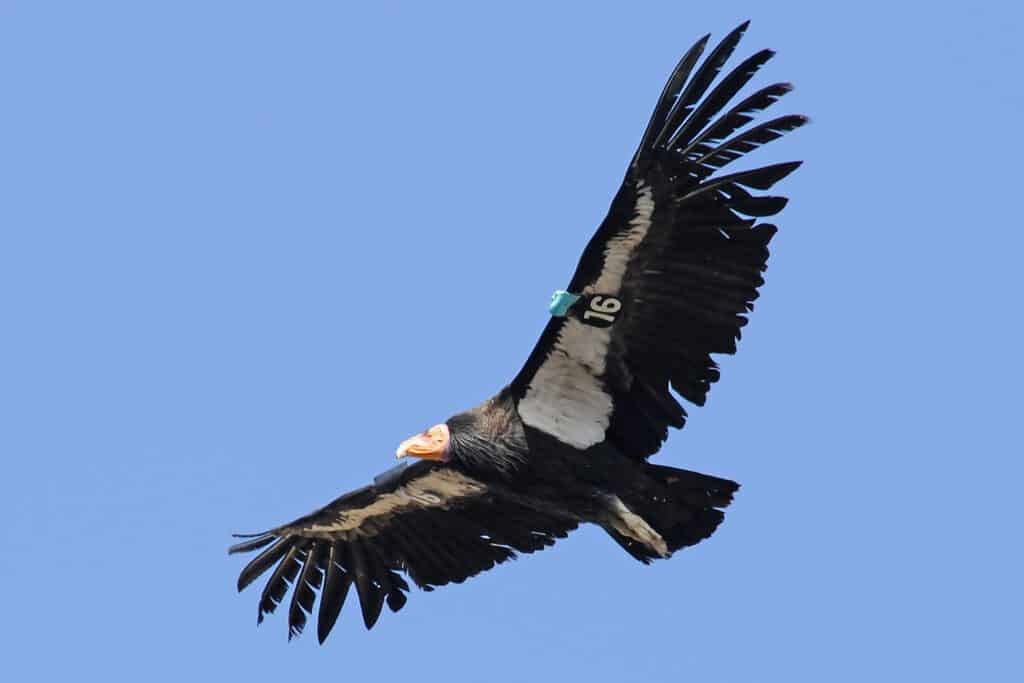
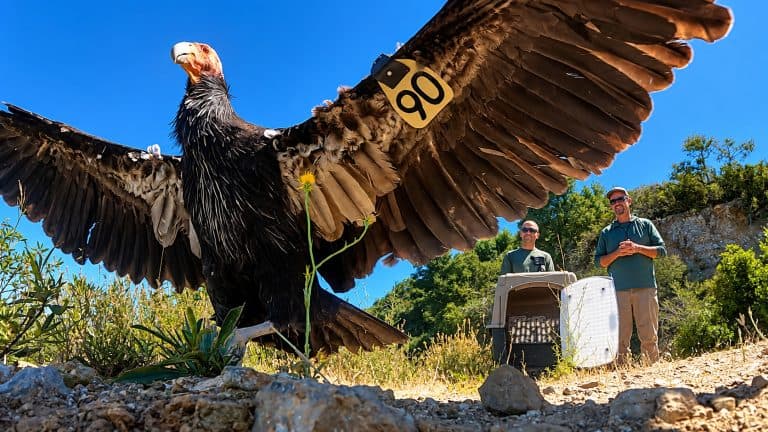
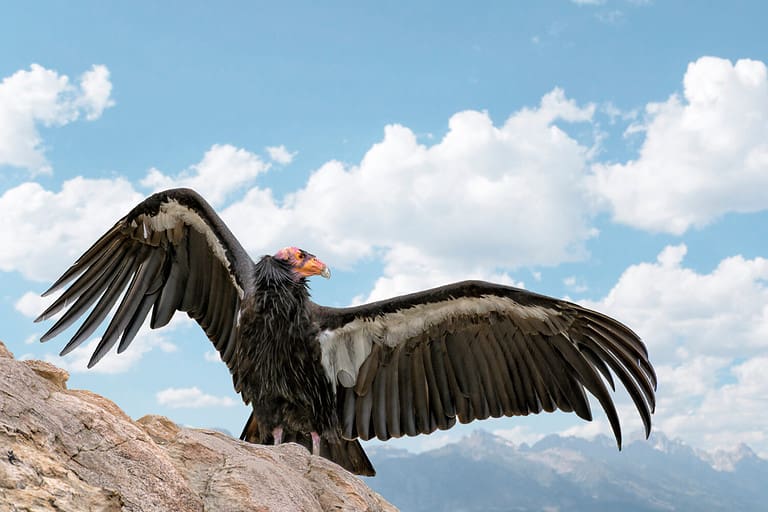
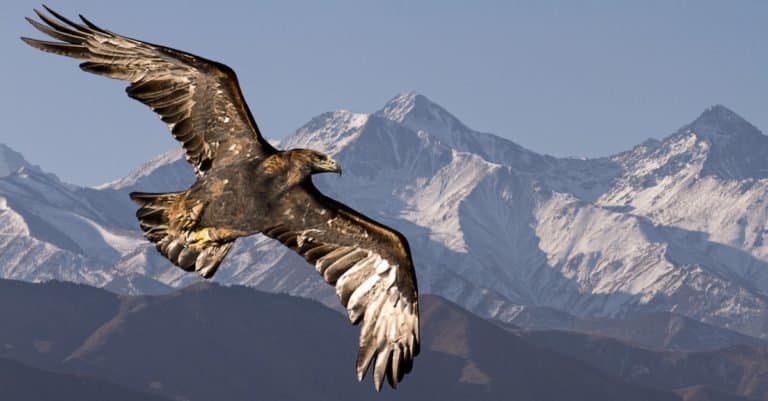
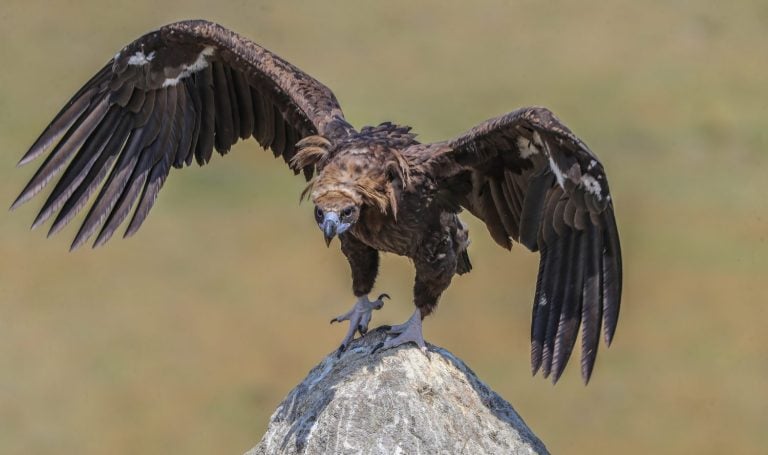
Condors can soar, while swans have to flap to stay aloft, with one expending less energy than the other.
©Brian A Wolf/Shutterstock.com
Emily Shepard, the study’s senior author and a professor at Swansea University, was one of the researchers who pondered this question.
“The laboratory rules tell us that condors and swans must have the same energy bill because they have the same body mass,” Shepard explained in a press release. “Yet seeing how condors soar and swans flap, we know that clearly there must be a difference.”
What Allows Condors to Use Less Energy Than Swans?
The average swan and condor both weigh approximately 24 pounds. The study compared the energy they use in flight, and the results were astounding.
Despite having a similar body mass, condors used significantly less energy than swans while flying. Unlike swans, which had to flap consistently to stay airborne, condors used rising air currents to remain in flight. When traveling a distance of 0.6 miles, condors flapped for only 0.1% of the time they were aloft. Conversely, swans had to flap 99% of the time. This means condors used a fifth of the energy swans did while traveling the same distance.
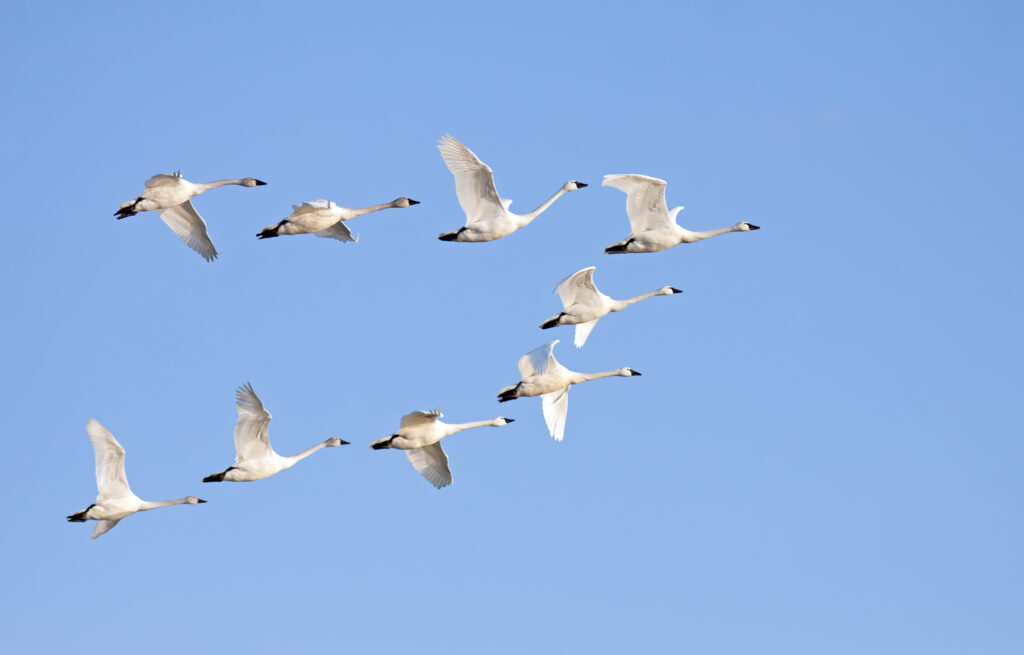
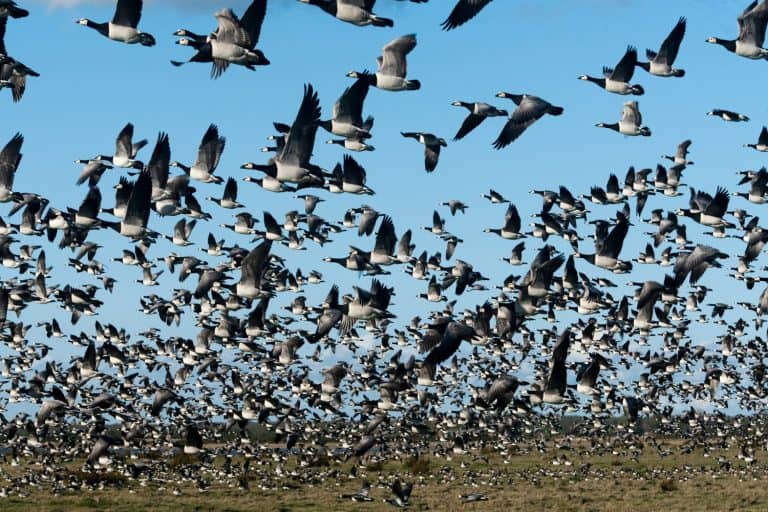
Swans have to consistently flap to stay in flight, using far more energy than condors, who soar.
©Delmas Lehman/Shutterstock.com
According to Dr. Martina Scacco, the study’s first author from the Max Planck Institute of Animal Behavior, birds use any means necessary to conserve energy when in flight, and some of these strategies are invisible to the human eye.
“To us, the sky might just look like background for flying animals,” Scacco stated in a press release, “but it is an essential resource that can dramatically change the cost of a journey.”
Why Swimming Was Thought to Be the “Cheapest Form of Animal Travel”
Past studies have shown that swimming was the “cheapest form of animal travel.” A 2002 study noted that less energy was exerted by birds when swimming in comparison to running or flying. However, this study was conducted in a controlled environment, and it did not consider whether soaring could be a cheaper form of travel.
Swimming was believed to require less power than other modes of avian travel. Although swimming creates drag, researchers thought its metabolic cost was lower than that of flying. However, researchers did not account for the fact that birds exploit favorable conditions in flight to conserve energy. Their calculations were based on idealized weather and wind conditions and did not account for how birds adapt to weather changes. They erroneously concluded that swimming was the least costly form of energy expenditure.
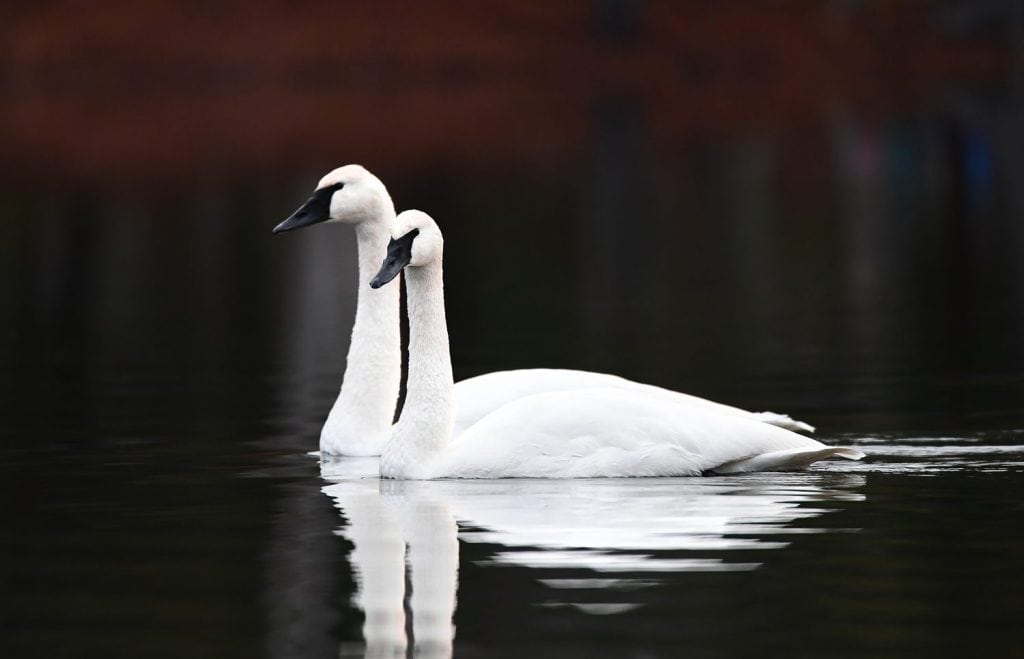
A long-held belief was that swimming was the form of travel that used the least amount of energy for birds.
©Miranda Brunette/Shutterstock.com
The new study shows that long-held assumptions about energy expenditure are incorrect. According to Shepard, birds exploit weather conditions to use as little energy as possible.
“When flying animals have access to natural atmospheric flows, they have free fuel from the sky,” Shepard explained in a press release. “Soaring birds use this to move at costs that are cheaper than swimming.”
Consequently, birds that soar on the breeze use the least amount of energy of birds in flight, regardless of size.
Flapping Birds Have a Greater Ability to Adapt to Changing Wind Conditions
Despite the benefits of soaring, there is a tradeoff. Soaring birds need consistent, predictable wind patterns to conserve energy as they fly. When temperature, wind, or other environmental issues change those conditions, soaring birds use a great deal of energy to stay aloft.
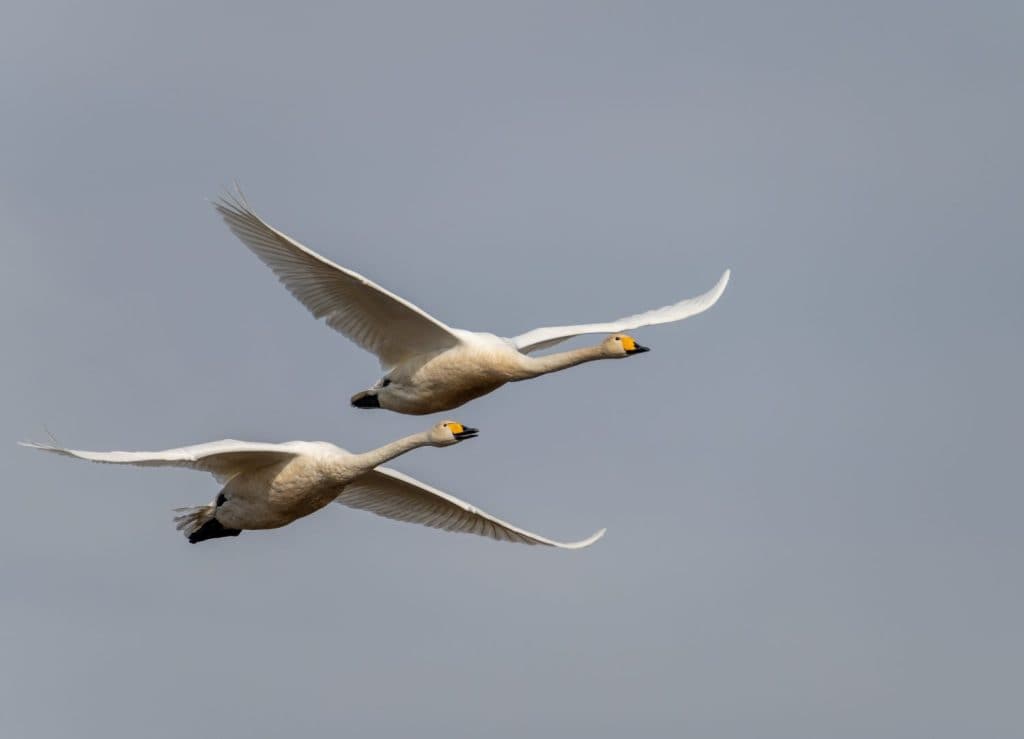
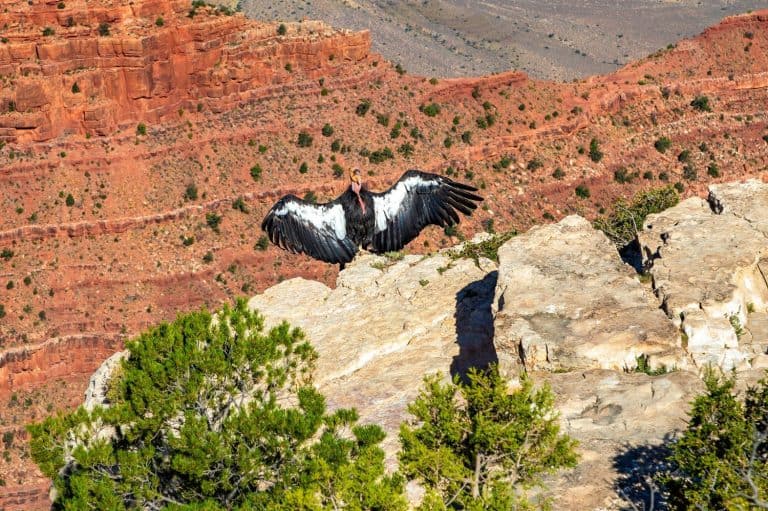
While swans use more energy than condors, they have more control over when and where they fly, as they do not depend on thermals.
©Jounii Rasanen/Shutterstock.com
Alternately, changes in conditions are not nearly as impactful for flapping birds. This is because flapping birds do not rely on air currents to fly. They can take to the sky without worrying about altitude, wind speed, or wind direction. Flapping birds can adapt as conditions change, allowing them to stay airborne longer.
Additionally, a 2024 study found that flapping birds can change their wingbeats to match conditions. This allows the birds to adjust their “thrust-to-lift ratio,” keeping flapping stable even in some of the most extreme weather conditions. Soaring birds cannot modify their aerodynamics in the air, so they are grounded until weather conditions become favorable for flight.
How Will Climate Change Affect Air Travel for Birds?
Species of both soaring and flapping birds migrate annually. While rising temperatures have caused birds to migrate early, before resources are plentiful or before the season’s frosts have ended, climate change also threatens to alter the thermals (wind speeds) during their journey.
Both flapping and soaring birds rely on wind to reach their destinations during migration. According to a 2025 study, warmer temperatures are already making migration more difficult for both flapping and soaring birds. As wind speeds decrease, birds are forced to flap more. In some cases, birds are expending far more energy than they would have previously. In more extreme instances, migration routes are altered completely.
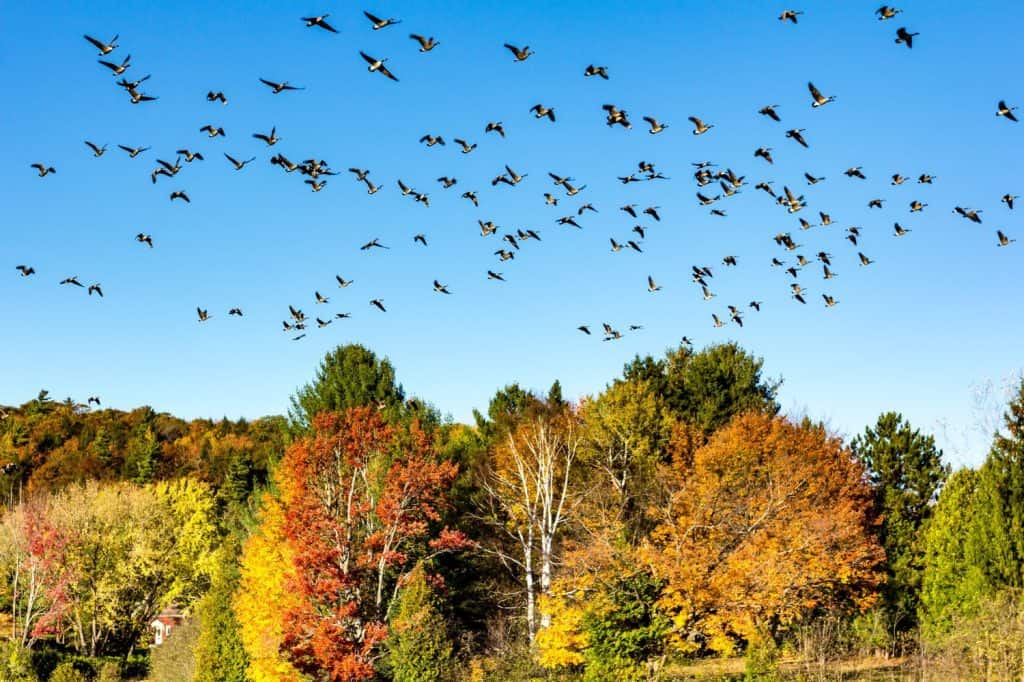
Climate change may make it so that flapping birds can no longer travel the distances they once did for migration, while soaring birds may no longer be able to migrate at all.
©Michel Guenette/Shutterstock.com
As climate change causes more extreme weather, droughts, and flooding, the traditional stopover sites birds used to rest and refuel are no longer available. This means flapping species spend more time in the air, increasing their risk of exhaustion. When crossing large bodies of water, this strain can become life-threatening.
Soaring birds are not immune to the problems caused by a lack of stopover sites. Fewer resting and refueling areas, along with less consistent winds that allow birds to soar, can make migration routes completely inaccessible. This, according to Dr. Kamran Safi, senior author from the Max Planck Institute of Animal Behavior, may determine whether birds migrate at all.
“If atmospheric conditions change, so too will the cost of flight,” Safi stated in a press release, “and therefore how animals decide to migrate and establish communities.”
How this will impact the survival of soaring and flapping birds remains to be seen.