



O
Species Profile

Ori-Pei

Canis lupus familiaris

Wrinkles, wit, and watchdog charm
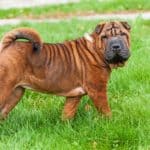
Yllosubmarine/CCBY3.0

Ori-Pei Distribution

Click a location to explore more animals from that region

Origin Location

This map shows the native origin of the Ori-Pei. As a domesticated species, they are now found worldwide.

Loading map...

Size Comparison

Human 5'8"
Ori-Pei 1 ft 1 in

Ori-Pei stands at 19% of average human height.

Ori-pei

At a Glance

Domesticated
Diet Omnivore
Activity Diurnal+
Lifespan 12 years
Weight 18 lbs
Status Not Evaluated
Did You Know?

"Ori-Pei" is a modern designer-dog name; the cross is typically Pug × Chinese Shar-Pei, not a standardized breed with a fixed look.

Scientific Classification

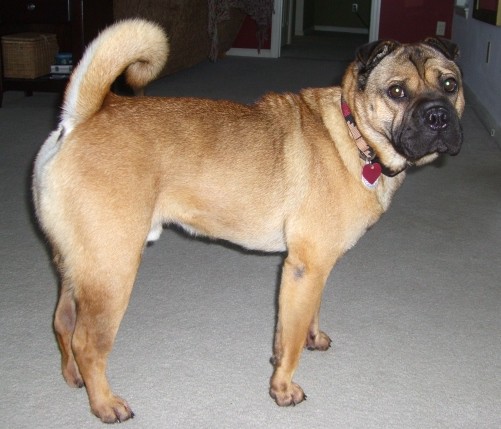
The Ori-Pei is a mixed-breed domestic dog (designer cross) most often produced by crossing a Pug with a Chinese Shar-Pei. It is not a standardized zoological species/subspecies; it is a domesticated dog variety within Canis lupus familiaris.

Kingdom
Animalia
Phylum
Chordata
Class
Mammalia
Order
Carnivora
Family
Canidae
Genus
Canis
Species
Canis lupus

Distinguishing Features

  • Wrinkled or folded skin often inherited from Shar-Pei lineage
  • Short muzzle/flattened face may occur due to Pug ancestry (variable)
  • Compact-to-medium build; appearance highly variable between individuals
  • Coat typically short; coloration and texture vary

Physical Measurements

Males and females differ in size

Height
♂ 1 ft 1 in (11 in – 1 ft 4 in)
♀ 1 ft 1 in (10 in – 1 ft 2 in)
Weight
♂ 24 lbs (13 lbs – 35 lbs)
♀ 20 lbs (11 lbs – 26 lbs)
Tail Length
♂ 6 in (4 in – 8 in)
♀ 4 in (2 in – 5 in)
Top Speed
20 mph
running

Appearance

Primary Colors
Secondary Colors
Skin Type Short-coated with notably loose, wrinkled skin; skin folds can trap moisture and debris.
Distinctive Features
  • Designer crossbreed (Pug × Chinese Shar-Pei) within domestic dog (Canis lupus familiaris); not a formal subspecies, appearance varies widely between individuals.
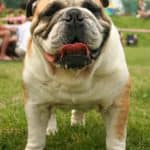
  • Compact small-to-medium build; heavier, more wrinkled and jowly than many domestic dogs of similar size.
  • Wrinkled forehead/face and loose skin reminiscent of Shar-Pei; folds often persist into adulthood.
  • Brachycephalic or shortened muzzle is common (Pug influence); may reduce heat tolerance and stamina.
  • Ears often small and folded; may be button-like (Pug) or small triangular (Shar-Pei).
  • Tail commonly curled or tightly carried over the back; may be looser depending on lineage.
  • Coat typically short to very short; can feel harsh or bristly and sheds moderately.
  • Health concerns: skin-fold dermatitis/yeast infections, allergies, otitis; also brachycephalic airway issues, eye irritation, and joint problems like patellar luxation or hip dysplasia.
  • Care requirements: regular wrinkle/skin-fold cleaning and drying, routine ear cleaning, weight management, and avoiding overheating; moderate daily exercise with rest breaks in warm weather.
  • Grooming needs: weekly brushing; more frequent checks for redness, odor, or moisture in folds and between toes.

Sexual Dimorphism

Males are typically slightly larger and more muscular with broader heads and necks. Females often appear a bit lighter-framed with less pronounced jowls and facial wrinkling, though overlap is common in this cross.

♂
  • Slightly taller/heavier on average; broader chest and neck.
  • Head may appear blockier with thicker jowls and more pronounced facial folds.
  • May show more visible muscle definition when lean.
♀
  • Slightly smaller overall frame; often narrower chest.
  • Facial folds may be somewhat less heavy, especially around jowls.
  • Often appears more refined through waist and limbs.

Did You Know?

"Ori-Pei" is a modern designer-dog name; the cross is typically Pug × Chinese Shar-Pei, not a standardized breed with a fixed look.

Many inherit the Shar-Pei's heavy facial wrinkles and the Pug's curled tail-both traits shaped by human selection, not wild-dog survival needs.

Because both parent breeds have ancient Chinese roots, the Ori-Pei is sometimes marketed as an "Eastern/Oriental" companion mix.

Temperament can swing: some lean Pug-social and clownish-while others lean Shar-Pei-reserved and watchful with strangers.

Wrinkles can be cute but high-maintenance: skin folds can trap moisture and debris, so regular cleaning matters.

Heat tolerance is often limited (especially if the pup inherits a short muzzle), so summer exercise and travel need planning.

The cross can inherit Shar-Pei "blue/black" tongue pigmentation, a trait also seen in Chow Chows.

Unique Adaptations

  • Deep facial skin folds (from Shar-Pei lineage): a human-selected "type" that can influence thermoregulation and skin health, requiring owner care.
  • Brachycephalic head shape in some (from Pug lineage): can reduce heat exchange and airway efficiency, shaping lifestyle needs (cooler environments, paced activity).
  • Compact, sturdy body suited to companionship in smaller homes-an adaptation to human living spaces rather than wild hunting.
  • Curled tail and shortened coat in many: low grooming load overall, but with localized high-care areas (folds, ears).
  • Strong bonding and attentiveness to humans typical of domestic dogs, reinforced by selective breeding for companionship in the Pug and in modern companion-focused Shar-Pei lines.

Interesting Behaviors

  • Snorting, reverse sneezing, and noisy breathing during excitement-more common in individuals with a shorter, Pug-like muzzle.
  • "Velcro dog" tendencies: many shadow their people room-to-room, seeking lap time and contact.
  • Watchful guarding: Shar-Pei influence may show up as alert barking and suspicion of unfamiliar visitors until properly introduced.
  • Short bursts of play followed by long naps-often described in Pug-type companion dogs.
  • Face/skin rubbing on carpets or furniture after meals or outdoor time, especially in dogs with prominent folds that collect moisture.
  • Selective socializing: some are friendly with everyone; others prefer a small circle and benefit from early, positive exposure to people and dogs.
  • Cat-like cleanliness in some individuals (a Shar-Pei trait): they may avoid mud and groom themselves more than typical dogs.

Cultural Significance

The Ori-Pei (Canis lupus familiaris) came from mixing Pugs and Shar-Pei. Pugs were palace pets in imperial China; Shar-Pei worked on farms and guarded homes in southern China. Ori-Pei is seen as a small, loyal house guardian shaped by human culture.

Myths & Legends

In Chinese "lion dog" tradition, small court pet dogs were linked to carved guardian lions ("Foo dogs"), and stories said they brought protection and good luck in the home, often including Pug-type dogs.

In the 20th century Shar-Pei numbers fell sharply. Dog lovers worldwide rallied to save this rare Chinese breed, a widely told rescue story about pulling the breed back from the brink.

Palace-companion lore: traditional anecdotes describe Pugs as cherished indoor companions kept by Chinese nobility, valued for their calm presence and distinctive faces-stories that fuel the modern mystique of Pug-influenced mixes like the Ori-Pei.

Wrinkles-as-fortune belief (folk association): in some East Asian pet-keeping traditions, a deeply wrinkled face has been treated as an auspicious, distinctive feature-helping explain enduring fascination with heavily wrinkled dogs such as Shar-Pei and their mixes.

Naming lore: "Ori-Pei" is commonly interpreted as a modern mash-up suggesting "Oriental" + "Pei," reflecting how contemporary breeders and owners use evocative names to connect a crossbreed to its Asian parent-breed heritage.

Conservation Status

NE Not Evaluated

Has not yet been evaluated against the criteria.

Population Stable

Life Cycle

Birth 4 pups
Lifespan 12 years

Lifespan

In the Wild
8–15 years
In Captivity
8–15 years

Reproduction

Mating System Polygynandry
Social Structure Managed Domestic
Breeding Pattern Serial
Fertilization Managed Selective
Birth Type Internal_fertilization

Behavior & Ecology

Social Pack Group: 4
Activity Diurnal, Crepuscular
Diet Omnivore Meat-forward, highly palatable foods (e.g., chicken-based kibble/wet food or cooked lean chicken)

Temperament

Affectionate, people-focused companion; stronger lap-dog tendency than many dogs
Reserved with strangers; Shar-Pei-like aloofness can appear without early socialization
Moderately playful but not tireless; prefers short bursts of activity
Can be stubborn/independent; benefits from patient, consistent training
Protective and alert; may bark or posture at unfamiliar sounds/visitors
Variable dog sociability; may show same-sex tension or guarding if unmanaged
Sensitive to harsh handling; responds best to calm, reward-based approaches
Potential separation sensitivity; may shadow owners and dislike being left alone

Communication

Short alert barks at door/novel noises
Low grumbles or "talking" during handling or resource disputes
Whines for attention, proximity, or routine changes
Occasional snorts/snuffles tied to brachycephalic airway anatomy
Shar-Pei-style body blocking/leaning; uses physical pressure to manage space
Facial wrinkles and ear position changes signal concern or discomfort
Pawing and nose nudges to solicit contact; strong "velcro dog" signaling
Lip licking, yawning, head turns as stress signals during greetings
Scent marking and resource positioning around beds/toys in multi-pet homes

Habitat

Biomes:
Temperate Forest Boreal Forest (Taiga) Tundra Alpine Temperate Grassland Mediterranean Desert Hot Desert Cold Savanna Tropical Dry Forest Tropical Rainforest Freshwater Wetland Marine Temperate Rainforest +9
Terrain:
Plains Hilly Coastal
Elevation: Up to 14763 ft 9 in

Ecological Role

Domesticated companion animal and human-associated omnivore; minimal natural hunting role compared with wild Canis lupus, primarily functioning within human households and urban/suburban ecosystems.

Companionship and social support for humans Deterrence/alerting (barking) that can reduce some nuisance wildlife intrusion Opportunistic suppression of small pests in some settings (e.g., rodents), though not a specialized vermin hunter Nutrient cycling via consumption of human-provided food and production of waste (managed by people)

Diet Details

Main Prey:
Domestic animals Fish Eggs Small animals
Other Foods:
Cooked vegetables Fruits Grains and starches Plant fiber supplements

Human Interaction

Domestication Status

Domesticated

Dogs (Canis lupus familiaris) came from gray wolves over thousands of years as people bred them for friendliness and jobs such as hunting, guarding, herding, companionship. The Ori-Pei is a modern companion cross (often Pug × Chinese Shar-Pei) to mix Pug size and friendliness with Shar-Pei skin folds and protectiveness. It is not kennel-club standard, so looks and temperament vary.

Danger Level

Low
  • Biting risk exists as with any dog; can increase with poor socialization, pain, or fearful/guarding behavior (Shar-Pei influence).
  • Potential for dog reactivity/territoriality in some individuals; requires early socialization and management.
  • Zoonotic/parasitic risks (fleas/ticks, intestinal parasites, ringworm) are low with routine veterinary prevention and hygiene.
  • Injury risk from knockdowns is generally low due to small-to-medium size, but children can be scratched by nails or irritated skin folds.

As a Pet

Suitable as Pet

Legality: Ori-Pei are usually legal as pets where dogs are allowed. Rules are not often breed-specific, but local BSL for Shar-Pei-type dogs, HOA/landlord rules, and animal control, vaccination, and licensing laws may apply.

Care Level: Moderate

Purchase Cost: $300 - $1,500
Lifetime Cost: $18,000 - $60,000

Economic Value

Uses:
Companion animal market Pet services (veterinary care, grooming, training, boarding) Breeding/designer cross market (variable; ethically dependent on health testing)
Products:
  • companion/pet ownership
  • professional grooming (skin/coat/ear care where needed)
  • veterinary prevention and chronic-condition management (skin disease, eye issues, brachycephalic airway care)
  • training services for socialization and manners

Relationships

Ecological Equivalents 5

Animals that fill a similar ecological role in their ecosystem

Domestic dog
Domestic dog Canis lupus familiaris Ori-Pei is a small-to-medium designer cross between the Pug (short muzzle) and the Shar-Pei (wrinkled skin). Requires wrinkle care and management of weight and heat, plus early training. Has higher risk of brachycephalic obstructive airway syndrome (BOAS)/snoring and of eye, skin, ear, and joint problems, as well as entropion and amyloidosis in some lines.
Pug
Pug Canis lupus familiaris Primary parent breed; overlaps strongly in companion role. Contributes brachycephaly, compact build, and a people-oriented temperament. Also brings higher risk of BOAS (brachycephalic obstructive airway syndrome), heat intolerance, eye injuries/ulcers, and obesity — key considerations for Ori-Pei exercise, climate exposure, and diet.
Chinese Shar-Pei
Chinese Shar-Pei Canis lupus familiaris Primary parent breed; serves as a household guardian, alert dog, and companion. Characterized by loose skin and wrinkles, a reserved personality, and guarding instincts. Raises need for skin-fold care and vigilance for entropion, otitis, and Shar-Pei-specific inflammation.
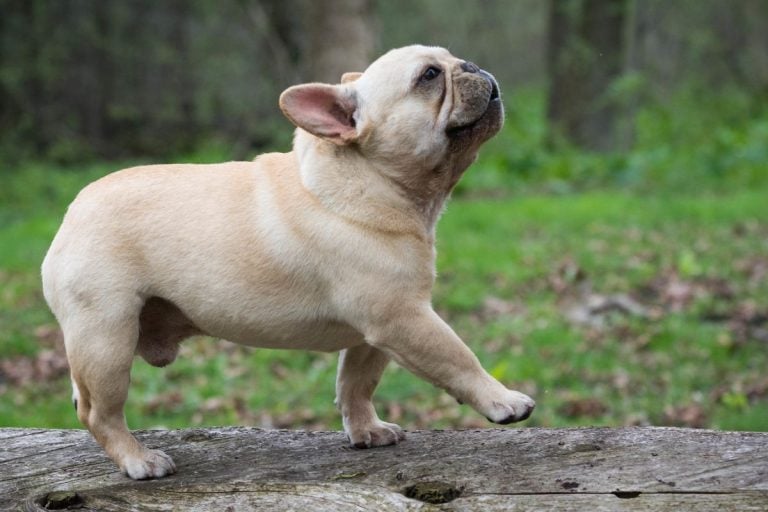
French Bulldog
French Bulldog Canis lupus familiaris Occupies a similar niche as an urban companion with brachycephalic conformation and potential skin-fold issues; requires similar management, including heat sensitivity precautions, airway and eye monitoring, and moderate exercise.
Boston Terrier
Boston Terrier Canis lupus familiaris Comparable companion niche and brachycephalic tendencies; similar concerns around heat and exertion tolerance and eye health.

Quick Take

The ori-pei is a hybrid mixed-breed dog of purebred parents, namely the Chinese shar-pei and pug. The ori-pei originated in North America in the year 1970. A Chinese shar-pei breeder, Aaron Silver, grew very fond of the shar-pei breed but disapproved of their health issues. At that time, he decided to create a hybrid breed by making it smaller and solving some health issues. So, he bred the shar-pei and pug and created the ori-pei breed we know today.

An infographic detailing the Ori-Pei dog breed, showing illustrations of its Shar-Pei and Pug parents alongside facts about its 1970s origin, temperament, and health needs.
One breeder’s mission to save the Shar-Pei created a wrinkle-covered hybrid with a surprising medical history. From 'noisy breathing' to its unique social needs, discover what it actually takes to care for an Ori-Pei. © A-Z Animals

Ori-Pei Dog Amazing Facts

  • The ori-pei has a variety of names, such as the pug-pei, sharpug, and the American ori-pei.
  • They are born with short noses, which causes them to grunt and make a lot of noise when they breathe.
  • The ori-pei is known for its wrinkly facial skin, which gives it a unique appearance.

Pros and Cons of Owning an Ori-Pei Dog

ProsCons
Non-hypoallergenic: Ori-pei’s grooming needs are low maintenance because their fur consists of short, fine hair strands, which keeps them from shedding too much.They are brachycephalic: This condition means that they have short noses, making it difficult for them to breathe correctly. In addition, their nostrils are narrow, preventing sufficient airflow through their nasal passages.
Easily trained: They are exceptionally intelligent and respond well to commands, thus allowing training techniques to be taught easily.They have wrinkly skin: Their wrinkly folds can cause sweat and dirt to accumulate, which can cause bacteria to form, causing skin disorders.
Laid-back nature: They love to relax and prefer to catch a siesta over any exercise or outdoor activity.Must live indoors: Because they have breathing issues, they can easily overheat. They should stay in cool areas to regulate their body temperature and prevent panting.

Weight and Size

Both males and females weigh a maximum of 15 to 30 pounds, and their heights range from 12 to 15 inches.

Health Issues

Although initially bred to reduce the health concerns of the shar-pei and pug, there is no guarantee that newborn puppies won’t inherit health issues from the purebred parents.

If you are considering owning an ori-pei, make sure you find a reputable breeder who can provide a genetic history. This breed is susceptible to health issues, such as:

Temperament

The Ori-pei possesses a playful, loving, and charming nature. They like to act silly and are very in tune with their owners. In fact, they will listen to your conversations and might add a few barking opinions of their own. They are intelligent and respond well to commands but can sometimes be stubborn.

Regarding outdoor activities, the ori-pei is not too concerned about catching the summer rays or investigating what nature has to offer. They prefer being cool indoors and resting in a comfortable area where they can relax and nap.

How to Take Care of an Ori-Pei Dog

It is necessary to do proper research when adopting your canine, as this will give you a clear understanding of how to take care of your dog. You should:

  • Provide a clean and comfortable living environment
  • Always keep your dog’s water bowl filled with fresh water
  • Give your dog a well-balanced and healthy diet
  • Make sure your dog gets enough exercise
  • Ensure that your dog goes for regular check-ups at the vet

Diet

There are many food options out there, but not all of their ingredients will suit your dog’s needs. When choosing either wet canned food or dry kibble, ensure the food is formulated with high-quality ingredients containing nutrients, vitamins, and minerals for a balanced and healthy diet.

If you decide to use kibble, look for smaller bite-sized pellets, as these will be easier for your ori-pei to chew and digest.

Grooming

The ori-pei’s coat is short and soft, resulting in low-maintenance grooming. Brushing once a week is recommended to remove loose hair and maintain healthy skin, even though their short fur does not tangle easily.

However, this breed displays wrinkles around its face, so it is imperative to dry between the folds of the skin after bathing. If the folds of the skin are not kept dry, bacteria can form, causing unnecessary skin conditions.

They typically require a bath every 4 to 6 weeks, or as needed if they become dirty or develop a noticeable odor. Keep their nails trimmed and brush their teeth to prevent dental decay.

Training

This breed responds well to training, especially when proper techniques are used. They are very intelligent and like to please their owners, but at times can be stubborn.

When training your ori-pei, you will need a lot of patience. Make sure to praise them and reward them with tasty treats.

Exercise

Even though ori-pei enjoy lounging around, they certainly appreciate a daily walk. Exercise is an excellent way for them to stretch their little legs and keep their joints and body in good shape. Take walks later in the day when temperatures cool down, as this breed is known to overheat when exposed to warm weather.

They prefer a relaxed walk, as their short muzzles do not get enough airflow due to narrowed air passages.

Puppies

This small breed can become pregnant twice a year and typically produces about three to four puppies per litter. Female puppies can reach sexual maturity around six to nine months of age, but it is best to wait for them to mature and grow before exposing them to mating.

Male puppies tend to be a bit bigger and have a more dominant personality, whereas females are more outgoing, but can be irritable when in heat.

Ori-Pei Dog and Children

Ori-peis express a well-balanced nature that is great for children. It is vital that both canine and child respect each other’s space, as this will instill necessary boundaries.

Dogs Similar to the Ori-Pei

The Chinese Chongqing is a unique medium-sized breed featuring a similar wrinkly face and a short muzzle. They also share similar intelligence and have a gentle nature.

However, the Chinese Chongqing has a stocky and muscular build, while the ori-pei has a smaller body shape. The Chinese Chongqing also displays a more confident and dominant personality.

View all 88 animals that start with O

Sources

  1. Dog Breed Information / Accessed October 28, 2022
  2. Wag Walking / Accessed October 28, 2022
  3. Hepper / Accessed October 28, 2022
Kayeleen Parsons

About the Author

Kayeleen Parsons

Kayeleen Parsons is a writer at A-Z Animals that thoroughly enjoys writing about animals of all types. She has a love for many animals, but her Cocker Spaniel dog holds a special place in her heart. In addition to being a writer, she's also an English teacher, sharing her knowledge to help her students become excellent in the language and literature. When she's not busy writing, Kayeleen enjoys reading and spending quality time with her family in her homeland of Cape Town.

Thank you for reading! Have some feedback for us?


Ori-Pei FAQs (Frequently Asked Questions)

No, ori-pei’s grooming needs are low maintenance because their fur consists of short, fine hair strands, which keeps them from shedding often.