One of the most popular pet birds that you could own, the parakeet, is loved around the world. But you might be wondering how long parakeets live. The answer is actually quite surprising, but there are many factors that affect it. In this article, we will discuss how long exactly parakeets live both in the wild and in captivity, as well as what their standard life cycle is like. So, continue reading to find out how long parakeets live.
How Long Do Parakeets Live?
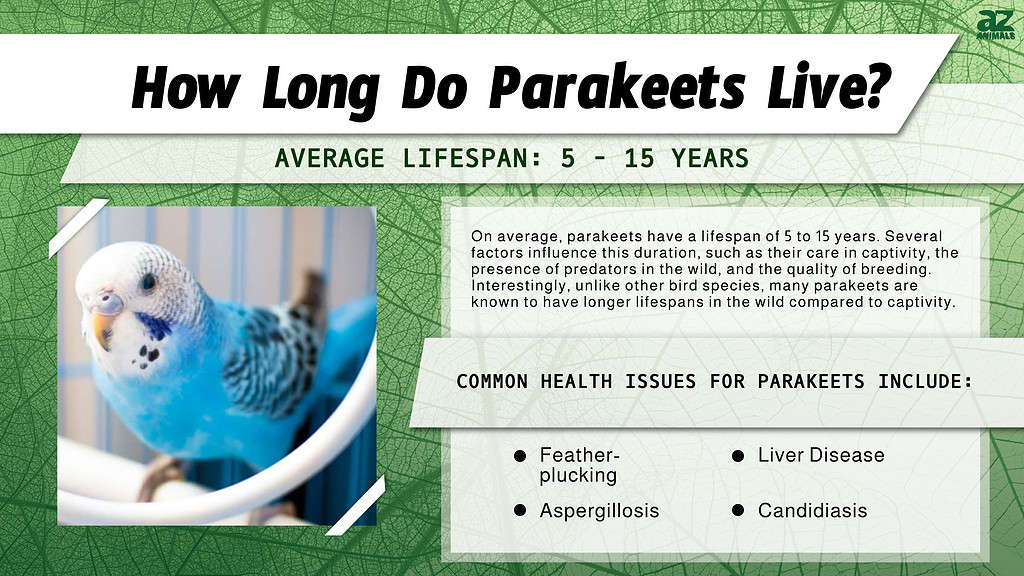
Parakeets live for five to 15 years on average. Many factors affect this number, including their overall care in captivity, potential predators in the wild, and the quality of breeding. Parakeets are known to live longer in captivity than in the wild.
For example, the average wild parakeet can live for four to six years, whereas parakeets in captivity can live up to 15 years, with some individuals exceeding even this. However, it is important to find a reputable parakeet breeder if you are considering bringing one of these birds into your home.
When properly cared for, parakeets can live long and healthy lives. In fact, one parakeet named Charlie was the oldest parakeet on record (according to the Guinness World Records) and lived to be 29 years old. By choosing a parakeet from a reputable breeder and giving it good care, your parakeet is likely to thrive.
The Average Parakeet Life Cycle
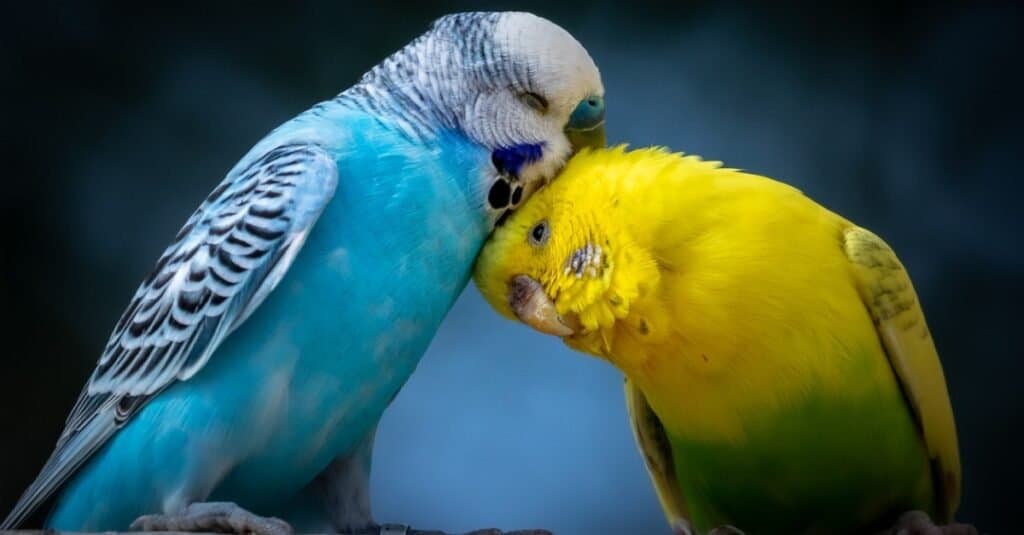
Parakeets live longer in captivity than they do in the wild.
©iStock.com/Werner Baumgarten
Curious to know what a parakeet goes through, from the moment it hatches until old age? Let’s learn about these birds now!
Hatchlings
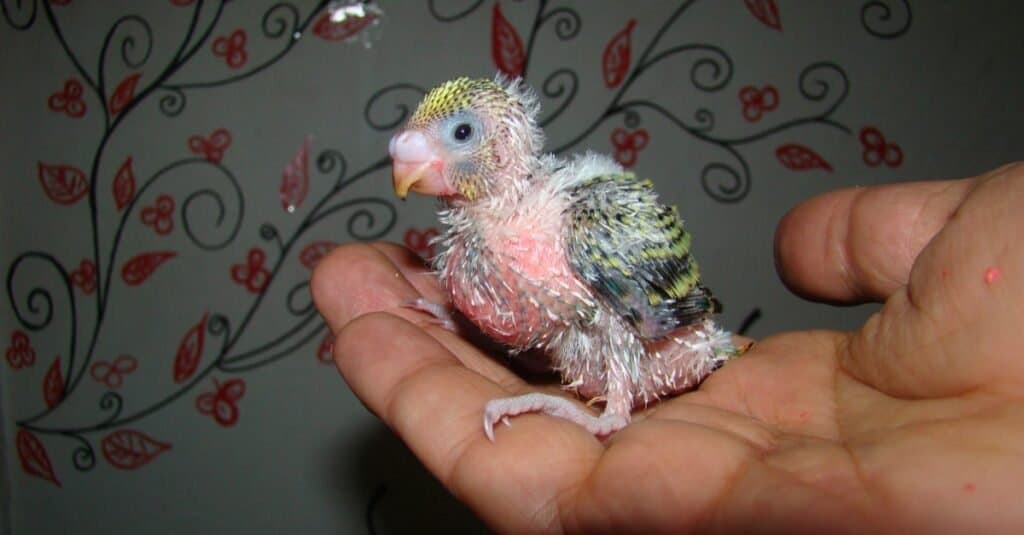
Hatchlings are born without feathers.
©Dr.MYM/Shutterstock.com
Parakeets are unique in that they lay multiple eggs at once, but the eggs hatch one at a time. This leads to multiple sizes of baby parakeets in a nest, and mother parakeets know instinctively to feed the freshly hatched birds first. This behavior increases the chances of survival for wild parakeets.
Hatchlings are born without feathers. About a month after hatching, baby parakeets begin to grow feathers and start to resemble adult birds.
Young Parakeets
Young parakeets are capable of fending for themselves and living without the help of their parents once they are three to six months old. However, parakeet families tend to stick together, and young parakeets still rely on their parents for socialization until they are a year old.
Young parakeets should be socialized frequently, especially if they are going to be raised as pets. Most breeds of birds enjoy a large level of socialization among their own kind, and parakeets are no exception. It is beneficial to their mental health to have other birds to socialize with.
Adult Parakeets
Parakeets are considered adults when they have reached a year of age, as this means they are ready to breed. They should be fully grown and a few inches in length, covered in brightly colored feathers and patterns.
Even adult parakeets need frequent socialization, especially among their own kind. This can be difficult to accomplish if you own a parakeet as a pet, and it may be why wild parakeets thrive despite the presence of predators.
Parakeets grow up with their parents and learn many different behaviors from them. Some of these behaviors include grooming, beak rubbing and kissing, and general modes of playing. Parakeets are very sociable and talkative, with or without their own kind.
If you own a pet parakeet, you may be wondering how you can best care for it with or without other parakeets to socialize with. Let’s talk about how you can give your parakeets the best life possible.
How to Extend the Life of Your Pet Parakeet
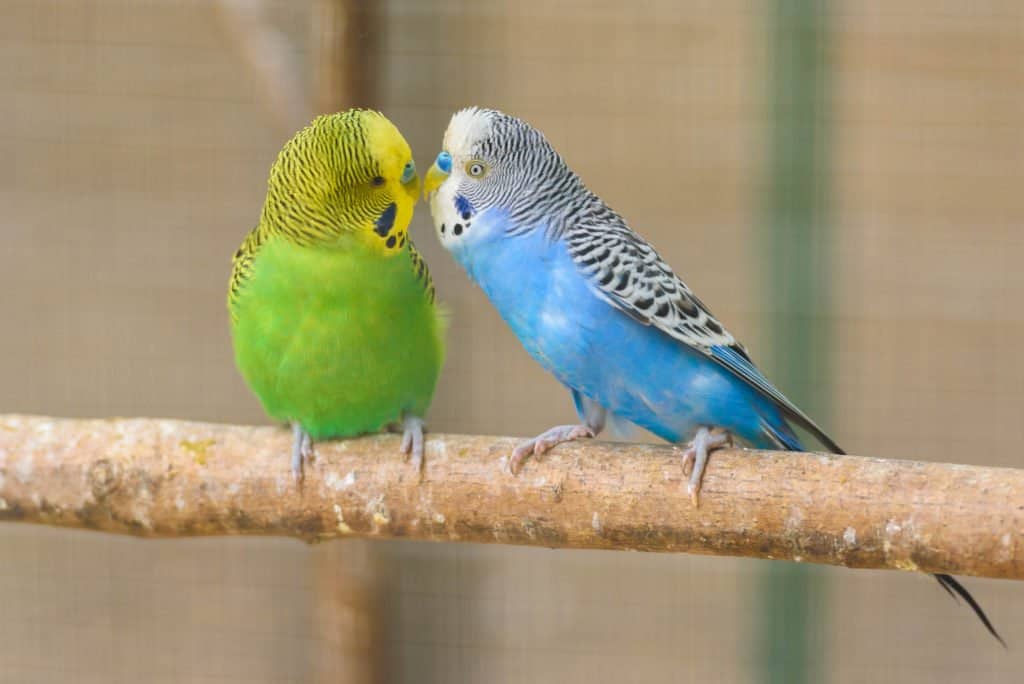
Adult parakeets need socialization, especially among their own kind.
©Uliya Krakos/Shutterstock.com
Here are some ways you can help extend the life of your pet parakeet:
- Watch out for signs of stress: Parakeets often exhibit signs of stress and nervous energy through their chatter, behavior, and eating habits. It is important to pay attention when your pet parakeet is stressed because this can have an overall effect on its lifespan. Be mindful of how chaotic your household is, and avoid keeping your parakeet in high-traffic or areas with fluctuating temperatures.
- Consider two parakeets instead of one: Parakeets are extremely social, based on their life cycle and the amount of time that they spend with their parents and siblings. This is why it is often recommended to adopt two parakeets instead of just one. They crave the company of other birds and often feel safer when they aren’t alone. Parakeets are more likely to live a long and happy life if they have a sibling or parakeet friend to spend time with. A single parakeet will still thrive in a home, but it is more likely to become bored, depressed, and aggravated.
- Feed them a variety of things: Parakeets are very active and therefore require a high level of nutrition. Not only do they need high-quality bird seed, but they should also be fed fruits and vegetables. Make sure not to give them anything toxic, so do your research before feeding your new friends. Fortunately, there are many safe and healthy foods you can offer them.