
Quick Take
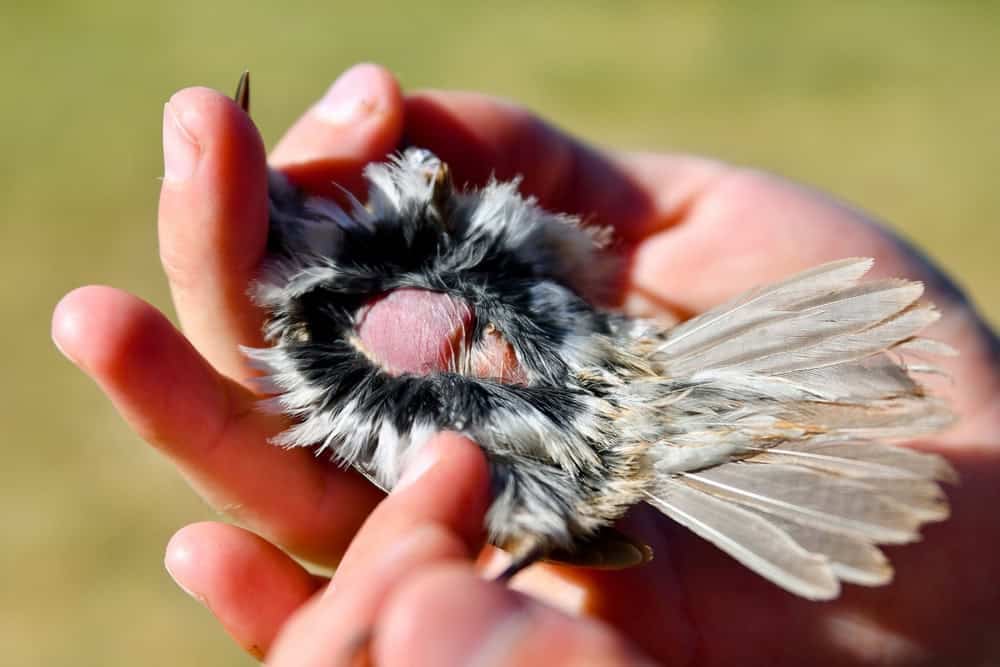
- Birds don't just sit on their eggs. They physically rebuild part of their body to do it, and the transformation is visible to the naked eye. See the visible transformation →
- Losing feathers actually makes a bird a better parent, though not for the reason you'd expect. Discover why feather loss helps →
- The single parent that incubates alone faces a cost so steep that it requires a very specific survival strategy, one that has nothing to do with staying warm. Explore the survival trade-offs →
- Hormones trigger the entire incubation patch process, but one key hormone's role has scientists stumped. Unpack the hormonal process →
The ideal temperature for most eggs to incubate is around 100 degrees Fahrenheit. The majority of bird species do not live in areas where the air temperature is anywhere near that high, so they had to evolve ways to keep their eggs warm. Most birds achieve this by using their body heat. However, the egg incubation process is a lot more complicated than it seems. Many birds even change their bodies so that they can become mobile incubators for their offspring. They change the physiology of their chest and abdomen area in a process called patch vascularization. Below, we cover the intriguing process and how it works.
The Science of Incubation
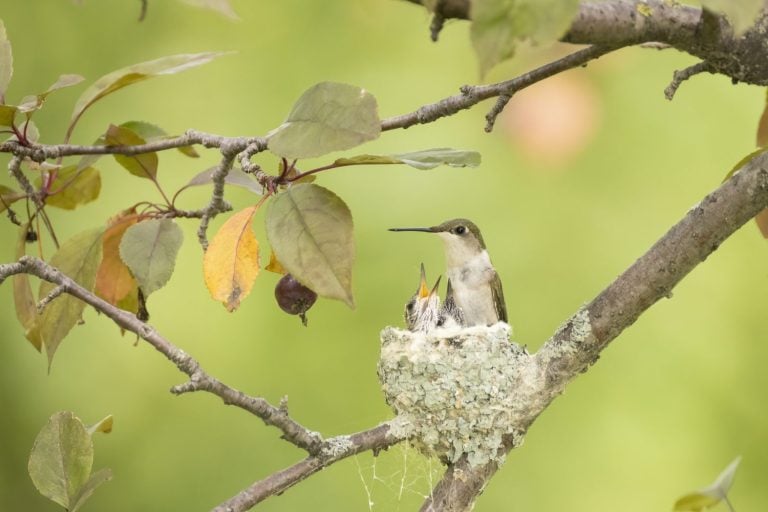
Birds are compelled to incubate their eggs due to a combination of hormonal and physiological inputs, along with social cues such as the presence or absence of a mate. When the egg reaches the right temperature, small clusters of cells divide and eventually develop into a fully formed chick. Incubation may be carried out by the male, female, or both parents. Some birds press their bodies against the eggs to share body heat. Others even move the eggs around or turn them over so that they all get the same share of warmth.
What Is the Incubation Patch?
Many birds develop an area of lost feathers, vascularization, and oedema on their ventral surface before or during egg laying. These patches were first described in the early 1800s, and scientists immediately figured out that their purpose was to allow more intimate contact between the parent bird and the eggs. These areas facilitated efficient transfer of heat to the eggs and were called ‘incubation patches’.
They are found in passerine birds (perching birds), which develop them before egg laying. Also, they are found in Galliformes (land fowl). In this case, the patches develop during egg laying. In general, the parent incubating the eggs is the one that develops the patch. Most patches look similar, but they vary in size and location with each species.
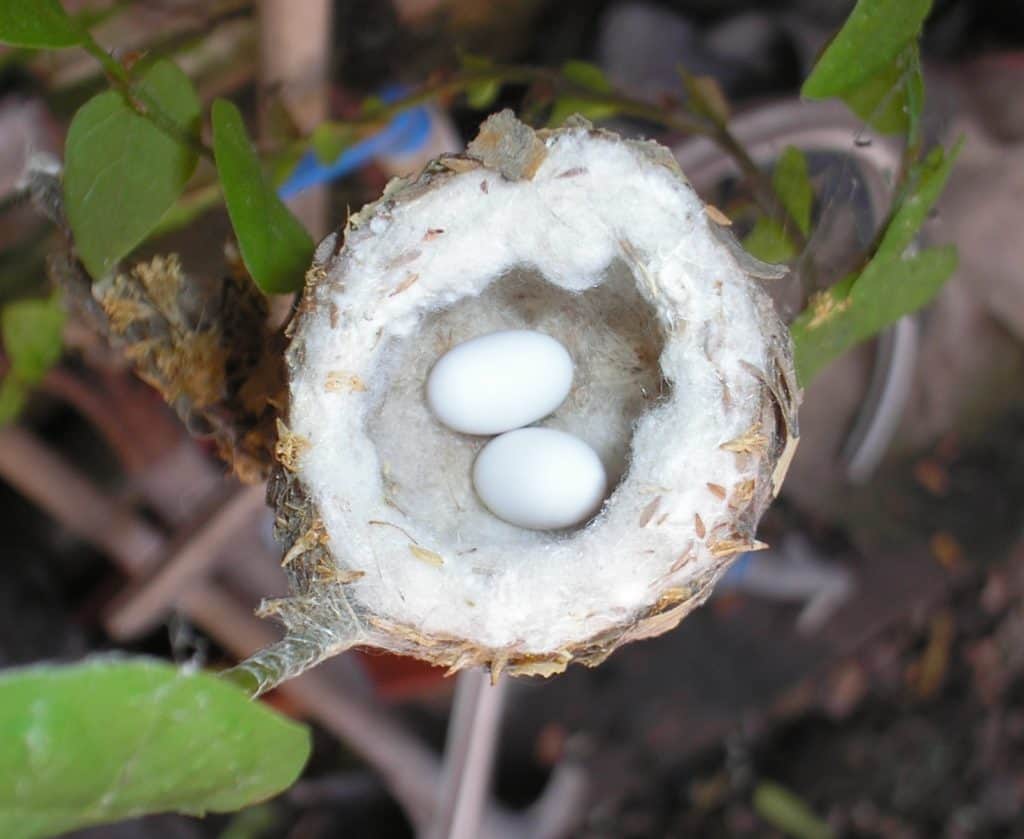
Eggs need warmth to develop properly.
The loss of feathers is the most obvious feature, and this makes sense because feathers are very poor at conducting heat. After all, birds use them for insulation! However, there is a lot more going on below the surface of the skin.
Physiology of Incubation Patches
Incubation patch formation is controlled by hormones. Research has shown that estrogen, together with prolactin, triggers patch formation. The role of progesterone is less clear. In some birds, androgen may also play a role. Patches are located in the large ventral apterium (chest and part of the abdomen).
There are three aspects to the formation of these patches. The most noticeable is the loss of feathers, which takes about 24 hours to develop. It’s important to note that the feathers are not plucked out; rather, they come out during a special type of molt. In the song sparrow, for example, this occurs four to six days before the first egg is laid. Immediately after this stage, the blood vessels in the dermis (the connective tissue layer sandwiched between the epidermis and subcutaneous tissue of the skin) become bigger and more numerous. At this stage, it’s even possible to see some very large vessels with the naked eye, and they are accompanied by many smaller vessels.
During the third stage, the patch becomes more edematous. The skin is now much thicker and loosely folded so that it wraps around the eggs like a blanket. This ensures that all the warmth provided by the blood vessels is efficiently transferred to the eggs. The patch will persist until the brooding is over. Afterwards, the blood vessels gradually shrink, and the oedema subsides. Eventually, the feathers grow back. This only happens once the young are hatched and are no longer dependent on the parent for maintaining their body temperature.
The Costs of Incubation
Clearly, the young birds gain a lot from the incubation process, but it comes at a cost to the parents. Researchers have measured the metabolic cost of keeping eggs warm in several species. When ambient temperatures are lower, the bird returning to a cold nest has to use up a lot of energy to warm the eggs back up. This is especially true for larger clutches.
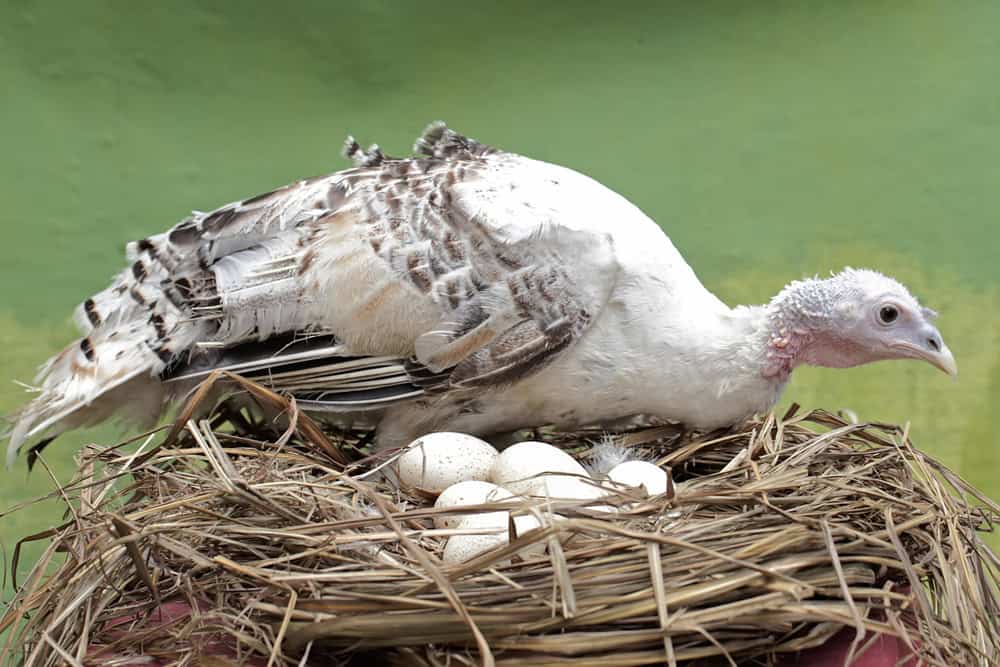
Incubating eggs is costly for the parent.
©I Wayan Sumatika/Shutterstock.com
However, the energy lost in thermoregulation is not as costly as the foraging time lost when incubating eggs. Where both males and females incubate the eggs, they are covered for nearly 100 percent of the time, and the cost is shared between the parents. In species where only one parent incubates, and this parent does not have food delivered by a partner, huge fat reserves are required to survive. Ultimately, parents must balance keeping their eggs warm with meeting their own needs, such as staying warm themselves and finding enough food to survive.