P
Species Profile

Peruvian Guinea Pig

Cavia porcellus

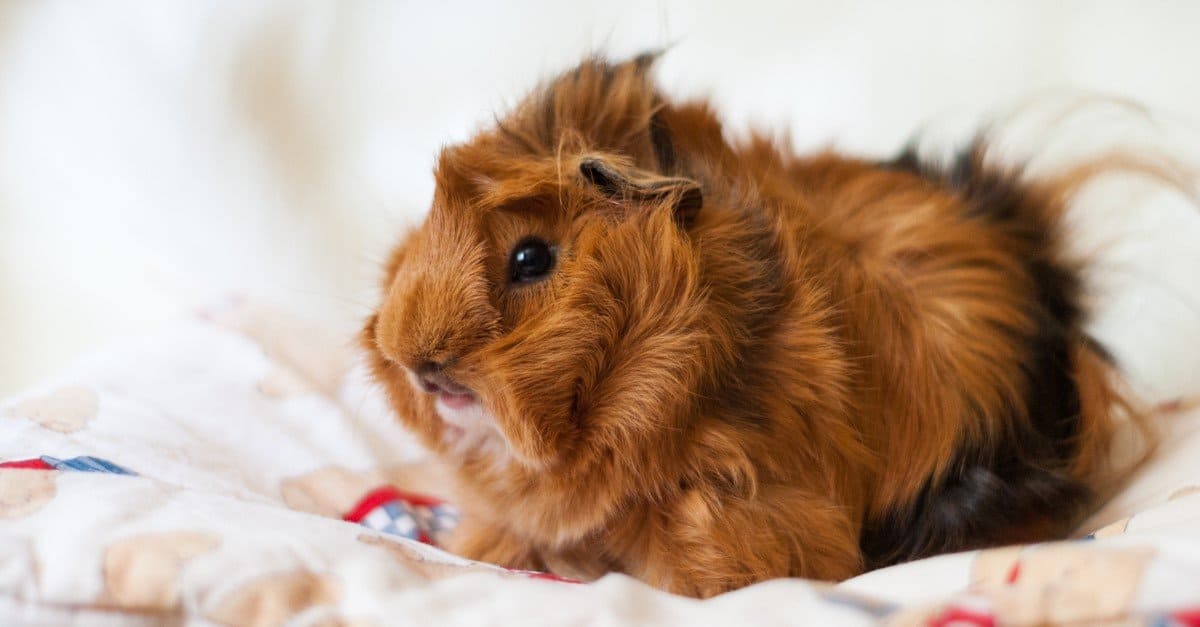
The runway model of guinea pigs
Sofiia.P/Shutterstock.com

Peruvian Guinea Pig Distribution

Click a location to explore more animals from that region

Origin Location

This map shows the native origin of the Peruvian Guinea Pig. As a domesticated species, they are now found worldwide.

Loading map...

Size Comparison

Human 5'8"
Peruvian Guinea Pig 5 in

Peruvian Guinea Pig stands at 7% of average human height.

At a Glance

Domesticated
Also Known As Peruvian cavy, Long-haired guinea pig, Longhaired cavy, Cuy
Diet Herbivore
Activity Crepuscular+
Lifespan 2 years
Weight 1.4 lbs
Status Not Evaluated
Did You Know?

"Peruvian" is a coat variety of the domestic guinea pig (Cavia porcellus), not a separate wild species.

Scientific Classification

The Peruvian guinea pig is a long-haired breed/variety of the domestic guinea pig, known for very long, straight hair that grows over the body and can form a center part; it is commonly kept as a pet and shown in cavy fancy standards.

Kingdom
Animalia
Phylum
Chordata
Class
Mammalia
Order
Rodentia
Family
Caviidae
Genus
Cavia
Species
Cavia porcellus

Distinguishing Features

  • Very long, straight coat that can trail along the sides
  • Coat commonly shows a central parting and prominent hair growth patterns/rosettes associated with the breed standard
  • Requires frequent grooming to prevent matting and soiling
  • Domestic guinea pig body plan: compact, tailless rodent with small ears and large incisors

Physical Measurements

Males and females differ in size

Height
5 in (4 in – 6 in)
Length
10 in (8 in – 1 ft 1 in)
Weight
2 lbs (2 lbs – 3 lbs)
2 lbs (2 lbs – 2 lbs)
Top Speed
9 mph
running

Appearance

Primary Colors
Secondary Colors
Skin Type Mammalian skin under continuous, very long straight hair; prone to moisture retention and irritation if mats form.
Distinctive Features
  • Domestic long-haired variety of Cavia porcellus (not a wild Peruvian endemic species).
  • Signature trait: extremely long, straight coat growing over entire body, often forming a center part along the spine.
  • Hair can drape to the ground in adults; facial furnishings may require careful trimming for vision.
  • Show/pet breed distinction from typical short-haired guinea pigs is coat length/texture rather than body shape.
  • High grooming requirement: frequent combing and detangling to prevent matting and skin sores.
  • Husbandry needs: clean, dry bedding and regular spot-cleaning to reduce urine scald and coat staining.
  • Health concerns increased by coat: overheating risk in warm environments; provide cool, ventilated housing.
  • Mats can trap moisture leading to dermatitis, flystrike risk in poor hygiene, and secondary infections.
  • Long hair may predispose to conjunctivitis/eye irritation if strands contact eyes; monitor and trim safely.
  • Regular parasite checks recommended; dense coat can hide lice/mites and delay detection.
  • Notably slower drying after baths; ensure thorough drying to prevent chilling and skin issues.

Sexual Dimorphism

Sexes look very similar in overall size and coat presentation; differences are mainly genital. Males may be slightly larger-headed or heavier on average, but coat length, texture, and coloration do not reliably differ by sex.

  • May average slightly heavier with broader head in some individuals.
  • No consistent coat-length or color differences from females.
  • Often slightly smaller-bodied on average; not reliably distinguishable by coat.
  • No consistent coat-length or color differences from males.

Did You Know?

"Peruvian" is a coat variety of the domestic guinea pig (Cavia porcellus), not a separate wild species.

The hallmark look is very long, straight hair that can form a center part down the spine in show grooming.

Peruvians typically have rosettes (swirls) at the shoulders and rear that influence how the coat lays.

Because guinea pig hair grows continuously, a Peruvian's coat can reach the ground if not trimmed.

Long coats can hide early skin problems-regular hands-on checks are as important as combing.

Like all guinea pigs, Peruvians can't make vitamin C and must get it from diet (fresh veg or fortified pellets).

Unique Adaptations

  • Selective breeding for a continuously growing, extra-long, straight coat-an ornamental trait unique to long-haired varieties within Cavia porcellus.
  • Coat rosettes create directional "breaks" in the hair, producing the distinctive Peruvian drape used in cavy fancy standards.
  • The long coat provides extra insulation but increases overheating risk-husbandry must prioritize cool, well-ventilated environments.
  • Domestic temperament shaped for handling and showing; many Peruvians are bred for calmness during grooming and judging.

Interesting Behaviors

  • "Wheeking" loudly at food cues-many learn the sound of a fridge or treat bag.
  • "Popcorning" (sudden hops) when excited, common in young or happy cavies.
  • Rumble-strutting during courtship or dominance displays; may include a gentle hip-sway.
  • Chattering teeth as a warning when annoyed or guarding space.
  • Social huddling and mutual grooming with compatible cage-mates; isolated cavies often become quieter and stressed.
  • Exploring by scent and touch-long coats may brush objects first, so they pause and "feel" their way through clutter.

Cultural Significance

Guinea pigs originate from the Andes and hold enduring cultural importance in Peru and neighboring regions-kept traditionally for food, household economy, and ritual/folk healing. The "Peruvian" long-haired variety is especially significant in the modern cavy fancy (pet/show culture), where coat length, texture, and rosette placement are judged and carefully maintained.

Myths & Legends

Andean traditional healing practices describe using a guinea pig in diagnostic rituals: the animal is passed over a person's body to "draw out" illness, then examined to identify the source of suffering.

Folk belief in parts of the Andes holds that the guinea pig can absorb or carry away malady from the patient during healing ceremonies, linking the animal with spiritual cleansing.

Historical-cultural association: in Cusco School religious art (colonial-era Andean Catholic imagery), guinea pigs appear in banquet scenes-including a famous "Last Supper" depiction-reflecting their symbolic place in local life and offerings as well as diet.

Naming and show-history anecdote: the "Peruvian" label in cavy fancy reflects the species' Andean roots and the long-haired type's early association with South American imports and later standardization by breed clubs for exhibition.

Conservation Status

NE Not Evaluated

Has not yet been evaluated against the criteria.

Population Stable

Life Cycle

Birth 3 pups
Lifespan 2 years

Lifespan

In the Wild
1–4 years
In Captivity
4–8 years

Reproduction

Mating System Polygynandry
Social Structure Managed Domestic
Breeding Pattern Transient
Fertilization Internal Fertilization
Birth Type Internal_fertilization

In managed Peruvian (long-haired) guinea pigs, breeders often keep one boar with several sows; both sexes may mate with multiple partners and show little pair-bonding. The coat needs heavy grooming, with risks of matting/heat stress and pregnancy toxemia monitoring.

Behavior & Ecology

Social Colony Group: 4
Activity Crepuscular, Cathemeral
Diet Herbivore Bell pepper (a common high-vitamin C favorite treat)

Temperament

Generally sociable, gentle, and group-oriented; becomes anxious when housed alone.
Most individuals show dawn/dusk peaks; some shift more diurnal with household routines.
Breed distinction: long, straight Peruvian coat can reduce agility; may startle easier when hair covers eyes.
Often tolerant of handling when supported fully; dislikes sudden lifting or coat tugging during grooming.
Dominance behaviors include rumble-strutting, mounting, and nose-offs; usually ritualized, not injurious.
Health/care-linked behavior: coat matting or skin irritation can cause touch-aversion and defensive squeaks.
Breed health concerns: prone to tangles, fecal/urine soiling, dermatitis, ectoparasites, heat stress.
Care requirements: daily coat checks, frequent gentle brushing, sanitary trims, clean dry bedding, cool housing.
Species context: needs vitamin C daily; pain from dental disease or scurvy often presents as withdrawal.
Variation: show-bred Peruvians may be calmer; minimally handled individuals remain more flighty.

Communication

wheek Food/attention call
purr Contentment or low arousal
rumble Dominance/courtship
chut/chutter Exploration
teeth chattering Warning
squeal/scream Pain or fear
whine Submission/complaint
chirp Rare, high-pitched; unclear function
scent marking with chin/anogenital glands
rumba-strut posture display
mounting to assert dominance
nose-touch greetings and nose-offs
freezing or crouching when startled
hiding/retreating to cover
allogrooming and social contact resting
foot stamping in agitation
body nudges to claim space/resources
coat/skin condition signals: avoiding touch when matted or soiled

Habitat

Biomes:
Temperate Grassland Tropical Dry Forest Savanna Alpine Wetland Freshwater
Terrain:
Mountainous Hilly Plateau Valley
Elevation: Up to 14763 ft 9 in

Ecological Role

Domesticated herbivorous small mammal (pet/show breed); functionally a grazer/browser in human-managed environments rather than a wild ecosystem engineer.

Nutrient cycling via manure/compostable bedding output Vegetation trimming in controlled settings (grazing on grasses/greens) Human-focused services: companionship, education, and participation in animal fancy/showing

Diet Details

Other Foods:
Grasses and dried grass hays Leafy greens Vegetables Vegetables Fruit Guinea pig pellets Clean water +1

Human Interaction

Domestication Status

Domesticated

Cavia porcellus (domestic guinea pig) was domesticated in the Andes thousands of years ago for food and ritual, later kept as companions and spread worldwide after European contact. The Peruvian is a long-haired show and pet variety, bred for a long, straight coat with a center part; it is a selective-breeding product, not a separate domestication.

Danger Level

Low
  • minor bites or scratches when frightened or improperly handled
  • allergic reactions to dander/hay/bedding (common household trigger rather than animal aggression)
  • rare zoonotic concerns (e.g., dermatophyte/ringworm or ectoparasites) typically associated with poor husbandry or exposure to infected animals

As a Pet

Suitable as Pet

Legality: Peruvian guinea pigs are usually legal as pets in most places. Some towns, landlords, or regions may limit small animals or need permits. Always check state, provincial, and local rules first.

Care Level: Experienced

Purchase Cost: $30 - $150
Lifetime Cost: $800 - $2,500

Economic Value

Uses:
Companion animal/pet trade Animal breeding (cavy fancy) Exhibition/show circuit Pet supplies and grooming products Veterinary services (exotics/small mammals) Rescue/rehoming services
Products:
  • sale/adoption of pet and show-quality Peruvians
  • breeding services and show stock
  • specialty grooming tools (combs, detanglers, scissors)
  • enclosures, bedding, hay, pellets, vitamin C supplements
  • professional grooming/handling for show preparation

Relationships

Related Species 6

Brazilian cavy Cavia aperea Shared Genus
Montane cavy Cavia tschudii Shared Genus
Shiny guinea pig Cavia fulgida Shared Genus
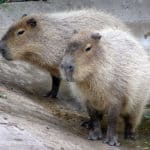
Capybara
Capybara Hydrochoerus hydrochaeris Shared Family
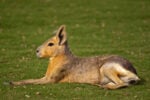
Patagonian mara
Patagonian mara Dolichotis patagonum Shared Order
Rock cavy Kerodon rupestris Shared Family

Ecological Equivalents 8

Animals that fill a similar ecological role in their ecosystem

Smooth-coated domestic guinea pig Cavia porcellus Peruvian guinea pigs (Cavia porcellus) have very long, straight hair that parts down the middle. They require regular brushing, trims, and clean bedding to prevent mats, dirt buildup, and skin problems, and they are shown for coat quality.
Silkie guinea pig Cavia porcellus Long-haired cavy breed occupying the same pet/show niche. Compared with Peruvians, Silkies typically have hair that flows backward from the head without the pronounced rosette/parting pattern, but they share higher grooming demands and an increased risk of matting.
Coronet guinea pig Cavia porcellus Long-haired show breed of the domestic guinea pig (same species), characterized by a head rosette (crown). Like Peruvian guinea pigs, coat maintenance is a primary care requirement, and owners often perform routine brushing and trimming to prevent tangles and urine scald.
Texel guinea pig Cavia porcellus Long-haired breed of the same species with a curly/woolly coat. Shares the same general husbandry but typically has an even greater propensity for matting than straight long coats, highlighting why Peruvian coats need consistent grooming and clean, dry housing.
Abyssinian guinea pig
Abyssinian guinea pig Cavia porcellus Same species occupying the same companion/show niche; differs by having a rough coat with multiple rosettes rather than long straight hair, but shares common pet health considerations (vitamin C requirement, dental overgrowth risk, and respiratory sensitivity).
Domestic rabbit Oryctolagus cuniculus Similar small herbivorous companion-animal niche: a high-fiber diet centered on hay, environmental enrichment needs, and vulnerability to stress. Predators and husbandry challenges overlap, including heat sensitivity and the importance of dental care.
Chinchilla
Chinchilla Chinchilla lanigera Similar prey-species companion niche, with emphasis on gentle handling, careful temperature control (chinchillas are heat-sensitive), and coat-related care considerations—though chinchillas require dust baths rather than brushing.
Degu Octodon degus Small, social herbivorous/folivorous rodent kept as a pet; has overlapping enrichment needs and susceptibility to diet-related health issues, offering a comparable ecological/companion niche despite not being a cavy.

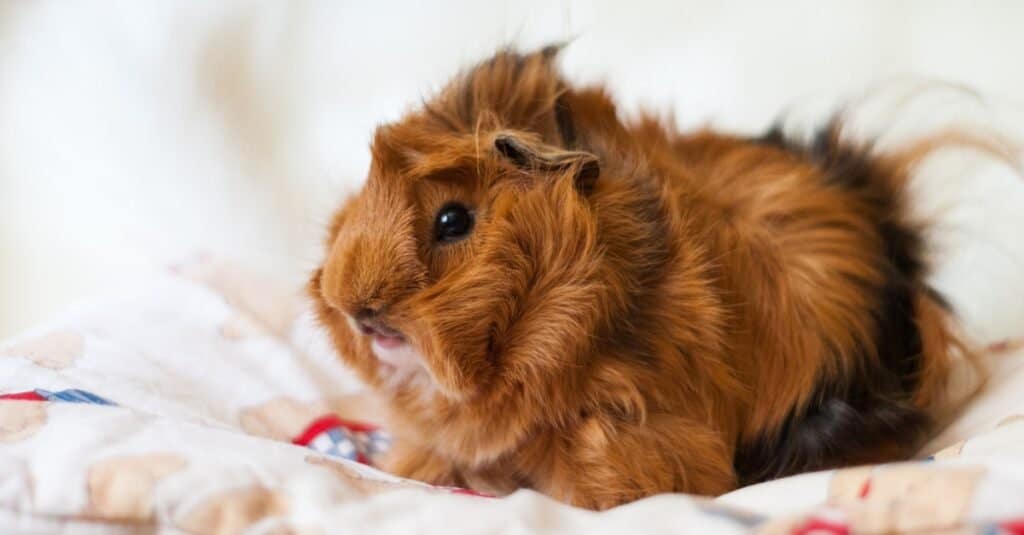
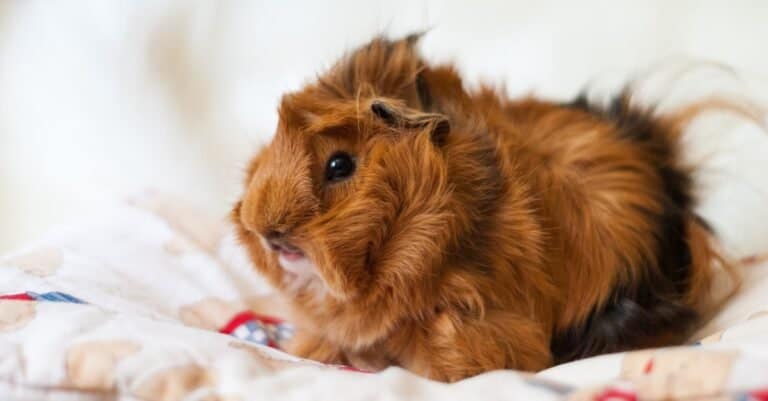
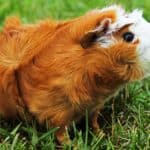
The Peruvian guinea pig is well known for its long, soft tresses and edgy bangs.

Facts

  • Peruvian guinea pigs make several cute sounds, like squeaks and chirps in order to communicate with each other, out of excitement for food, and when they recognize their owners.
  • They chew teach other’s hair, sometimes for cosmetic purposes, and other ties to establish dominance. Males will chew the fur of other males to label themselves the superior. This is called barbering.
  • Their fur can reach lengths of up to 20 inches.
  • Peruvian guinea pigs commonly eat their own feces in order to obtain all the nutrients from their diet.
  • They are social animals and prefer to live with other pigs. They do not, however, house well with other species of animals.
  • Peruvian guinea pigs cannot synthesize their own vitamin C, just like people, so they have to get it from their food.

Summary

Peruvian guinea pigs have mastered the art of being cute and cuddly. It is no wonder that this breed commands so much attention and grooming. They are popular guinea pig pets because of their long, exotic hair. It is almost difficult to believe that long before these adorable rodents were cute household companions and show animals, they were mostly for meat.

Scientific Name

The scientific name of the Peruvian guinea pig is Cavia porcellus. It belongs to the genus Cavia of the family Caviidae. The genus name Cavia is from the word “cabiai” which means guinea pig in an indigenous language spoken in French Guyana. The specific name porcellus is Latin for “little pig.” Despite being called guinea pigs, these cute little creatures are not from Guinea and are not biologically closely related to pigs. They are from Peru, hence its name. Another name is Peruvian cavies.

Appearance
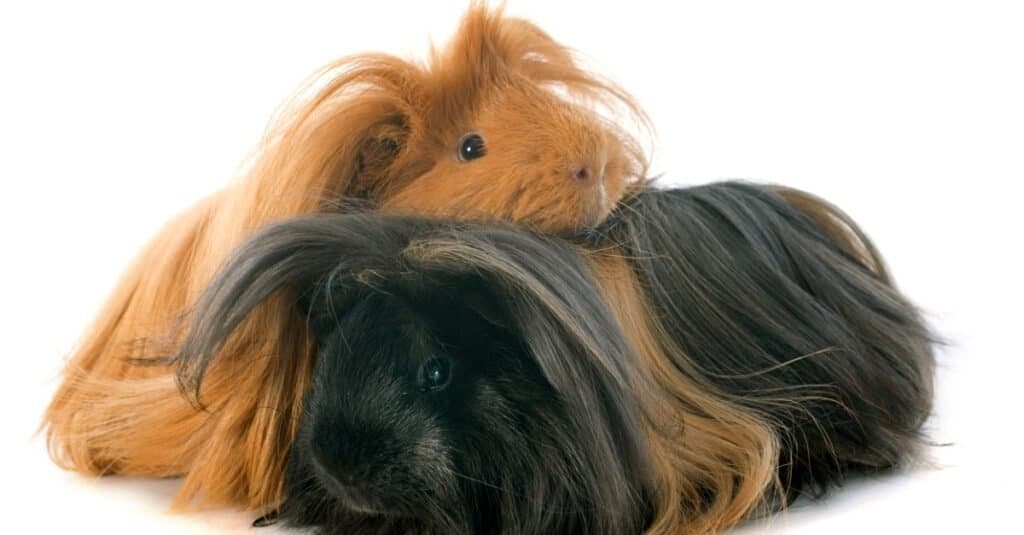
Guinea Pig Types-Peruvian

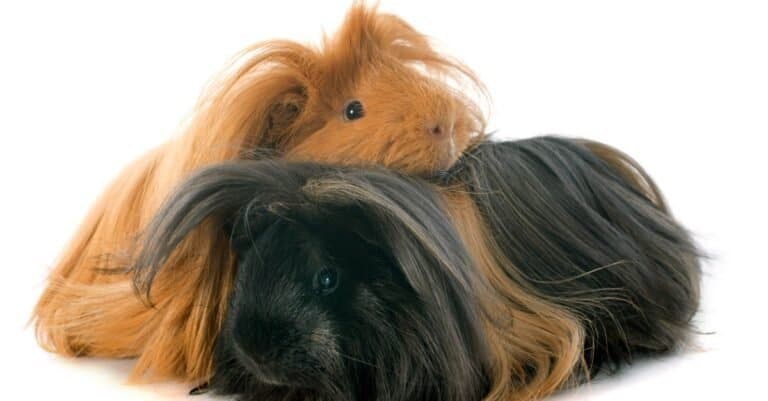
Peruvian guinea pigs have long and luscious hair that needs regular grooming.

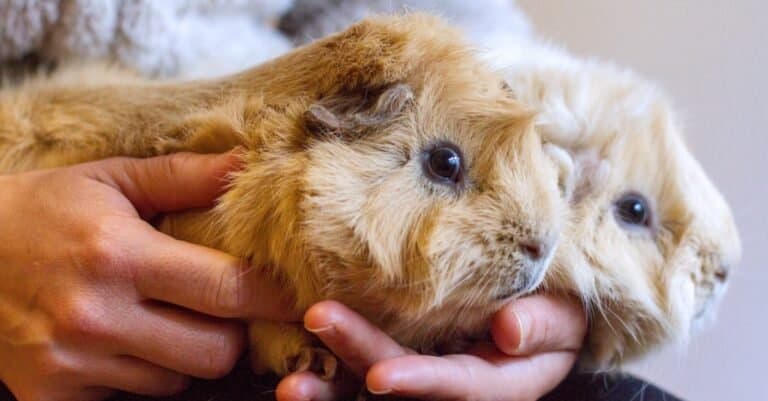
Peruvian guinea pigs are known for their shiny locks. They easily stand out because of their fur which is longer than any other breed of guinea pig. Their fur can reach lengths of up to 20 inches long. This hair comes in many different colors including white, brown, black, russet, cream, and dark gray. They also come in different patterns, such as the single color, bi-color, and tri-color patterns.

The bodies of Peruvian guinea pigs are small and bilaterally symmetric and parted down their back so their fur falls down elegantly on either side. Their soft, brilliant coats are pulled forward towards the head into its characteristic bangs that frame its face without getting in the way. Hair swirls or “rosettes” occuring on their hips and head create this effect. They have small ears and tails. Because of their lustrous appearance, they are show animals.

Peruvian guinea pigs have four long, curved incisors at the front of their mouths. These teeth are sharp from constant gnawing and open-rooted, which means they never stop growing. They also possess four toes on their front legs and three on their hind legs and these toes have sharp claws.

Guinea pigs are relatively large when you compare to other rodent species. They can weigh anything from 1.5 to 2.6 pounds and reach lengths of eight to ten inches.

Behavior

Peruvian guinea pigs are very well tempered animals. They make great pets because of their vocal nature and friendly personalities. They are love being around their owners and other pets as well. Although they can be shy, they tend to be very lively and playful, requiring frequent attention from their owners.

Due to their robust personality and heavy grooming, they are not for beginner owners.

Peruvian guinea pigs are very active and need consistent exercise, just like all others. This means that they will require enough housing space to move around at will. Because of their natural inquisitiveness and playful nature, they have to be entertained regularly and exercise is a great way to do it. However, it should be noted that Peruvian guinea pigs should not use exercise wheel because they can have adverse effects on their backs.

Peruvian guinea pigs are not very good climbers, but they do swim quite well, although they are not particularly fans of being in water. They are vocal animals and often communicate their excitement or acknowledge their owners with squeaks. They have been known to whistle in recognition of their owners’ footsteps and also when they are getting fed.

Like all other breeds, Peruvians do not have a well-developed defense system. They frighten easily and tend to freeze in place when faced with a predator rather than run for shelter. When they do run, it is usually with flitting movements that serve to confuse their predator.

Peruvian guinea pigs also have a habit of “popcorning” when they are excited, a cute motion that involves doing leaps and hops in the air, usually repeatedly.

They are social animals and thrive in the presence of other guinea pigs. In countries such as Switzerland, you must own more than one guinea pig. Owning a single one is illegal.

Caring for a Peruvian Guinea Pig

Peruvian guinea pigs are a high maintenance breed. Because of their long fur, they are dependent on their owners for most of their grooming and care.

  • Grooming: Trim their fur twice a month to get rid of matted or sticky fur and keep it above floor-length. Brush and comb their fur from the area of the parting outward.
  • Bathing: Peruvian guinea pig care is different from others because of their long coats. While frequent bathing might not be necessary for other breeds, it is for Peruvians in order to keep their coat healthy, shiny, and tangle-free. For us, the best shampoo for guinea pigs is Kaytee Squeaky Clean Critter Shampoo, which is specially formulated for small animals like rodents that have sensitive skin.
  • Exercise: Not particularly agile animals, but they do need to be entertained and active. They are very playful animals and get bored easily. We recommend JanYoo Rabbit chew toys for guinea pigs as an excellent way to keep your furry companion entertained while also helping them grind down their teeth.

Pros and Cons of Owning a Peruvian Guinea Pig

There are several pros and cons to owning a Peruvian guinea pig. It all boils down to the experience and commitment level of the owner.

Pros:

  • They are a gorgeous pet to have. Their presence is rewarding as they are kind, enthusiastic, and playful companions.
  • If you would rather have a smaller household pet as opposed to the traditional dog or cat, the Peruvian guinea pig is a great choice to make. You wouldn’t have to worry about the big messes or louder noise a larger animal might make.
  • For owners interested in show animals, this is one of only four breeds of guinea pigs to appear in these shows.

Cons:

  • The Peruvian guinea pig requires heavy grooming because of their long fur. They are a high-maintenance, high-effort breed.
  • The Peruvian guinea pig needs lots of attention. They chew on each others hair to fight boresdom.
  • Inadequate grooming makes the Peruvian guinea pig more susceptible to certain health conditions than other breeds.

Habitat and Population

The Peruvian guinea pig has its origins in the Andes Mountain range of South America where it was mostly livestock. As its name suggests, it is native to Peru, and countries such as Argentina and Bolivia. During colonization, these guinea pigs were from France. They then made their way to the United Kingdom gaining notoriety as household pets because of their exquisite appearance and became popular all around the world.

Peruvian guinea pigs are one of the oldest breeds of guinea pigs.

Reproduction and Lifespan

Peruvian guinea pigs are social animals and thrive by living in groups of two or more pigs, usually two or more females or “sows,” and one male or “boar.” It can be hard telling the males and females apart for an untrained eye. Sows have vulvar flaps that are shaped like the letter Y, while boars have protruding appendages which look similar.

Boars and sows reach sexual maturity at three to five weeks of age and four weeks respectively. There is no specific mating season for Peruvian guinea pigs. Sows can give birth to litters throughout the year, as many as five times. Their gestation period lasts from 59 to 72 days and they typically give birth to about three pups per litter, but that number can range from one to six.

Their babies are pups and are born precocial. This means they are well-developed and semi-independent at birth. The pups suckle their mother, but are also able to eat solid food as soon as they are born.

Female Peruvian guinea pigs can become pregnant again 6 to 48 hours after giving birth.

Peruvian guinea pigs have a lifespan of about four to seven years. Some may live up to eight years when properly cared for.

Diet

The staple food of the Peruvian guinea pig is grass and plant matter. They are herbivorous animals and require plenty of hay as this forms their core diet. In addition to this, they eat food pellets, made from grasses as well such as timothy hay.

Believe it or not, Peruvian guinea pigs will also eat their own poop. These animals practice coprophagy, or eating their own feces, in order to supplement their diet. They don’t eat all their poop, just the special ones. These guinea pigs produce soft pellets of fecal matter called “cecotropes” which they eat directly from their anus. These pellets contain vitamins, bacteria, and fiber for better digestion.

Peruvian guinea pigs, like humans, cannot synthesize their own vitamin C, therefore, they must obtain it through their diet. They require about 10 mg of vitamin C daily and twice that amount if the pig is pregnant. Feed them fresh green, leafy vegetables, and raw fruits to meet their needs. Don’t feed your furry friend too much sugary fruit, however, in order to prevent obesity.

In addition to vitamin C, it is also important for your Peruvian guinea pig to have an adequate intake of Omega-3 fatty acids to maintain a healthy, shiny coat and great skin.

Our choice for the best food for your adult Peruvian guinea pig is Oxbow Garden Select. It contains all of the essential nutrients your pig needs to thrive without any processed sugar or GMO products. One of the best things about this food is that pregnant and lactating mothers can also eat it. It is specially made to cater to guinea pigs in all stages of life.

Predators and Threats

Peruvian guinea pigs are small rodents; therefore, they would naturally be prey to many larger animals. Living on human turf exposes them as well. They can become prey to animals like weasels, cats, dogs, and birds of prey. It is important to shield your Peruvian guinea pig by keeping it indoors most of the time and laying a watchful eye on it when it is outside. Also, if you are an owner of larger household pets, especially one that would naturally view the guinea pig as prey, it is crucial to train them to cohabit with it, or keep them away from the guinea pig entirely.

In addition to being prey to larger animals, Peruvian guinea pigs are susceptible to a variety of health-related problems. They face the same issues other guinea pigs face.

  • Flystrike: This occurs when flies or maggots burrow and lay eggs in the skin of your Peruvian guinea pig. It is extremely painful and discomforting for your pig. Because of their long hair, it might go unnoticed at first. Regular grooming and maintenance is important to prevent this or at least catch it at the early stages. If left untreated, it could lead to death for your furry friend.
  • Heatstroke: Peruvian guinea pigs are prone to getting heatstroke especially if they live in warmer regions. Their long fur would definitely make them uncomfortable especially during the summer. The pigs should not be in direct sunlight and heat.
  • Mites: Unlike breeds with shorter hair, the Peruvian guinea pig has long fur so the presence of mites is possible.
  • Ear Infection: Because the Peruvian guinea pig has long hair, you might not notice right away if it has an ear infection. This is why regular grooming is important. You can also take your guinea pig to the vet for regular checkups.
  • Poisonous plants: Peruvian guinea pigs can face severe health issues and even death if fed plants that are poisonous to it. Such plants include deadly nightshade, hellebore, hemlock, lily of the valley, ragwort, rhubarb, buttercup, ivy, as well as plants that grow from a bulb, such as onions and tulips.

Read More

View all 246 animals that start with P

Sources

  1. Universities Federation for Animal Welfare / Accessed November 8, 2022
  2. A-Z Animals / Accessed November 8, 2022
  3. Veterinaria Digital / Accessed November 8, 2022
  4. Wikipedia / Accessed November 8, 2022
Rose Okeke

About the Author

Rose Okeke

Hi! I am a writer, actor, and filmmaker. Reading is my favorite hobby. Watching old movies and taking short naps are a close second and third. I have been writing since childhood, with a vast collection of handwritten books sealed away in a duffel bag somewhere in my room. I love fiction, especially fantasy and adventure. I recently won the James Currey Prize 2022, so now, naturally, I feel like I own words. When I was 11, I wanted to be a marine biologist because I love animals, particularly dogs, cats, and owls. I also enjoy potatoes and chocolate in all their glorious forms.
Connect:

Thank you for reading! Have some feedback for us?


Peruvian Guinea Pig FAQs (Frequently Asked Questions)

Peruvian guinea pigs are classified as Cavia porcellus.