P
Species Profile

Petit Basset Griffon Vendéen

Canis lupus familiaris

Small hound, big nose, bold heart
Aart W. van Wijk/Shutterstock.com

Petit Basset Griffon Vendéen Distribution

Click a location to explore more animals from that region

Origin Location

This map shows the native origin of the Petit Basset Griffon Vendéen. As a domesticated species, they are now found worldwide.

Loading map...

Found in 1 country

Size Comparison

Human 5'8"
Petit Basset Griffon Vendéen 1 ft 2 in

Petit Basset Griffon Vendéen stands at 21% of average human height.

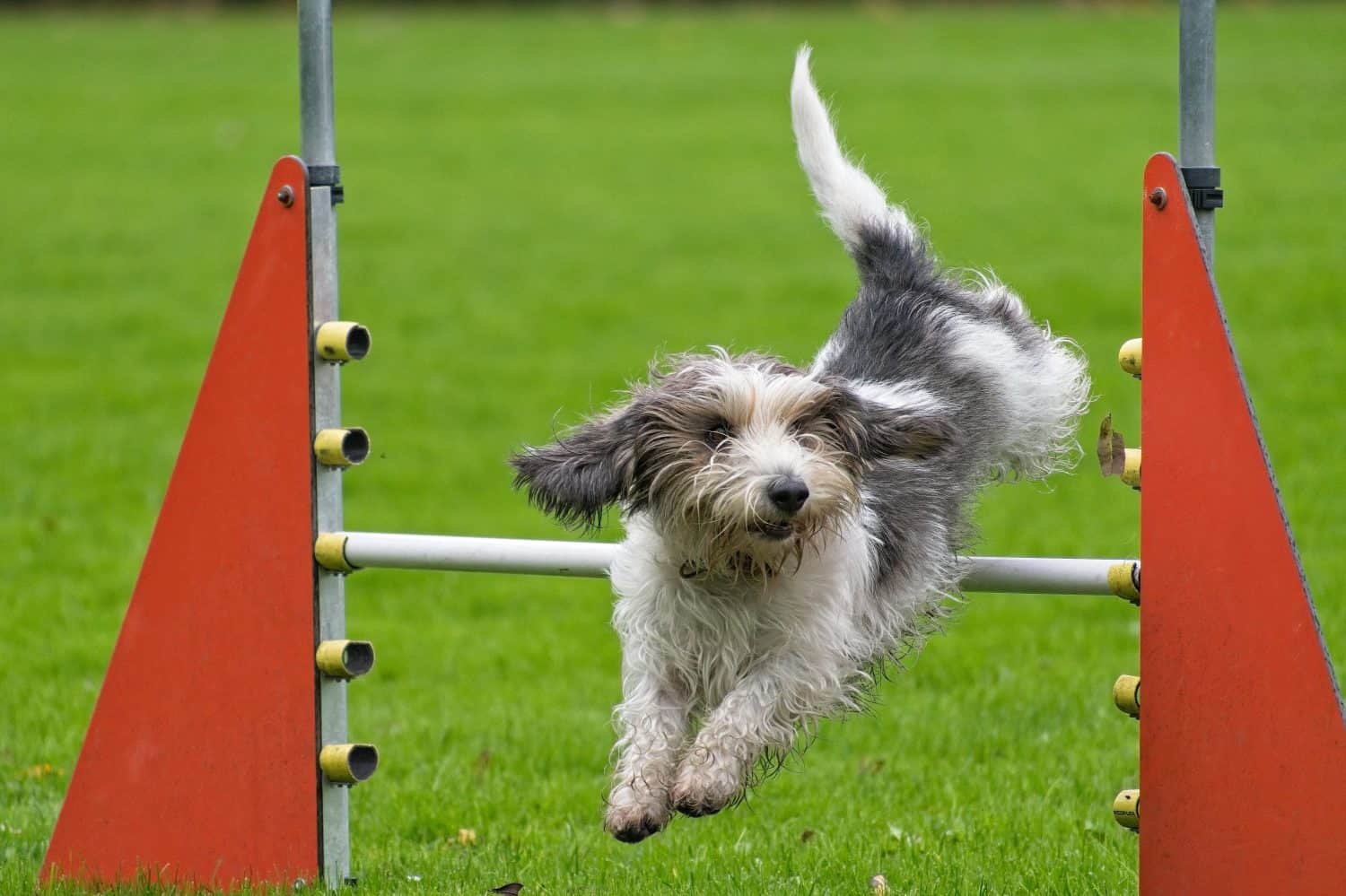
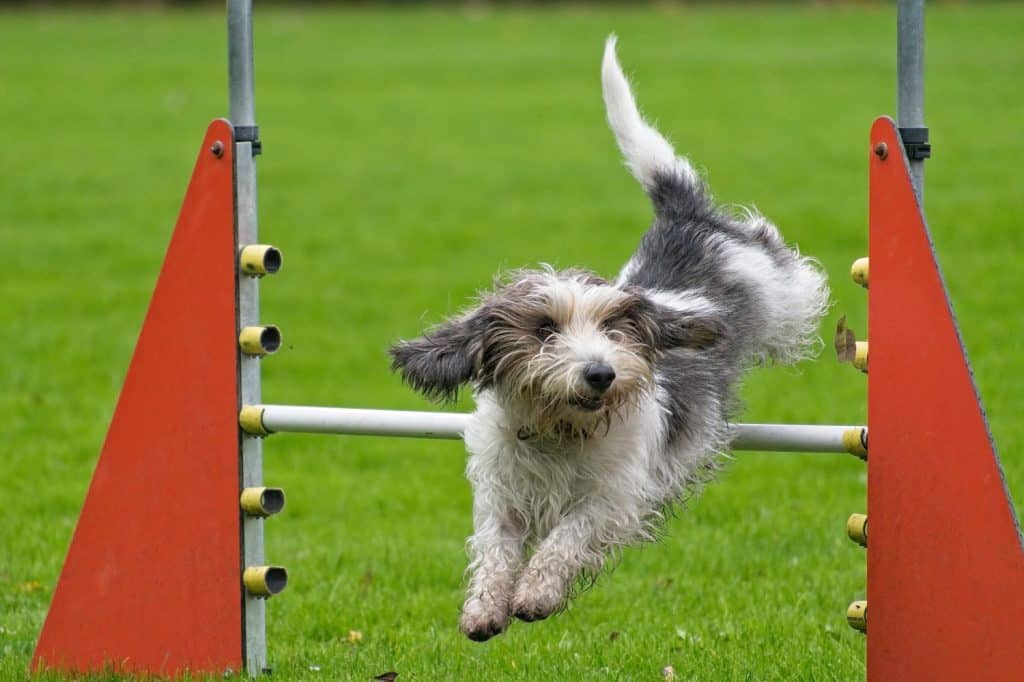
Dog jumps, petit basset griffon vendeen, a french hunting breed, jumps over an obstacle, this is a horizontal picture withe strong colours.

At a Glance

Domesticated
Also Known As dog, domestic dog, canine, pooch, puppy, man's best friend, mutt
Diet Omnivore
Activity Diurnal+
Lifespan 12 years
Weight 18 lbs
Status Not Evaluated
Did You Know?

The breed name describes it: a small, low-set, rough-coated dog from the Vendee region of France.

Scientific Classification

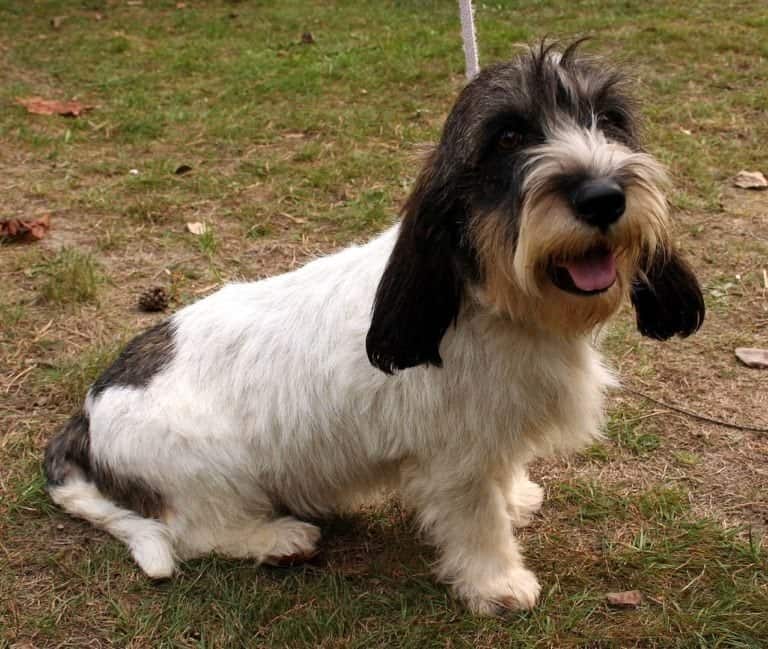
The Petit Basset Griffon Vendéen (PBGV) is a small-to-medium French scenthound breed developed for hunting small game (notably rabbits) in rough, brushy terrain. It is characterized by a wiry, rough coat, a distinctly longer-than-tall outline, and an energetic, independent hound temperament.

Kingdom
Animalia
Phylum
Chordata
Class
Mammalia
Order
Carnivora
Family
Canidae
Genus
Canis
Species
Canis lupus

Distinguishing Features

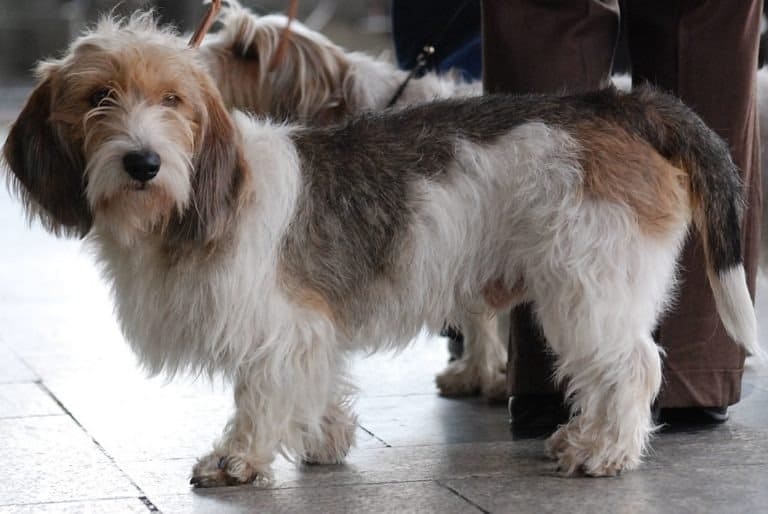
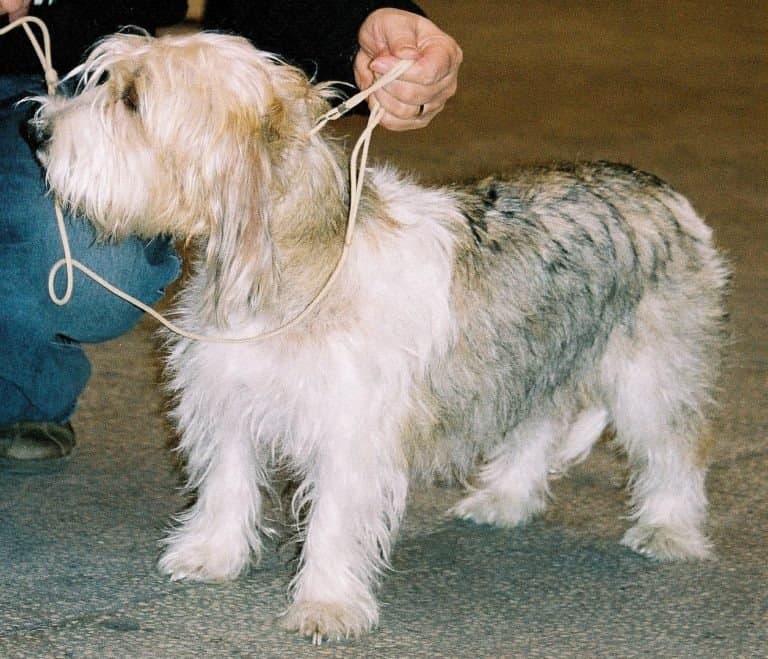
  • Rough/wiry “griffon” coat with shaggy eyebrows and beard
  • Low stature with moderately short legs (“basset”), but athletic and agile
  • Scent-hound build and behavior: strong nose, vocal, persistent tracking
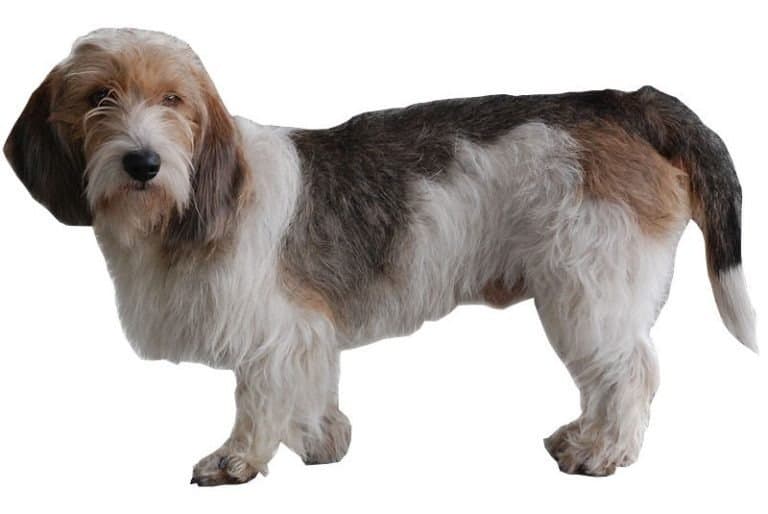
  • Drop ears; coat often tricolor or white with lemon/orange/black markings

Did You Know?

The breed name describes it: a small, low-set, rough-coated dog from the Vendee region of France.

Bred to hunt rabbits and other small game on foot in dense, thorny cover-its size matches the hunter's pace.

There are two closely related Vendee bassets: the Petit Basset Griffon Vendeen (PBGV) and the larger Grand Basset Griffon Vendeen (GBGV).

The PBGV's "longer-than-tall" outline is a key identifier-more rectangular than many other small hounds.

It's a true scenthound: nose-first problem solving is more motivating than sight cues for many individuals.

A harsh, wiry coat helps protect the dog when pushing through brush, brambles, and wet undergrowth.

A PBGV named "Juno" won Best in Show at the Westminster Kennel Club Dog Show (2013), boosting global recognition of the breed.

Unique Adaptations

  • Scenthound olfaction and persistence: selected for following faint rabbit trails over uneven terrain rather than sprinting by sight.
  • Basset proportions: shorter legs and a low center of gravity help it work under brush and stay on scent at a steady pace.
  • Rough, protective coat: harsh outer hair and dense undercoat reduce scratches from brambles and provide weather resistance.
  • Long, pendulous ears: can help waft scent toward the nose (useful for trailing, but also increases ear-care needs).
  • Deep chest and endurance build: supports sustained, ground-covering movement during long hunts rather than quick bursts.

Interesting Behaviors

  • Nose-to-ground tracking: once on a scent line, many PBGVs work methodically and may "tune out" other cues.
  • Vocal "hound music": they can be talkative-baying or "singing" when excited, tracking, or bored.
  • Pack-minded sociability: typically enjoy canine company and may play hard, especially with other hounds.
  • Independent decision-making: will test boundaries; responds best to short, upbeat training and high-value rewards.
  • Scent-led scavenging: may counter-surf or investigate trash if under-stimulated-management is important.
  • Exploration and roaming: strong tendency to follow interesting smells; reliable recall often requires structured training and secure fencing.

Cultural Significance

The Petit Basset Griffon Vendéen (PBGV) from France was bred for hunting rabbits on foot in the rough, hedged Vendee. Small, tough, and good at working close to hunters, it is now also a friendly companion and show dog with a rustic look and scenthound personality.

Myths & Legends

In rural western France, small Vendee bassets were historically favored by foot hunters who wanted a hound that could "work the thorns" all day-stories describe these little rough-coats pushing into bramble patches other dogs avoided.

Hunters in France's Vendee region traditionally followed griffon basset packs by their loud, clear baying, which helped handlers keep track of the dogs while they worked through dense brush.

The breed's name sounds like folk history: people say every word in "Petit Basset Griffon Vendeen" tells what the dog is and where it comes from.

French scenthound tradition says a good hound hunts 'with its heart' as well as its nose. Owners call PBGVs happy, stubborn little workers who find joy in the chase.

Conservation Status

NE Not Evaluated

Has not yet been evaluated against the criteria.

Population Stable

Life Cycle

Birth 5 pups
Lifespan 12 years

Lifespan

In the Wild
10–13 years
In Captivity
11–15 years

Reproduction

Mating System Polygyny
Social Structure Managed Domestic
Breeding Pattern Transient
Fertilization Managed Selective
Birth Type Internal_fertilization

Breeding in domestic dogs is typically human-managed: selected pairs mate via internal fertilization, and one male may sire litters with multiple females. Pair bonds are usually transient rather than lifelong.

Behavior & Ecology

Social Pack Group: 4
Activity Diurnal, Crepuscular, Cathemeral
Diet Omnivore Rabbit-based meat (or high-protein, meat-forward diets)

Temperament

Domestic dogs are highly social with humans, often forming strong bonds with family members and seeking attention and inclusion in daily activities.
Sociability and trainability vary widely by breed and individual; many respond well to consistent, reward-based training and clear routines.
Energy level ranges from low to very high depending on breed and age; most benefit from daily exercise and mental enrichment to reduce boredom behaviors.
Prey drive varies; some dogs strongly chase small animals, so safe leashing and secure fencing are often important.
Many dogs are friendly with other dogs when properly socialized, but some may be reactive, territorial, or selective in group settings.
Separation tolerance varies; inadequate enrichment or long isolation can contribute to vocalizing, destructive chewing, or house-soiling.
Harsh punishment can increase fear or avoidance; calm handling and positive reinforcement generally support better behavior outcomes.
Common behavior needs include regular social contact, opportunities to sniff and explore, and predictable boundaries around resources and space.

Communication

bark Alert/excitement
baying/hound voice On scent or aroused
howl Joining or long-distance contact
whine Attention or frustration
growl Resource or boundary warning
grumble/roo Social greeting
scent marking Urine/feces; strong investigatory sniffing
body posture: forward lean and nose-down tracking stance
tail carriage and wag speed signaling arousal and confidence
ear position changes; head tilts during listening
play bows and pawing to solicit interaction
muzzle licking and leaning for appeasement/affiliation
scratching/digging at scent sources when trail is lost

Habitat

Biomes:
Temperate Forest Temperate Grassland Mediterranean Boreal Forest (Taiga) Tundra Alpine Desert Hot Desert Cold Wetland +3
Terrain:
Hilly Plains Valley Coastal Rocky
Elevation: Up to 18044 ft 8 in

Ecological Role

Domesticated omnivorous canid used as a small-game (rabbit) scenthound and companion; functions as a human-associated mesopredator/scavenger with strong prey drive.

assists humans in hunting and tracking small game (notably rabbits) deterrence/pest control via predation pressure on rodents in working contexts biocontrol/alerting role through scent detection and patrol behavior social/companion animal benefits to humans (working partnership, recreation)

Diet Details

Main Prey:
Rabbit Hare Cottontail rabbit Small rodents Ground-nesting birds Carrion
Other Foods:
Berries and fallen fruit Vegetable matter Grasses Herbs and leafy greens Grains and legumes

Human Interaction

Domestication Status

Domesticated

Canis lupus familiaris (domestic dog) came from gray wolves and was shaped by people for tameness, friendliness, and work over thousands of years. The Petit Basset Griffon Vendéen (PBGV) is a small French scenthound for rabbit hunting in thick brush: rough coat, strong nose, bold independent nature, and close human ties. PBGVs are pets, scent-sport dogs, and small-game hunters.

Danger Level

Low
  • Accidental bites or nips (often fear-based, pain-related, or during rough play/handling)
  • Resource guarding in some individuals if untrained/under-socialized
  • Knock-down risk to small children due to energetic jumping or exuberant play
  • Zoonotic risks common to dogs (e.g., parasites) without routine veterinary prevention
  • Public nuisance risks (loud baying/howling) that can escalate neighbor conflict

As a Pet

Suitable as Pet

Legality: Owning domestic dogs is legal in most places where dogs are allowed. Usual rules apply: registration, rabies shots, and leash laws. Breed bans are rare, but housing, insurance, barking, or landlord rules may limit dogs.

Care Level: Moderate

Purchase Cost: $800 - $2,500
Lifetime Cost: $18,000 - $50,000

Economic Value

Uses:
Companion animal market (breeding, sales, adoption) Veterinary services (preventive care, chronic disease management, surgery) Pet food and supplies (nutrition, crates, fencing, grooming tools) Training and enrichment services (obedience, behavior consults, daycare) Sport and events economy (conformation, tracking/nosework, agility) Working/hunting utility (where legal/used)
Products:
  • Puppies from reputable breeders (health-tested lines)
  • Adoption/rescue placement (re-homing, transport services)
  • Hunting and sport participation fees (field trials, scentwork classes)
  • Grooming services and tools (hand-stripping/coat maintenance supplies)
  • Equipment (secure fencing, long lines, harnesses, GPS collars for trail-prone hounds)

Quick Take

  • This scrappy little hound earned a royal nickname in France, and the story behind it reveals something unexpected about its hunting past. Discover the royal connection →
  • The PBGV's stubbornness makes it notoriously hard to train, but owners who know one specific trick unlock a surprisingly obedient dog. See the training trick →
  • Young PBGVs can suffer a painful condition that sounds alarming, though the reality may surprise you. Learn about the pain syndrome →
  • A PBGV once walked into the world's largest dog show and left with the biggest prize, a story that most dog lovers have never heard. Meet the Crufts champion →

Originating from the Vendéen region of western France, it descends from a larger breed called simply the Griffon Vendéen. It was then honed over many generations of careful breeding to create an Excellent sense of smell hound. This breed has a rough coat that enables it to hunt amid the dense rocks and underbrush near the Atlantic coast. The coat color is usually some combination of light brown, black, and white. Once it came into the possession of French royalty, this breed obtained the nickname of the Chiens du Roi, or the King’s White Hounds.

In English, this breed has earned the nickname of roughie. In French, this breed has a very descriptive name that refers to the dog’s small size (petit), wiry coat of hair (griffon), and place of origin (Vendéen). Basset also means ‘low set’ or ‘low to the ground’. Despite its popularity in French hunting, it is a relatively uncommon breed that only arrived in the United States in the 1970s. The American Kennel Club fully recognized it on February 1, 1991.

A detailed infographic of the Petit Basset Griffon Vendéen dog breed showing its physical characteristics, French origins, and care requirements.
Once known as the 'King's White Hounds,' this wiry scent hound balances a legendary happy temperament with a stubborn streak that once ruled the French coastline. © A-Z Animals

3 Pros and Cons of Owning a Petit Basset Griffon Vendéen

ProsCons
Energetic and friendly
The PBGV loves to be in the company of people.
Stubbornness
This breed has a rather insubordinate streak that makes it a bit tough to train properly.
Athletic and agile
Despite its small size, this breed is good at exercise, sports, and skills-based competitions.
A tendency to bark
The PBGV loves to use its loud voice to express itself.
Excellent scent
The PBGV has one of the most powerful noses of all dog breeds.
Likes to wander off
This breed may need to be restrained on a leash to prevent it from becoming distracted by scents.

Size and Weight

The Petit Basset Griffon Vendéen, or roughie, is a small- to medium-sized dog with short legs. There is little difference in size between males and females. Both male and female dogs stand 13 to 15 inches tall and weigh between 25 and 40 lbs.

Common Health Issues

The PBGV is a healthy breed with a life expectancy between 14 and 16 years of age. The most common health problems include ear infections, hypothyroidism, epilepsy, and primary open-angle glaucoma (damage to the optic nerve resulting in visual field loss). The PBGV is also sometimes affected by an autoimmune pain syndrome that results in pain, fever, and lethargy in dogs six to 18 months of age. This problem usually resolves on its own, but in rare cases, the dog can be stuck with permanent symptoms.

The leading causes of death in the Petit Basset Griffon Vendéen are cancer and age-related conditions, with some studies also noting epilepsy as a significant cause. A reputable breeder will almost always screen for genetic disorders to ensure that your dog has the best chance at a long, healthy life.

Temperament

The PBGV is also sometimes called the happy breed for its affectionate and exuberant personality. Few other breeds can match this dog for sheer affability. This makes it well-suited as a therapy dog or companion in addition to its superb hunting instincts. it does tend to bark, howl, or wail loudly. Although not every owner will find this to be an appealing trait, it does have an important purpose as a greeting or alert call. This breed is not all constant noise and motion, though. As long as it gets enough playtime and stimulation, it does know how to settle down and relax.
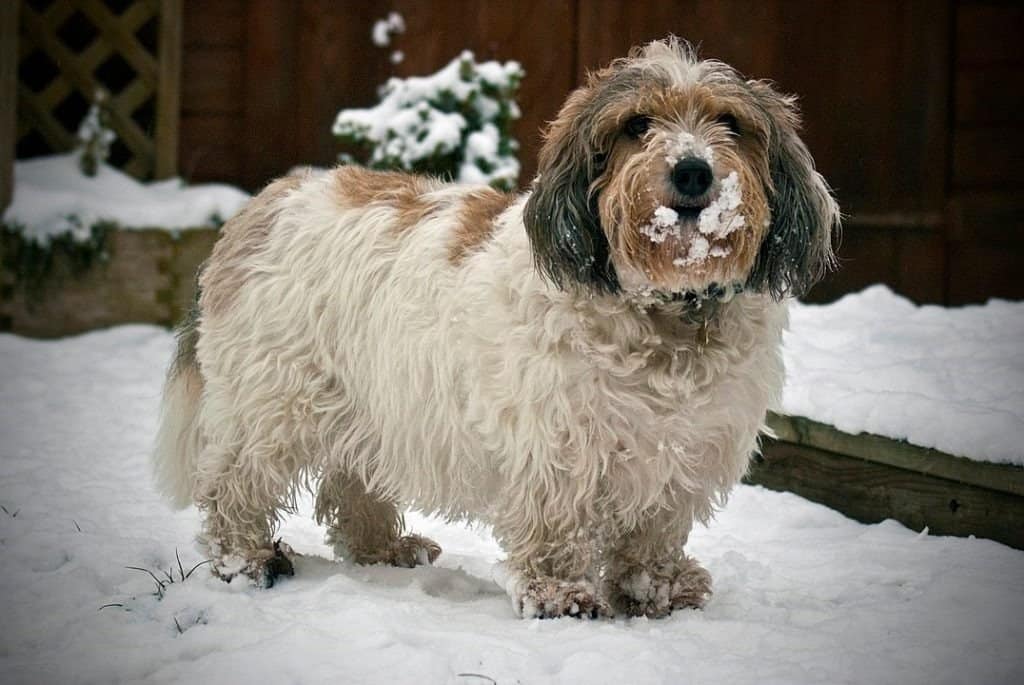
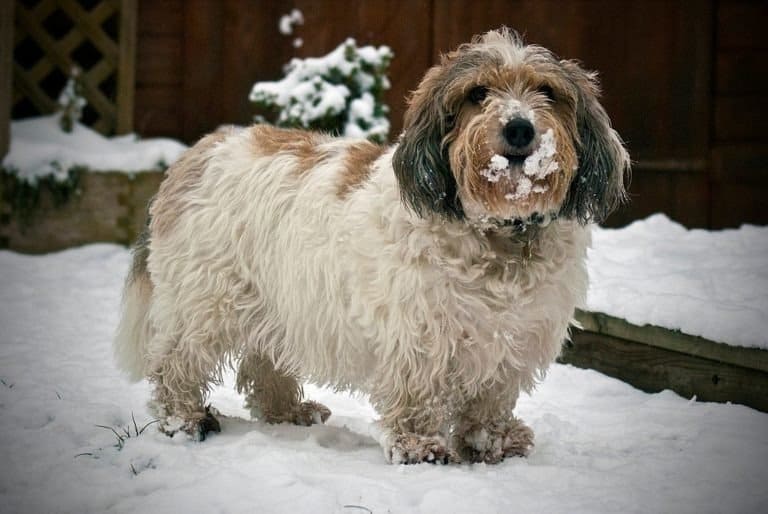
Petit Basset Griffon Vendéen - fun in the snow

The Petit Basset Griffon Vendéen is a friendly dog with an affectionate and exuberant personality.

How to Take Care of the Petit Basset Griffon Vendéen

The PBGV is a bit of an attention seeker that thrives in the company of other people or animals. As long as it has companionship, the maintenance and care requirements aren’t particularly high. Like all dogs, this breed should receive an annual checkup at the vet, even if it appears otherwise healthy. For the best behavioral results, you should obtain your dog as a puppy and begin training as soon as possible.

The Best Dog Food

The PBGV requires approximately 1.5 to 2 cups of high-quality dry food, preferably divided into two meals every day. The dog food should be chosen based on its appropriate age (puppy, adult, or senior). This breed does tend to gain weight. The best way to counteract this is to carefully monitor your dog’s calories and limit treats to training times. If you want any special advice on your dog’s diet, then you should consult the vet.

Maintenance and Grooming

The PBGV has a rough, wiry coat that may require weekly brushing to remove loose dirt and hair, followed by the use of a comb. It is not hypoallergenic, so people with allergies may want to be wary. Nail trimming and ear cleaning should be done regularly, but only bathe the dog when it is particularly dirty after an outdoor excursion.

Training

The PBGV is a stubborn breed that has a mind of its own, but with a bit of patience, this dog can excel at tricks, performances, and basic commands. A gentle but firm approach should be sufficient to keep the dog’s attention. Do not scold or punish it harshly, or the dog might become discouraged. If the dog’s attention appears to be wandering, then you should try to stay one step ahead and refocus its attention with games, treats, or other incentives.

Exercise

The PBGV is a highly energetic breed that requires up to an hour of exercise every single day. When you’re outside on a walk, run, or hike, it is a good idea to keep this breed on a leash, because it tends to follow scents everywhere. When inside, toys, games, and tricks should keep it busy for a long time. This breed can also learn tricks and sports with ease as long as its attention is focused. Due to the long coat, this breed has a tendency to become warm, so make sure it has frequent rests and water breaks in hot weather.

Puppies

Socialization and training from an early age are very important for this breed. The dog may never entirely overcome its tendency to follow its nose, but this instinct can be greatly minimized. It is a good idea to buy the puppy from a high-quality breeder who takes special care of the health of their dogs. You should also take the dog to the vet for an early checkup and health screening.
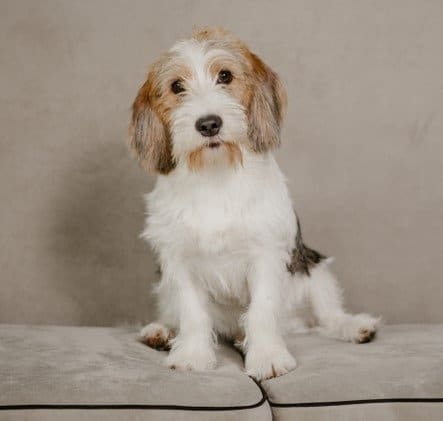
An adorable puppy of Petit Basset Griffon Vendéen sitting on a sofa

Early socialization and training are important for this breed.

Petit Basset Griffon Vendéens and Children

The PBGV gets along very well with children and doesn’t mind a little noise and rough play. But no matter how friendly they seem, you should never leave the dog alone with your young children for long periods of time in case the interaction goes poorly. An adult should always be around to supervise them. The PBGV will rarely turn aggressive, but a poor experience might upset your children or damage the relationship between the dog and the child.

Dogs Similar to the Petit Basset Griffon Vendéen

If you enjoy the company of scent hounds, then you might want to check out the following breeds:

  • Basset Fauve de Bretagne: Originating from the Brittany region of France, this basset is another lively, intelligent, outgoing breed with fawn-colored, wiry hair and drooping ears.
  • Basset Hound: This popular English breed has all the hallmarks of a basset: the short legs, the big droopy ears, and the powerful scent. It is outgoing, loyal, very vocal, and tolerant of children. The wrinkles and drooping skin make it appear perpetually older than it is.
  • American Coonhound: This is a group of dogs that includes the black and tan coonhound, the redbone coonhound, and the treeing walker coonhound. It exhibits the same dichotomous personality as many other scent hounds: it is a diligent and alert worker outdoors but sensitive and friendly at home.

Famous Petit Basset Griffon Vendéens

The PBGV is a relatively niche dog, but a few individuals stand out.

  • King Louis XII, who ruled France between 1498 and 1515, owned a pack of PBGVs.
  • In 2013, a four-year-old PBGV called Jilly (also known by the more extravagant name of Soletrader Peek A Boo) made waves at Crufts, the largest international dog show, by winning both the Hound Group on the first day of the competition and Best in Show on the fourth day.
View all 246 animals that start with P

Sources

  1. American Kennel Club / Accessed December 9, 2020
  2. American Kennel Club / Accessed December 9, 2020
A-Z Animals Staff

About the Author

A-Z Animals Staff

AZ Animals is a growing team of animals experts, researchers, farmers, conservationists, writers, editors, and -- of course -- pet owners who have come together to help you better understand the animal kingdom and how we interact.
Connect:

Thank you for reading! Have some feedback for us?


Petit Basset Griffon Vendéen FAQs (Frequently Asked Questions)

A PBGV is a small scent hound with a strong, independent but friendly personality and a wiry coat of hair. You do not necessarily need to be a hunter to enjoy what this breed has to offer, but you should be aware that the powerful instinct to follow scents may assert itself at any time, especially if it hasn’t been trained to overcome this. Sometimes this instinct may even overwhelm its training.