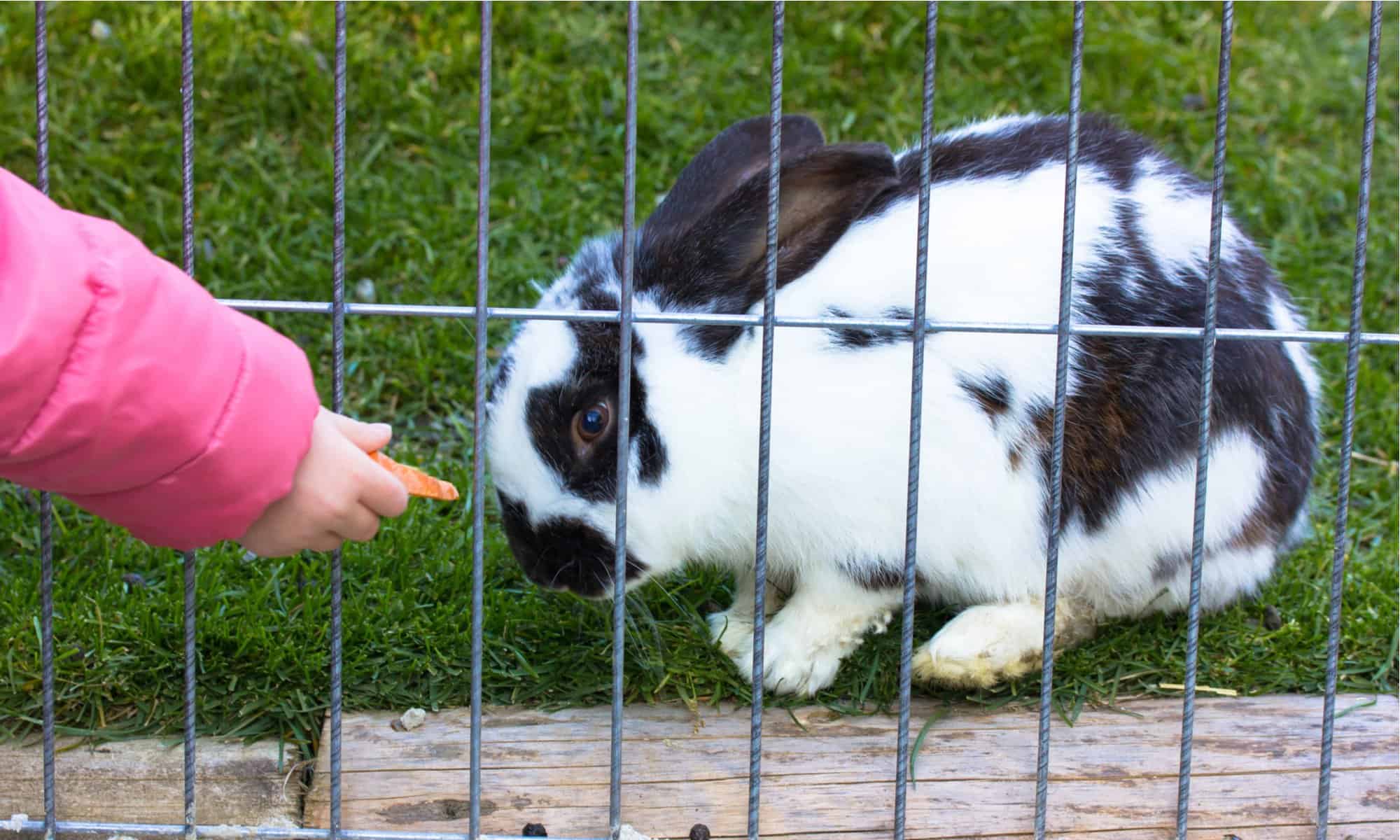

Quick Take
- Pet store advice about rabbit housing isn't just unhelpful. It can actually be life-threatening, and the reason why may surprise you. Outdoor housing dangers →
- Most rabbit owners assume a cage keeps their bunny safe, but it's actually one of the biggest sources of stress and health decline. Why cages fall short →
- There's one behavior free-roaming rabbits do that caged rabbits physically cannot, and it tells you everything about their wellbeing. The binky behavior explained →
- Even if you have cats or dogs, there's a way to free-roam your rabbits safely, though most people underestimate one critical risk. Keeping rabbits safe from pets →
Pet stores sometimes provide poor pet care advice, including the advice to keep rabbits in cages or hutches. If you want to adopt rabbits, you might wonder whether they need to be confined or if they can roam free in the house like a cat or dog. In this article, we’ll discuss why rabbits are better off when they are not kept in cages, plus 12 things to know about free-roaming bunnies.
#1: Rabbits Aren’t Cage Animals
Rabbits really don’t belong in cages any more than cats or dogs do. Ideally, they should be allowed to free roam as much of your home as possible. The minimum for rabbits is a dog exercise pen, which typically provides around 16 square feet of space. Cages and hutches sold in pet stores are not suitable.
Even if your rabbits primarily live in a pen, they’ll still need as much time as possible to free-roam your home. Some people put their rabbits into their pens at night or when they’re unable to supervise them, especially if the space cannot be completely rabbit-proofed. However, rabbits can safely free roam full-time if you provide them with a safe space.
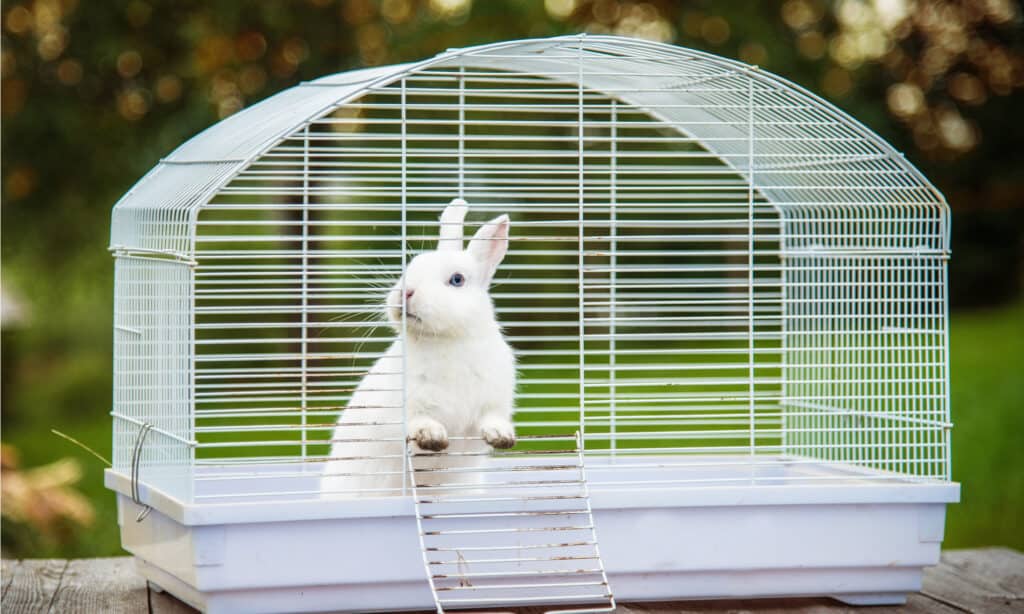
Cages sold in pet stores are far too small for rabbits.
©Rita_Kochmarjova/Shutterstock.com
#2: Rabbits Should Only Be Housed Indoors
We don’t recommend housing rabbits outdoors, and it’s best that they do not free roam outside. It can be very difficult to keep outdoor bunnies safe. You have to account for the weather (they cannot get wet, as wet fur may lead to hypothermia, respiratory infections, or other illnesses), temperature, underground predators, birds of prey, and clever animals like raccoons that can figure out how to open simple latches to get into a hutch. Rabbits are sensitive animals who are known to die from heart attacks and shock caused by stress. Predators can cause this kind of stress to a rabbit just by being in the vicinity, even without touching them.

Keeping pet rabbits outdoors is dangerous due to predators and environmental factors.
©Piero Facci/ via Getty Images
#3: They Don’t Need Access to the Whole House
The more space, the better, but your rabbits don’t need to have access to the whole house for free-roaming. In many households, it’s safer for the bunnies to have limits. You may choose to keep them in only one rabbit-proofed room or to block off unsafe areas, such as the home office, which features accessible wires. It doesn’t have to be all or nothing; you can experiment to see what works best for you and your family.

Your rabbits can have a single room or floor of your home instead of letting them roam the entire place.
©Olga Novik/iStock via Getty Images
#4: Rabbits Can Be Litter Trained
One of the top concerns when it comes to free roaming is the mess rabbits will make. While they can be very messy animals, rabbits can also be litter-trained. This is most successful with spayed and neutered bunnies. While they’re learning, you should house them in a smaller space, such as a dog exercise pen. You can then slowly allow them more access over time. Remember not to use clumping or clay litters, but instead, use a rabbit-safe alternative such as paper bedding. Rabbits poop where they eat, so a pile of hay will encourage them to go in the box.
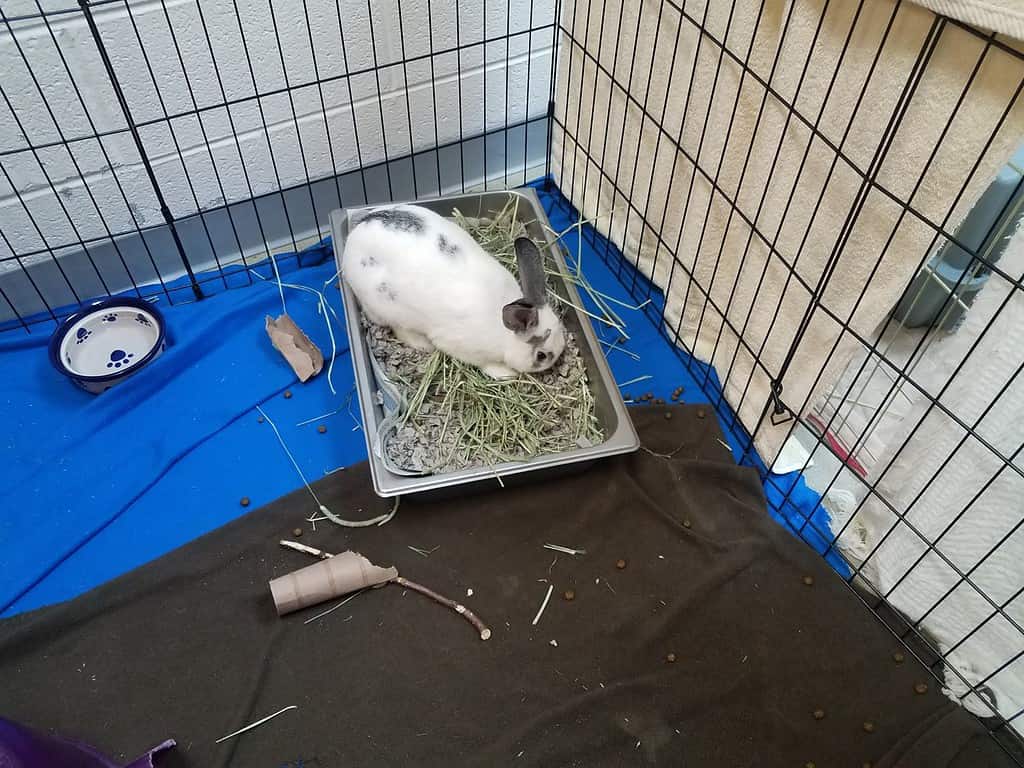
Owners can teach their spayed and neutered rabbits to use a litter box.
©stockphotofan1/Shutterstock.com
#5: Free-Roam Rabbits Bond More Easily With Humans
One of the best things about free-roaming rabbits is the bond you can develop with them. It’s much easier to spend time with your bunnies when they’re hopping freely around the living room than it would be if they were in a cage. Being in your living space also tames rabbits more quickly because they adjust to your family’s presence. They can also come to you when they want, rather than being locked up and only able to interact when you approach them.
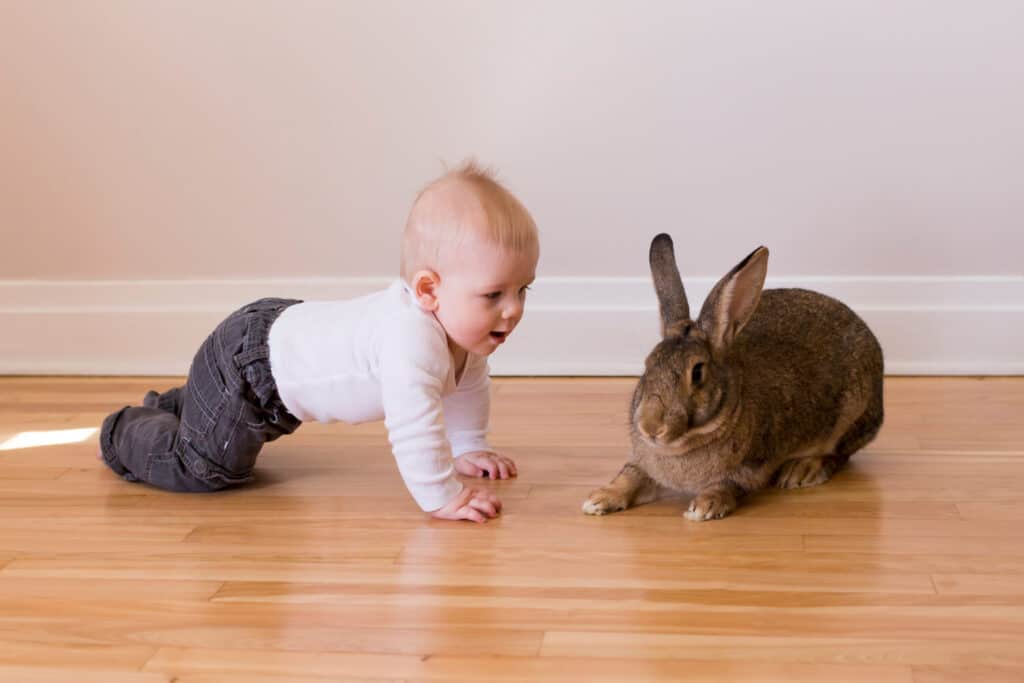
Your family can better bond with your pet bunnies when the rabbits roam freely throughout the house.
©Anne Richard/Shutterstock.com
#6: Bunnies Need Space to Exercise
If you’ve only ever kept bunnies in cages, you’ll be amazed to see how much they run and hop around when given the opportunity. They need this exercise for their health. Rabbits in pet store cages cannot jump or binky (an expression of happiness where they fling themselves into the air). They don’t have space to run around and stretch their legs. Even with ample free roam time, cooping up your rabbits in a small cage or hutch is still unhealthy and can lead to depression.

Rabbits are active animals, and cages don’t provide enough space for them to run or jump.
©Sven Boettcher/Shutterstock.com
#7: Free Roaming Leads to Happier and Healthier Rabbits
Bonding with their favorite humans, hopping around whenever they please — what’s not to love for a free-roam rabbit? For these reasons, they tend to be happier and healthier than caged rabbits. It’s also easier to note changes in behavior when you’re around your rabbits often, whereas you might miss these signs of illness in a caged rabbit. Since rabbits can go downhill very quickly when sick, catching illness early can be the difference between life and death.

Rabbits are happier and healthier when allowed to free roam indoors.
©ansoz/Shutterstock.com
#8: You Can Set Up a Home Base
Just as they don’t need access to the entire house, free-roam rabbits also don’t need to be free roaming 24/7. Many people set up a home base for their rabbits, typically inside an exercise pen, and shut their bunnies inside as needed. It should have all the things your rabbits need: their hay, litter box, food, water dishes, hides, and enrichment items. Even if you never completely close off the area, it’s nice to have a space that’s just for your rabbits and where you can keep the majority of their things.

Your rabbits should have a home base that includes their litter box, food, toys, hides, and beds.
©Mariska van Dasselaar/Shutterstock.com
#9: Bunny-Proofing Is Essential
Of course, another valid concern with free-roaming rabbits is safety. You do need to rabbit-proof your space well.
Here are some things you should do:
- Hide cords out of reach or use cord covers to stop your buns from chewing on wires.
- Some bunnies chew on baseboards, and you may need to cover them to prevent this.
- Keep your floors clean and free of precious or dangerous items.
- Block off areas beneath furniture so your bunnies don’t go anywhere dangerous or difficult to clean. Many rabbits like to urinate in dark, hidden areas.
- Use baby or pet gates to block off unsafe rooms.
- C&C grids are helpful for blocking off access to baseboards, furniture legs, and other things your rabbit may chew or places they shouldn’t go.

Rabbits love to chew and can be destructive if you don’t bunny-proof your home.
©Mariska van Dasselaar/Shutterstock.com
#10: Bunnies Should Be Protected from Cats and Dogs
Something that limits space for many free-roaming bunnies is other pets in the household. It’s not safe to let your rabbits interact with your cats or dogs, especially unsupervised. Predator animals have instincts to chase, catch, and kill rabbits. This innate instinct cannot be reliably removed, even with training. While some dogs and cats have low prey drives and don’t bother rabbits, it’s still a risk to keep them together as this could change at any moment. It also may create stress for a rabbit to be around even well-behaved predator species. It’s best to keep your rabbits in a separate room where your cats or dogs cannot enter.

Pet gates are one way to prevent your dogs from accessing your rabbits’ space.
©Alex Zotov/Shutterstock.com
#11: Many Rabbits Avoid Hard Flooring
Many rabbits slip on hard flooring and don’t like walking on it. This can be used to your advantage to keep them from unwanted areas, although you shouldn’t rely on hard flooring alone if the area is unsafe, just in case your bunny gets brave. To encourage your bunny to explore areas with hard floors, lay down rugs or mats so that their paws don’t slip.
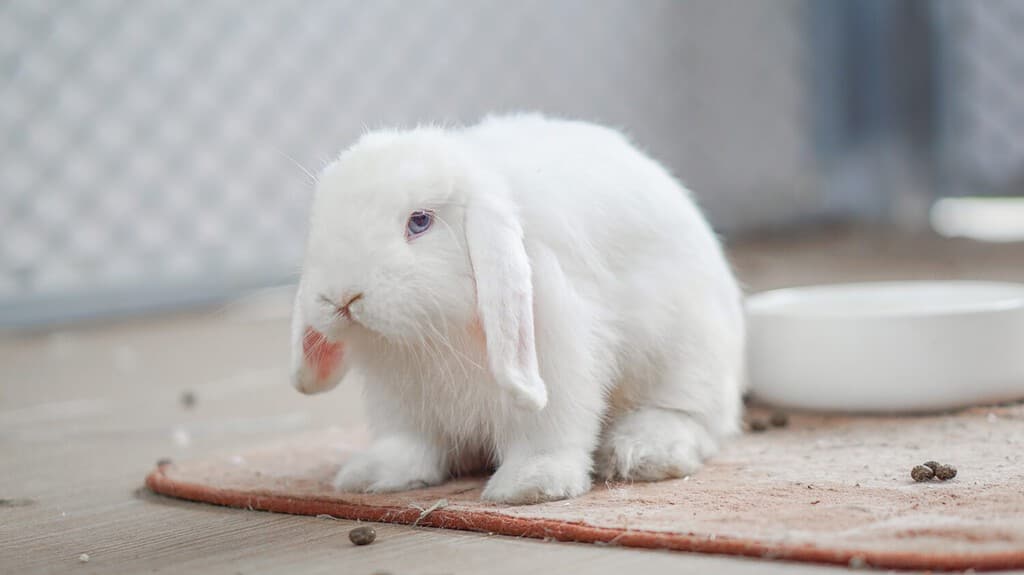
Most rabbits prefer non-slip surfaces such as mats or rugs.
©Choco'Love/Shutterstock.com
#12: Bunnies Do Best in Pairs
Lastly, it’s important to note that rabbits are social animals. Human interaction will never be enough for your bunny, even if you spend all day at home with them. Most of us leave the house to go to work or school, run errands, or socialize. Two or more rabbits can always keep each other company. They can also communicate with one another without the “language barrier” that humans and bunnies have.

Rabbits are herd animals that should always be kept in pairs or groups.
©Rita_Kochmarjova/Shutterstock.com
Rabbits do need to be properly bonded, so it’s best to adopt a bonded pair or speak to a rescue about bonding your rabbit. Some rescues allow your bunny to come in for play dates where they meet other rabbits until they bond well with one, while others will allow you to foster a rabbit to ensure they’re a good fit for your current fur baby. They can also provide you with bonding methods, tips and tricks, and troubleshooting advice if things go wrong.