
Quick Take
- Pigs rival dogs in intelligence, and yet factory farming does something to their minds that goes far beyond physical pain. Explore pig intelligence →
- Producers routinely perform painful procedures on animals. These procedures are not meant to help the animals but to paper over a deeper problem the industry won't fix. See the painful procedures →
- There's a meaningful way to push back against factory farming that doesn't require going fully plant-based, though most people overlook it. Find actionable alternatives →
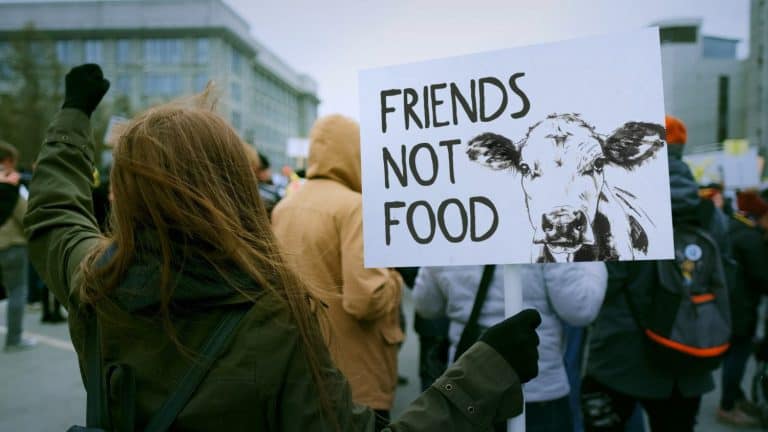
Did you know that October 2, 2026, is World Farmed Animals Day? This international awareness day reminds us of the harsh realities of factory farming.
Factory farming hides the intelligence, emotional depth, and individual personalities of animals raised for food. Farmed animals have complex mental, emotional, and social cognition, but they’re often restricted by poor welfare conditions. Here’s what you should know about factory farming and its impact on farmed animals. (Read until the end to learn about higher-welfare farming and plant-based alternatives to consider.)
Effects of Factory Farming
Physical Suffering
One of the most obvious impacts of factory farming is the physical suffering of farmed animals.
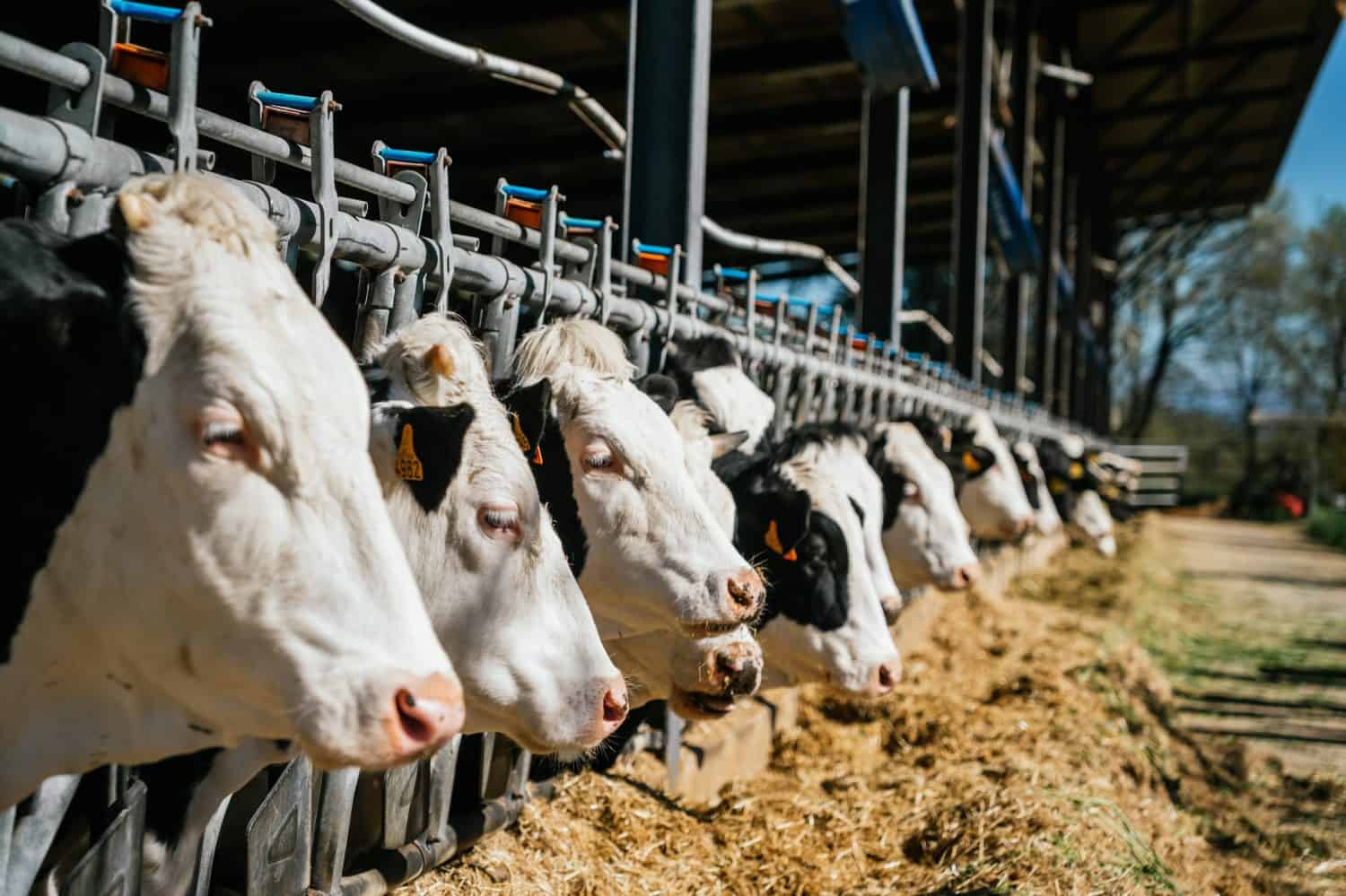
“Factory farming subjects animals to extreme confinement, overcrowding, and barren, filthy environments that prioritize production over their most basic needs,” says Matthew Dominguez, the U.S. Executive Director for Compassion in World Farming. “Many animals spend nearly their entire lives unable to move freely, experience fresh air or sunlight, make meaningful choices, or engage in their natural behaviors.”
Psychological Suffering
In addition to physical suffering, farmed animals unfortunately also experience deep psychological suffering.
“A mother pig, for example, may spend nearly her entire life confined in a gestation crate barely larger than her body,” says Dominguez. “She cannot even turn around, let alone walk, root, forage, or wallow. Her body is imprisoned, but so is her mind … This extreme confinement and deprivation can cause animals to develop abnormal, repetitive behaviors such as sham chewing and bar-biting—clear signs of severe frustration, boredom, and chronic stress.”
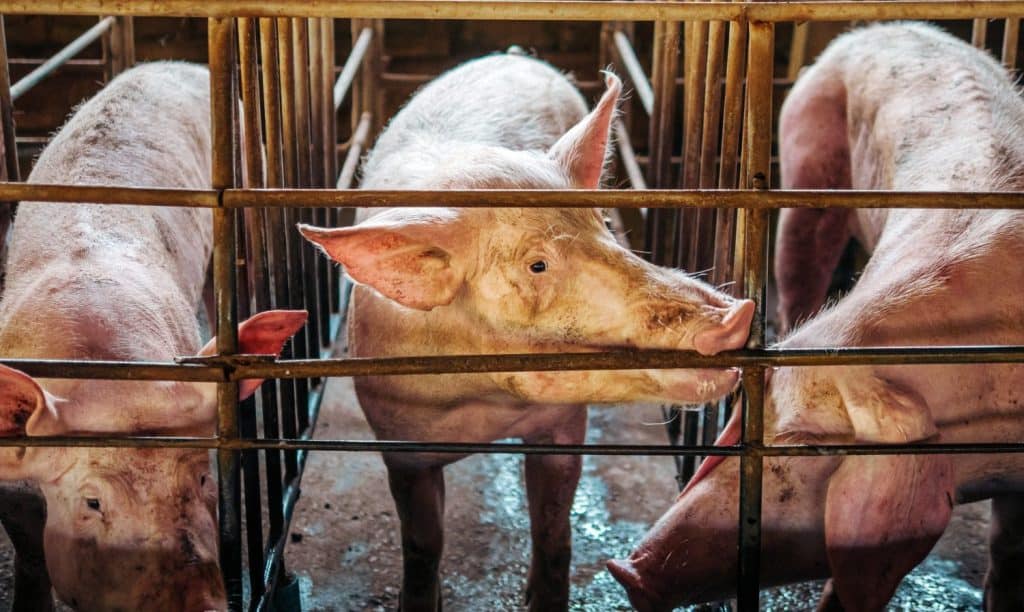
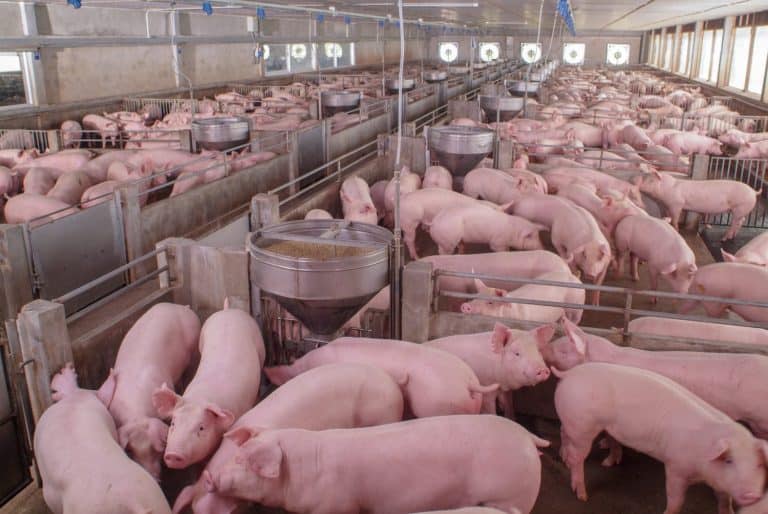
Many farmed animals are kept in cramped spaces.
©Narong Khueankaew/Shutterstock.com
For example, due to the profound psychological stress, many confined pigs become unresponsive. Some even show signs similar to clinical depression, Dominguez adds.
“The cruelty of factory farming cannot be measured only in injuries, disease, or physical pain,” says Dominguez. “It must also be measured by what these animals are mentally and emotionally deprived of: stimulation, meaningful choices, social bonds, and the freedom to express the behaviors that make them who they are. Factory farming does not simply confine animals’ bodies. It confines their minds and denies them any meaningful chance at a life worth living.”
Cognitive Suffering
Another heartbreaking impact of factory farming is cognitive suffering. Farmed animals are incredibly intelligent but severely limited by their living conditions.
“Farmed animals are far more cognitively and emotionally complex than most people realize, making their treatment on factory farms all the more cruel,” says Dominguez. “Pigs rival dogs in their ability to learn, remember, and solve problems. Chickens can recognize individuals, recall past experiences, and anticipate future events. Yet these intelligent, sentient animals are forced to spend their lives in cramped, filthy, and barren environments that deny them nearly every opportunity to explore, make choices, or engage in their natural behaviors.”
Welfare Problems of Factory Farming
According to Dominguez, the factory farming welfare problems fall into three categories: living conditions, animal handling, and genetics.
Poor Living Conditions
Factory farming typically does not provide fair living conditions to its farmed animals. In fact, poor living conditions are among the top three welfare problems these animals face.
“Poor living conditions include small cages, overcrowded barns, floors covered in waste, poor air quality, and exposure to extreme heat or cold,” Dominguez says. “Egg-laying hens may be confined in cages with barely enough room to spread their wings. Mother pigs can spend months in gestation crates so small they cannot turn around. Chickens raised for meat are often kept in windowless sheds under artificial lighting programs designed primarily to maximize production rather than meet their behavioral needs.”
Animal Handling
Another concerning welfare issue is poor animal handling, which can be particularly cruel. In fact, many animals endure painful procedures—not for their own benefit, but to make them easier to manage.
“Piglets may have their tails cut off, while chickens may have portions of their sensitive beaks removed, often without any pain relief,” Dominguez explains. “These procedures are frequently used as quick fixes for deeper welfare problems created by the system itself. Pigs kept in barren, stressful environments may begin biting one another’s tails, so producers remove their tails instead of improving their living conditions. Overcrowded and distressed chickens may peck one another, so their beaks are trimmed rather than addressing the conditions causing the behavior.”
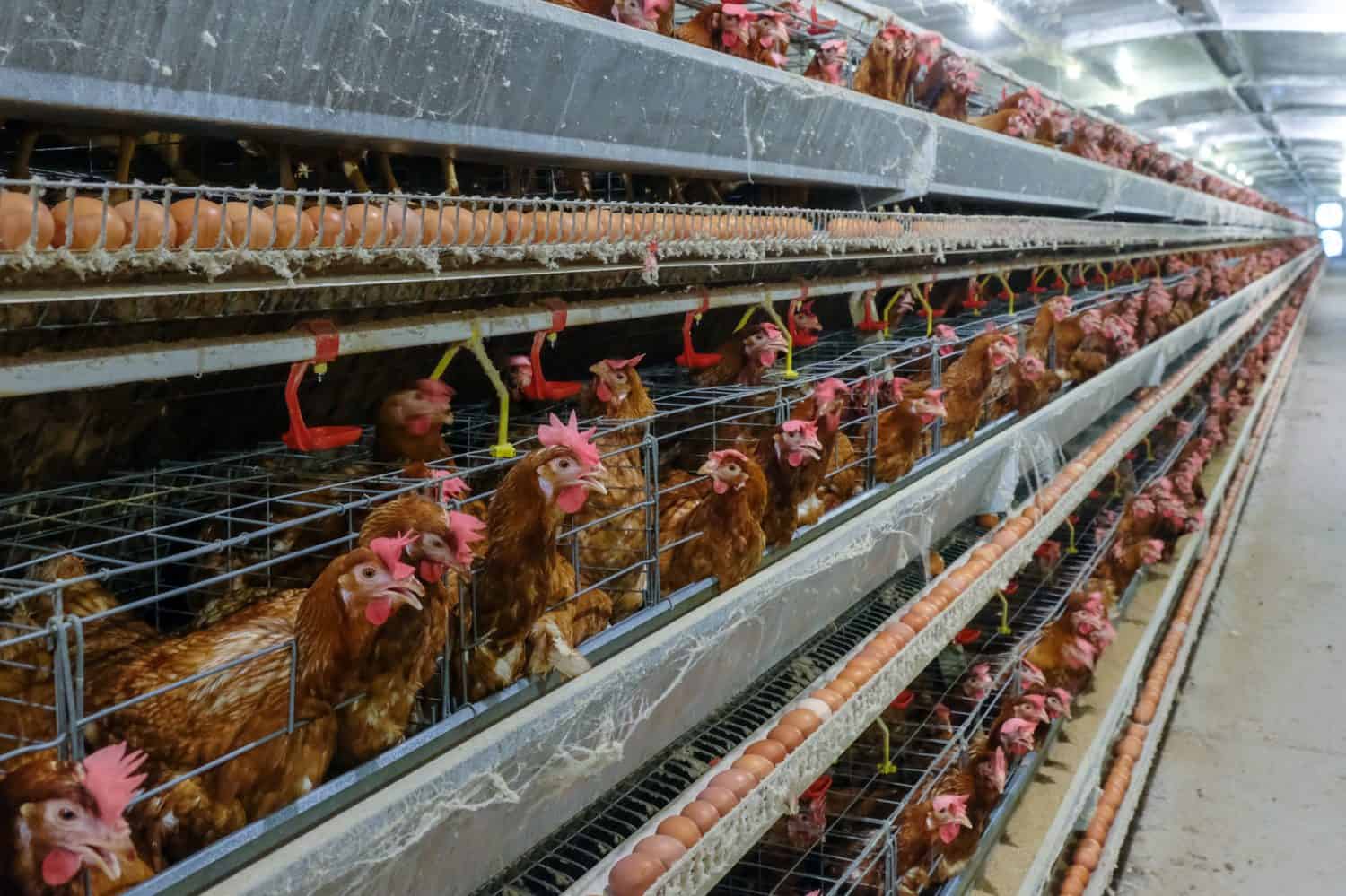
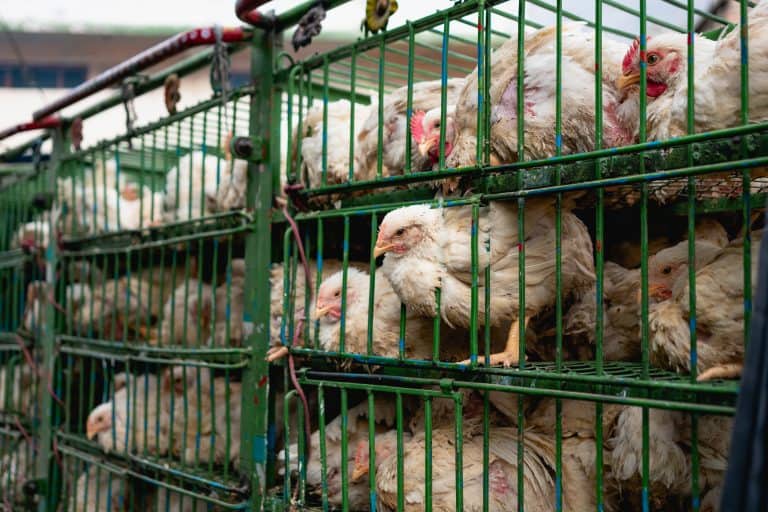
Poor animal handling and living conditions can negatively impact animals in various ways.
©Mai.Chayakorn/Shutterstock.com
“Serious handling concerns also arise during transport and slaughter,” Dominguez adds. “Rough catching and handling can cause severe fear, stress, lacerations, and broken bones. Animals may be transported for long periods in extreme temperatures without adequate food, water, or rest. When stunning fails to render an animal unconscious before slaughter, that animal may remain conscious and experience tremendous pain and distress while being killed.”
Genetics
Another concerning welfare problem of factory farming is its impact on animal genetics.
“Animals in factory farms are selectively bred for maximum productivity—faster growth, larger bodies, more eggs or greater milk production—at the expense of their health and well-being,” says Dominguez. “Chickens bred to grow unnaturally large, for example, can suffer from painful leg disorders and heart and lung problems because their bodies cannot support such rapid growth. These animals may suffer even when their living conditions and handling improve because the bodies they have been bred to inhabit are themselves a source of pain and disease.”
Higher-Welfare Farming and Plant-Based Alternatives
Knowing all the above information, you might wonder how you can advocate for and support the welfare of farmed animals. This boils down to two key options: higher-welfare farming and plant-based alternatives.
Higher-welfare farming involves raising animals in better conditions, like on pasture or with outdoor access to roam about. However, the ultimate welfare choice is selecting plant-based food alternatives whenever possible. Of course, this might not be feasible for everyone. However, even making small adjustments to your meat and animal-based product consumption can help.
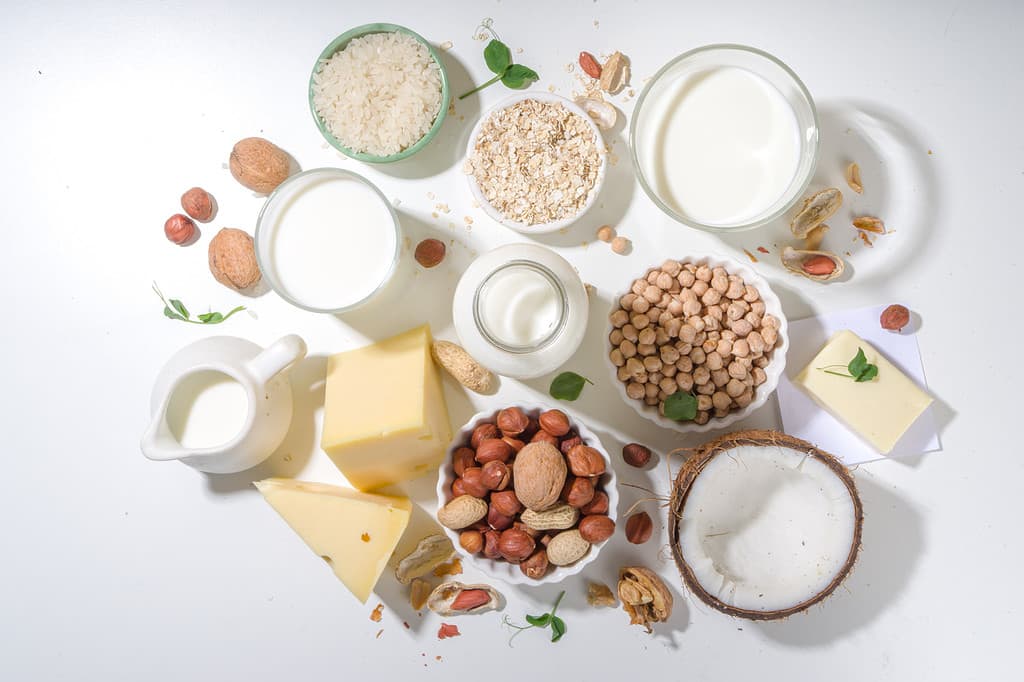
Today, there are various plant-based alternatives to consider when grocery shopping.
©Rimma_Bondarenko/iStock via Getty Images
On this year’s World Farmed Animals Day, don’t turn a blind eye to factory farming.
“Ultimately, factory farming creates suffering at every level: through the environments in which animals are forced to live, the ways they are handled and mutilated, and even the bodies they are bred to inhabit,” says Dominguez. “It is a system that treats living, feeling animals as units of production rather than individuals capable of suffering.”