
Quick Take
- One common kitchen ingredient rats despise is completely useless unless you prepare it a specific way, and the truth is that most people never bother to do so. How to prepare onions →
- The prettiest flower on this list doubles as one of the most powerful natural pesticides ever discovered, and its blooms can be turned into a year-round weapon. See chrysanthemum pyrethrin →
- A plant that smells delightful to you can be genuinely overwhelming to a rat, and that sensory mismatch is what lies behind several of these repellents. Why scent overwhelms rats →
- Some of these plants are toxic enough to endanger your pets, so knowing which ones before you plant could save you a vet bill. Check pet-toxic plants →
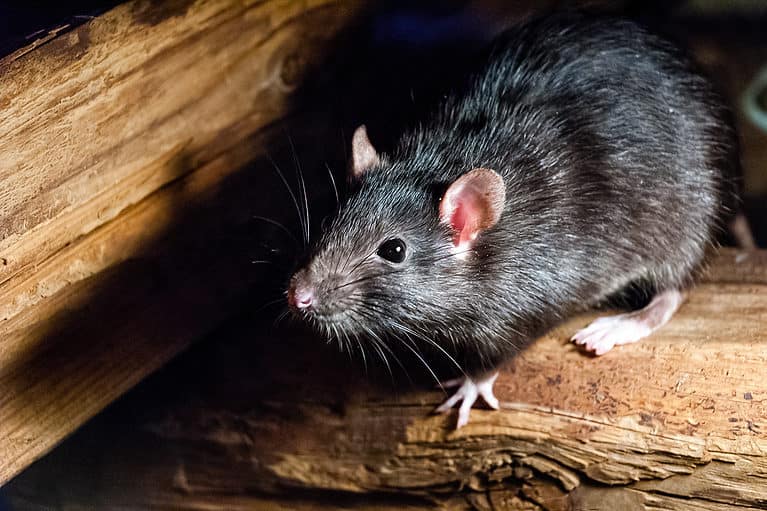
Odds are you’ve seen a rodent in your life. The rodent order includes everything from rats and mice to squirrels and beavers. Though these species play key roles in the health of their environments and in the food chain, they can also be horrible pests if they find their way into your home or garden. Rats, in particular, cause significant damage to crops, property, people, and pets each year through their voracious appetites and rodent-borne diseases. Luckily, several common plants can help naturally repel rats in the first place.
Getting Rid of Rats Naturally
Even if they haven’t invaded your house or made a permanent home in your garden, rats aren’t a guest you want around. Rat droppings and other waste products are just as effective at spreading disease as the critters themselves. Plus, if you’re growing food for your own family in your yard or garden, you don’t want the rats beating you to the harvest. It can be hard to get rid of a rat problem once it starts, though. Traps and mousers can only do so much, while poison will have a lasting effect on the ecosystem and should be treated as a last resort overseen by a professional.
Generally, plants with strong odors are beneficial, as are those that are toxic to a variety of animals. However, toxic plants can pose too much of a risk if you have pets or harmless animals that visit your yard. Here are the top 12 plants most effective at keeping rats away.
Chrysanthemums
Beautiful and bright, chrysanthemums come in hundreds of cultivars, so choose your favorite colors and use them as borders for your garden beds. Chrysanthemums bloom in the late summer and fall, so they can be used to offset other plants that bloom earlier in the year.
Chrysanthemums’ bright yellow center is the powerhouse here. Packed with a unique compound called pyrethrin, which is now considered one of the most effective and important natural pesticides in the world, these yellow centers help prevent a wide variety of pests, including insects and rats. Unfortunately, these plants can attract thrips and nematodes, so maintain your blooms to keep them healthy.
Most chrysanthemums sold in nurseries and garden centers are perennials, but those sold in grocery stores and florist shops are often bred to behave more like annuals. Be sure to either replant your blooms, save your seeds, or choose a hardier perennial variety that will come back year after year for continual protection. For an added boost of rat repellent all year round, save and dry some of your chrysanthemum blooms and turn them into a powder to apply at key entry points pests might be using.
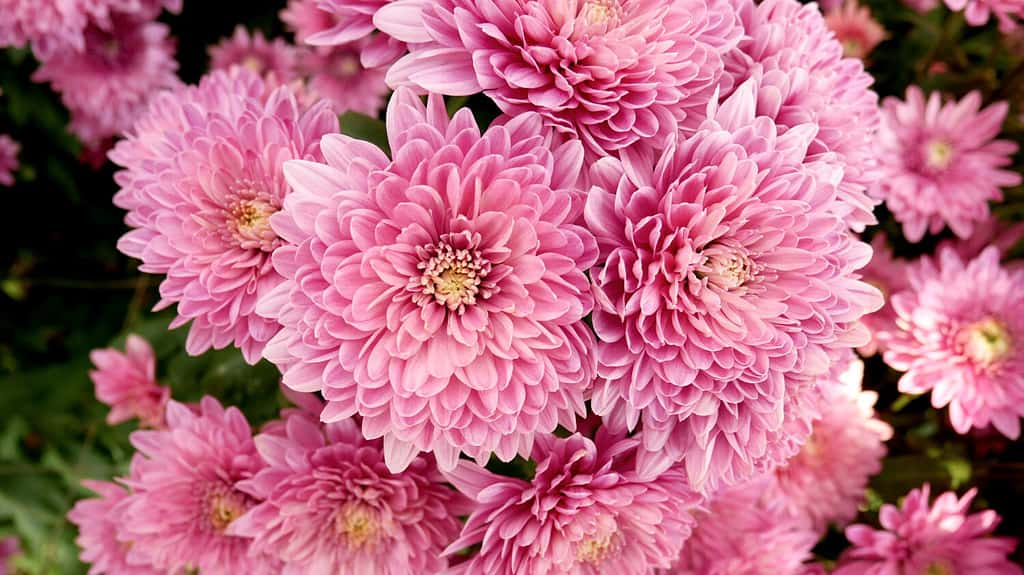
The bright colors of chrysanthemums bring color to any garden while repelling rats.
©StopperOhana/Shutterstock.com
Rosemary
Rosemary’s strong and unmistakable fragrance provides a great natural deterrent for rodents. Plus, with its hardy root system and tough branches, established rosemary plants can survive most winters in temperate zones and offer year-round protection from critters. Safe for both kids and pets, rosemary also comes with culinary and medicinal uses, making the addition of rosemary to your garden doubly useful.
In addition, rosemary blossoms are a favorite of many different types of bees, butterflies, and nectar-feeding flies. These pollinators will then help other blooms in your garden as well. Cut branches and homemade oils can also be applied in high-traffic areas for extra-potent rat repellent.
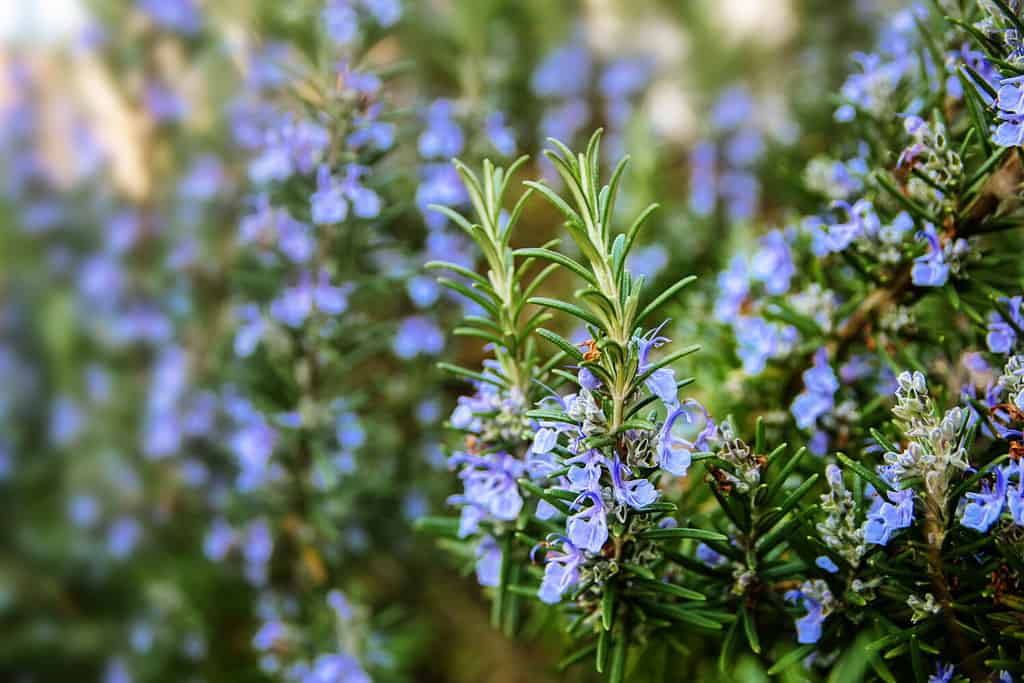
Rosemary blooms attract many varieties of beneficial insects to your garden while warding off rats.
©Maren Winter/Shutterstock.com
Peppermint
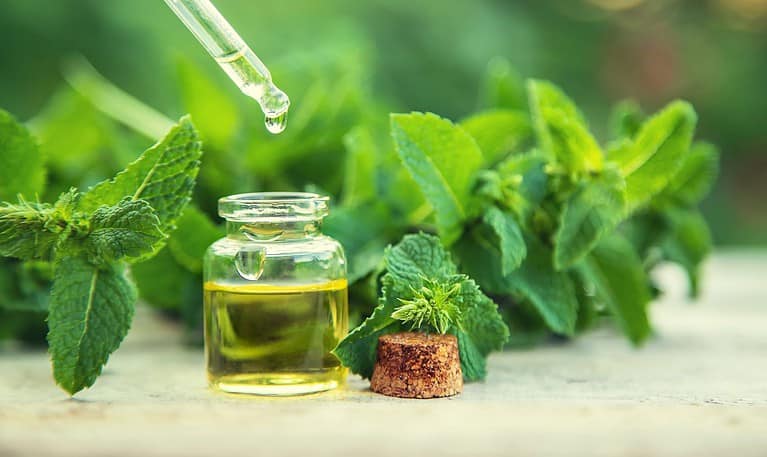
Another pungent addition to our list, peppermint, naturally contains two compounds used in rodent repellents: pulegone and menthone. Moreover, peppermint oil is often praised as an affordable and eco-friendly deterrent for many pests, not just rats. It’s also an ethical option, one that rats just avoid rather than one that actively harms them.
However, it is a short-term deterrent, and to be most effective at repelling rats, peppermint’s natural oils have to be released. The leaves have to be crumpled, chopped, or made into oil for maximum effectiveness. If you have a healthy plant, this fast-growing perennial can more than withstand frequent pruning for you to scatter its leaves or make some type of homemade deterrent. Unfortunately, the scent fades after a few days, so you must reapply frequently.
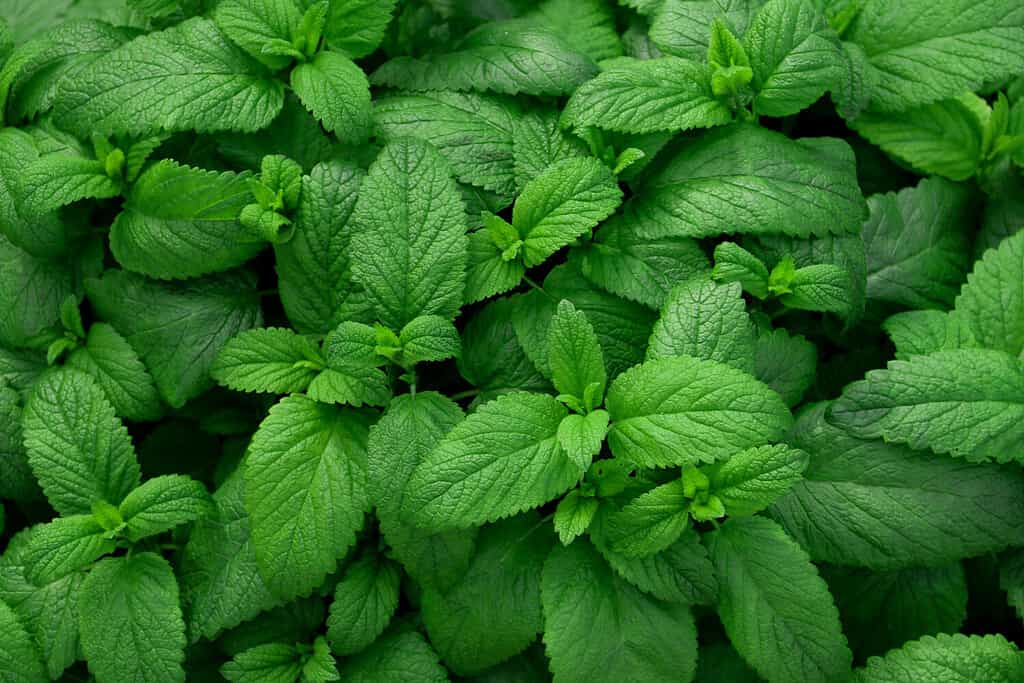
Peppermint is the strongest and most effective mint to repel rats, but the natural oils must be released.
©Olesya Myzzz/Shutterstock.com
Sage
People have cultivated sage for centuries for both culinary and medicinal purposes, with the added effect of deterring a variety of insects and pests as well. Sage will grow year-round in temperate zones, providing all-year protection if planted in the right place.
Just brushing past these fuzzy leaves releases a waft of their strong scent, which is sure to keep the rodents at bay. Since it’s a perennial, sage bushes can grow up to 2 feet high and 2-3 feet wide, though you can keep yours in check with regular pruning.
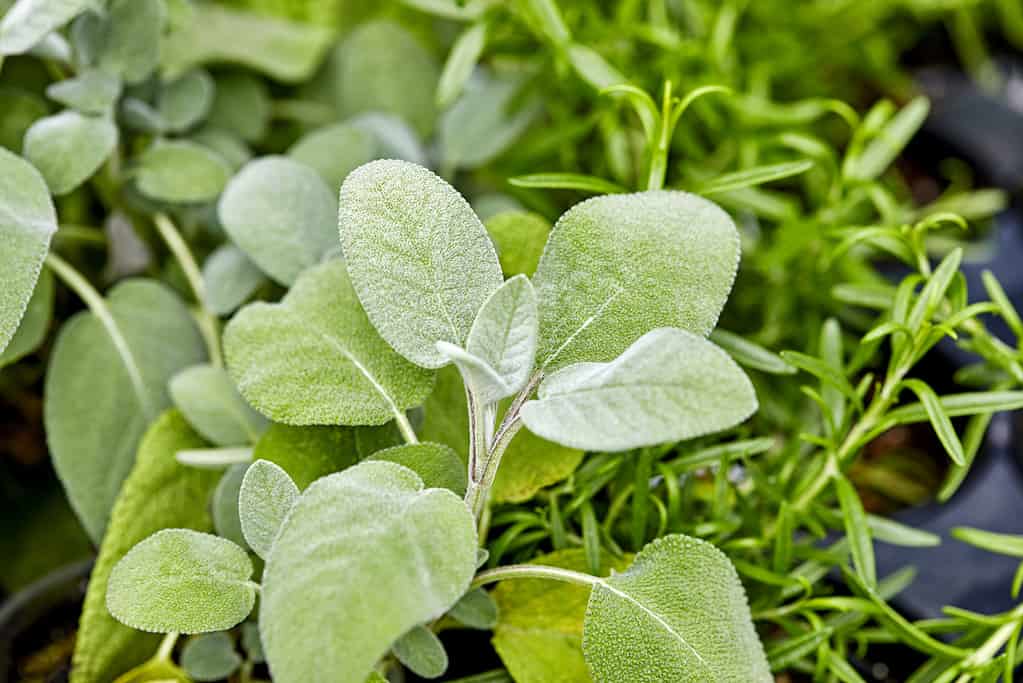
Sage makes a flavorful addition to any garden and helps repel pests with its fragrance.
©iStock.com/wingedwolf
Lavender
Even without a rat problem, lavender is a garden favorite. Its beautiful purple spikes and pleasing scent make it common and readily available for your pest-repellent needs. English lavender (Lavandula angustifolia) is a great choice for garden borders, fences, entry points, and foundations. It is a perennial evergreen shrub that returns year after year with proper care.
For humans, lavender smells light and dainty. For rats and other small rodents, lavender has an overwhelming floral scent and its essential oils are something to be avoided. A barrier of lavender is a great way to keep sensitive rodents out without resorting to plants with thorns or other drastic measures.

Lavender makes a great border plant for keeping rats away.
©ESstock/Shutterstock.com
More Toxic Natural Rat Repellents
If you don’t mind mixing in a few of the more toxic plant varieties in your garden to repel rats, here are more options. Most animals can determine that these plants are poisonous and will therefore avoid them, but keep an eye on pets and small children around these plants.
Daffodils
These beautiful heralds of spring are another plant rats hate because of their strong scent. Daffodils’ pungent terpenoids attract various insects for pollination while simultaneously driving off other pests. Unfortunately, daffodil blooms don’t last long past the spring, so their usefulness is limited. Once the blooms and foliage die off, however, the daffodil bulbs themselves are poisonous to small mammals and will prevent mice, rats, squirrels, and voles from creating nests or burrows nearby.
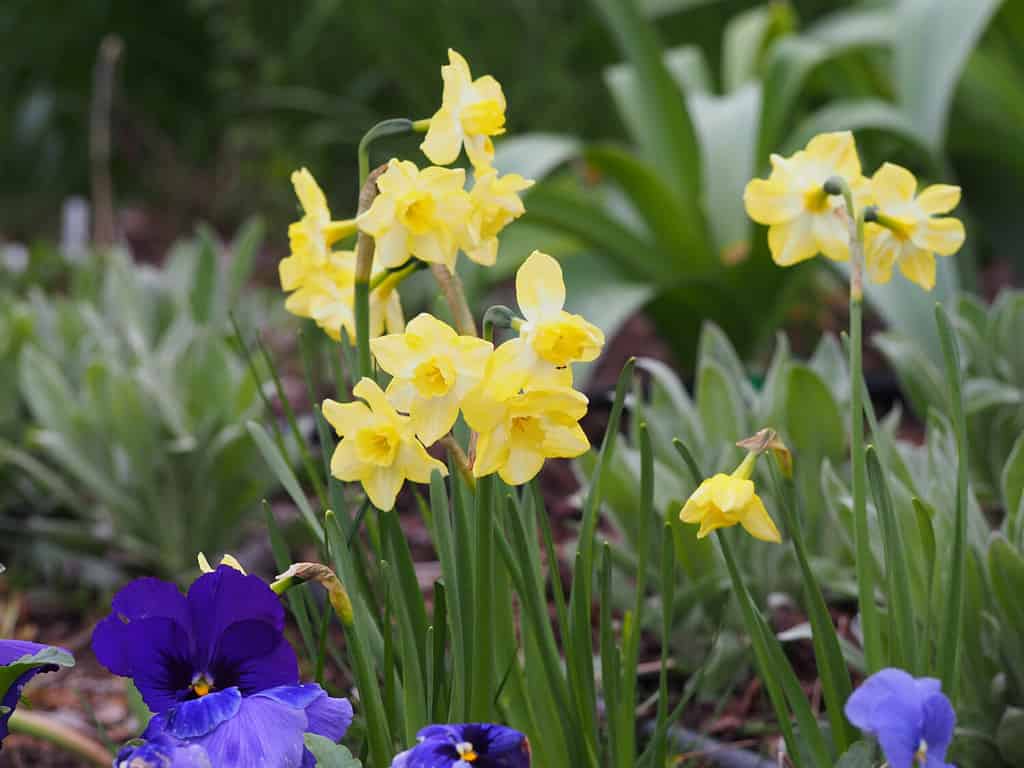
The bright yellow of daffodil blooms often means spring has arrived.
©Anna Gratys/Shutterstock.com
Christ Plant, or Crown-of-Thorns
This unique plant features two forms of rat repellent: sharp spikes on the plant’s exterior and toxic sap that is dangerous even for large animals. If you suspect rats are entering through a specific gap in your fence, planting an impenetrable wall of Christ plant may solve the problem. Although you must carefully cut or damage the plant to expose the toxic sap, the wall of thorns alone may prove sufficient.
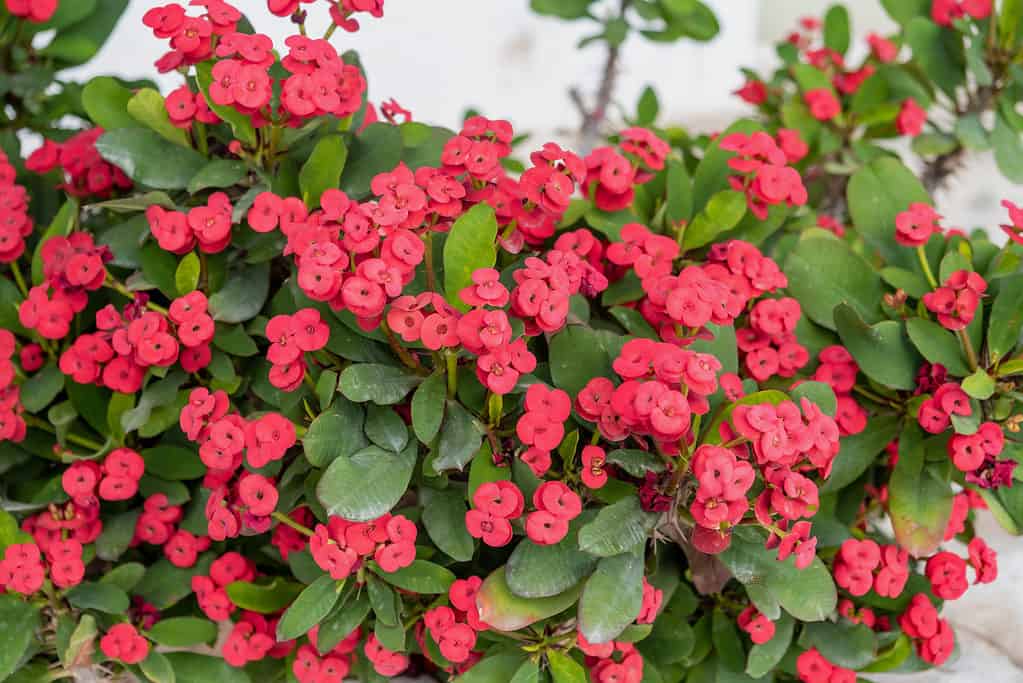
The sharp thorns of the Christ plant give it its name and also serve as a deterrent for rats.
©iStock.com/Rawf8
Camphor Laurel
If you have space in your yard for an evergreen tree, consider the camphor laurel. This tree’s beautiful, glossy leaves emit a unique and strong odor of camphor, which is woody, herbal, and sharp. All parts of this tree contain the compounds important for a natural pesticide, including the small berries. However, camphor laurel is poisonous to most animals and affects the digestive system. Both the strong smell and inherent toxicity of this plant effectively repel rats.
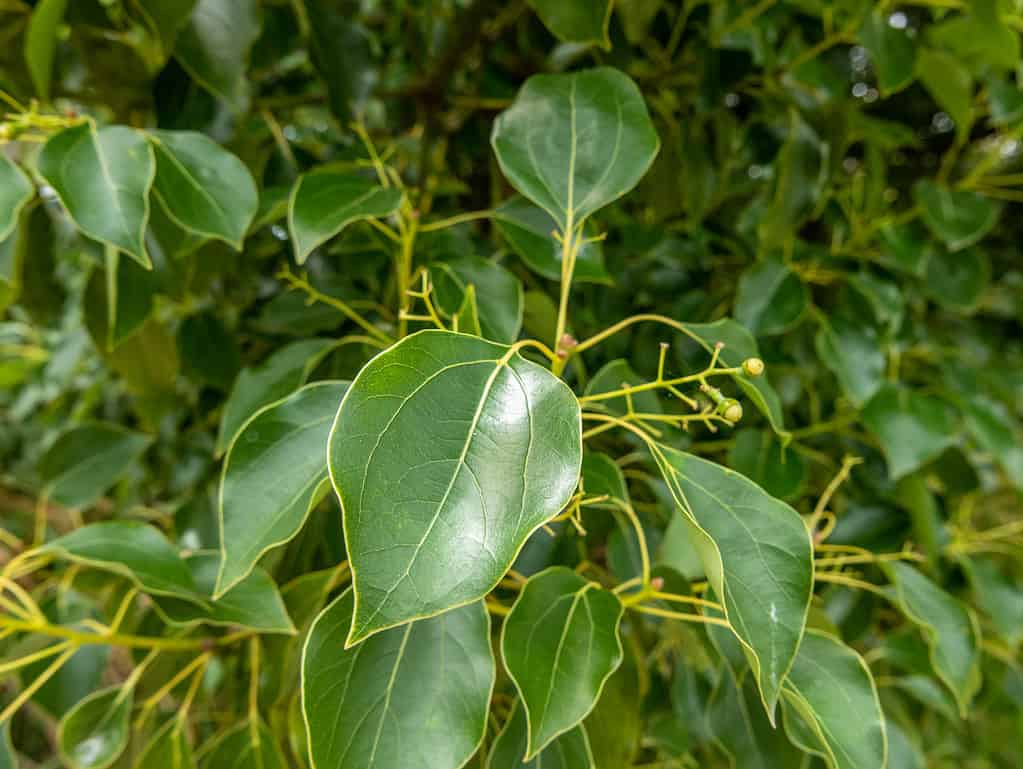
Camphor laurel trees offer shade and an odor that repels most pests.
Elderberry
A beautiful shrub, elderberry provides large harvests of dark berries each year that can be fermented into wine or used to make honey. Other parts of the plant, though, can be poisonous, and the whole shrub carries a strong fragrance. This can be off-putting to people, but rats find it repellent. This shrub therefore makes an excellent border plant for your garden since it repels both large and small wild animals. If you’re planning to harvest the berries while also taking advantage of the plant’s repellent nature, be sure to choose one of the edible varieties such as American Black Elderberry (Sambucus canadensis) or European Black Elderberry (Sambucus nigra) rather than one that produces poisonous fruit.
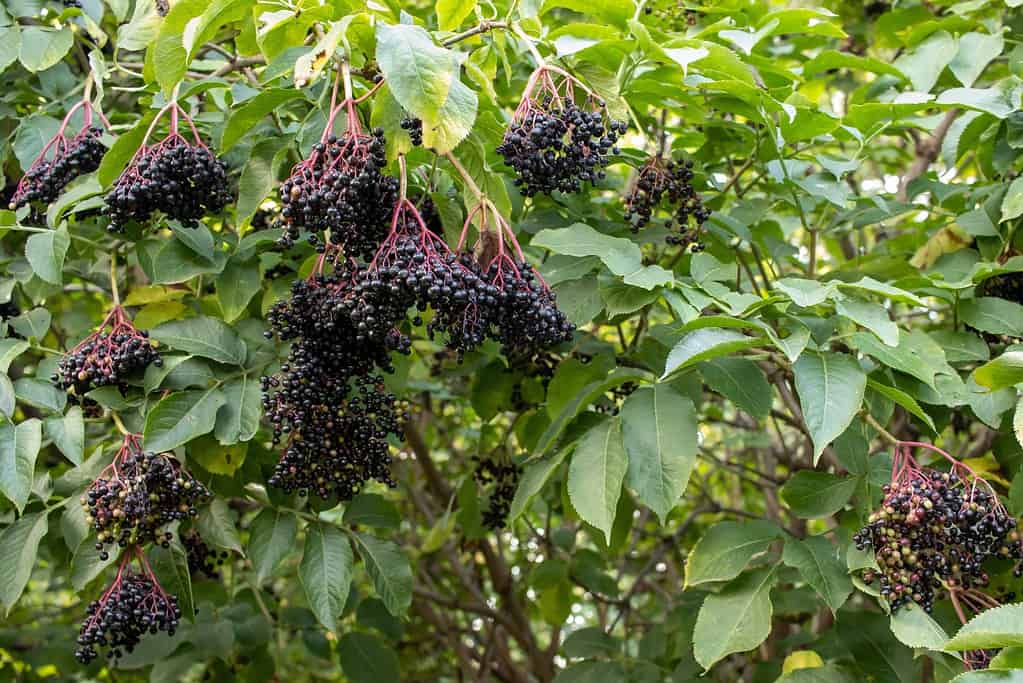
Elderberry bushes have a unique smell that repels rats and other pests.
©Juver/Shutterstock.com
Other Natural Ways to Repel Rats
If none of the plants above work to repel your rats, here are some additional options to help keep the pesky critters at bay.
Onions
Onion is a primary ingredient in most cuisines. While many humans love onions, our smaller mammal friends dislike them. For some animals like cats and dogs, onions are even toxic. The sharp, spicy smell of onions is a great deterrent for rats and other rodents, but only if the onion is cut. An intact onion with its skin on won’t be very effective, which is why onions weren’t included in the list above. Simply growing onions in your garden won’t keep rats away.
Finely chopped onions make an excellent addition to a homemade pesticide, though, which you can spray or pour around the parts of the garden experiencing rat disturbances. Consider creating a purée of onion and peppermint or rosemary leaves, as mentioned above, for an extra-pungent deterrent.
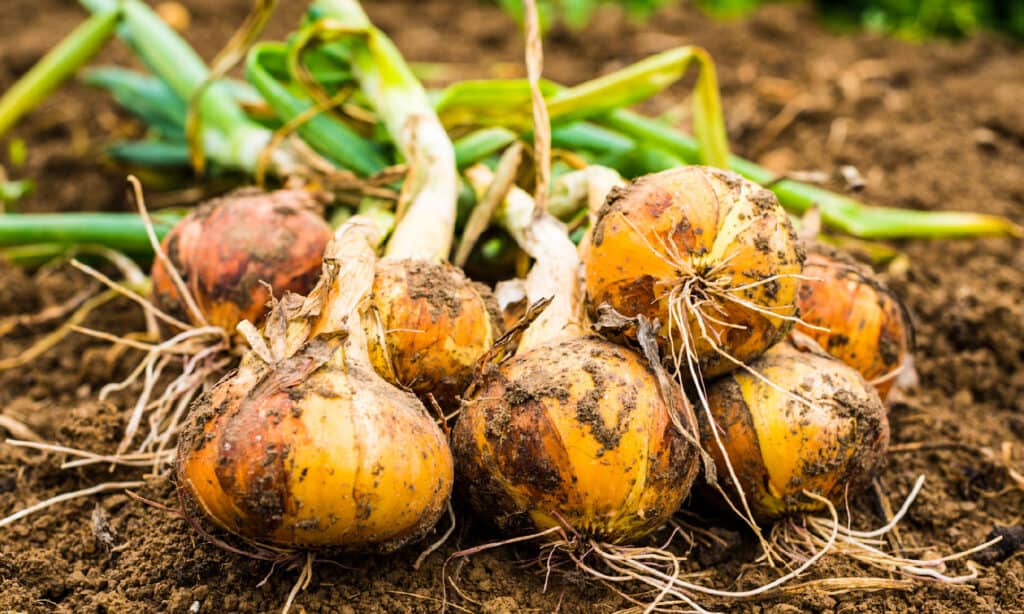
Raw onions are fatal to rats, but they must be cut up to repel most pests.
©iStock.com/rootstocks
Black Pepper
Few of us live in a climate conducive to growing peppercorns ourselves. It’s such a ubiquitous seasoning these days, however, that most of us will have black pepper on hand. Besides, to be most effective, the peppercorns must be dried and crushed. That means that simply growing black pepper wouldn’t do the trick.
Both mice and rats hate pepper. It interferes with their sense of smell and ability to tell if a plant is poisonous. Also, the primary compound in pepper, piperine, is toxic to rats. When combined with other deterrent ingredients, such as cayenne pepper or our onion concoction from above, black pepper makes a fantastic temporary rat deterrent.

Peppercorns grow best in a tropical environment, but dried and ground peppercorns work best as a repellent.
©Krasula/Shutterstock.com
Citronella or Lemongrass
Like other additions to our list, both lemongrass and citronella are strongly scented. Their lemony scent, which may be pleasant to us, overwhelms rats’ sense of smell and keeps them away. Plus, citronella is well-known to repel other irritating pests, like mosquitoes. Similar to other mentions in this section, however, the plants alone won’t deter the rats. You’ll need their essential oils, which you can find in a variety of sprays or candles.
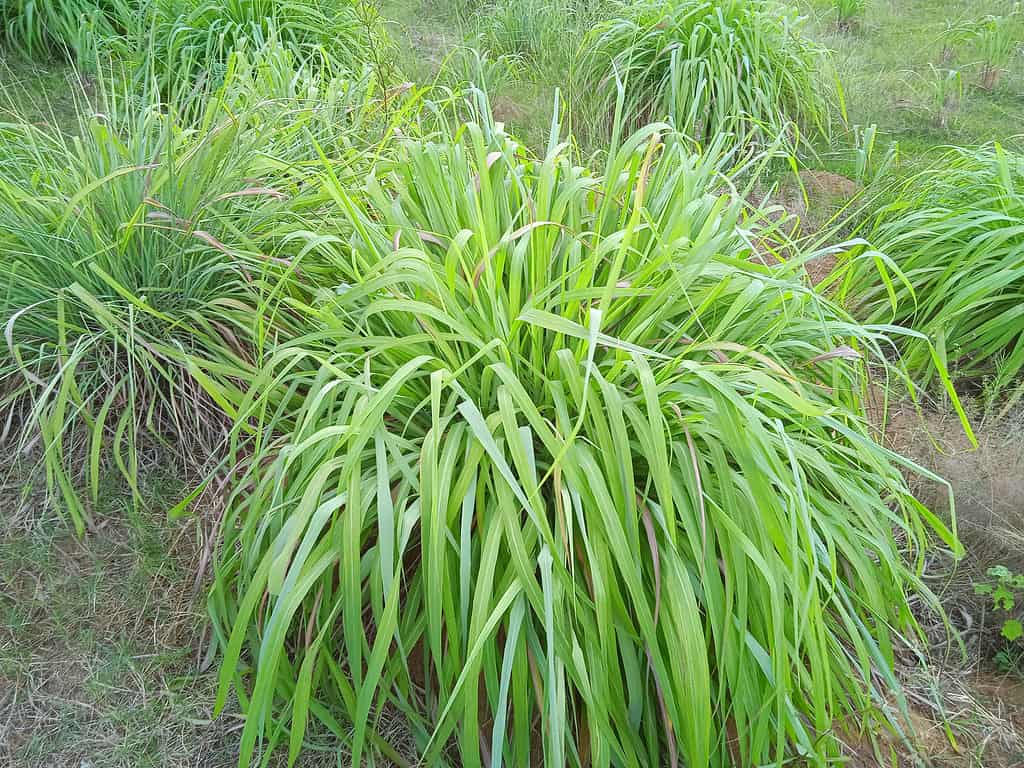
Citronella grass makes a great garden addition, but you’ll need its essential oils to drive off pests.
©iStock.com/Siti Aisah
Tips to Make Your Garden Unattractive to Rats
What rats lack in size, they make up for in resourcefulness. Whether searching for food or shelter, they look for the easy option. That means one of the best ways to repel rats is to never attract them in the first place. Try these tips to make your space unattractive to any unwanted rodent guests.
- Keep your yard and garden trimmed and tidy to eliminate potential nest sites. Wood piles, debris heaps, dense shrubbery, and thick ivy can all serve as a home for rats.
- Rats love a balanced diet of fruits and vegetables, especially those grown in our gardens. Harvest often and remove any fallen fruit, veggies, or nuts promptly to keep them out of reach for rats.
- Patch holes in fences quickly to deny critters easy entry.
- Food residue on barbecues and outdoor fire pits can attract a variety of pests — make sure to clean any spills or leftovers promptly
Rats, mice, and other rodents are key components to natural ecosystems, but they’re nothing but a nuisance in your garden. Careful management and general upkeep of your yard and garden will help, but if that fails, the next best thing is to fill your garden with plants that serve as natural repellents to hopefully drive them out before they get too comfortable.