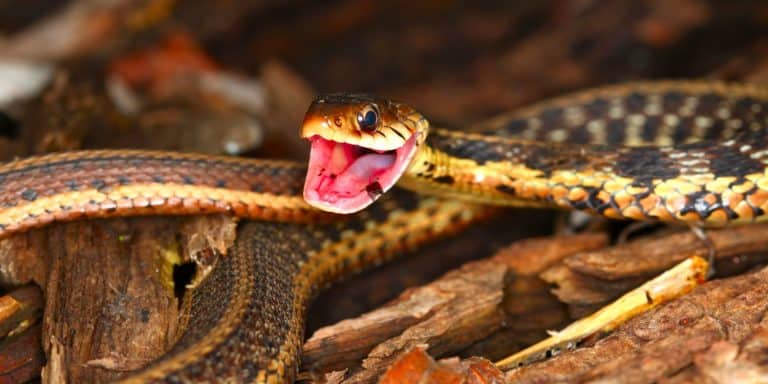
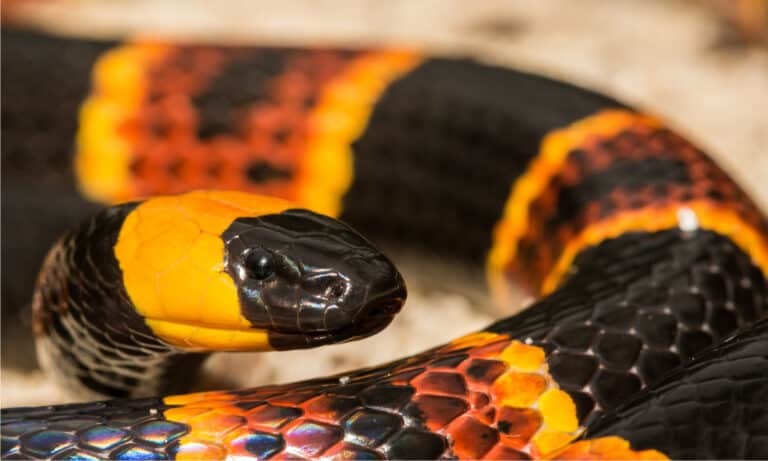
Snakes are some of the planet’s most unique creatures. Sleek, mysterious, and often elusive, these reptiles slither the Earth, mainly out of sight. Among the most well-known snake species in North America are the garter snake and the copperhead. While one is completely harmless, the other is notorious for its venomous bite. Despite overlapping behavioral traits, these two snakes are quite different physically.
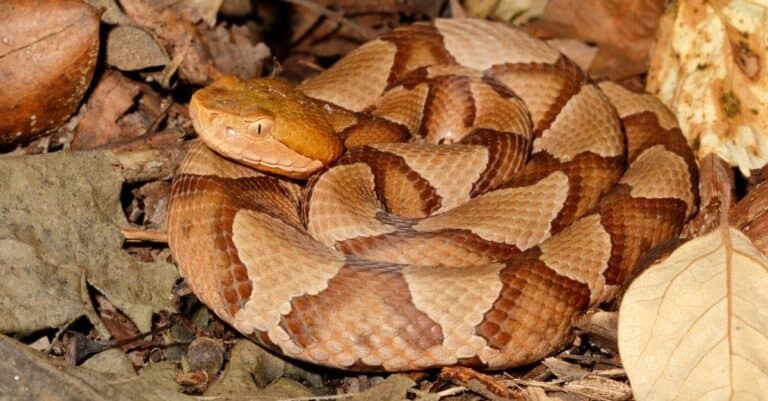
Garter snakes are extremely common across the U.S., frequently inhabiting gardens, wetlands, and forests. They are thin, striped, and pose no danger to humans; their toxin is too weak to affect humans. Copperheads, however, possess venom strong enough to harm a person and are often responsible for the most venomous snake bites in America. These pit vipers are easy to recognize, featuring stout bodies, copper heads, and unmistakable hourglass markings.
This slideshow will cover each of these common snakes in detail. We cover appearance, hunting methods, and how their venom can affect both animals and humans. Learn about two of the most fascinating snakes in North America, how to tell them apart quickly and easily, and the remarkable adaptations that help these serpents thrive in varying habitats.
Garter Snake vs. Copperhead Overview
©Simone O/Shutterstock.com
- Garter snakes and copperheads are two of North America’s most familiar snakes.
- Garter snakes are generally harmless, while copperheads are venomous.
- Comparing them highlights important differences in appearance, habitat, and danger to humans.
Key Differences
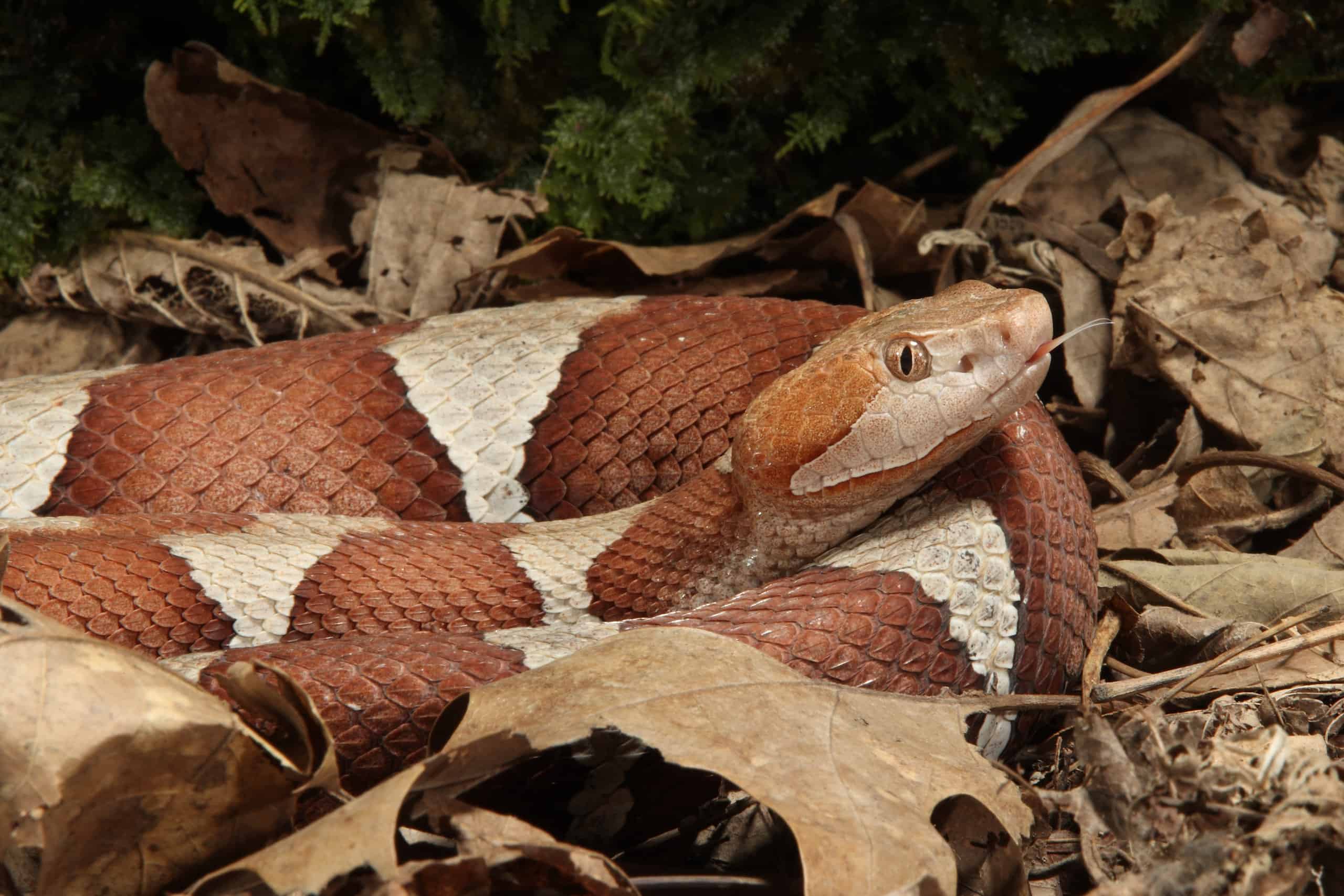
©Dennis W Donohue/Shutterstock.com
- Garter snakes and copperheads belong to different scientific families.
- Their venom potency differs greatly, with copperheads posing more risk.
- Their appearances are distinct, with stripes on garter snakes and hourglass bands on copperheads.
Garter Snake Classification
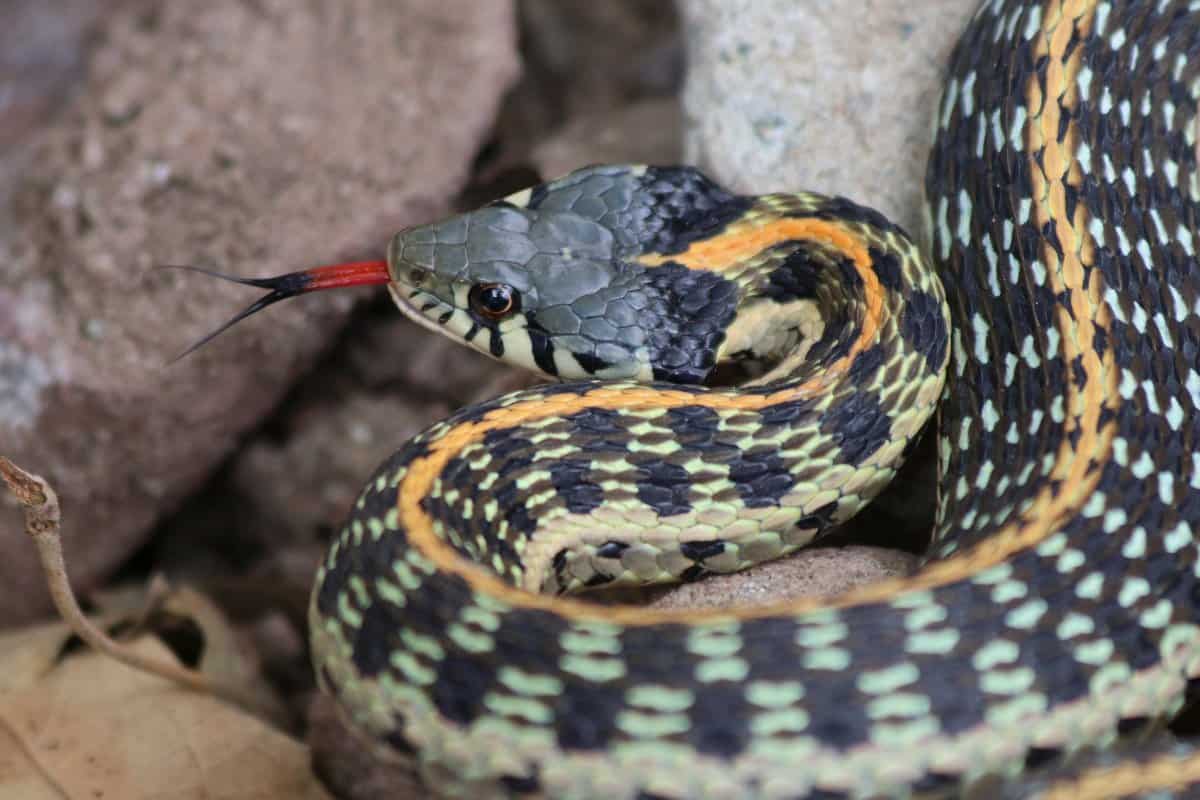
©Creeping Things/Shutterstock.com
- Garter snakes belong to the family Colubridae and genus Thamnophis.
- The species Thamnophis sirtalis, or common garter snake, has 13 recognized subspecies.
- Their name comes from their striped appearance, resembling a garter strap.
Copperhead Classification
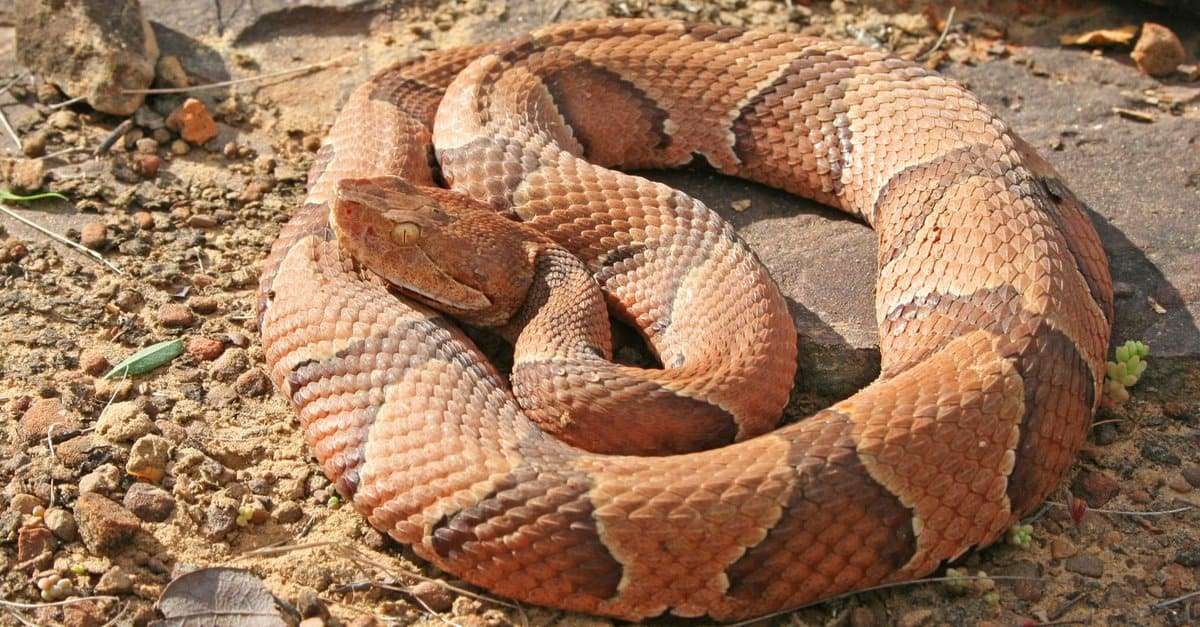
©Creeping Things/Shutterstock.com
- Copperheads belong to the family Viperidae and genus Agkistrodon.
- Their species name is Agkistrodon contortrix, shared with several subspecies.
- The name refers to their hooked fangs and twisted hourglass markings.
Garter Snake Habitat and Range
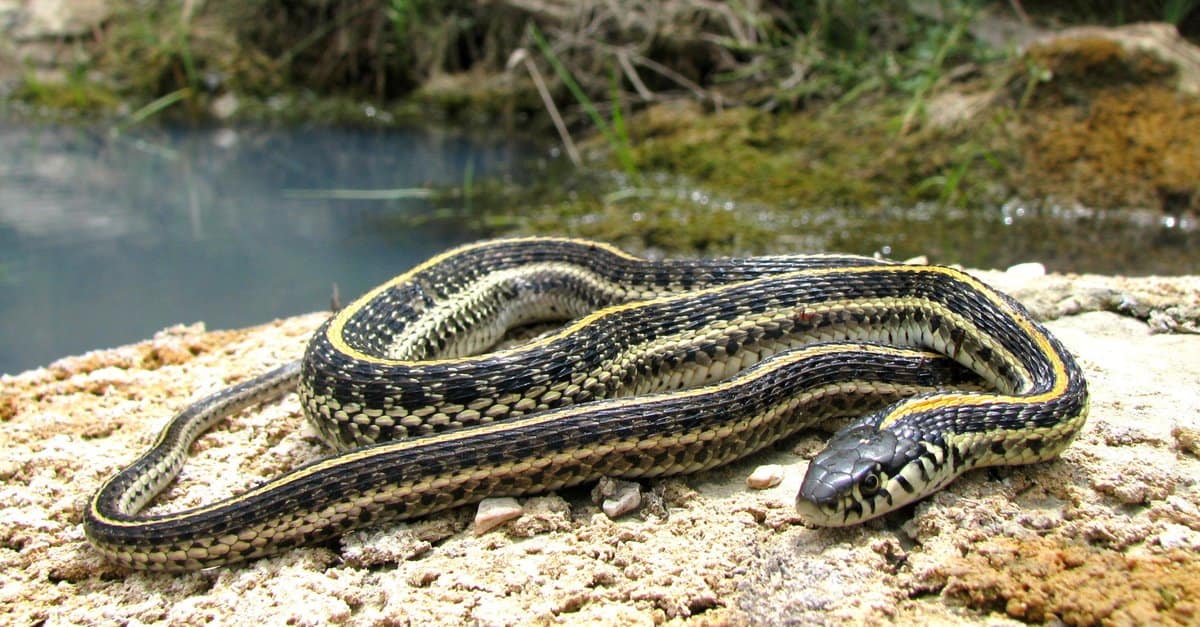
©Joe Farah/Shutterstock.com
- Garter snakes live across North America from Costa Rica to Canada.
- They are found in gardens, forests, wetlands, and near ponds or streams.
- Although terrestrial, they are strong swimmers and thrive near water.
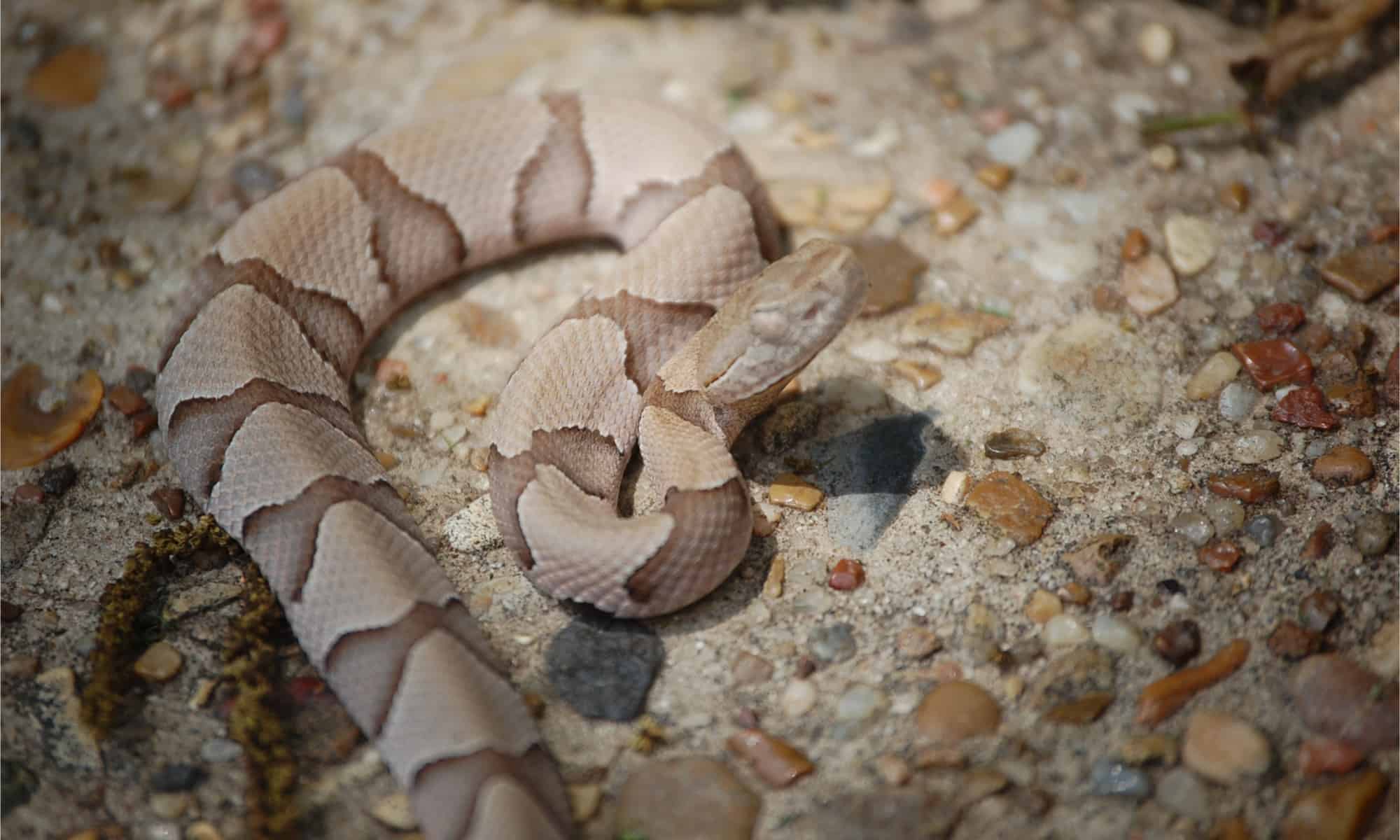
Copperhead Habitat and Range
©Daulton Moore/Shutterstock.com
- Copperheads inhabit the central and eastern United States and parts of Mexico.
- They live in wooded areas, swamps, rocky zones, and suburban sites.
- Their camouflage helps them blend with leaves, logs, and forest floors.
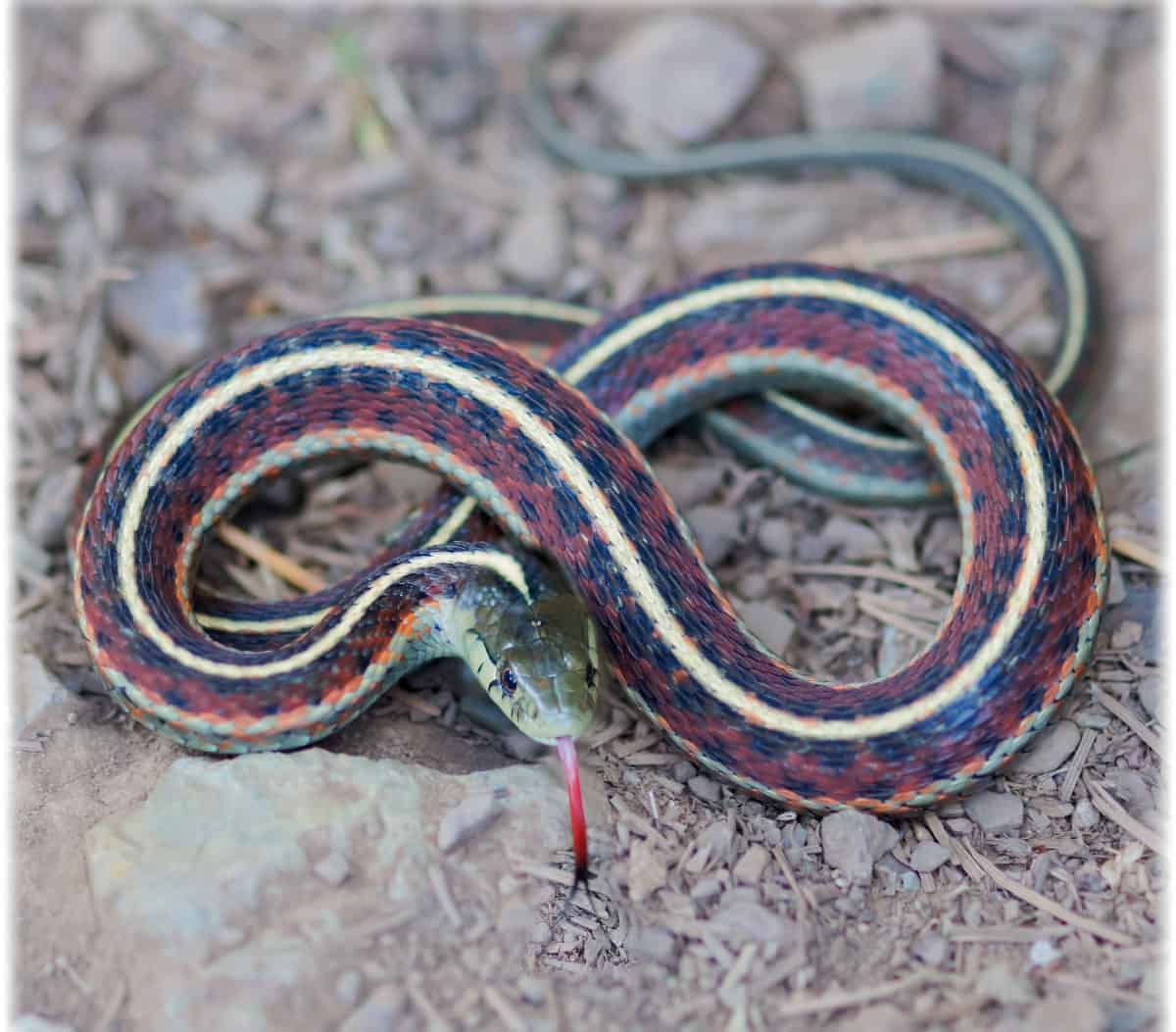
Garter Snake Appearance
©iStock.com/yhelfman
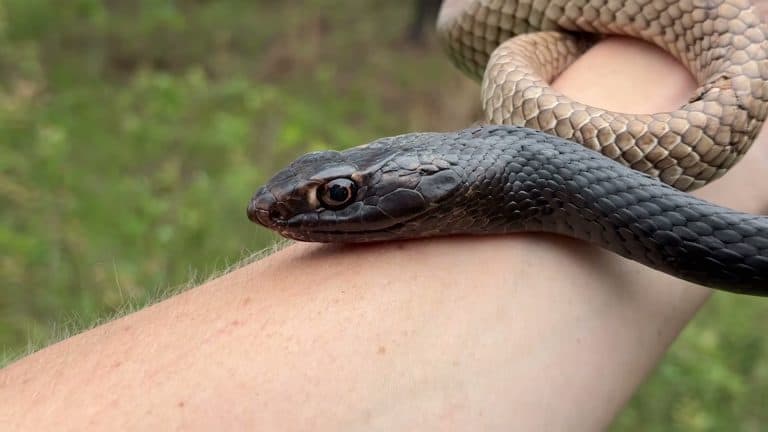
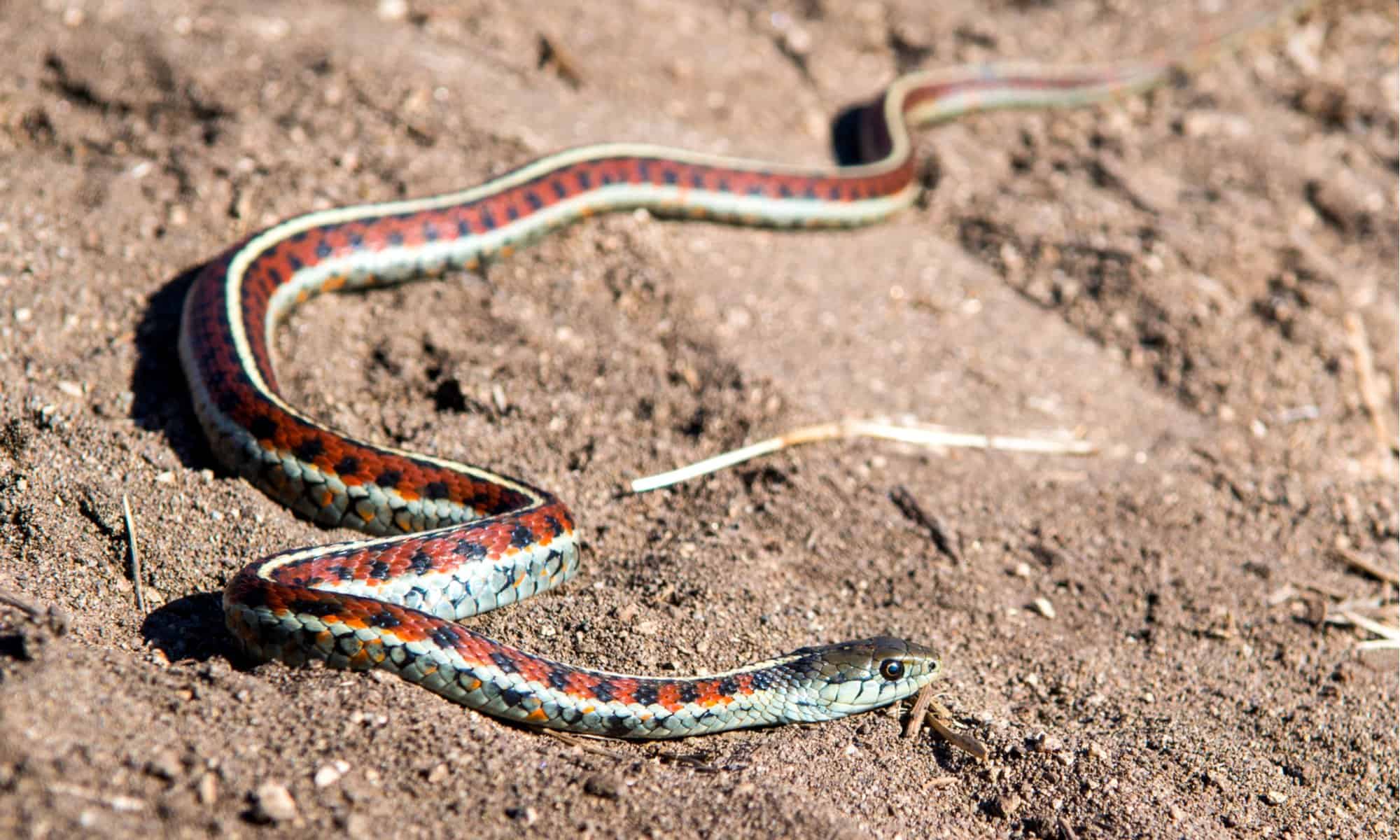
- Garter snakes are slender and typically 18-42 inches long.
- They usually have three stripes in yellow, white, red, or green running down the body.
- Some may be solid-colored or display checkered patterns between stripes.
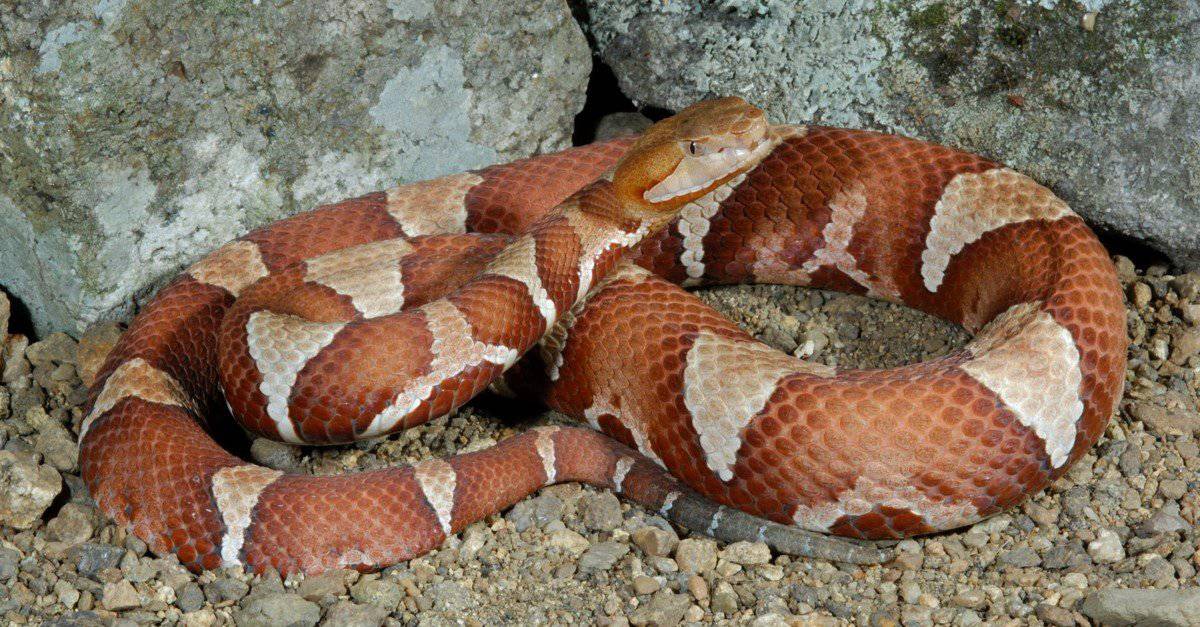
Copperhead Appearance
©Breck P. Kent/Shutterstock.com
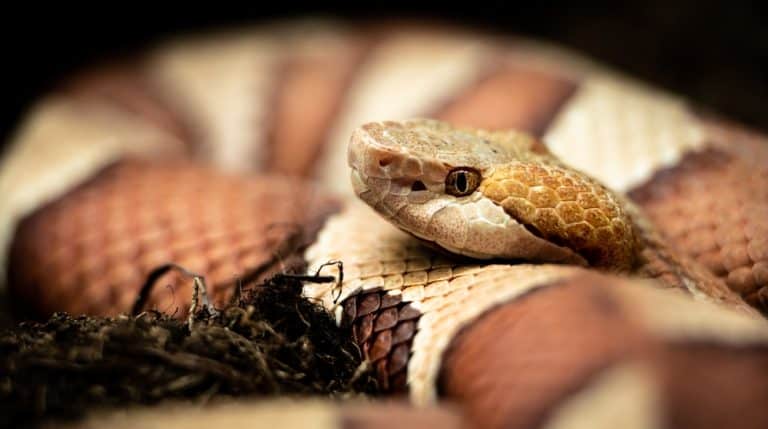
- Copperheads are stout snakes averaging 22-36 inches long.
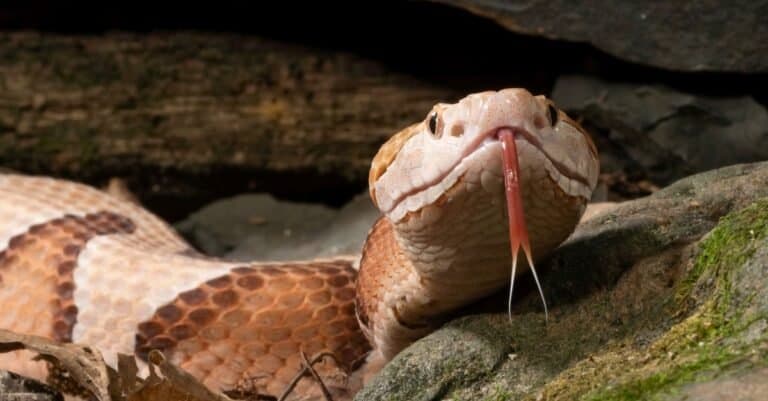
- They have copper-colored heads and cat-like vertical pupils.
- Their bodies show distinctive reddish-brown hourglass-shaped crossbands.
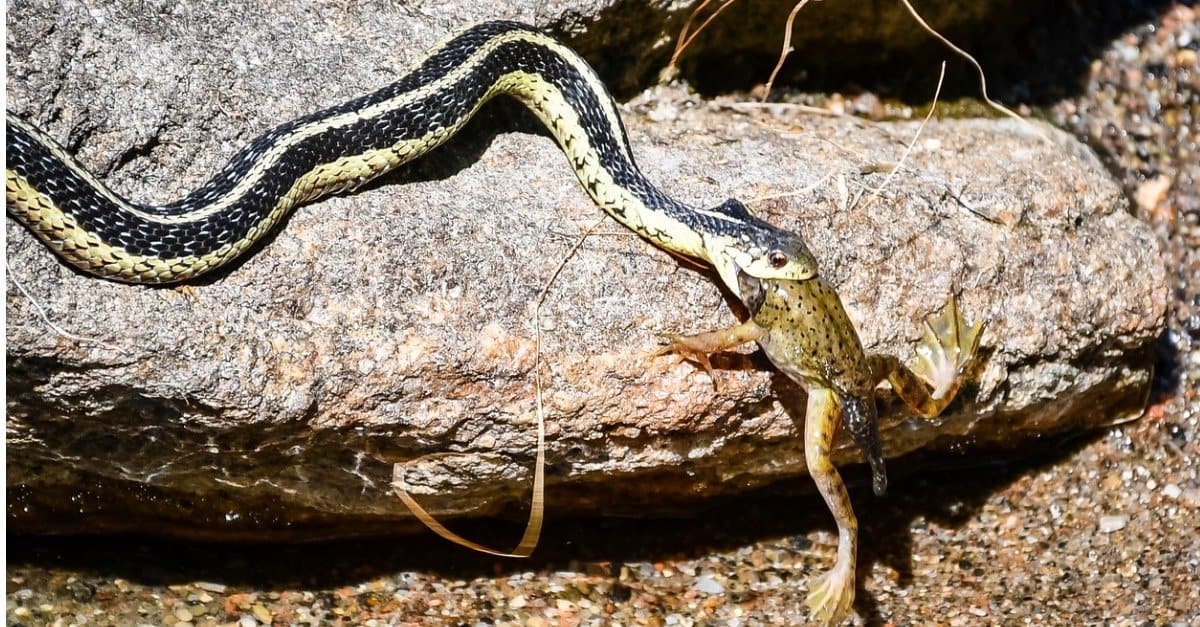
Garter Snake Hunting and Diet
©iStock.com/Katie Duncan-Burt
- Garter snakes use their tongue and vomeronasal organ to track prey.
- They rely on peering, craning, and ambushing techniques to capture food.
- Their diet includes worms, amphibians, fish, insects, and even other snakes.
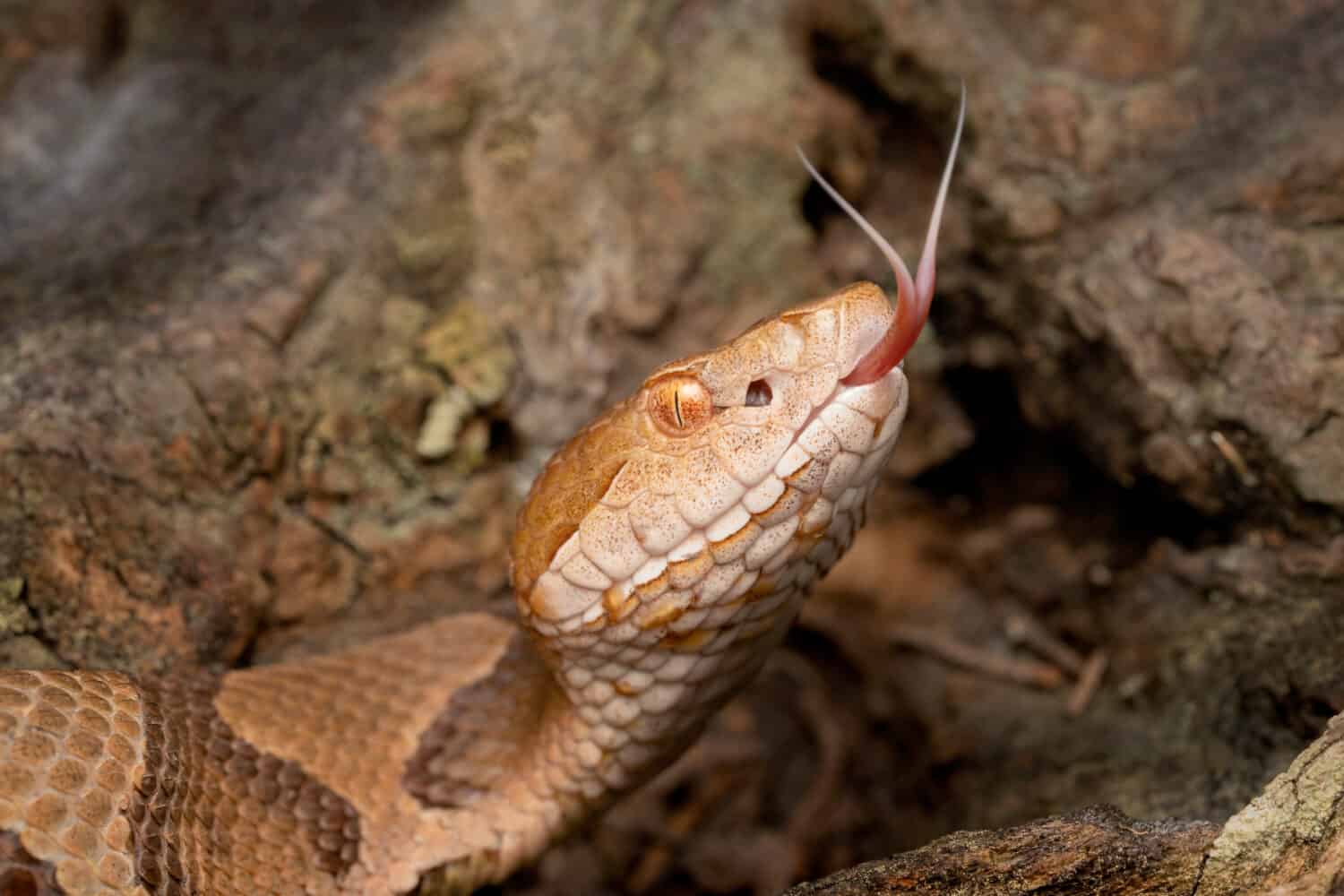
Copperhead Hunting and Diet
©Mark_Kostich/Shutterstock.com
- Copperheads use pit organs to detect the heat of nearby prey.
- They are ambush predators that strike small mammals, reptiles, and birds.
- Their venom helps subdue prey before swallowing it whole.
Venom Comparison

©Microgen/Shutterstock.com
- Garter snakes produce mild venom that is harmless to humans.
- Copperheads have stronger venom, but bites are rarely fatal.
- Copperheads account for the most venomous snake bites in the U.S. each year.
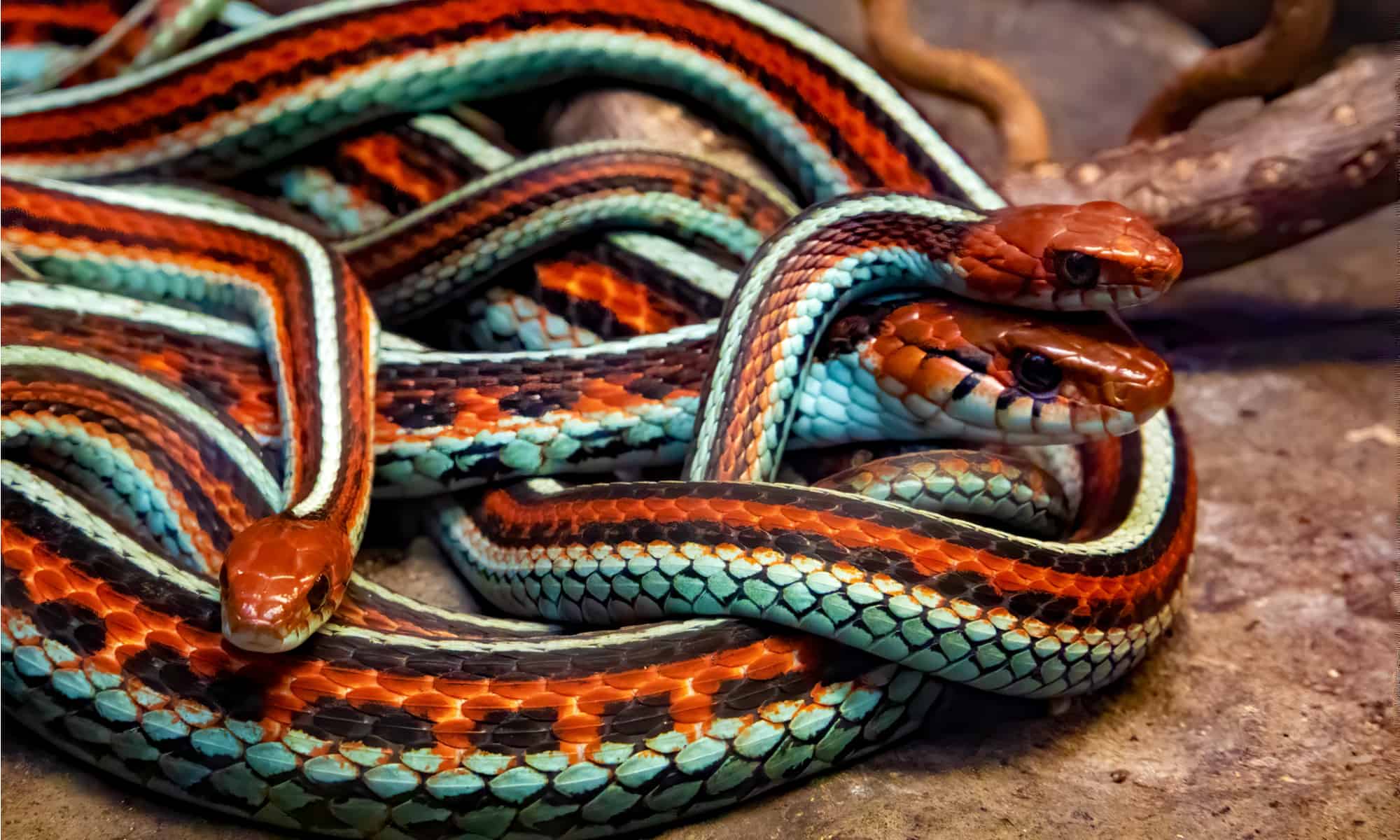
Conclusion: Two Very Different Snakes
©spatuletail/Shutterstock.com
- Garter snakes are common garden allies that help control pests.
- Copperheads are venomous pit vipers that prefer to remain unseen.
- Both play important ecological roles but differ greatly in risk to humans.