Quick Take
- New Jersey is one of the most densely developed states in the country, and yet it still shelters multiple snake species so rare that biologists track them individually.
- One of New Jersey's endangered snakes defends itself with loud bluffing instead of venom, and its nesting sites face a threat most people would never think to worry about.
- A snake most people recognize only as a common pet-store species is actually listed as endangered in the wild in New Jersey, and its disappearance has a direct cost to farmers.
- Spotting one of these snakes and sharing its location publicly could actually put the animal in danger. The article explains exactly what to do instead. Report sightings safely →
New Jersey is a densely populated state, but it also hides some of the Northeast’s rarest snakes. They live in pine forests, rocky hillsides, and along farm edges, even as people drive and build all around them. Several native snakes now rank as endangered or threatened as their habitats shrink and roads and development spread. These reptiles quietly control rodent populations and help maintain balanced ecosystems. When we learn who these snakes are and why they are in trouble, we take the first step toward ensuring they continue to play their role in New Jersey’s wild ecosystems.
Timber Rattlesnake (Crotalus horridus)
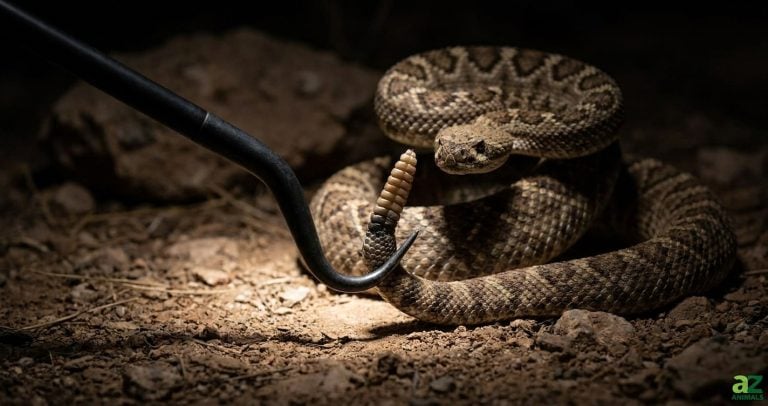
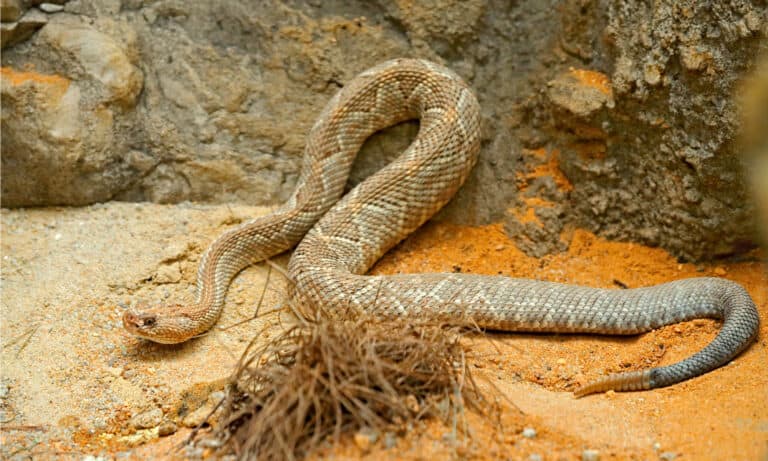
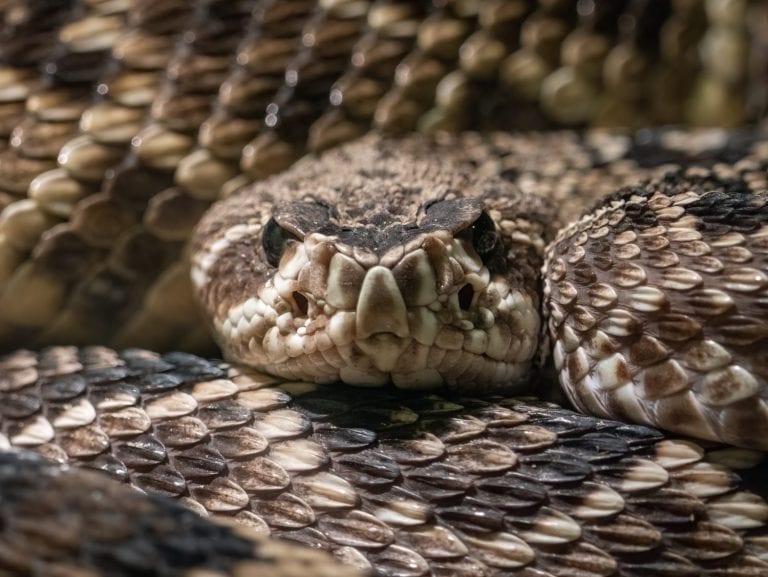
The timber rattlesnake is New Jersey’s only rattlesnake and one of just two native venomous snakes in the state. Today, it survives in a handful of scattered populations that biologists track closely. Adults usually measure between about 3 and 4 feet long, and some older snakes approach 5 feet. Their colors range from dark, banded “timber” patterns to lighter yellow or brown individuals. Many individuals nearly blend into sunlit rocks and fallen leaves, making them difficult to spot.
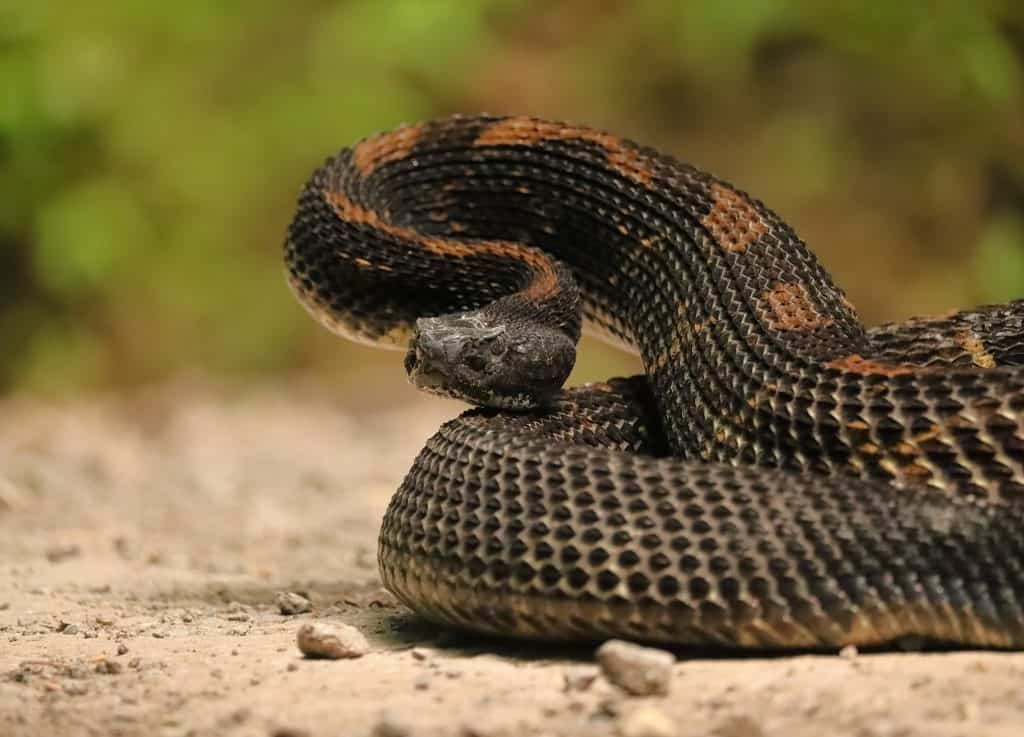
Timber rattlesnakes are strictly protected in New Jersey.
©onewildlifer/Shutterstock.com
Most timber rattlesnakes use the Kittatinny Ridge, parts of the Highlands, and a few sites in the Pinelands for denning and feeding. They gather in rocky crevices or sandy banks over winter and return to the same den year after year. Rattlesnakes usually avoid people and try to slip away when they sense footsteps or vibrations, or they use their rattle to warn people away when they get too close. New Jersey listed the timber rattlesnake as a state‑endangered species in 1979 and strictly protects it from harm.
Northern Pine Snake (Pituophis melanoleucus melanoleucus)
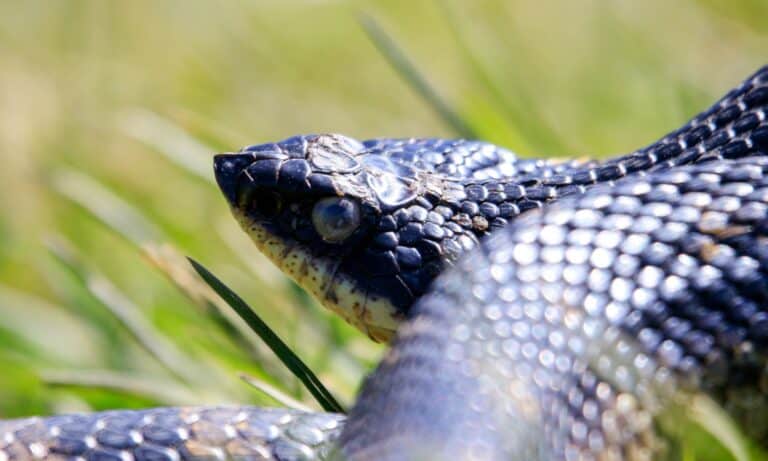
The northern pine snake looks dramatic but defends itself by bluffing and hissing loudly, rather than using venom. Many adults reach 4 to 6 feet long and show bold dark blotches over a light gray, white, or cream background. This pattern helps break up the snake’s outline on sandy forest floors and along old firebreaks.
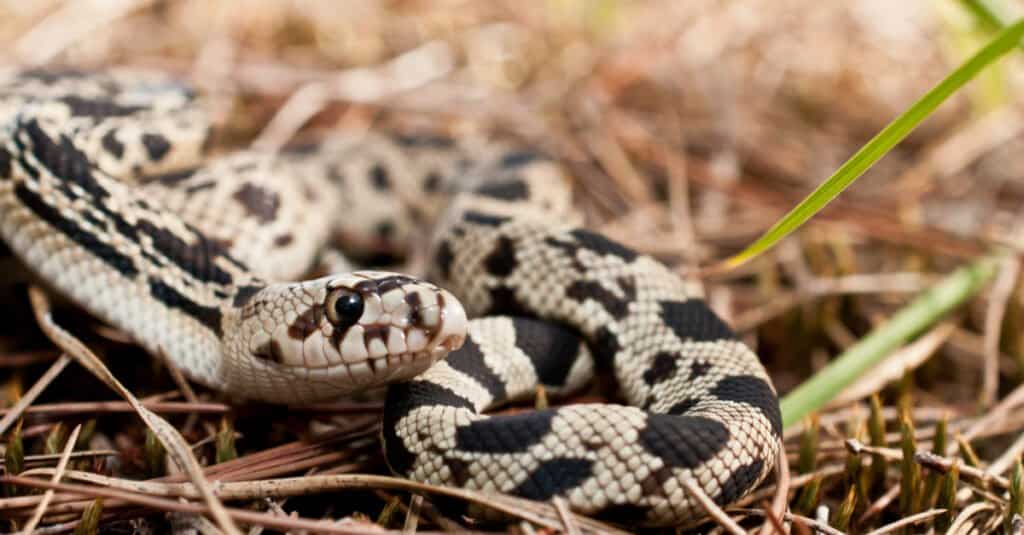
The spots on a pine snake are generally darker towards the head and lighter towards the tail.
©Jay Ondreicka/Shutterstock.com
Pine snakes in the state live almost entirely within the Pinelands. They favor dry upland pine‑oak forests and sandy clearings where they can bask and nest. Females dig nest burrows in open, sunny sand and usually lay 4 to 18 eggs from mid‑June to mid‑July. The hatchlings measure 10 to 15 inches long and often remain near the nest until their first shed. Habitat loss from development, illegal collection for the pet trade, and off‑road vehicles all damage nesting areas. These pressures have pushed the northern pine snake into the endangered category in New Jersey.
Corn Snake (Pantherophis guttatus)
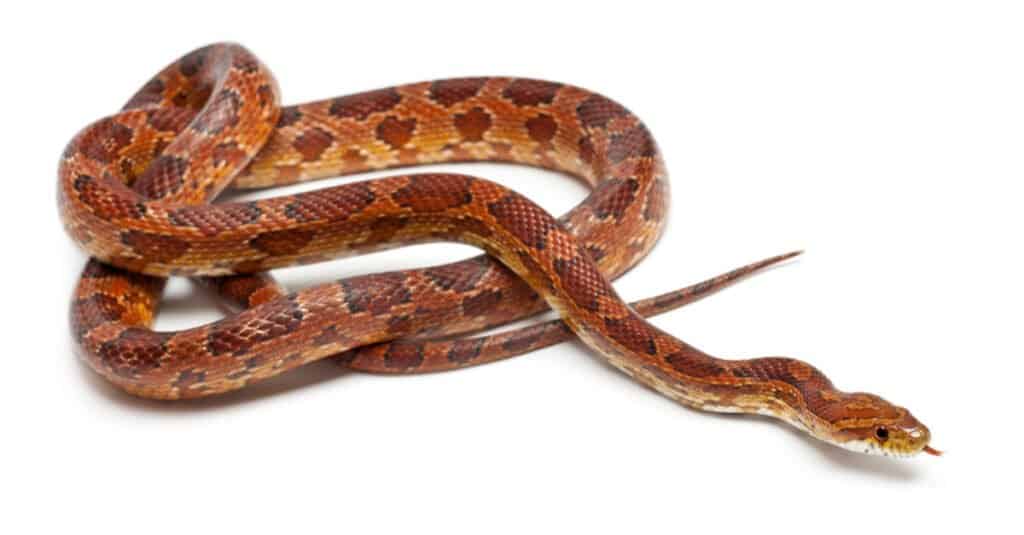
Corn snakes are possibly named for the pattern on their belly scales that looks like maize.
©Eric Isselee/Shutterstock.com
In New Jersey, the corn snake is a beautifully patterned but rarely seen rat snake that reaches around 3 to 5 feet in length. Warm brown, reddish, or orange blotches run down its back, which can confuse people who are only familiar with more common snake species. The distinct belly pattern helps experts tell corn snakes from other look‑alike snakes.
State biologists classify the corn snake as endangered in New Jersey, with only a few known populations in the southern part of the state. Like many other constrictors, corn snakes feed heavily on mice and other small rodents. The loss of each adult can result in more pests in farm fields and barns. To preserve this beneficial species, it is important to protect connected patches of forest and wetland edges where it still survives.
Northern Scarlet Snake (Cemophora coccinea copei)
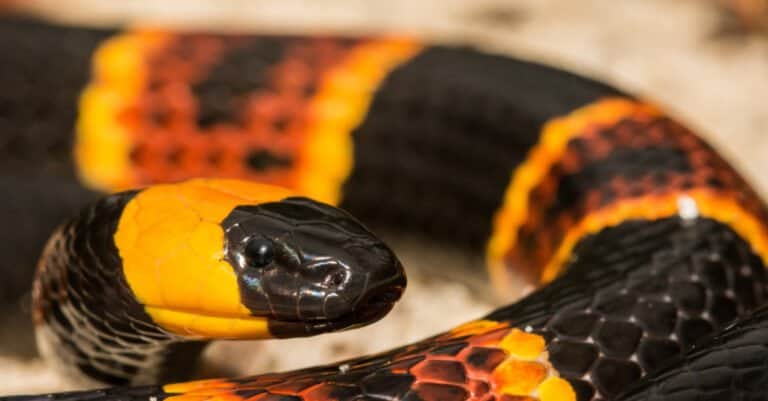
The northern scarlet snake ranks as one of New Jersey’s most secretive reptiles. It spends much of its life underground and surfaces mostly on warm, rainy nights. This small species grows to 14-20 inches long. It has a pale body marked by bright red blotches.
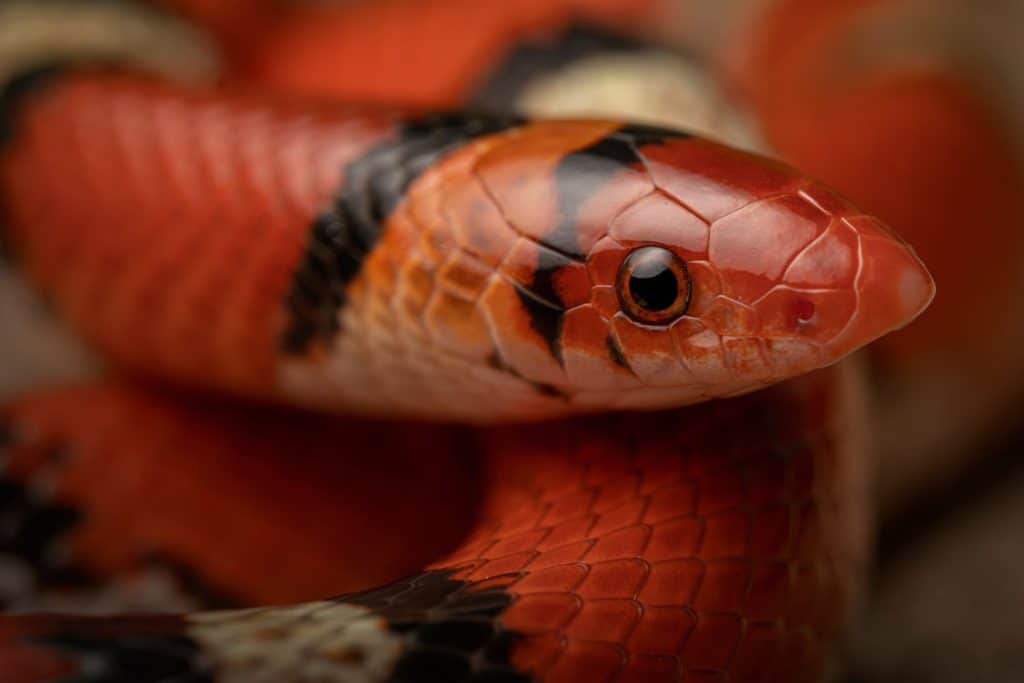
The northern scarlet snake is vulnerable to rapid habitat changes.
©Ethan Ramirez Wildlife/Shutterstock.com
The northern scarlet snake is officially listed as a threatened species in New Jersey. This status reflects both the snake’s rarity and its vulnerability to rapid habitat changes. Most records come from the southern coastal plain, where the snake uses loose, sandy soils that are now heavily affected by development and agriculture.
Northern Copperhead (Agkistrodon contortrix mokasen)
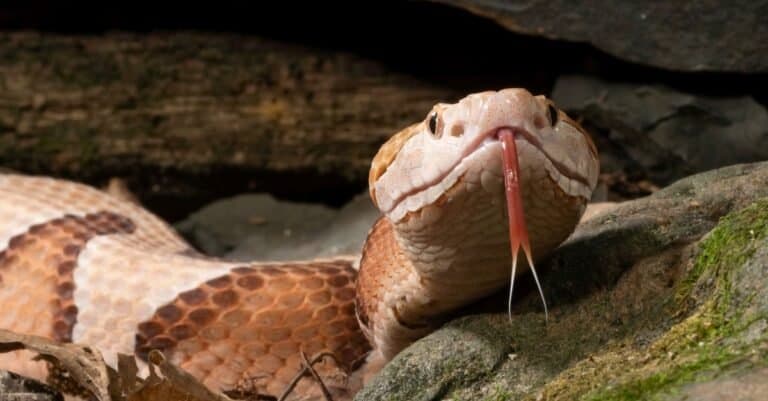
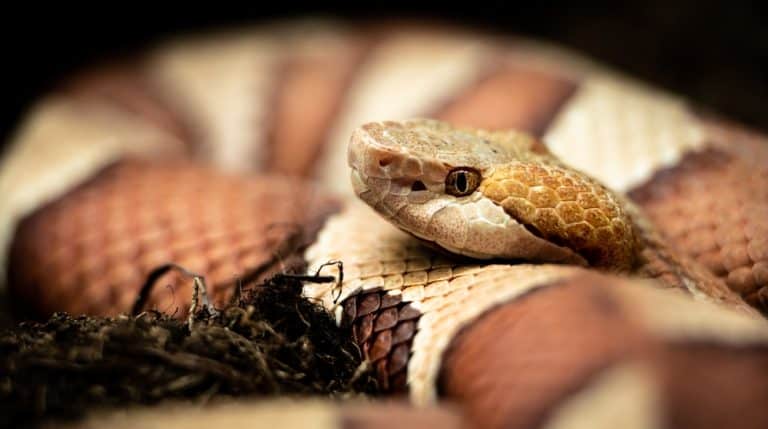
The northern copperhead is the second venomous snake, along with the timber rattlesnake, native to New Jersey. It is classified as a species of special concern in New Jersey, which means it is monitored due to declining populations but is not legally listed as threatened or endangered. Adults usually reach 2 to 3 feet in length and display distinctive hourglass‑shaped bands that match fallen leaves. Copperhead populations now occupy small patches of habitat that are surrounded by roads and development. These barriers limit their ability to interbreed and recover from local population declines.
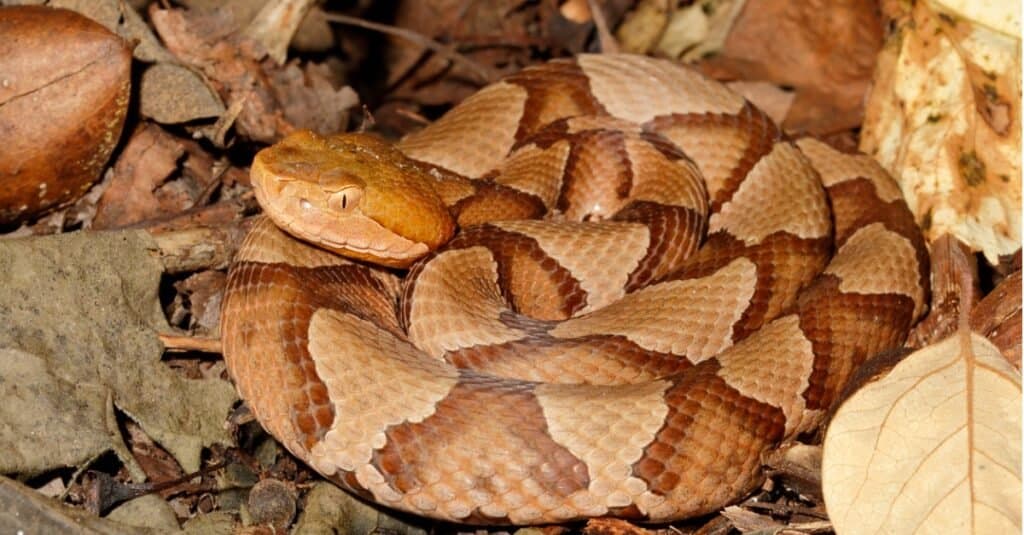
The northern copperhead has darker, hour-glass-shaped bands down its body that, from a distance, camouflage it perfectly against leaf litter.
©iStock.com/David Kenny
Why New Jersey’s Snakes Are in Trouble
Across these species, several common threats appear again and again in scientific reports and agency reviews. Habitat loss and fragmentation top the list. As forests give way to housing, shopping centers, and new roads, snakes lose den sites, nesting areas, and safe travel routes. Even where some habitat remains, a single new road can create a deadly barrier. Snakes move slowly across warm pavement, and drivers often spot them too late. Many rare snakes survive in small, isolated populations. These small groups face higher risks from random events, diseases, and severe weather.
Several species, including the northern pine snake, also face illegal collection for the pet trade. Others suffer from direct killing because many people still fear not only venomous snakes, but any snake they see. Biologists stress that the loss of every large, long‑lived snake to a shovel or car eliminates years of potential offspring from a population that is already struggling and plays an important environmental role.
How Scientists and Citizens Are Helping
New Jersey’s conservation agencies and partners work hard to turn the tide for these endangered and threatened snakes. The state’s Endangered and Nongame Species Program coordinates long‑term monitoring efforts. Biologists track timber rattlesnakes and northern pine snakes with radio transmitters to map their movements and locate critical den and nesting sites. The Conserve Wildlife Foundation and university researchers survey remote Pinelands and mountain habitats, and they recruit trained volunteers to report sightings and road‑killed snakes. Public education campaigns remind residents that state law protects all of New Jersey’s threatened and endangered snakes and that leaving them alone keeps both people and wildlife safer.
What to Do If You May Have Spotted One
If you think you have spotted one of New Jersey’s rare snake species, the most important thing to do is to leave the snake alone. People should not attempt to touch, capture, move, or kill the animal. Instead, they should keep a safe distance, take a photo from afar if it is safe to do so, and record the exact location, date, and time of the sighting.
The sighting should then be reported to the New Jersey Department of Environmental Protection through the NJ Wildlife Tracker or the Rare Wildlife Sighting Report form. If the snake may be venomous, such as a timber rattlesnake or copperhead, residents should call the DEP Hotline at 1-877-WARN DEP for assistance. Exact locations of endangered snakes should not be shared publicly, as this can put vulnerable animals at risk of harassment or illegal collection.
Keeping New Jersey’s Snakes on the Landscape
Endangered and threatened snakes may be hard to spot, but they remain a vital part of New Jersey’s natural heritage. They also demonstrate that wild habitats still persist within a densely populated state. Their struggles with shrinking forests, busier roads, and lingering fear mirror the challenges that many other sensitive species face. When residents support science‑based management and respect protected areas, they give not only these snakes but also the wider ecosystem the opportunity to recover its full natural diversity.