
Quick Take
- Some opossums carry a hidden biological superpower against venomous snakes, and it has nothing to do with speed or size. Snake venom immunity explained →
- One opossum on this list holds a Guinness World Record, and the reason it earned one is both fascinating and sobering. The Guinness record holder →
- Most opossums play dead when cornered. One species here does the exact opposite, and surprisingly, it works. The confrontational species →
Opossums get a bad reputation. They’re often the unlovable pests of the garden and an unwelcome visitor to the trash can. But while so many shoo them away, it’s easy to forget that the Virginia opossum is the only marsupial native to North America. And worldwide, there are more than 126 species of opossum, all with unique looks, characteristics, and personalities.
As one person said on Reddit, everyone always talks about the Virginia opossum (Didelphis virginiana) but forgets how many other opossums deserve attention. These little guys are some of the most impressive opossums, and each has intriguing features.
White-Eared Opossum (Didelphis albiventris)
The white-eared opossum is found throughout South America and goes by different names depending on the region. Its pointy white ears are iconic and unmistakable, and it bears a striking resemblance to its distant marsupial monkey cousins.
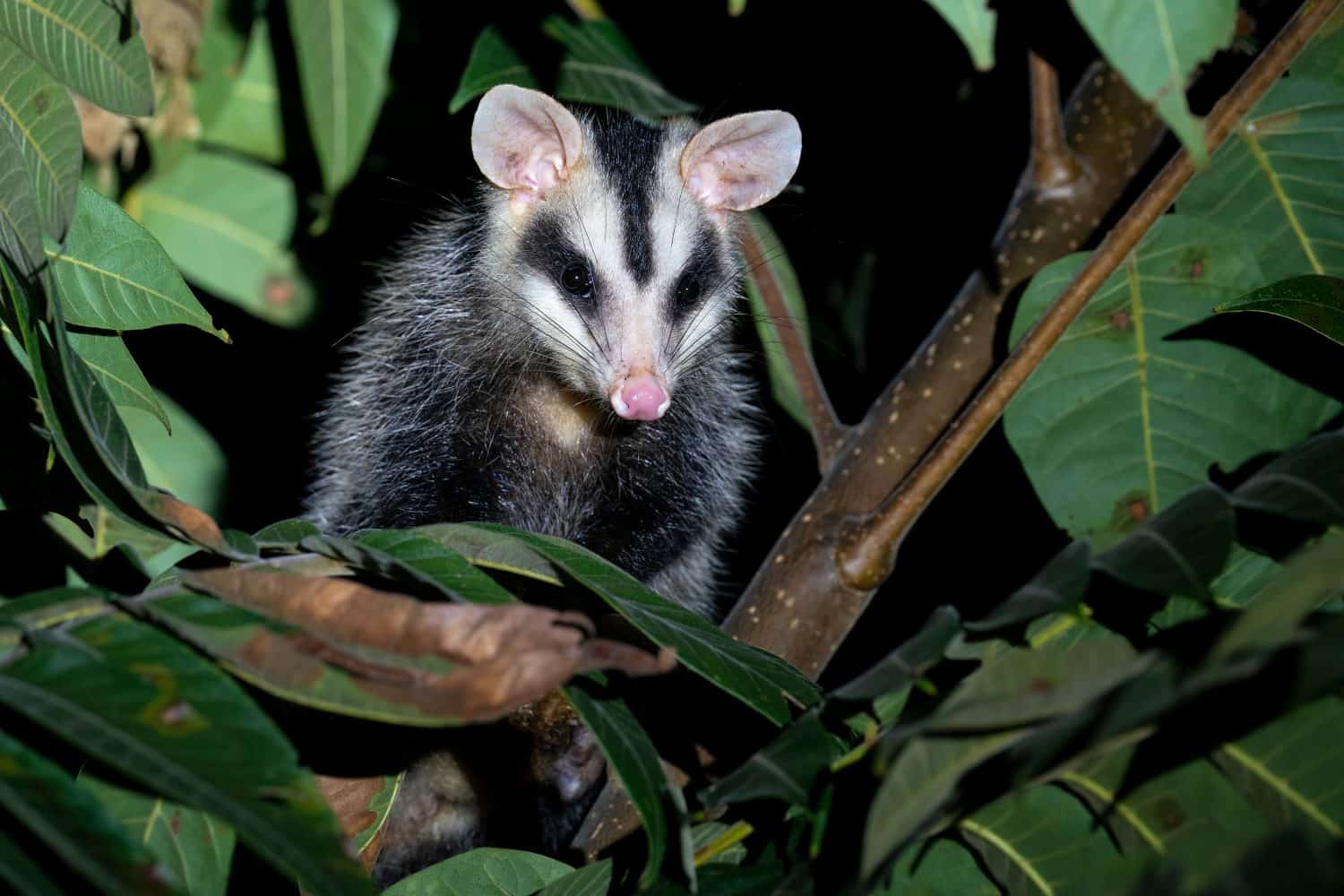
This opossum looks more like a raccoon, but is related to other marsupials.
©Rob Jansen/Shutterstock.com
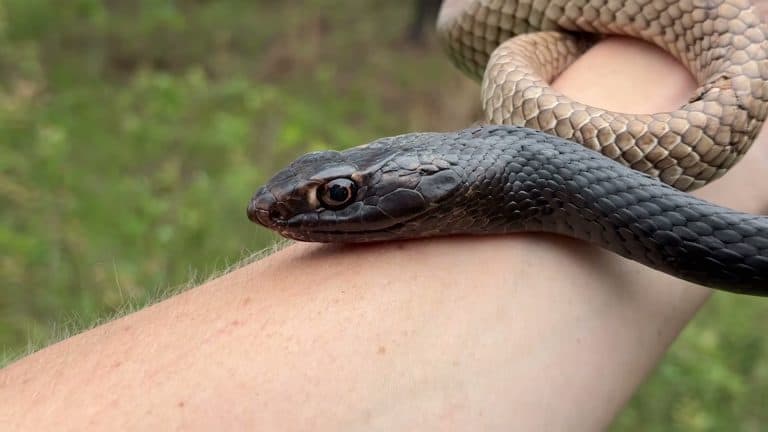
These ground-dwellers are nocturnal and skilled climbers. At night, it’s not uncommon to see them snug on tree branches looking for food. They’re adorably small, weighing at most two pounds. But don’t let this cute face fool you. The white-eared opossum is known for its ability to consume venomous snakes with no problem what-so-ever. They are immune to the venom, thanks to special proteins in their blood.
Big-Eared Opossum (Didelphis aurita)
Another South American resident, the big-eared opossum, is found throughout Argentina, Brazil, and Paraguay. It’s also known as saruê, and is characterized by its large, cartoonish ears. Its mouse-like face matches its small body, and it only weighs about 1.9 pounds when fully grown.
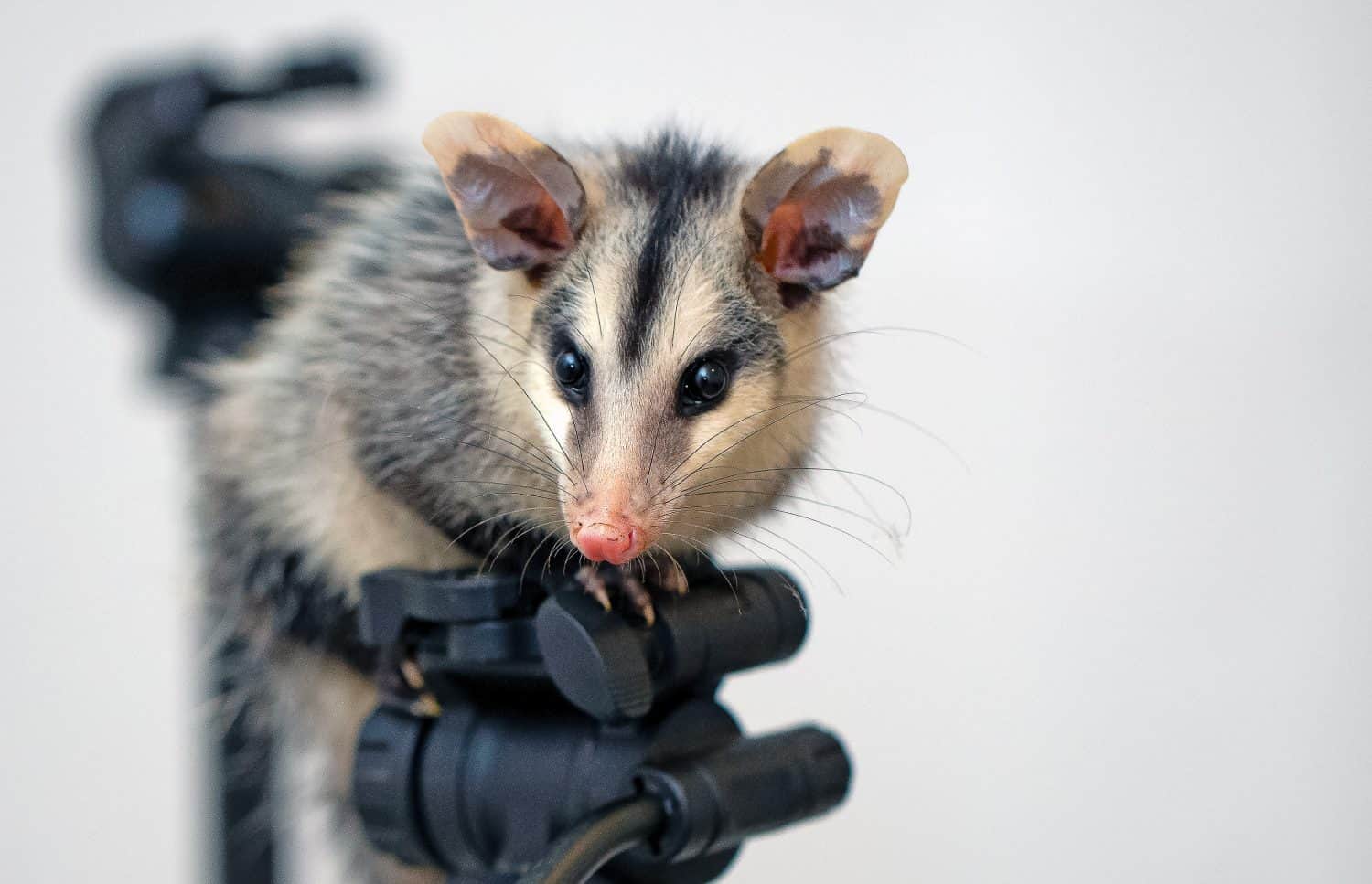
Oversized ears help this opossum pick up on noises from far away.
©Fernando Calmon/Shutterstock.com
Like the white-eared opossum, the big-eared opossum can also prey on venomous snakes with full immunity. It also has opposable thumbs, which help it grasp tree limbs and navigate South America’s tropical rainforests. However, this opossum’s ears are what make it truly unique. They’re highly attuned to detect the slightest noise or disturbance, making them adept but adorable hunters.
Water Opossum (Chironectes minimus)
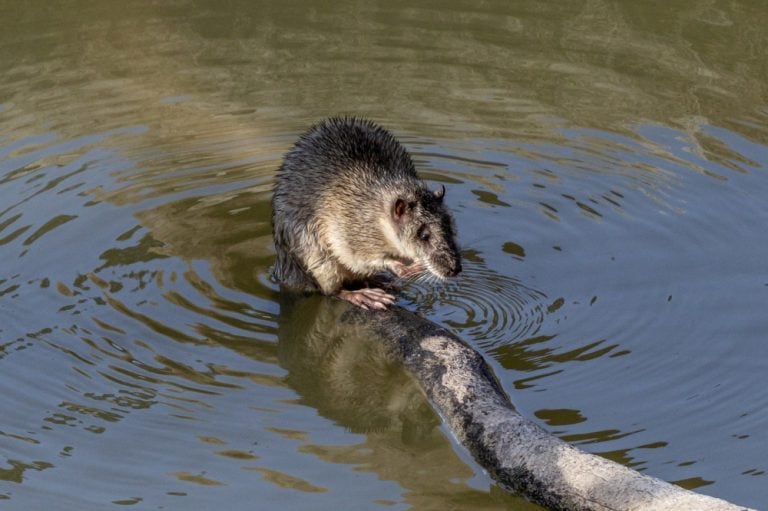
The water opossum prefers damp environments and is found along freshwater streams and rivers from Mexico down through Argentina. Upon first glance, this opossum could be mistaken for a large rodent and is roughly the same size as one. Its dark fur helps it camouflage along riverbanks, but it has one stand-out feature that has earned it an unusual nickname.

This water-dwelling opossum could be mistaken for a rat, but its unusual hands say otherwise.
©Leonardo Mercon/Shutterstock.com
Its forepaws have been called “creepy little people hands” due to their large size and finger webbing. While this helps the water opossum, also known as the yapok, navigate terrain, it gives it an unsettling appearance.
Bare-tailed Woolly Opossum (Caluromys philander)
In contrast to many other opossum species, the bare-tailed woolly opossum has a name that is somewhat of a contradiction. It wears a thick coat of reddish-brown fur but has a completely naked tail. It also features large, round eyes, which help it navigate the dark during its nocturnal adventures.
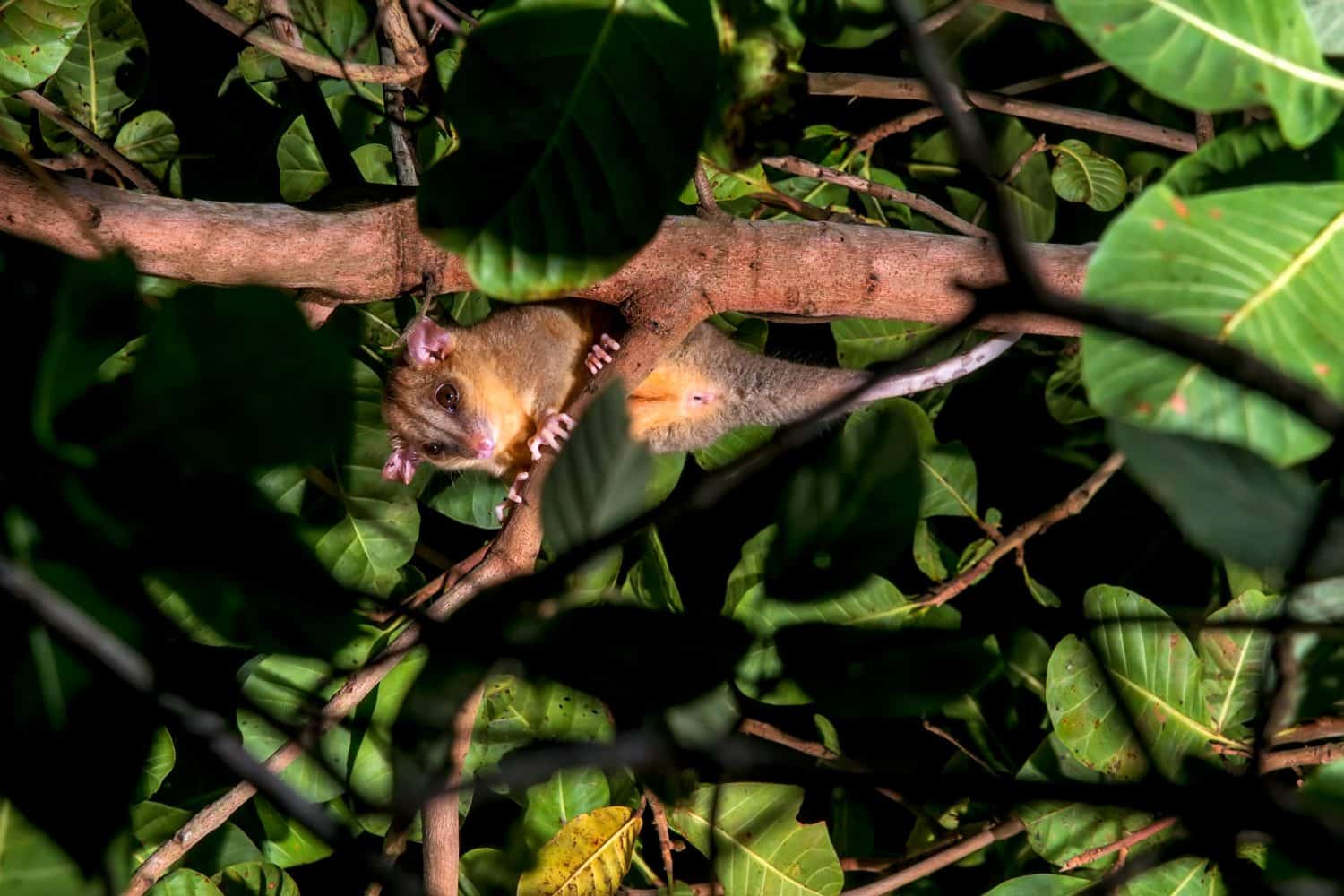
This opossum is furry everywhere but its tail, which is used to swing from trees.
©Leonardo Mercon/Shutterstock.com
It’s also one of the smallest opossum species, weighing only 11 ounces at most. Despite this, it has the largest brain of any species in its genus. Scientists believe this helps it navigate the South American canopy, where it lives with ease.
Gray Four-Eyed Opossums (Philander opossum)
Contrary to its name, the gray four-eyed opossum doesn’t actually have four eyes. It does have two unique white markings above its eyes, though, which is how it earned its name. This “second pair of eyes” might not trick humans, but it’s enough to fool most predators who think twice about preying on this feisty opossum.
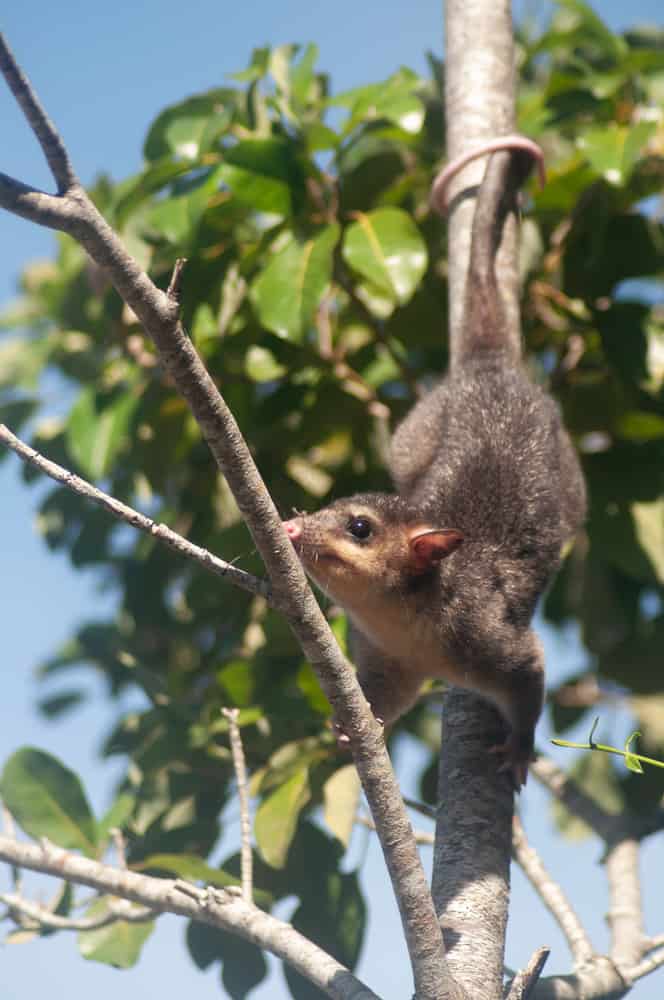
This opossum has an attitude, and it’s not afraid to use it.
©Ilan Ejzykowicz/Shutterstock.com
This opossum is also the most widespread throughout South and Central America, ranging from southern Mexico to Brazil. When it awakens to hunt at night, the four-eyed opossum won’t hesitate to fight off an attacker. While most other species prefer to run or play dead, this one prefers to show its enemies who’s boss.
Derby’s Woolly Opossum (Caluromys derbianus)
Also known as the South American woolly opossum, this species is native to the deciduous forests throughout Central America. It prefers moist environments with lush foliage, which suits its arboreal habits.
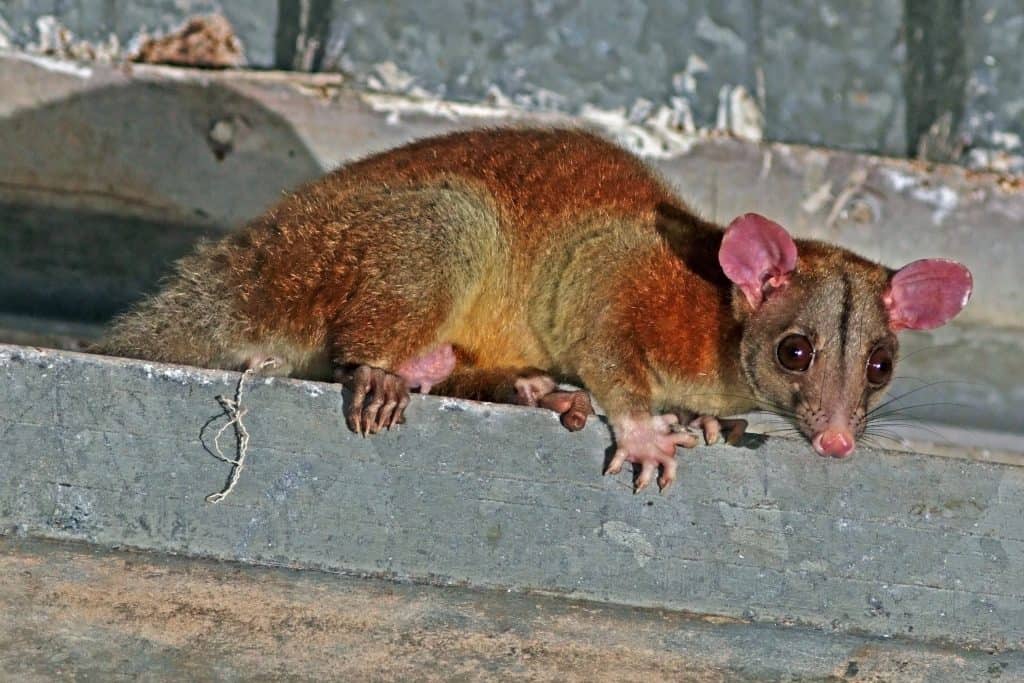
This is one opossum that’s smarter than most give it credit for, despite its small size.
©By Charles J. Sharp – Own work, from Sharp Photography, sharpphotography.co.uk, CC BY-SA 4.0, https://commons.wikimedia.org/w/index.php?curid=81001413 – Original / License
This species has been compared to a monkey because of its agility in forest canopies. It uses its tail as an anchor, allowing it to hang from branches. Derby’s woolly opossum is another species that, compared to its body size, has the largest brain of its genus.
Robinson’s Mouse Opossum (Marmosa robinsoni)
This 2.6-ounce opossum is pocket-sized, but navigates its arboreal environment like a pro. Found in Belize, Colombia, Ecuador, Grenada, Honduras, Panama, Peru, Trinidad and Tobago, and Venezuela, Robinson’s mouse opossum isn’t typically found on the ground, despite its name. This light-colored opossum prefers to be up high, making it scarcely seen by those on the ground.
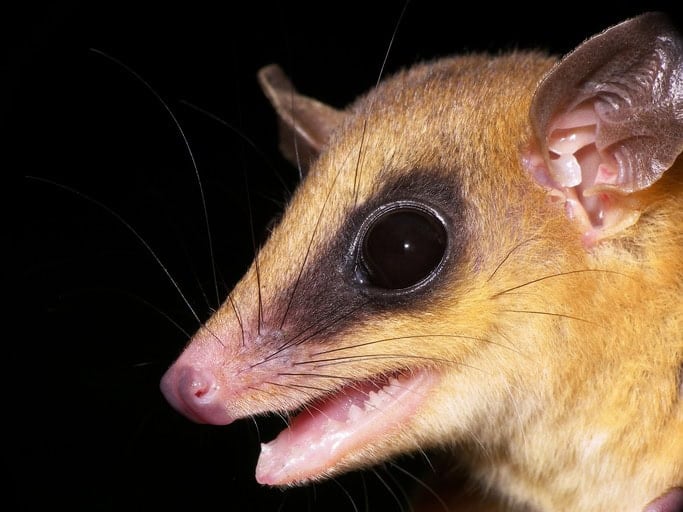
Robinson’s opossum carries its young on its back until they’re old enough to climb.
©http://calphotos.berkeley.edu, CC BY-SA 2.5, https://commons.wikimedia.org/w/index.php?curid=6592630 – Original / License
Whereas most other mouse opossums have a pouch to carry their young, Robinson’s mouse opossum has none. Instead, it carries its babies on its back as it traverses the treetops.
Handley’s Slender Opossum (Marmosops handleyi)
This species of opossum is native to Colombia. What makes it unique is its unusually short tail, which is rare among most opossums. Handley’s slender opossum is also sadly listed as Critically Endangered, making the species rare overall. This status has also earned it a Guinness World Record for being the rarest opossum in the world.
Additionally, its small size lends itself well to squeezing into hard-to-fit spots. It’s known for ending up in places it shouldn’t be, simply because it fits.
Cinderella Fat-tailed Mouse Opossum (Thylamys cinderella)
As its name implies, the Cinderella fat-tailed mouse opossum does indeed have a fat tail. This only adds to its cuteness factor, along with its incredibly small size. It can fit in the palm of your hand and is likely docile enough to do precisely that.
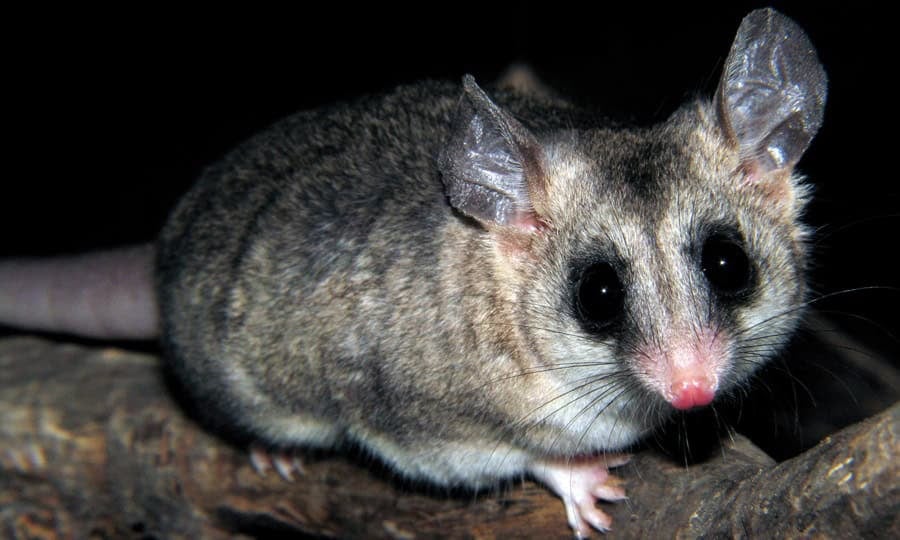
This opossum has a built-in fat reserve during months when food is scarce.
©http://www.jacobita.cl/, CC BY 3.0, https://commons.wikimedia.org/w/index.php?curid=11581693 – Original / License
This species is found throughout northern Argentina and southern Bolivia. While it’s easily recognizable by its unusual tail, this body part isn’t used to scale trees or maintain balance. Instead, it’s used to store fat as an energy reserve during harsh winter months.
Chestnut-striped Opossum (Chestnut-striped Opossum)
The chestnut-striped opossum is found throughout Brazil and is native to South America. It’s another species that has an unusually short tail. Thankfully, this isn’t needed for a species that lives primarily underground. Rather than hanging from tree branches like its other smaller opossum cousins, the chestnut-striped opossum rarely leaves its burrow.
What makes this opossum so unique is its carnivorous diet. Chestnut-striped opossums leave their dens to hunt, preying on insects, small vertebrates, and invertebrates.