
Quick Take
- Garter snakes have a first line of defense that is more surprising than a bite, and you'll likely smell it before you ever see it. Smell the first defense →
- Before a garter snake strikes, its body sends a clear sequence of warnings that are only recognizable if you know what to look for. Read the warning sequence →
- Small size doesn't mean a small threat. Garter snakes use their stature in a way most people wouldn't expect. See how small size surprises →
Garter snakes have a reputation for being one of the gentlest reptiles you can find in your garden. They might spook you when they slither past unannounced, but most of them are just passing through. Ninety percent of the time, they’re more afraid of you than you are of them. But the other ten percent might just include a feisty garter snake. They might not be truly dangerous, but they can certainly be spirited when provoked. It’s rare, but they can put up a good fight, like in this YouTube video.
Garters Get Grumpy and Go On the Defensive
Eastern garter snakes are among the most common snake species in the U.S. They’re typically non-aggressive and tend to flee rather than attack. Despite many fears of snakes, seeing them in your yard is an excellent sign of a healthy ecosystem. If you are a snake lover, you may enjoy watching them from a close distance. However, just because they’re docile doesn’t mean they can’t be sassy when disturbed or protecting a nest.
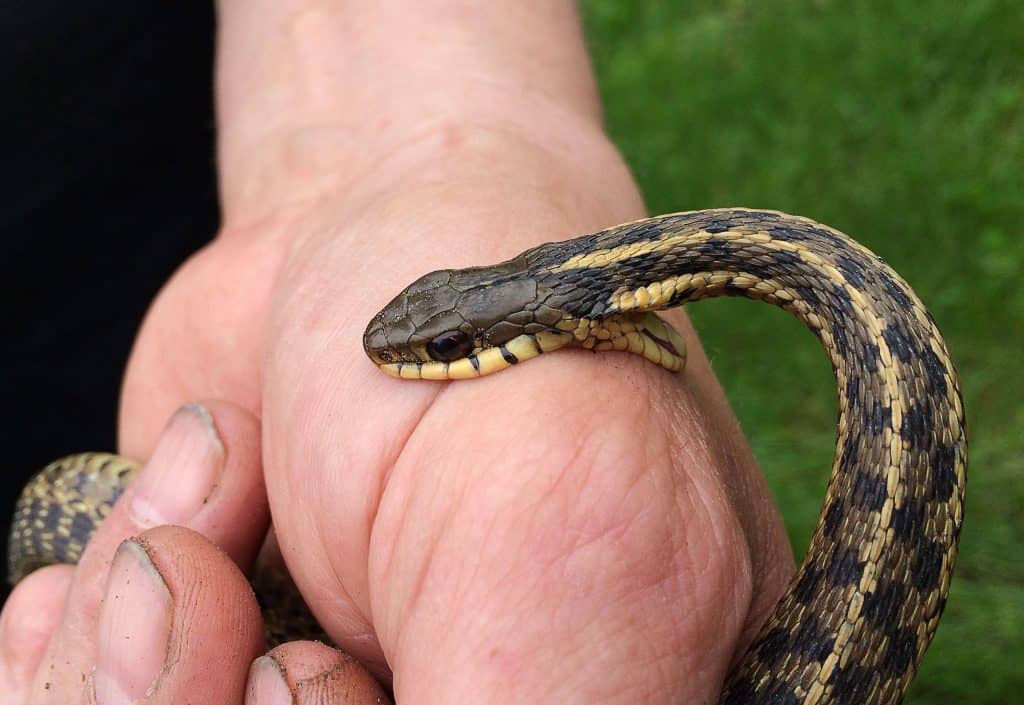
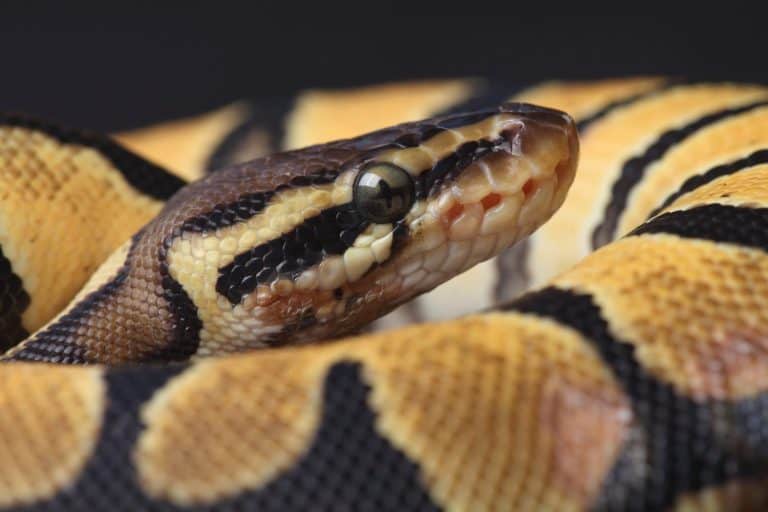
Garter snakes can bite, despite their small size and generally docile nature.
©7meaw/Shutterstock.com
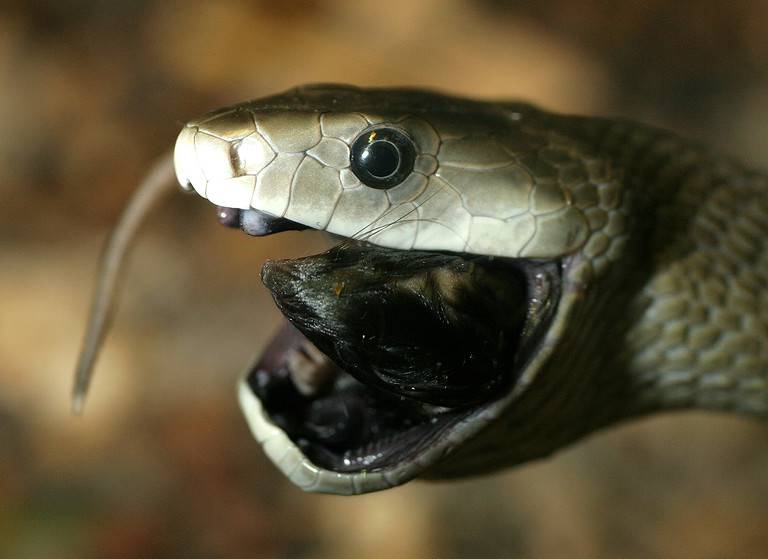
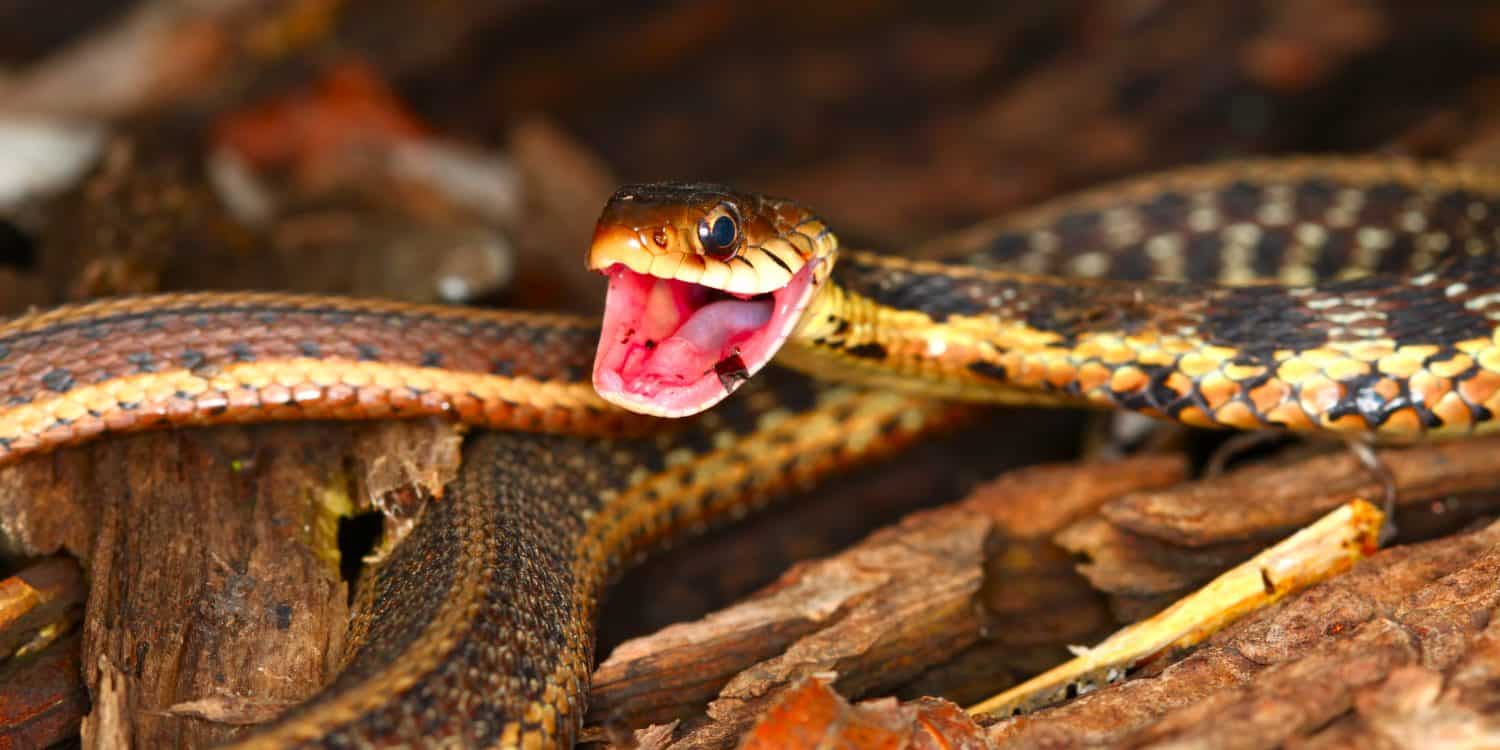
One thing garter snakes don’t appreciate is being cornered. This is the fastest way to turn a normally gentle snake into a defensive one. Cornered snakes, even garters, may lash out, hiss, and potentially bite a human that gets too close. You’ll likely smell an Eastern garter snake’s first line of defense before you see it. When they feel threatened, they exude a foul-smelling odor from their tail glands. This is a pungent warning sign that you’re much too close. If this skunky aerosol doesn’t work, they resort to other, far more dramatic deterrents.
Take Several Steps Back, Please
Eastern garter snakes range from 18 to 26 inches long, but some individuals can reach up to 48 inches. Even though they’re smaller than other common yard snakes, they can pack a punch. Time and time again, many have witnessed the drama Eastern garter snakes bring to the table when they feel trapped. Unfortunately, it’s difficult to tell if they’re bluffing until they actually strike.
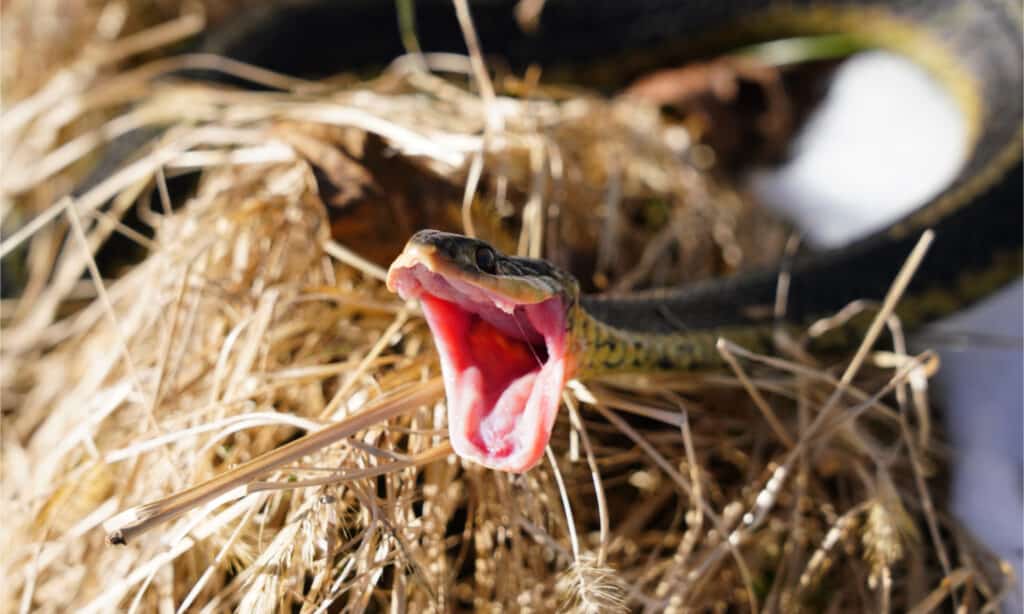
Garter snake venom is harmless to humans, but it effectively subdues its smaller prey.
©Aaron of L.A. Photography/Shutterstock.com
In the YouTube video by Chromatophone Nature, the first sign that a snake is preparing to strike is body flattening. Snakes often flatten their bodies like this to gain stability and get as low to the ground as possible. Hissing is another warning sign that a strike is possible. When combined with coiling, this becomes an automatic red flag that means you should take several (if not more) steps back.
The garter snake’s small stature works in its favor, making it quick in its movements. While a bite from such a small snake may not cause lasting damage, it definitely gets the point across. Eastern garters are beautiful from a distance, but sometimes the smallest animals can be some of the fiercest.