
Quick Take
- One type of snake venom can kill you before you even realize you've been bitten. Surprisingly, it's not the one most people fear most. Fast, painless paralysis →
- Some snakes don't just carry one type of venom. They carry a cocktail that makes treatment nearly impossible. Multiple venoms at once →
- Surviving a snakebite does not mean you are safe. Certain venoms leave victims permanently disabled long after the initial danger passes. Lasting damage in survivors →
- The deadliest snake venom isn't the one that causes the most pain, and that difference matters more than you'd think. The deadliest venom revealed →
Snakes are among the deadliest animals in the world. According to the World Health Organization, up to 5.4 million people around the world are bitten by snakes every year. Between 81,000 and 138,000 people die from snake bites, and around 400,000 people become permanently disfigured or disabled. Although the primary cause of harm to humans is their venom, the purpose of venom for snakes is to subdue prey and aid in digestion. However, when threatened, snakes may use an envenoming bite to allow them to escape. In this article, we will examine five types of snake venom.
Proteolytic Venom
Proteolytic venom consists of proteolytic enzymes found in nearly all venomous snakes. This type of venom breaks down blood vessel walls, along with muscle tissue, resulting in swelling, blistering, and necrosis (tissue death) at the site of the bite. It can also damage capillaries, leading to internal bleeding, bruising, and blood clotting disorders.
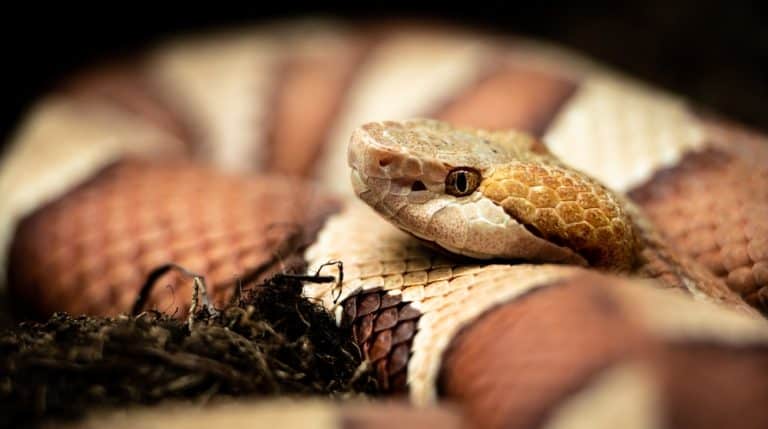
Large amounts of proteolytic venom are found in rattlesnakes and other pit vipers such as copperheads and cottonmouths. It can accelerate the death of the prey and studies have shown it aids in the snake’s digestive processes.
Hemotoxic Venom
Hemotoxic venom destroys the red blood cells in a victim’s body while also impacting tissues and organs. People injected with hemotoxic venom will know right away in most cases. The venom breaks down cells and tissue around the injection site, leading to tremendous pain.
This venom can also cause blood clotting or even prevent blood clotting; either situation can be deadly. The results of this venom in humans include cardiovascular failure, loss of an affected limb, and massive internal bleeding. Hemotoxic venom works more slowly than other types of snake venom, so a person can survive with proper medical attention. Rattlesnakes, Russell’s viper, and copperheads have hemotoxic venom.
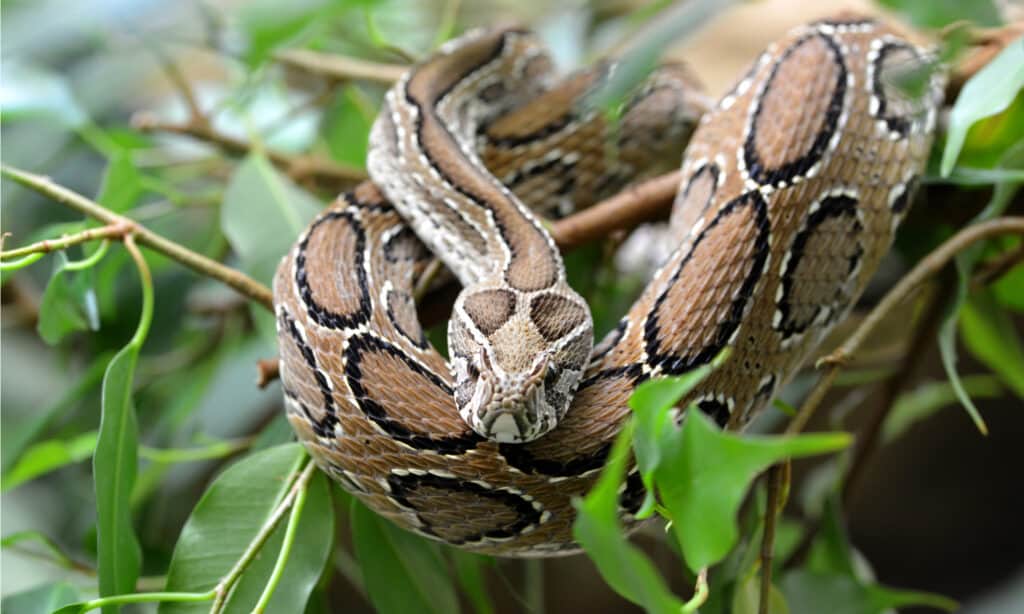
Russell’s viper is one of India’s “Big Four” snakes that are responsible for the most bites.
©jaroslava V/Shutterstock.com
Neurotoxic Venom
Snakes that inject neurotoxic venom impact an animal’s nervous system, causing muscle paralysis, damage to the brain, and loss of consciousness. This type of venom hinders the nerve impulses in different parts of the body, acting very quickly in some cases.
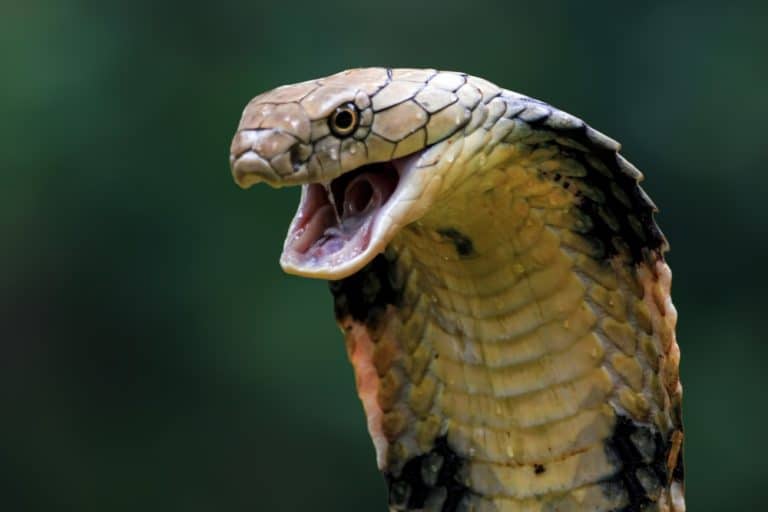
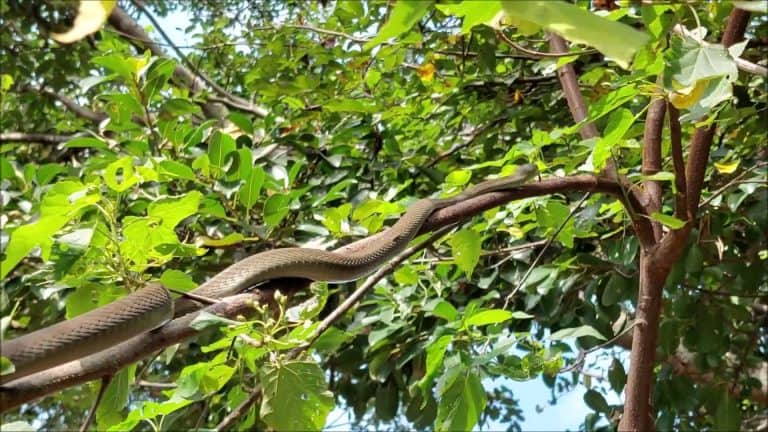
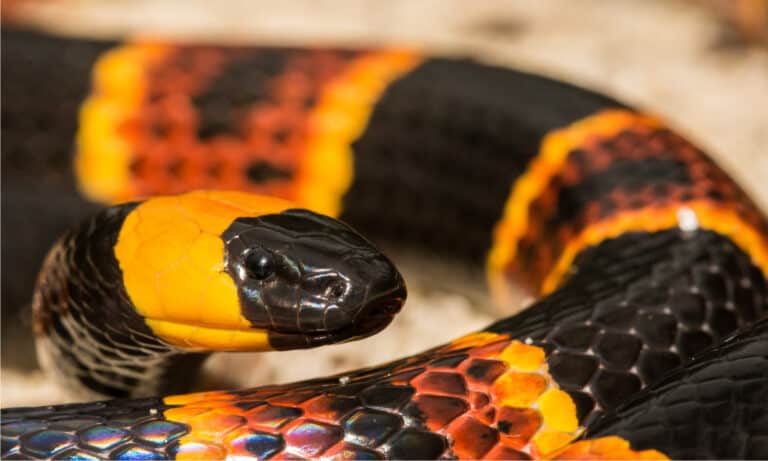
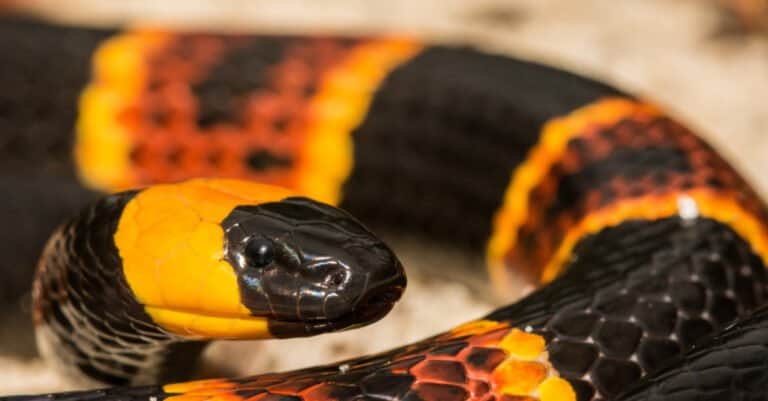
Unlike hemotoxic venom, neurotoxic varieties can be delivered without a lot of pain. In fact, some people do not realize that they have been bitten until they begin feeling symptoms. Black mamba venom can have noticeable symptoms in as few as 15 minutes and can cause progressive paralysis leading to respiratory failure within 60 minutes. Without treatment, which is difficult to administer if the victim suddenly collapses, neurotoxic venom is often fatal. Snakes with neurotoxic venom include mambas, cobras, kraits, coral snakes, and some rattlesnakes.
Cytotoxic Venom
Cytotoxic venom kills cells. This venom is not as immediately deadly as hemotoxic or neurotoxic venom. However, secondary injuries such as loss of limb function and other disabilities often stem from cytotoxic venom. Additionally, many cardiotoxins are actually cytotoxins that specifically damage cell membranes of cardiac muscle cells, which can lead to heart failure.
Locally, this venom is known to cause intense pain, severe local swelling, blistering, and necrosis of local and underlying tissues, often leading to disabilities in the victim. Even if the person survives the initial bite, these complications can leave the individual hindered for life. Snakes with cytotoxic venom include stiletto snakes, rattlesnakes, and Mozambique spitting cobras, among others.
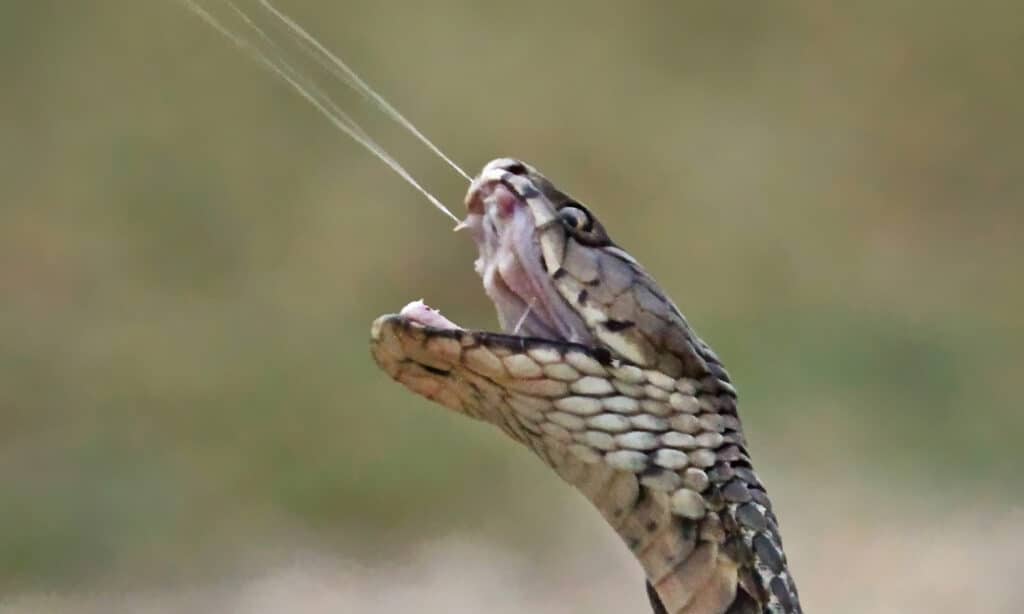
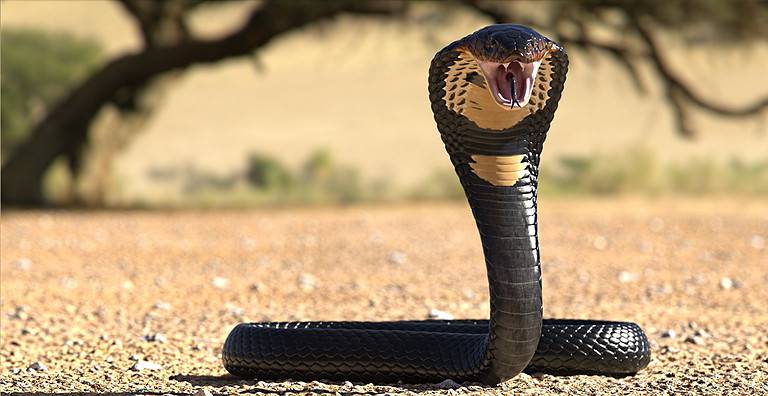
The Mozambique spitting cobra spits cytotoxic venom, aiming right for the eyes.
©Eugene Troskie/Shutterstock.com
Myotoxic Venom
Myotoxic venom can affect a person locally (at the site of the bite), damaging muscle fibers and the surrounding tissue, leading to tissue loss or even amputation. Snakes with myotoxins that cause localized muscle damage include Russell’s vipers, Asiatic and African cobras, and pit vipers in the Bothrops genus in Central and South America.
The myotoxic venom of other snakes can act systemically, which can lead to serious complications like irreversible damage to skeletal muscle fibers and acute renal failure. Snakes with venom that can cause systemic issues include sea snakes in the Elapidae family, the South American rattlesnake, and Australian elapids like the Mulga snake, also called the king brown snake.
Can Snakes Inject Multiple Types of Snake Venom?
Some snakes can inject two or more primary types of venom into their prey. As mentioned before, proteolytic enzymes are found in nearly all venomous snake venom. That means most snakebites introduce at least two types of venom into a person who has been bitten.
However, some snakes have a potent venom cocktail that contains For example, Jameson’s mamba has neurotoxins, hemotoxins, myotoxins, and cardiotoxins in its venom, allowing the snake to kill in as little as 30 to 120 minutes. Spitting cobras not only have neurotoxic venom they can inject through their bite; they also spit cytotoxic venom over 6 feet. The more complex the venom, the harder it is to mitigate all the damage it can do.

Some mambas, like Jameson’s mamba, can inject multiple types of venom.
©Vladislav T. Jirousek/Shutterstock.com
The Deadliest Type of Snake Venom
Of all the types of snake venom, neurotoxic venom is the deadliest and the one that most people will want to avoid. Depending on the amount of venom injected into a person and the victim’s health, this venom can kill in 30 minutes or a few hours.
Many neurotoxins are fatal without treatment. For example, the black mamba has a 100% fatality rate without treatment, making it one of the deadliest snakes in the world. The inland taipan also has strongly neurotoxic venom. It is considered the most venomous snake in the world due to how potent its venom is.
That doesn’t mean the other snake venoms are easy to deal with. Based on the immense pain that accompanies cytotoxic venom, many people would consider that the worst type. Although the necrosis that accompanies hemotoxic venom is enough to make people wary of that one. Skeletal damage from mytoxic venom is irreversible. There is no good snake venom to be injected with.
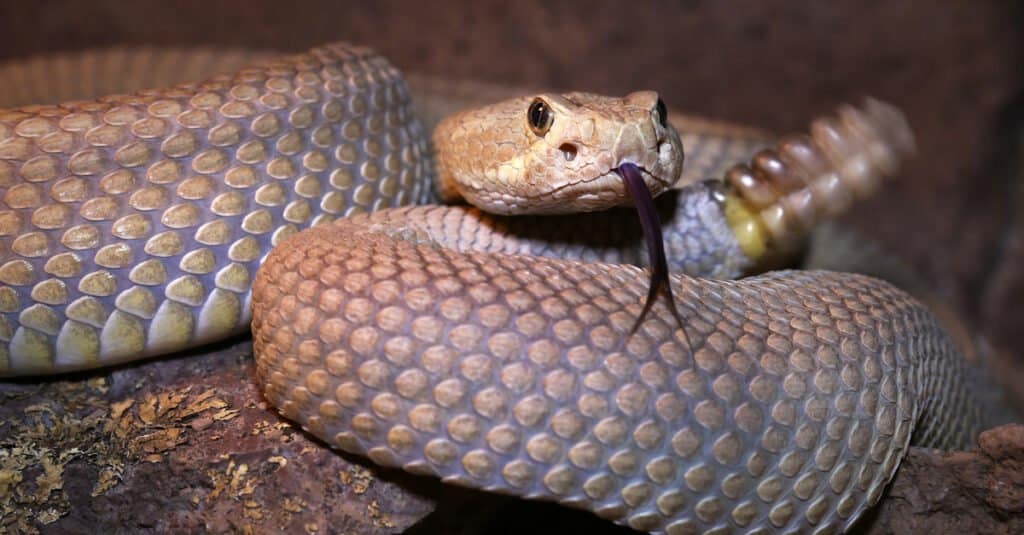
The Mojave rattlesnake is best known for its potent hemotoxic and neurotoxic venom.
©Ryan M. Bolton/Shutterstock.com