
Quick Take
- Africa's most feared snake had every chance to strike, yet what it did instead surprises almost everyone. Meet the misunderstood mamba →
- A black mamba barely two feet long can still cause a medical emergency. See the venom science →
- Your garage might look like prime black mamba habitat, and there is a specific reason why that is the case. Why mambas enter homes →
- Releasing a rescued snake too far from where it was caught can be a death sentence. Explore the relocation debate →
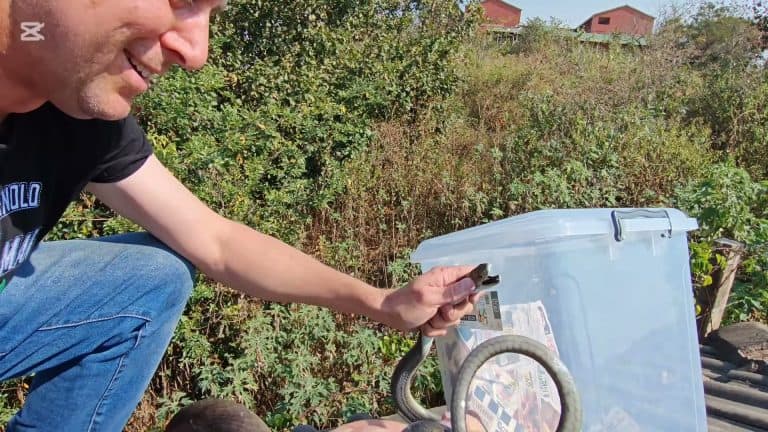
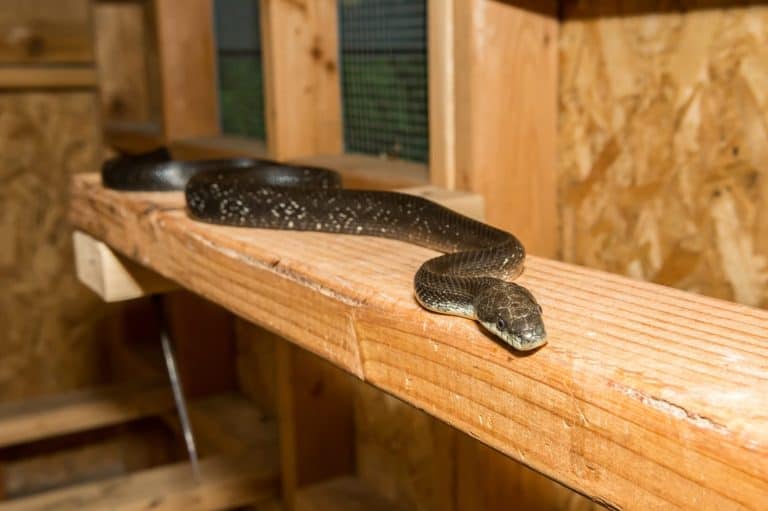
When a homeowner in Queensburgh, a suburb of Durban, South Africa, saw a thin snake sliding past him in his garage, he called snake rescuer Nick Evans. The snake turned out to be a young black mamba (Dendroaspis polylepis), probably about a year old. But instead of lifting its body up or trying to bite, the snake spent most of the rescue hidden inside a piece of pipe and squeezed into tight spaces behind stored items. It only came out when the rescuers gently encouraged it to move.
For a snake that is often described in alarming, dramatic terms, that calm hiding behavior is exactly what snake experts expect.
About Black Mambas
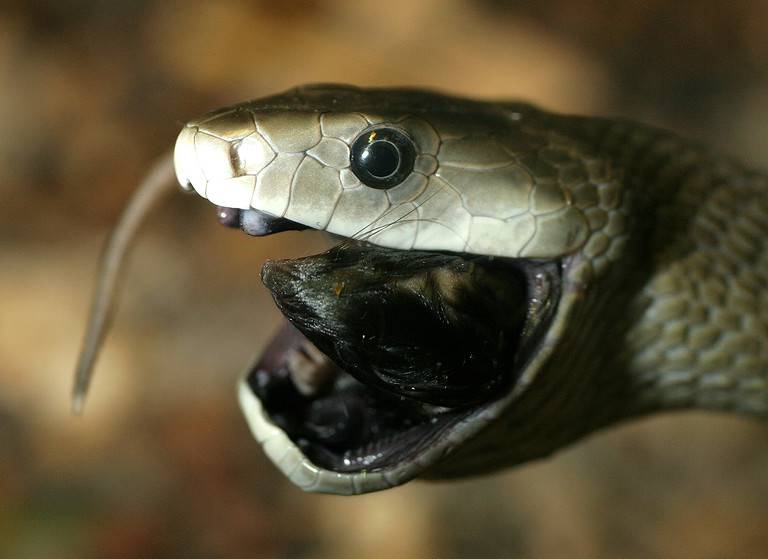
Black mambas are the longest venomous snakes in Africa. They typically grow to about 8 to 10 feet long, and some confirmed records reach up to 14 feet. Their venom is extremely dangerous because it attacks both the nervous system and the heart. Without treatment, a bite can be fatal within hours, according to the World Health Organization. Because of this, many people believe black mambas are aggressive snakes that chase people. Snake experts and the South African National Biodiversity Institute regularly push back against that idea. Black mambas are shy, watchful animals that usually use their speed to escape instead of starting a fight. If they are trapped with no way out, they may open their mouths to show the dark inside, which is where the species gets its common name. They can also strike more than once. But their first choice is usually to run away or hide.
The garage rescue matched that pattern. When people moved around the snake, it tried to get deeper into cover. First it hid behind a speaker, then it moved back into a pipe. This is how snakes defend themselves. Most snakes in the same venomous family as mambas, including mambas themselves, usually choose hiding or retreating over striking if they have any way to escape.
Young black mambas like this one are especially at risk in the wild. At about a year old and well under three feet long, they can be eaten by genets, mongooses, larger snakes such as the Mozambique spitting cobra, and birds of prey, including snake eagles. Hiding inside narrow pipes, under piles of debris, and inside wall spaces is normal behavior for them as they search for food and shelter. Garages, sheds, and cluttered storage areas can look a lot like the rocky cracks and termite mounds black mambas use in the wild. That is why homes and buildings along the edge of Durban’s urban areas often lead to calls like this. Evans and his colleagues have recorded hundreds of black mamba removals from KwaZulu-Natal properties over the past decade.
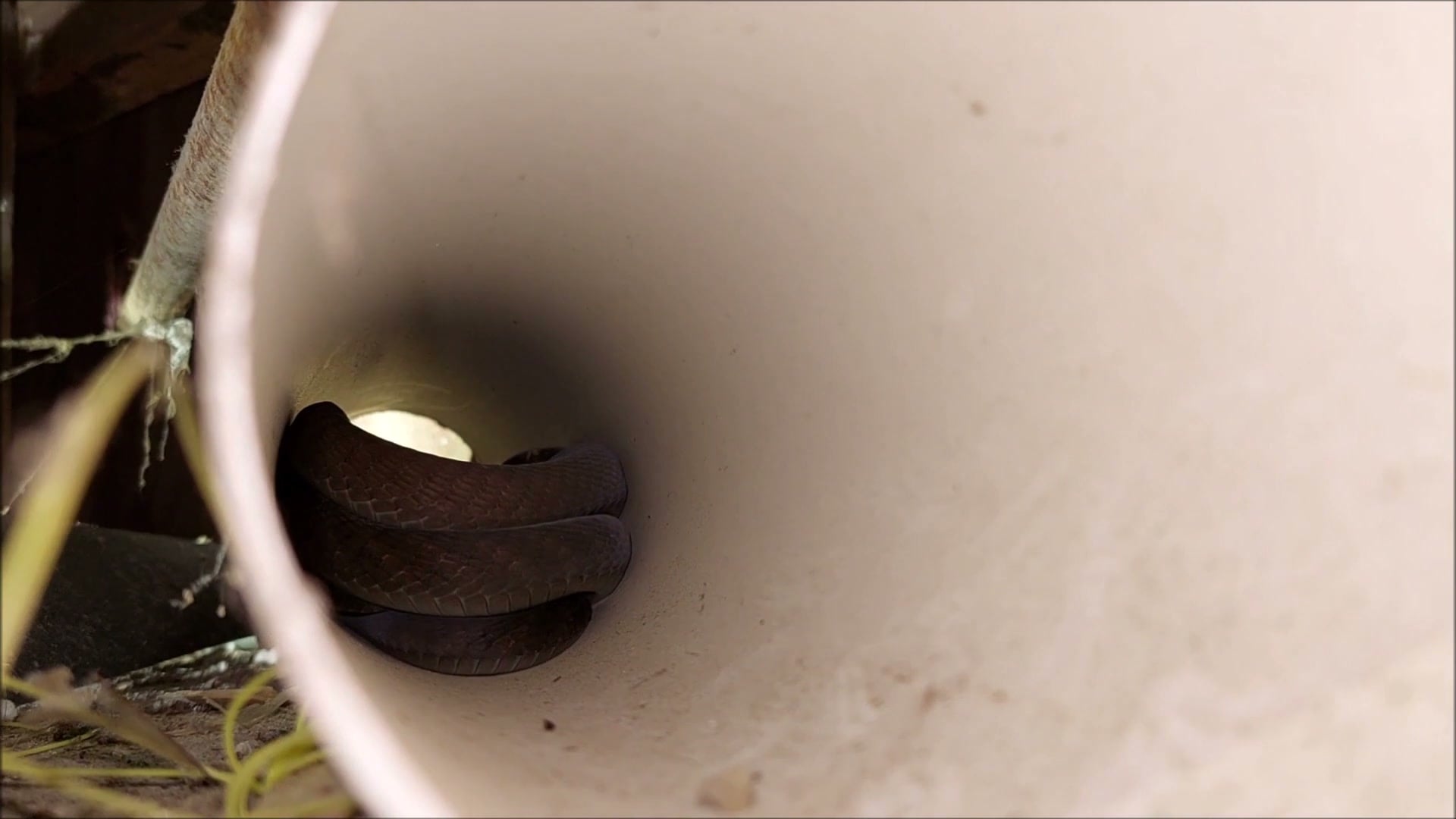
Narrow pipes provide easy hiding spots for black mambas.
©Nick Evans – Snake Rescuer via YouTube — used under fair use – Original / License
All About the Venom
Even though this snake was young and small, its venom was already fully potent. Studies on venomous snakes in the same family show that hatchlings and young snakes produce venom that can be just as toxic as adult venom, although the exact chemical composition can sometimes vary slightly. A bite from a two-foot black mamba is still a medical emergency. That is why trained handlers use snake hooks and tubes instead of their bare hands.
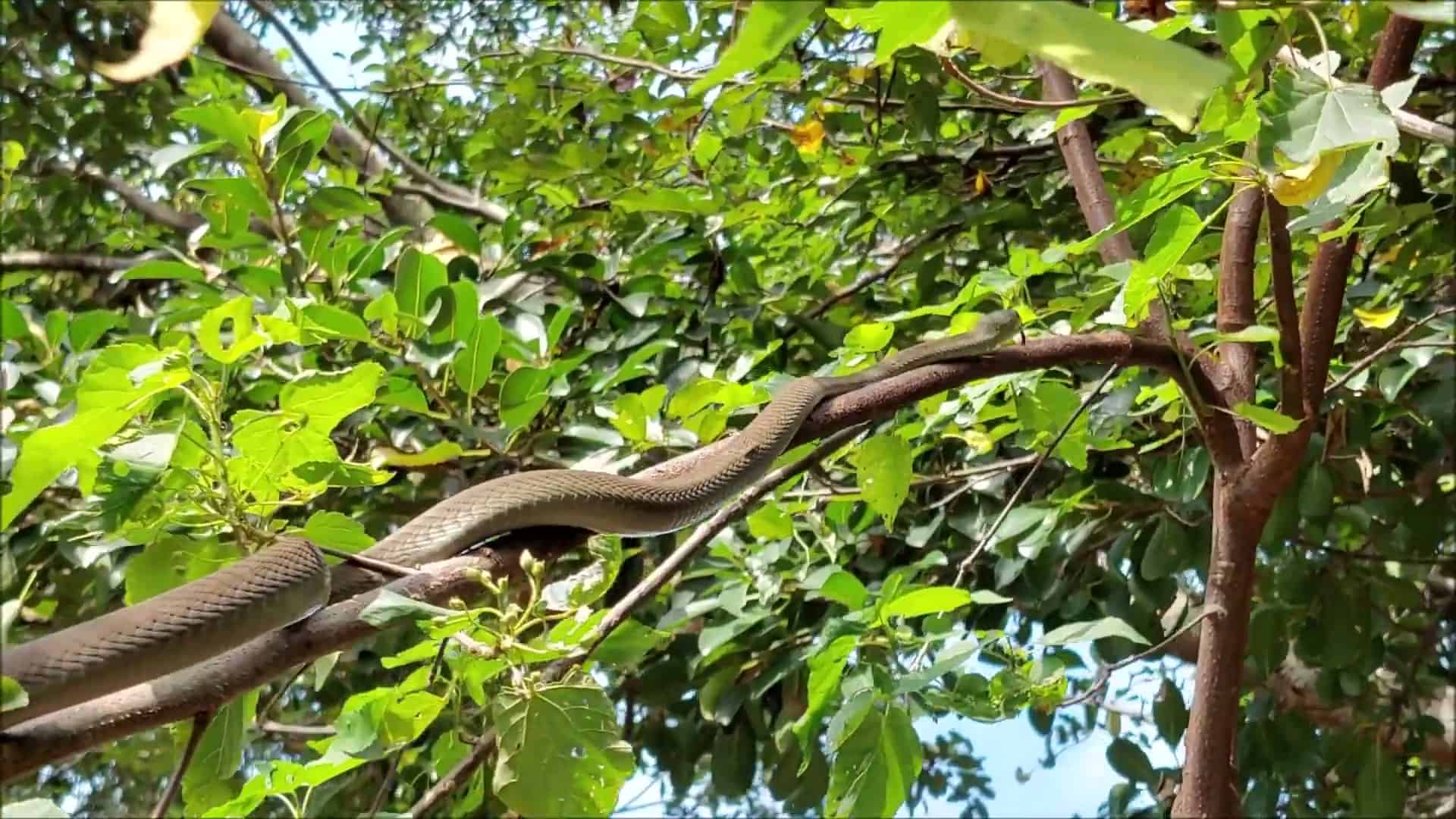
The handlers moved slowly, had people watch possible exits, and allowed the snake to settle inside the pipe before lifting it. Reducing stress gives the snake a better chance of survival after its release. Snakes that are handled roughly or become too hot may stop eating and may not recover well once they are back in the wild. After the mamba was safely secured, it was moved and released into a more suitable habitat away from homes. At the end, it can be seen moving up into a tree. Black mambas mostly live and move on the ground, but they can climb easily, and using trees or other high spots for sunning is part of their normal behavior.
How Far Should It Be Moved?
How far a rescued snake should be moved is up for debate. If a snake is released too far from the area it knows, it may be less likely to survive because it no longer knows where to find shelter or prey. In KwaZulu-Natal, black mambas are released as close as safely possible to where they were found, while still keeping them away from homes.
Fortunately, the Queensburgh rescue ended without injury to anyone involved, including the snake.