
Quick Take
- King cobra venom doesn't just kill in one way. It attacks the body on two separate fronts simultaneously. Explore the dual venom effects →
- The snake's venom isn't actually the most dangerous thing about a king cobra encounter. See the real danger →
- Handlers can grab a king cobra with apparent confidence, and there is a specific physical reason the snake is unable to fight back. See how handlers restrain them →
- The venom extracted from these high-risk milkings has a purpose that goes beyond producing antivenom. Discover how venom is used →
Snake venom is extracted, or “milked,” for a few main reasons, such as to make antivenoms. This job sounds incredibly dangerous, but is it really? This YouTube Short by @BrianBarczyk shows him extracting a king cobra’s venom in a swift and brave manner. While he makes the process look easy, the video left many viewers curious about why they extract venom in the first place. Read below to learn more.
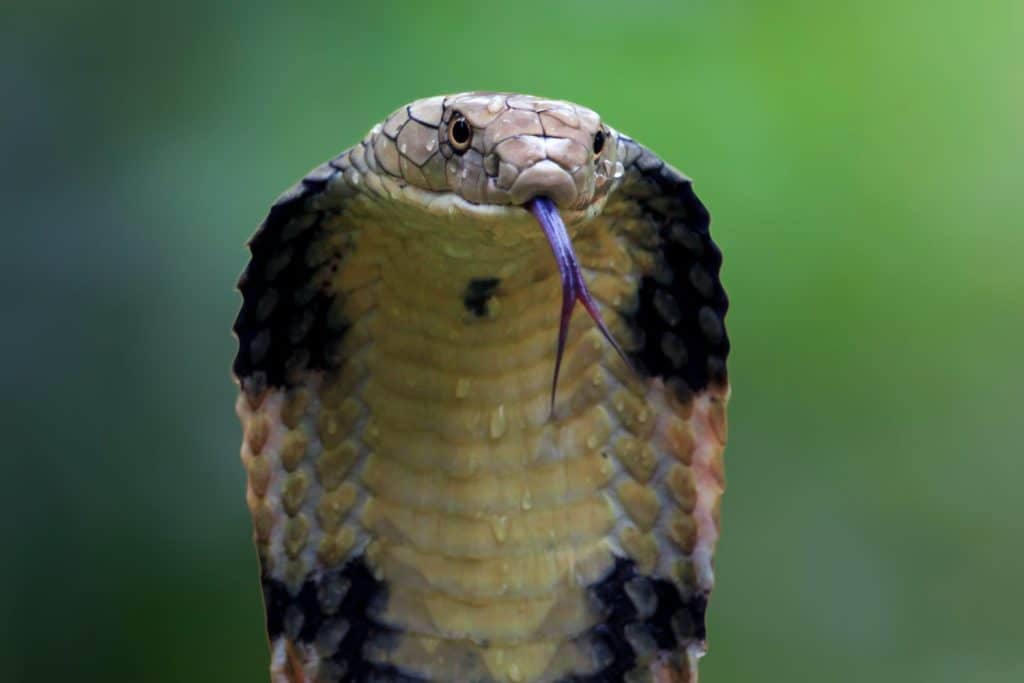
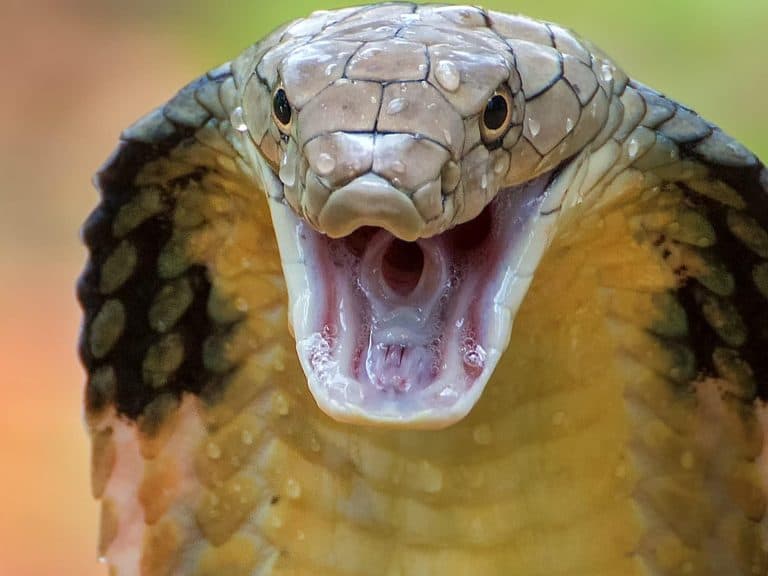
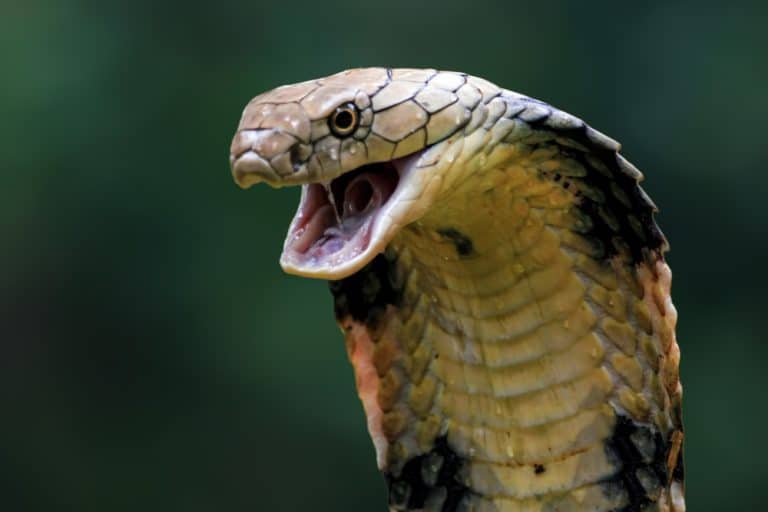
King cobra venom is both neurotoxic and cytotoxic, attacking both the nervous system and tissue.
©Kurit afshen/Shutterstock.com
About King Cobra Venom
The video above may look like a routine milking for the handlers. However, king cobras should not normally be messed with. King cobras are among the most dangerous snakes on Earth, and for good reason. While you might think their danger comes solely from their venom, that’s not the only reason. King cobra venom is neurotoxic and cytotoxic, meaning that it targets the nervous system and causes tissue death.
Without treatment, a king cobra bite can be fatal, with some sources estimating a mortality rate of 50 to 60 percent, though actual outcomes can vary depending on several factors. Even more dangerous, though, is their massive size and long striking distance. This allows them to get their nasty bites in from far away. Thankfully, these snakes are more defensive than outright aggressive. You would have to provoke them significantly before being in immediate danger.
Milking a King Cobra
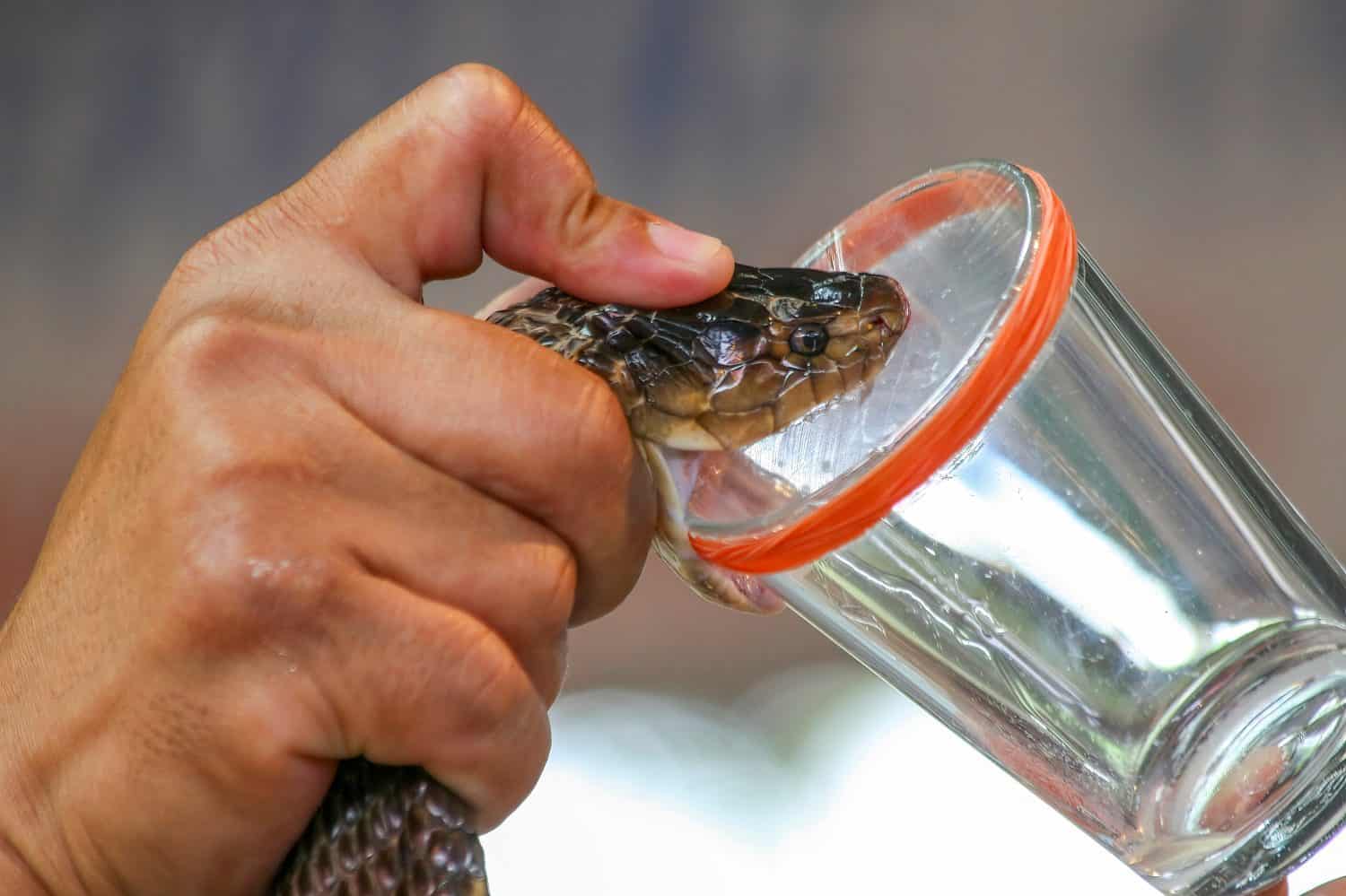
While King cobras may be scary, experienced handlers show little fear around them. As shown in the video above, handlers are aware of body language and striking distance and have years of experience handling them. This allows handlers to quickly grab the snakes by the back of their heads, greatly reducing the snakes’ ability to bite.
After grabbing the back of the snake’s head, its mouth is placed in front of a cup, and its fangs are gently pressed to release venom. This is done by gently pressing on the venom glands to force the venom out. The venom drips into the container to be used later in creating antivenoms or venom research. Although dangerous, this job is crucial for producing the medicine needed to treat snake bites, making it highly respectable.