Quick Take
- One animal on this list evolved so completely around a single food source that it lost an entire body part most predators can't live without. See the toothless hyena →
- A slow-moving creature with no speed advantage has mastered hunting fast, agile fish, and its method is more unsettling than you'd expect. Meet the slow ambush hunter →
- Specializing on one prey sounds efficient, but for several of these hunters it turns out to be a death sentence waiting to happen. Explore the risky dependency →
- Two animals on this list belong to families known for very different diets, yet both evolved to eat the exact same prey. Discover the snake-eating cobra →
Most predators are opportunistic hunters. If a species is open to eating multiple types of prey, it can improve its odds of finding food and surviving. However, some predators have taken a very different approach. Through millions of years of evolution, they have become specialized hunters that focus on a very narrow range of prey. Their bodies, behaviors, and hunting techniques are all perfectly adapted for finding and taking down their preferred meal. While this narrow prey focus can lead to efficient hunts, it also means they’ll struggle to survive if their favorite prey is in short supply. Here are eight predators that strategically stalk one specific kind of prey.
1. Giant Anteater
©Bigc Studio/Shutterstock.com
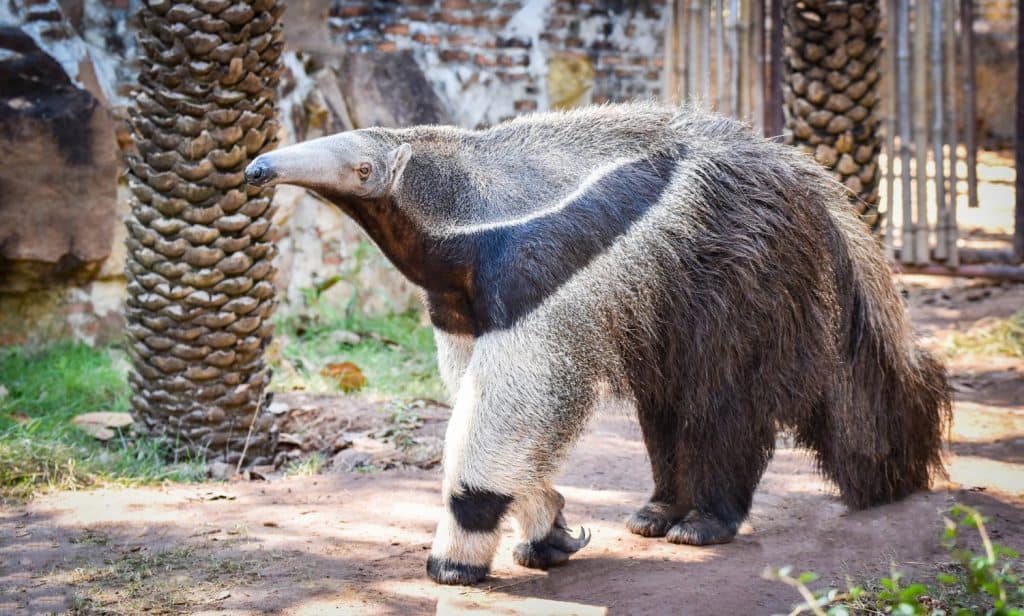
As its name suggests, the giant anteater specializes in eating ants (along with termites). One glance at this odd-looking animal and it is obvious they were designed for reaching deep into insect nests. Their long snout and sticky tongue are perfect for the job. The tongue can slurp in and out of the mouth hundreds of times per minute, gathering large numbers of insects. Giant anteaters have evolved to have powerful claws to tear open nests, but because they never have to chew their sole food source, they lack teeth. Few predators are as strongly connected to a single food source as this expert insect eater.
2. Snail Kite
©iStock.com/BrianLasenby
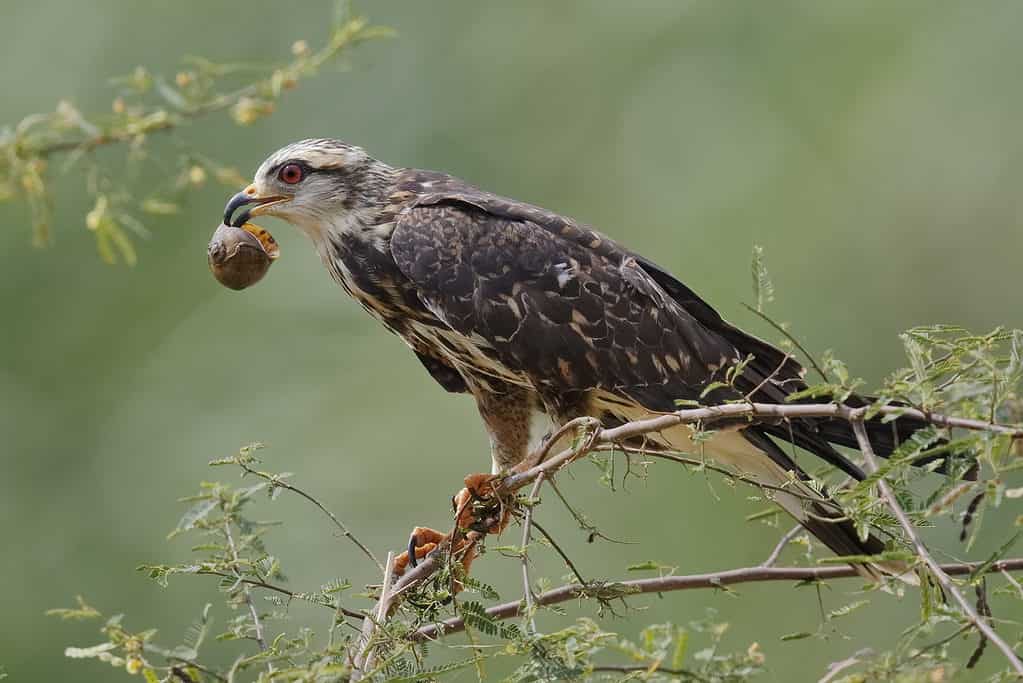
The snail kite is a bird of prey inhabiting wetlands in various parts of the Americas. Unlike most raptors who hunt for any available feeding opportunity, the snail kite focuses almost exclusively on apple snails, hence its name. Its hooked beak seems specifically shaped for the chore of pulling the soft body of a snail from its shell. Many other birds struggle to access the snails inside their protective shells, leaving an abundance of prey for them to target. However, in areas where apple snail populations are low, snail kites can face serious survival challenges. Their livelihood is directly tied to one small snail.
3. Aardwolf
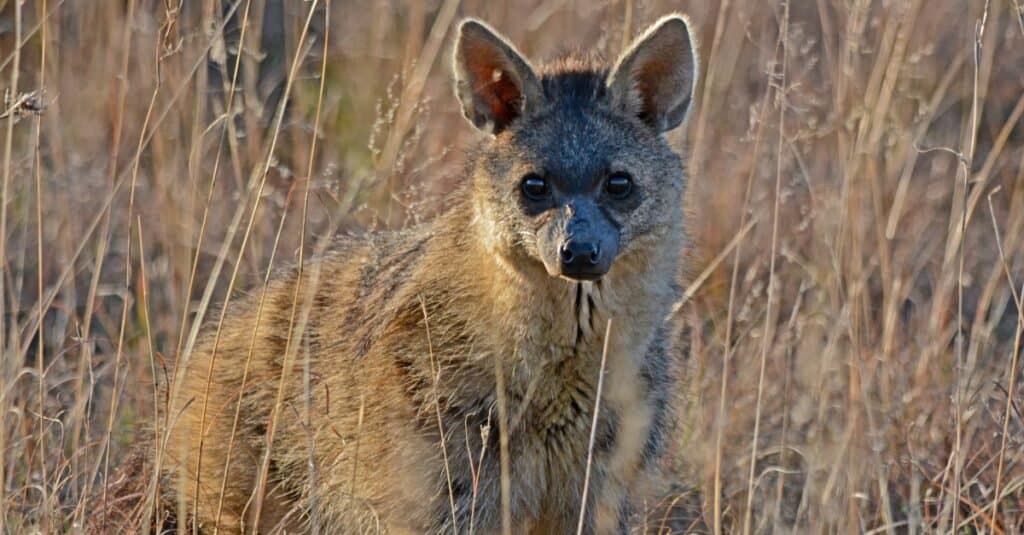
©iStock.com/Catherine Withers-Clarke
Despite belonging to the hyena family, the aardwolf does not hunt mammals. Instead, it specializes in eating termites. Similar to the giant anteater, its tongue is long and sticky, allowing it to lap up thousands of insects each night. Because this animal has evolved to get all of its nutrition from insects, it lacks the powerful, bone-crushing jaws of its hyena cousins. The aardwolf’s entire life revolves around locating termite colonies. This unusual diet makes it a unique African predator.
4. Black-Footed Ferret
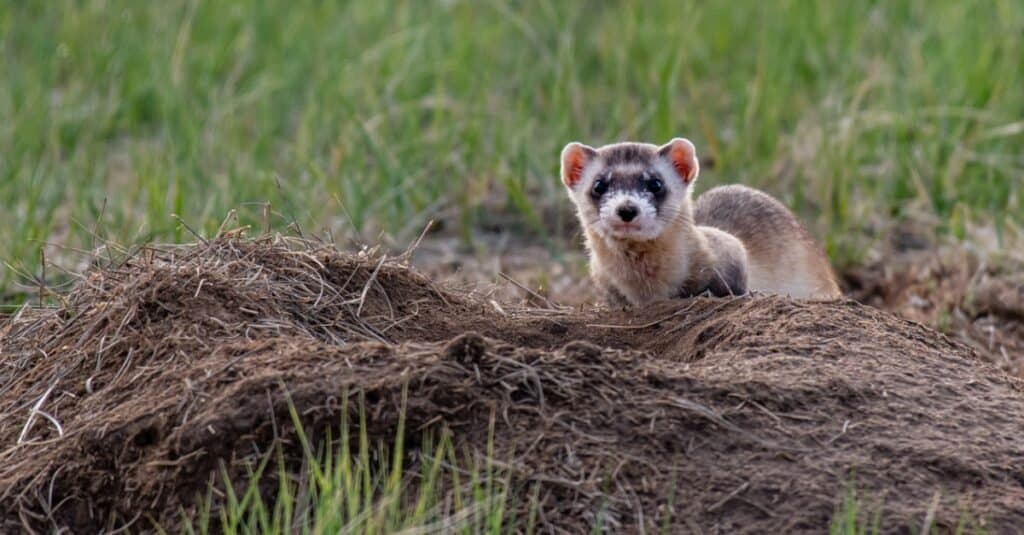
©iStock.com/Kerry Hargrove
The black-footed ferret depends on prairie dogs for survival. Prairie dogs make up the great majority of its diet. In addition to the main course, prairie dogs also provide shelter to the black-footed ferrets who invade their burrow systems. Ferrets hunt these rodents where they spend most of their lives: underground. They are experts at navigating tunnels in pursuit of dinner. Their slender bodies are well-adapted to accessing narrow passages. Without healthy prairie dog populations, black-footed ferrets would not make it.
5. Marbled Cone Snail
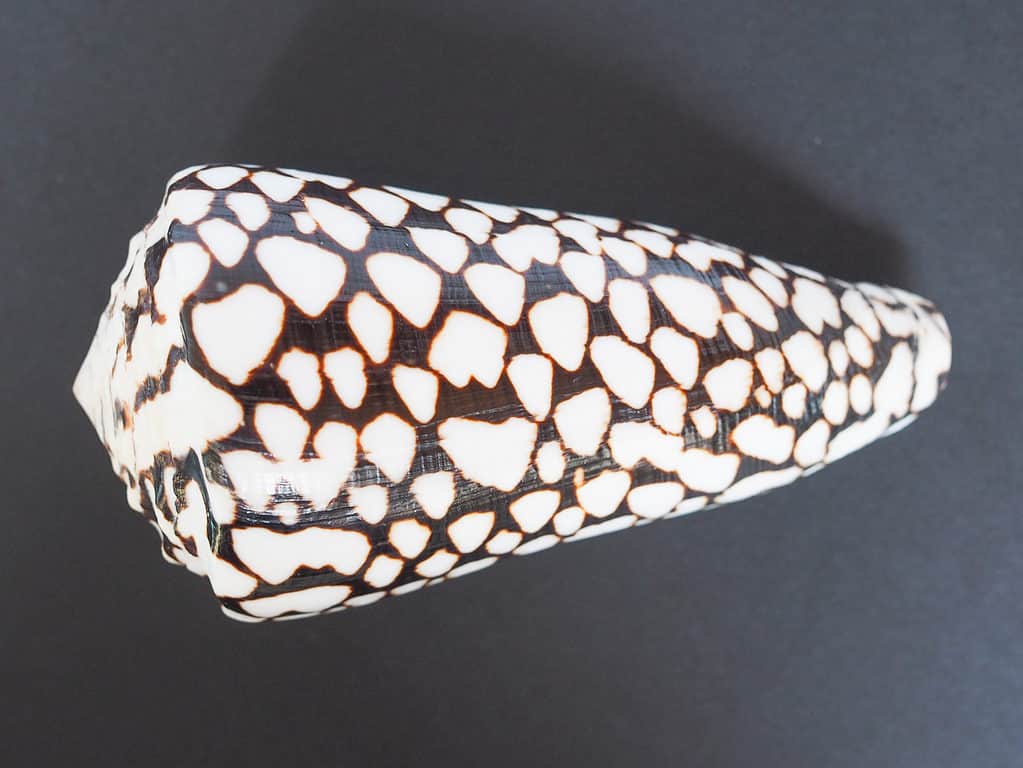
©alarico/Shutterstock.com
The marbled cone snail is a beautiful but dangerous marine predator. The seemingly harmless snail specializes in hunting fish. Hidden beneath its pretty, patterned shell is a venomous tooth used to ambush prey. Once prey is struck, the snail injects toxins that immobilize it. The snail takes its time, slowly swallowing the animal whole. For a creature that barely moves, it is remarkably successful at hunting swiftly-swimming targets.
6. Short-Tailed Snake
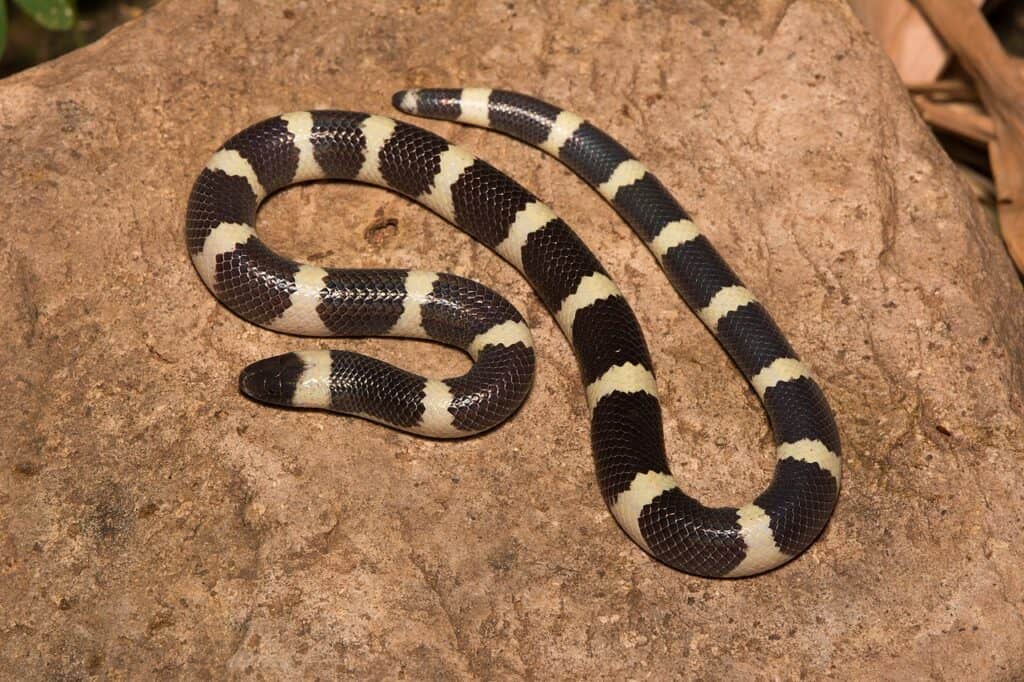
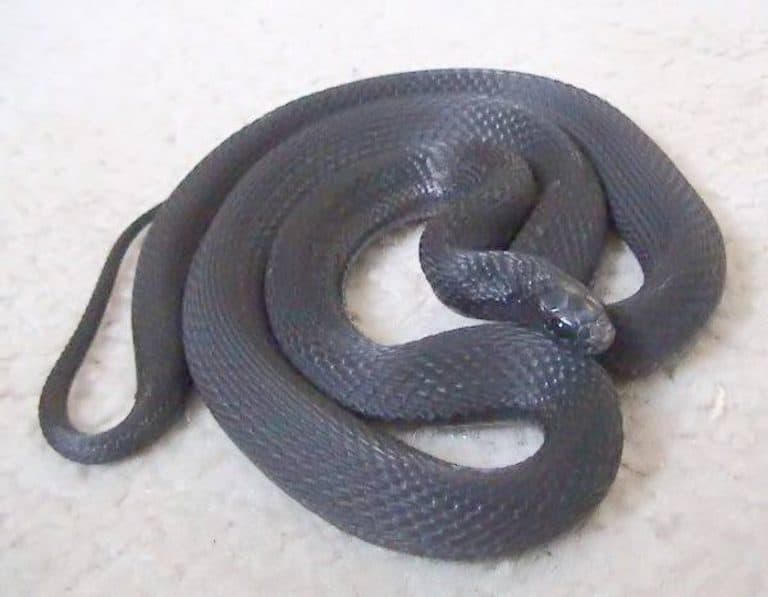
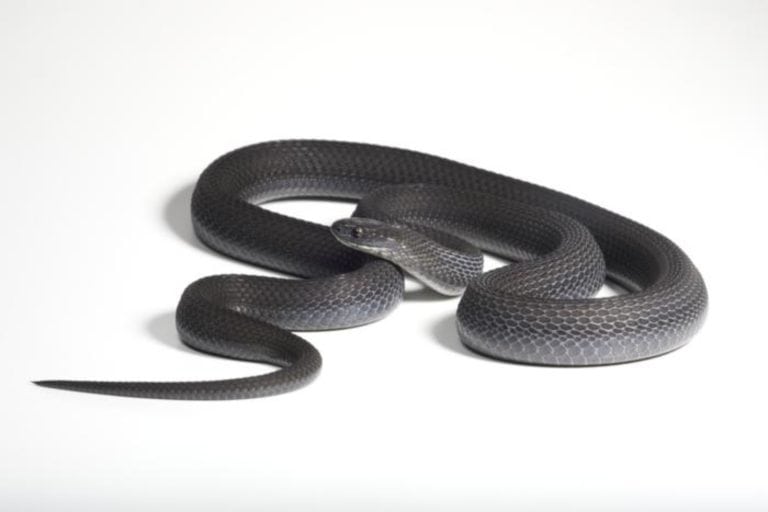
The short-tailed snake inhabits the southeastern United States and has a very specific dietary preference: other snakes. In fact, many individuals eat almost nothing else. These snake-eating snakes spend a great deal of their lives searching for small burrowing species underneath the soil. This odd food source gives them an advantage, as few others prey on these tiny snakes. The short-tailed snakes’ favorite meal makes them fascinating reptilian hunters.
7. Eurasian Oystercatcher
©"Eurasian Oystercatcher" by Ray in Manila is licensed under BY 2.0. – Original / License
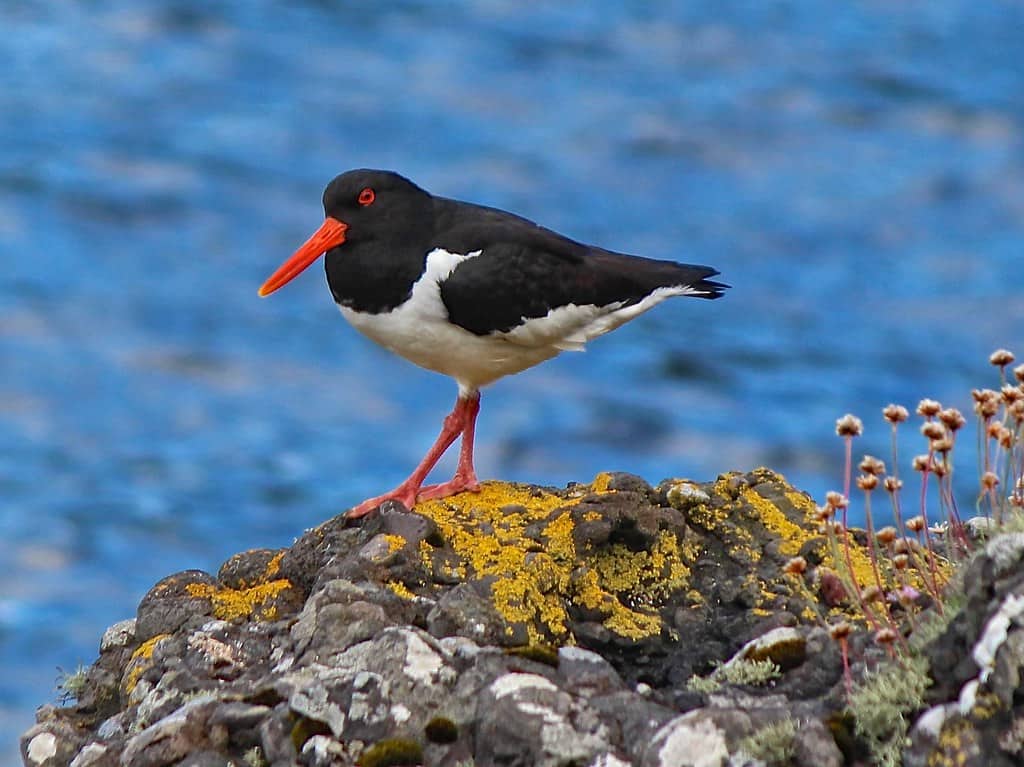
The Eurasian oystercatcher is a shorebird that mainly eats shellfish. Its long, sturdy bill looks like a tool specifically designed to access the meat of mussels, oysters, and clams. In different regions, oystercatcher populations even develop techniques tailored to the specific shellfish available. Some use their bill to pry shells apart while others hit them repeatedly, with their bill functioning as a makeshift hammer. Such hard-shelled prey is tricky for other birds to eat, leaving plenty of food for the oystercatcher.
8. King Cobra
©Padodo/Shutterstock.com
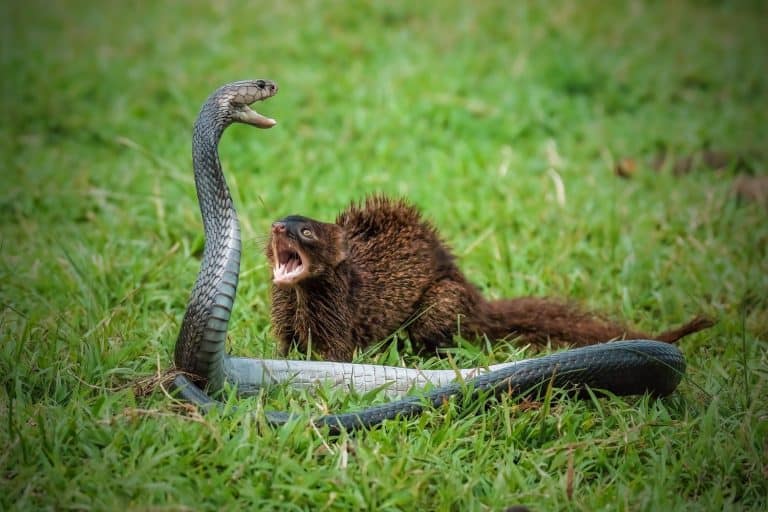
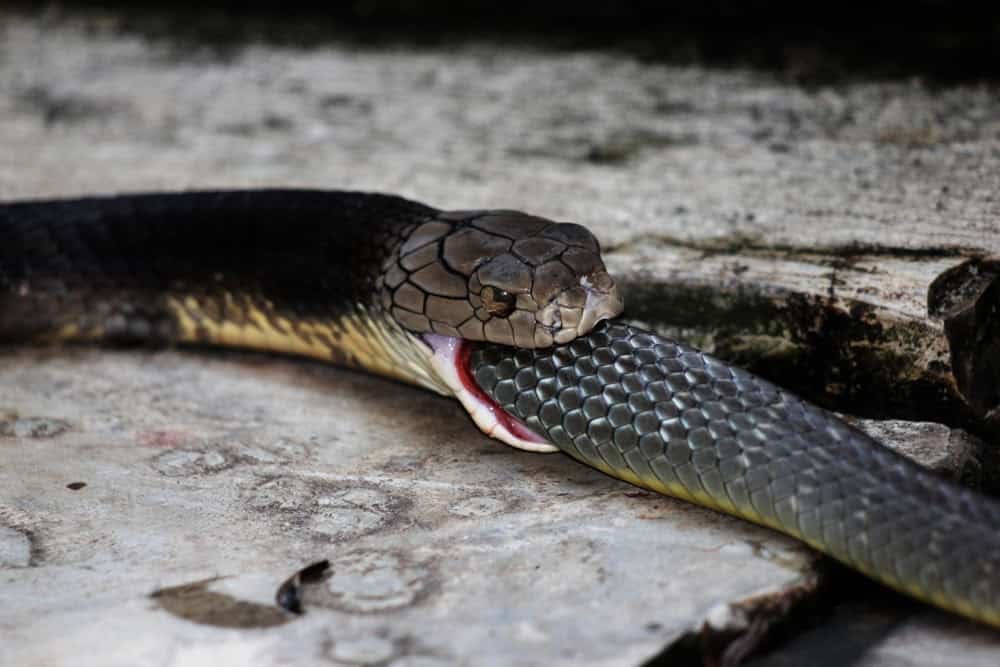
Most snakes eat a variety of prey, but like the short-tailed snake, the king cobra enjoys eating other snakes. Its favorites include rat snakes, pythons, kraits, and other cobras. Who better to track down dangerous snakes than another more dangerous snake? The king cobra’s size, agility, and harmful venom make it well-suited for tackling its chosen prey. In this way, it occupies a distinctive niche within its ecosystem. Few snake-eating reptiles are as unique as the king cobra.