
Quick Take
- One snake classified as a rattlesnake has no rattle at all, and this species lives within U.S. borders.
- The venomous snake responsible for the most bites in the Southeast is actually the least deadly of its group.
- One U.S. venomous snake is evolutionarily closer to cobras than to any rattlesnake, and it is probably not the one most people would picture.
- The smallest rattlesnake in the country carries a venom that outpunches its stature in a surprising way.
The United States is a large country with a variety of habitats and environments. Within its borders is an amazing diversity of wildlife, including snakes. Of the over 4,000 snake species worldwide, fewer than 200 are found in the U.S., the vast majority of which are totally harmless to humans. However, there are venomous species in nearly every U.S. state. Continue reading to learn more about venomous snakes in the United States.
How Many Venomous Snakes are There in the United States?
There are more than 30 species of venomous snakes in the United States.
©Harris Motion Photo/Shutterstock.com
There are significantly more nonvenomous snakes in the U.S. than there are venomous snakes, a fact that is true across most of the world, with only around 7% of all snake species being venomous.
Still, there are quite a few venomous snake species in the United States. There are currently about 21 recognized species of venomous snakes in the United States. Venomous snakes in the U.S. fall into four families: rattlesnakes, copperheads, cottonmouths, and coral snakes.
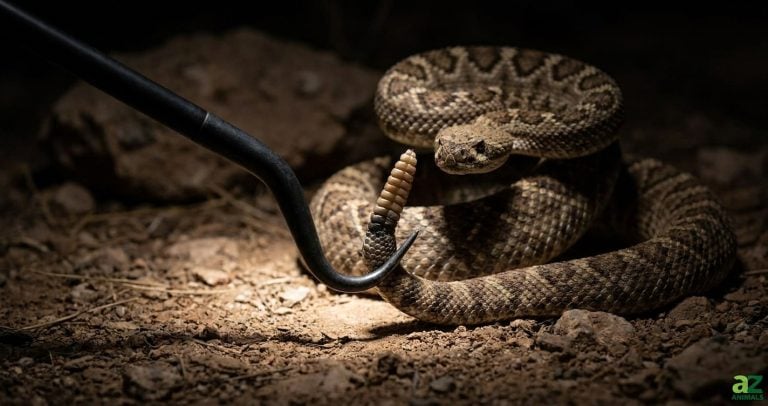
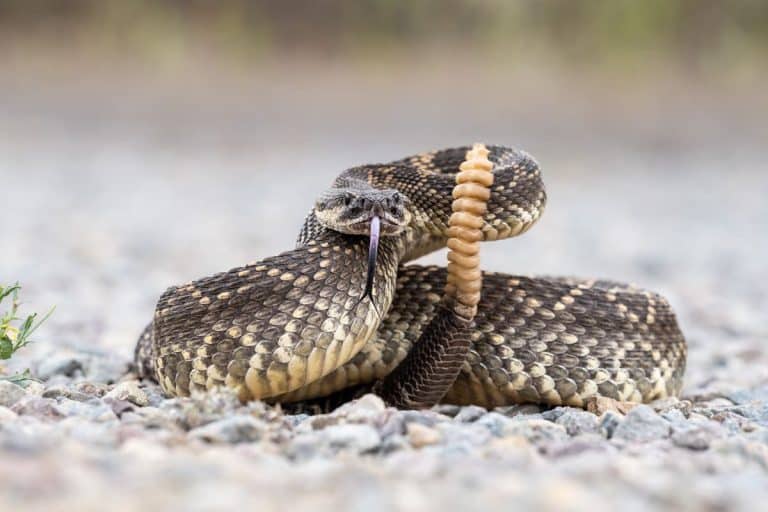
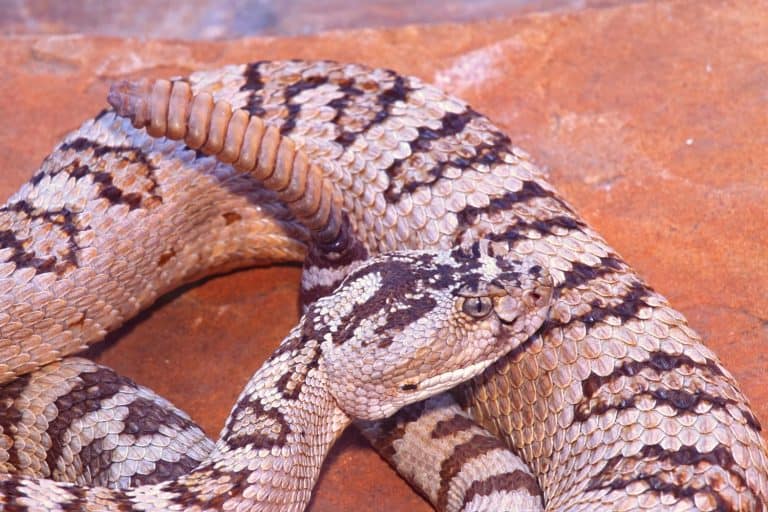
Rattlesnakes make up the vast majority of all venomous snakes in the U.S., with about 16-18 recognized species and numerous subspecies.
Copperheads and cottonmouths are closely related to rattlesnakes and, together, make up the pit viper family (Crotalinae). Pit vipers have small heat-sensing pits on their snouts that help them find prey.
The coral snake is a loner in the U.S. in terms of evolutionary relationships. Coral snakes are closer to cobras and sea snakes than pit vipers. Still, they are venomous and considered among the most dangerous in the country.
Rattlesnakes
Western Diamondback Rattlesnake
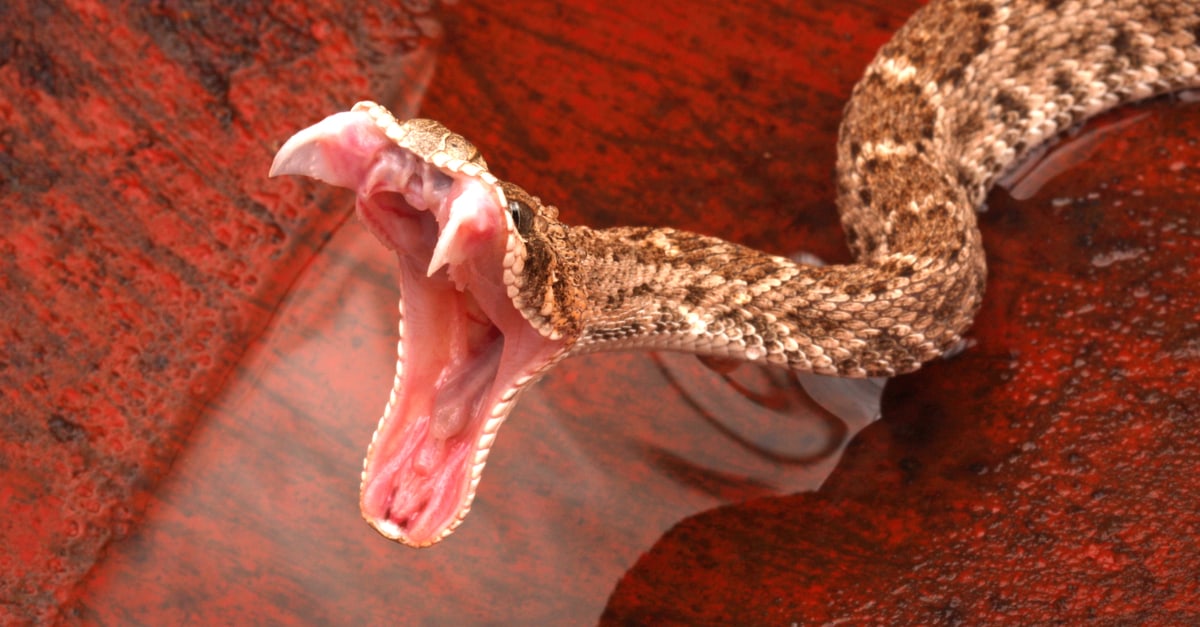
The Western diamondback rattlesnake (Crotalus atrox) is one of the most common snakes in the western United States and is among the most dangerous. These snakes grow between 4 and 6 feet and usually come in shades of black and gray.
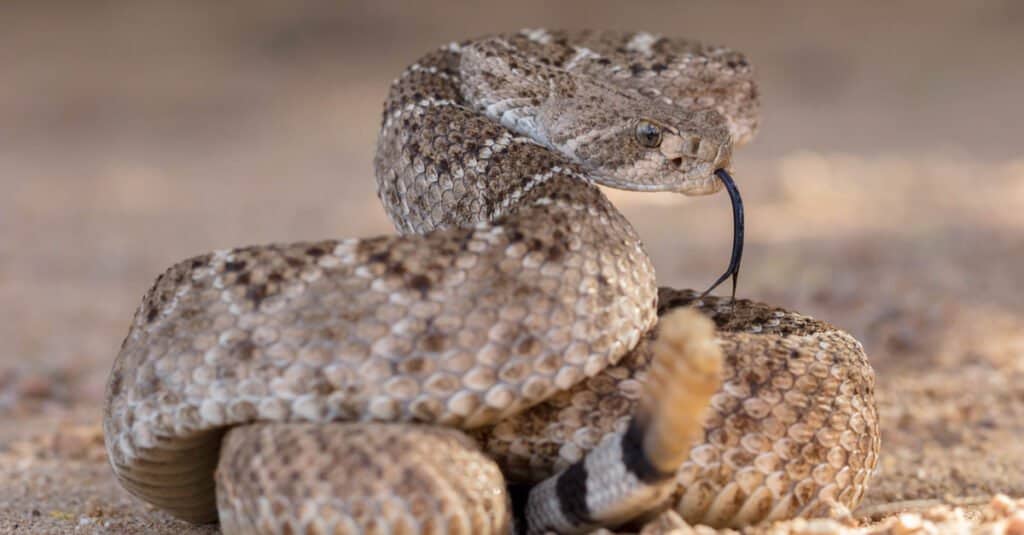
Western diamondback rattlesnakes have the highest fatality rate of any snake in the U.S.
©Alexander Wong/Shutterstock.com
The Western diamondback is responsible for a large number of snakebites in the United States, but fatalities from its bites are rare, with fewer than 10 snakebite deaths from all species combined annually in the U.S.
Eastern Diamondback Rattlesnake
The Eastern diamondback rattlesnake (Crotalus adamanteus) is the largest venomous snake in the United States and is a contender for the largest in the world.
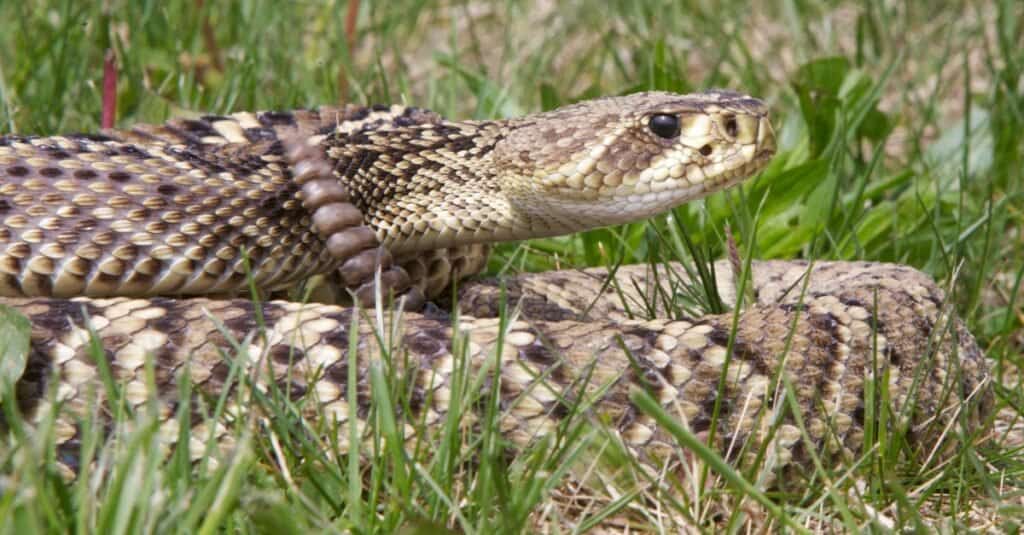
The Eastern diamondback is the largest venomous snake in the United States.
©iStock.com/NajaShots
Eastern diamondbacks are brown, black, and cream and can grow up to 8 feet in length. These snakes are primarily found along the coastal Southeastern United States from Louisiana up into the coastal plains of North Carolina.
Timber Rattlesnake
The timber rattlesnake (Crotalus horridus) is the most northerly residing venomous snake in the United States and has one of the widest ranges of any rattlesnake.
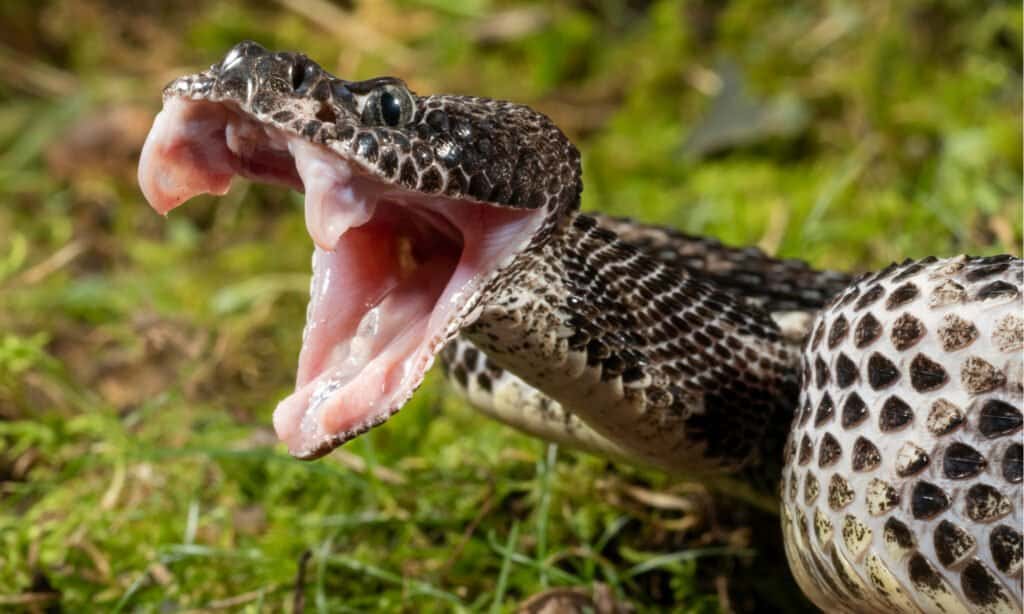
Timber rattlesnakes are the most northerly of all rattlesnake species.
©Joe McDonald/Shutterstock.com
Timber rattlesnakes are usually brown and gray but are known to have dark black heads and tails with occasional copper markings across their backs. They can be found throughout most of the Southeast and Midwest, with a northerly range extending well into Vermont and New Hampshire.
Sidewinder Rattlesnake
The sidewinder (Crotalus cerastes) is a desert snake that gets its name from the movement it displays while moving across hot sand. Sidewinders are generally a light sandy color and grow between 1.5-3 feet, making them a bit smaller than other rattlesnake species. These snakes live in the Mojave and the Sonoran Deserts.
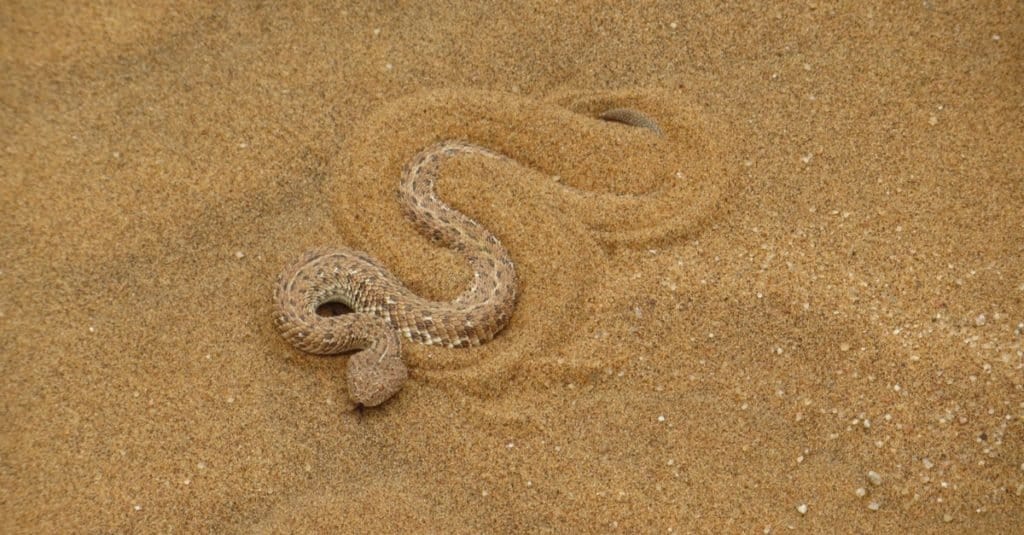
Sidewinders get their name from their unique form of side-stepping locomotion.
©Roger de Montfort/Shutterstock.com
There are three subspecies of sidewinder:
- Mojave Desert Sidewinder (C. c. cerastes)
- Sonoran Desert Sidewinder (C. c. cercobombus)
- Colorado Desert Sidewinder (C. c. laterorepens).
Mojave Rattlesnake
The Mojave rattlesnake (Crotalus scutulatus) is a resident of the deep southwest, especially around the Mojave Desert. These snakes are among the most venomous rattlesnakes in the United States, with venom that is highly toxic to humans. Most Mojave rattlesnakes grow to around 3.5 feet long.
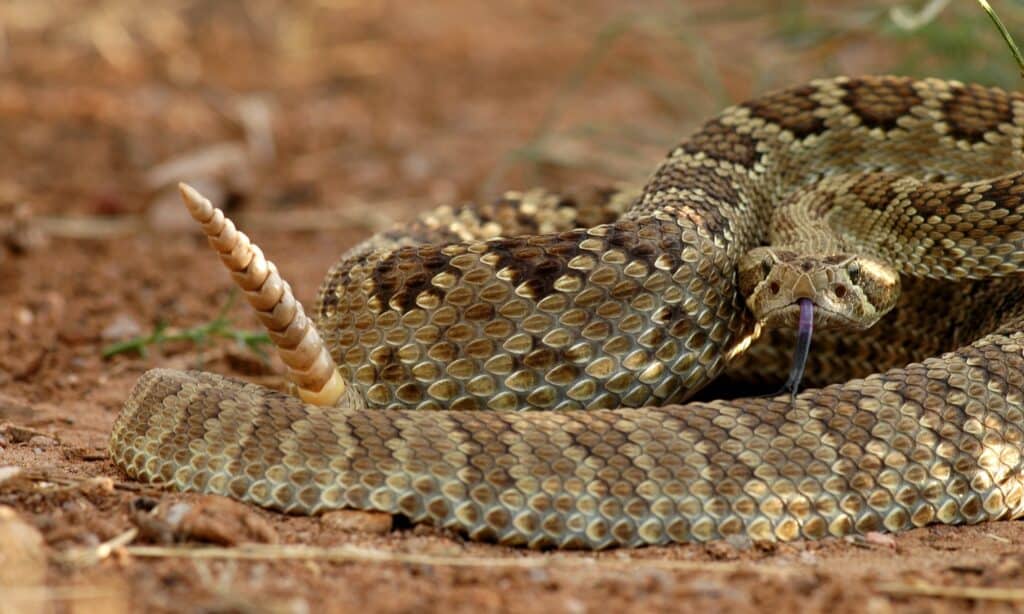
Mojave rattlesnakes are among the most venomous snakes in the United States.
©iStock.com/Shoemcfly
Santa Catalina Rattlesnake
The Santa Catalina rattlesnake (Crotalus catalinensis) is a particular species of rattlesnake that only lives on the island of Santa Catalina, off the coast of California. These snakes don’t have rattles, and they grow to around 2 feet in length.
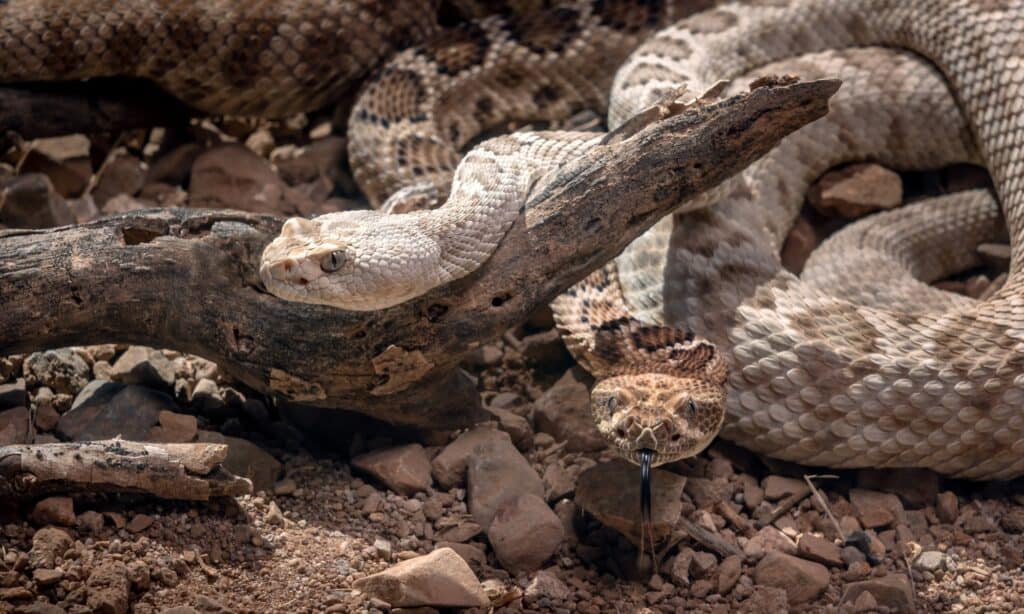
Santa Catalina rattlesnakes don’t have a rattle on their tails.
©iStock.com/Jay Pierstorff
Rock Rattlesnake
The rock rattlesnake (Crotalus lepidus) is a smaller species that primarily inhabits limestone and sandstone-filled regions. Rock rattlesnakes are light-colored, often resembling the sandy stones they inhabit.
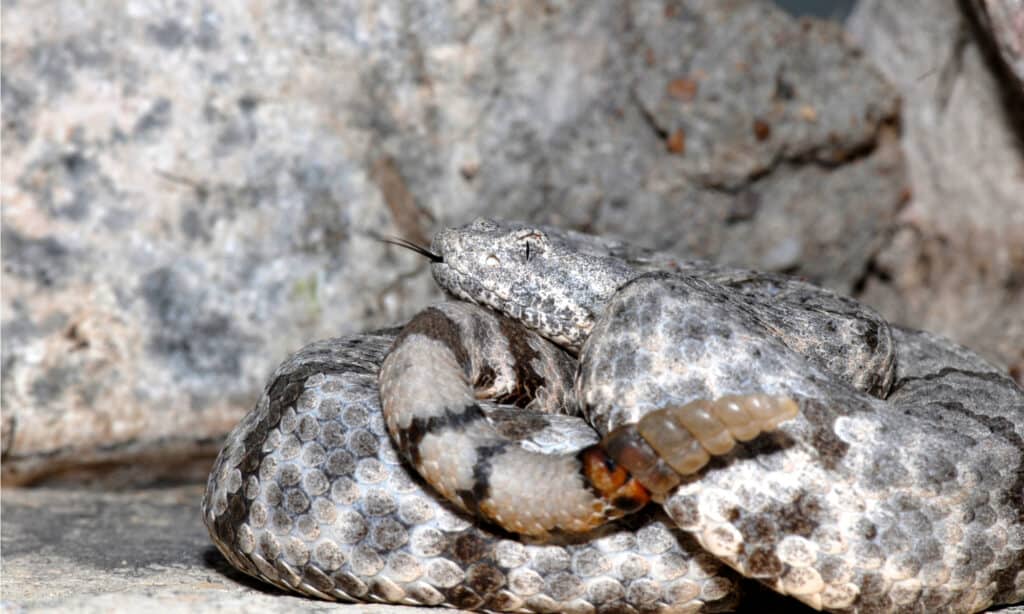
Rock rattlesnakes are usually lighter in color than other rattlesnakes.
©Rusty Dodson/Shutterstock.com
There are two subspecies of rock rattlesnake:
- Banded Rock Rattlesnake (C. l. klauberi)
- Mottled Rock Rattlesnake (C. l. lepidus).
Speckled Rattlesnake
The speckled rattlesnake (Crotalus mitchellii) is a desert-dwelling snake that inhabits the Southwestern U.S. and Northern Mexico. Speckled rattlesnakes are smaller snakes, generally growing to 3.5 feet as adults. These snakes get their name from the distinct speckled pattern they often display.
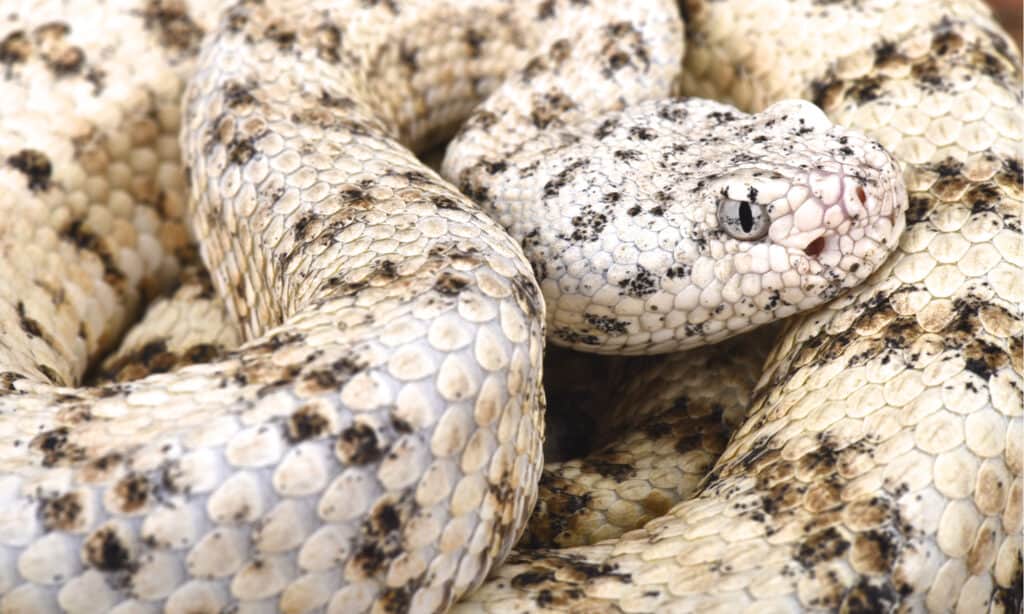
Speckled rattlesnakes have a unique speckling pattern across their bodies.
©iStock.com/reptiles4all
The subspecies of speckled rattlesnakes include:
- Southwestern Speckled Rattlesnake (C. m. phyrrhus)
- San Lucan Speckled Rattlesnake (C. m. mitchelli)
- Panamint Rattlesnake (C. m. stephensi).
Black-Tailed Rattlesnake
The black-tailed rattlesnake (Crotalus molossus) is known as a more docile member of the entire group, with bites being quite rare. Black-tailed rattlesnakes grow between 2 and 3.5 feet long and are dark-colored with black tails. These snakes live in the southwestern United States.
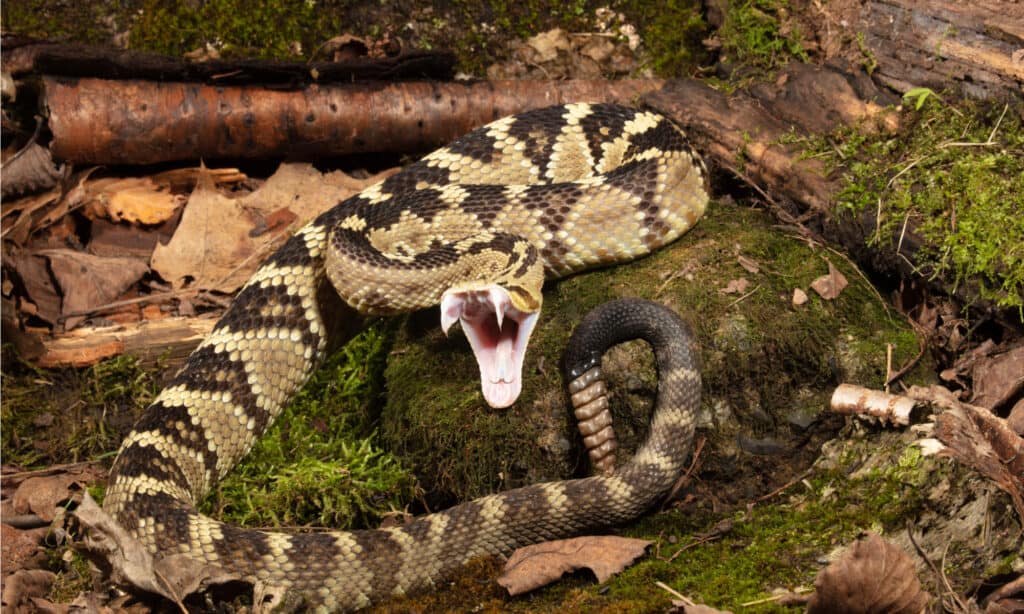
Black-tailed rattlesnakes have some of the lowest bite rates of any rattlesnake species.
©Joe McDonald/Shutterstock.com
Pacific Rattlesnake
The Pacific rattlesnake (Crotalus oreganus) is one of the most common rattlesnakes in the United States, especially given how many subspecies exist. Pacific rattlesnakes can be found across the West Coast and in the desert regions of the United States.
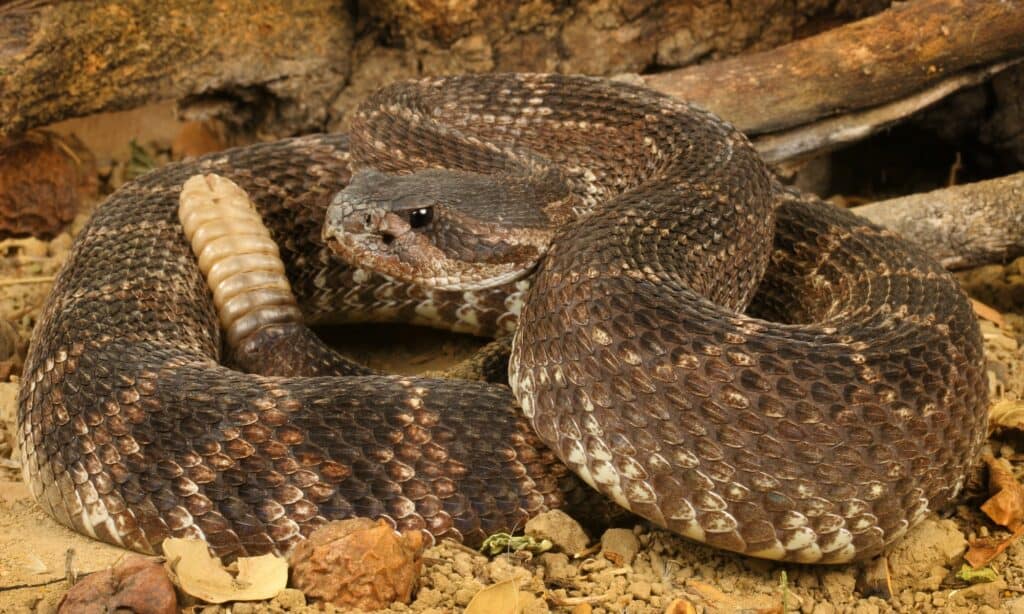
Pacific rattlesnakes are split into seven subspecies.
©iStock.com/johnaudrey
There are seven subspecies of the Pacific rattlesnake in the U.S.:
- Grand Canyon Rattlesnake (C. o. abyssus)
- Coronado Island Rattlesnake (C. o. caliginis)
- Arizona Black Rattlesnake (C. o. cerberus)
- Yellow Rattlesnake (C. o. concolor)
- Southern Pacific Rattlesnake (C. o. helleri)
- Great Basin Rattlesnake (C. o. lutosus)
- Northern Pacific Rattlesnake (C. o. oreganus).
Twin-Spotted Rattlesnake
The twin-spotted rattlesnake (Crotalus pricei) is a smaller rattlesnake, rarely growing larger than two feet. Twin-spotted rattlesnakes have a rounder head than most other rattlesnakes. They get their name from the two-spotted pattern that travels down their backs. These snakes live in southeastern Arizona and Mexico.
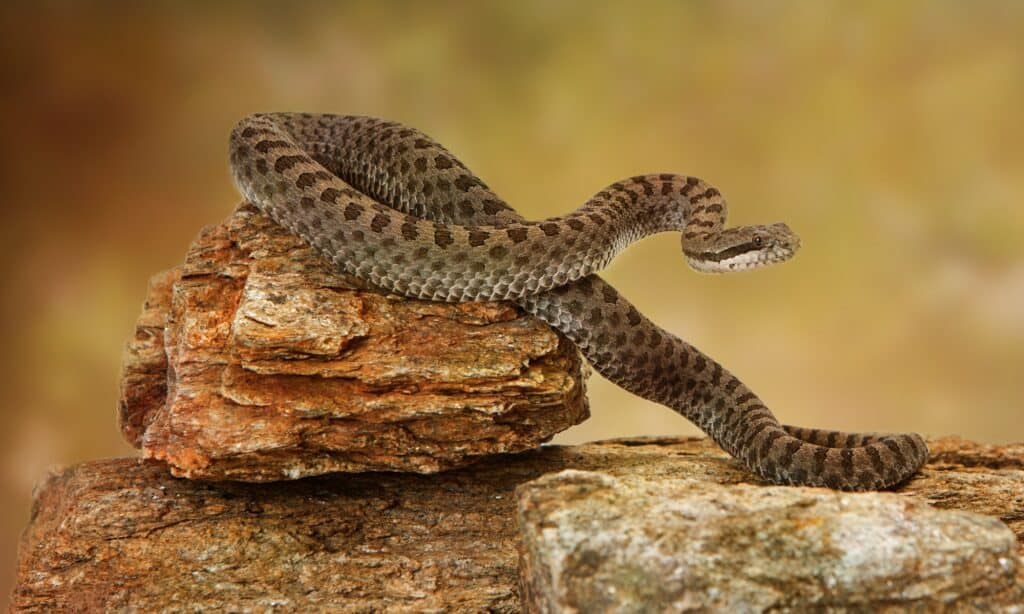
The twin-spotted rattlesnake has a rounder head than most rattlesnakes.
©iStock.com/adogslifephoto
Red Diamond Rattlesnake
The red diamond rattlesnake (Crotalus ruber) gets its name from the reddish-brown coloration it is most known for. Red diamond rattlesnakes can grow as large as 5 feet long and are found in southern California and into the Baja Peninsula. Their tails are often striped black and white, giving them a quite distinctive appearance.
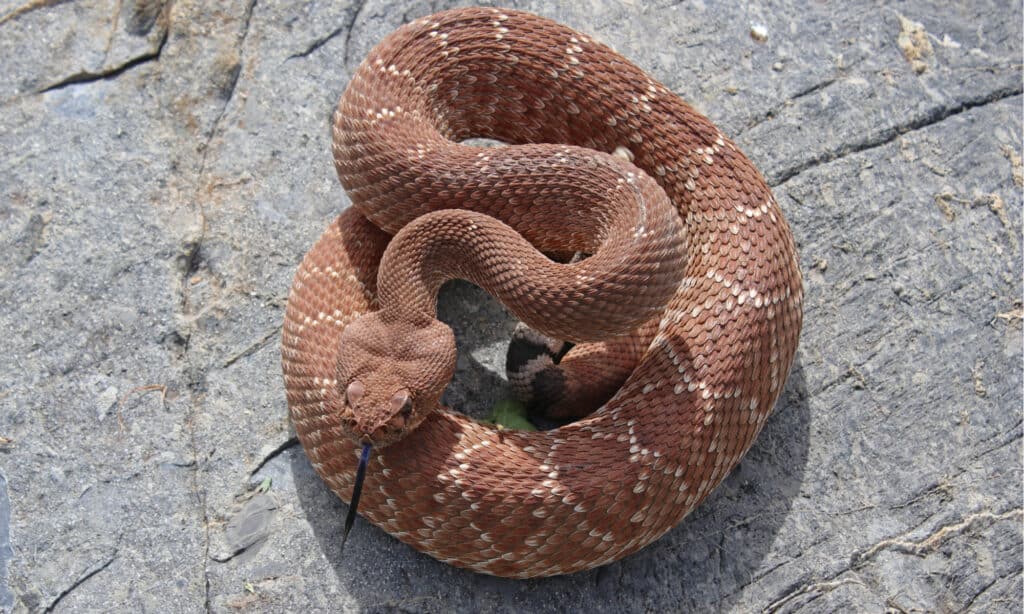
Red diamond rattlesnakes are a beautiful red color.
©Creeping Things/Shutterstock.com
Tiger Rattlesnake
The tiger rattlesnake (Crotalus tigris) is a smaller rattlesnake with a venom that outpaces its small stature. Tiger rattlesnakes get their name from their black striping pattern that is often spread across their gray bodies. These snakes are only found across the US in central Arizona, although other populations live in Mexico.
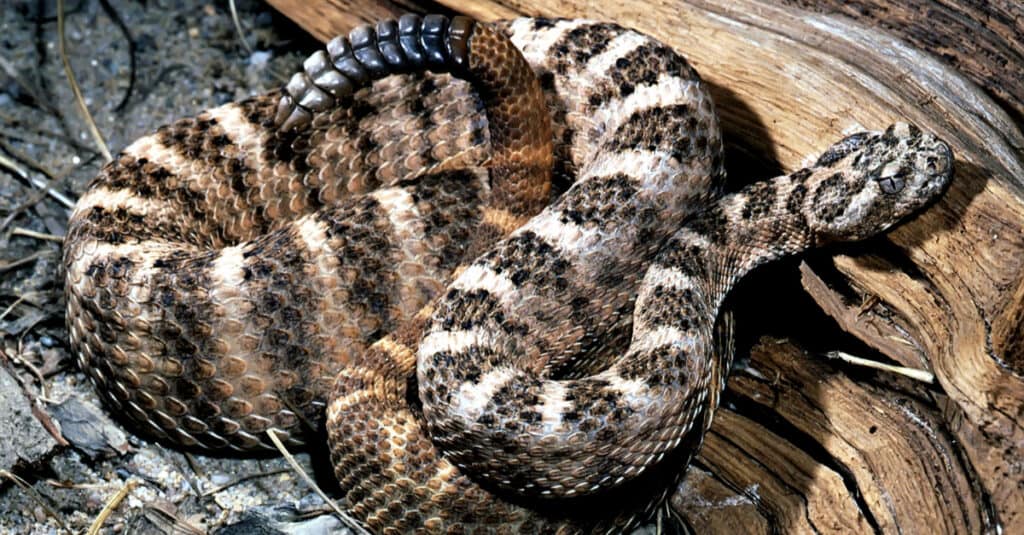
Tiger rattlesnakes are very venomous, despite their small size.
©Vladislav T. Jirousek/Shutterstock.com
Prairie Rattlesnake
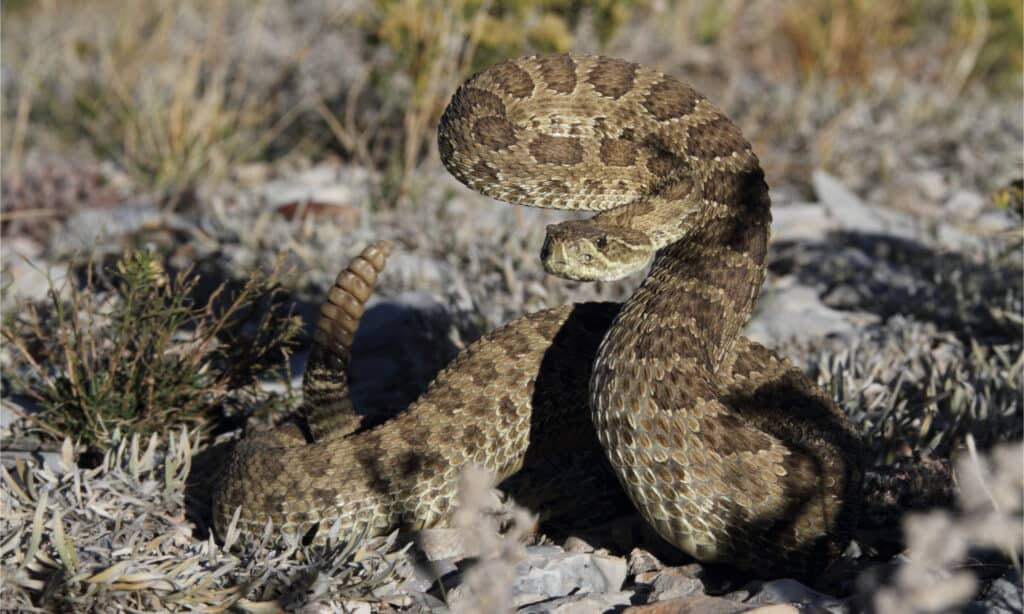
The prairie rattlesnake (Crotalus viridis)is one of the most distributed rattlesnake species in the United States. Prairie rattlesnakes live across the Great Plains region of the country, from northern Mexico to the south of Canada.
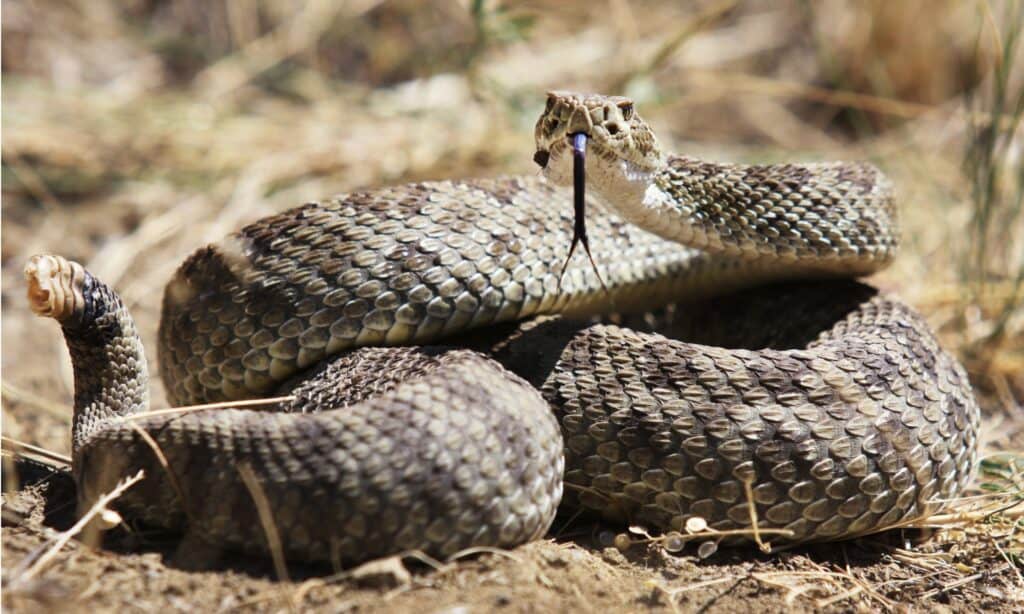
Prairie rattlesnakes are among the most widespread rattlesnakes across the U.S.
©iStock.com/HRossD
There are two subspecies in the U.S.:
- Hopi Rattlesnake (C. v. nuntius)
- Prairie Rattlesnake (C. v. viridis).
Ridge-Nosed Rattlesnake
The ridge-nosed rattlesnake (Crotalus willardi) is a smaller rattlesnake that is known for its black and white striped snout, giving it its name.
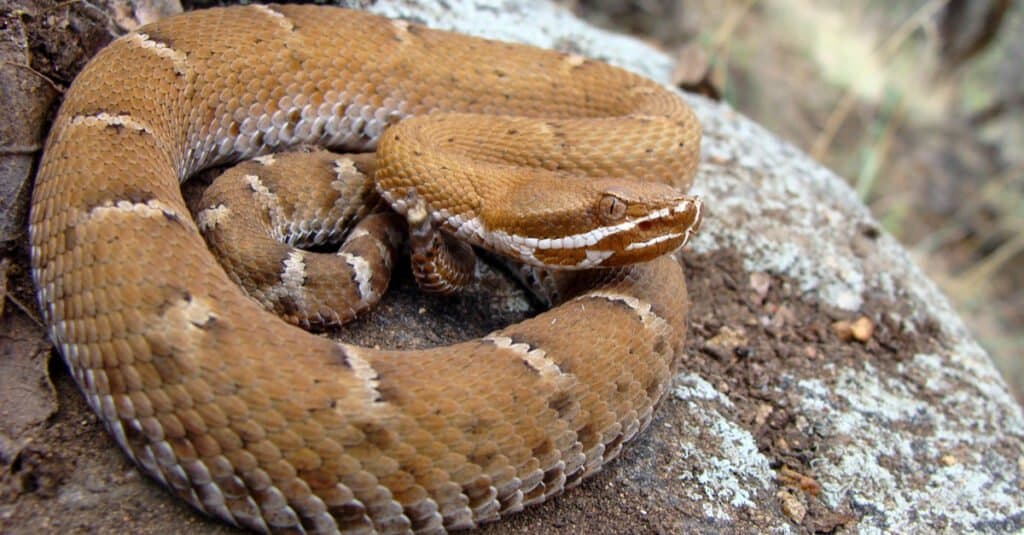
Ridge-nosed rattlesnakes have a distinctive striped pattern across their snout.
©Matt Jeppson/Shutterstock.com
Ridge-nosed rattlesnakes are quite rare snakes, only inhabiting wooded mountain ranges across Arizona and New Mexico. There are two subspecies in the U.S.:
- New Mexican Ridge-nosed Rattlesnake (C. w. obscurus)
- Arizona Ridge-nosed Rattlesnake (C. w. willardi).
Massasauga Rattlesnake
The massasauga rattlesnake (Sistrurus catenatus) is another widely distributed rattler that can be found as far south as Texas and as far north as Canada.
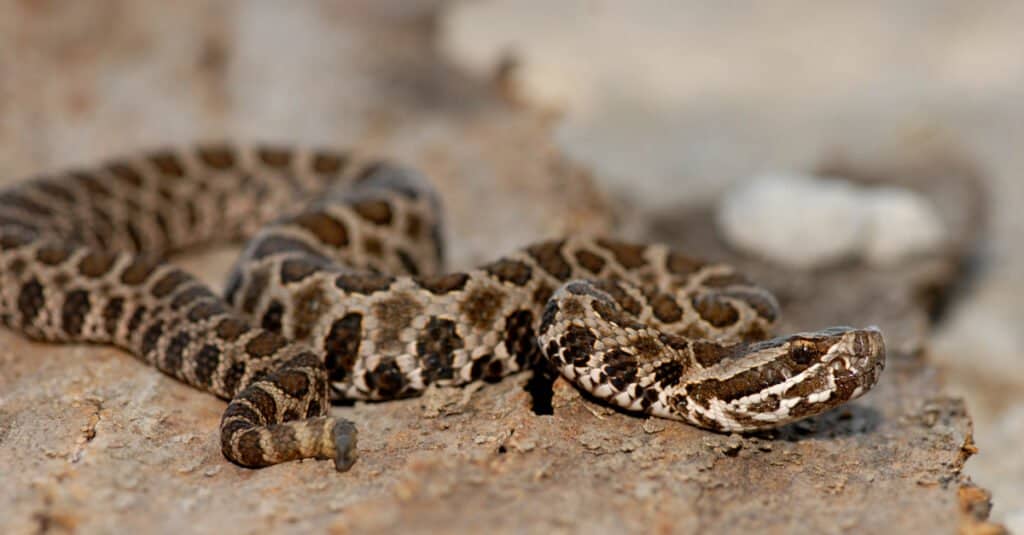
Massasaugas have colors and markings that include tan, gray, or brown with dark brown or black splotches.
©Rusty Dodson/Shutterstock.com
The three different subspecies are found across distinct ranges, with the Eastern massasauga being the most northerly and widespread. The three subspecies are:
- Eastern Massasauga (S. c. catenatus)
- Desert Massasauga (S. c. edwardsii)
- Western Massasauga (S. c. tergeminus).
Pygmy Rattlesnake
The pygmy (Sistrurus miliarius) rattlesnake is the smallest species of rattlesnake in the United States. Pygmy rattlesnakes are primarily found in the Southeastern United States around coastal plains regions.
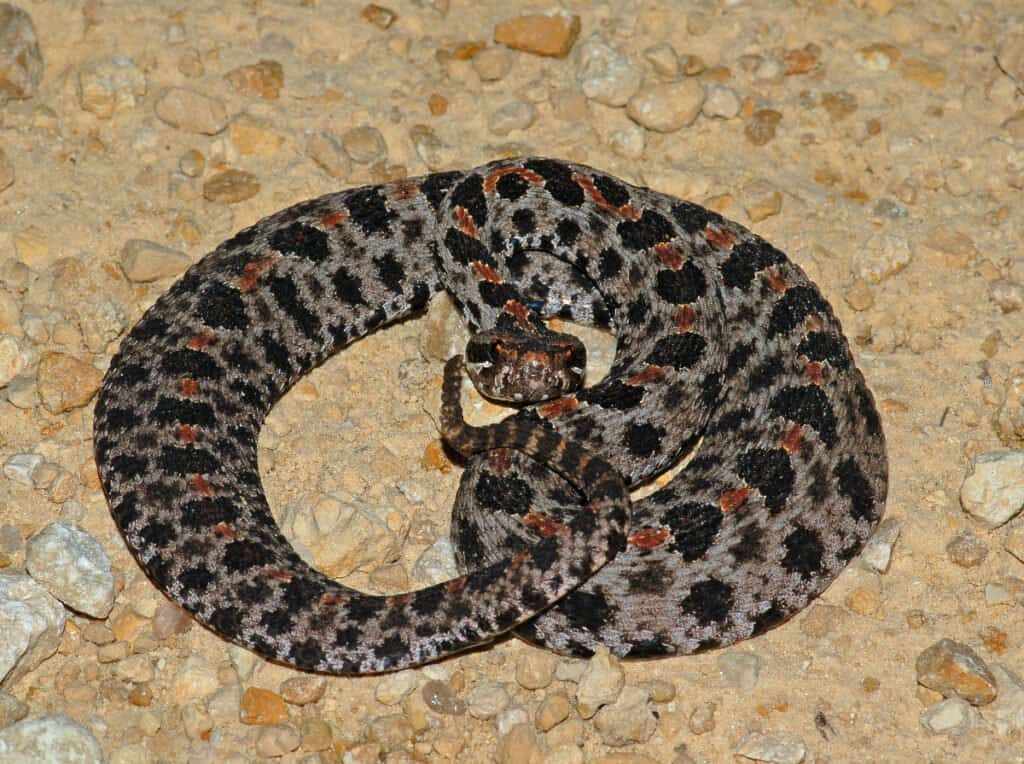
Pygmy rattlesnakes are the smallest of all rattlesnake species.
©Gerald A. DeBoer/Shutterstock.com
Their small size and low-potency venom make them among the least dangerous species of rattlesnake around. There are three subspecies of pygmy rattlesnake in the U.S.:
- Dusky Pygmy Rattlesnake (S. m. barbouri)
- Carolina Pygmy Rattlesnake (S. m. miliarius)
- Western Pygmy Rattlesnake (S. m. streckeri)
Cottonmouths
Cottonmouths (Agkistrodon piscivorus) are large aquatic snakes that are quite venomous. These members of the pit viper family are known for their bright white mouths that they flash as a warning to potential predators. The cottonmouth is native to the southeastern United States and has three subspecies. Unlike rattlesnakes, however, these subspecies are more similar to one another and are still grouped under a single species.
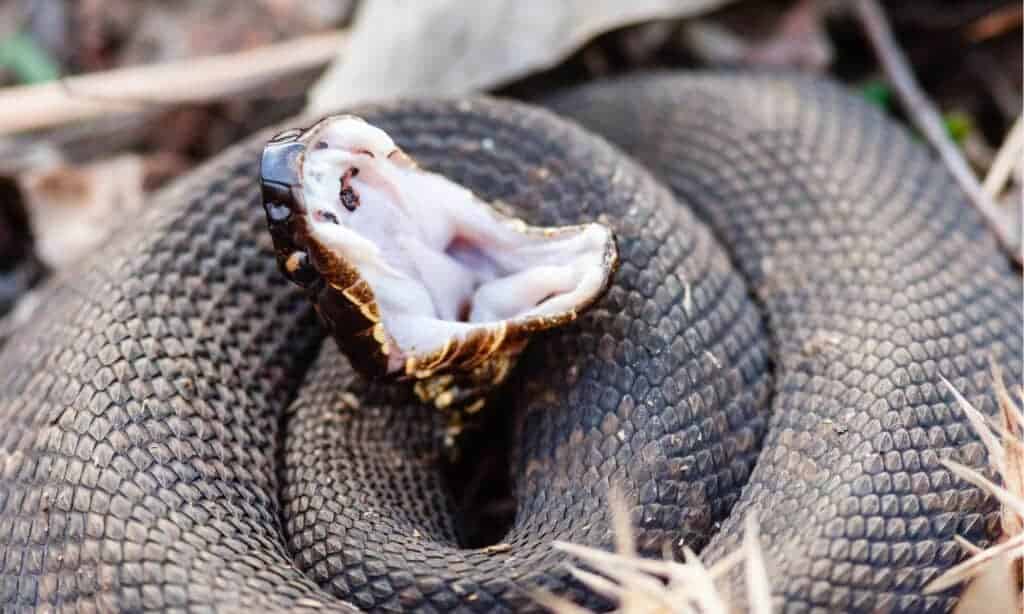
Cottonmouths are usually considered to be less venomous than most species of rattlesnake, although they are more dangerous than copperheads. As aquatic snakes, they are most often found in swampy lowland regions near or in water. Rivers, streams, swamps, and wetlands are the primary habitats for these vipers.
There are three subspecies of cottonmouth spread across the southeast:
- Florida Cottonmouth (A. p. conanti)
- Western Cottonmouth (A. p. leucostoma)
- Eastern Cottonmouth (A. p. piscivorous)
Copperheads
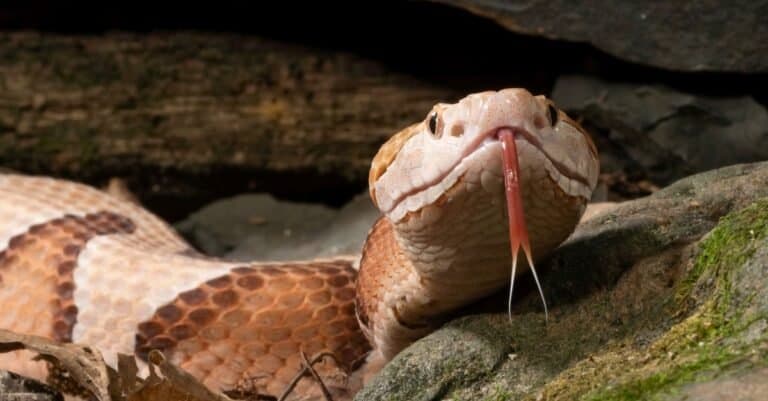
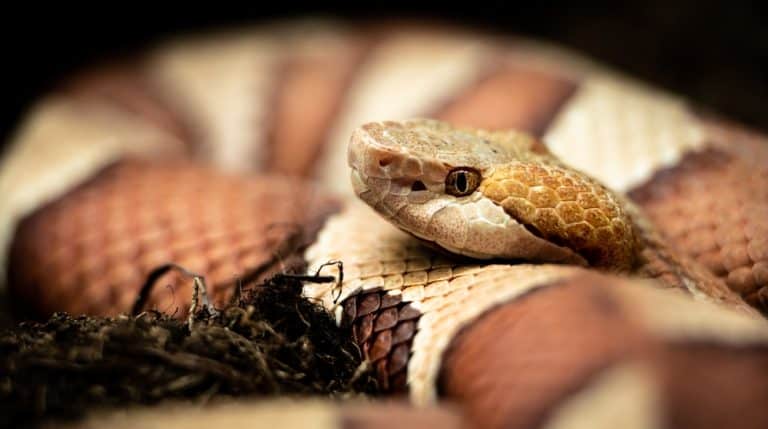
Copperheads (Agkistrodon contortrix) are the most commonly encountered venomous snakes in the southeastern United States. They get their name from their distinct copper-colored bodies and brown hourglass patterns across their backs. Other features include golden cat-like slitted eyes, distinct pits around the snout, and a triangular head.
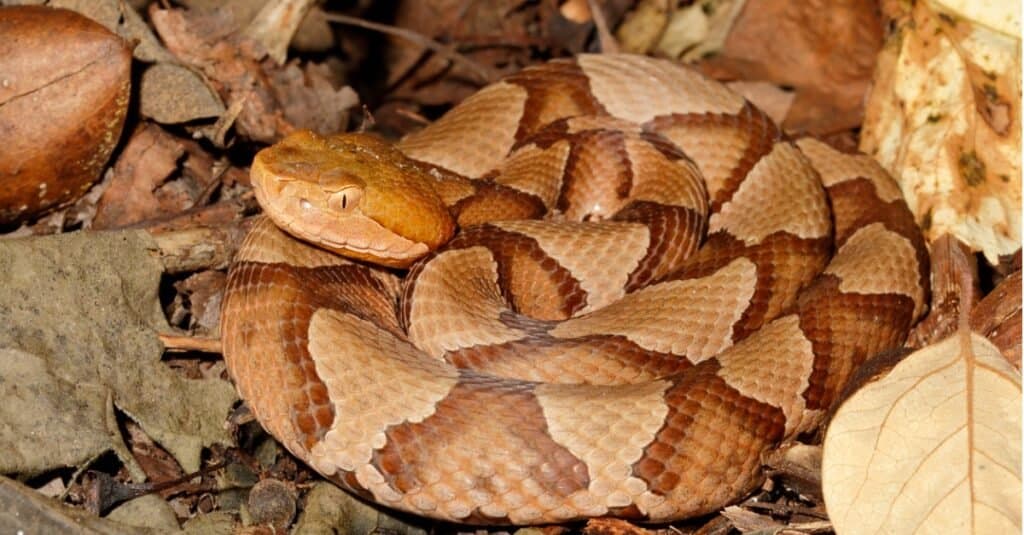
Copperheads are coppery-colored and are the least deadly of all pit viper species.
©iStock.com/David Kenny
Because copperheads rely on camouflage as their primary method of defense, they are often unseen and accidentally stepped on or touched. As a result, they make up the majority of bites in many states across the Southeast. They generally prefer wooded and forested areas where they can blend into the underground and brush.
Thankfully, copperheads are the least venomous of all pit vipers, and bites are rarely fatal.
Historically, copperheads were divided into five subspecies, but recent taxonomic groupings have reduced those five into two groups. The historic groups are still used, however, and include:
- Northern Copperhead (A. c. mokasen)
- Southern Copperhead (A. c contortrix)
- Broad Banded Copperhead (A. c laticinctus)
- Trans-Pecos Copperhead (A. c. pictigaster)
- Osage Copperhead (A. c. phaeogaster).
Presently, the Northern, Southern, and Osage copperhead subspecies are considered Eastern copperheads. Broad-banded and Trans-Pecos copperheads are now considered broad-banded copperheads.
Coral Snakes
There are two genera of coral snakes in the United States: the Arizona coral snake (Micruroides euryxanthus) found in the Southwest, and the eastern coral snake (Micrurus fulvius), which includes the Texas coral snake as a subspecies or closely related species, found in the Southeast and Texas.
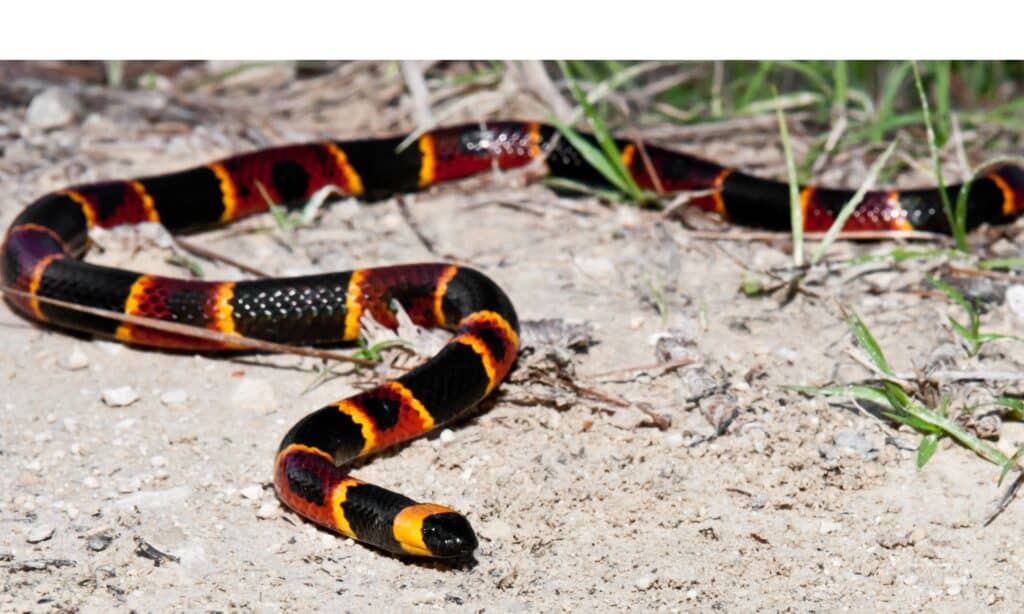
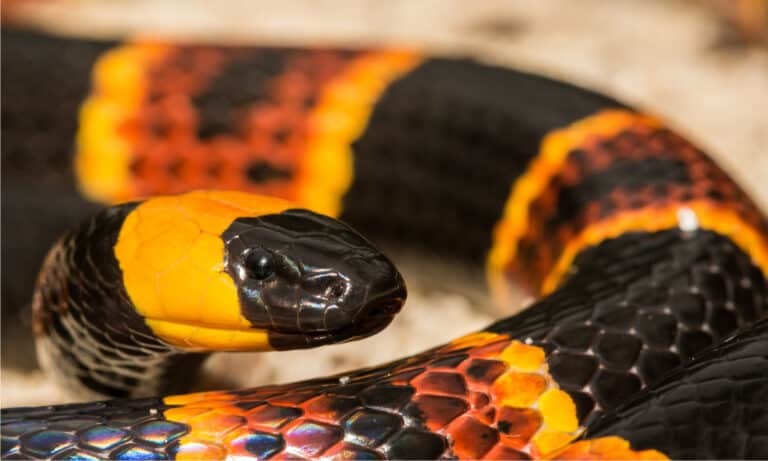
Coral snakes are brightly colored and have banding patterns of black, red, and yellow.
©iStock.com/JasonOndreicka
Coral snakes are different from all other venomous snakes in the United States as they are Elapids, meaning they are closer to cobras and sea snakes than pit vipers. There are over 65 species of coral snakes in the Americas, but only two genera are found in the United States. Coral snakes are brightly colored and have banding patterns of black, red, and yellow.
These snakes are highly venomous and have a primarily neurotoxic venom when compared to pit vipers. Despite having highly toxic venom, coral snakes have a poor venom delivery system. Additionally, they are extremely rare and spend most of their time underbrush and logs.