
Quick Take
- One animal here doesn't use its disguise to hide from prey. Instead, it actively lures them in, flipping the whole point of camouflage on its head. See the luring disguise →
- One impersonator on this list can swap between multiple completely different disguises, and the one it picks depends on exactly who's watching. See the shape-shifting mimic →
- Looks alone aren't always enough. One species here copies movement too, and that behavioral trick is what actually sells the disguise. Watch the movement mimicry →
- One of these animals is already genuinely unpleasant to eat, yet it still mimics another bad-tasting species. Explore the viceroy's strategy →
Some clever animals employ fantastic disguises, taking deception to another level by pretending to be something they’re not. They mimic a range of things, from dangerous species to harmless objects. These masters of impersonation use their disguises to avoid predators, catch prey, or blend seamlessly into their surroundings. In many cases, their survival depends on the ability of these disguises to adequately fool those around them. Here are eight of nature’s most impressive impersonators.
1. Viceroy Butterfly
©Sari ONeal/Shutterstock.com
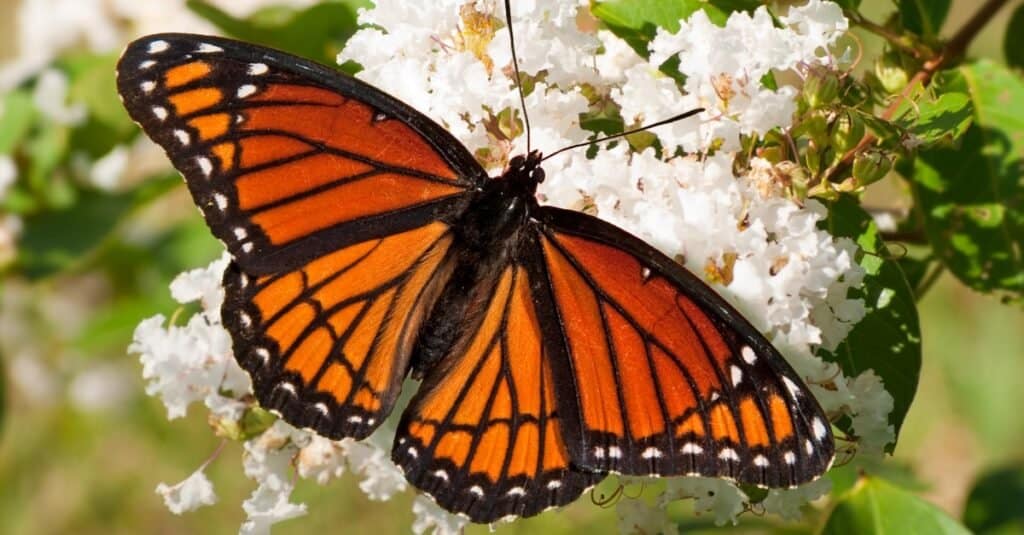
At first glance, the viceroy butterfly looks almost identical to the monarch butterfly. Because monarchs have an unpleasant taste, predators have learned to avoid them. And because the two butterflies are difficult to distinguish, many predators also steer clear of viceroys. Although scientists now know viceroys are also distasteful, their close resemblance to a common foul-tasting butterfly still gives them an extra layer of protection. This butterfly is one of nature’s best-known examples of mimicry.
2. Orchid Mantis
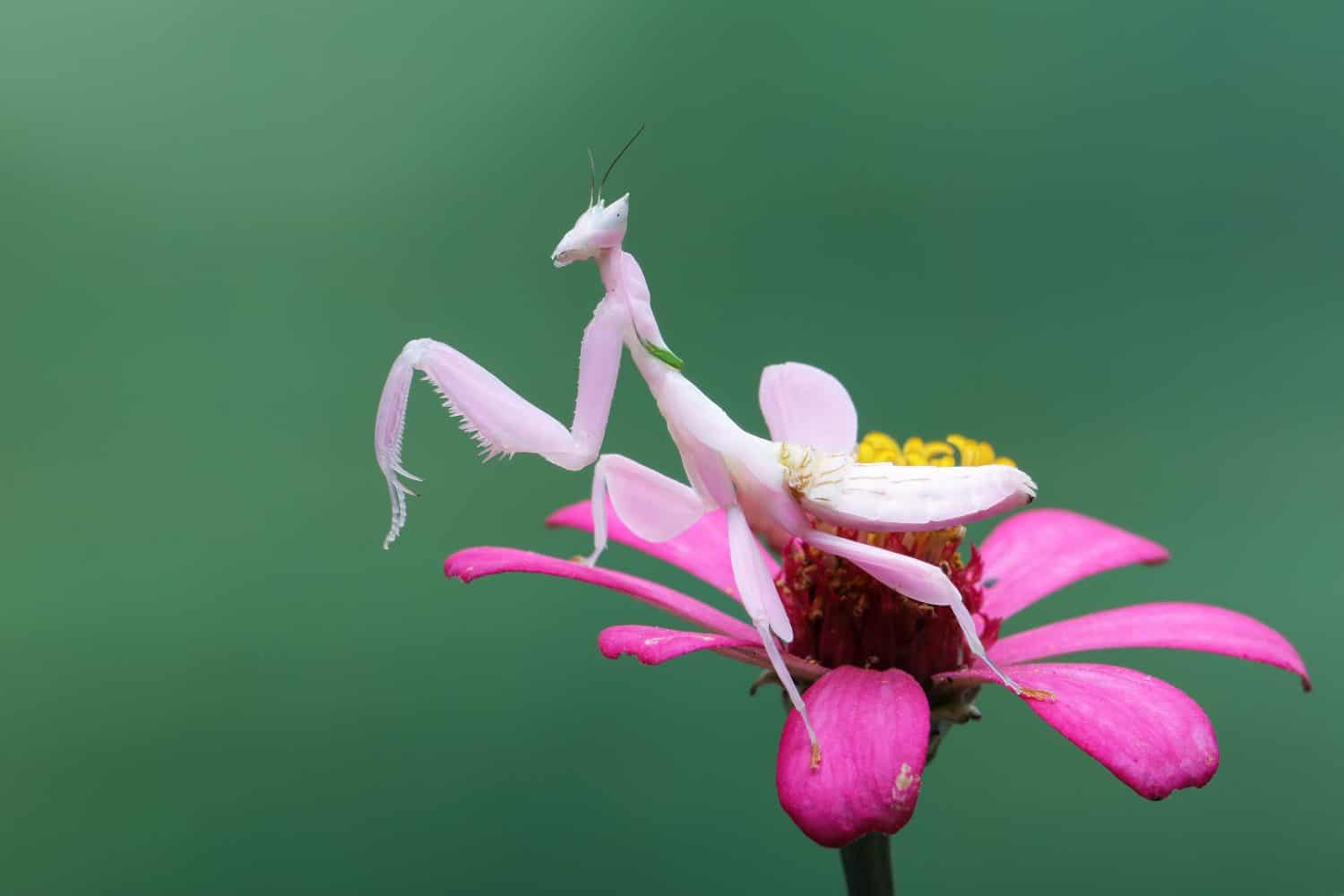
©monster_code/Shutterstock.com
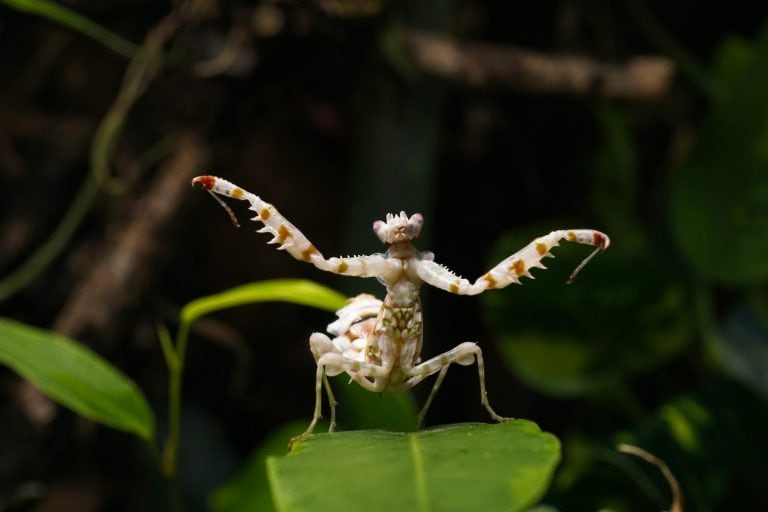
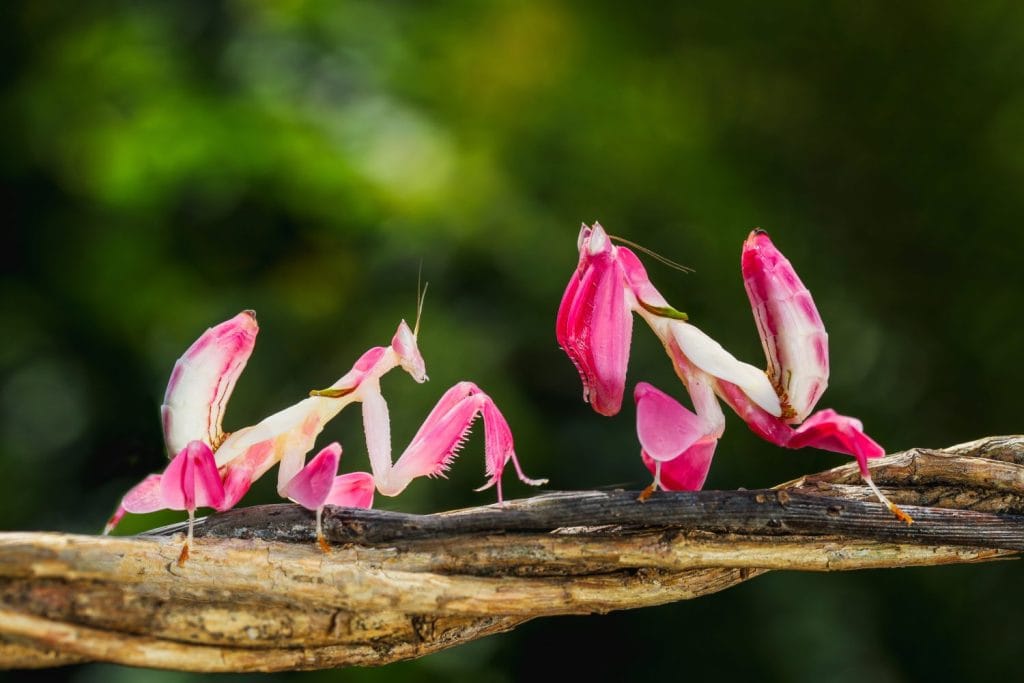
The orchid mantis looks like the pink-and-white petals of a tropical flower. Instead of hiding from prey, it uses its disguise to actively attract pollinating insects. Insects hover close by mistaking it for a real blossom. Once an unsuspecting bee lands nearby, the mantis strikes fast. Its disguise also works as camouflage when predators are around.
3. Scarlet Kingsnake
©Jay Ondreicka/Shutterstock.com
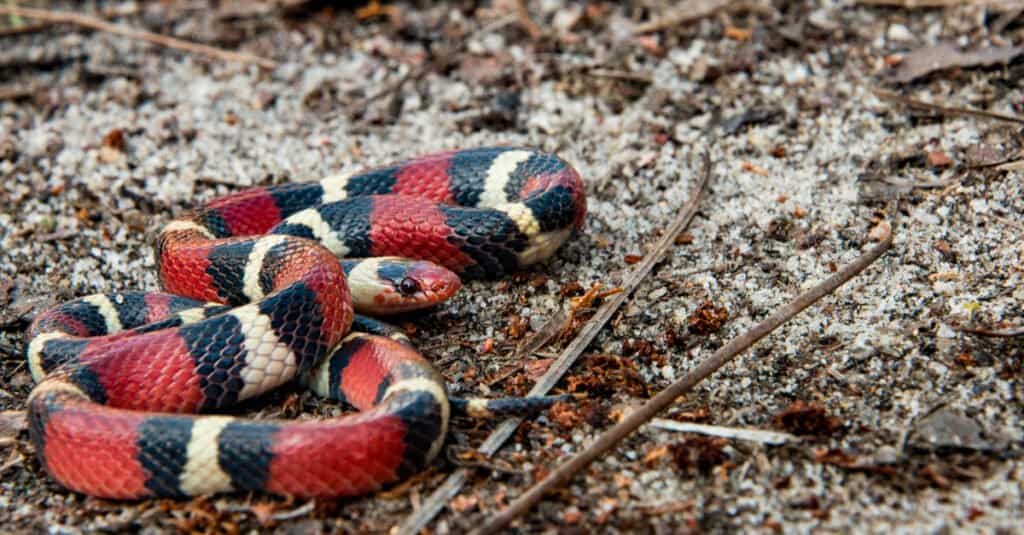
The scarlet kingsnake features bold bands of red, black, and yellow that look an awful lot like the highly venomous coral snake. Many predators avoid it rather than chance making a deadly mistake. This is a classic example of defensive mimicry. It has helped the harmless kingsnake avoid predators, leading to abundant numbers across the southeastern United States. Interestingly, sometimes looking dangerous is almost as effective as actually being dangerous.
4. Leaf-Tailed Gecko
©iStock.com/dr322
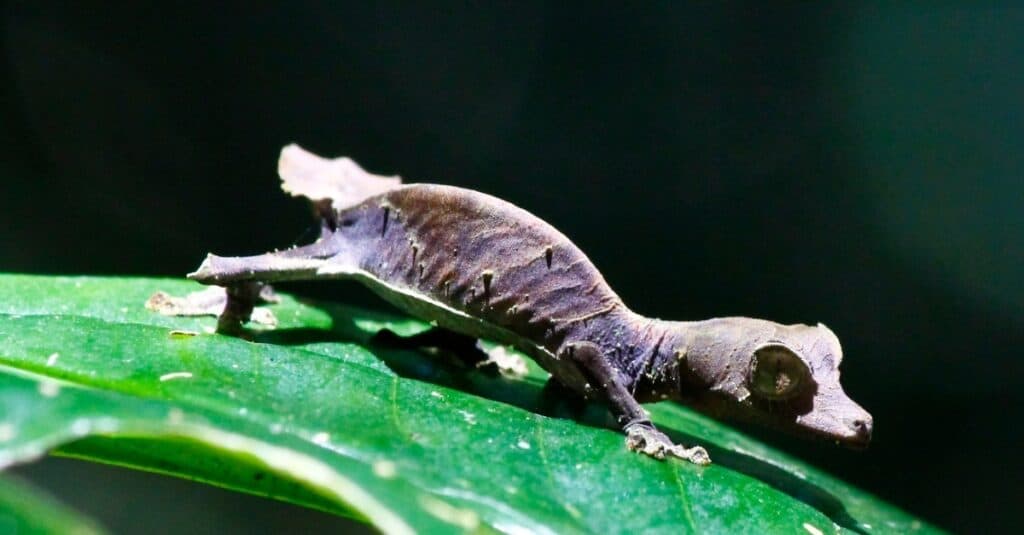
Leaf-tailed geckos are so well camouflaged that they can disappear against tree bark or fallen leaves. Their flattened tails are designed to resemble dead leaves, with ragged edges and natural-looking imperfections. During the day, they stay perfectly still, making the illusion extra convincing. Locating one while in the wild is nearly impossible.
5. Ant-Mimicking Jumping Spider
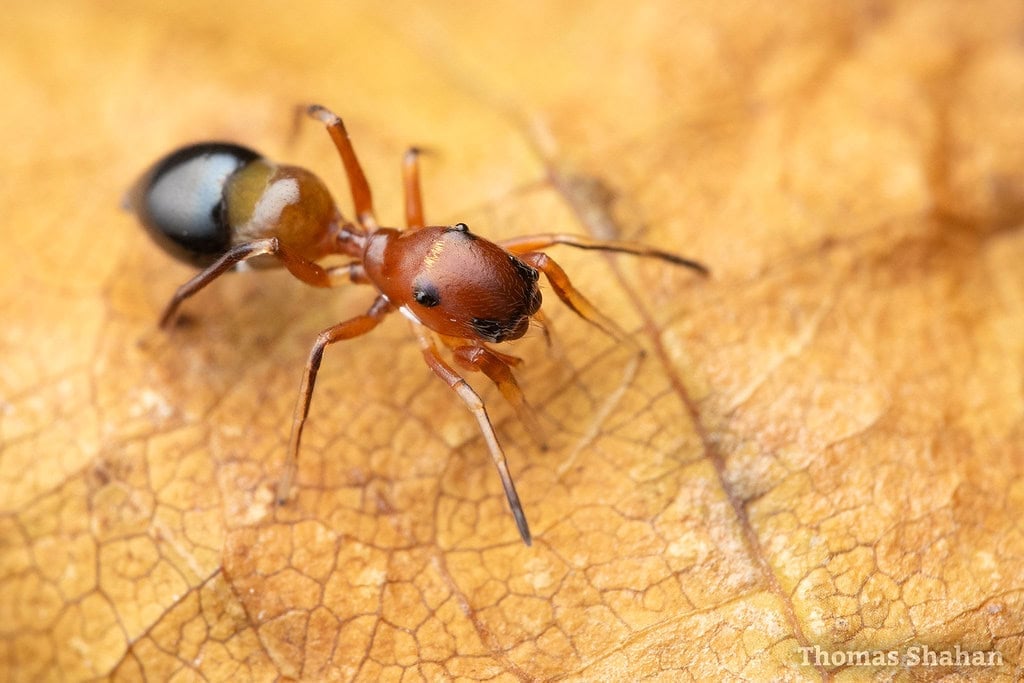
©"Peckhamia sp – Ant Mimicking Jumping Spider" by Thomas Shahan 3 is licensed under BY 2.0. – Original / License
These tiny spiders don’t just resemble ants; they move like them too. They wave their front legs to imitate antennae and walk with the jerky movements characteristic of ants. Because many predators stay away from aggressive or bad-tasting ants, the spiders have an advantage by copying them. It’s an impressive performance.
6. Stick Insect
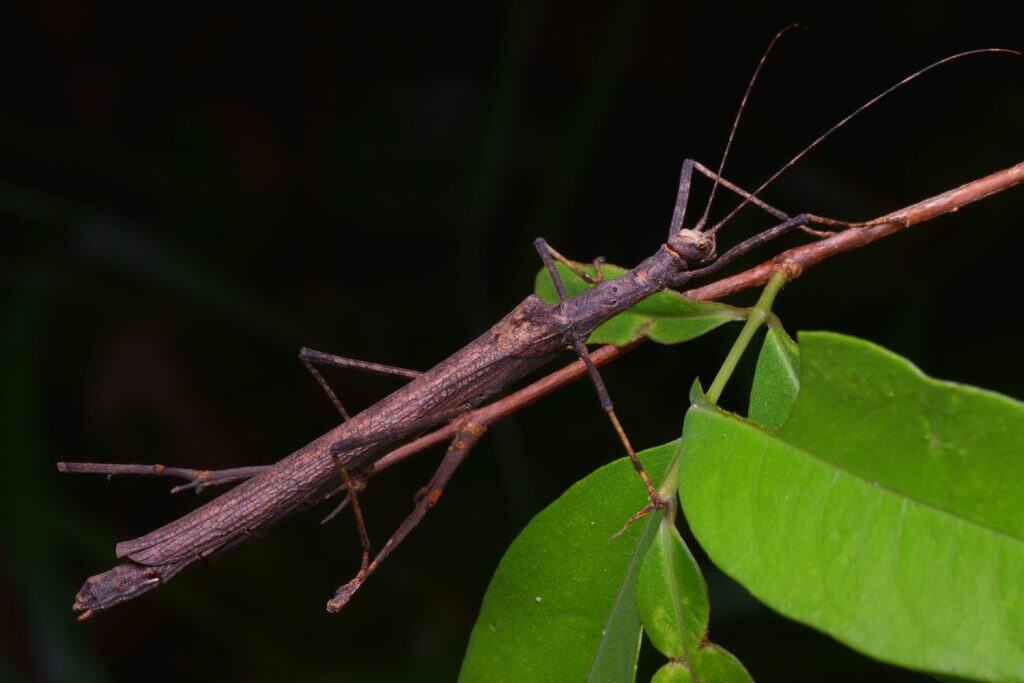
©SIMON SHIM/Shutterstock.com
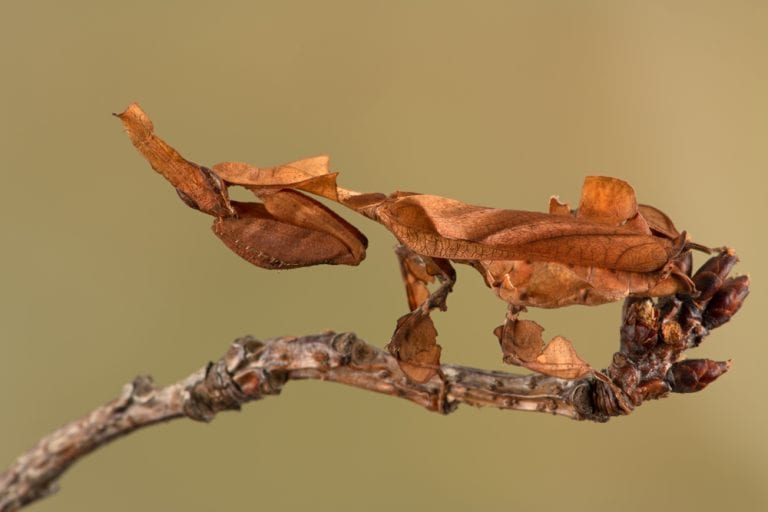
Stick insects have nailed the art of looking like twigs. Their long, thin bodies match the color and texture of real branches. To make the effect even more genuine, many gently sway back and forth to mimic movement in the breeze. Even experienced observers can overlook them. The disguise works so well that predators don’t even know they’re there.
7. Mockingbird
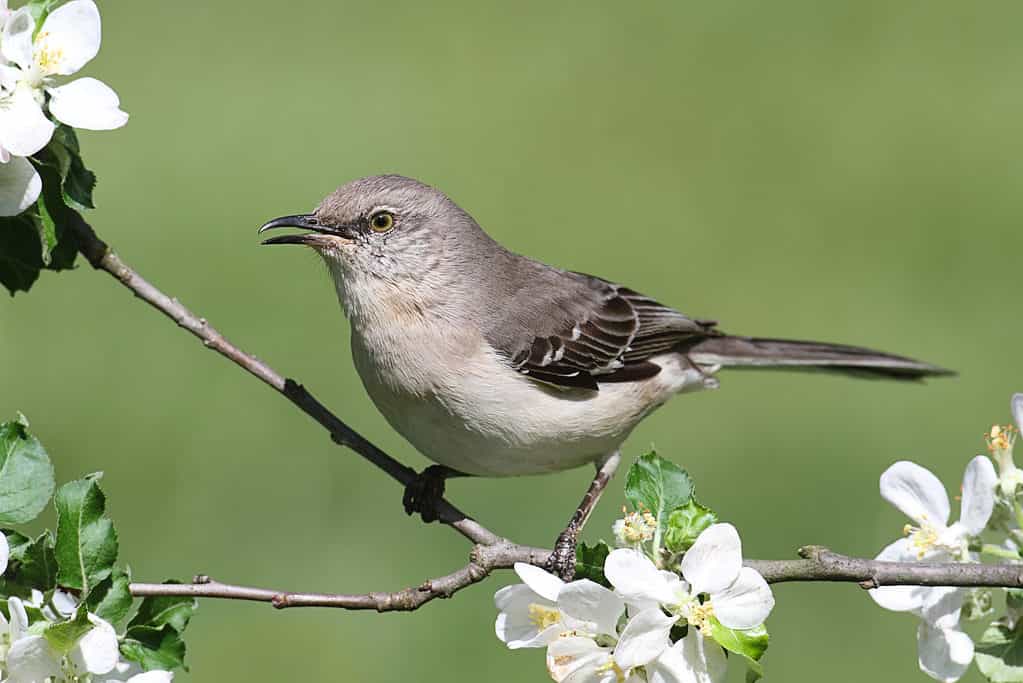
©Steve Byland/Shutterstock.com
Not all impersonators rely on looks. Northern mockingbirds can imitate the songs of dozens of other bird species, along with other animals like frogs and insects. They are even skilled at imitating car alarms. Males may sing hundreds of different sounds all in the space of a single day. Their incredible vocal abilities make them some of the most talented mimics, not just in the bird world, but within the entire animal kingdom.
8. Mimic Octopus
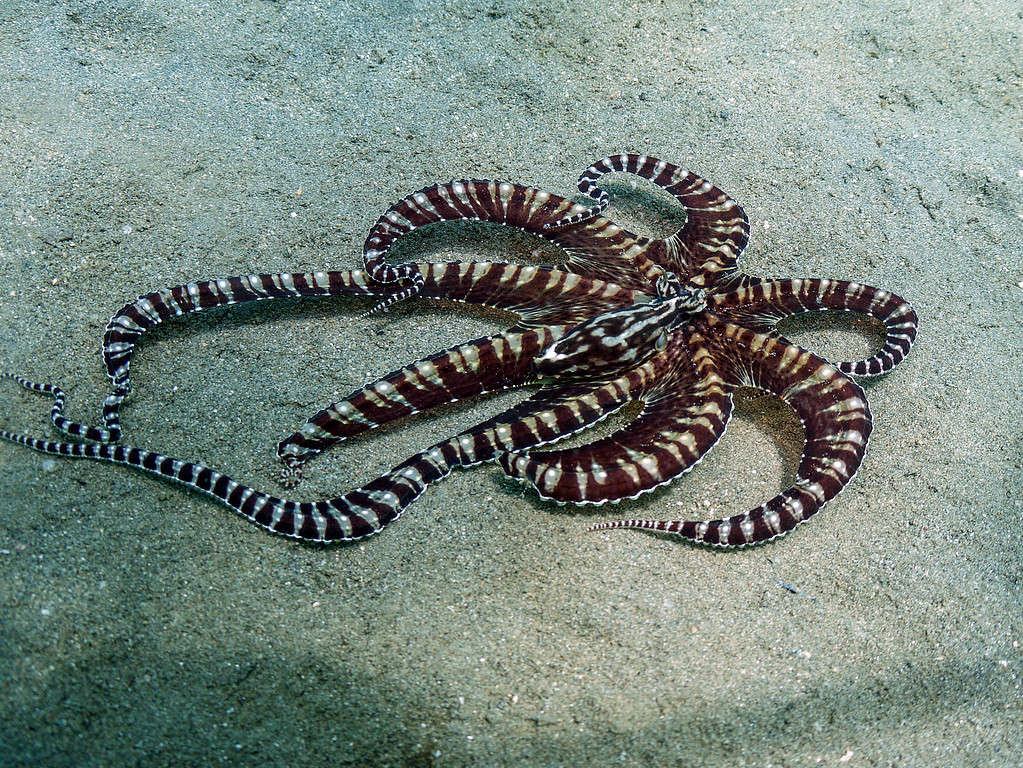
©Jenhung Huang/iStock via Getty Images
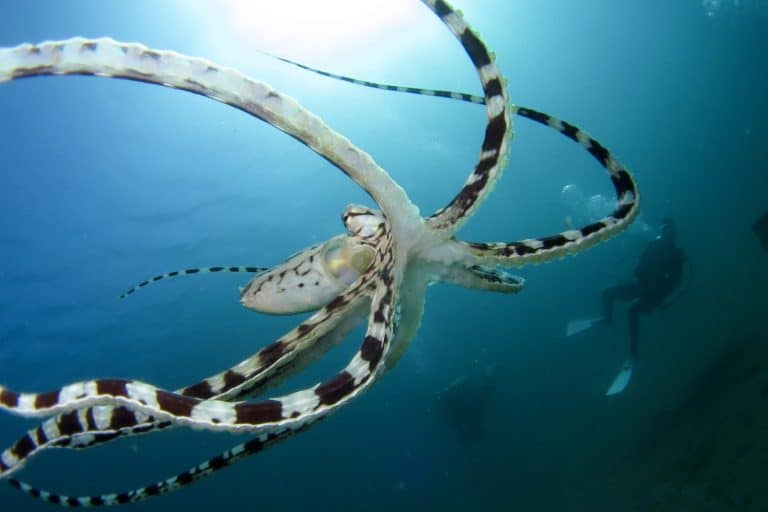
The mimic octopus is one of the most skilled impersonators known to man. It can change both its color and body shape to resemble venomous sea snakes, lionfish, flatfish, and several other marine animals. It does not choose disguises randomly. Its form and coloration depend on the predator it’s trying to fool at the time. This might be the only animal on Earth that can convincingly play so many different roles.