
Quick Take
- Reaching a population of 12,000 qualifies Lake Erie as a critical density zone.
- The Texas coral snake presence in Texoma creates a localized hazard absent on the Oklahoma side.
- It is counter-intuitive that North Florida holds exclusive territory for timber rattlesnakes.
- Recording the species count in Texas was mandatory to establish its national rank.
Snakes inhabit nearly every corner of the United States, from arid deserts to lush forests. As of 2026, there are approximately 10 to 12 species of “water snakes” (genus Nerodia) in the U.S., though the broader category of semi-aquatic snakes includes over 15 species.

A common relief for swimmers is that there is only one truly “deadly” semi-aquatic snake in the country: the Cottonmouth (also known as the water moccasin). While other water snakes may bite if provoked, they lack the medically significant venom of the cottonmouth. Below is an updated guide to the most snake-active lakes in the U.S. for 2026.
1. Lake Sweetwater, Texas
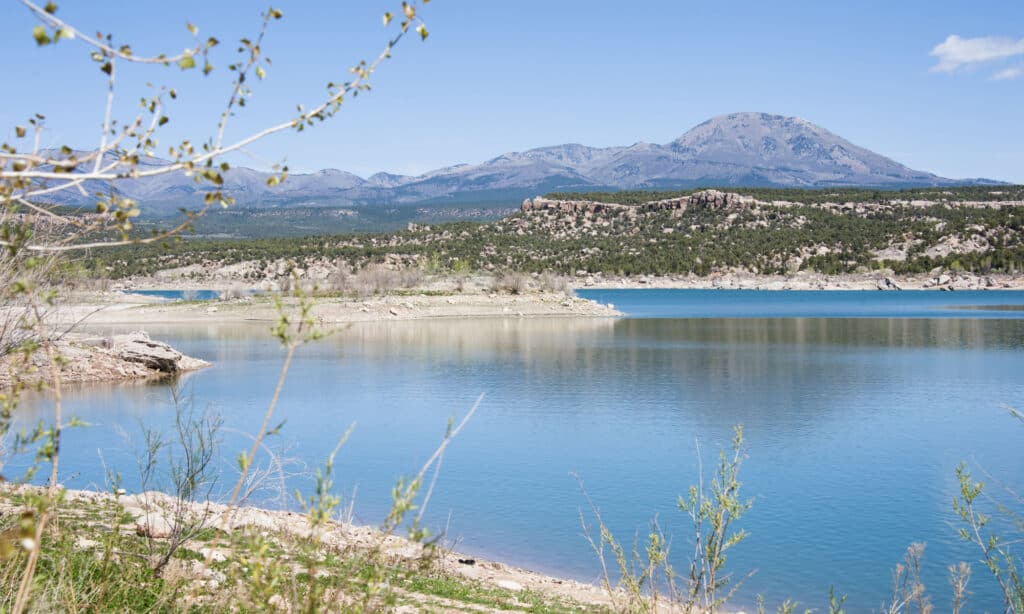
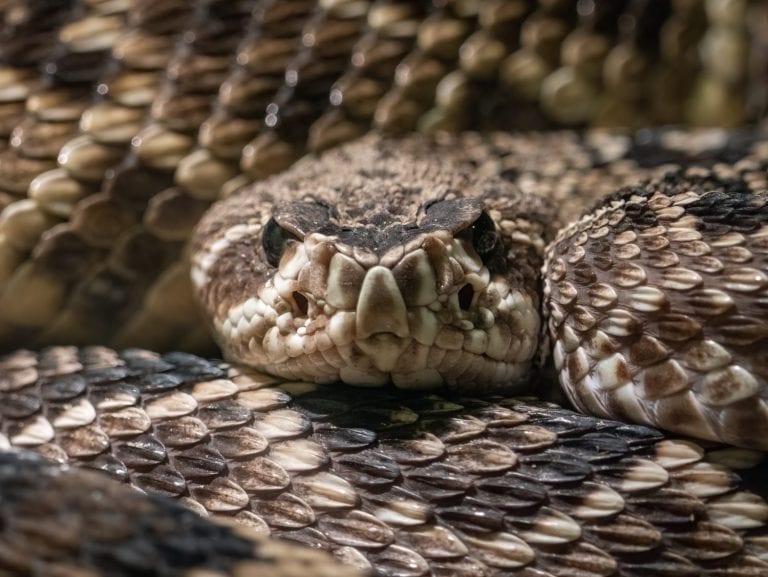
Texas has the highest number of species of snakes.
©Michael R Ross/Shutterstock.com
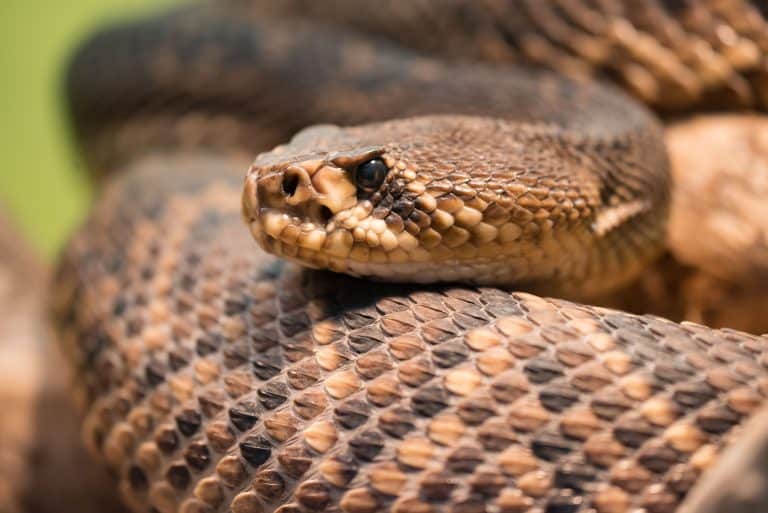
Texas continues to host the highest number of snake species in the U.S. Lake Sweetwater is world-renowned for its high concentration of Western Diamondback Rattlesnakes.
- The Roundup: The “World’s Largest Rattlesnake Roundup” remains a massive event. In the March 2025 event, hunters brought in a record-breaking 24,262 pounds of rattlesnakes. The 2026 event is scheduled for March 13-15, 2026.
- Economic Impact: The event now infuses over $8.5 million into the local economy annually. While controversial among conservationists, it remains a pillar of local culture.
2. Lake Erie , Ohio/Michigan

Lake Erie water snake population is now estimated to be at 12,000+.
©iStock.com/becky johnson
The Lake Erie Water Snake (Nerodia sipedon insularum) is a conservation success story.
- Population: Since being delisted from the Federal Endangered Species List in 2011, the population has stabilized and grown to an estimated 12,000+ adults.
- Habitat: These snakes are native to the islands of Lake Erie (like Put-in-Bay). They are non-venomous and primarily eat the invasive round goby fish, making them an essential part of the modern ecosystem.
3. Lake Okeechobee, Florida

The Burmese pythons have steadily made their way north in Florida.
©Allison Michael/Shutterstock.com
South Florida is home to 34 native snake species, but the headlines in 2026 belong to the invasive Burmese Python.
- Python Range: Once confined to the deep Everglades, pythons have steadily moved north. Wildlife officials confirmed they are now well-established around the shores of Lake Okeechobee.
- Control Efforts: Florida’s “Python Challenge” and year-round removal programs have removed over 23,000 pythons since tracking began, yet the population remains a significant threat to native deer and wading birds.
4. Lake Texoma, Texas/Oklahoma
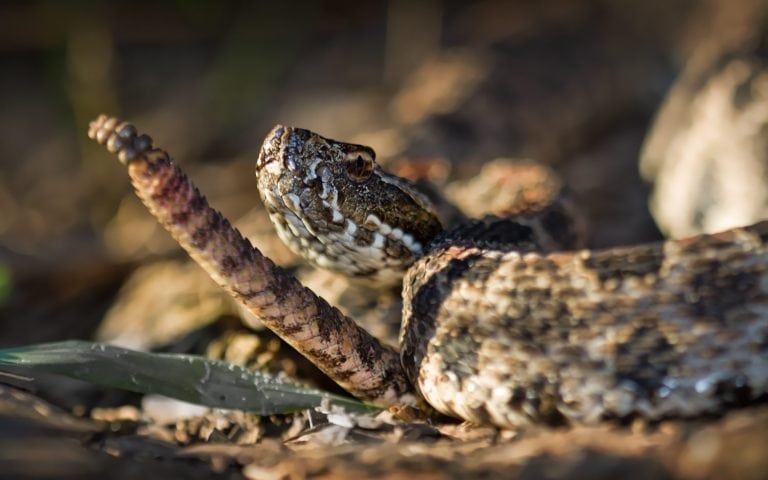
The Texas coral snake occurs in Texoma, but not on the Oklahoma side.
©iStock.com/asiantiger247
Lake Texoma sits on the border and hosts a wide variety of venomous species.
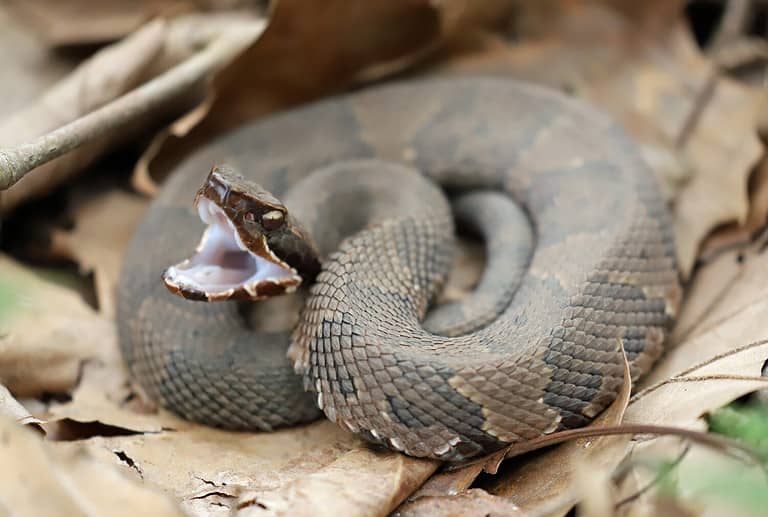
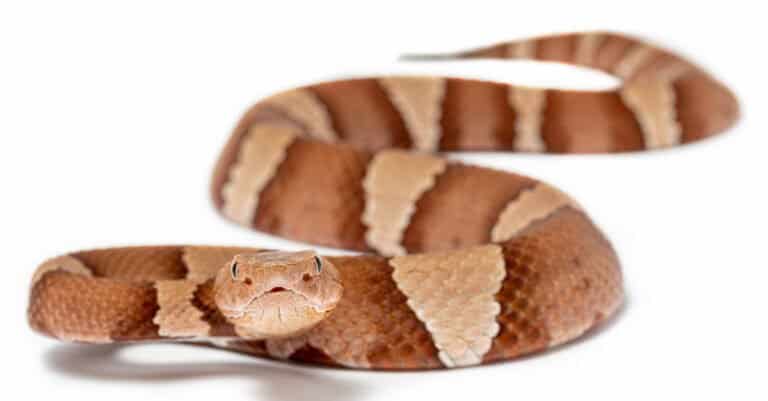
- Common Sightings: You will frequently find Cottonmouths, Copperheads, and at least three species of rattlesnakes here.
- The Coral Snake: The Texas Coral Snake does inhabit the Texas side of the lake. However, they are fossorial (burrowing) and extremely shy; a sighting in 2026 remains a rare “bucket list” item for local herpetologists.
5. Lake Gaston, Virg inia/North Carolina
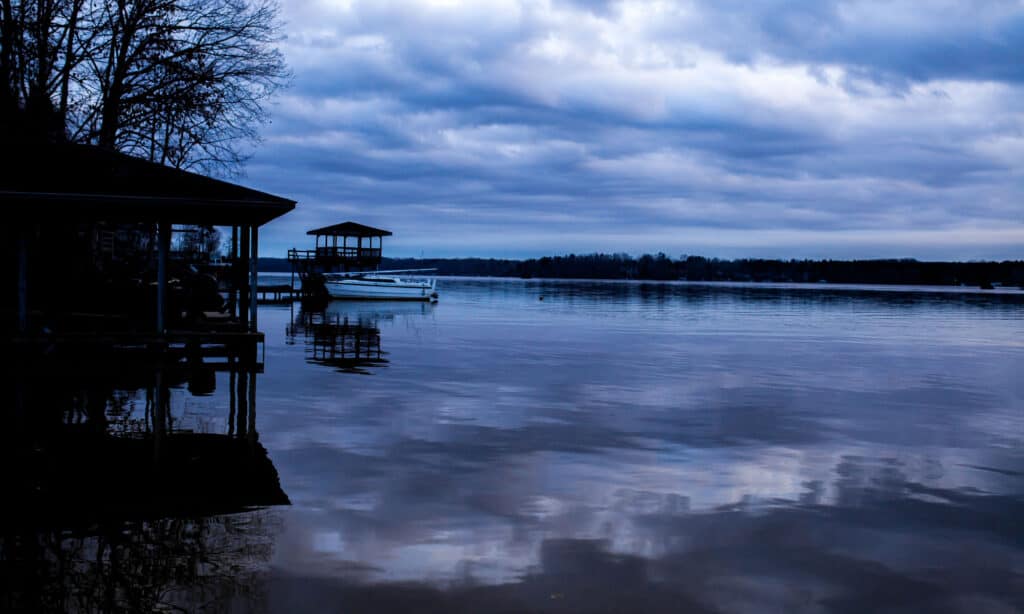
The cottonmouth and copperhead are the most active snakes in or around Lake Gaston.
©EnterTheLight/Shutterstock.com
Located on the border of VA and NC, Lake Gaston is a prime habitat for semi-aquatic snakes.
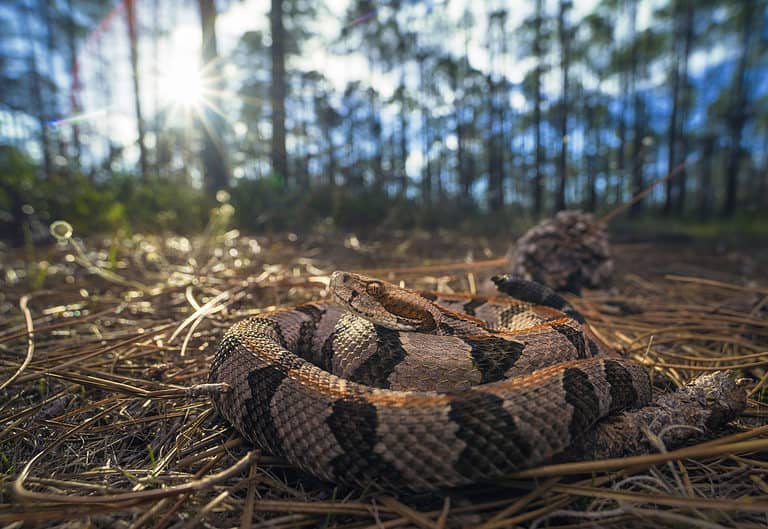
- Species Update: While Copperheads and Cottonmouths are the most active venomous snakes near the water, sightings of the Timber Rattlesnake (also called the Canebrake) are reported in the wooded areas surrounding the lake.
- Non-Venomous Residents: The most common snake swimmers actually encounter is the Northern Water Snake, which is harmless but often mistaken for a cottonmouth.
6. Lake Hartwell, Georgia/love South Carolina
According to the U.S. Army Corps of Engineers, Lake Hartwell is home to at least 28 species of snakes.
- Copperheads: The Eastern Copperhead is the most common venomous snake in the area, often found in the leaf litter near the shoreline.
- The Cottonmouth Myth: Despite local legends, the U.S. Army Corps of Engineers notes that Cottonmouths are generally not found in Lake Hartwell, as it is north of their natural range in this region. Most “moccasin” sightings are actually harmless Northern Water Snakes.
- Alligators: Contrary to social media hoaxes, there are still no established alligator populations in Lake Hartwell; the water remains too cold for them to thrive year-round.
7. Collinsville Lake, Oklahoma
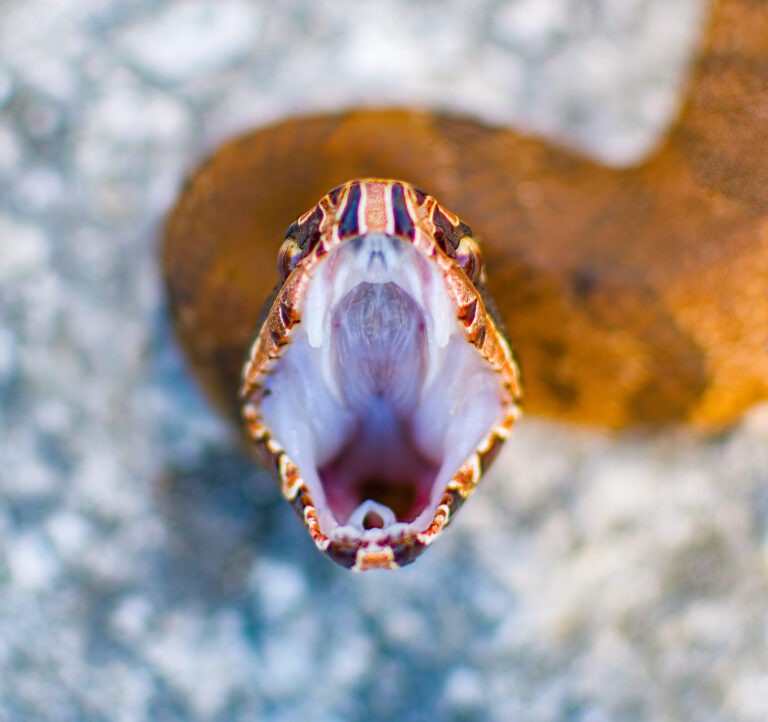
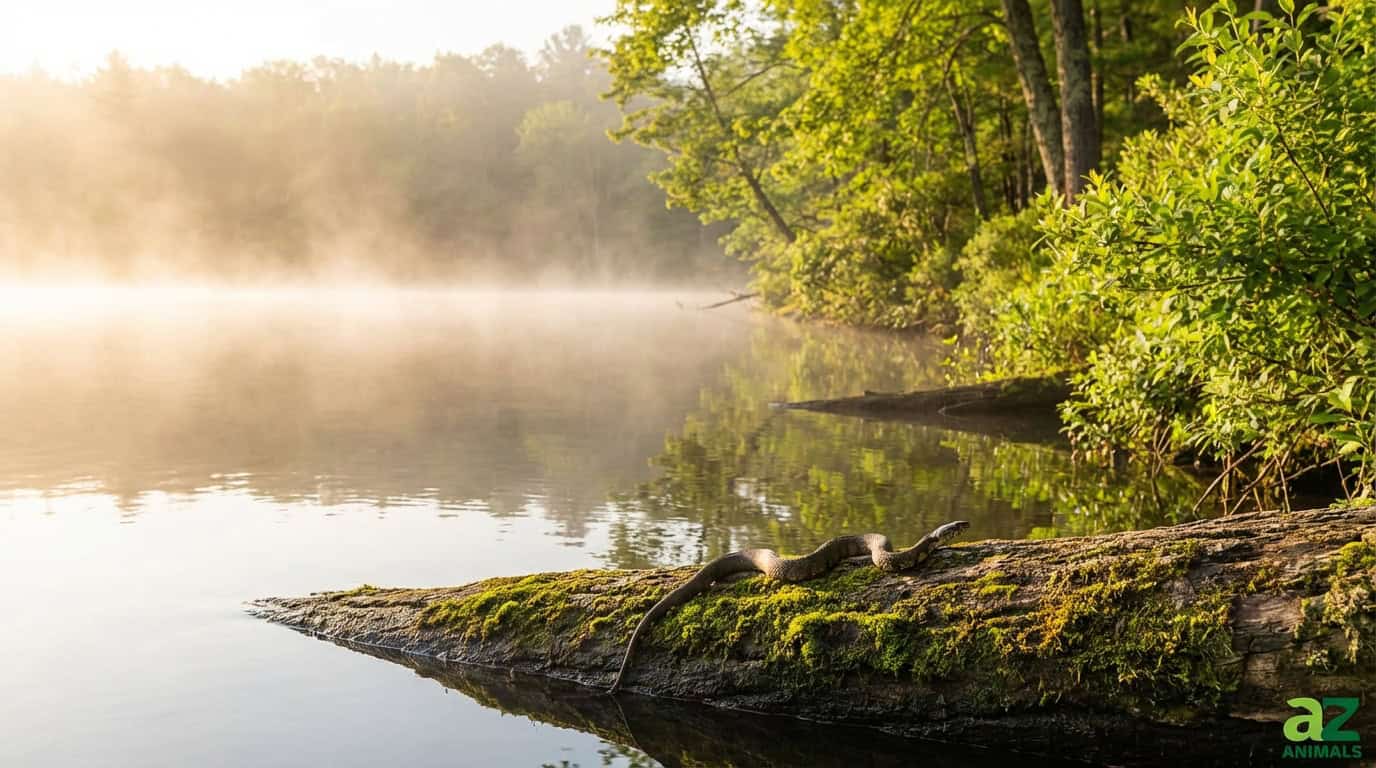
This lake is a hotspot in the eastern third of Oklahoma, where Cottonmouths are most prevalent.
- Behaviors: These snakes are frequently seen “basking” on logs. In 2026, visitors are reminded that while they have heat-sensing pits to track prey, they are not naturally aggressive toward humans and will usually retreat if given space.
Honorable Mentions
Lake Tahoe, California/Nevada
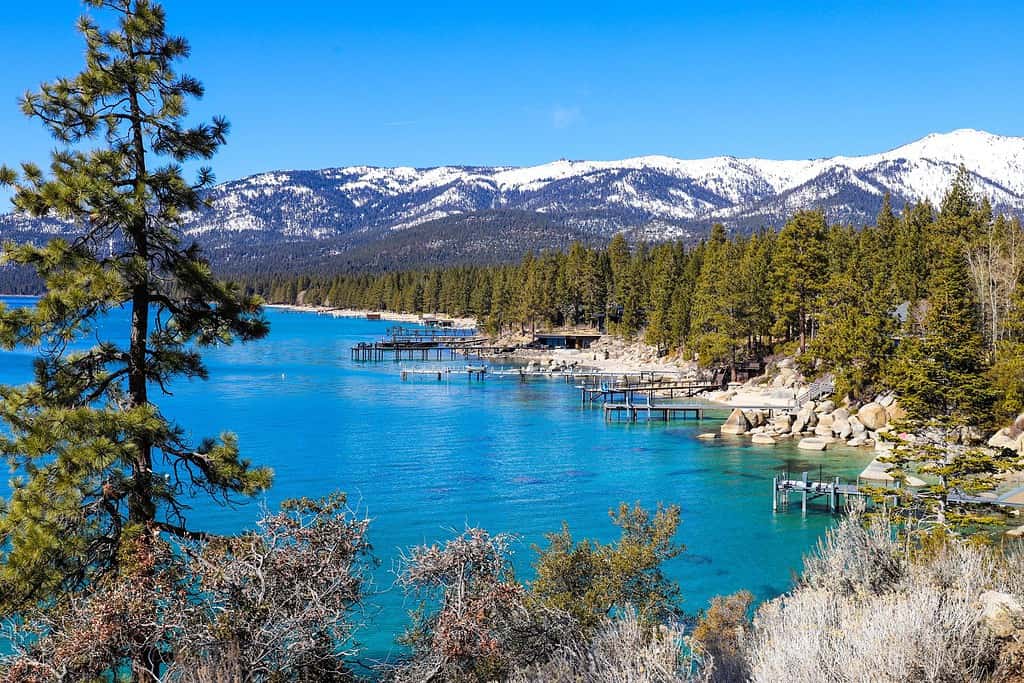
©Marcus E Jones/Shutterstock.com
- The “Water Snake” Correction: Strictly speaking, there are no native “water snakes” (genus Nerodia) in Lake Tahoe. The snakes seen swimming are Garter Snakes, which are excellent swimmers and harmless to humans.
- Rattlesnakes: Due to warming trends, Western Rattlesnakes are being spotted at higher elevations in the Tahoe Basin more frequently in 2026 than in previous decades.
Lake Martin, Alabama
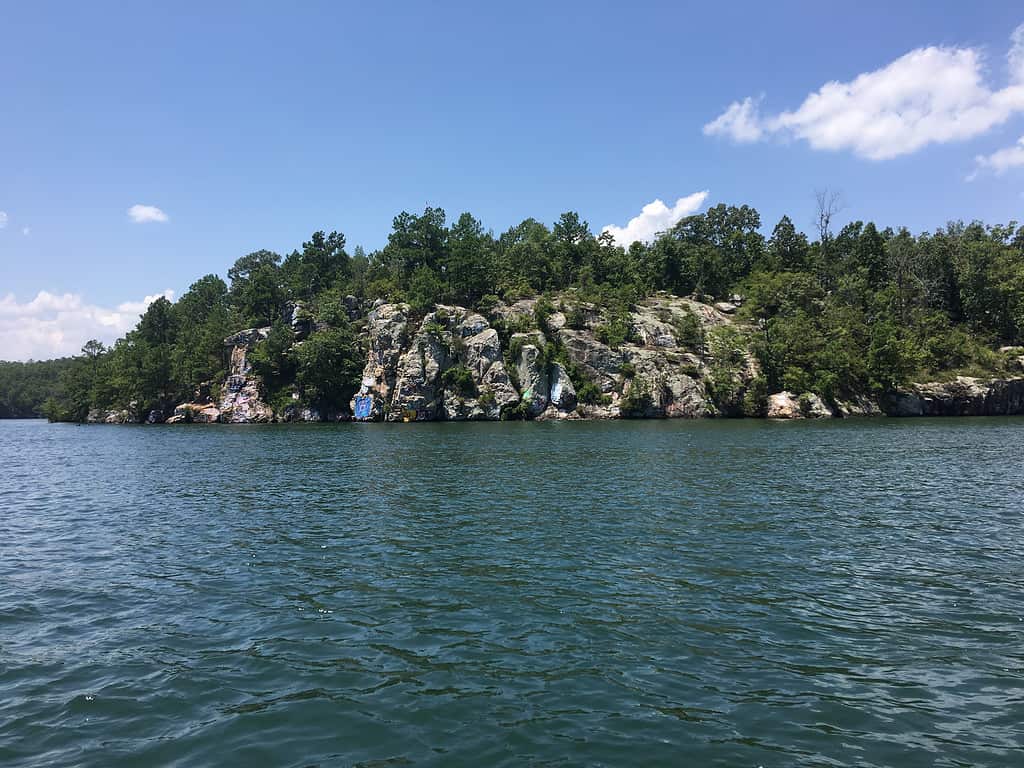
Lake Martin, a popular southern destination for lake-lovers, is home to the cottonmouth.
©Inch And A Yard/Shutterstock.com
- High Density: This 40,000-acre reservoir is a classic habitat for the Cottonmouth. In the Deep South, Lake Martin remains one of the most snake-dense recreational lakes, though it remains a popular destination for boating and swimming.