
Quick Take
- New sampling techniques allow researchers to better monitor pathogens in whale populations.
- They used humpback whales and sperm whales as indicator species.
- Samples showed that 4 percent of the samples collected from wild whales in northern Norway contained cetacean morbillivirus.
- Cetacean morbillivirus can occur in outbreaks and leaves the sufferer with a suppressed immune system.
Thanks to a new sampling technique, scientists can now monitor whale health in a non-invasive way. While this development is obviously exciting, it has also revealed a worrying presence in Arctic waters. A deadly virus has been identified in respiratory samples from wild whales in northern Norway. Here‘s what the discovery means for Arctic wildlife.
Sampling Whale Snot
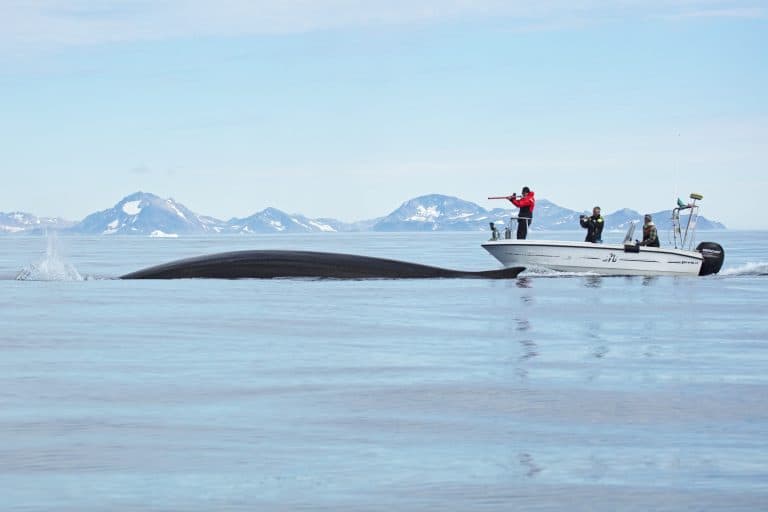
It’s not easy to collect data on which pathogens are living in free-living large whales in the Northeast (NE) Atlantic, particularly in the Arctic and sub-Arctic regions. However, snot has turned out to be a very useful substance in this area of research. Scientists developed a technique using a drone and a petri dish that enabled them to collect spray from a whale’s blowhole. Because the drone remains more than 100 feet away from the whale, the collection does not cause the animal any distress.
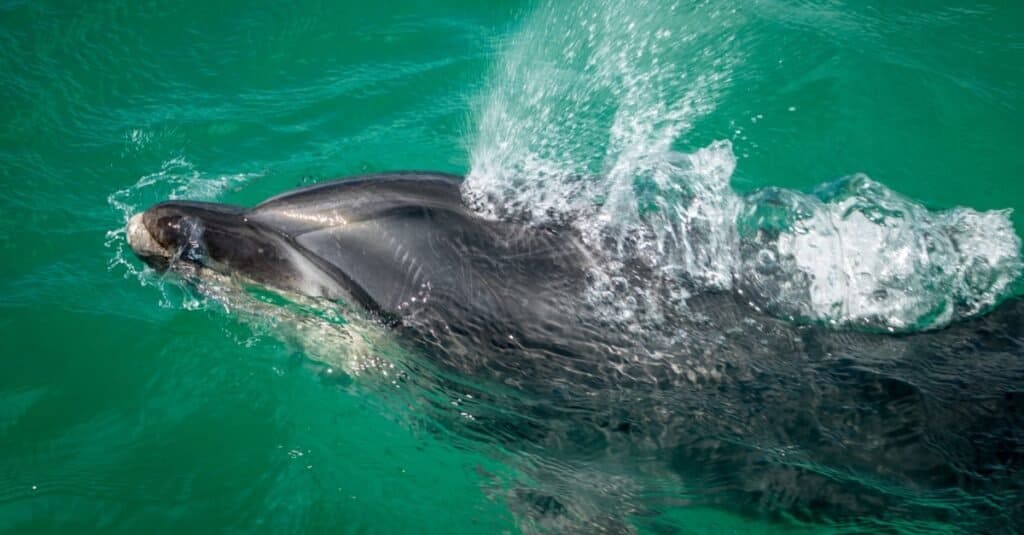
The snot coming out of blowholes provides vital information.
©JoshuaDaniel/Shutterstock.com
Before this technique was perfected, researchers relied on taking samples from dead animals, but this approach is limited by several issues, including carcass decomposition.
Pathogens in Arctic Waters
It’s not possible to obtain data on all pathogens in all cetaceans (whales, dolphins, and porpoises). Therefore, scientists are aiming to first identify key pathogens and indicator species. Key pathogens include the cetacean morbillivirus, herpesvirus, Brucella spp., and Avian Influenza Virus (AIV). All these pathogens have been associated with severe disease and death, and mostly affect the respiratory (breathing) and neurological (brain and nerves) systems.
Cetacean morbillivirus can occur in outbreaks and leaves sufferers with suppressed immune systems. This means that even the animals that survive it are vulnerable to getting a secondary infection with another pathogen. Herpesvirus is an opportunistic pathogen. Highly Pathogenic Avian Influenza Virus (HPAIV) has caused the deaths of many birds but is also now found increasingly in marine mammals. Finally, Brucella spp. causes respiratory and neurological disease and can lead to problems with reproduction.
Which Whales Were Sampled?
The Arctic waters are home to many different marine mammal species, so the scientists had to decide which would make the best ‘indicator species.’ These are species that reflect the state of a particular habitat or ecosystem.
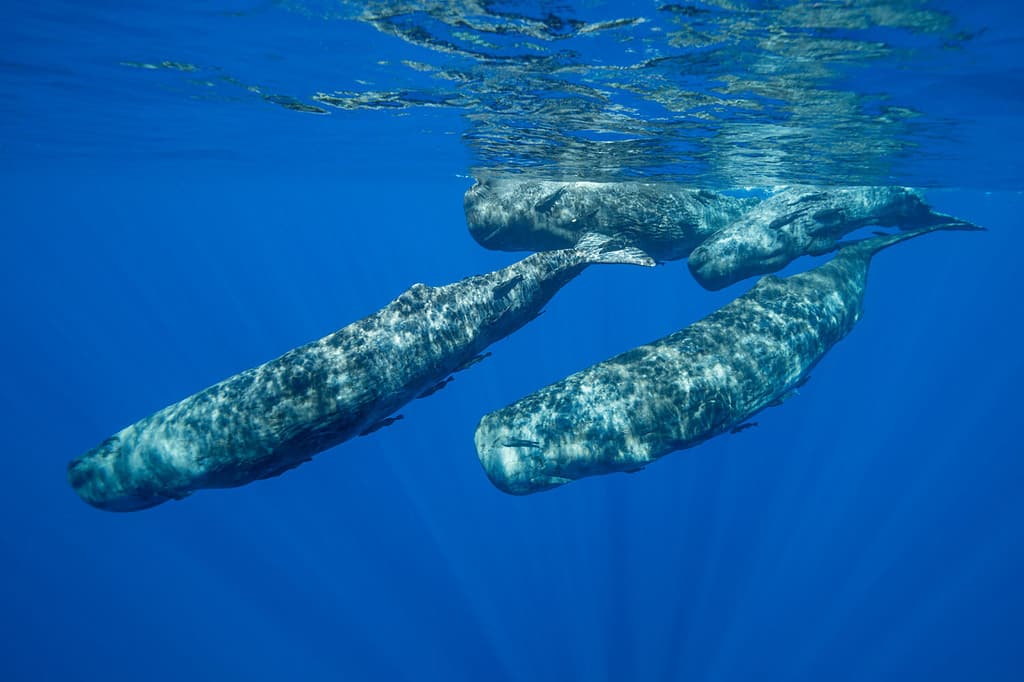
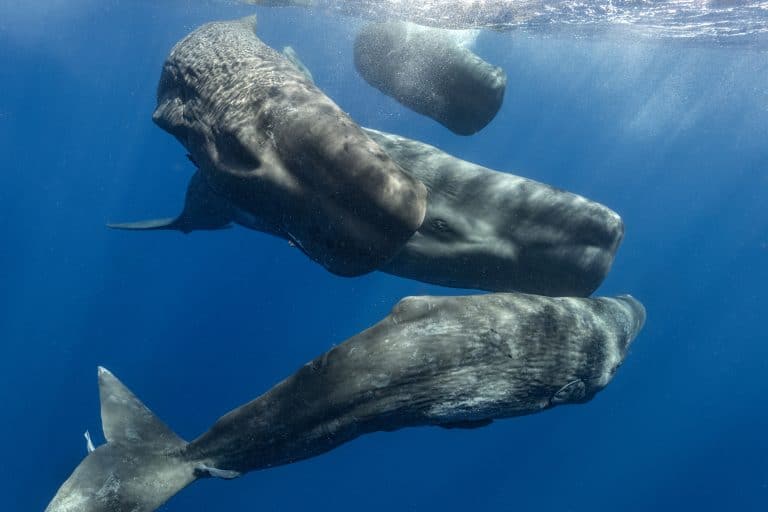
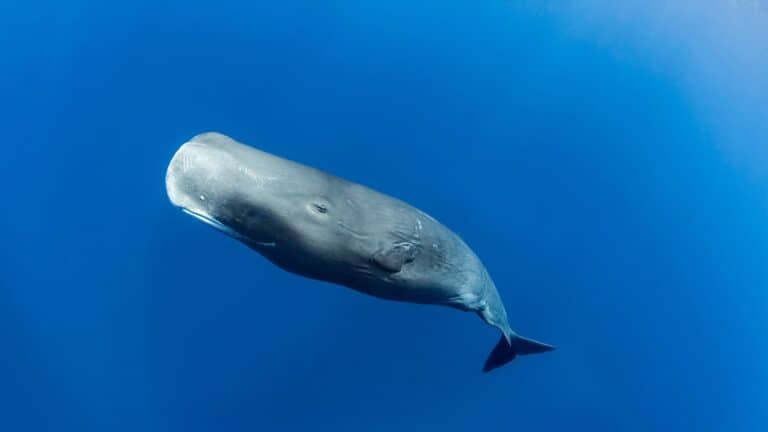
Sperm whales were sampled for pathogens.
©wildestanimal/Shutterstock.com
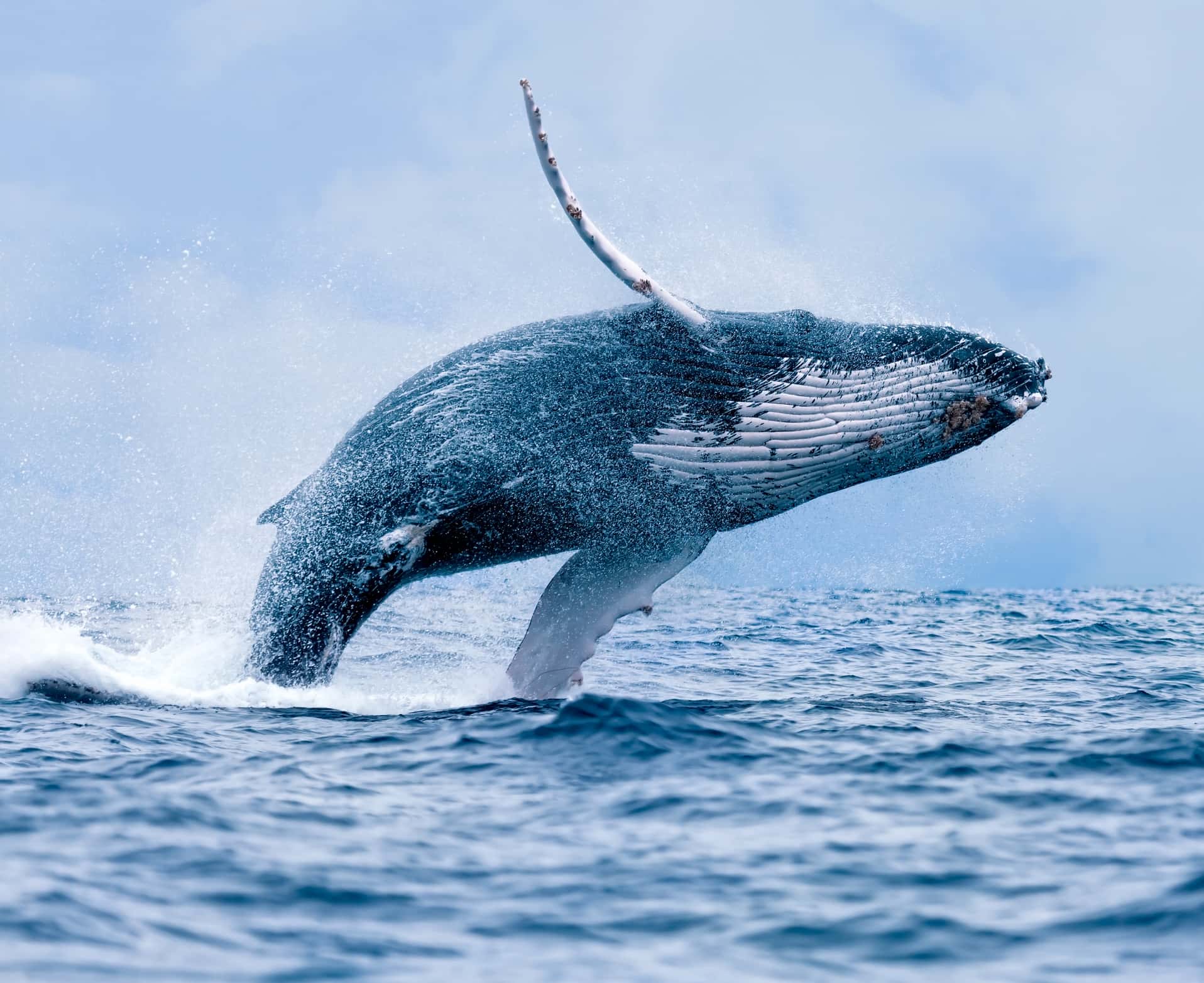
The humpback whale (Megaptera novaeangliae) was a good candidate because they follow predictable migratory routes. They also have regular feeding stopovers in northern Norway. Sperm whale (Physeter macrocephalus) females are found all year in low-latitude breeding grounds. The males migrate between these breeding areas and high-latitude feeding grounds.
Therefore, these two species are relatively easy to locate. What’s more, they both gather for feeding events, which means that they mix with other cetacean species, seabirds, and even humans. This provides an opportunity for pathogens to be transmitted and creates a natural setting for scientists to study how these pathogens spread. For example, morbillivirus, herpesvirus, and Brucella spp. can be passed between cetaceans, and AIV is passed between cetaceans and birds.
In this particular study, the researchers also came across fin whales and a single stranded long-finned pilot whale, so they were sampled as well.
How Were the Samples Collected?
Blow samples were collected on a petri dish flown above the animals using a drone. In addition, biopsies were taken from the flanks of individual animals using an air gun. In all, 55 blow samples were collected from humpback whales along their North Atlantic migratory route. A further 19 blow samples were collected from sperm whales in Andenes, northern Norway. Blow samples were opportunistically collected from two fin whales. A total of 16 skin biopsies were collected from humpback whales.
Which Pathogens Were Found in the Whales?
The most significant finding of this study was the discovery of cetacean morbillivirus in approximately 4 percent of the total samples collected from wild whales in northern Norway. These samples were taken from two asymptomatic groups of humpback whales, a sperm whale, and a kidney sample from a stranded long-finned pilot whale. This is important because this is the first time cetacean morbillivirus has been reported in areas above the Arctic Circle.
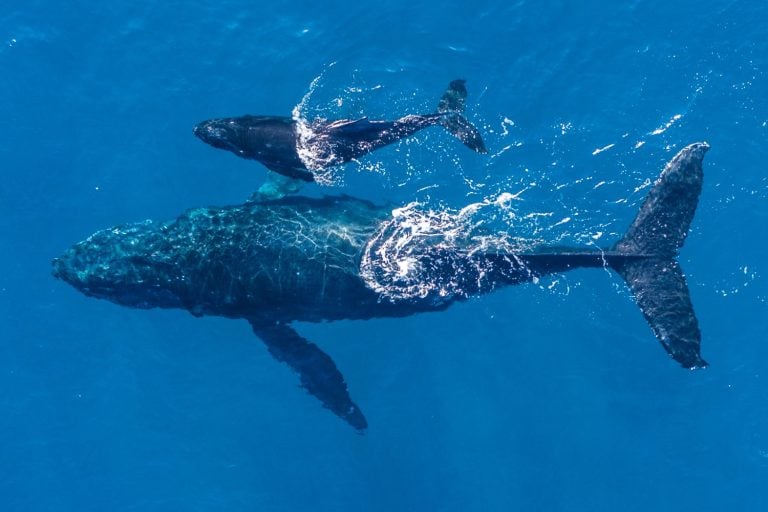
The virus may have been present before, but no surveillance had been conducted to detect it. Previous studies have found it in 5.7 percent of NE Atlantic cetaceans and in 31.9 percent of Mediterranean cetaceans, but these were dead animals. It has also been found in 4.17 percent of southern Atlantic humpback whale groups.
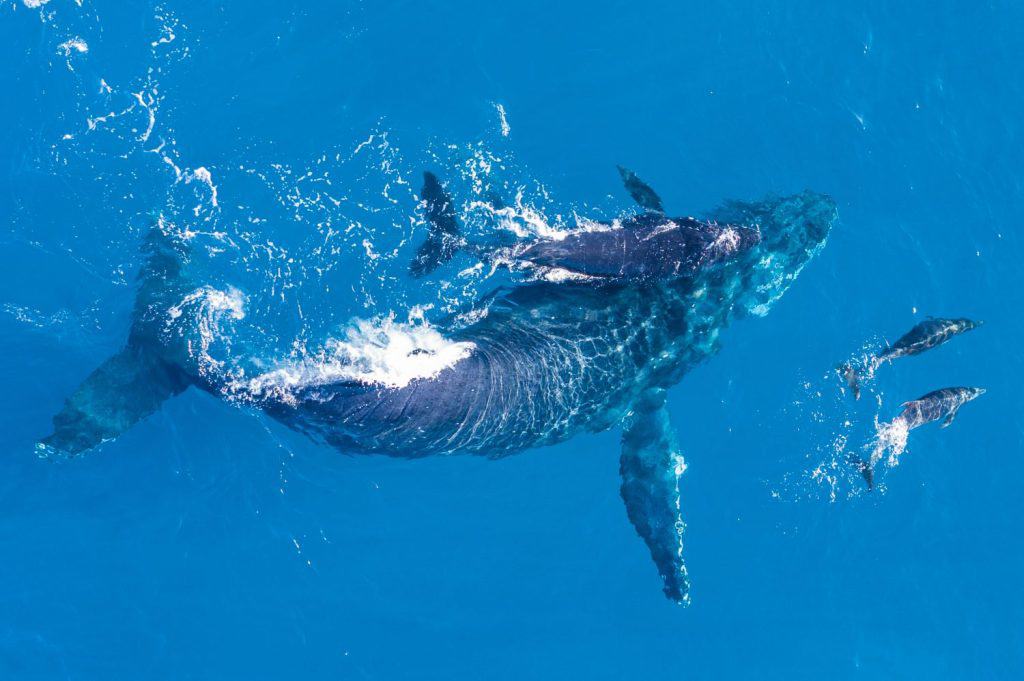
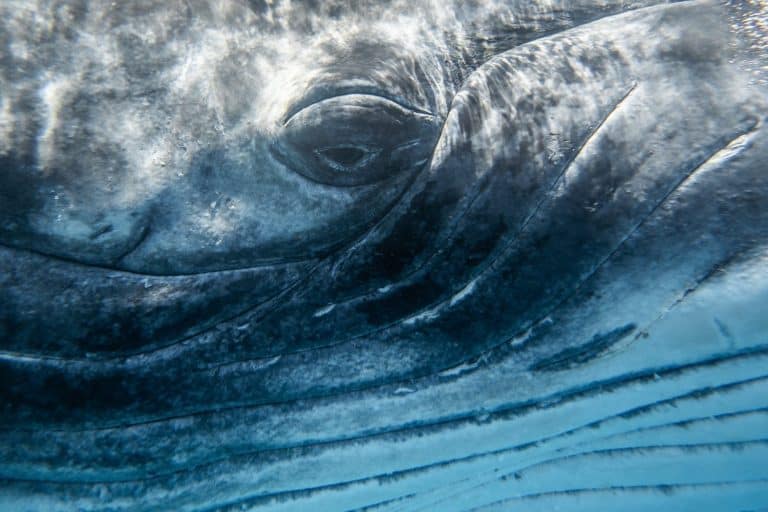
Humpback whales can carry morbillivirus.
©Justin Berken/Shutterstock.com
Even though there is evidence that morbillivirus is a dangerous pathogen, especially for younger or more vulnerable whales, no illness was observed in the two morbillivirus-positive humpback whale groups. However, the sperm whale and pilot whale that tested positive for morbillivirus did appear to be in poor health. They had a high number of skin parasites and lesions, and were diving abnormally. The whales appeared to be abnormally buoyant, which is linked to respiratory disease in these animals.
The Future of Research
This discovery highlights the vulnerability of Arctic ecosystems. As climate change warms up the seas, species are increasingly overlapping, and the opportunities for pathogen transmission are increasing.
Further research is now needed to establish whether morbillivirus does indeed cause illness in these whales or if it makes them vulnerable to other infections. Investigations are also needed to establish whether they can carry it with no symptoms and whether some individuals are more susceptible than others.