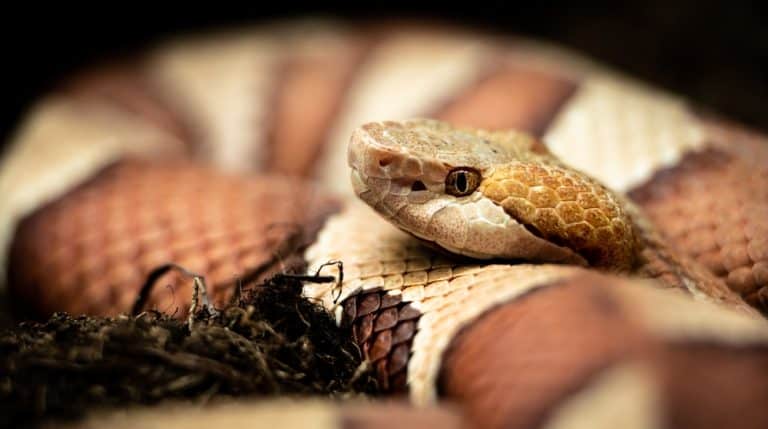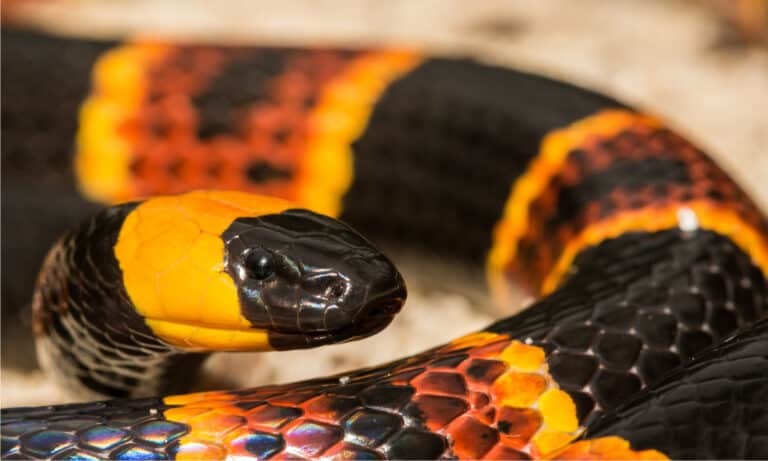

In recent years, doctors in central North Carolina have noticed a troubling pattern: more patients are arriving in emergency rooms with snake bites. Some hospitals surpassed last year’s totals before summer even hit its stride, and poison control centers confirm the trend with steady calls from people bitten in their yards, driveways, and gardens. The surge has doctors, wildlife experts, and homeowners paying close attention.
Not Just a Wilderness Problem

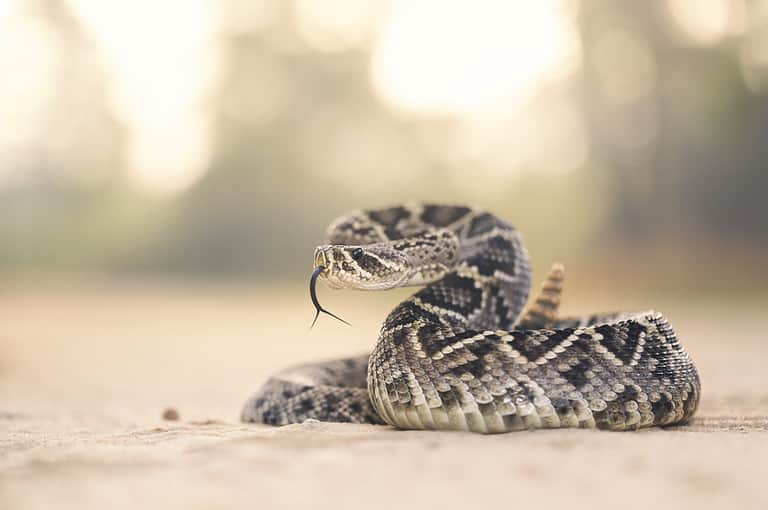
Snake bites are increasing in the central part of North Carolina.
©F Armstrong Photography/Shutterstock.com
North Carolina records some of the highest venomous snakebite rates in the nation, averaging 10-12 bites per 100,000 people. Snake bites are no longer confined to isolated hikes in the woods; they’re now occurring in suburbs, small towns, and even city neighborhoods. At Wake Medical Center, nine patients were treated for copperhead bites in just two weeks early in the summer of 2025. Duke University and UNC Hospitals have reported similar spikes.
For many residents, the news is unsettling. One Raleigh woman was bitten in her own backyard while tending to her chickens—her first encounter with a venomous snake in more than two decades at the same house. Stories like hers underscore an important fact: snake bites can strike close to home, even for people who rarely think about snakes at all.
Why Snakes Love the Piedmont
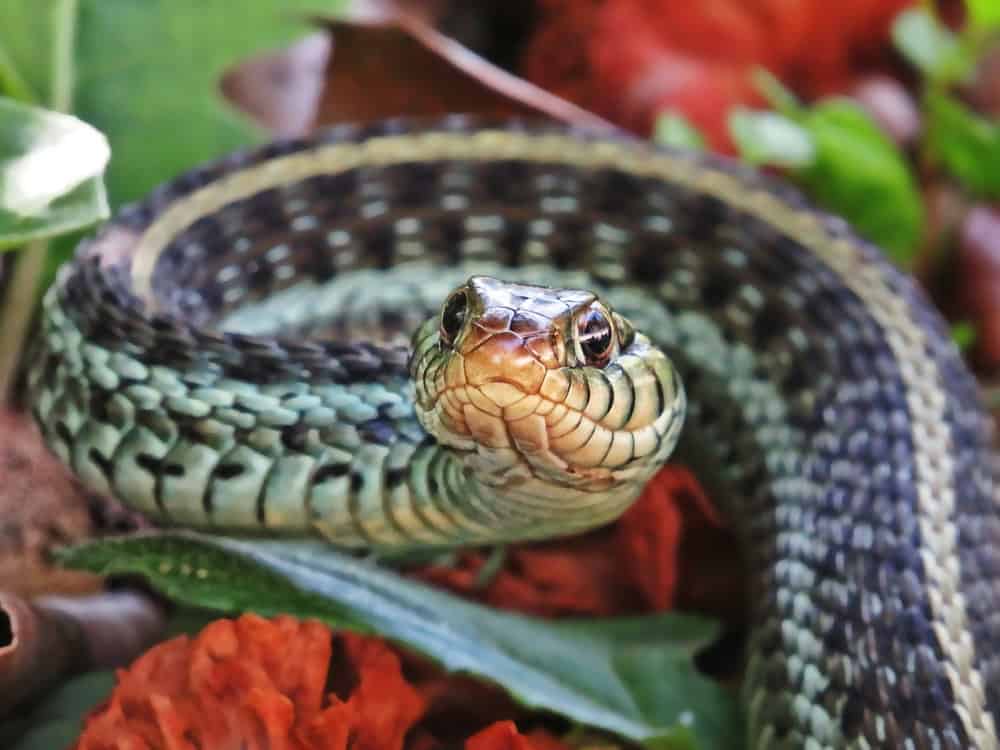
The geography and climate of the region make it favorable for many species of snakes.
©Jean Blom/Shutterstock.com
Central North Carolina’s Piedmont region—anchored by Charlotte, Raleigh, and Durham—is marked by rolling hills, mixed forests, and a mild climate. These conditions make it especially favorable for snakes. Forest edges, streams, and ground cover provide ambush spots, while suburban lawns and gardens create “edge environments” rich with rodents, frogs, and insects. Mild winters mean snakes spend less time dormant and more time active, raising the odds of human encounters.
Most local species are harmless, including black rat snakes, corn snakes, and garter snakes. But copperheads—the most common venomous snake in developed spaces—along with cottonmouths and timber rattlesnakes, pose a more serious threat.
Climate Impacts
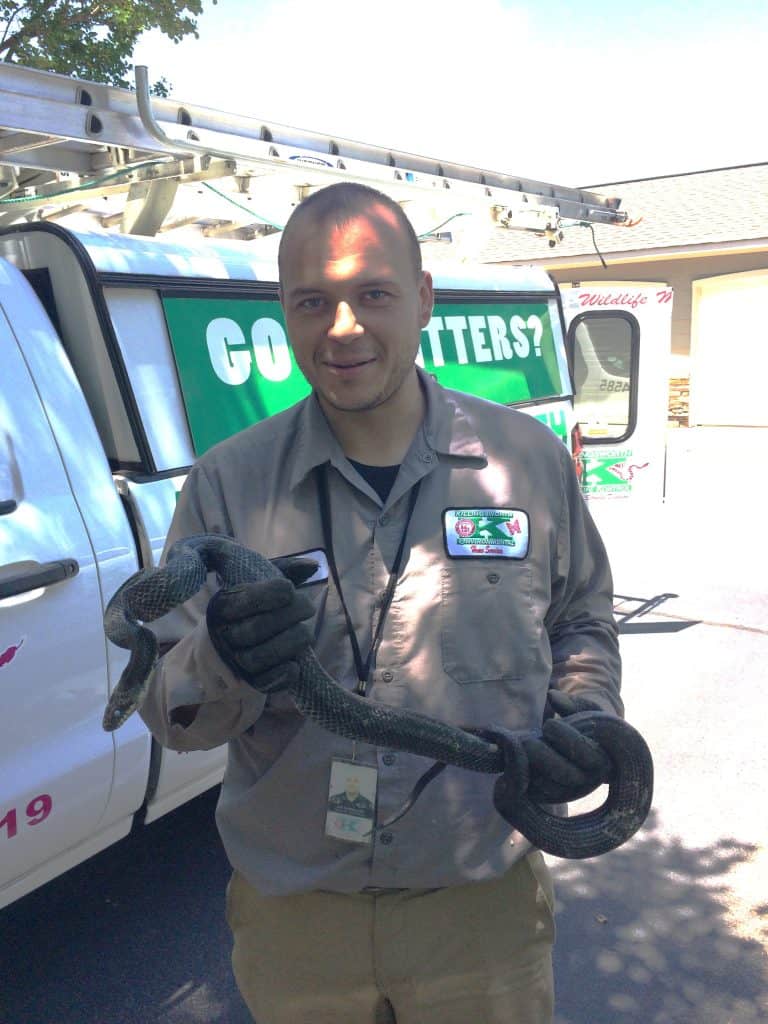
Joe Marquard, Service Manager with Killingsworth Environmental in Charlotte, N.C.
North Carolina’s climate has always shaped snake behavior, but rising summer temperatures are increasing activity. Once the thermometer tops 60 degrees Fahrenheit, snakes—especially copperheads—become far more mobile in search of food, mates, and shelter.
“Snake activity typically starts in spring, when most breeding happens,” explains Joe Marquard, Service Manager with Killingsworth Environmental in Charlotte. “Some species also breed again in the fall. Activity continues all summer as snakes born in spring mature. With more snakes and hotter days, encounters are bound to rise.”
The timing puts people at risk: residents often do yard work or walk at dawn and dusk to escape the heat—the very hours copperheads are most active. That overlap fuels surprise encounters: a snake in a flower bed, coiled by a woodpile, or stretched across a path.
Urban Growth and Shrinking Habitat

A low cost of living, favorable climate, and strong opportunities for work and education are creating a population boom in central North Carolina cities.
©JazK2/Shutterstock.com
Perhaps the biggest driver of human-snake run-ins is the region’s explosive growth. Charlotte, Raleigh, and Durham have all added tens of thousands of new residents in recent years, fueling a construction boom. Since 2020, North Carolina has added hundreds of thousands of new housing units, with Wake and Mecklenburg counties among the fastest-growing in the country.
For snakes, this suburban sprawl means habitats once undisturbed are now filled with neighborhoods, lawns, and roads. As growth continues, people and snakes are crossing paths more often—helping explain why local hospitals are now reporting more bites than in years past.
With more snakes and hotter days, encounters are bound to rise.
Joe Marquard, Service Manager with Killingsworth Environmental in Charlotte
Copperheads Close to Home
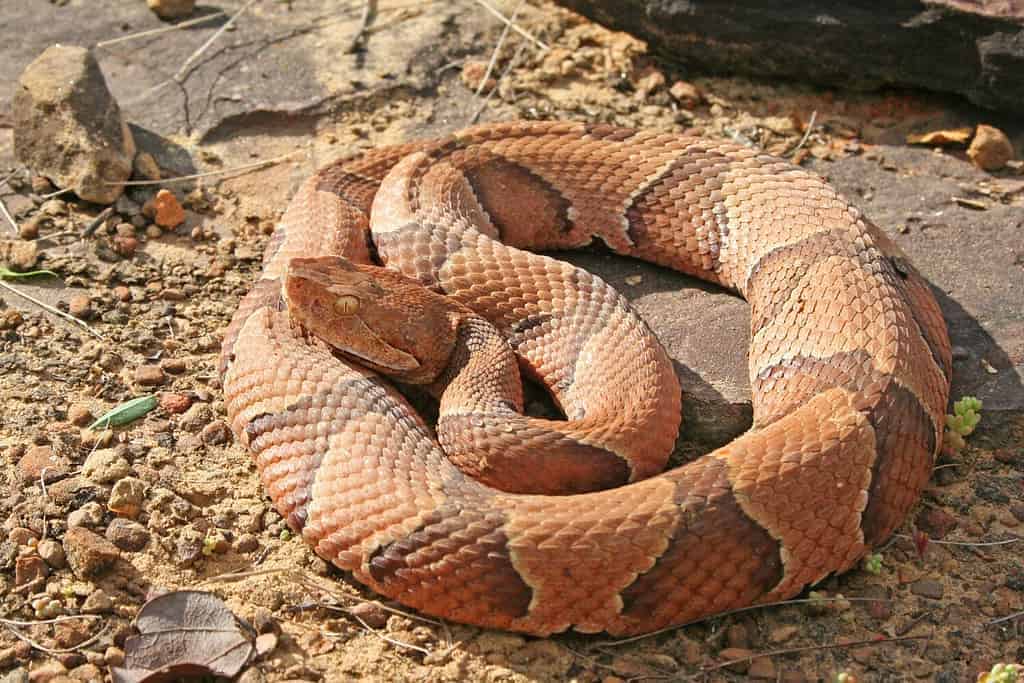
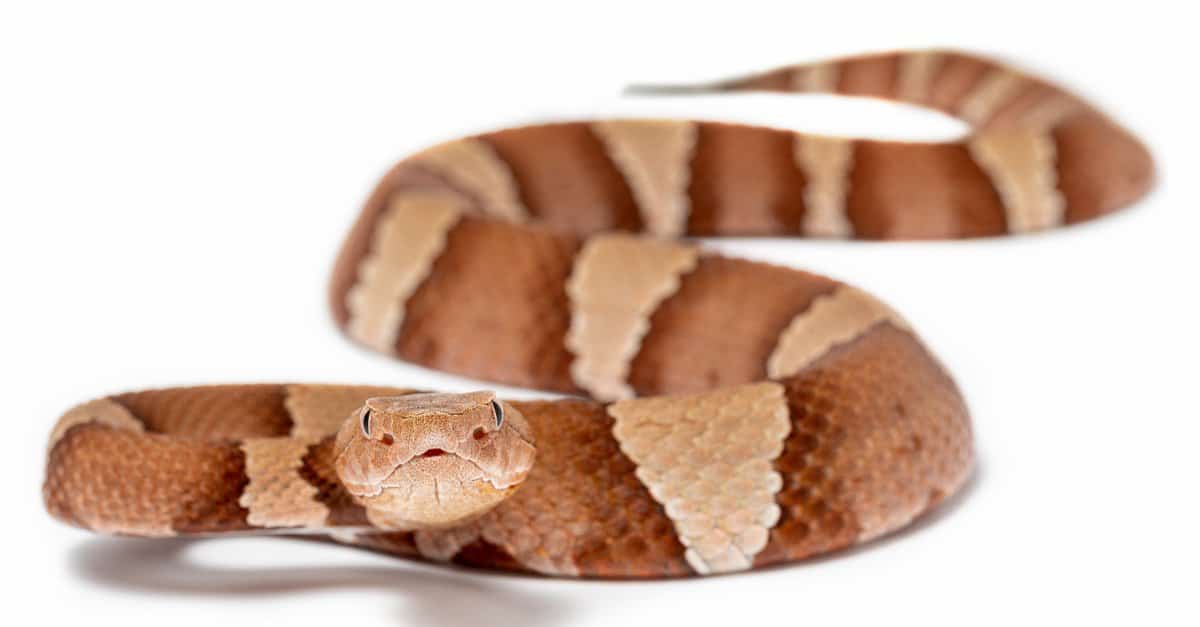
Copperheads tend to be comfortable living near people, as long as their paths don’t cross.
©Creeping Things/Shutterstock.com
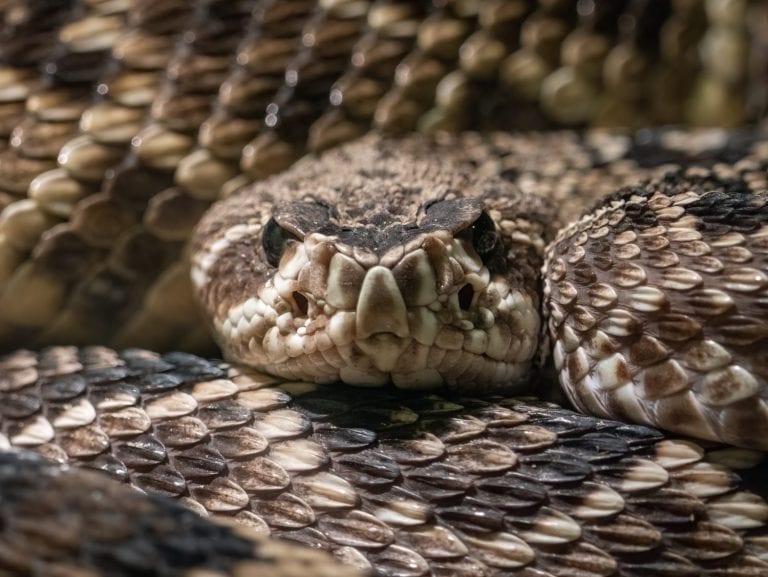
Of the species of snakes in the region, copperheads in particular adapt remarkably well to suburban life. They thrive in gardens, overgrown lots, and the shady edges of lawns. Mulch beds, rock walls, and sheds make excellent hiding places. Unlike some snakes that avoid human activity, copperheads seem comfortable setting up ambush spots right next to homes. As a result, copperheads are responsible for up to 80 percent of venomous snakebite cases in the state.
Marquard stresses that the best way to help keep snakes away from your property is to limit areas of harborage. Wood piles and brushy areas are common places where snakes seek shelter. ”If one does appear, he adds, “the safest thing for you and the snake is to gently spray its body with a water hose from a safe distance, to encourage it to move elsewhere.”
He also notes that snakes usually don’t enter living spaces; they tend to be in garages and crawlspaces. He advises homeowners to make those spaces less welcoming: “The best way to prevent this is to keep your garage door closed when not in use and seal any obvious entry points around the home, particularly around pipes and vents leading into the crawlspace.”
Preventing Snake Bites

People tend to be bitten more often if they are not wearing protective shoes and clothing and if they get too close to a snake, for any reason.
©Lapina/Shutterstock.com
Learning snake habits—where they hide, when they move, how they camouflage—helps people stay alert. Closed-toe shoes or boots add protection in tall grass, wooded edges, or unlit backyards. A flashlight can reveal what the eye misses at night.
Above all, experts warn against handling or provoking snakes, as many bites occur when someone tries to chase or kill a snake. Copperheads, often underestimated due to their size or sluggish appearance, can strike at nearly half their body length in an instant. A two-foot copperhead can lunge forward a full foot—often before a person realizes it has moved.
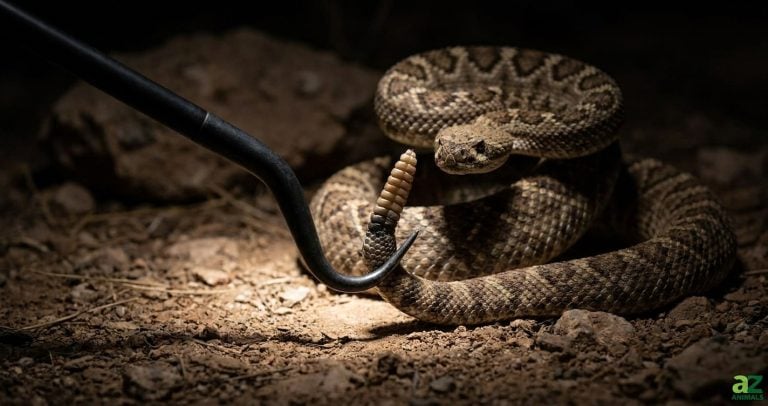
As Marquard cautions, “Most snake bites occur when trying to handle or kill snakes. Almost no bites occur unprovoked. Trying to kill a snake to prevent a future bite is counterproductive.” Professional removers, he notes, use “special equipment like long tongs and bite-resistant clothing to keep themselves and the snakes safe.”
What to Do If You’re Bitten
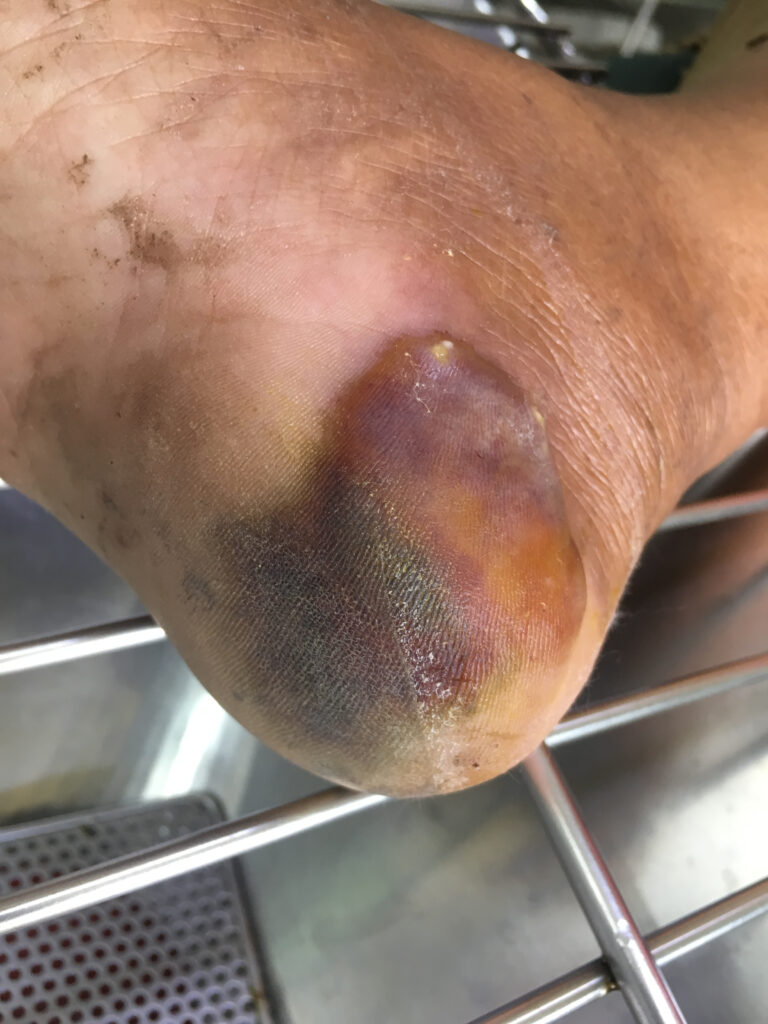
This is the result of a rattlesnake bite on a person’s heel.
©Chuanpit/Shutterstock.com
While bites can be painful and medically serious, fatalities are extremely rare; across the entire United States, about 8,000 people a year endure venomous snake bites, but only 1-2 people a year die from them thanks to rapid access to hospitals and antivenom.
Copperhead bites usually just require monitoring and pain management. Antivenom is not always administered, but severe cases—often involving children, older adults, or bites to the face and hands—call for more intensive care. Still, every bite should be treated as a medical emergency. Experts urge people to call 911 or get to the nearest hospital immediately rather than trying to handle the situation at home. Warning signs like rapid swelling, spreading bruising, nausea, dizziness, or difficulty breathing demand urgent treatment.
Doctors caution against old-fashioned remedies. Cutting the wound, trying to suck out venom, or applying a tourniquet can do more harm than good. Instead, the safest steps are simple:
- Stay calm and limit movement. Panic raises heart rate, which spreads venom faster.
- Remove tight items. Rings, watches, or tight shoes near the bite should be taken off before swelling sets in.
- Keep the limb immobilized and level. If possible, keep the affected arm or leg at or slightly below heart height and avoid walking if the bite is on the foot or ankle.
- Do not apply ice, alcohol, or electric shocks. These methods have no benefit and may worsen tissue damage.
In central North Carolina, hospitals such as Duke, UNC, and WakeMed are well prepared for snakebite emergencies. They maintain trained staff and access to antivenom, ensuring that most patients recover with minimal long-term complications when treatment is sought quickly.
The Broader Picture
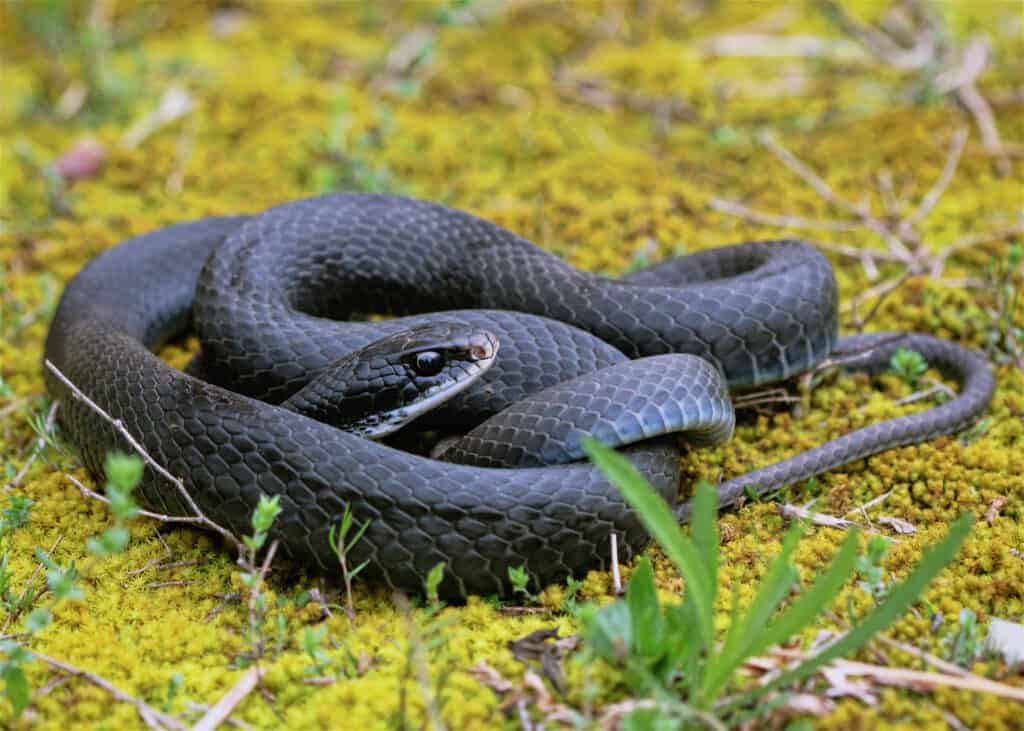
This is a black racer, useful for hunting rodents and harmless to people.
©Matthew L Niemiller/Shutterstock.com
The rise in snake bites across North Carolina is more than bad luck; it reflects how human growth, warmer weather, and outdoor lifestyles intersect with wildlife. Encounters will remain part of life in the Piedmont, but the story is not only about danger—it’s about coexistence. Snakes are a vital part of the state’s natural heritage, controlling pests and balancing ecosystems. With awareness and respect, people and snakes can share the landscape more safely. Most bites are preventable with common-sense precautions and increased awareness of how snakes live alongside us.