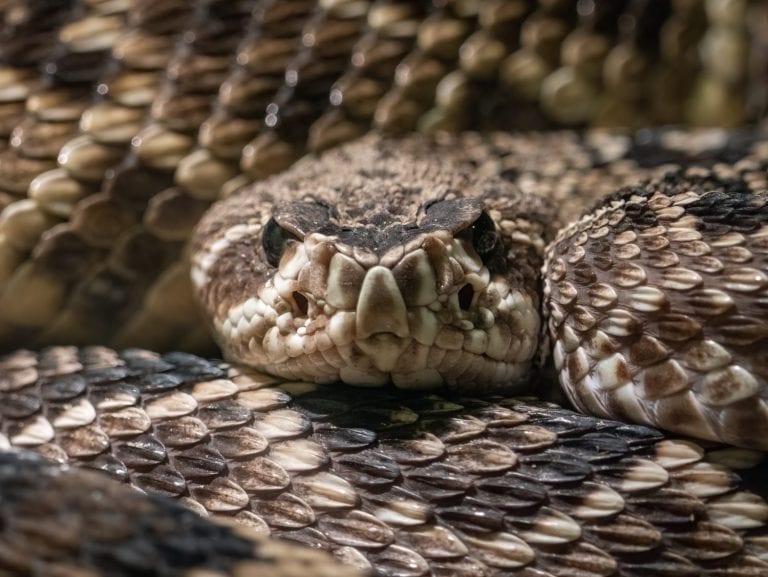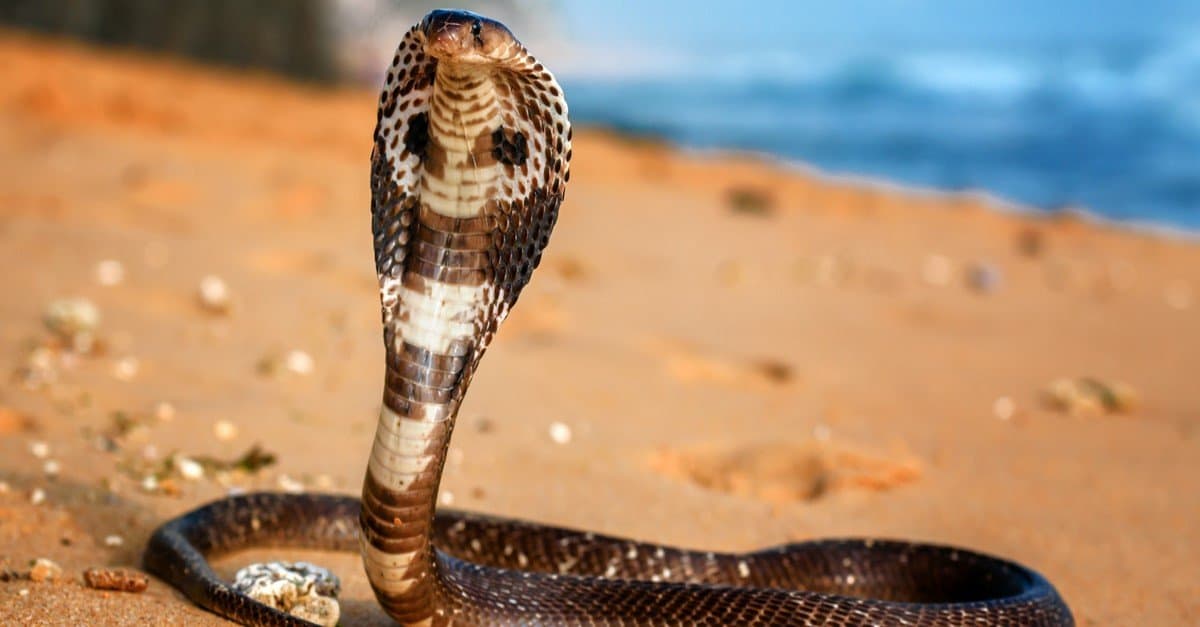

Snakes are fascinating reptiles that can be both captivating and frightening. They slither, stare, and occasionally strike. Venomous snakes, in particular, use specialized toxins for hunting and self-defense, and play a vital role in their ecosystems. However, many of these snakes are impressive not only because of their dangerous bite but also because of their sheer size and imposing presence. Here are the eight largest venomous snakes in the world by length.
8. Coastal Taipan – 6.5 to 9.5 Feet
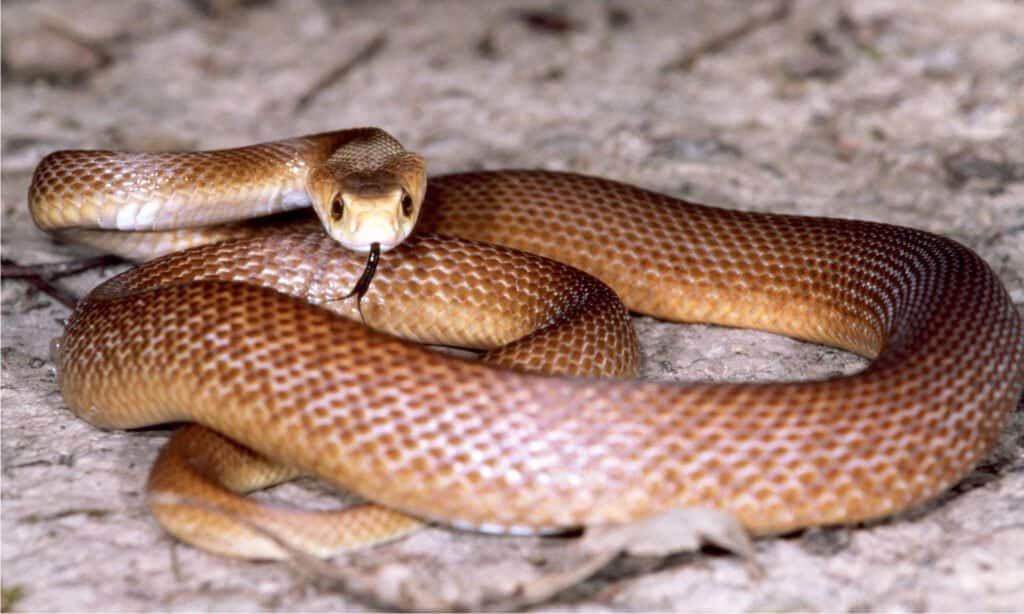
Many consider the coastal taipan to be the most dangerous snake in all of Australia.
©Ken Griffiths/Shutterstock.com
The coastal taipan (Oxyuranus scutellatus) is native to Australia and New Guinea, averaging around 6.5 feet in length, with the largest verified coastal taipan measuring 9.5 feet long. These large venomous snakes are typically found in coastal habitats, although they can also thrive in agricultural areas where there are lots of rodents to eat. They hunt only warm-blooded animals, such as birds, rats, mice, and bandicoots. They have excellent eyesight for tracking their prey.
Young coastal taipans are vulnerable to goannas and birds of prey, but adult snakes are generally safe from predation. Unfortunately, due to their potent venom and defensive behavior, many people kill coastal taipans on sight. However, these snakes are not inherently aggressive and prefer to retreat when possible. If confronted, they will defend themselves vigorously.
7. Brown Tree Snake – 3 to 10 Feet
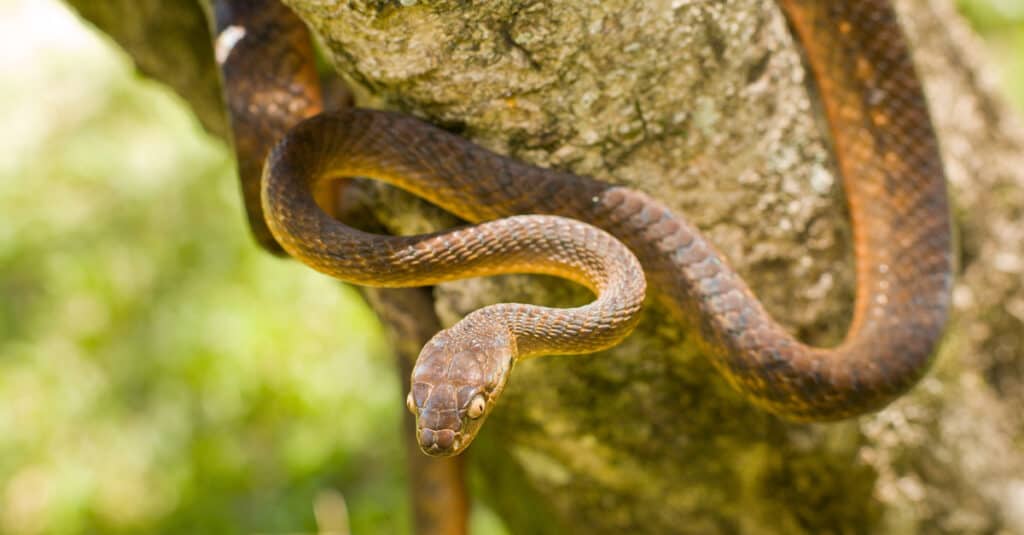
In the 1940s, brown tree snakes were accidentally introduced into Guam.
©Janelle Lugge/Shutterstock.com
The brown tree snake (Boiga irregularis) typically measures 3 to 4 feet in length, but some can grow as long as 10 feet. Found in Australia, Melanesia, and Papua New Guinea, these slender-bodied snakes are well known for their irritable disposition and tendency to strike repeatedly. However, their fangs are located at the back of their mouths, so only especially large brown tree snakes can inject venom into a human.
Their diet mainly consists of small mammals and birds. However, they will also eat other snakes or small lizards on occasion. As their name suggests, brown tree snakes are primarily arboreal, which means they live mainly in trees.
6. Mulga Snake – 6 to 10 Feet
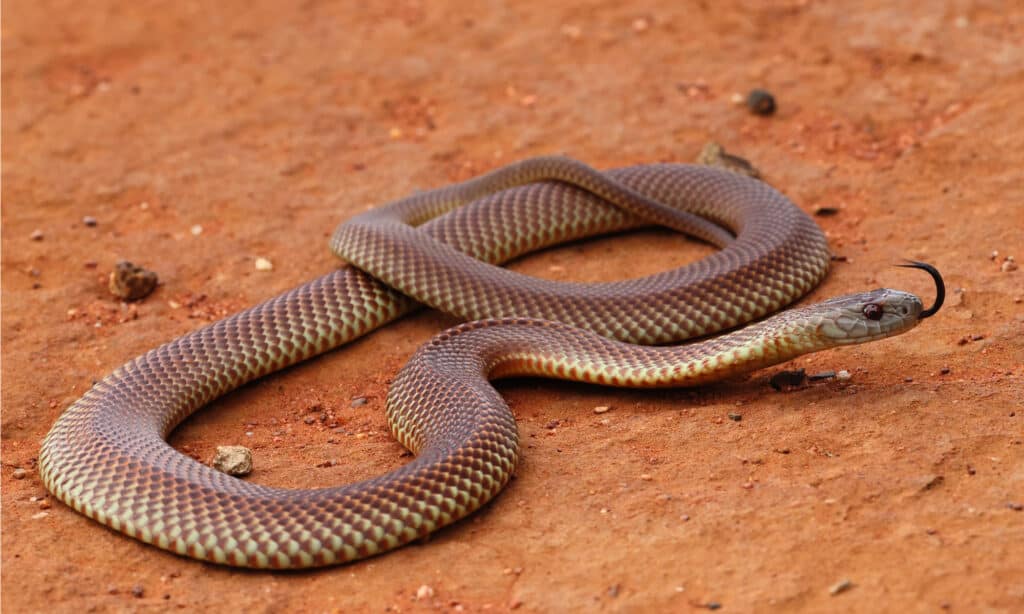
Mulga snakes are highly adaptable and live in many different habitats, including grasslands, scrublands, woodlands, and deserts.
©Ken Griffiths/Shutterstock.com
The mulga snake (Pseudechis australis), also known as the king brown snake, is native to Australia. On average, mulga snakes are about 6.6 feet in length. The largest on record was found in Darwin and measured 10.8 feet. Interestingly, male mulga snakes are usually about 20% larger than females, which is uncommon among snakes. These large venomous snakes are found all across Australia, excluding the extreme southern and southeastern regions. They are also found in southeastern Irian Jaya and western Papua New Guinea.
While young snakes face many predators, adult mulga snakes are large enough that they have very few natural enemies. They are opportunistic predators and primarily hunt frogs, birds, small mammals, reptiles, and other snakes. Their diet is flexible and can adapt to their location and changing seasons.
5. Brown Forest Cobra – 8.5 to 10.5 Feet
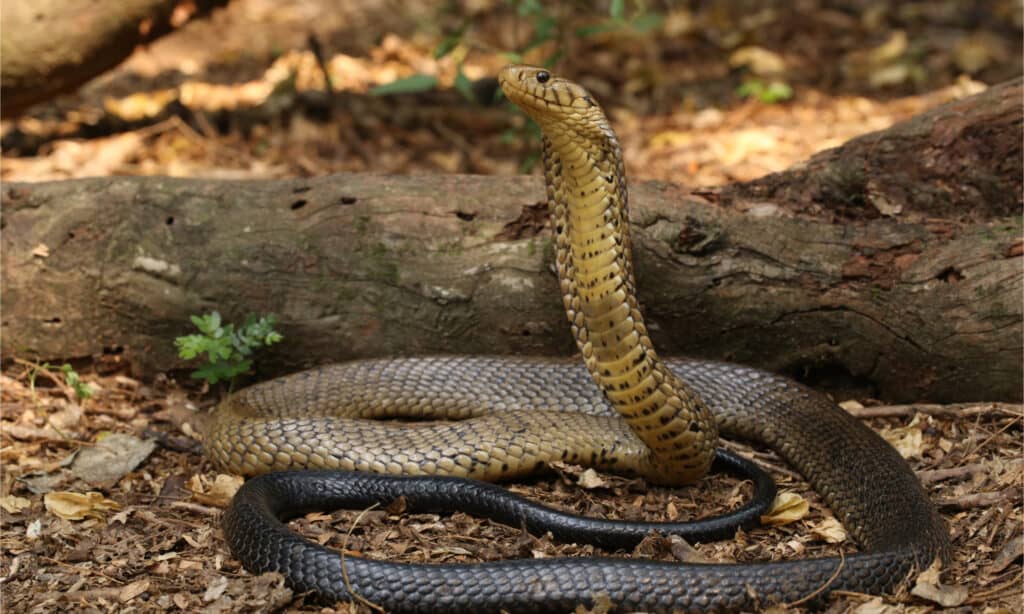
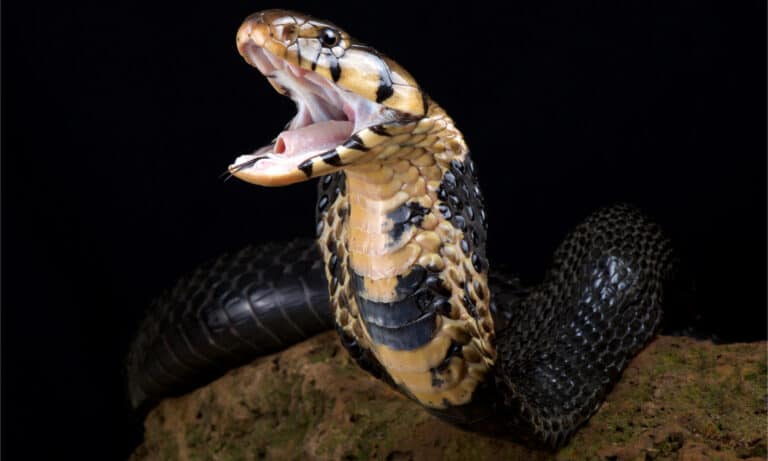
Although initially seen as a single species, forest cobras have recently been reclassified into five distinct species.
©NickEvansKZN/Shutterstock.com
The brown forest cobra (Naja subfulva, formerly Naja melanoleuca) is one of the largest cobras in Africa. It is common for these snakes to exceed 8.5 feet in length, with some exceptionally large individuals reaching up to 10.5 feet. Brown forest cobras are active both during the day and at night, preying on small mammals, frogs, other snakes, and birds.
Despite their dangerous neurotoxic and cytotoxic venom, these snakes are shy and will quickly escape if threatened. Brown forest cobras live in East and Central Africa, typically in forested or wooded areas, as well as savannas. Their coloration and patterns can vary, but many adults have a brown front half, sometimes with spots, while the back half is usually darker and may become black near the tail.
4. Central American Bushmaster – 6 to 11 Feet

Central American bushmasters are mainly ground-dwelling snakes and mostly active at night.
©Miroslav Srb/Shutterstock.com
The Central American bushmaster (Lachesis stenophrys) typically grows to be 6 to 7 feet long. However, the longest documented snake measured 11.3 feet. Despite being one of the largest venomous snakes in the Americas, these snakes are rare and difficult to find. Their populations are declining, mainly due to habitat loss and fragmentation.
Central American bushmasters have rough, bumpy scales with dark diamond patterns on a light brown or cream-colored background. They are native to Central America from the Caribbean coast of Nicaragua southward to Costa Rica and Central Panama.
3. South American Bushmaster – 6.5 to 12 Feet
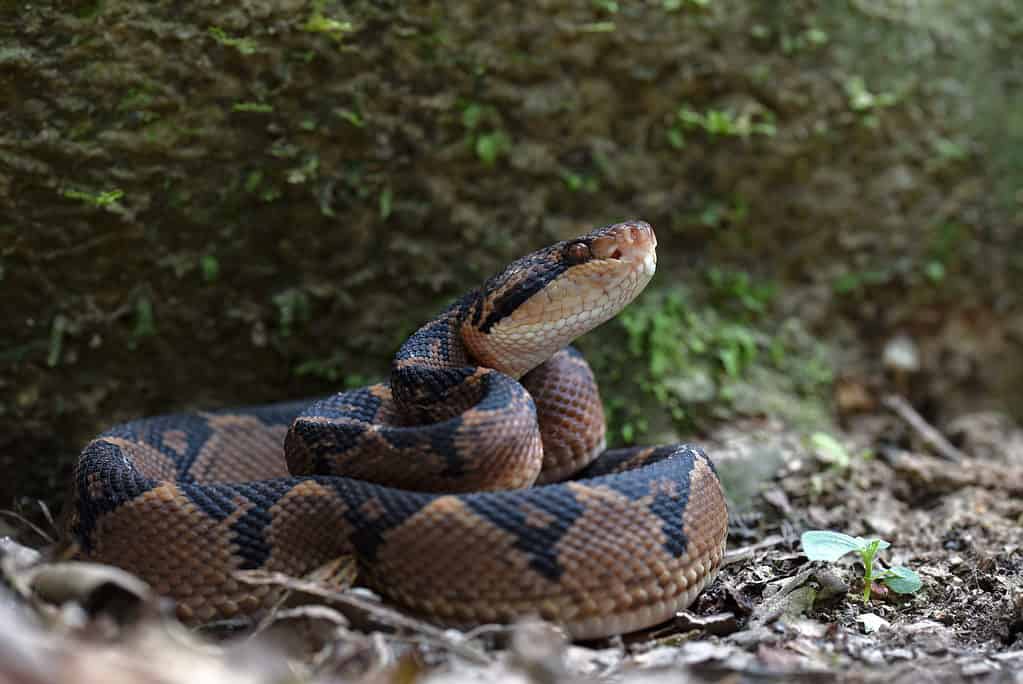
The South American bushmaster is also known as the Atlantic bushmaster.
©Patrick K. Campbell/Shutterstock.com
Found in South America and Trinidad, the South American bushmaster (Lachesis muta) is the longest pit viper in the world. These snakes typically grow to be 6.5 to 8 feet long, but some can occasionally reach lengths of 12 feet. South American bushmasters have a light brown body with bold upside-down triangle patterns. Their scales are ridged, giving them a texture similar to that of a pineapple.
South American bushmasters are rarely seen because of their nocturnal habits and excellent camouflage. If spotted, they prefer to flee and are not typically aggressive, although they may strike without warning if threatened. As ambush predators, these snakes hunt small to medium-sized mammals, such as squirrels, rodents, porcupines, and opossums. Their predators include larger snakes, humans, and peccaries. The venom of the South American bushmaster is highly complex and potent, containing a unique mix of neurotoxic, myotoxic, proteolytic, necrotic, and hemorrhagic components. They are also known to deliver “dry” bites, in which they strike without injecting any venom.
2. Black Mamba – 8 to 14 Feet
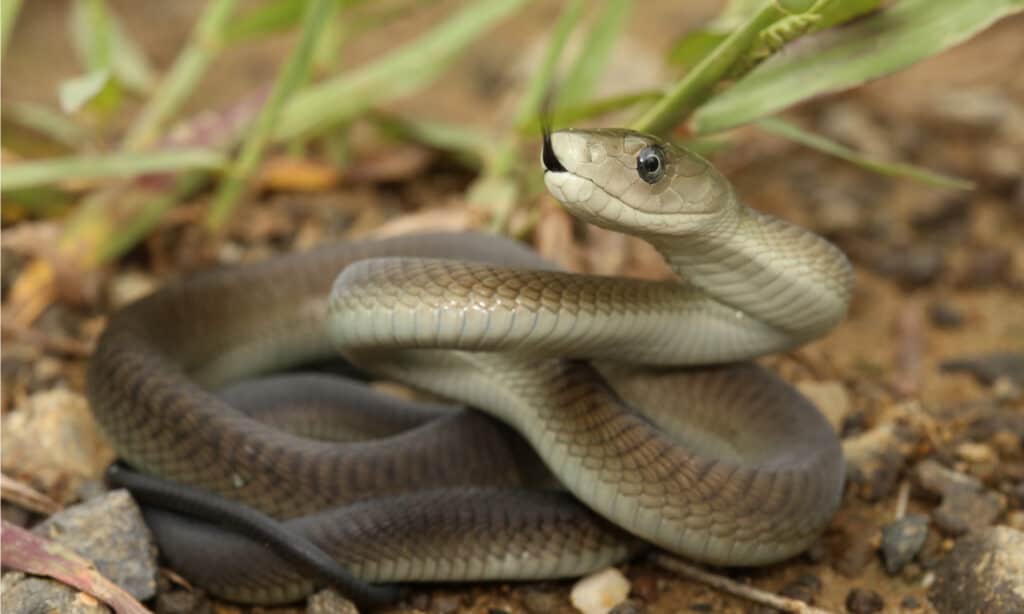
Venom from a black mamba can kill an adult human in as little as 30 minutes.
©NickEvansKZN/Shutterstock.com
The black mamba (Dendroaspis polylepis) is the world’s second-largest venomous snake and the longest venomous snake found in Africa. These impressive snakes typically grow to about 8 feet long, though the largest recorded specimen measured 14.4 feet. Despite its name, the black mamba’s scales are usually various shades of gray or dark brown. Its name actually comes from the inky black coloring inside the snake’s mouth.
Black mambas are extremely fast and can slither at speeds up to 12 miles per hour. They are also extremely dangerous because their highly potent venom contains both cardiotoxins and neurotoxins, which attack the heart and nervous system. A single bite from a black mamba can deliver enough venom to kill several humans if untreated. Fortunately, black mambas generally try to avoid humans and prefer to escape rather than attack.
1. King Cobra – 12 to 18 Feet
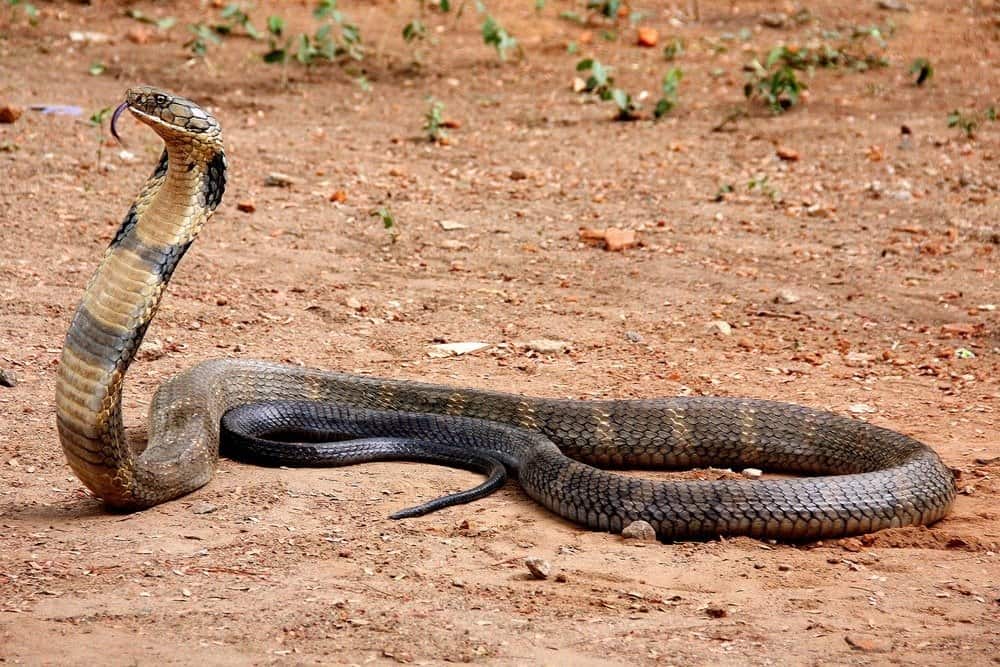
A king cobra’s fangs are almost 0.5 inches long.
©Jolly Therattil/Shutterstock.com
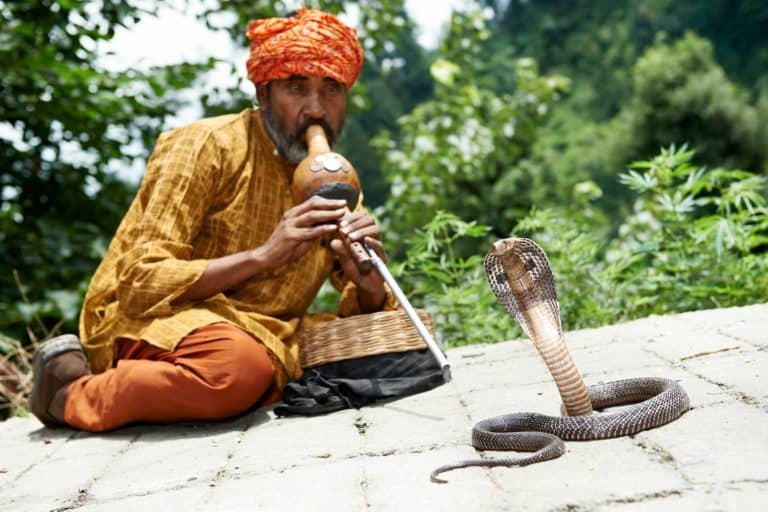
The king cobra (Ophiophagus hannah) holds the title of the world’s largest venomous snake. Most king cobras measure between 12 and 13 feet long, though some can grow considerably larger. The largest king cobra ever recorded was nearly 18.75 feet long. This enormous snake came from the Malay Peninsula but spent much of its life at the London Zoo. Sadly, it was killed at the beginning of World War II to prevent its escape and potential harm to the public if the zoo were bombed.
Native to Southeast Asia, king cobras thrive in dense environments like bamboo thickets, forests, and mangrove swamps. They often spend their time in bushes or trees and prefer areas near streams, which help regulate their temperature and humidity. These snakes are called “king cobras” not just because of their size, but also because they prey on other cobras and cold-blooded animals. Despite being highly venomous and dangerous, king cobras are surprisingly cautious. They generally prefer to retreat rather than attack, and will only strike if they feel cornered or are defending their eggs.