
Quick Take
- A toothless snake can swallow an egg wider than its own body, and the way it cracks the shell from the inside is stranger than you'd expect. See how it's done →
- Scientists spent seven years and used three different methods just to confirm this snake wasn't something they already knew about, and the reason why reveals how deceptive this entire group of snakes is. Explore the seven-year process →
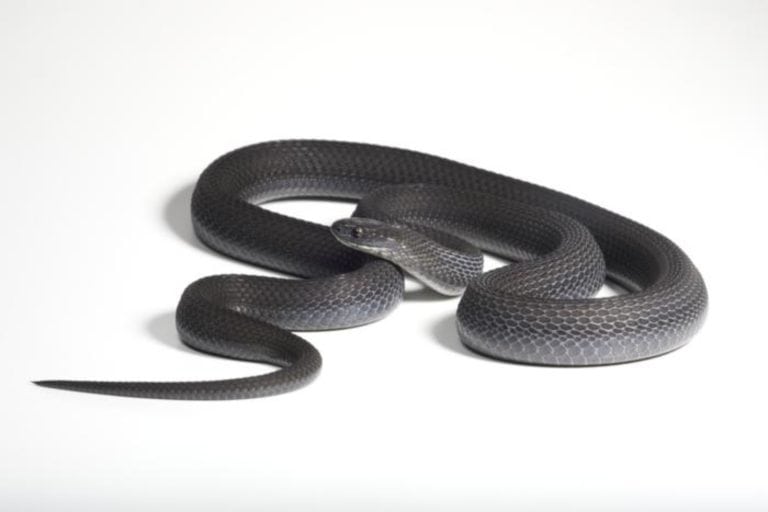
- This snake mimics the look of deadly species like black mambas and vipers, yet it's completely harmless to everything except eggs. See its deceptive look →
- The forest where this snake was found keeps producing new species, and scientists warn it could disappear before we know what else lives there. Learn about Harenna Forest →
The Harenna Forest in Ethiopia is one of the last big stretches of natural forest in the Horn of Africa. It’s also home to a newly discovered snake — the white-throated egg-eater.
Scientists from Friedrich-Alexander-Universität Erlangen-Nürnberg, Ludwig-Maximilians-Universität Munich, and South Africa’s National Museum in Bloemfontein, revealed the new find in a study just released in the journal OGH Herpetozoa.
Meet the Snake Mistaken for a Close Relative
The surprising find came after lead study researcher Arthur Tiutenko, of Friedrich-Alexander-Universität Erlangen-Nürnberg, received a juvenile female snake from a local collaborator in the Harenna Forest. At first, Tiutenko assumed the young snake was an already known member of the genus Dasypeltis — a group of about 20 harmless African snakes that feed exclusively on eggs. They use a specially adapted vertebra in their throat to crack the shell before swallowing the entire egg.
The different species within Dasypeltis are notoriously difficult to tell apart. Most are uniformly black, brown, or gray and have few external differences. At first glance, Tiutenko believed his new juvenile female was a montane egg-eater, Dasypeltis atra. The montane is a black-colored snake found in forests across East Africa. He began looking for a male montane to breed with the young female.
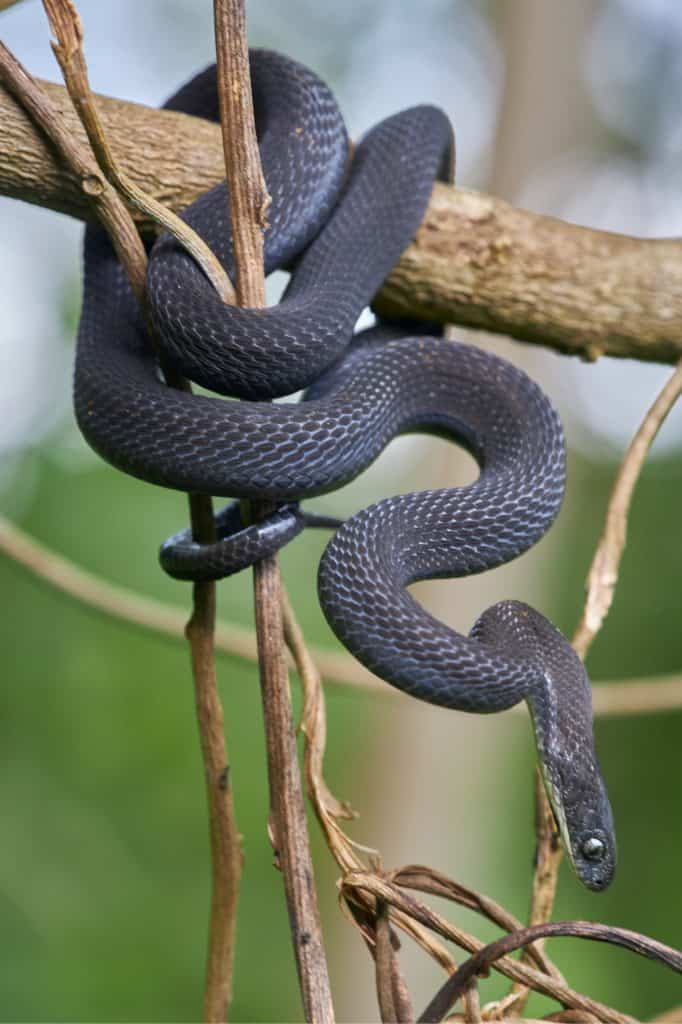
A male of the newly discovered species.
However, as the female snake grew, it became apparent it was not what he thought it was. As the snake reached adult size, Tiutenko noticed significant differences.
“I received a juvenile female of an egg-eater that appeared to me to be an already known species, and I started looking for a male to breed it,” he explained in the news release announcing the findings. “As she grew to adult size, I noticed morphological differences.”
How Researchers Discovered the New Species
Determining whether the female was an already-known species or something new required two different tests and a lot of patience.
The researchers began by running DNA tests from two different regions of the snake’s DNA. They ran the tests on both the female and a known montane. The results showed the two snakes were different species.
Then, the team did a breeding test, pairing the unknown female with a known male montane. Tiutenko wanted to see how the baby snakes would turn out and if they would inherit any of the mother’s unique characteristics. The snakes’ offspring showed a mix of both parents’ physical traits. That provided early evidence that the Harenna Forest snake was a new species.
Confirming the discovery took a full seven years, using morphological comparisons, DNA sequencing, and captive breeding observations. For Tiutenko, the new species marked the 20th taxon they had named and described, with additional new discoveries pending.
What Sets the White-Throated Egg-Eater Apart?
The most telling sign is the pale, sometimes bluish-tinged skin visible between the snake’s scales. It also has a distinctive white throat and belly.
It also appears to lack the ability to make the rasping, hissing sound many egg-eating snakes use to fend off predators — a sound produced by rubbing their scales together.
Size is another distinguishing factor. Females of the new species are slightly smaller, around 36 inches, than their closest relatives.
How an Egg-Eater Eats
Dasypeltis don’t have teeth, so it can’t bite or chew. Despite many of them looking like much more dangerous species, like black mambas and vipers, egg-eaters are harmless to all but eggs.
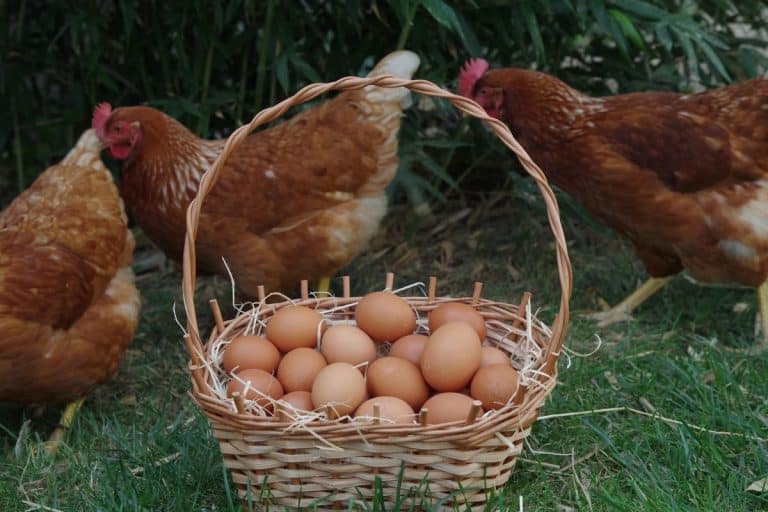
These snakes have to get creative when targeting their favorite meal. They start by swallowing the egg whole; they can swallow eggs much wider than their bodies, too. To avoid suffocating while swallowing an egg, the snake’s flat, stretchy windpipe moves to the side to accommodate the egg while still providing air flow.
Next, the snake uses bony points that protrude from its backbone into its throat to puncture the egg. All snakes in Dasypeltis have these bony points, called “hypapophyses.”
Why This Discovery Matters
Harenna Forest is a montane tropical evergreen forest that covers the southern slopes of the Bale Mountains in southeastern Ethiopia. The forest runs from about 4,800 feet to 10,500 feet in altitude.
The forest is one of the last remaining continuous forests in Africa. It is almost unbroken, with little human damage or fragmentation. Several new species, including a ground-dwelling tree frog, have also been discovered in the forest.
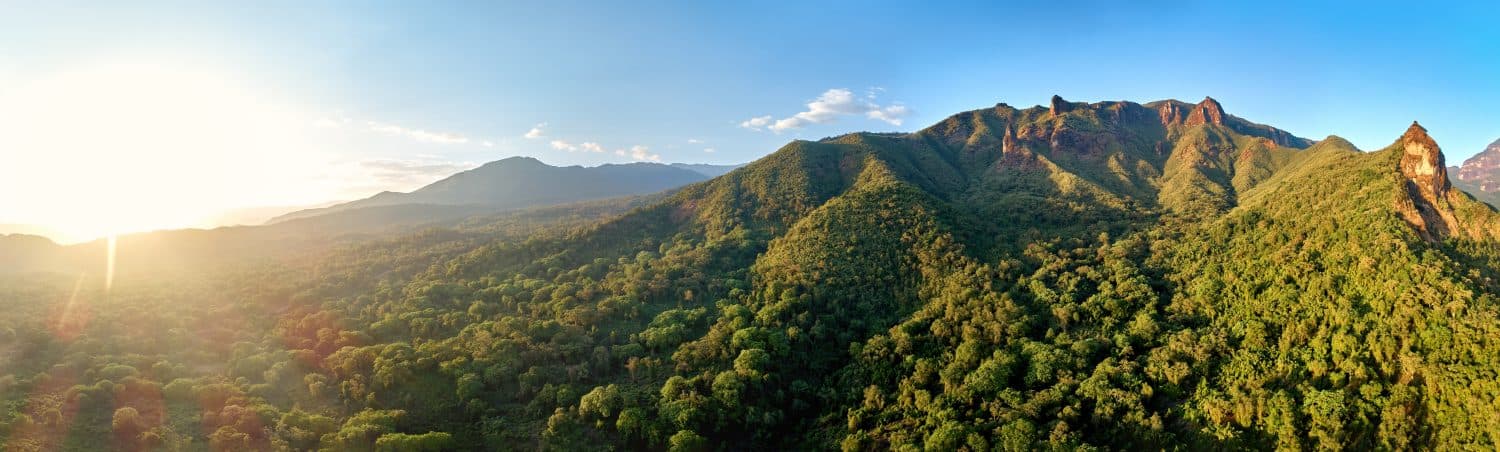
Ethiopia’s Harenna Forest sits on the south-eastern slope of the Bale Mountains.
©Martin Mecnarowski/Shutterstock.com
Many animal species are only found in the Bale Mountains, including the Harenna shrew, giant mole rat, and Bale Mountains tree frog. Bale Mountains vervet monkeys are also only found in the upper Harenna Forest and a few nearby forests.
Besides being a haven for diverse wildlife, the forest is also recognized as a genetic reservoir of wild forest coffee and many medicinal plants, according to UNESCO. The Bale Mountains are also an important water source. The moisture they produce is what keeps the Harenna Forest lush and healthy.
Little research so far has documented the extent of the wildlife present in the Harenna Forest. Species can remain undiscovered for decades. When new species like the white-throated egg-eater and ground-dwelling tree frog are discovered, it is a reminder of how precious the Harenna Forest is. It should be protected from future development and human interference.