
Quick Take
- Sugar gliders are small marsupials that are popular pets.
- Sugar gliders are native to the South Pacific, where they live in trees.
- Sugar gliders require a calorie-dense diet to maintain their active metabolisms.
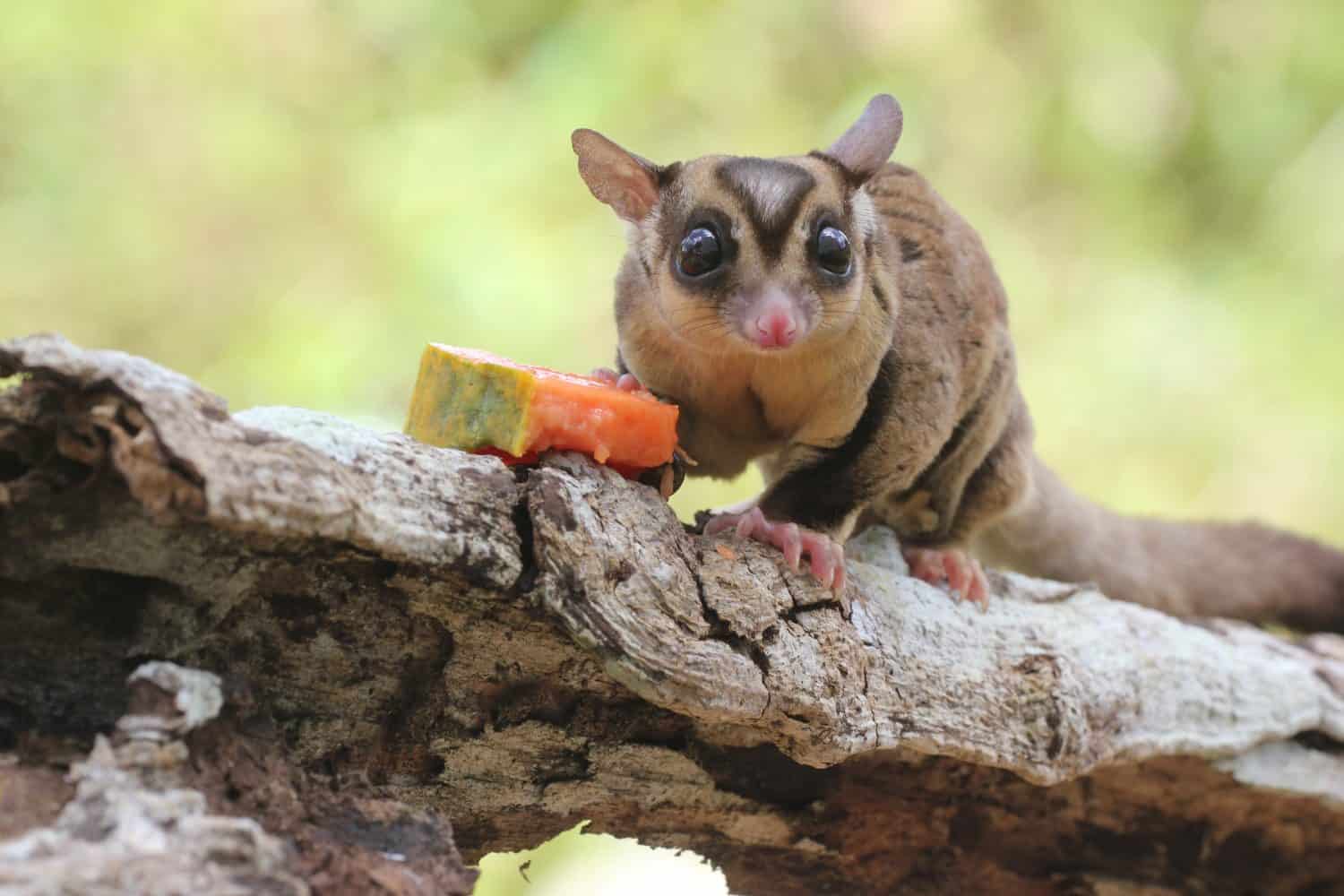
Sugar gliders (Petaurus breviceps) are small nocturnal marsupials. They are native to Australia and Papua New Guinea. Excluding their tail, sugar gliders are 5 to 7 inches long and weigh 3 to 5.5 ounces. These creatures are known for the thin membrane between their forelegs and hind legs, which allows them to glide up to 100 feet. Since their introduction to North America as exotic pets in the late 20th century, sugar gliders have become popular pets. So, what do sugar gliders eat? Continue reading to discover the foods these omnivores eat in the wild, how they manage to find food, and the best ways to keep captive sugar gliders properly fed.
What Foods Do Sugar Gliders Eat?
Sugar gliders eat insects, tree sap, pollen, fruit, and small reptiles. They are omnivorous marsupials whose diets vary seasonally. Sugar gliders get their name from their penchant for sweet foods, including the sap and gum of certain trees, and for their gliding abilities.
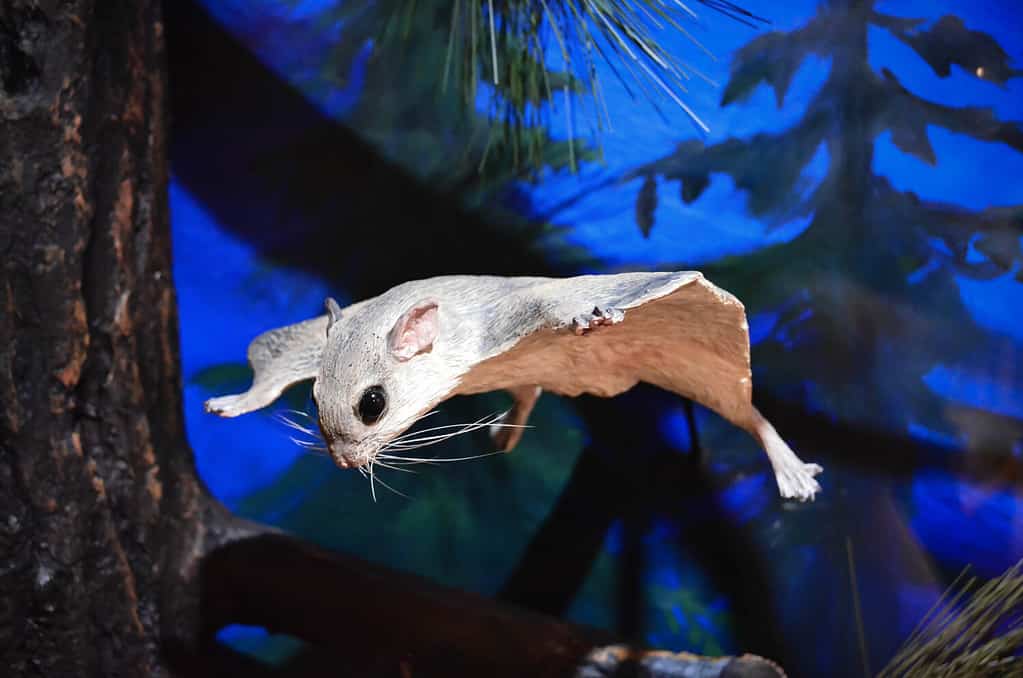
Sugar gliders are nocturnal arboreal marsupials that glide from tree to tree.
©andysartworks/Shutterstock.com
Some of the common foods that sugar gliders consume include:
- Acacia gum
- Eucalyptus sap
- Honeydew
- Pollen
- Beetles
- Spiders
- Small birds
- Bird eggs
- Acacia seeds
- Nectar
- Fungi
- Mealworms
- Crickets
- Kiwi
- Moths
- Earthworms
- Cicada
These foods are the most significant components of a sugar glider’s wild diet. They are nutritious and provide the energy sugar gliders need to remain continuously active.
However, replicating this diet for captive sugar gliders is difficult.
What Do Pet Sugar Gliders Eat?
Pet sugar gliders eat insects, invertebrates, fruit, meat, commercial foods, and vegetables. Sugar gliders are common exotic pets, but their natural diet is hard to replicate. Therefore, their diet must be formulated to provide the same nutrition available to wild sugar gliders to prevent severe health issues such as malnutrition, metabolic bone disease, and obesity.
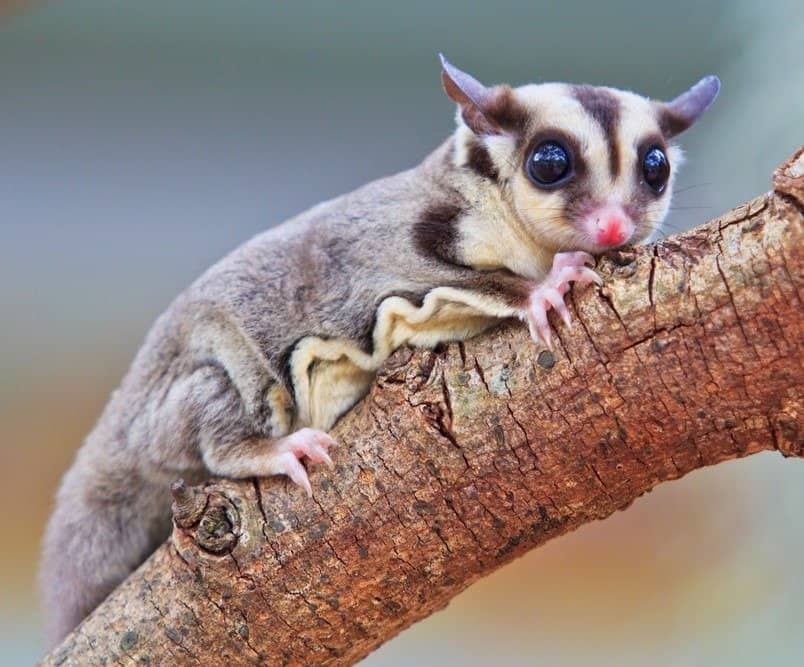
Pet sugar gliders eat insects, Leadbeater’s mix, and commercial food.
©apiguide/Shutterstock.com
Some of the most common foods that sugar gliders eat in captivity include:
- Specialized commercial foods
- Crickets
- Pinky mice
- Mealworms (occasionally)
- Waxworms (as a treat)
- Leadbeater’s mix (a specialized commercial or homemade meal)
- Greens low in calcium and oxalates such as arugula, Boston lettuce, cilantro, dill, green and red leaf lettuce, radicchio, romaine, and watercress
- Chopped up fruits such as orange, watermelon, pear, kiwi, apricot, banana, apple, mango, grapes, and melon
- Food pellets
- Corn (very occasionally)
- Apple sauce
- Chicken
- Eggs
Because sugar gliders eat small amounts, they require a nutrient-dense diet. Gut-loading insects (feeding them high-quality nutrients 24–48 hours before offering them to your glider) is essential to ensure the insects provide vitamins and minerals, rather than acting as empty filler.
How Do Sugar Gliders Find Food?
When sugar gliders hunt for prey, they use their keen night vision and sensitive hearing to locate insects and small vertebrates. They wait for their prey to stop moving to feed or rest, then leap and glide toward it, using their gliding membranes to coast and their tail to steer. They catch and quickly consume their prey when the opportunity arises.
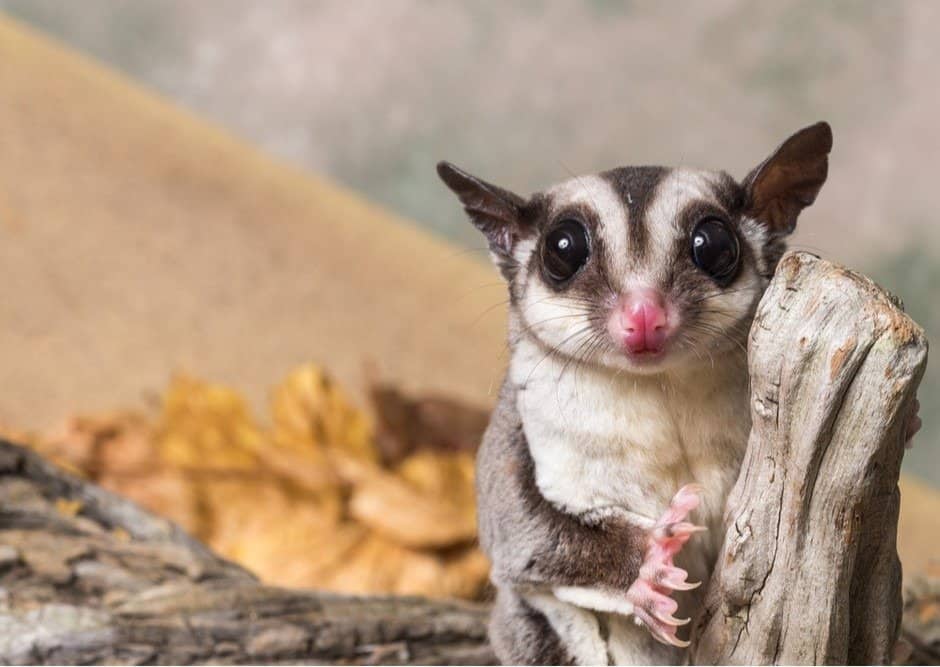
Sugar gliders use their night vision, hearing, and gliding to find food.
©LesPalenik/Shutterstock.com
Although sugar gliders are effective predators, they find most of their food by climbing trees to eat sap, pollen, or gum that accumulates on the branches. They use their astounding climbing skills to reach high places in trees to feed safely, and can escape predators by leaping and gliding to another tree.
In the wild, sugar gliders eat between 10–15% of their body weight each day to fulfill their metabolic requirements.
Foods to Avoid Feeding Your Sugar Glider
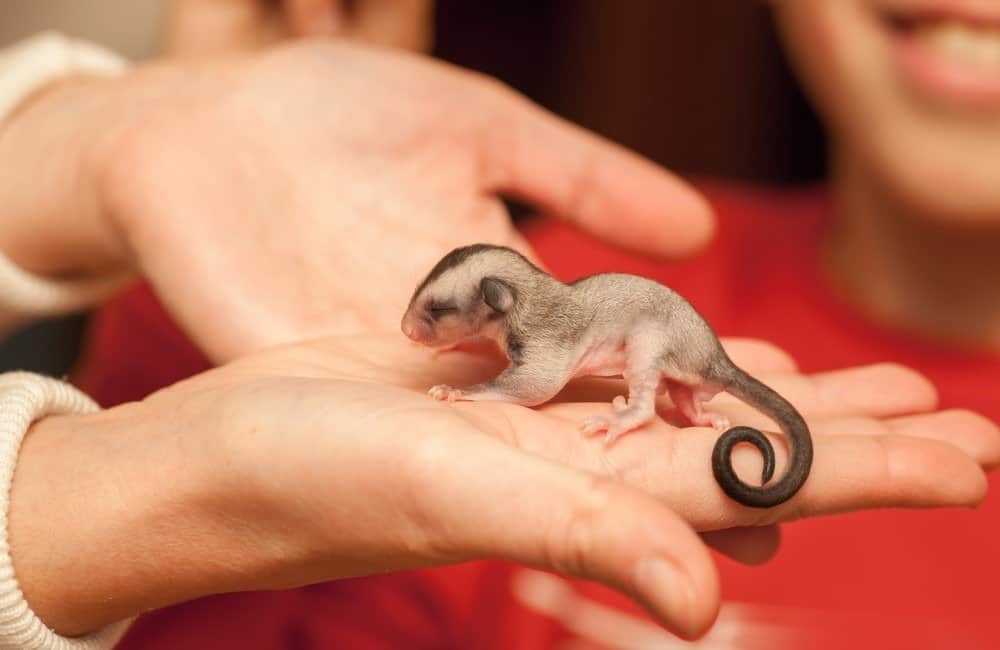
Sugar gliders cannot eat chocolate or anything with caffeine.
©Evannovostro/Shutterstock.com
Although sugar gliders may appear capable of eating just about anything as omnivores, many people lose their pets each year by feeding them the wrong foods. Some foods are outright toxic to sugar gliders, while others merely cause serious complications.
These are the foods you should avoid feeding your sugar glider:
- Tea
- Chocolate
- Coffee
- Canned or dried fruit
- Dairy products
- Fruits and veggies treated with insecticides
- Fruits and veggies known to be high in oxalates: spinach, beets, figs, collards, raspberries, blackberries, and strawberries
- Onions
- Garlic
- Foods that contain preservatives
These foods are not good for sugar gliders and should be excluded from their diet.
What Eats Sugar Gliders?
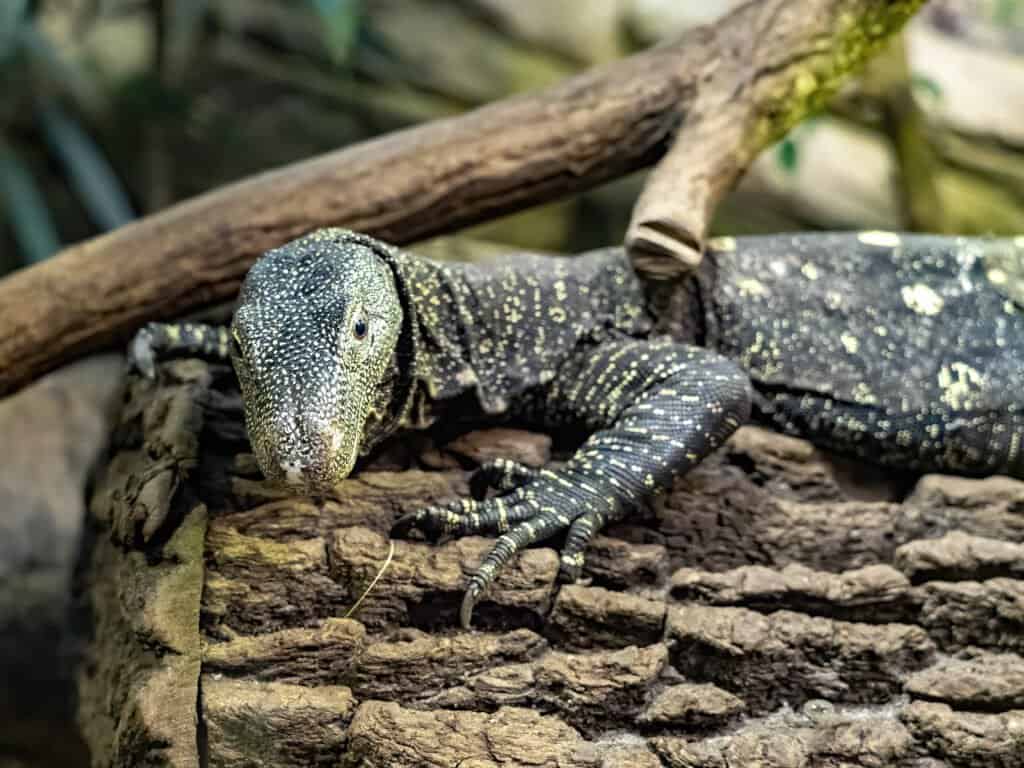
Monitor lizards are common predators of sugar gliders.
©Vladislav T. Jirousek/Shutterstock.com
Sugar gliders are nocturnal creatures that can see or hear most predators coming their way, and they have the means to escape. Their gliding ability and exceptional climbing skills can help them stay out of harm’s way. However, some creatures can still capture and kill them.
Predators of sugar gliders include:
- Snakes
- Monitor lizards
- Owls
- Foxes
- Kookaburras
- Goannas
- Quolls
- Antechinuses
- Feral cats
Sugar gliders have relatively few predators because they inhabit a limited region of the world. Another primary threat to these creatures comes from humans, who cause habitat loss. Wildfires and climate change are also major threats to sugar gliders.