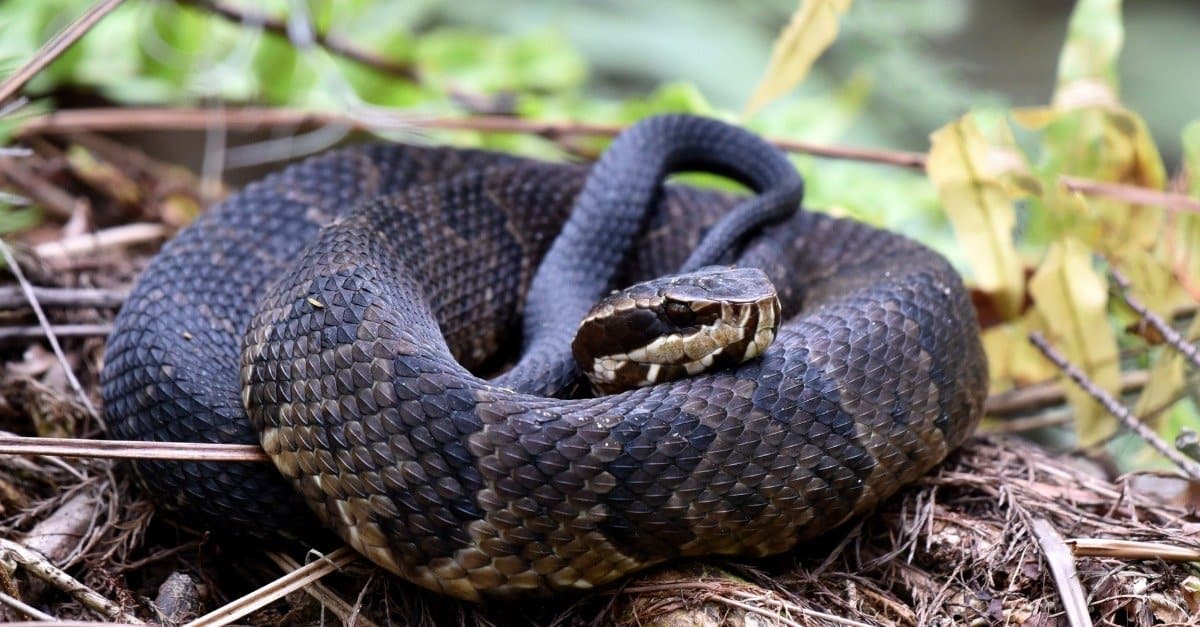

Snakes play a valuable role in maintaining pest populations. Most snakes you’ll see in your yard are more of a nuisance than a direct and immediate danger to your life. However, many people do not want to share their homes and gardens with snakes. You can keep snakes away from your home without having to employ deadly methods like poisoning, which can also pose dangers to humans, pets, and wildlife that are helpful to your local ecosystem. So what keeps snakes away? Here are 10 steps you can take to keep snakes away from your home and property.
1. Sealing Up Cracks
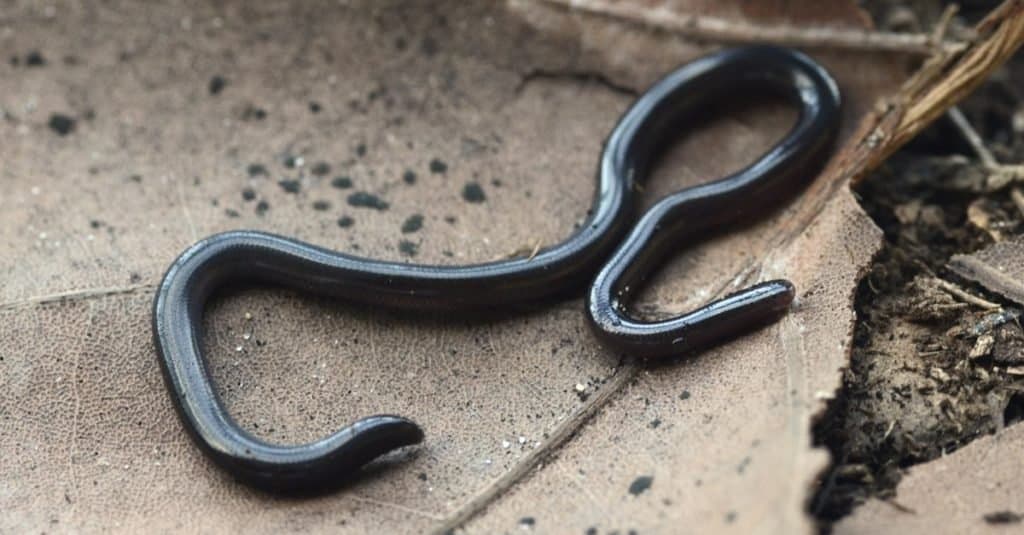
Snakes may get into your home by crawling under doors or through cracks.
©Patrick K. Campbell/Shutterstock.com
Snakes in your yard are one thing, but having them in your house is another threat entirely. The best approach to prevention is to keep them from having access in the first place. Finding access points for snakes means thinking like a snake. These serpents have a particular fondness for crawlspaces that are warm and damp. You’ll want to check around the perimeter of your home for any cracks or holes near ground level or in the foundation.
Storm drains can also be access points for snakes. You can extend your search to the sidewalk surrounding your home if you’re still dealing with the threat of an infestation. Making this a semi-regular part of your home maintenance can not only help keep snakes away but also serve as a prevention method for pests like raccoons, mice, and opossums.
2. Removing Potential Food Sources
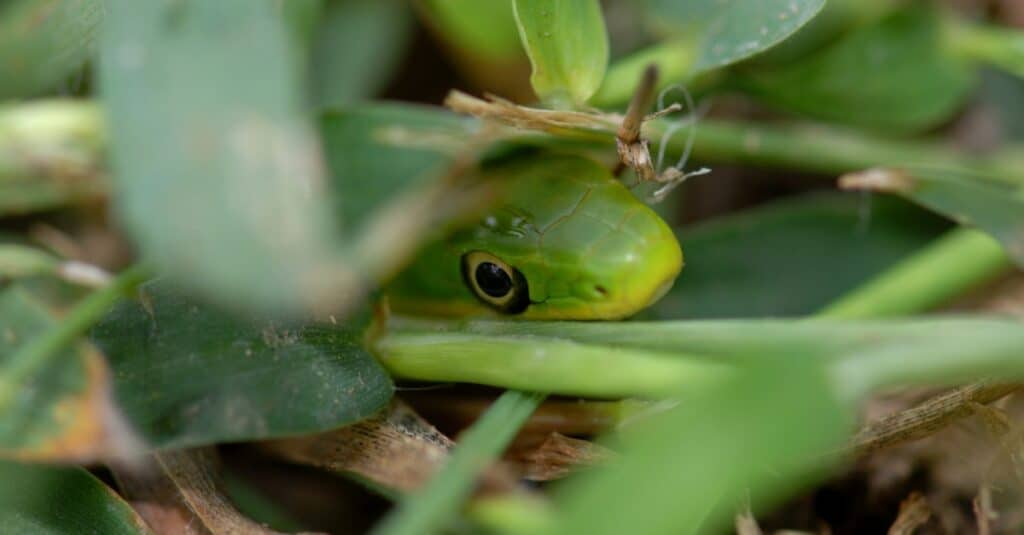
Snakes seek food and shelter. Remove those items and they’re unlikely to visit.
©iStock.com/Shoemcfly
The efficacy of repellents like fox urine, garlic, and lemongrass is largely anecdotal. You can more effectively keep snakes away from your property by removing their reason for visiting in the first place. Snakes are predators that seek shelter and food. So, if a snake is venturing onto your property, there’s a good chance that it’s hunting for food. If they stay, there’s a high probability it’s because your yard affords a dependable food source.
Bird feeders are especially attractive to snakes. This is not only because of the birds, but also because seeds that have been dropped or spilled attract the rodents that snakes eat. It’s important to keep bird feeders away from your house. If you feed your cat or dog outdoors, that could also draw rodents and bring snakes along with them. Move the pet bowls inside, and be sure to thoroughly seal any containers that contain animal feed.
3. Removing Standing Water
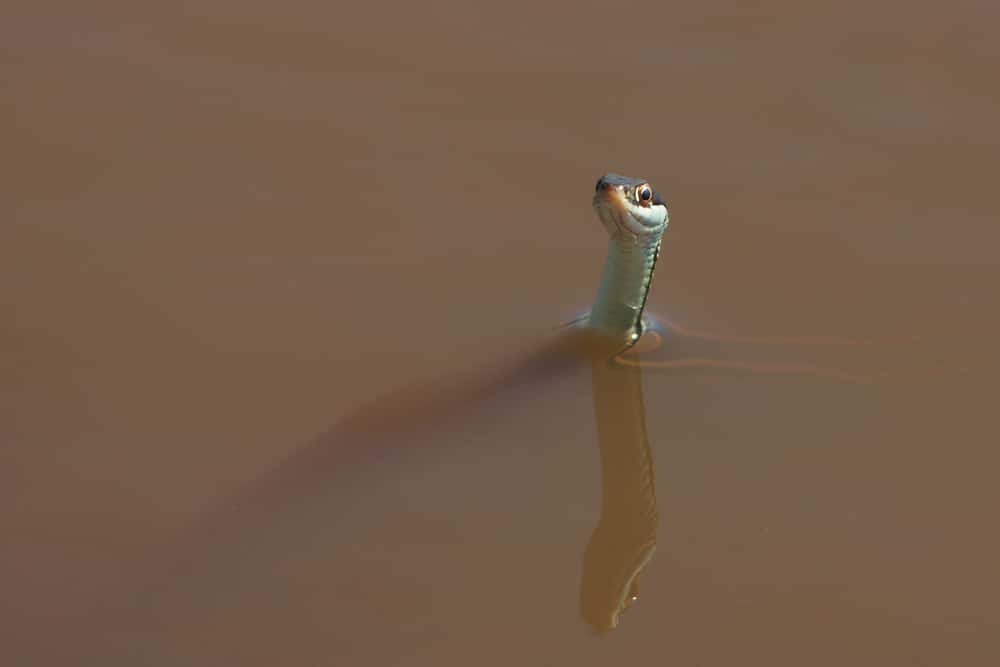
Standing water can attract frogs, insects, small mammals, and snakes.
©Scott Payne/Shutterstock.com
Standing water tends to build a pretty diverse ecosystem. That includes insects, frogs, and small mammals that are often the preferred prey of snakes. Making sure that any pool in your yard is properly treated can prevent snakes and other animals from establishing a population on your property. Snakes are also often drawn to the poolside because they like to sunbathe on concrete.
Although nothing has been proven, anecdotal evidence suggests that ammonia or white vinegar placed around water sources can keep snakes away. However, your surest bet is to reduce standing water sources as much as possible. Keep an eye out for parts of the lawn that collect standing water after heavy rainfall. Also, consider reducing the number of times you water your lawn if you’ve begun to notice snakes on your property.
4. Trapping the Snake
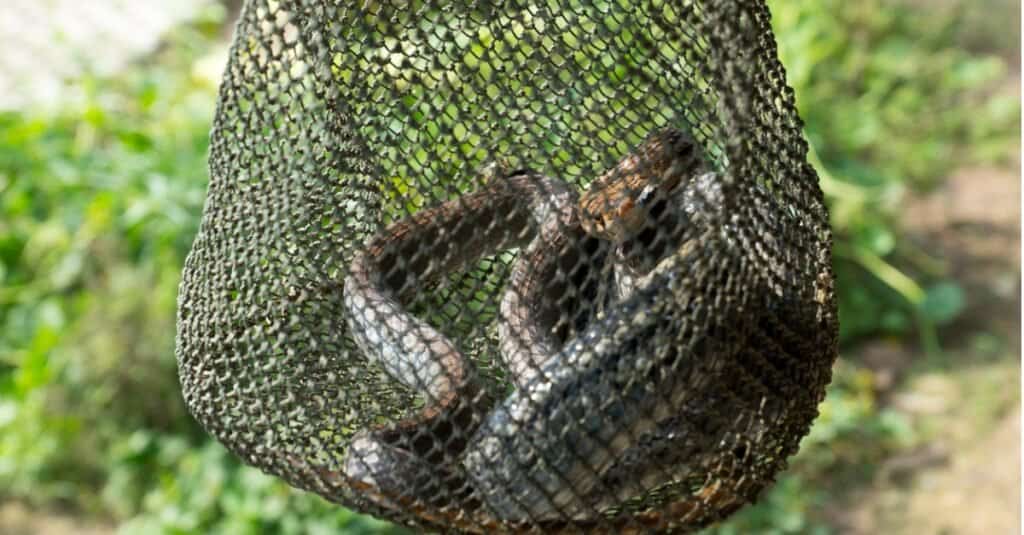
Tightly-woven mesh bags are sometimes used to catch snakes.
©Tuttoo/Shutterstock.com
Trapping won’t do you much good if you have an infestation of snakes, but it can be very effective if you know that you simply have one troublemaker under your house or on the lawn. Traps can be bought at your local hardware store. You should only use a professional trap rather than trying to make one yourself. This is especially true if you aren’t sure whether or not the snake is venomous.
Eggs are a common choice of bait for snake traps because snakes don’t eat carrion, and live bait can be difficult to manage. Be sure to relocate the snake at least two miles — but ideally five or six — from your home so that it won’t simply return. Always check local regulations before relocating wildlife.
5. Building Strong Fences
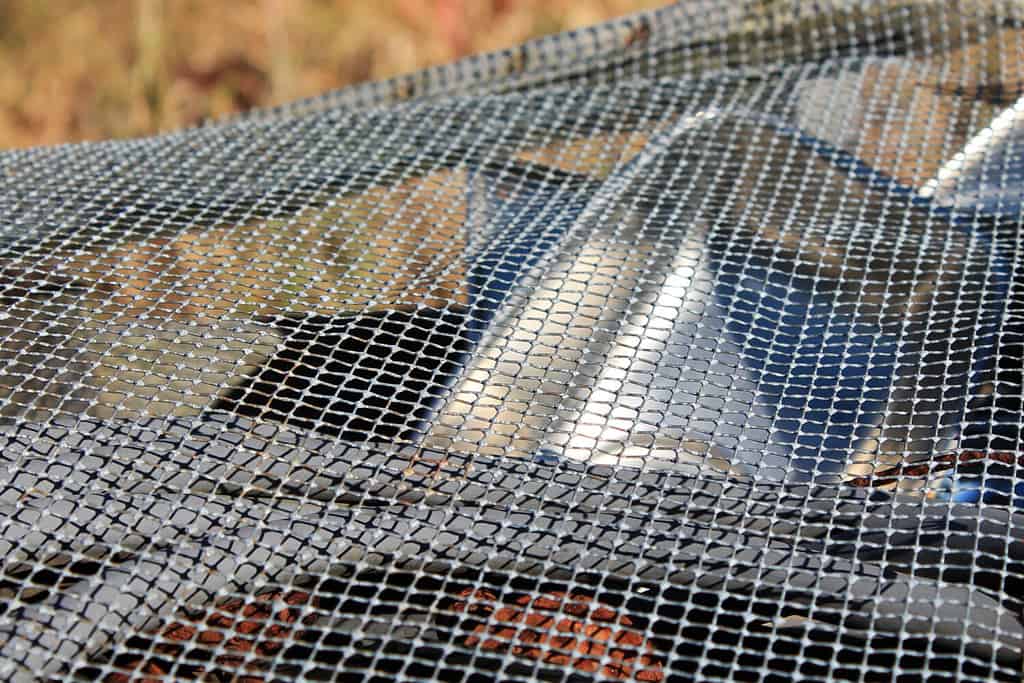
Certain types of fences are built to keep out wild animals such as snakes. Preferred materials are vinyl fencing or tight wire mesh.
©John Cumbow/Shutterstock.com
If your fence isn’t keeping snakes out — or if you don’t have a fence at all — it might be time for an upgrade. The unique physiology of snakes means that you’ll need fencing materials and building techniques that can prevent them from just slithering through. Experts recommend a minimum fence height of three feet to keep snakes away. Vinyl fencing is an option that snakes can neither climb over nor through. Tight mesh wire can be both effective and cheap as long as it’s positioned at an angle. In either case, you’re going to want to make sure that the fencing itself is buried at least half a foot into the ground.
Having a professional install snake fencing can reduce the number of snakes that enter your yard. However, snakes can climb. Trees, bushes, and shrubs can act as ladders to help snakes get over any fence.
6. Landscaping and Maintenance

Regular lawn maintenance and landscaping can help cut back on snake intruders.
©africa_pink/Shutterstock.com
If it’s been a while since you’ve done any maintenance on your lawn, you could be fostering an environment that attracts snakes. Taller grass provides a habitat for animals such as rabbits while also offering great cover for a hunting snake. Regularly mow your lawn and keep the grass short. You can also benefit from diligently trimming your shrubs, bushes, and trees. Maintaining a clearance of 2 to 3 feet underneath large shrubs will reduce the amount of space where snakes can hide and ensure that they’re more visible if they do appear.
Special attention should be paid to trees or shrubs that snakes could use to crawl over fencing. If you’re using rocks in your landscaping, it’s generally advised to opt for smaller rocks, pebbles, and gravel. Larger rocks and the spaces between them tend to be popular hiding and nesting spots for snakes.
7. Bringing in Domestic Fowl
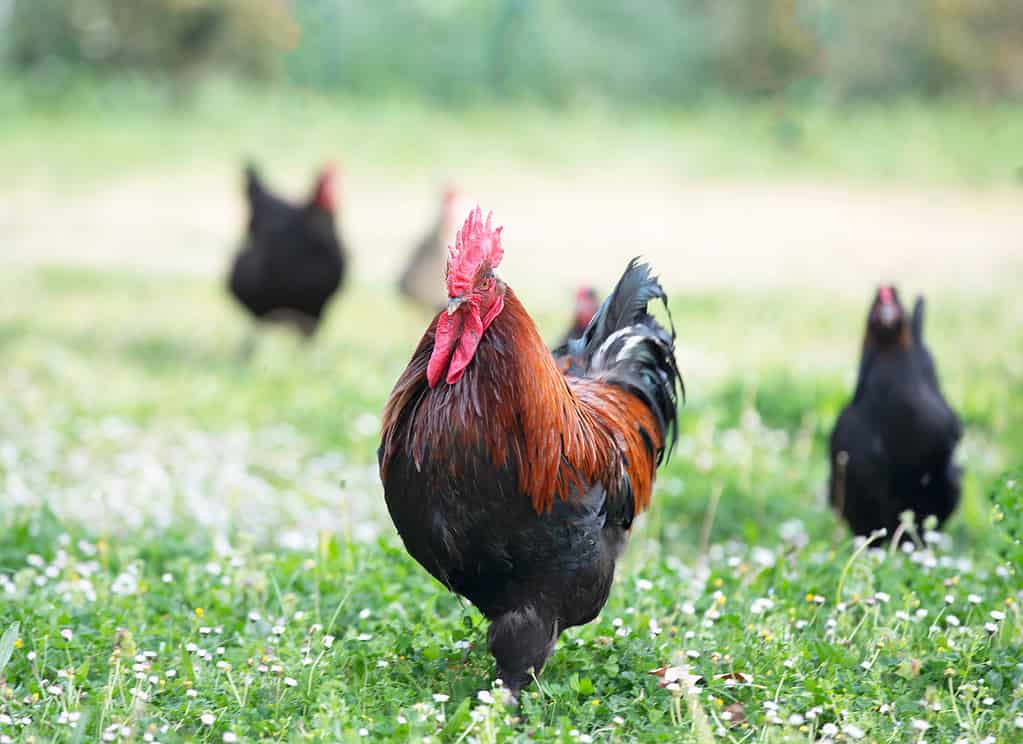
Domestic fowl can be part of an effective strategy for managing snake populations.
©cynoclub/Shutterstock.com
It might seem counterintuitive to invite chickens into your yard, considering that eggs are a tasty meal for snakes, but domesticated fowl do not appreciate snakes around their homes either. Chickens can be a good choice for managing populations of small snakes, as they’ll hunt smaller serpents they spot instinctively. Roosters in particular will seek out snakes that could threaten local hens and eggs.
If you’re looking for fowl that are more effective at killing snakes, you can always bring a turkey or a guinea fowl into your yard. The latter are known to actively seek out and kill smaller snakes. Just keep in mind that venomous species like rattlesnakes and water moccasins can pose a threat to even your largest domesticated birds. Ensure your coops are built using the types of materials recommended above.
8. Luring Birds of Prey
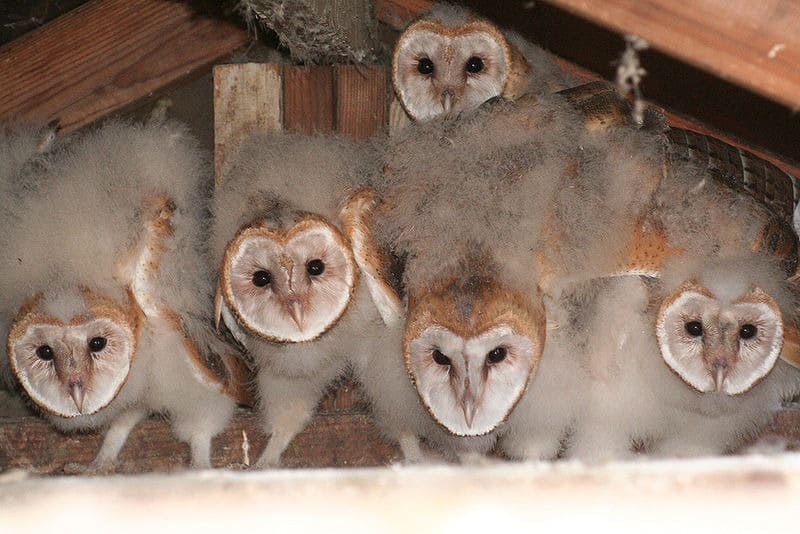
Birds of prey like owls target snakes for a tasty meal. Making them feel at home on your property can be beneficial.
©chdwckvnstrsslhm / Creative Commons – Original
What keeps snakes away? Predators. Snakes are a favorite snack for most owl species, and luring them onto your property can serve as an effective way to control both snake and rodent populations. Most hardware stores sell statues that look like owls and are designed to scare snakes off, but there’s little evidence that these methods actually fool snakes. Trees with high, strong branches can become a popular hunting site for owls. Buy or build a nesting box to make your trees even more attractive.
The species of owls or other birds of prey you can welcome onto your property will depend on where you live. In rare cases, great horned owls have been known to attack small dogs and cats. So you’ll want to be sure that you understand the local ecology before taking steps to invite even more predators onto your property.
9. Calling Wildlife Control

When all else fails, you can always give animal control a call to help you rid your yard or house of an unwelcome snake.
©Jim Parkin/Shutterstock.com
If your snake situation is too much to handle or you’re worried that there might be a venomous snake on your lawn, it might be time to call a specialist. The issue might be handled by the fire department or animal control, depending on your state and local government. Private contractors, such as pest control companies, can also help you. If at all possible, try to safely take a picture of any snake you see so the professionals can better understand what they’re dealing with.
10. Removing Debris and Keeping Woodpiles Off the Ground
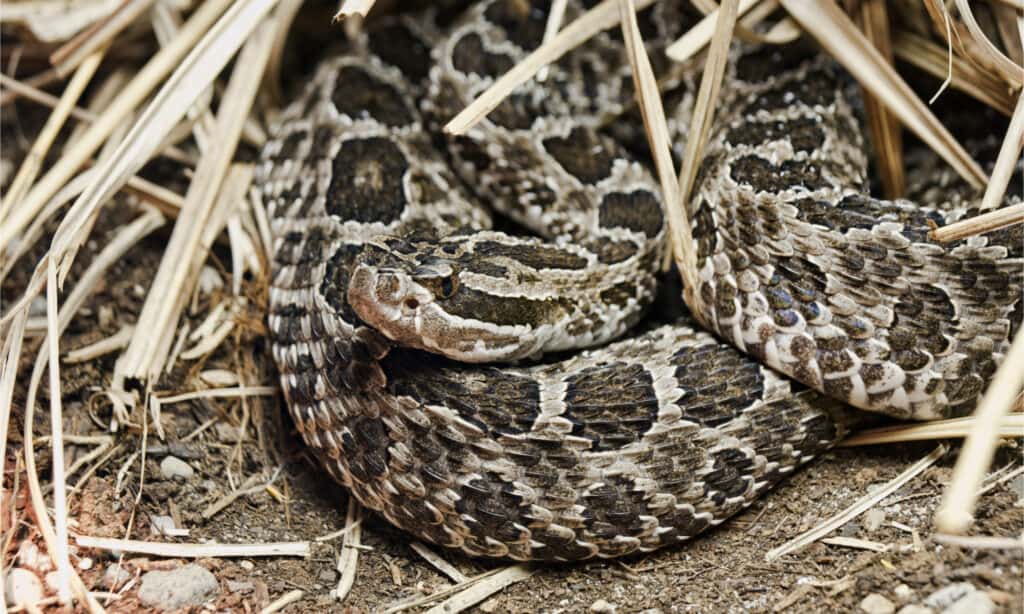
Snakes enjoy hiding in debris, tall grass, and even in wood piles.
©DnDavis/Shutterstock.com
The bottom line for keeping snakes out of your yard is to remove the things that attract them in the first place. They love hiding in nooks and crannies provided by piles of debris and even your firewood pile. Remove any debris from your property and keep your firewood at least a foot off the ground to help minimize its attractiveness to snakes or other pests. You should also store it away from your home or garage.