
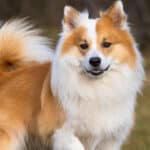
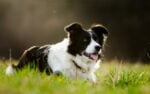
S
Species Profile

Swedish Lapphund

Canis lupus familiaris

Spitz-type reindeer-herding dog of the Sami people
Ida Eldevik/Shutterstock.com

Swedish Lapphund Distribution

Click a location to explore more animals from that region

Origin Location

This map shows the native origin of the Swedish Lapphund. As a domesticated species, they are now found worldwide.

Loading map...

Found in 1 country

Size Comparison

Human 5'8"
Swedish Lapphund 1 ft 5 in

Swedish Lapphund stands at 25% of average human height.

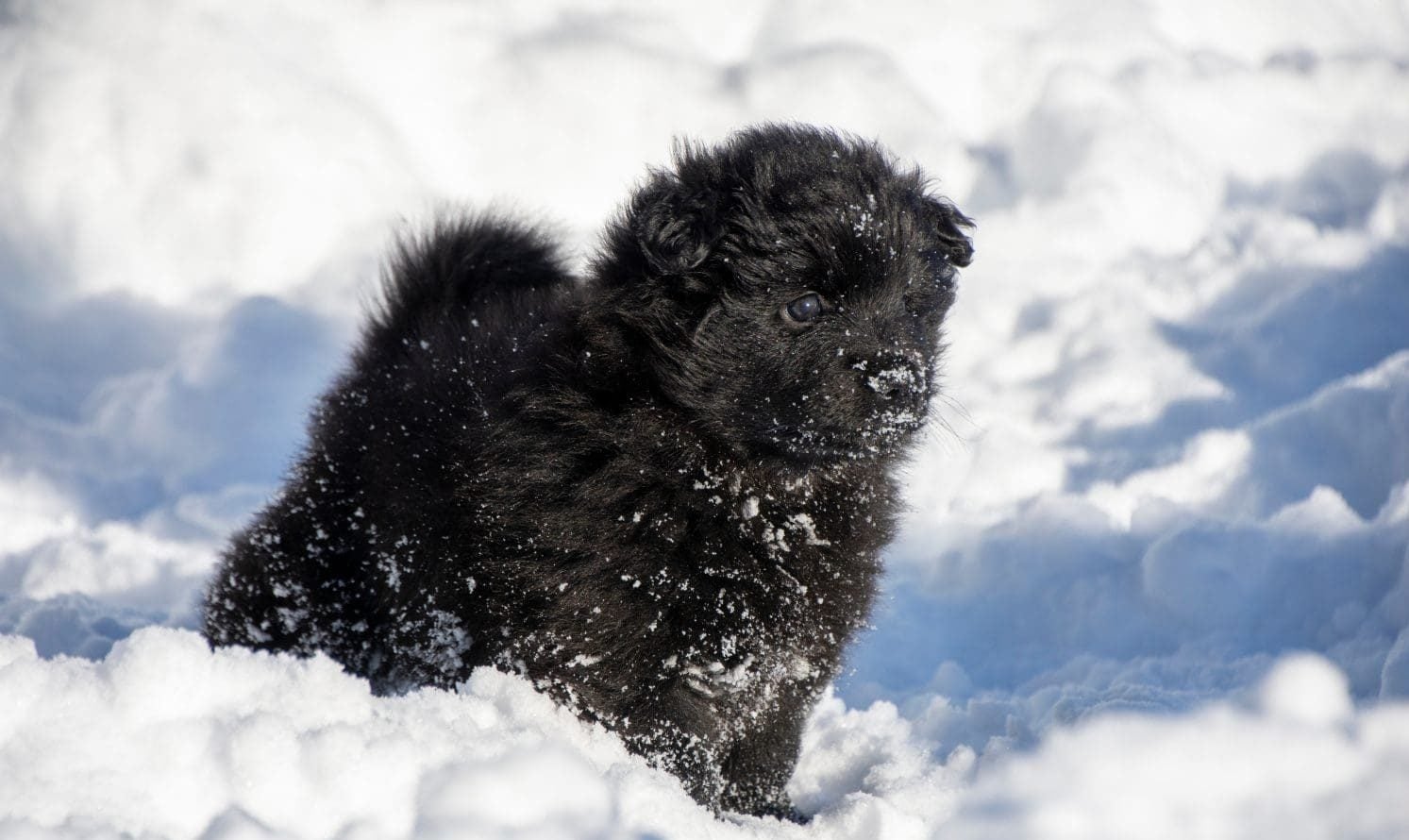
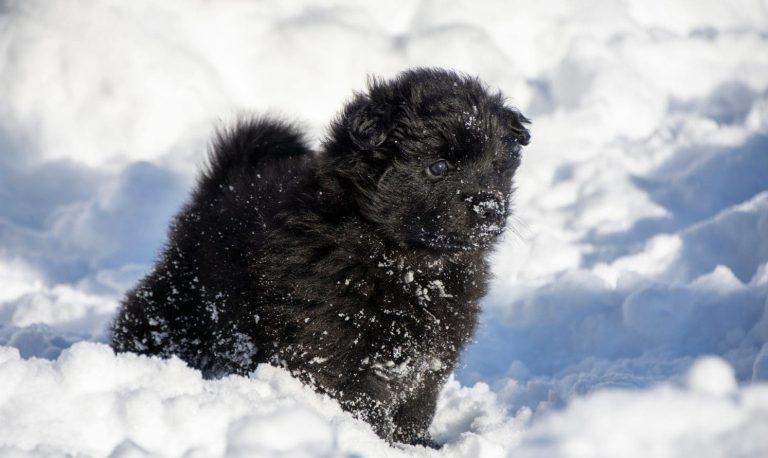
Swedish lapphund puppy in the snow

At a Glance

Domesticated
Also Known As Svensk lapphund, Lapphund, Lappie
Diet Omnivore
Activity Diurnal+
Lifespan 7 years
Weight 22 lbs
Status Not Evaluated
Did You Know?

It's one of Sweden's native breeds and closely tied to Sami reindeer-herding culture.

Scientific Classification

The Swedish Lapphund is a Nordic spitz-type domestic dog breed historically used by the Sámi people for herding and guarding reindeer and for companionship. It is one of Sweden’s native dog breeds.

Kingdom
Animalia
Phylum
Chordata
Class
Mammalia
Order
Carnivora
Family
Canidae
Genus
Canis
Species
Canis lupus

Distinguishing Features

  • Nordic spitz build with erect ears and a curled/plumed tail
  • Thick double coat adapted to cold climates
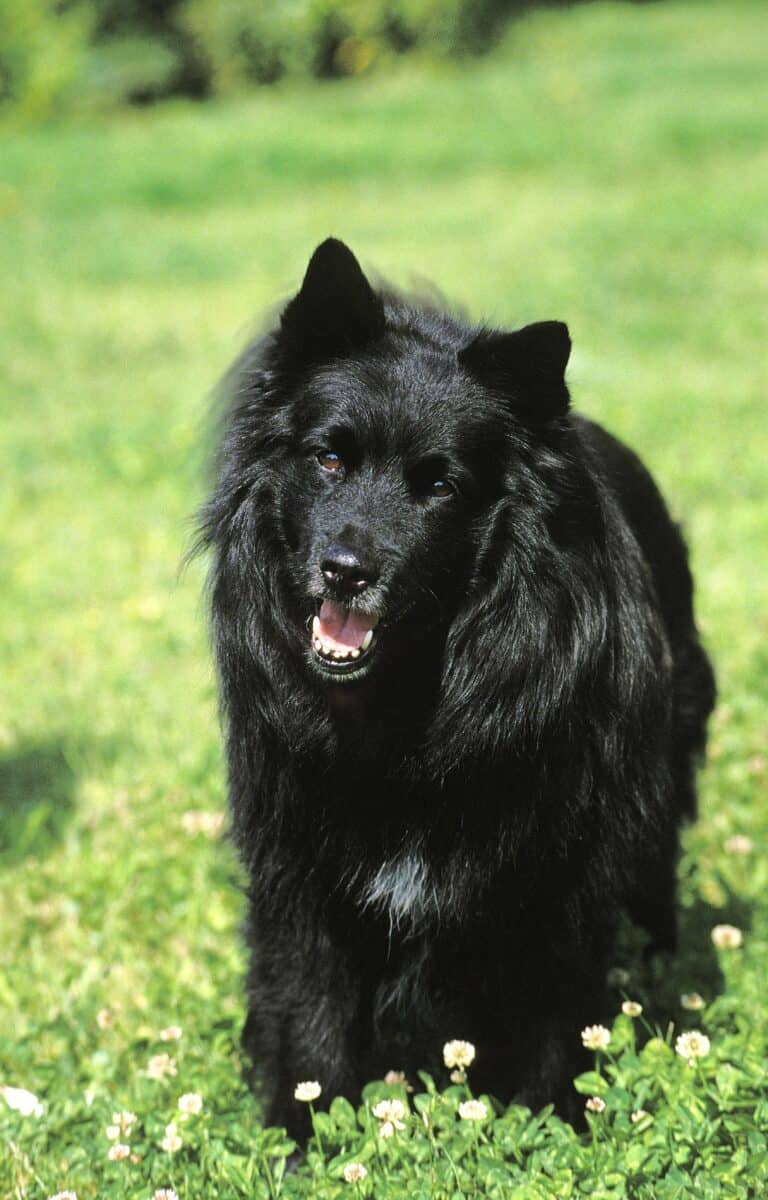
  • Traditionally black coat is common; overall appearance is compact and agile
  • Bred for herding/alertness: typically attentive, vocal, and people-oriented

Physical Measurements

Males and females differ in size

Height
1 ft 7 in (1 ft 6 in – 1 ft 8 in)
1 ft 5 in (1 ft 4 in – 1 ft 6 in)
Length
2 ft 6 in (2 ft 2 in – 2 ft 11 in)
Weight
40 lbs (33 lbs – 46 lbs)
35 lbs (29 lbs – 42 lbs)
Tail Length
11 in (9 in – 12 in)
9 in (8 in – 11 in)
Top Speed
28 mph
running

Appearance

Primary Colors
Secondary Colors
Skin Type Thick, well-insulated canine skin beneath a cold-adapted double coat; often darkly pigmented, supporting weather resistance in Nordic climates.
Distinctive Features
  • Domestic dog, selectively bred by the Sami people for reindeer herding and guarding; compact Nordic spitz type with strong bond to humans.
  • Dense double coat (harsh outer coat + woolly undercoat) for cold and wet; heavy seasonal shedding ("blowing coat").
  • Curled tail carried over the back, aiding warmth retention and typical of Nordic spitz breeds.
  • Erect, triangular ears and alert expression; quick to vocalize-natural watchdog tendency common in the breed.
  • Moderate, agile build suited to endurance work on snow; strong feet with good hair between toes in winter.
  • Care: frequent brushing during shed seasons; regular coat checks for matting behind ears and in breeches.
  • Care: needs daily mental stimulation and exercise; herding/guarding instincts benefit from training and structured tasks.
  • Health concerns seen in the breed: hip dysplasia and eye diseases (e.g., PRA/cataracts); maintain screening, weight control, and routine veterinary eye/orthopedic checks.

Sexual Dimorphism

Males are typically larger and more robust, often showing a fuller neck ruff and heavier bone. Females are slightly smaller and finer-boned, with a somewhat lighter overall outline while keeping the same spitz coat and tail carriage.

  • Slightly taller and heavier, with broader head and chest.
  • Often a more pronounced mane/ruff and fuller coat around neck.
  • More substantial bone and muscle definition overall.
  • Slightly smaller, lighter build with a finer head and muzzle.
  • Coat can appear a bit less profuse at the ruff than males.
  • Same curled tail and erect ears, but overall silhouette is more refined.

Did You Know?

It's one of Sweden's native breeds and closely tied to Sami reindeer-herding culture.

The breed's thick double coat and curled tail are classic cold-climate spitz traits.

Swedish Lapphunds are known for being notably vocal-useful for alerting and moving stock across wide terrain.

They're smaller than many northern working dogs, built for agility and endurance rather than pulling heavy loads.

Historically they worked as reindeer herders/guardians and also lived closely with families as camp dogs.

As domestic dogs (Canis lupus familiaris), they share the species' social intelligence but are selectively bred for attentiveness and responsiveness to human direction.

Their "spitz" look reflects ancient northern landrace roots: wedge head, prick ears, dense coat, and tail carried over the back.

Unique Adaptations

  • Cold-adapted double coat: a weather-shedding outer coat plus insulating undercoat helps conserve heat in Arctic/subarctic conditions.
  • Curled tail carried over the back reduces heat loss and can be tucked around the body for warmth when resting.
  • Compact, agile build suited to moving quickly over uneven ground and working around wary, fast-moving reindeer.
  • High environmental sensitivity (sound/movement): valuable for spotting predators, strangers, or scattered animals at distance.
  • Domestic-dog flexibility: like other Canis lupus familiaris, can switch between working roles (herding/guarding) and family companionship with training and enrichment.

Interesting Behaviors

  • Watchful scanning and quick "announce" barking when something changes in the environment-an inherited guardian/alerting style.
  • Strong "gathering" tendencies: circling, blocking, and guiding movement-often directed at other pets or even kids if under-stimulated.
  • High handler focus with quick learning; thrives on short, varied training sessions and clear rules.
  • Cold-weather enthusiasm: many show increased energy and comfort in snow and cool temperatures.
  • Close-range companionship: often prefers staying near its people, checking in frequently rather than roaming far.
  • Prick-ear listening and head-tilt responses-common in dogs, but especially pronounced in attentive herding types.

Cultural Significance

The Swedish Lapphund (Canis lupus familiaris) is a spitz-type dog tied to Sami reindeer herding. It helped move and guard reindeer, warned of danger, and stayed with people in northern lands. It's a native Swedish breed and cultural symbol.

Myths & Legends

Sami stories include ogre-like beings and northern spirits. In reindeer-herding camps, watchful dogs were valued as night guards against predators and strangers, raising herding dogs' role beyond simple work.

In Nordic folk belief, the Swedish Lapphund (Canis lupus familiaris) bark marked a homestead's edge, keeping dark and wild away; in the reindeer-herding north it stood for safety and order on the tundra.

Sami reindeer herding tales say small spitz herding dogs worked closely with people to gather and turn reindeer, seen as vital partners whose alertness and bark helped keep animals and people together in bad weather.

The name "Swedish Lapphund" is a cultural trace, using older Scandinavian words for the Sami and their dog (literally "Lapland dog"). People note its long Sami reindeer-herding ties, not one origin legend.

Conservation Status

NE Not Evaluated

Has not yet been evaluated against the criteria.

Population Stable

Life Cycle

Birth 5 pups
Lifespan 7 years

Lifespan

In the Wild
5–13 years
In Captivity
11–15 years

Reproduction

Mating System Polygyny
Social Structure Managed Domestic
Breeding Pattern Serial
Fertilization Managed Selective
Birth Type Managed_selective

In Swedish Lapphunds, mating is typically arranged by humans: selected stud males may sire litters with multiple females across seasons. Copulation and fertilization are internal, with no stable pair bond and parental care provided primarily by the dam.

Behavior & Ecology

Social Pack Group: 4
Activity Diurnal, Crepuscular, Cathemeral
Diet Omnivore Meat-based meals (high-quality animal protein) with occasional fish-based portions

Temperament

Species context (Canis lupus familiaris): highly social, cooperative, learns human cues; varies by upbringing.
Breed distinction: Nordic spitz reindeer-herding/guarding heritage-alert, watchful, and notably vocal.
Work style: independent problem-solver yet handler-oriented; benefits from clear boundaries and reward-based training.
Sociability: affectionate with family; may be reserved with strangers and protective of home/yard.
HUBS (Nordic spitz herders): common traits are vigilance, weather-hardiness, and vocal alerting; individuals vary in stranger-waryness and prey drive.
Energy/needs: medium-high stamina; requires daily exercise plus mental work (scent games, herding-style tasks).
Care requirements: dense double coat-weekly brushing, heavier seasonal shedding; thrives in cool climates but needs heat management.
Health concerns to monitor: hip dysplasia, progressive retinal atrophy/other eye disease; maintain lean weight and schedule eye/orthopedic screening.
Behavioral risks if under-stimulated: nuisance barking, pacing, destructiveness; improves with structured jobs and enrichment.

Communication

frequent alert barking Breed-typical, used historically to move/guard reindeer
short howls/yodel-like calls
whines and grumbles for attention or frustration
growls during guarding or discomfort
spitz body language: upright ears, curled tail carriage, stiff posture when alert
nose-led investigation and scent marking; uses scent to track and assess strangers/dogs
contact seeking with family Leaning, pawing, following
eye gaze and handler check-ins during work; responsive to gestures
play signals (bows, bouncy approach) but may posture-stiffen if unsure

Habitat

Biomes:
Boreal Forest (Taiga) Tundra Alpine Temperate Forest Temperate Grassland Mediterranean Desert Cold Desert Hot Savanna Tropical Dry Forest Tropical Rainforest Wetland +6
Terrain:
Mountainous Hilly Plateau Plains Valley Riverine
Elevation: Up to 16404 ft 3 in

Ecological Role

Human-associated mesocarnivore/omnivorous domestic working dog (herding/guarding specialist)

Reindeer herding and livestock management support (reduces losses, improves herd control) Guarding/alerting (deterrence of predators and intruders) Pest control via opportunistic predation on small mammals around settlements Scavenging of human food waste (in unmanaged settings) which can alter local nutrient flow Companionship and working partnership with humans (cultural and social utility)

Diet Details

Main Prey:
Small mammals Birds and eggs Ungulate Fish scraps
Other Foods:
Berries Grasses and sedges Roots, tubers and other starchy plant foods Vegetables Fruit

Human Interaction

Domestication Status

Domesticated

Dogs (Canis lupus familiaris) were domesticated from gray wolves (Canis lupus) by humans for social tolerance, trainability, and work. The Swedish Lapphund is a Nordic spitz linked to the Sami, used to herd and guard reindeer. It is people oriented, alert, needs daily exercise and brushing, and benefits from hip and eye health screening.

Danger Level

Low
  • Bite risk is generally low but present as with all dogs; more likely if fearful, mishandled, or poorly socialized
  • Herding-driven nipping/chasing of running children or small animals if instincts are unmanaged
  • Guard/alert barking can create neighborhood conflict and increases perceived threat despite typically non-aggressive intent
  • Potential for resource guarding in some individuals without training/management
  • Zoonotic and allergy considerations common to dogs (e.g., parasites if unprotected, dander allergies)

As a Pet

Suitable as Pet

Legality: Swedish Lapphunds (Canis lupus familiaris) are usually legal to own in the U.S. and most places. Local rules like licenses, leashes, shots, and housing/HOA rules still apply. Check local laws and insurance.

Care Level: Moderate

Purchase Cost: $1,500 - $3,500
Lifetime Cost: $18,000 - $45,000

Economic Value

Uses:
Companionship and household pet ownership Working/herding and guarding (heritage use) Sport, show, and performance competition Breeding programs and genetic stewardship Pet services economy (training, grooming, boarding, veterinary care)
Products:
  • Puppies from health-tested breeding programs
  • Stud services (where ethically managed)
  • Herding/guarding labor in niche or traditional settings
  • Competition participation (conformation, obedience, rally, agility) driving related services
  • Demand for training, grooming (heavy shedding seasons), and veterinary preventive care

Relationships

Quick Take

  • Survival in Arctic conditions requires maintaining a double coat that must never be shaved.
  • 2 shedding seasons trigger a massive coat blowing event that can overwhelm owners.
  • Extreme rarity within the breed surprisingly results in fewer inbreeding health complications.
  • Starting puppy kindergarten by 12 weeks is vital for curbing an inherent independent streak.

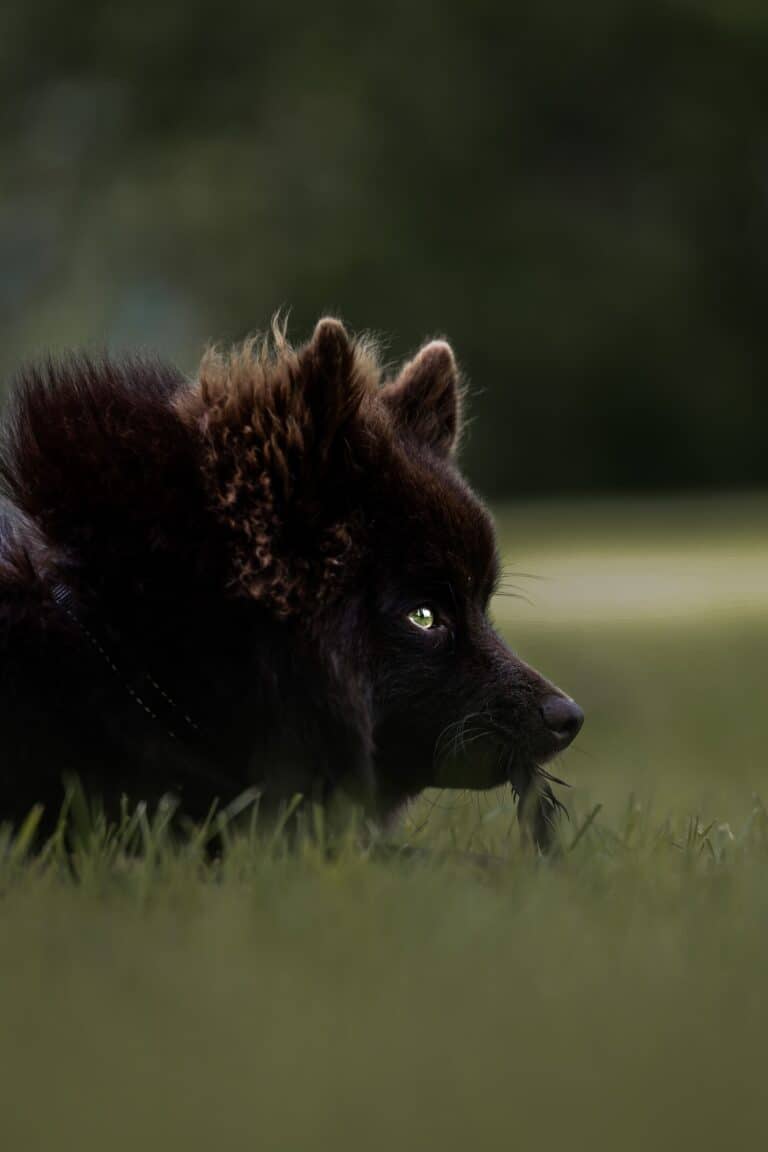
The Sami people (formerly known as Lapps) bred the Swedish Lapphund to herd reindeer. This furry black (sometimes brown) dog is the oldest of Sweden‘s native dog breeds. It is a northern spitz breed with a distinctive, weather-proof double coat that repels dirt and water and sheds year-round. “Lappies,” as they are called, are comfortable in cold, Arctic weather.

They are intelligent dogs that like to work and are very trainable. Lappies excel at herding trials, agility courses, rally work, and obedience trials. They like to run and make excellent companions for joggers or bikers.

Playful, active, affectionate, and lively, the Swedish Lapphund makes a great family dog. Historically, they spent time with the families that owned them, and the tribe revered them. They have a lot of energy and love to play outside, but at the end of the day, they like to settle in with their family.

Information graphic detailing the Swedish Lapphund breed, showing a black fluffy dog in an Arctic setting with panels explaining its history, care requirements, and health.
Sweden's oldest native breed thrives where others freeze, but owning one requires mastering the 'coat blow' and a specific set of Arctic rules. Discover why this rare reindeer herder defies genetic logic to stay healthy. © A-Z Animals

3 Pros and Cons of Owning a Swedish Lapphund 

ProsCons
The Swedish Lapphund is great with families and gets along well with kids.The heavy coat of this Lapphund sheds constantly, especially during its two shedding seasons.
The Lappie is intelligent and highly trainable. The dog is suited to all sorts of competitive activities and enjoys mental stimulation.The Swedish Lapphund is naturally a very vocal dog and barks a lot. Owners should train the dog to be quiet on command and to recognize when it is appropriate to bark.
The vocal nature of the Lapphund makes it an excellent watchdog.The Lapphund has a great deal of energy and a need for mental stimulation. It will get into trouble if it’s not engaged.

The Best Dog Food for the Swedish Lapphund

Like many active breeds, the Swedish Lapphund can gain weight if overfed or under-exercised. Feeding a balanced diet with meat as a primary ingredient and monitoring portion sizes is recommended.

Size and Weight

The Swedish Lapphund is a small to medium-sized dog. The male is about 18-20 inches high at the shoulder and weighs 30-45 pounds. The female is slightly smaller at 16-18 inches at the shoulder and weighs 30-45 pounds.

Common Health Issues

The Swedish Lapphund is a generally healthy breed. The rarity of the Lappie means that there have been fewer issues due to inbreeding. Some dogs, however, have been diagnosed with diabetes mellitus and progressive retinal atrophy. There may be an increased likelihood of other eye disorders.

Additionally, it’s always a good idea to ask the breeder whether the genetic line has a history of hip dysplasia. A reputable breeder will give you honest answers to questions about the dog’s genetic history. Also, ask for vaccination and screening records to evaluate the dog’s health.

Temperament

The Swedish Lapphund is playful, lively, energetic, and an excellent companion and family dog. The Lappie is interested in being with the family, and it finds joy in work and interaction. It has a great deal of energy, and it enjoys playing with children.

How To Take Care of a Swedish Lapphund  

Maintenance and Grooming 

The Swedish Lapphund’s distinctive double coat sheds year-round and requires weekly brushing and an occasional bath. It will go through a heavy shedding period once or twice a year, referred to as “blowing” its coat. During this time, it may be helpful to take the dog to a groomer to help with the additional hair. The coat should never be shaved.

Brush the dog’s teeth weekly and inspect the ears for wax and debris buildup. Clean the ears regularly. Finally, trim the dog’s nails regularly, as well.

Training 

Lapphunds have a high need for activity and mental stimulation, so they enjoy activities where training is required. Begin their training as early as possible. Lappies are very good at agility, obedience, rally, and herding. They respond well to positive reinforcement, so keep the sessions short and incorporate praise and rewards.

Exercise 

The Lapphund has high energy resources and needs at least a 20-30 minute walk daily. It would also be helpful to incorporate a game of fetch or other games in the backyard or at an enclosed park. Agility, obedience, rally, or herding drills can also help to burn off some energy. The Lappie also enjoys going along for a run or trotting alongside a bike. When the family settles down, the Swedish Lapphund can also sit and enjoy quiet time with the family.

Puppies 

Training for Swedish Lapphund puppies should begin as soon as they get home. They are very trainable but have a slight independent streak that can get them into trouble if they’re not trained early on. Continue their training by socializing them through a puppy kindergarten class at 10 to 12 weeks. If their vaccinations aren’t completed, socialize them at home with friends and family until they can begin classes.
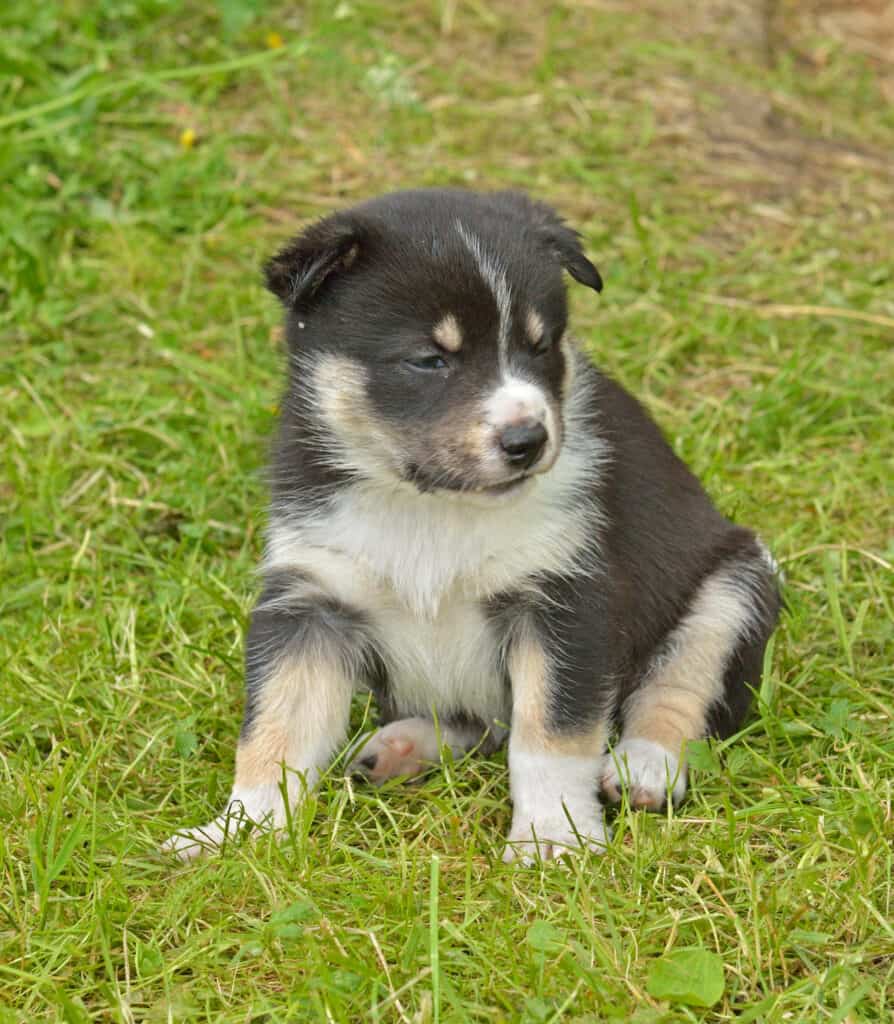
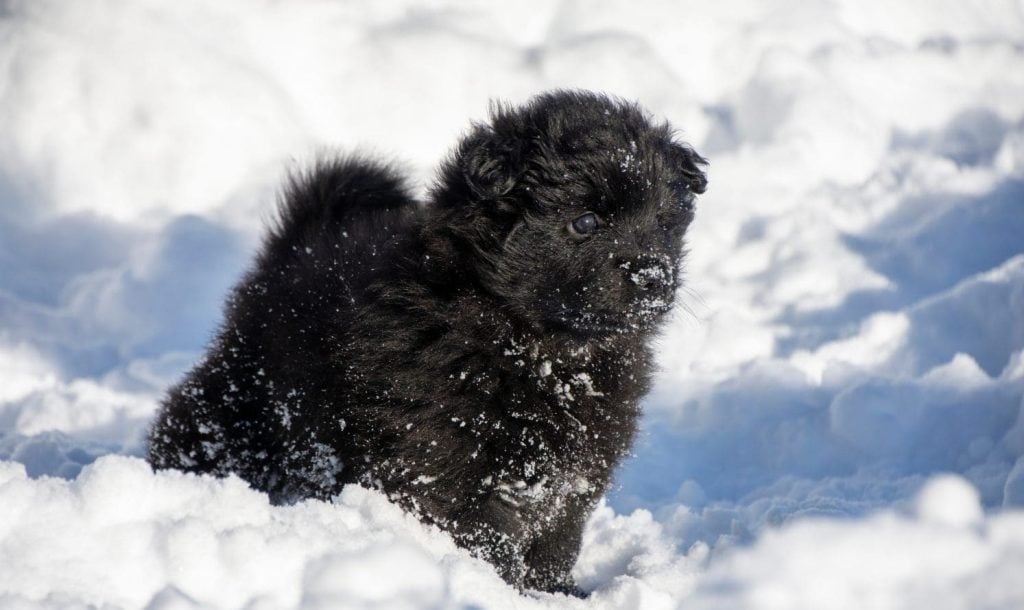
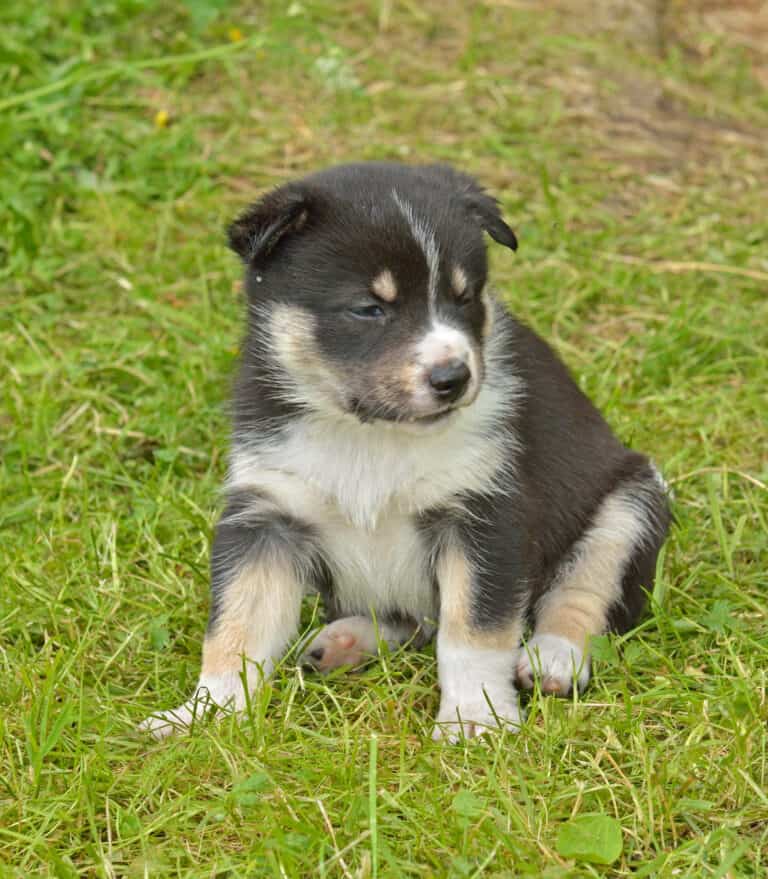
Swedish Lapphund puppy

Socialization through a puppy kindergarten class should begin at about 10 to 12 weeks, depending on vaccination.

Swedish Lapphund and Children

Swedish Lapphunds are playful and active, and can play with children all day. Introduce the Lappie to children early, and of course, small children should never play unsupervised with a dog. Children should be trained to properly handle a dog from an early age and instructed to read cues from the dog’s behavior.

Dogs Similar to Swedish Lapphund

  • Finnish Lapphund: The Finnish Lapphund is closely related to the Swedish Lapphund. When the Sami tribe raised Lapphund to hunt reindeer, they roamed across the northern portions of Sweden, Norway, and Denmark. The Finnish and Swedish people developed their distinctive breeds from the line created by the Sami.
  • Samoyed: The Samoyed is also a spitz dog. It has a heavy white coat that keeps it warm in extreme Siberian winters. Historically, it herded reindeer and pulled sleds.
  • Lapponian herder: The Lapponian herder is another Sami reindeer dog. It was thought to be the same as the Finnish Lapphund until 1966. It is popular in Finland and Sweden.

View all 391 animals that start with S

Sources

  1. Vet Street / Accessed November 1, 2022
  2. Wag Walking / Accessed November 1, 2022
  3. Dog Breed List / Accessed November 1, 2022
  4. American Kennel Club / Accessed November 1, 2022
  5. Wikipedia / Accessed November 1, 2022
  6. The Kennel Club / Accessed November 1, 2022
  7. Norrland Kennel / Accessed November 1, 2022
  8. Breed Archive / Accessed November 1, 2022
  9. Purina / Accessed November 1, 2022
  10. US Service Animals / Accessed November 1, 2022
  11. SKK / Accessed November 1, 2022
  12. Dog Pregnancy Calendar / Accessed November 1, 2022
Rob Amend

About the Author

Rob Amend

Rob Amend is a writer at A-Z Animals, primarily covering meteorology, geology, geography, and animal oddities. He attained a Master's Degree in Library Science in 2000 and served as reference librarian in an urban public library for 22 years. Rob lives in Cincinnati, Ohio, and enjoys spending time with his family, hiking, photography, woodworking, listening to classic rock, and watching classic films—his favorite animal is a six-foot-tall rabbit named Harvey.

Thank you for reading! Have some feedback for us?


Swedish Lapphund FAQs (Frequently Asked Questions)

The Swedish Lapphund is somewhat rare, with numbers currently at about 1,200 dogs. Most of these are in Sweden.