



F
Species Profile

Finnish Lapphund

Canis lupus familiaris

Lapland's friendly, vocal snow-spitz
Lindaze/Shutterstock.com

Finnish Lapphund Distribution

Click a location to explore more animals from that region

Origin Location

This map shows the native origin of the Finnish Lapphund. As a domesticated species, they are now found worldwide.

Loading map...

Found in 1 country

Size Comparison

Human 5'8"
Finnish Lapphund 1 ft 6 in

Finnish Lapphund stands at 27% of average human height.

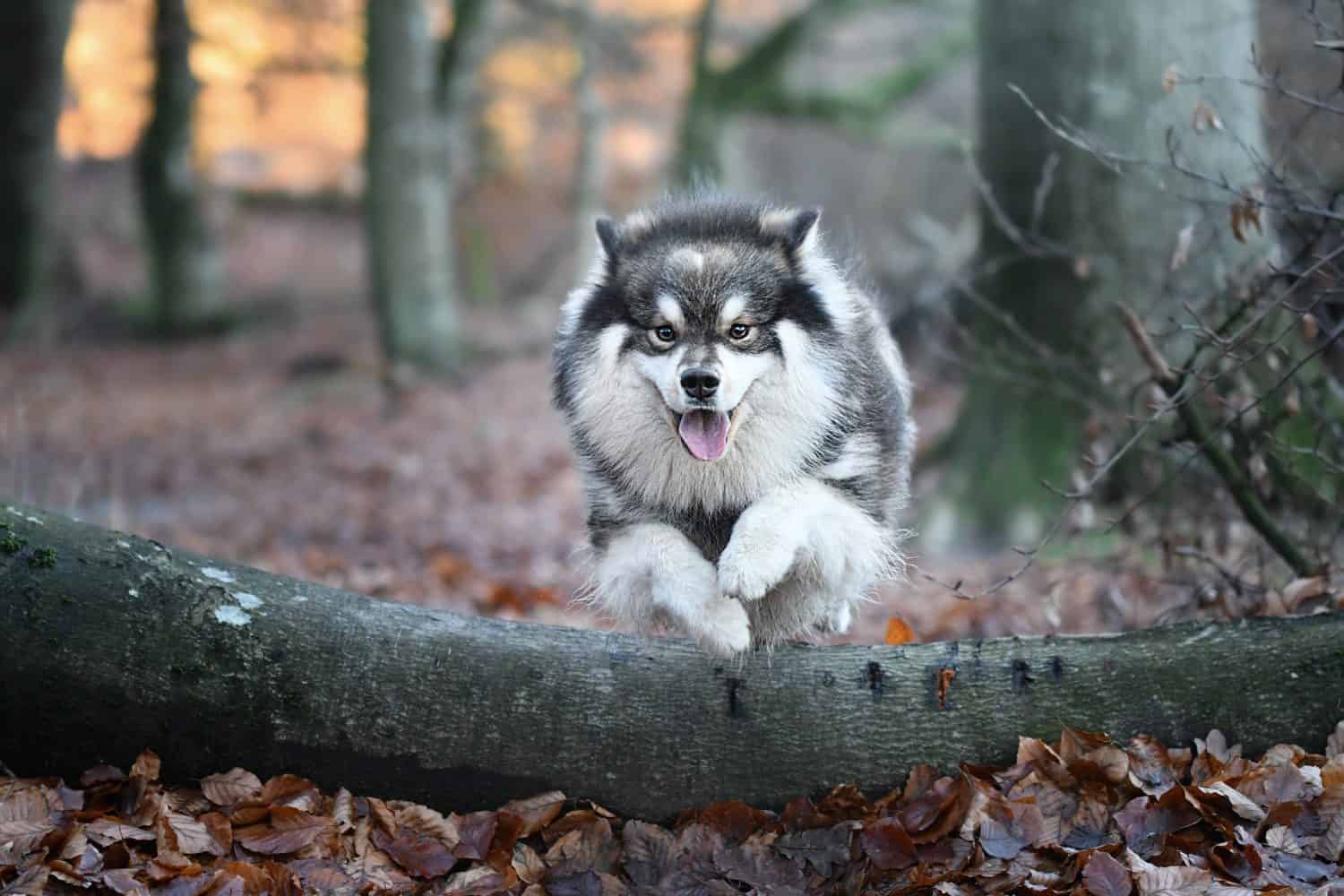
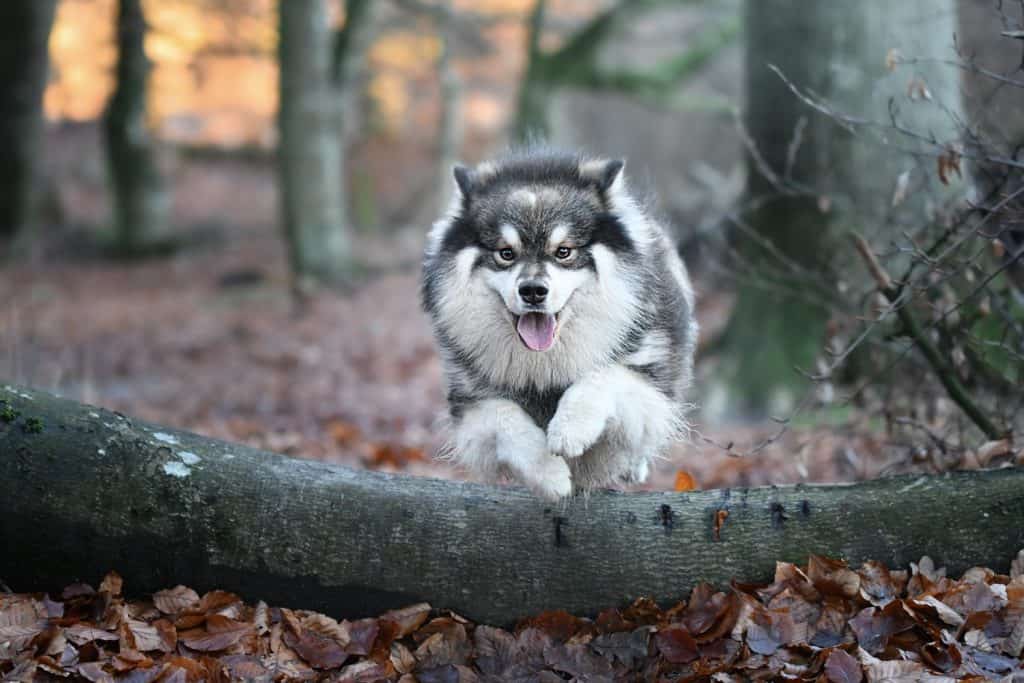
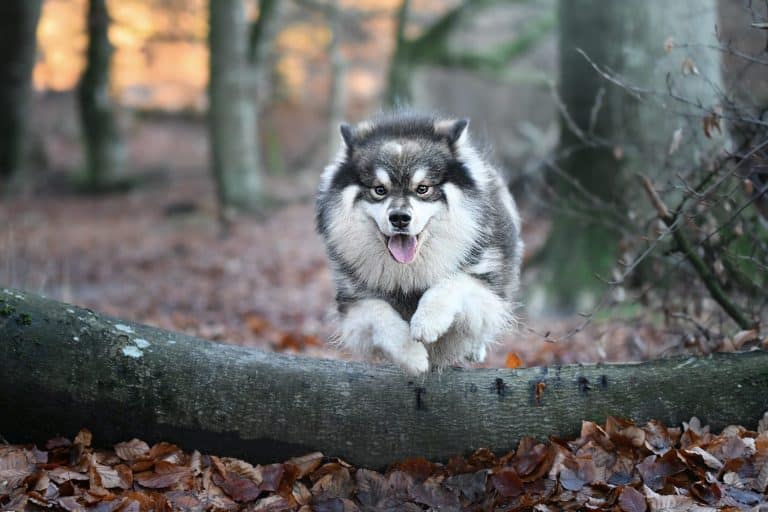
Portrait of a Finnish Lapphund dog jumping over tree outdoors in nature

At a Glance

Domesticated
Also Known As Suomenlapinkoira, Finsk lapphund, Lapphund, Lappie
Diet Omnivore
Activity Diurnal+
Lifespan 6 years
Weight 24 lbs
Status Not Evaluated
Did You Know?

Bred with Sámi reindeer herders in Lapland, valued for moving and managing semi-wild reindeer in harsh weather.

Scientific Classification

The Finnish Lapphund is a Nordic spitz-type domestic dog breed developed in Finland, historically associated with Sami communities and used for reindeer herding and companionship. Today it is primarily a companion and sport dog while retaining strong herding/spitz traits.

Kingdom
Animalia
Phylum
Chordata
Class
Mammalia
Order
Carnivora
Family
Canidae
Genus
Canis
Species
Canis lupus familiaris

Distinguishing Features

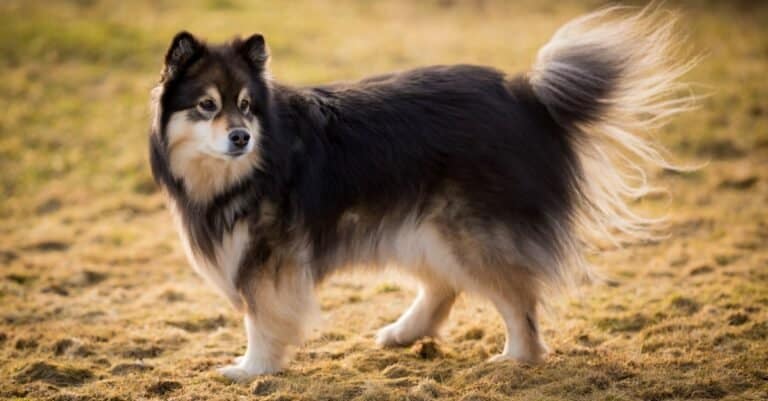
  • Nordic spitz-type build with a thick double coat suited to cold climates
  • Erect triangular ears; fox-like face
  • Plumed tail typically carried curled over the back
  • Coat colors variable (commonly black, brown, sable, cream with markings)
  • Traditionally responsive, people-oriented temperament with herding instincts

Physical Measurements

Males and females differ in size

Height
♂ 1 ft 7 in (1 ft 6 in – 1 ft 8 in)
♀ 1 ft 5 in (1 ft 4 in – 1 ft 7 in)
Length
♂ 2 ft 11 in (2 ft 7 in – 3 ft 3 in)
♀ 2 ft 8 in (2 ft 6 in – 2 ft 11 in)
Weight
♂ 46 lbs (37 lbs – 57 lbs)
♀ 42 lbs (33 lbs – 53 lbs)
Tail Length
♂ 1 ft 2 in (12 in – 1 ft 5 in)
♀ 12 in (10 in – 1 ft 2 in)
Top Speed
28 mph
Average speed, good endurance

Appearance

Primary Colors
Secondary Colors
Skin Type Finnish Lapphund (Canis lupus familiaris) skin is dark under a very dense double coat: weather-proof guard hairs over a thick insulating undercoat. Thick paw pads, furred feet, heavy seasonal shedding.
Distinctive Features
  • Breed identification (vs base domestic dog): a compact-to-medium Nordic spitz developed for Sami reindeer herding and companionship; retains alert, people-focused herding watchfulness rather than the more utilitarian, short-coated look of the Lapponian Herder.
  • Distinguishing morphology: wedge-shaped head, medium muzzle, erect triangular ears, and a plumed tail that curls over the back; overall outline is 'spitz' (square/compact, agile) rather than the longer-backed, heavier-boned look of many companion breeds.
  • Very thick double coat with a large neck ruff (especially males) and long hair on tail and hind legs; more coat than the Lapponian Herder and a softer, pet-like look than the Swedish Lapphund.
  • Climate adaptation: dense undercoat and harsh outer coat designed for cold, wet, and windy conditions; prone to overheating in hot climates-needs shade, airflow, and exercise timing adjustments.
  • Movement/athleticism: nimble, efficient trot with good endurance-well-suited to herding-style work, obedience, rally, agility, and canicross in cool weather.
  • Common health concerns (breed-leaning): hip dysplasia; eye conditions (e.g., progressive retinal atrophy/cataracts); patellar luxation can occur; like many spitz breeds, can be prone to dental tartar if not maintained.
  • Needs frequent brushing during heavy shedding to stop mats and loose hair; check ears, trim nails, care for paw pads in winter; do not shave the double coat—it hurts insulation and regrowth.

Sexual Dimorphism

Moderate sexual dimorphism typical of many spitz-type domestic dogs: males are usually larger with a more substantial head and a fuller ruff; females tend to be slightly finer-boned with a less pronounced mane.

♂
  • More prominent neck ruff/mane and overall heavier coat presentation
  • Broader skull and slightly more substantial bone
  • Often carries a more imposing 'spitz silhouette' with fuller tail plume
♀
  • Slightly lighter build and finer head
  • Ruff typically less pronounced than males
  • Overall outline often appears more refined while retaining the same spitz proportions

Did You Know?

Bred with Sámi reindeer herders in Lapland, valued for moving and managing semi-wild reindeer in harsh weather.

Often described as a "barking herder": using voice and movement to influence stock rather than gripping.

Its thick double coat can come in many colors and markings; standards generally allow all colors (with the main color typically dominating).

Finnish Lapphund and Lapponian Herder were historically grouped, then separated into distinct breeds as types standardized.

Compared with the Swedish Lapphund, the Finnish Lapphund is commonly seen with more varied colors and a widely kept companion-dog emphasis.

Despite the "wolfy" look, the breed is usually notably soft-tempered and social with people when well raised.

Excels in modern dog sports that reward biddability and agility-rally, obedience, agility, and herding trials.

Unique Adaptations

  • Cold-climate double coat: dense insulating undercoat with longer guard hairs that shed snow and moisture.
  • Spitz morphology: compact build, erect ears, and a curled tail often carried over the back-helpful for conserving heat in Arctic conditions.
  • High endurance at moderate speeds-suited to long days moving with herds and people rather than short sprint work.
  • Strong voice as a working tool: an easily carried bark that can influence reindeer at a distance.
  • Good traction and comfort in snow thanks to well-furred body and typically sturdy feet (still needs paw care in ice/salt).

Interesting Behaviors

  • Frequent "talking" and alert barking, especially when something changes in the environment (a watchdog style, not typically guard-dog aggression).
  • Herding-style circling and checking-moving around people/animals to keep a group together, reflecting reindeer-work instincts.
  • Shadowing family members from room to room (high social attachment and cooperation orientation).
  • Quick pattern learning and strong responsiveness to positive reinforcement; may shut down with harsh corrections.
  • Play-bowing, bouncing, and rapid direction changes-spitz athleticism paired with herding influence.
  • Seasonal "coat blow" (heavy shedding periods) that can make the dog seem to double in fluff, then slim down again.

Cultural Significance

The Finnish Lapphund (Canis lupus familiaris) comes from Finland's Lapland and Sámi reindeer-herding culture. Once a key reindeer dog, it is now a beloved national companion and sport dog, often confused with Lapponian Herder and Swedish Lapphund.

Myths & Legends

Lapland 'reindeer dog' tales say small spitz herders guided scattered reindeer back to camp through driving snow, their calls helping people find them when sight failed, teaching trust in the dog's tundra instincts.

Old northern herding stories say the Finnish Lapphund (Canis lupus familiaris) was chosen not only for strength but for a steady bark that moved reindeer calmly. Some called this trait a passed-down "gift".

Kennel story says the broad 'Lapponian dog' types were split into separate breeds like the Finnish Lapphund, Canis lupus familiaris, when Finland made breed rules to save the old reindeer-dog.

In Scandinavian winter tales, loyal dogs often travel with people, staying close at night for warmth and to warn them — a common image for the Lapland spitz reindeer dogs that became the Finnish Lapphund.

Conservation Status

NE Not Evaluated

Has not yet been evaluated against the criteria.

Population Stable

Life Cycle

Birth 5 pups
Lifespan 6 years

Lifespan

In the Wild
3–10 years
In Captivity
10–17 years

Reproduction

Mating System Polygynandry
Social Structure Managed Domestic
Breeding Pattern Not Applicable
Fertilization Managed Selective
Birth Type Managed_selective

Finnish Lapphund (Canis lupus familiaris) breeding is human-managed: dogs may mate with multiple partners chosen by breeders. Mating often has a short 'tie' or lock. Dam and humans care for pups; sires rarely help. Females heat 1–2 times yearly; gestation ~63 days.

Behavior & Ecology

Social Pack Group: 4
Activity Diurnal, Crepuscular, Cathemeral
Diet Omnivore High-protein meat-based diets (e.g., poultry or fish-based dog foods; lean meats as training rewards)

Temperament

Affectionate, family-centered companion; typically gentle with children when appropriately supervised and socialized.
Alert and watchful (spitz-type), often reserved with strangers; tends to announce novelty with barking-useful watchdog tendency but may require proactive bark-management training.
Cooperative and biddable for a spitz, with a strong desire to work with humans (breed distinction: reindeer-herding history selected for responsiveness and controllable drive rather than predatory persistence).
Moderate herding/controlling instincts: may circle, "gather," or heel-nip moving people/other pets if under-stimulated; benefits from structured outlets (rally/obedience, nosework, herding-style games).
Generally dog-social and playful; HUBS: across companion herding/spitz breeds, sociability is common but varies by line-some individuals are more independent, more vocal, or more cautious in busy environments.
Sensitive to harsh handling; best with positive reinforcement, clear routines, and early, broad socialization to prevent shyness and reactivity.
High trainability for sports and trick work, but can show selective attention if bored; needs daily mental enrichment as much as physical exercise.
Health-linked behavior considerations (breed-specific): vision issues (PRA/cataracts) can increase startle/anxiety; orthopedic pain (hip dysplasia/patellar luxation) can reduce tolerance for rough play; some lines report epilepsy-stress management and predictable routines help.
Care requirements (breed-specific): thick double coat with seasonal shedding-regular brushing reduces discomfort and irritability; heat sensitivity can lower activity tolerance in warm weather; weight management is important to protect joints.

Communication

Frequent alert barking at novel sights/sounds; tends to be an expressive "announcer" compared with many domestic dogs.
Whines/warbles and short "talking" sounds during greeting, anticipation, or frustration; some individuals produce yodel-like tones common in spitz types.
Low growls or grumbles during play or boundary-setting; typically ritualized and non-escalatory when well-socialized.
Occasional howling or howl-like barks in response to sirens/other dogs, especially in individuals with stronger spitz vocal traits.
Body language: upright, mobile ears; curled tail carriage changes with arousal; soft, wiggly posture when affiliative vs. stiff forward posture when alert.
Herding-style movement: circling, blocking, and controlled chasing to influence motion of people/animals; may use intense staring in some individuals.
Scent communication: typical canine sniffing, scent-marking, and investigative tracking; many excel in nosework due to sustained olfactory engagement.
Affiliative contact: leaning, nose nudges, pawing for attention; play bows and bouncy approaches in friendly greetings.
Stress signals: lip-licking, yawning, head turns, and increased scanning in crowded environments-important to respect to prevent escalation or fear learning.

Habitat

Biomes:
Boreal Forest (Taiga) Tundra Alpine Temperate Forest Temperate Grassland Wetland Freshwater Marine Mediterranean Desert Hot Desert Cold Savanna Tropical Dry Forest Tropical Rainforest Temperate Rainforest +9
Terrain:
Mountainous Hilly Plateau Plains Valley Coastal Island Riverine Rocky Sandy Muddy +5
Elevation: Up to 18044 ft 8 in

Ecological Role

Human-associated omnivorous canid (companion and working herding breed) with largely provisioned feeding; historically a reindeer-herding aide rather than a predator of reindeer.

Rodent/pest deterrence around human settlements (opportunistic predation) Nutrient cycling via consumption of human-provided food and occasional scavenging (local scale) Indirect influence on wildlife through human-mediated presence and activity patterns (disturbance/guarding)

Diet Details

Main Prey:
Small rodents Lagomorphs Birds and eggs Small ungulate carrion
Other Foods:
Berries Fallen fruit Grasses and sedges Herbs and plant matter

Human Interaction

Domestication Status

Domesticated

Finnish Lapphund (Canis lupus familiaris) is a fully domesticated Nordic spitz-type dog from Finland, tied to Sami people. It was bred to help herd semi-domesticated reindeer and to be a camp and household companion in Arctic and subarctic conditions. It has a dense double coat, good cold tolerance, strong people focus, and herding behaviors (barking, circling).

Danger Level

Low
  • Herding-style behaviors (chasing, circling, occasional nipping at heels) toward running children or pets if not trained/managed
  • Vocal/alert temperament can escalate to reactive barking at strangers or other dogs without early socialization
  • Bites are uncommon but possible with fear, pain, poor handling, or inadequate supervision (as with any domestic dog)
  • Physical risk is usually limited to minor scratches/knocks during high arousal play; overall temperament is typically friendly and stable when well-bred and properly raised

As a Pet

Suitable as Pet

Legality: Generally legal worldwide as a domestic dog breed; subject to standard local dog ownership rules (licensing, leash laws, vaccination, noise ordinances). Not typically targeted by breed-specific legislation.

Care Level: Moderate

Purchase Cost: $1,200 - $3,000
Lifetime Cost: $20,000 - $45,000

Economic Value

Uses:
Companion animal industry Dog sports and training services Responsible breeding and conformation showing Working/heritage herding services (limited, niche)
Products:
  • puppies from registered breeders
  • training classes (obedience, agility, rally, scentwork)
  • grooming services (coat care, seasonal shedding support)
  • veterinary preventive care and genetic screening (hips/eyes)
  • equipment sales (harnesses, leashes, enrichment toys, outdoor gear)

Relationships

The Finnish Lapphund is an ancient hunting and herding dog bred by the Sami people in the Lapland region of Scandinavia. Remains of dogs from this area date back almost 7,000 years. The dogs traveled with this nomadic tribe, hunting reindeer. As they gave up their nomadic ways, the Sami began to use the Lapphund for herding.

Their historical proximity to their families makes “Lappies” crave company and attention, giving them a strong, affectionate attachment to their owners. Though a little wary of strangers, they are excellent with families and children. Their tendency to bark makes them excellent watchdogs.

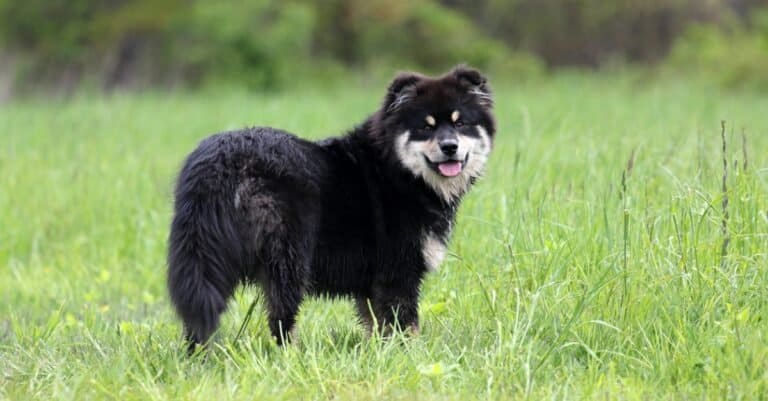
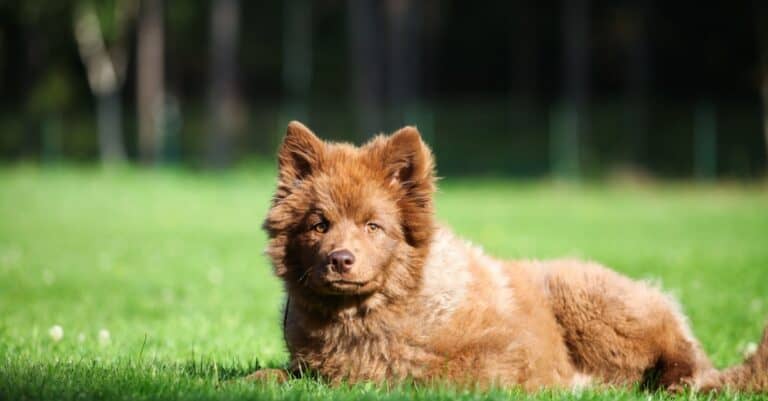
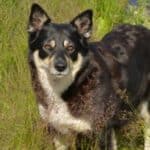
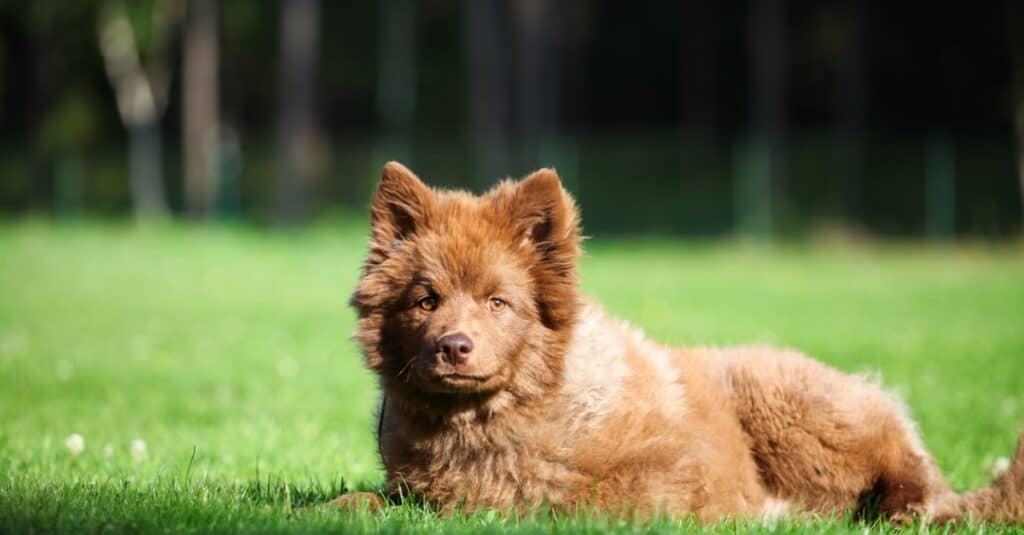
Finnish lapphund laying in the grass

The Finnish Lapphund was originally bred in Finland to herd reindeer.

3 Pros and Cons of Owning a Finnish Lapphund 

A lot of the things that make Finnish Lapphunds so great can also be their downfall. Many of these issues with the Lappy can be avoided with good ownership and maintenance.

ProsCons
The Finnish Lapphund is an affectionate, devoted dog that is great with families and children.Its identification with its family can make it wary of strangers. It isn’t typically aggressive, but it can take some time to warm up to strangers.
The Lapphund is a beautiful dog. Its luxurious fur coat and sparkling, attentive eyes can melt the heart of any dog lover.That luxurious coat requires a fair amount of upkeep; it sheds a lot, and an owner needs to brush it regularly.
Its devotion to family and its wariness of strangers make it an excellent watchdog. The Lapphund, like many herding dogs, has a strong bark, which it uses to alert its family to an intruder.The Lappy’s strong desire to bark can be disruptive. An owner should train the dog early to know when it is appropriate to bark.

The Best Dog Food For a Finnish Lapphund

The Lapphund has modest food requirements for a dog of its size and energy levels. High-protein dry dog food with meat as its primary ingredient is suitable for this dog’s needs.
Size and Weight

The Finnish Lapphund is a medium-sized dog, though its bountiful fur coat makes it look larger. The male stands 18-21 inches tall at the shoulder and weighs 33-53 lbs. Females are 16-19 inches tall and, like the males, also weigh 33-53 lbs.

Common Health Issues

A generally healthy breed, the Lapphund can still be impacted by a few issues. Elbow and hip dysplasia are potential problems for the dog. A veterinarian can use X-ray machines to diagnose this issue. The Lapphund is also prone to progressive retinal atrophy and cataracts, which can result in blindness.

Temperament

Lappies are affectionate and gentle, and also alert, curious, and agile. They bond well with their families, fit in with the family’s day-to-day life, are good companions for outdoor activities, and are good with children. Not aggressive, they tend to run away from danger and confrontation.

How To Take Care of a Finnish Lapphund  

Maintenance And Grooming 

The beautiful double coat of the Finnish Lapphund requires a great deal of attention. Brush the coat weekly to remove dead hair, reduce matting, and wash only when necessary. When grooming the dog, do not shave its coat.

Clean the ears regularly to avoid wax and debris buildup. Also, trim the nails regularly and brush the dog’s teeth at least three times weekly to reduce dental issues.

Training 
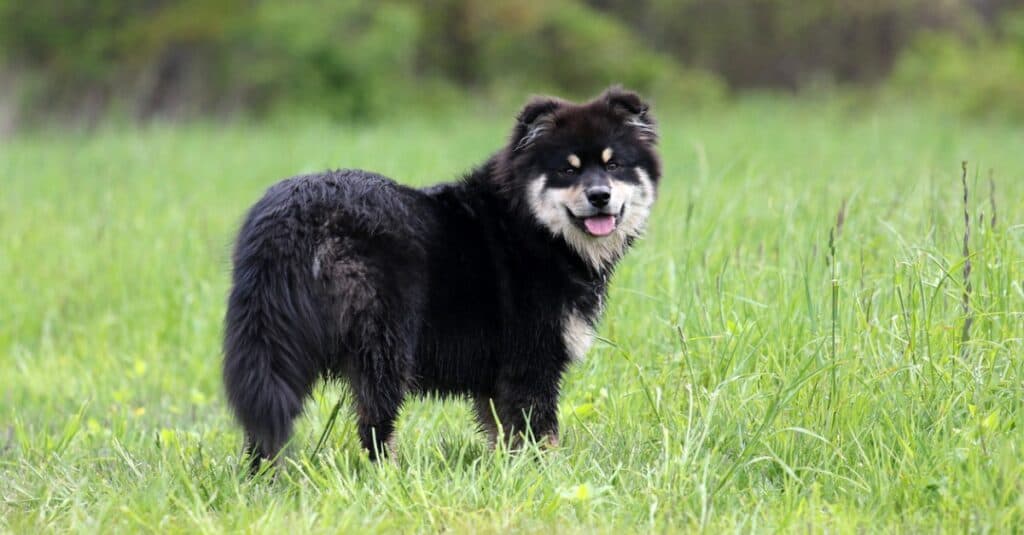
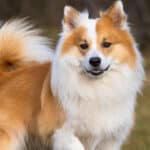
Finnish Lapphund in field, facing the camera

Finnish Lapphunds are peaceful dogs who need a long, brisk walk every day to stay healthy and happy.

The Finnish Lapphund is intelligent and enjoys work, so they enjoy training sessions as long as they are fun and engaging. If they’re not having fun, they can be a bit distractible due to their hunting drive. They don’t respond well to rough or harsh handling, as their submissive nature causes them to withdraw and hold themselves back.

Recall training is a good idea to offset their hunting and herding instincts and reduce their propensity to run off. Additionally, socializing and training them to be quiet on command will keep them from being a nuisance. Lappies can also be trained as support dogs for the elderly or those with disabilities.

Exercise

Lappies should have at least an hour of daily activity, which can include a mix of walking, play, agility, or obedience training. A fenced-in yard is ideal for giving them room to investigate and play. They can handle more than an hour of activity and enjoy running alongside a bike or a jogger, but they shouldn’t be this active until they mature out of the puppy stage. Finally, don’t exercise a Finnish Lapphund in the heat; they are more accustomed to cooler temperatures.

Puppies 

Puppies should be exposed to other puppies, people, and social situations starting when they are about seven weeks old to ensure they are well-adjusted. Socialization will also make it easier to train them to be quiet on command and to avoid excessive barking.
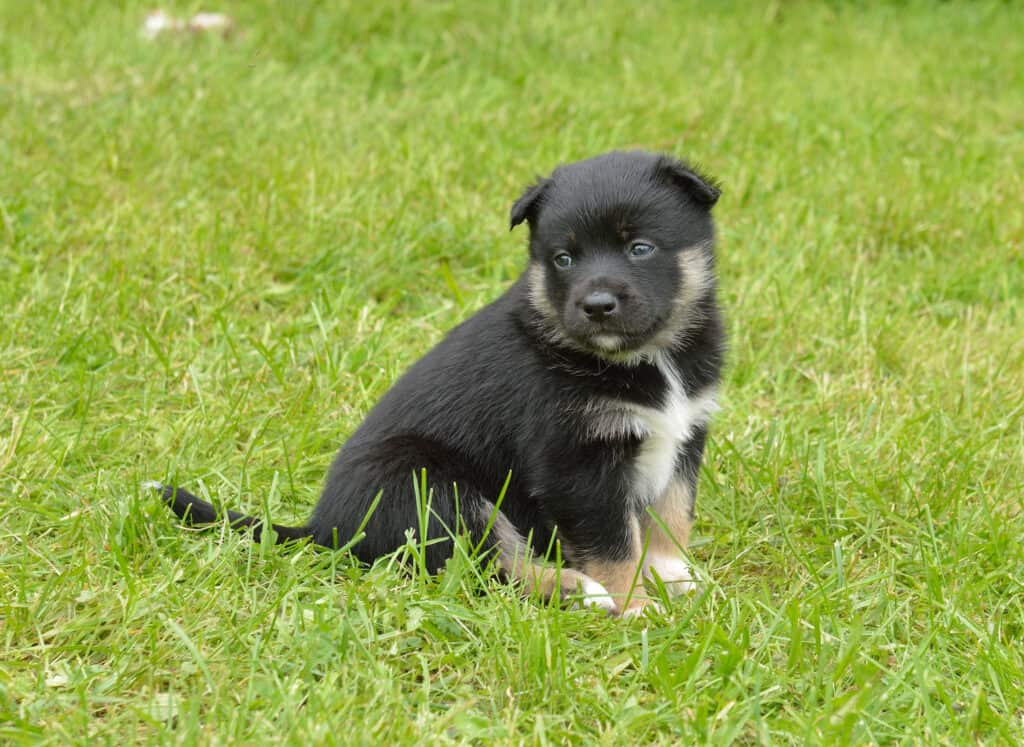
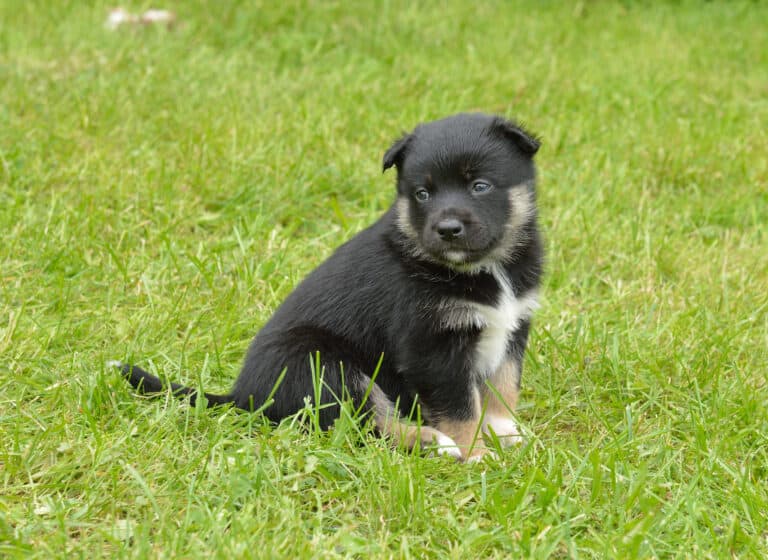
Finnish Lapphund Puppy

Finnish Lapphunds have, on average, four puppies in each litter.

Finnish Lapphunds And Children

The Finnish Lapphund is a loving, playful dog and enjoys time with children. The Sami trained them to be with the family, and the dogs do quite well with kids, especially when they’ve been raised around them.

That being said, a dog should never be left unsupervised with small children, mainly because small children don’t know how to read the dog’s social cues. Aggressive pulling and tugging can cause even the most loving family dog to snap at a child. Also, a house full of small children can trigger the Lappy’s barking and herding instincts, creating a chaotic environment.

Dogs Similar to the Finnish Lapphund

  • Finnish Spitz: Like the Finnish Spitz, the Lapphund is also a Spitz (German for pointed), a kind of dog with pointed ears and nose, and a tail that curls over the dog’s back. Most of these dogs originate from within the Arctic Circle and Siberia.
  • Icelandic Sheepdog: The Norse brought their version of the famous Scandinavian Spitz-type dog to Iceland about 1,100 years ago. Like the Lappy, the Icelandic Sheepdog is a fun-loving family dog.

View all 170 animals that start with F

Sources

  1. Wag Walking / Accessed October 25, 2022
  2. AKC / Accessed October 25, 2022
  3. AKC / Accessed October 25, 2022
  4. Wikipedia / Accessed October 25, 2022
  5. Finish Lapphund / Accessed October 25, 2022
  6. Purina / Accessed October 25, 2022
  7. Dog Breed List / Accessed October 25, 2022
  8. Purina Arabia / Accessed October 25, 2022
  9. Dog Pregnancy Calendar / Accessed October 25, 2022
  10. Finish Lapphund / Accessed October 25, 2022
  11. The Kennel Club / Accessed October 25, 2022
  12. Armahani / Accessed October 25, 2022

Rob Amend

About the Author

Rob Amend

Rob Amend is a writer at A-Z Animals, primarily covering meteorology, geology, geography, and animal oddities. He attained a Master's Degree in Library Science in 2000 and served as reference librarian in an urban public library for 22 years. Rob lives in Cincinnati, Ohio, and enjoys spending time with his family, hiking, photography, woodworking, listening to classic rock, and watching classic films—his favorite animal is a six-foot-tall rabbit named Harvey.

Thank you for reading! Have some feedback for us?


Finnish Lapphund FAQs (Frequently Asked Questions)

The Finish Lapphund is an excellent family dog, is not aggressive, and is good with children.