
Quick Take
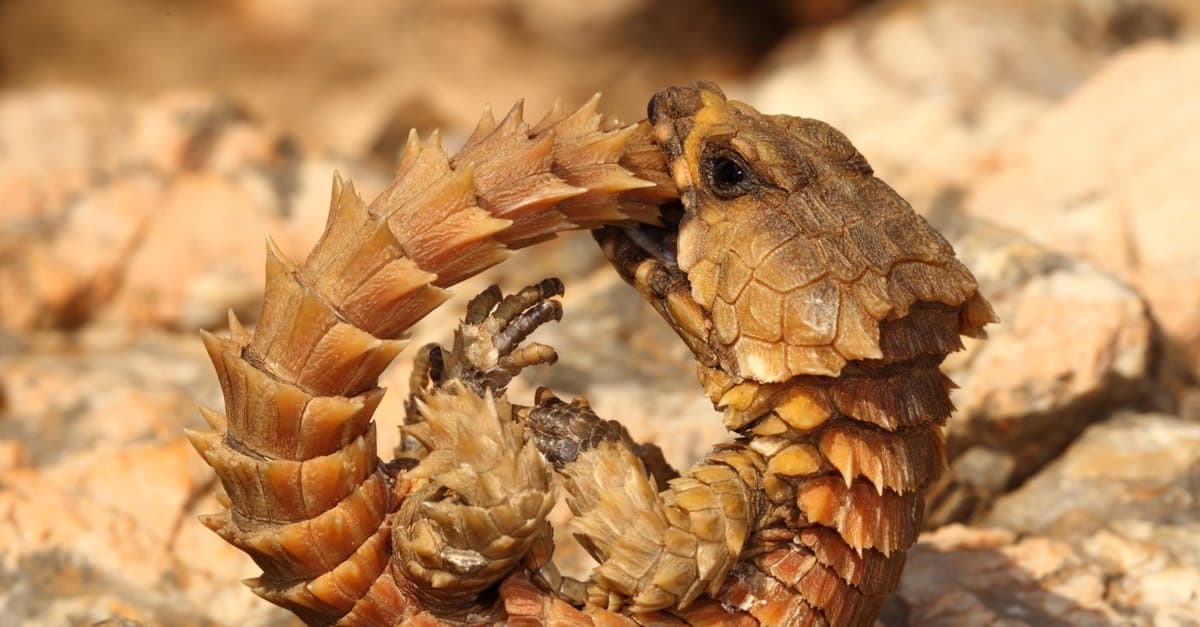
- Armadillo girdled lizards curl into a tight spiny ball and bite their tails to form an armored shield.
- Endemic to South Africa, they inhabit rocky slopes from Little Namaqualand to Matjiesfontein. They are classified as a Near Threatened Species by the IUCN due to the illegal pet trade.
- They are insectivores, feeding mainly on termites, beetles, millipedes, and scorpions, with occasional fruit or leaves.
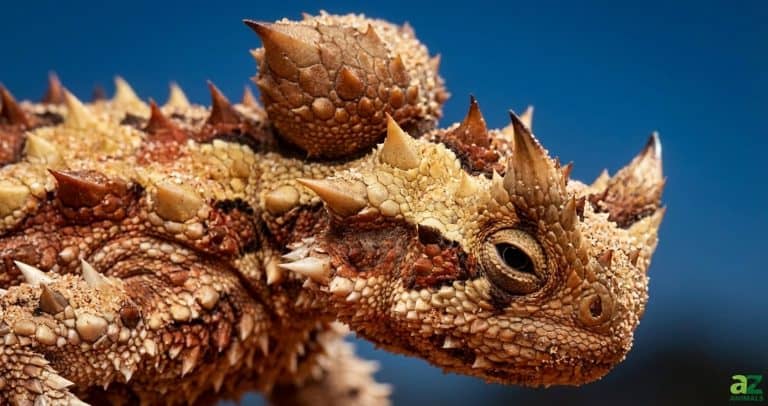
With its tiny, spiky body, the armadillo girdled lizard (Ouroborus cataphractus) looks like a baby dragon and has a defensive trick that looks straight out of a cartoon. As seen in this Instagram video, when danger looms, this little reptile curls up and bites its own tail — on purpose! But this odd behavior isn’t a nervous habit — it’s actually a very smart survival strategy.
Meet the Armadillo Girdled Lizard
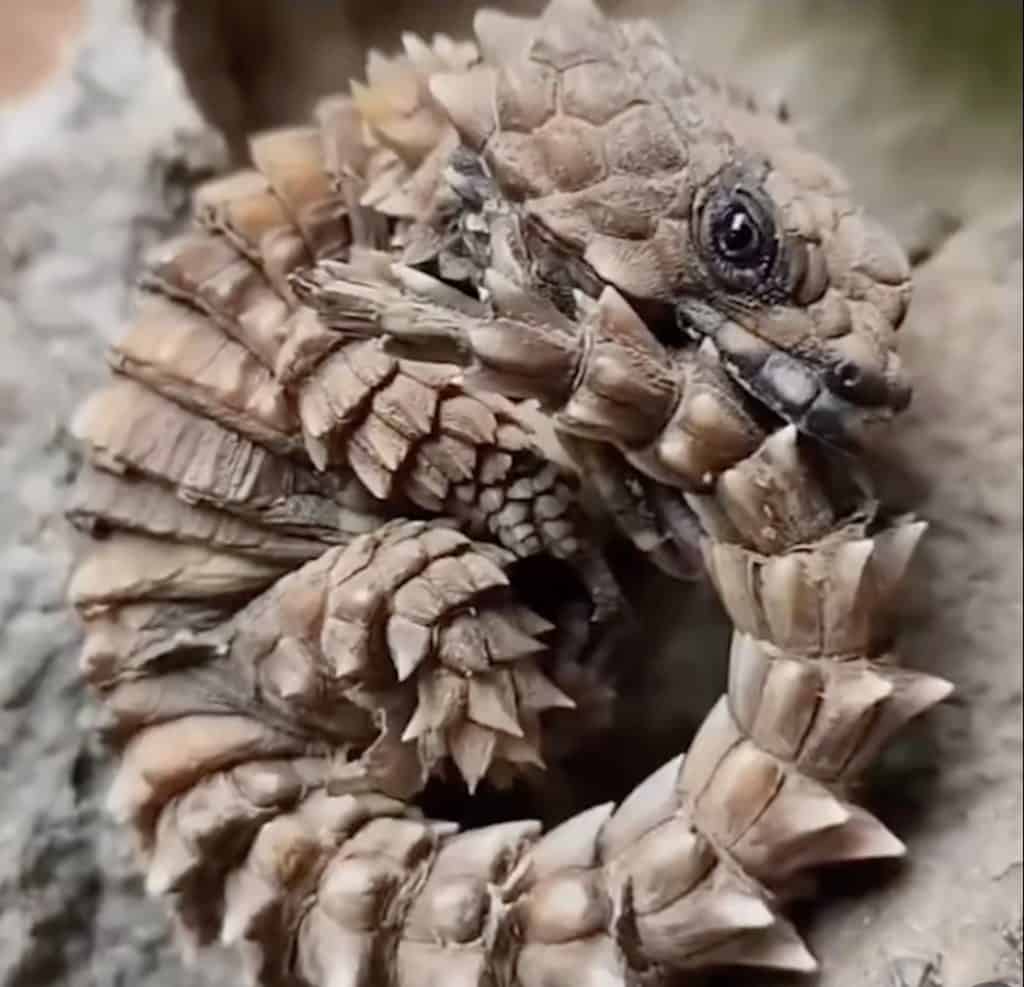
Armadillo girdled lizards are most active during the day.
©Instagram/@explainanimals – Original
The armadillo girdled lizard’s species name, Ouroborus, refers to the ancient symbol of a serpent or dragon consuming its own tail. This symbolic name takes on a literal meaning when these lizards assume their famous defensive postures and bite their own tails.
The lizard also gets its common name, the “armadillo lizard,” from its defensive strategy: it curls tightly into a ball, exposing several rows of sharp, spiny scales. This makes the lizard look and feel like a small, protective armadillo.
Armadillo girdled lizards are usually 6 to 8 inches long (including their tail). They come in natural, earthy colors, typically ranging from dark brown to lighter or yellowish-brown shades. In their natural habitat, they often survive for 13 to 15 years, and some individuals can live for as long as 25 years.
Where Do Armadillo Girdled Lizards Live?
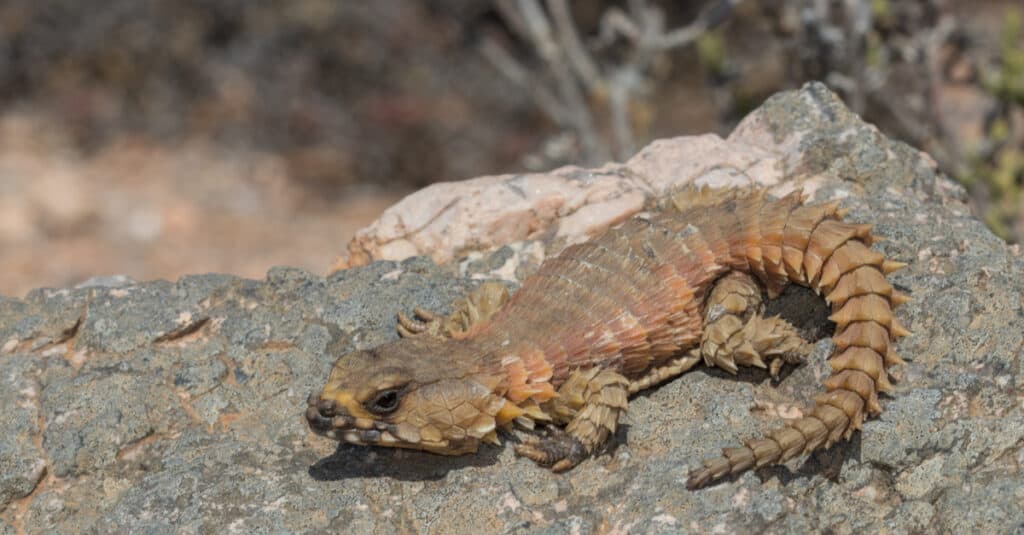
Unlike many lizard species, armadillo girdled lizards give birth to live young.
©Dylan leonard/Shutterstock.com
The armadillo girdled lizard is endemic to South Africa, which means this is the only natural habitat where it is found in the wild. These spiny lizards range from Little Namaqualand to the Piketberg Mountains, and reach inland as far as Matjiesfontein in the Western Cape. They are masters of camouflage, favoring mountain slopes and rocky outcroppings where they can quickly slip into tight spaces for shelter.
What’s especially unusual for this unique species is that armadillo girdled lizards are social reptiles, sharing their small rock crevices with up to 60 individuals. Their activity levels ebb and flow with the seasons; they are more active when food is plentiful, but strategically slow down during the harsh, dry summer months to minimize competition for scarce resources
Despite their small size, armadillo girdled lizards are active eaters and sometimes venture up to 50 feet from their homes in search of food. They are primarily insectivores, with termites forming the bulk of their natural diet. They also eat beetles, millipedes, and scorpions, and occasionally supplement their meals with fruit or leaves.
Why Does the Armadillo Girdled Lizard Bite Its Own Tail?
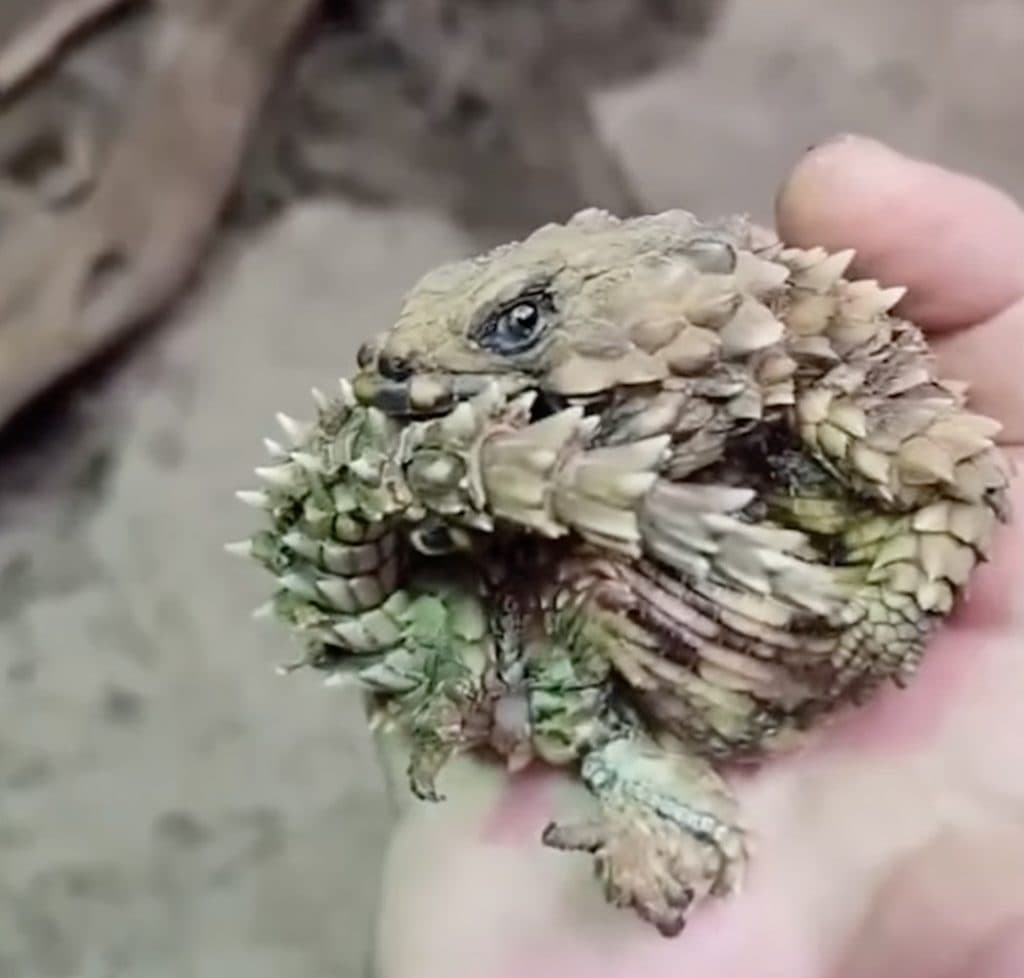
Armadillo girdled lizards use tongue flicking, tail wagging, and head bobbing to communicate with one another.
©Instagram/@explainanimals – Original
While many lizards drop their tails as a distraction, the armadillo girdled lizard views this as a true last resort. Its tail is simply too vital to be lost so easily. Instead, when the lizard feels threatened, it curls into a compact ball and grasps its tail firmly in its jaws, as seen in the Instagram video. This intense tail-biting position creates a living, spike-covered armored ball, ensuring that the lizard’s soft underbelly remains completely shielded.
Conservation Status and Threats
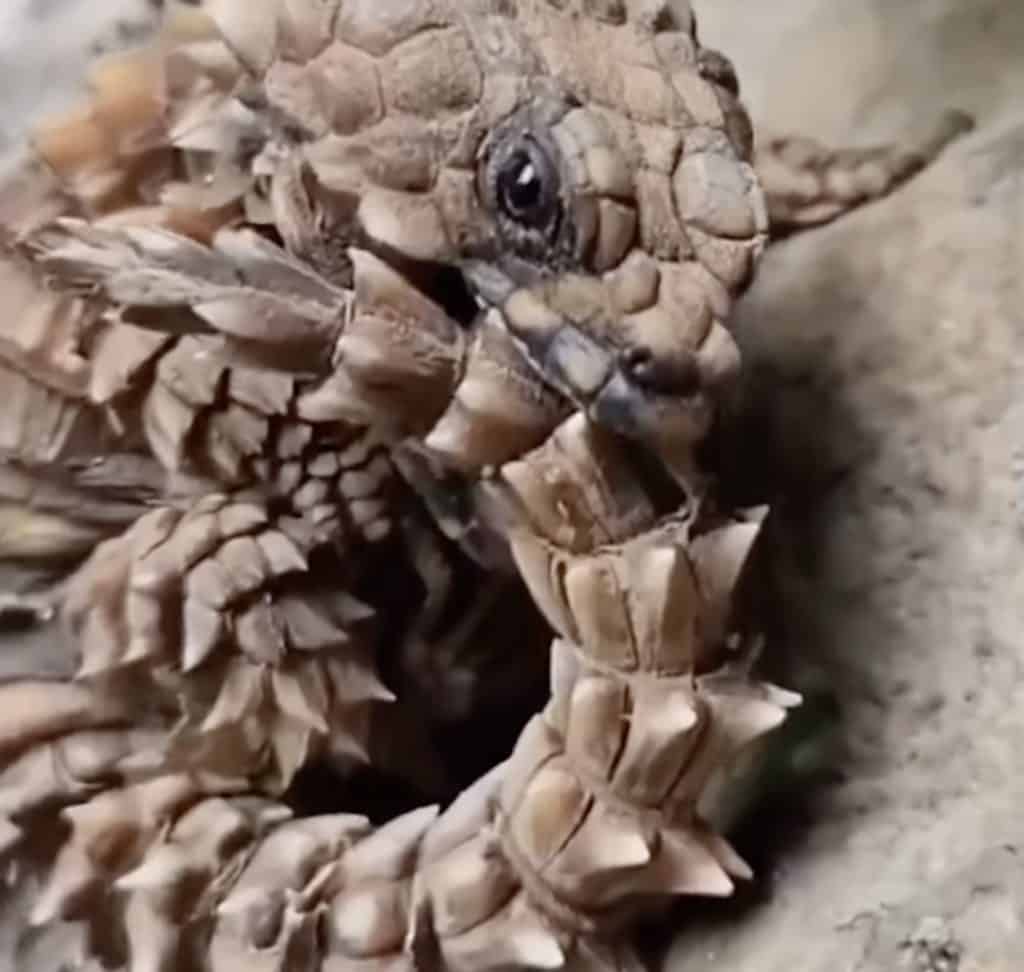
Female armadillo girdled lizards give birth to only one or two live young at a time.
©Instagram/@explainanimals – Original
Currently, the International Union for Conservation of Nature (IUCN) classifies the armadillo girdled lizard as a Near Threatened species. The main threat to the armadillo girdled lizard comes from illegal collection for the exotic pet trade. Their high value drives widespread poaching and smuggling. Because they are difficult to breed in captivity, many lizards sold as “captive-bred” are actually illegally wild-caught animals laundered through the market.
The armadillo girdled lizard’s natural biology also makes its populations fragile and slow to recover. While they have long lifespans, these special lizards are slow to reproduce and replace lost members in their colonies. The removal of even a small number of individuals — whether through poaching or other human activities — can have a severe, long-term impact on the entire population, leading to destabilization and decline. This combination of intense, illegal demand and an inherently slow rate of population growth is why the armadillo girdled lizard is at such high risk.