
If there’s something that you commonly believe to be a rule of nature, chances are that there’s an animal that breaks it. Octopuses have nine brains. Star-nosed moles are effectively blind, but the bizarre tentacles protruding from their noses can create a sophisticated map of their environment. A jelly-like substance located in the cheeks of sharks makes them incredibly sensitive to the electric fields produced by other creatures. But not every bizarre animal fact is true, and the claim that turtles can breathe through their butts seems among the most preposterous. However, to an extent, it’s true. Continue reading to discover more about how turtles breathe.
The Cloaca
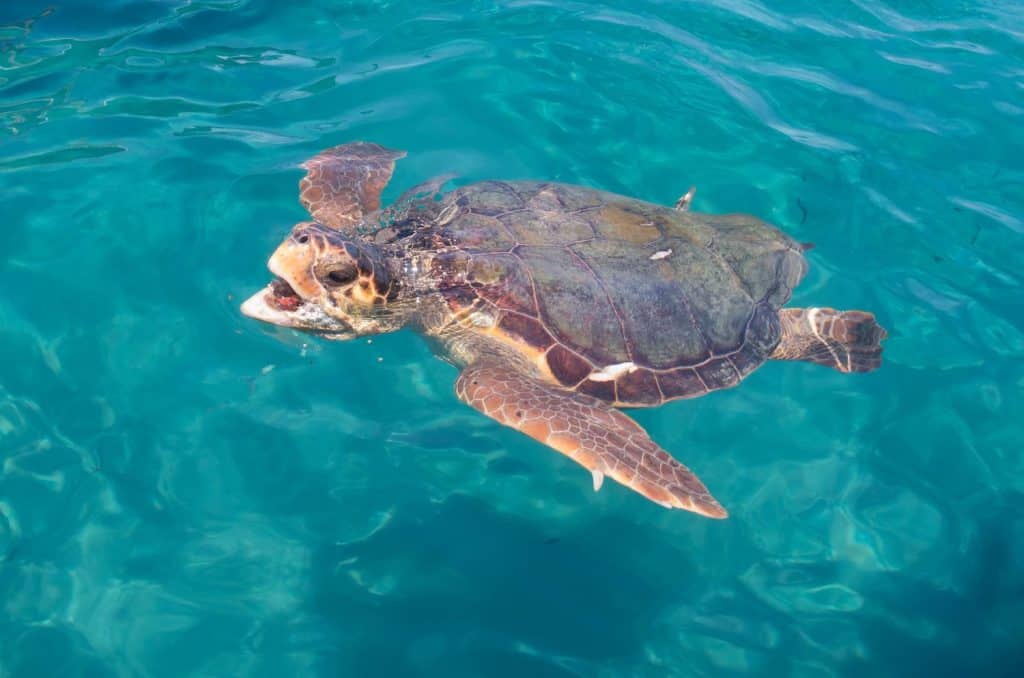
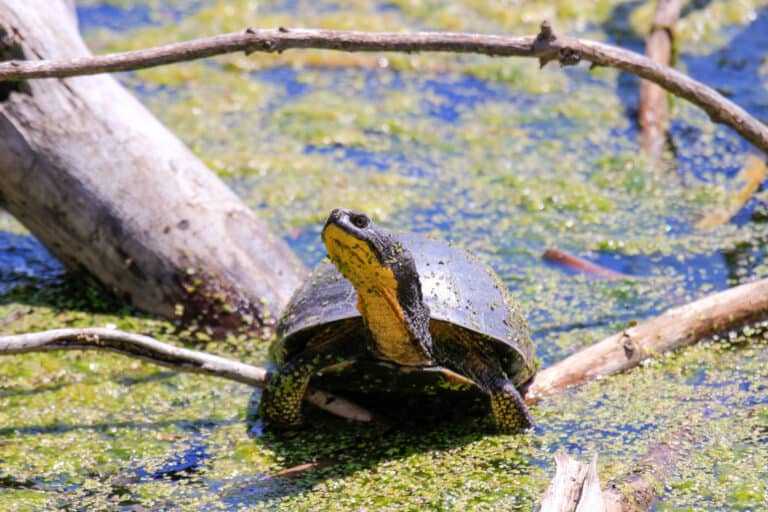
Turtles live in water (freshwater or marine) and have streamlined shells and webbed or flipper-like feet for swimming
©daringtoexplore/Shutterstock.com
While turtles don’t have butts, they do have a cloaca—a single, multipurpose opening located at the base of a turtle’s tail that serves as the exit point for the digestive, urinary, and reproductive systems. This opening also allows turtles to absorb oxygen from the water through blood vessels in the cloacal region. This process is called cloacal respiration, and it makes for one of nature’s more fascinating examples of natural selection at work.
Cloacal Respiration
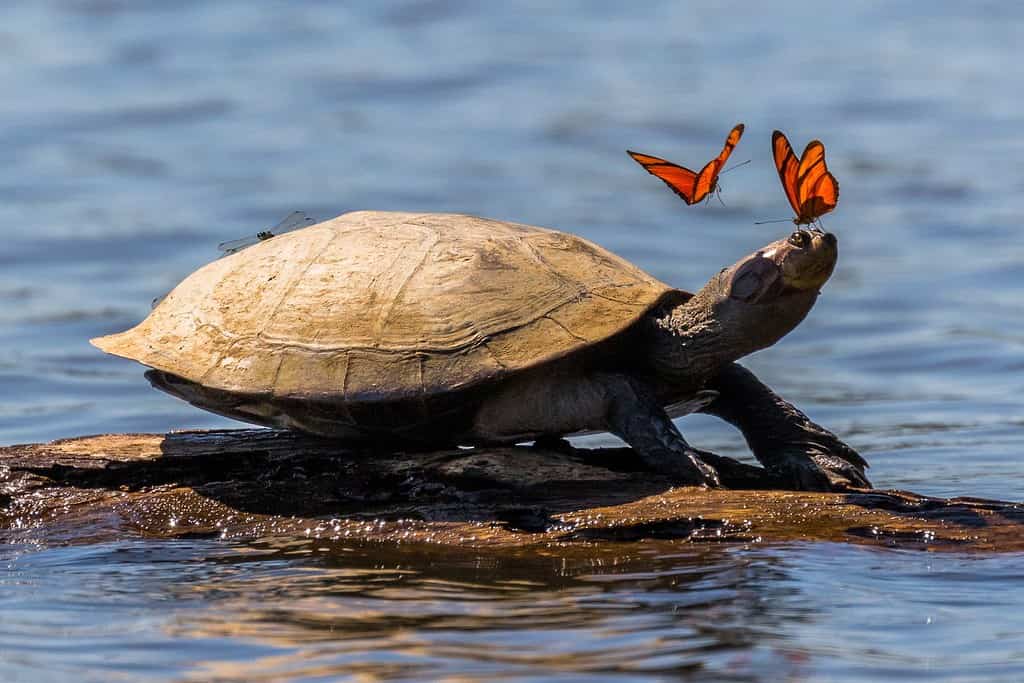
Turtles are found on every continent except Antarctica. They inhabit both freshwater and saltwater environments, with the greatest diversity found in Southeastern North America and South Asia.
©bchyla/Shutterstock.com
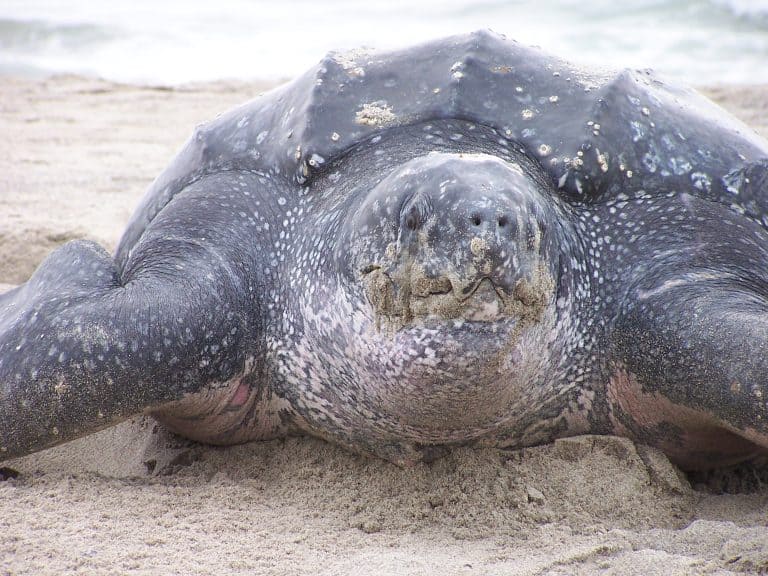
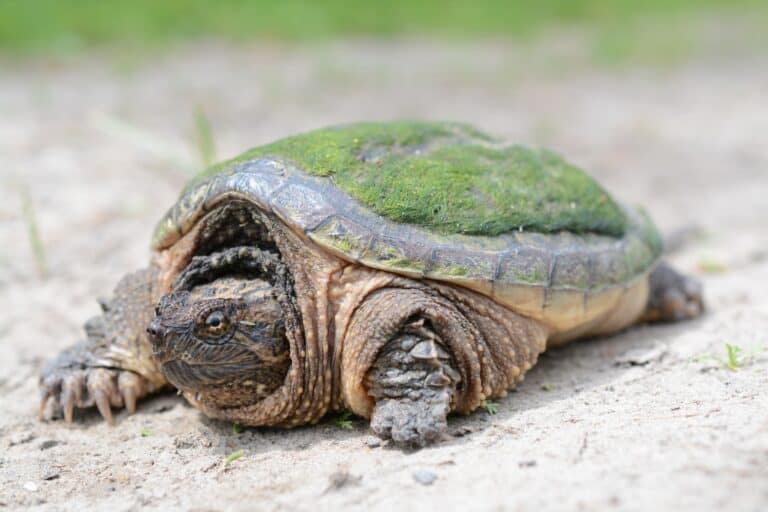
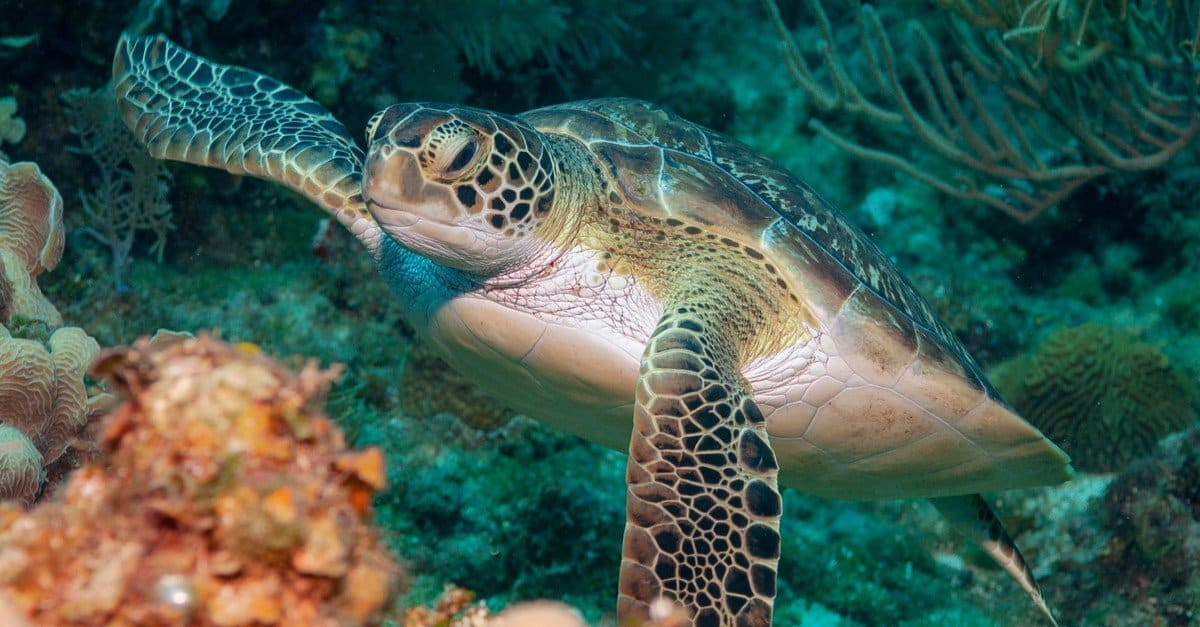
All turtles have lungs and must surface to breathe air regularly. Sea turtles can hold their breath for extended periods when resting underwater, but they must eventually come up for air. Cloacal respiration is a specialized form of breathing used by a limited number of freshwater turtles. These include the white-throated snapping turtle, the Fitzroy River turtle, and the Mary River turtle.
By contracting their cloacal muscles, turtles draw water into two specialized sacs within the cloaca called bursae (singular: bursa). The bursae contain a dense network of tiny blood vessels and finger-like projections called papillae. As water flows over the papillae and blood vessels, oxygen in the water diffuses across them into the turtle’s bloodstream. The turtle expels the oxygen-depleted water and pumps fresh water back into the bursae to start the process again.
Cloacal respiration is a supplemental form of breathing, not a replacement for more traditional respiration. Every turtle will eventually need to surface for air, but cloacal breathing can significantly extend the time they can remain underwater. Cloacal respiration is especially useful during colder months. When rivers and lakes freeze over, many turtles retreat underwater into a state of brumation, a form of dormancy in some reptiles and amphibians that is similar to hibernation.
The colder temperatures cause the turtle’s metabolism and energy needs to plummet considerably. This allows some species to stay underwater for months at a time, relying solely on their cloaca to obtain oxygen. In less extreme climates, turtles use cloacal breathing to avoid surface predators or to forage in deeper waters.