
Quick Take
- Snapping turtles must endure months of starvation to survive freezing lake conditions.
- Dropping respiration rates creates a critical oxygen deficit that reptiles must overcome underwater.
- Biologists discovered that turtles utilize the cloaca to extract oxygen underwater.
- Initiating the brumation stage is required for reptiles to bypass metabolic failure in ice.
Have you ever wondered what happens to aquatic life in the winter when lakes freeze over? Rather than hibernating as mammals do, some animals go through a process known as brumation. Freshwater turtles, like snapping turtles, are one example of animals that brumate. This Instagram post by @nationalparknews shows a snapping turtle brumating underwater, and it is a very interesting sight. Read on to learn more about brumation.
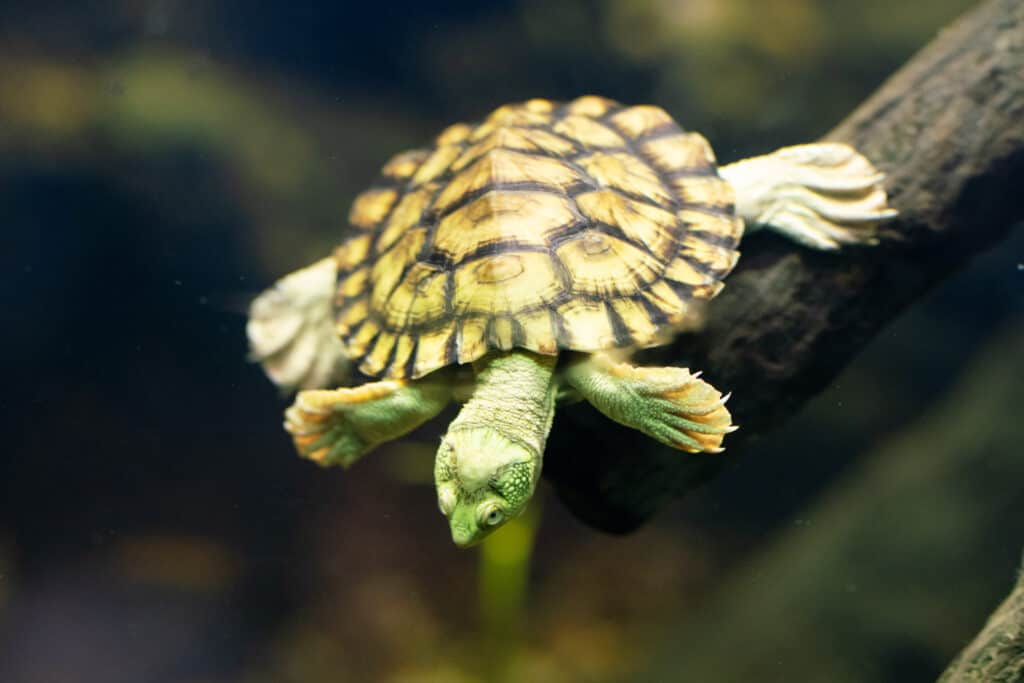
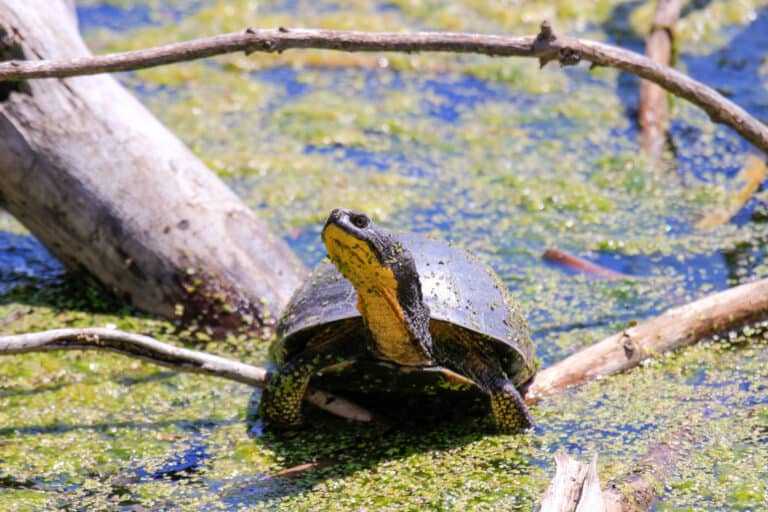
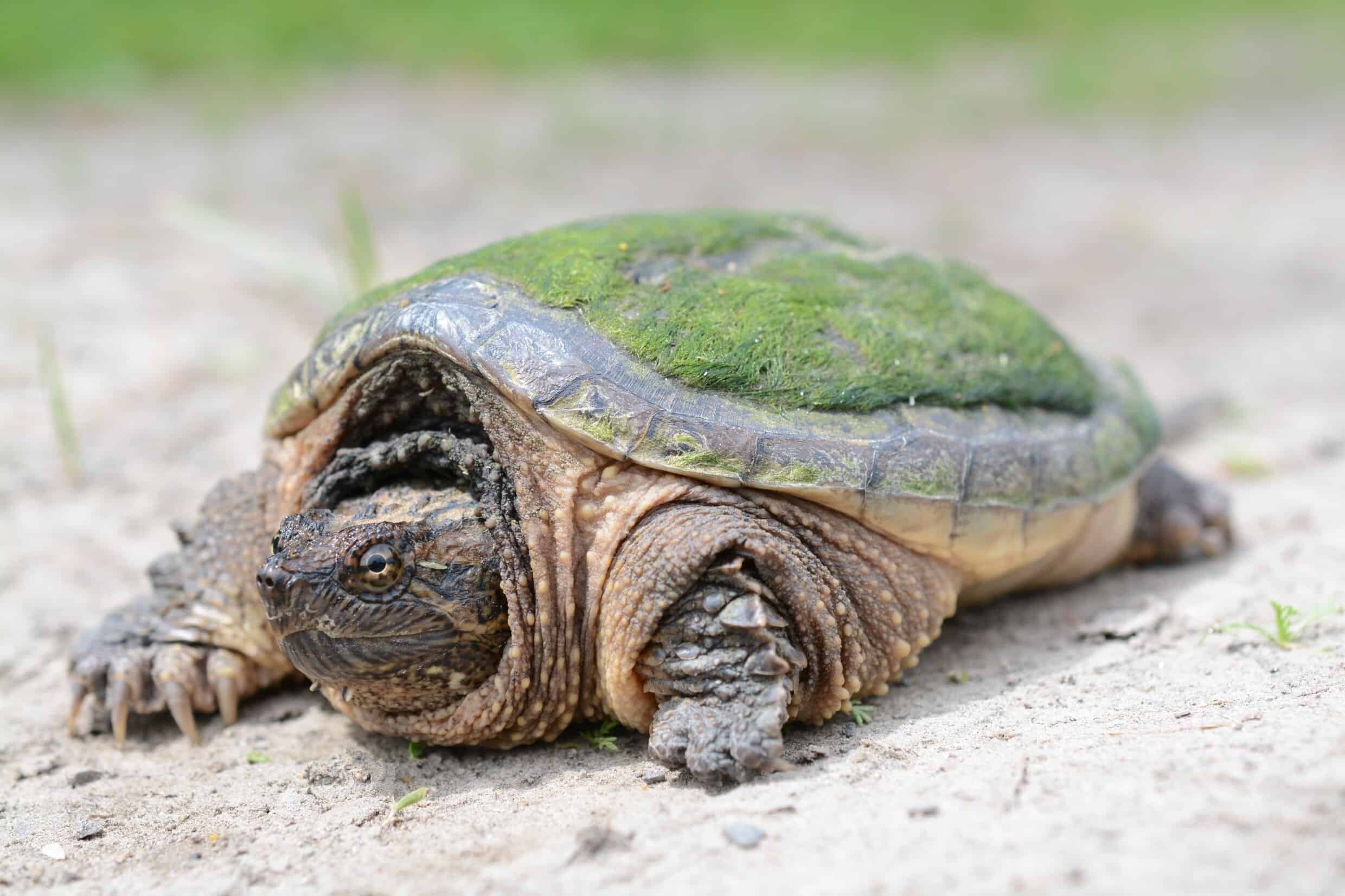
Only turtles in cold enough environments require brumation to survive winter.
©iStock.com/Julien Viry
What Is Brumation?
The turtle in the video is most likely a snapping turtle. Snapping turtles are some of the most common freshwater turtles in North America. If they inhabit a body of water that gets below freezing temperatures, they often enter brumation. Brumation is the dormant state a reptile enters in response to cold temperatures. So, instead of hibernating, turtles survive the winter through brumation, which is their own unique adaptation.
During brumation, reptiles’ metabolic rates slow, their heart and respiration rates drop, and they eat very little or nothing at all. Unlike hibernation, where animals sleep continuously, reptiles may wake occasionally in brumation. This process helps the turtles survive months on end when temperatures are low and food is scarce. Whether or not turtles brumate depends on several factors, including the climate of their environment. Since warmer climates don’t reach temperatures that require brumation, turtles in southern regions may not need to brumate.
While brumation may sound harsh to us, turtles have plenty of adaptations to survive the cold. For example, a lower metabolism reduces the amount of energy and oxygen turtles need to survive. Another amazing adaptation is how they breathe underwater. Some aquatic turtles, such as painted turtles, can absorb oxygen from the water around them through tissues in their cloaca during brumation, which is also the opening used for waste excretion. Some biologists jokingly call this “breathing through the butt.” The video above demonstrates one of the remarkable ways aquatic turtles survive the winter. Thanks to brumation, they can live through freezing temperatures in ways unique to reptiles.