
Quick Take
- Scientists had the hairy frog's claws completely wrong until 2008, and what they're actually made of turned out to be far more disturbing than anyone expected. The 2008 bone discovery →
- The frog can voluntarily snap its own bones, and what happens to those bones afterward is something researchers still can't fully explain. How the claw mechanism works →
- The hairy frog's Wolverine nickname isn't just about claws. The other reason males earn it happens to be stranger, and completely temporary. The other Wolverine reason →
- Breaking its own bones is painful, so it raises the question of why this frog does it voluntarily and what it takes to push it that far. Why it triggers this defense →
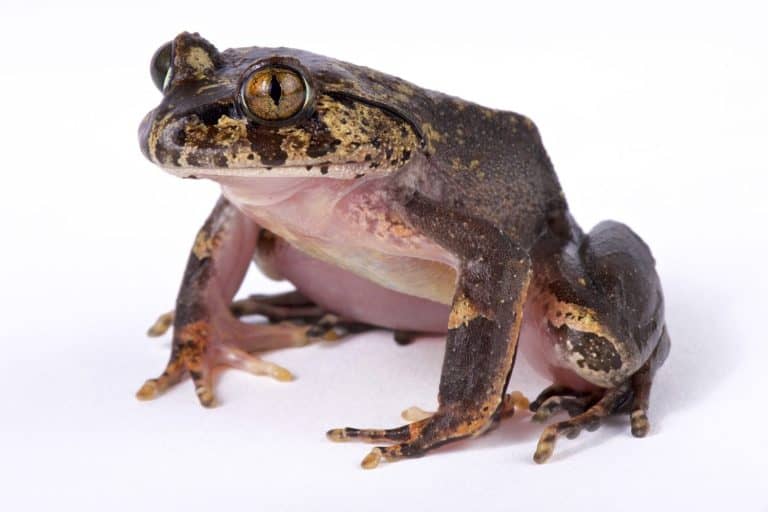
Frogs are not known for having claws. However, there is an exception to this rule. The hairy frog, also known as the horror frog, can snap its own bones to grow claws. It is a defensive tactic that has left the scientific community with more questions than answers ever since the frog was discovered.
Hairy Frog Breaks Its Bones to Grow Claws
When frogs are under attack, they use a variety of defensive mechanisms to escape from predators. Some of the most common include secreting poison, emitting foul-smelling secretions, mimicking other animals, and playing dead.
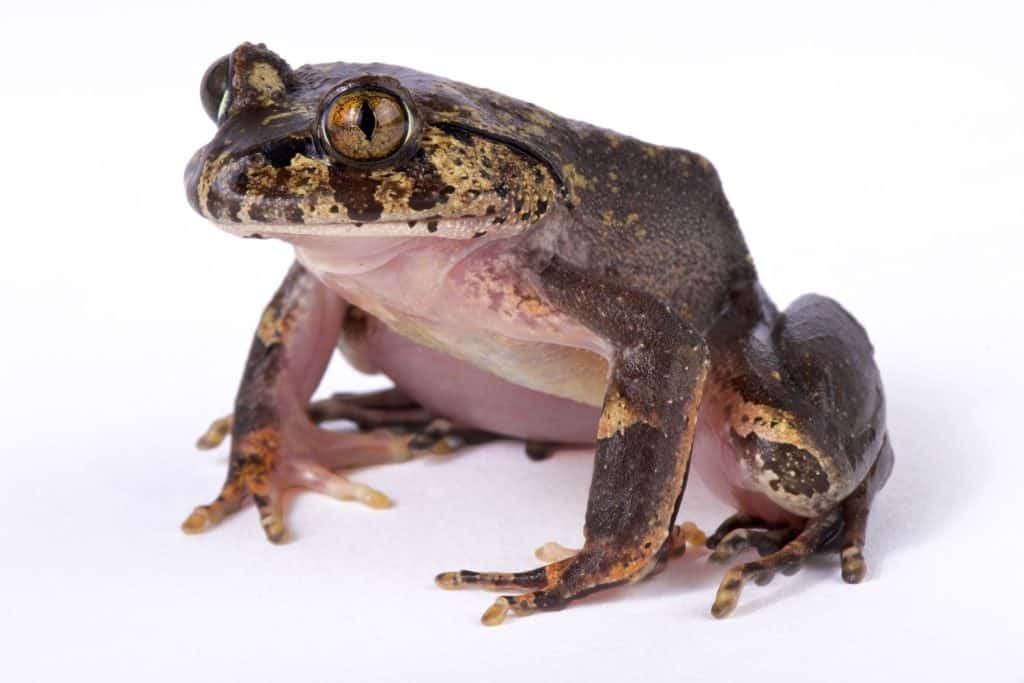
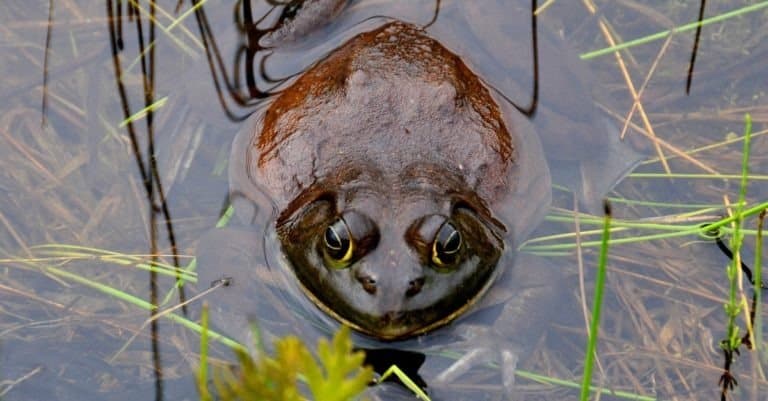
The hairy frog is the only frog that morphs to have claws come out of its toes.
©reptiles4all/Shutterstock.com
However, when it comes to warding off threats, the hairy frog takes matters to the extreme. This frog morphs its body to look completely different by growing claws in a matter of moments.
It was once believed that the claws were made of keratin. Instead, as discovered in 2008, the claws are bone forced from the interior of the frog’s feet to the exterior.
How Does the Hairy Frog Break Its Bones?
When the hairy frog feels threatened, it has the capability to suddenly present its claws to predators. While the display is used for intimidation purposes first, the frog will use the claws if need be. They are sharp and capable of causing damage.
Creating these claws is a voluntary process. The frogs squeeze the muscles in their feet until the connective tissue that keeps the bones in place breaks. Without the connective tissue, the bones puncture the skin until they stick out like claws.
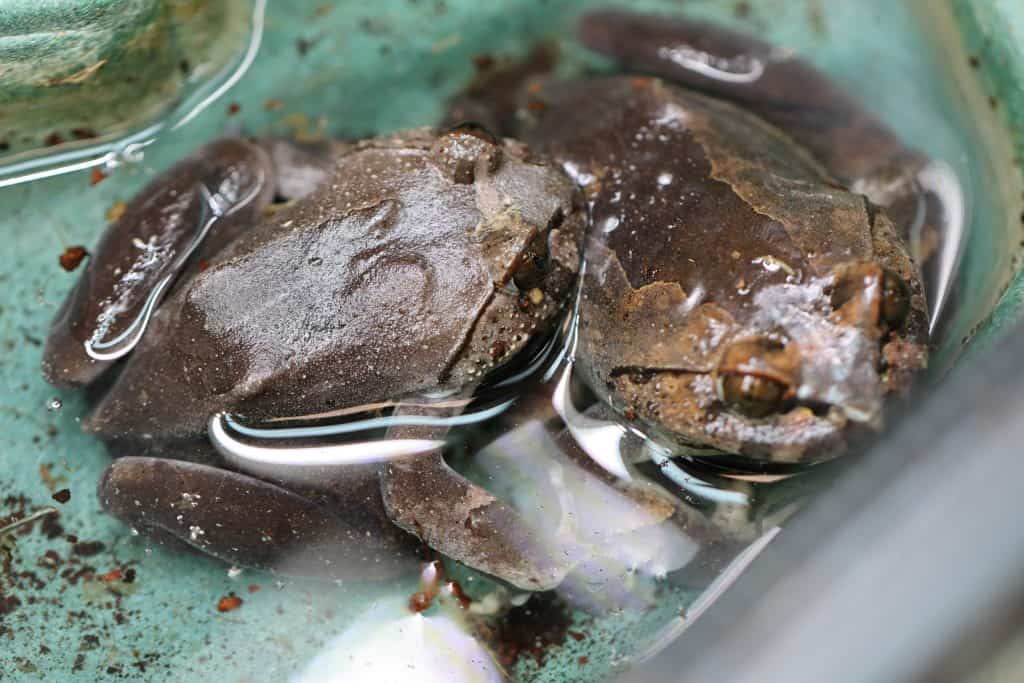
Hairy frogs will break the connective tissue surrounding the bones in their feet, allowing them to puncture the skin and create claws.
©ribution: Melvin TOULLEC, CC BY-SA 4.0, via Wikimedia Commons – Original / License
Hairy frogs will use this defense only when necessary because it is painful.
It is not yet known how the healing process works. The most commonly agreed-upon hypothesis, according to the Institute for Environmental Research and Education, is that once the hairy frog no longer feels threatened, the bones are drawn back into the skin. Researchers believe the skin is quick healing, but just how long it takes to repair all the tissue involved is a mystery.
Why the Hairy Frog is Also Called the Wolverine Frog
The hairy frog has several nicknames. Some refer to it as the Wolverine frog because it can suddenly expose claws, reminiscent of the Marvel character.
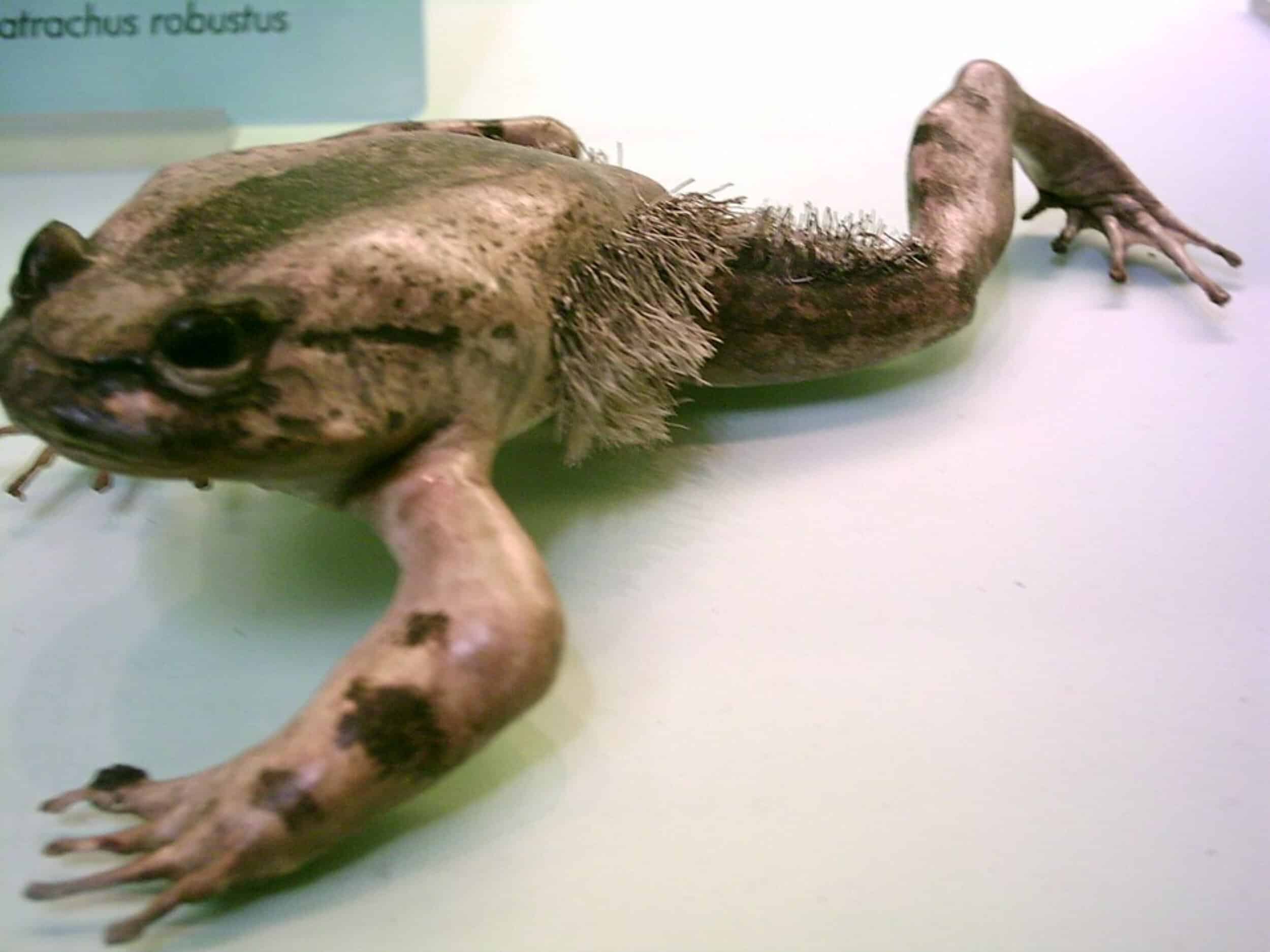
Male hairy frogs grow what looks like hair on their backs during mating season. However, the tiny structures are actually dermal papillae, or loose connective tissue filled with blood vessels and nerve endings.
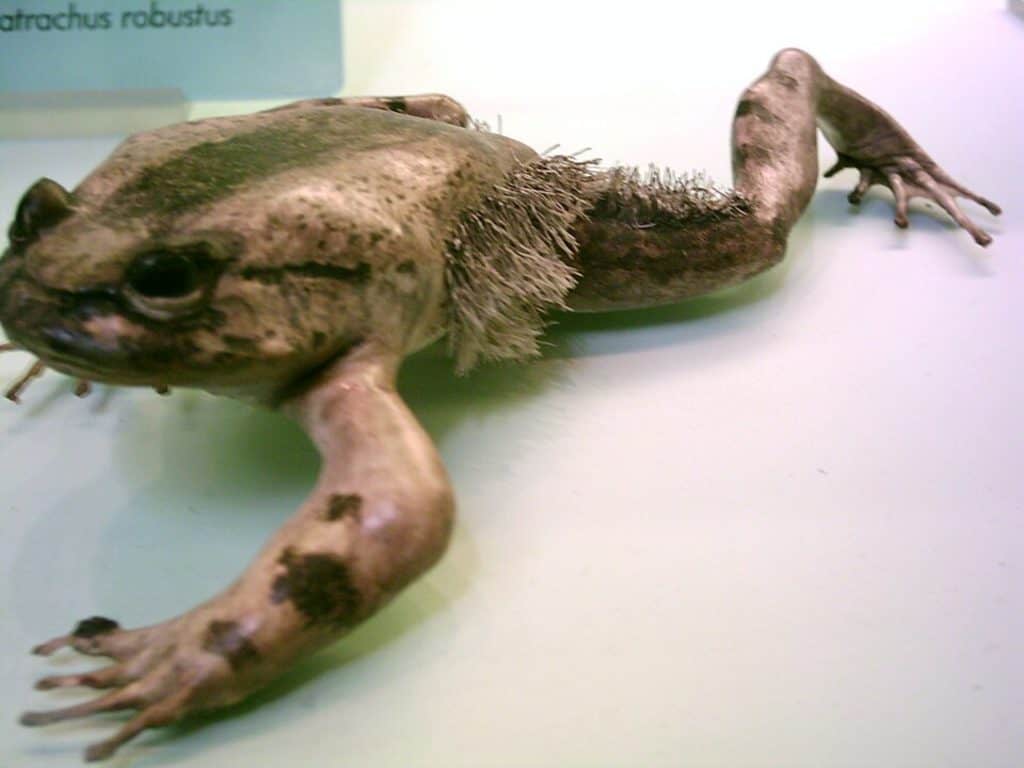
The hairy frog is also known as the Wolverine frog due to the hair-like structures is grows during mating season.
©Gustavocarra, CC BY-SA 4.0 , via Wikimedia Commons – Original / License
The dermal papillae grow so that the overall surface area of the frog’s skin increases. The increase enables the male frog to absorb more oxygen from the water. This allows the frogs to spend as much time underwater as possible to protect newly-laid eggs.
The hairy frog is quite a unique creature. With the ability to transform to protect both itself and their eggs, there truly is no other animal quite like it. Why the hairy frog evolved this way remains a question researchers are still trying to answer.