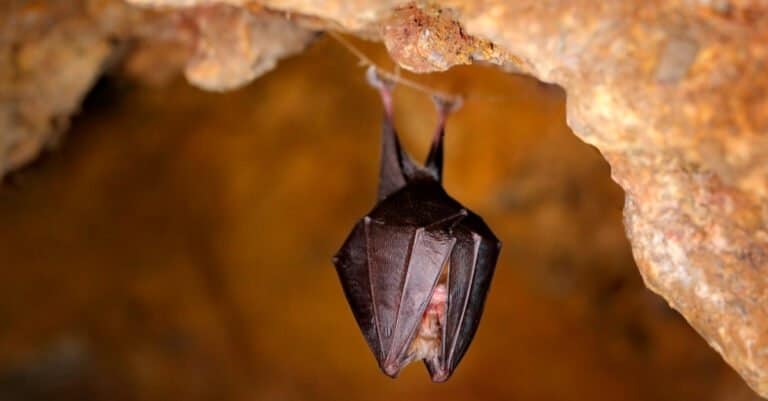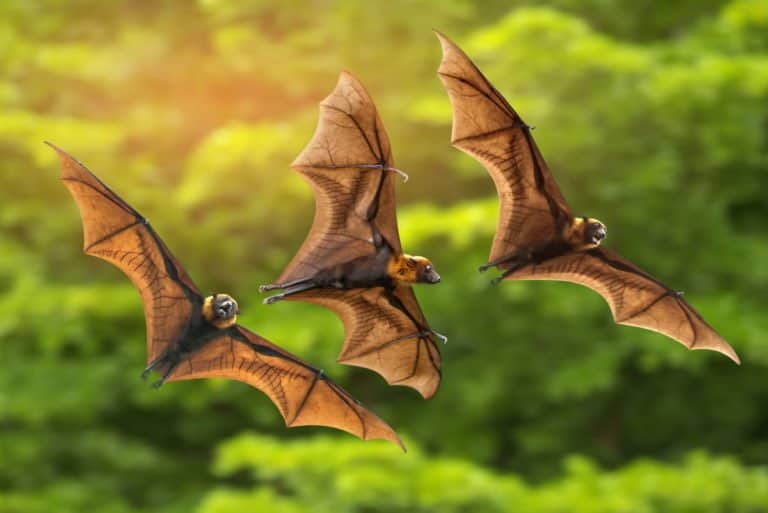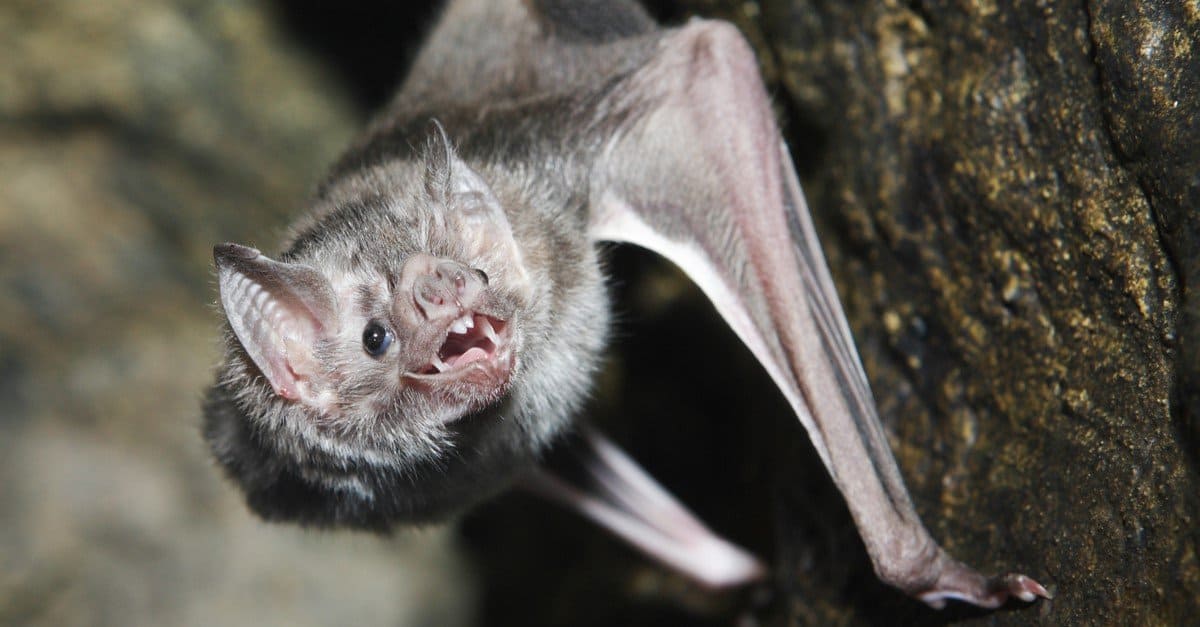

Bats typically eat insects, fruit, nectar, and pollen. However, three outlier bat species make meals of larger creatures: the white-winged bat (Diaemus youngi), the hairy-legged bat (Diphylla ecaudata), and the common vampire bat (Desmodus rotundus). These bats are sanguivores, which are animals that subsist entirely on blood.
However, living off their bloody diet isn’t easy. It requires certain adaptations, which a recent study has identified in its genome. By comparing the genes of vampire bats against other bat species, researchers have uncovered 13 missing genes that allow these sanguivores to break down their all-blood diet.
The Evolution of Vampire Bats
Vampire bats first emerged 26 million years ago. Scientists believe they hunted parasites that alighted on larger creatures. Upon landing on the hide of a large mammal to pluck the insect, the bats likely cut open the flesh and consumed small quantities of blood.
After several genetic mutations, the three sanguivore species stopped eating insects and began feeding exclusively on blood. With such a unique diet, vampire bats have fascinated both scientists and the public, and they continue to present mysteries for researchers.
Vampire Bats’ Missing Genes
In order to derive nutrients from blood, there must be specific changes to the way a bat’s digestion and metabolism function compared to most other species of bat. The loss of these genes allows vampire bats to extract nutrients from blood, a feat that other bats cannot accomplish.
Disposing of Iron
For example, blood carries with it large quantities of iron. Excess iron becomes toxic, damaging the digestive system. One of the thirteen missing genes in vampire bats, known as REP15, is responsible for retaining iron in the gastrointestinal tract. Without this gene, more iron passes through the cell surface into gastrointestinal cells, increasing their iron content. These cells are then replaced more quickly, efficiently disposing of the excess iron.

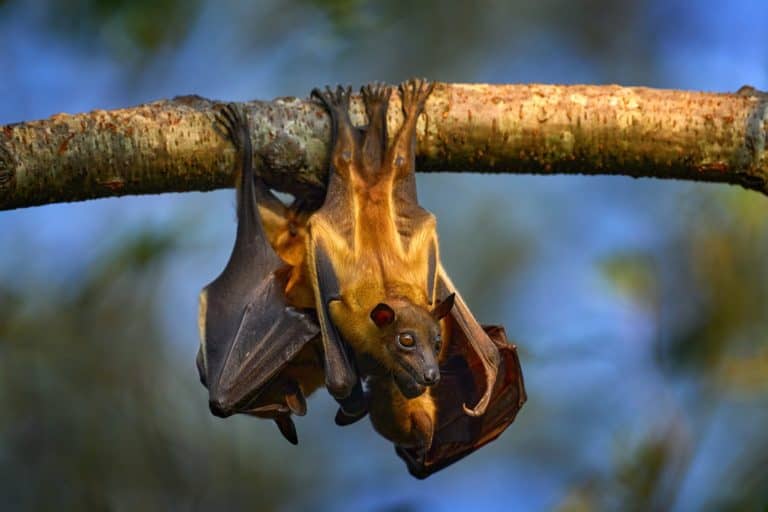
The white-winged vampire bat feeds primarily on blood from various bird species.
©belizar/Shutterstock.com
The Production of Insulin
An additional two missing genes relate to the production of insulin. Insulin is secreted from the pancreas to help stabilize sugar levels in the blood. This helps cells absorb glucose from the bloodstream. Bloodsucking bats use only small amounts of insulin since blood contains little sugar. (Other missing genes result in a lack of receptors that would allow bats to detect sweet and bitter tastes in the first place.) With less insulin, bats can conserve the small amount of sugar they consume by keeping it available in the bloodstream instead of storing it.
Digestion and Absorption
Conversely, vampire bats produce greater quantities of the enzyme trypsin. This enzyme helps break down protein so it can be digested and absorbed. Because vampire bats lack the gene that regulates trypsin production, researchers believe they can absorb nutrients from their food more efficiently.
Cognitive Impacts
Interestingly, researchers also found missing genes impacting cognitive abilities. A metabolic substance known as 24S-hydroxycholesterol is repressed by a gene in other bat species, but not in vampire bats. Studies have shown that higher levels of this metabolite are associated with better spatial memory in rodents. Researchers believe this may be responsible for vampire bats’ greater social memory.
Study Limitations and Future Research
Researchers face several challenges when conducting this type of research. For one, gene loss doesn’t necessarily mean the gene has been completely removed from the genome. It means a gene has either disappeared or lost its function due to excessive mutations. This makes research more difficult and can lead to genes being miscategorized in terms of their function.
Researchers hope to hone their methods with future studies. Michael Hiller, a genomicist and co-author of the study, hopes to investigate gene duplication, the growth of gene families, and differences in gene expression. Despite being one of the most studied species, “we still have many gaps in our knowledge,” says Hiller.