
When humans lose a limb due to an injury, there are lifelong lifestyle changes that are necessary to accommodate the loss of the arm or leg. In some instances, the changes are minor, with people learning how to navigate life with a prosthetic. Other times, the changes are life-altering, requiring the assistance of others to survive.
For decades, scientists have been trying to unlock the secrets of why some animals can regrow limbs but humans cannot. While research has made significant progress, it will likely be decades longer before people can regrow damaged portions of their bodies. However, the fact that scientists believe it will one day become a reality means that limb loss may no longer necessarily mean a loss of quality of life. Instead, it will just be a pause while healing occurs.
The Process Behind Regrowing Limbs
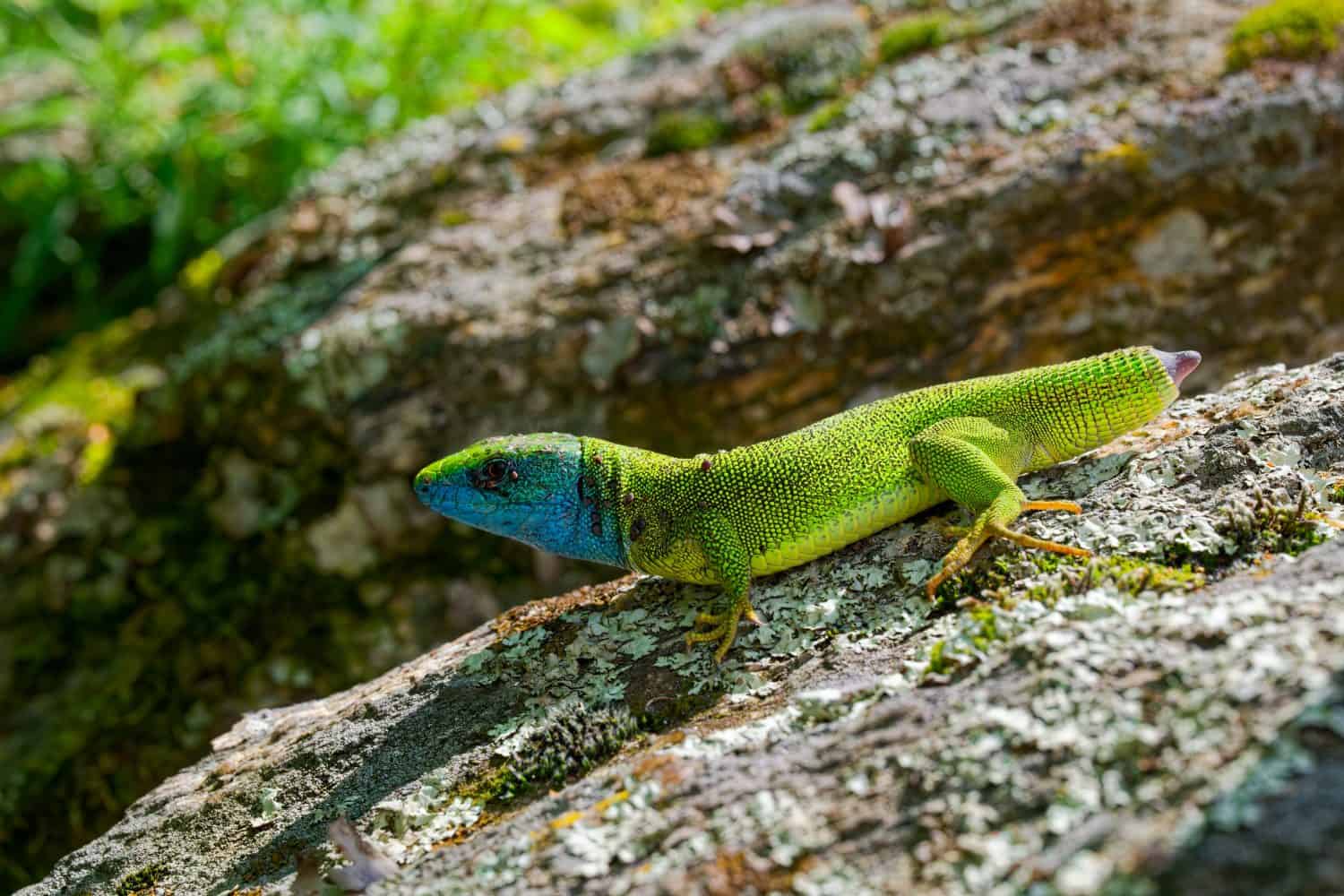
Lizards lose their tails and regenerate them to escape from danger.
©hektor2/Shutterstock.com
The ability to regrow limbs after they are severed is genuinely remarkable. As much as people would like to possess the capability of regeneration, it is not something the human body is capable of. This is because, unlike animals that can regrow their limbs, humans lack the necessary combination of gene regulation, cellular environment, and regenerative signaling to enable full limb regeneration.
The correlation between animals capable of regeneration is that their stem cells can differentiate into the area of the body that needs reconstruction. The stem cells are referred to as pluripotent stem cells. This means that the stem cells responsible for nerve regeneration initiate the process of regrowth. Those capable of rapid tissue growth make the skin or internal organs grow and become healthy. Even broken bones, damaged eyes, or portions of the brain can be regrown, allowing animals to become whole again.
Put in simpler terms, the stem cells behave the way they did when the animal was developing as an embryo. The damaged genes are regrown. This restores the outward appearance of the animal to its original state, allowing animals with the gift of regeneration to live longer due to their bodies’ incredible ability to heal.
How Specific Animals Regrow Limbs
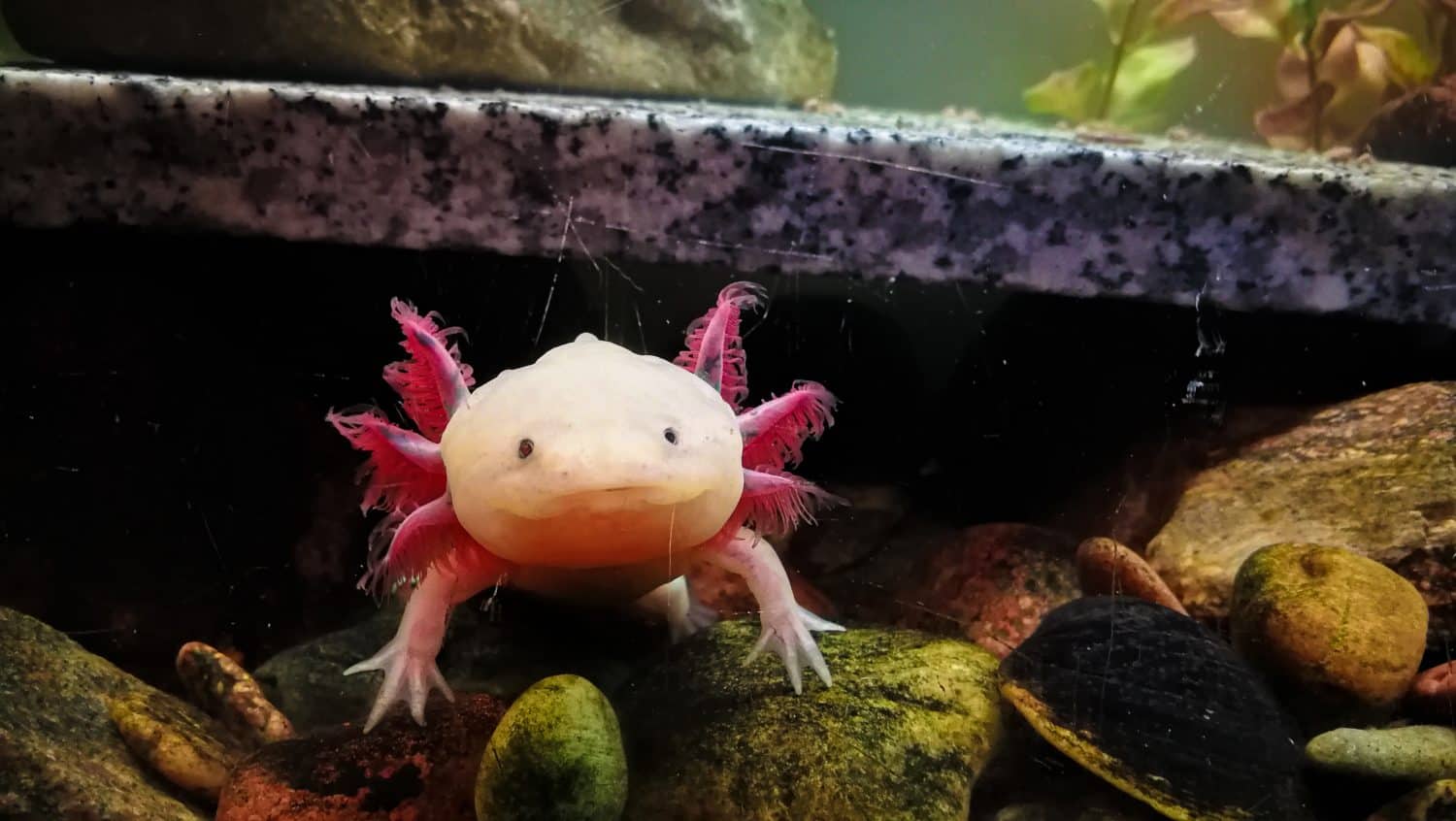
Axolotls can regenerate just about every part of their bodies.
©ArnPas/Shutterstock.com
Not all animals are capable of regeneration. However, three different creatures have caught the eye of the scientific community over the years for their ability to not only regrow lost limbs but also do so multiple times. Those animals include the axolotl, the salamander, and planarians.
The axolotl and the salamander have a similar process of regeneration. This happens as the site where the damage or amputation has occurred is rapidly fixed via stem cells. The stem cells, which grow thanks to a blastema forming at the site of injury, divide and begin repairing nerves, muscles, skin, or whatever tissue needs assistance in regeneration.
Planarians, such as flatworms, can be cut into multiple pieces and survive. Not only does the worm survive, but each piece becomes a new individual. This occurs thanks to stem cells, called neoblasts, that regrow every missing part of planarians.
| Regenerative Animal | Process Of Regeneration | What Can Be Regenerated |
| Axolotl | Blastoma formation | Limbs, spinal cord, heart, portions of the brain, portions of lungs, eyes |
| Salamander | Limbs, tails, body organs, nerves, and spinal cord | Limbs, spinal cord, heart, portions of the brain, portions of the lungs, eyes |
| Flatworm | Neoblast formation | Head, tail, nerves, muscles, digestive tract, eyes, brain, outer layer of skin |
Because of the amazing ability to heal the body after trauma occurs, it should come as no surprise that the scientific community is so very interested in how this is possible. However, even regeneration has its limits, as some animals know all too well.
Quality of Regeneration May Decline If Done Too Many Times
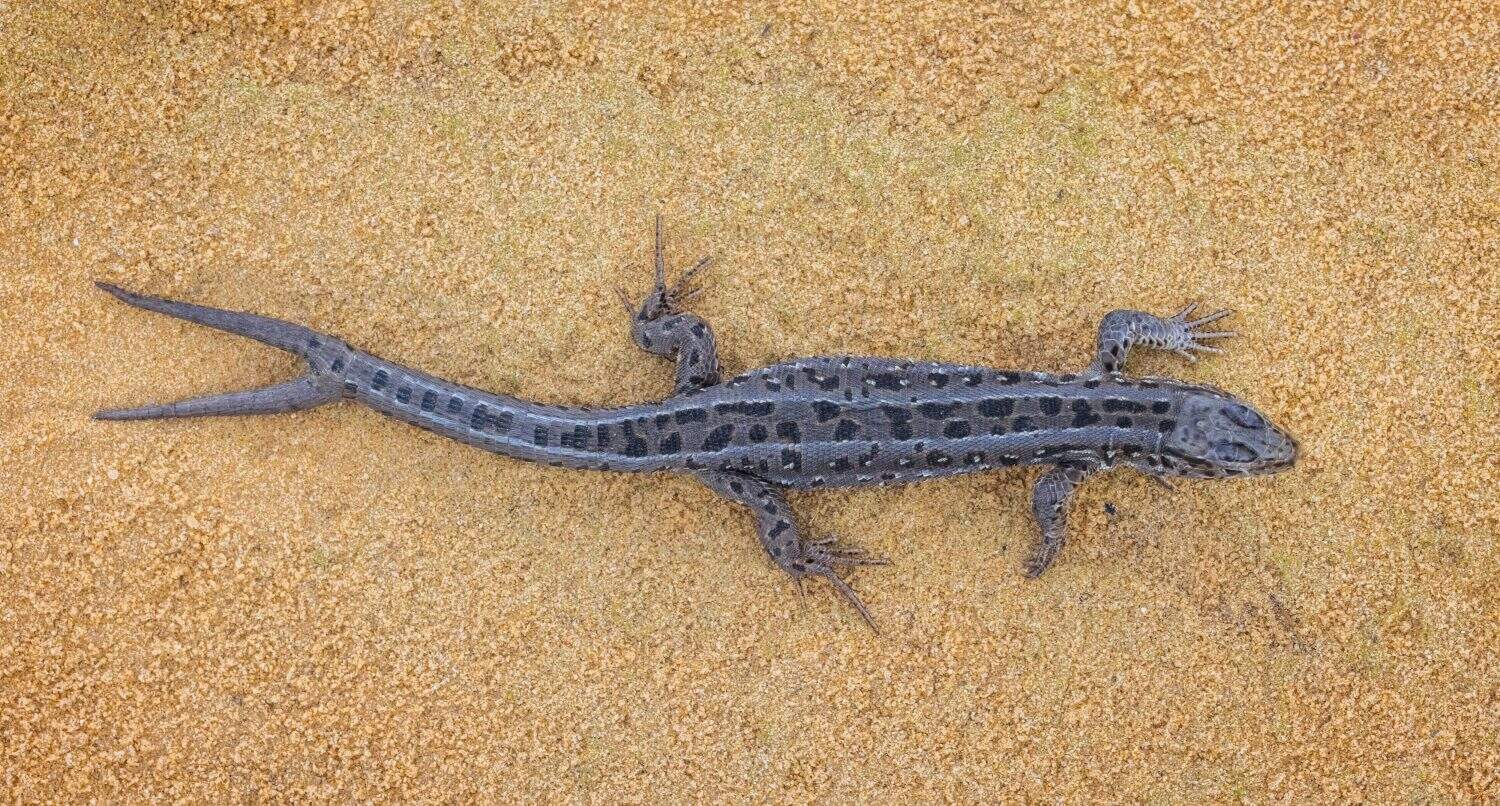
Regeneration quality can decline or even cause mutations if done too many times.
©Lukas Jonaitis/Shutterstock.com
Each animal that can regenerate limbs also has a different number of times that regrowth can happen before the quality of regeneration begins to suffer. For some, after a couple of regenerations, limbs start to look misshapen. For others, there appears to be no limit on how often regrowth can occur. This makes the concept of regeneration that much more perplexing.
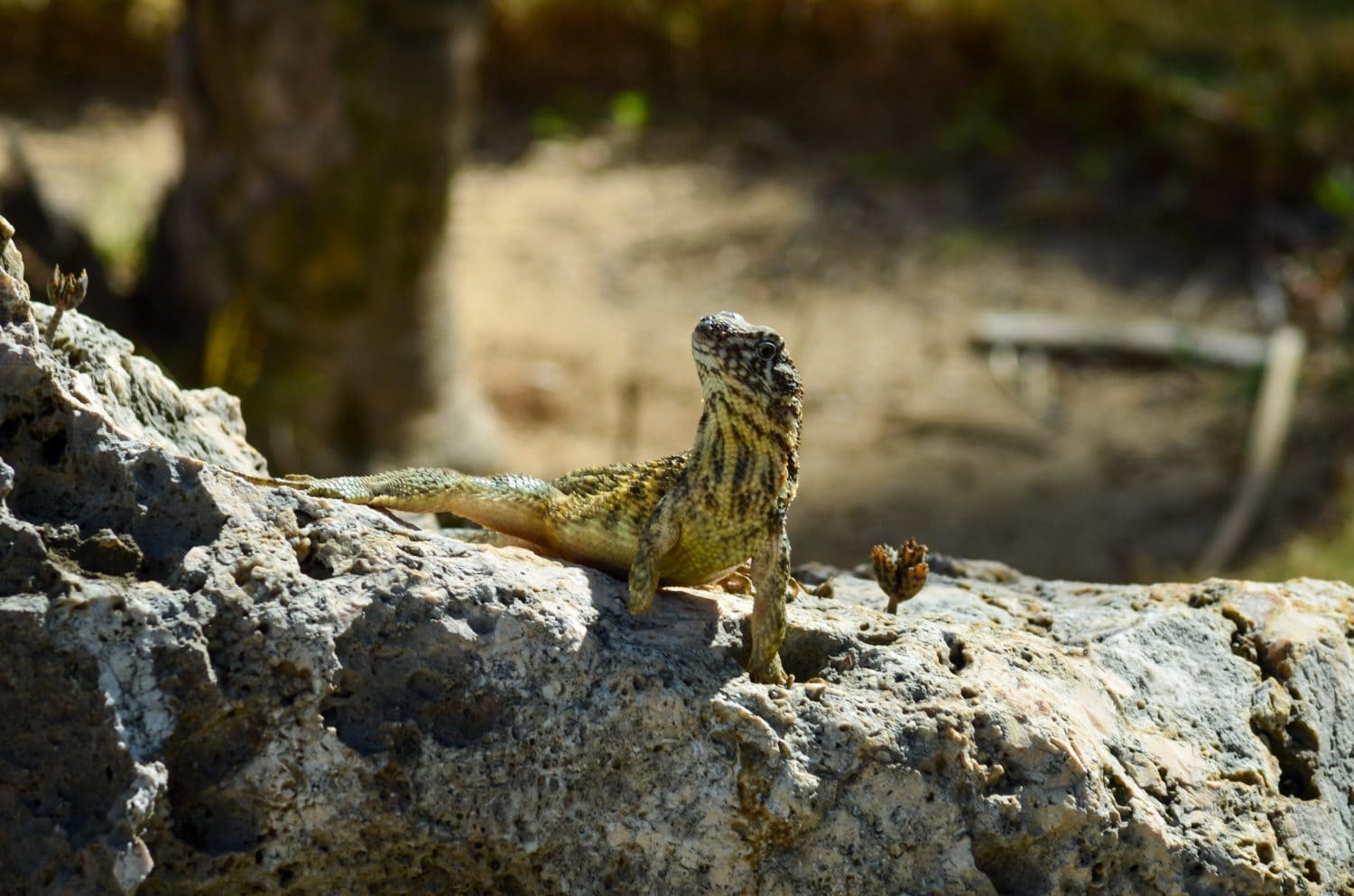
Lizards are fascinating animals to study in terms of regeneration, given their ability to shed their tails to escape predation. While it appears that the tails can be regrown an unlimited number of times, the quality of the tail after its first detachment decreases. This occurs because, as the tail regrows, there is no longer bone in it. Instead, it is muscle and cartilage. The lack of bone can even lead to mutations where two tails grow rather than one. Consequently, the tail may lose some of its functionality in terms of balance or movement after regeneration.
Axolotls are amazing creatures, given how quickly they can regenerate anything from a missing limb to a damaged spinal cord. However, even axolotl bodies have their limitations on how many times they can regrow damaged portions of the body.
Researchers discovered that after losing the same body part five times, the axolotls’ ability to regenerate was gone. The reason for this is still unknown. Further research needs to be done to determine if a change in cellular makeup or something else entirely is responsible for the regeneration loss axolotls are so well known for having.
Why People Cannot Regrow Limbs Once They Are Gone

Once removed, people cannot regenerate their limbs.
©Hananeko_Studio/Shutterstock.com
Humans are capable of regenerating the epidermis in the instance of a scratch. If the scratch is not particularly deep, there will be no scar. The deeper the scratch, the greater the likelihood of a scar. Additionally, organs like the liver can regrow if partially removed, and the tips of fingers can regenerate in some instances. Therefore, it would make sense that people could regrow limbs if they were removed. However, this is not the case.
According to the director of the laboratory for tissue regeneration in vertebrates at the University of Montreal, Stéphane Roy, the reason people cannot regrow limbs like some creatures can is related to the way the human body regenerates.
“It may have to do with a strong immune response, or the specific release of some growth factors, or a combination of both,” Roy explains to Live Science. “It could be partly a question of biophysics: Salamander limbs are much smaller than humans; however, frogs cannot regenerate their limbs, so it may not be just a question of size.”
Because the capability is there to regenerate, researchers believe it may be as simple as a gene being active in animals that can regrow lost limbs that were lost in humans as they evolved. If this were the case, finding that gene would mean that the cells responsible for creating blood vessels, bone, and tissue could be activated, allowing limb and body systems to grow. But because this is still a theory, there is no telling if one gene is responsible for activating this response in the human body, or if other factors would have to come into play as well.
Why Understanding Regeneration Is Important for People
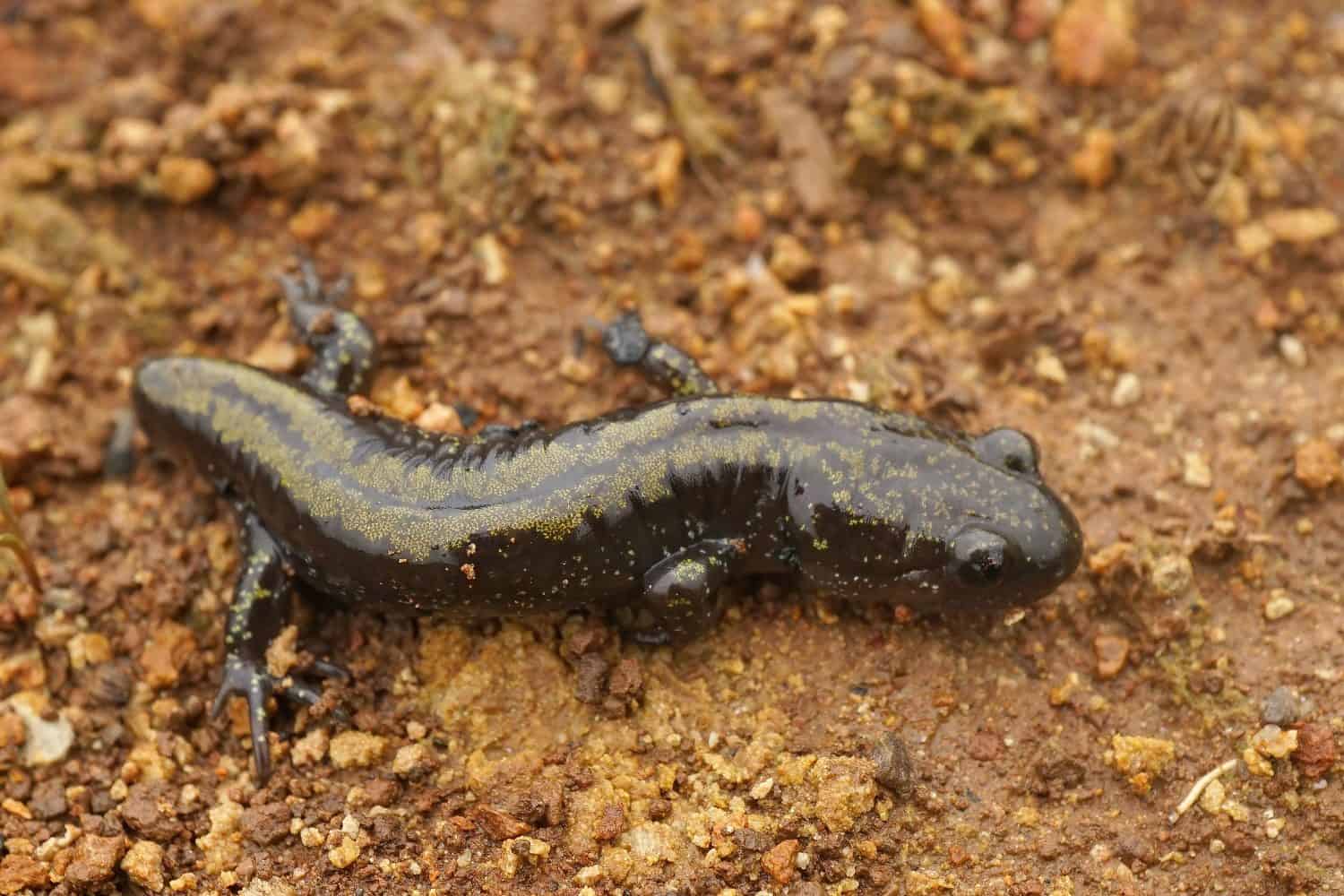
Understanding how creatures like salamanders regrow their limbs is important, as it may lead to breakthroughs that allow people to do the same.
©HWall/Shutterstock.com
Since humans have existed, there has never been a way for a limb to fully regenerate. Once it is removed, there is no chance of it coming back. Understanding how animals that can regrow limbs do so can begin to unlock ideas and new technologies that could lead to scientific breakthroughs in science and medicine, potentially one day enabling the regrowth of human limbs.
Some of the reasons why understanding natural regeneration is important include:
- Potential for developing techniques for healing and regenerating missing tissue in people
- Create a better understanding of how evolution occurred and when genes responsible for regeneration were no longer present in the human body
- Ability to artificially recreate cells responsible for the regrowth of nerves, bone, veins, tissue, and more, that could regenerate lost limbs
- Cracking how some animals regenerate can lead to medical advances wherein the human body can be taught to regrow missing limbs or body systems
Science is still far from creating cells capable of regeneration or triggering existing cells in the body to regrow what has been lost. But as science continues to make more sense of human and animal bodies and how they react to trauma, there may just be a future where losing a limb does not become an automatic lifestyle change. Instead, it could be something as simple as being patient as the body works to regenerate itself.