
Quick Take
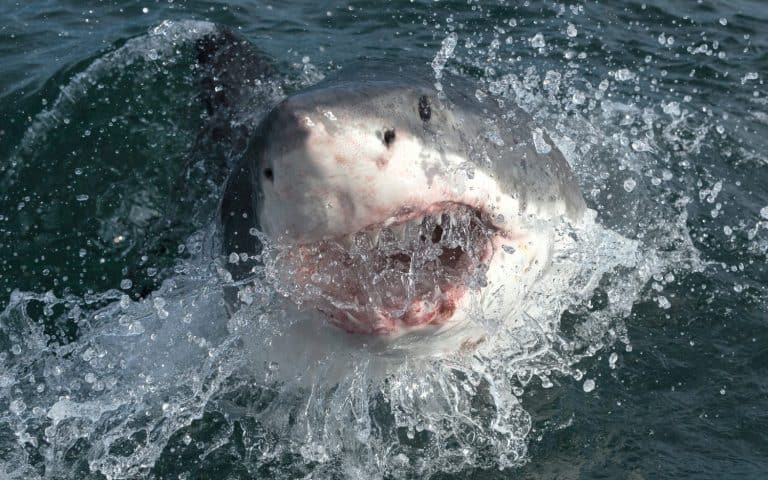
- A great white shark launches itself out of the water toward a boat, and the scariest part is not the leap itself. See their full power →
- Great white sharks carry a name that hints at their scale, yet their actual size range defies most people's expectations. Discover their true size →
- Cape Cod, Massachusetts has become one of the world's biggest great white shark hotspots, and the reason has nothing to do with the ocean temperature. Why Cape Cod attracts sharks →
- Sharks don't typically hunt humans, though great whites are still the most dangerous species to encounter, and that distinction matters. Find out the real risk →
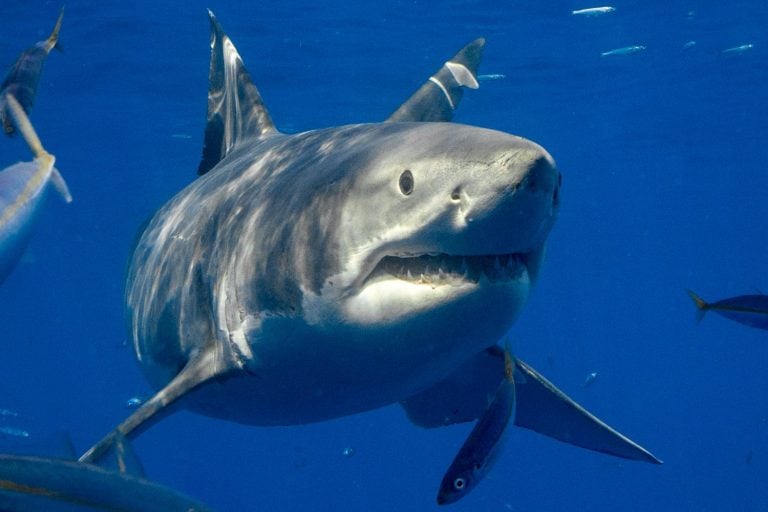
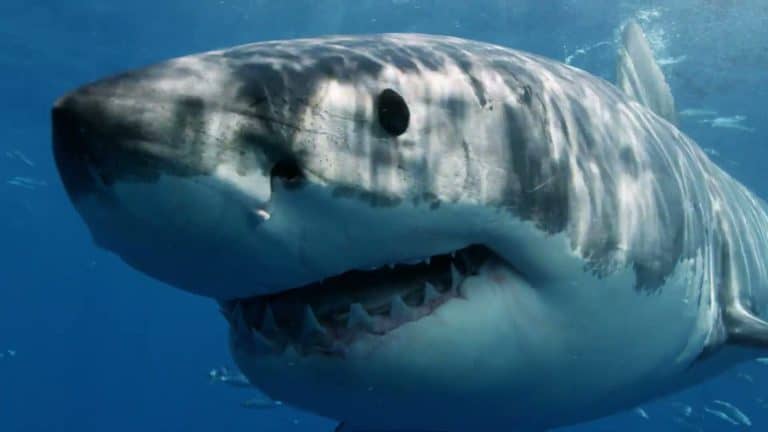
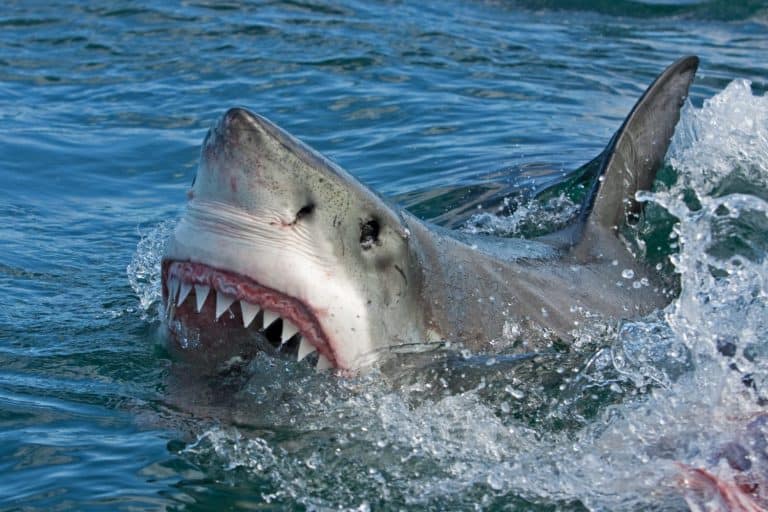
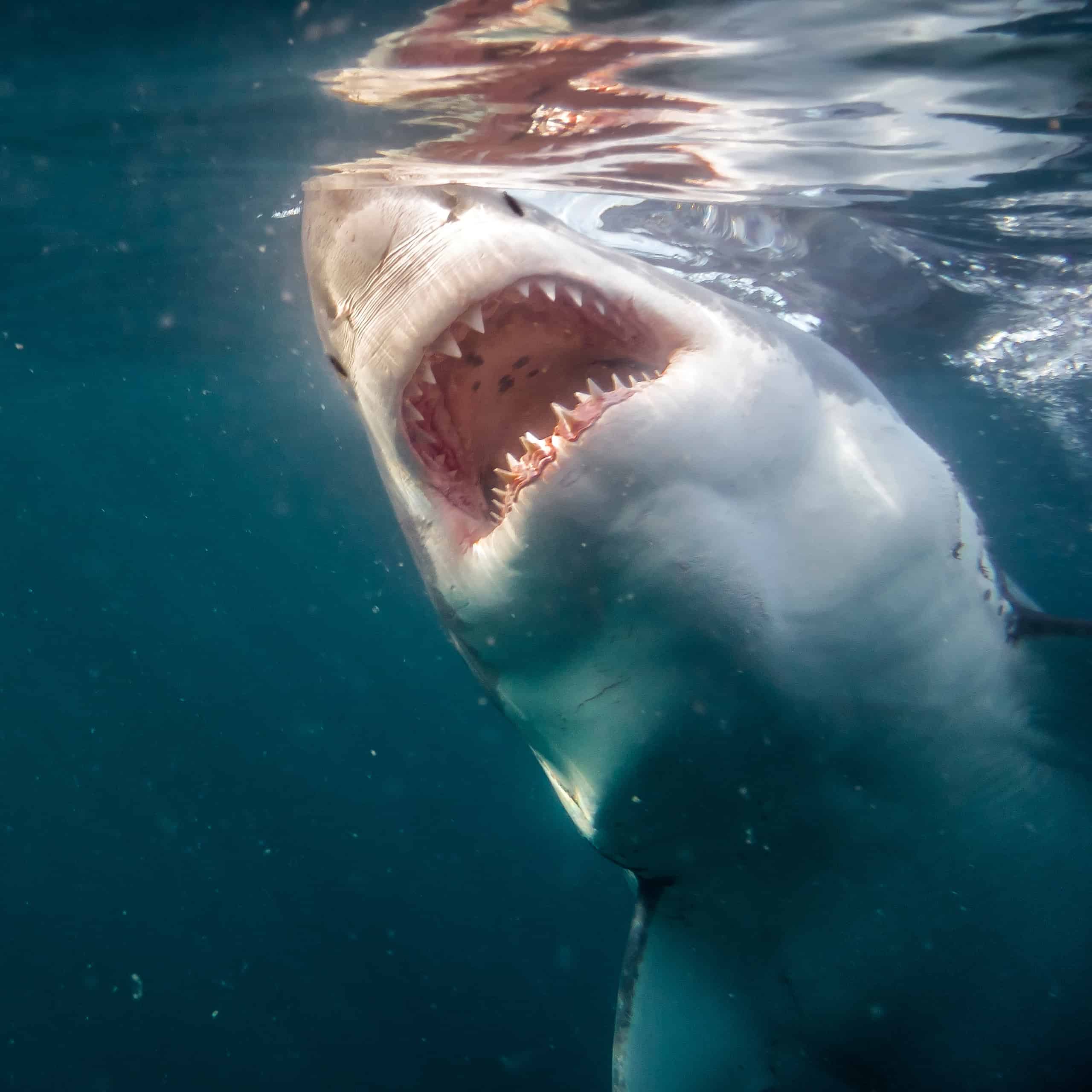
A video from 2016 features a great white shark breaching the water in South Africa. It appears out of nowhere; you can barely notice the massive shark beneath the ocean’s surface until it leaps out of the water. You can then see its large mouth and sharp teeth as it lunges toward the boat. Great white sharks mainly prey on seals, sea lions, and dolphins, but their powerful bite is feared worldwide.
How ‘Great’ Are Great White Sharks?
Great white sharks weigh between 1,110kg to 2,240kg (2,450lbs – 4,938lbs), and their size ranges between 5.5m – 6.4m (18ft – 21ft). It’s no wonder they have ‘great’ as part of their name. Naturally, due to their massive size, they are also powerful predators.
Where Do Great White Sharks Live?
These sharks live in the ocean across the globe, but they are mostly concentrated near South Africa, Australia, New Zealand, the North Atlantic, and the Northeastern Pacific. Specifically, Cape Cod, Massachusetts, is one of the most significant hotspots of great white sharks. This is partly due to the large seal population in the area, as seals are one of the shark’s main food sources.
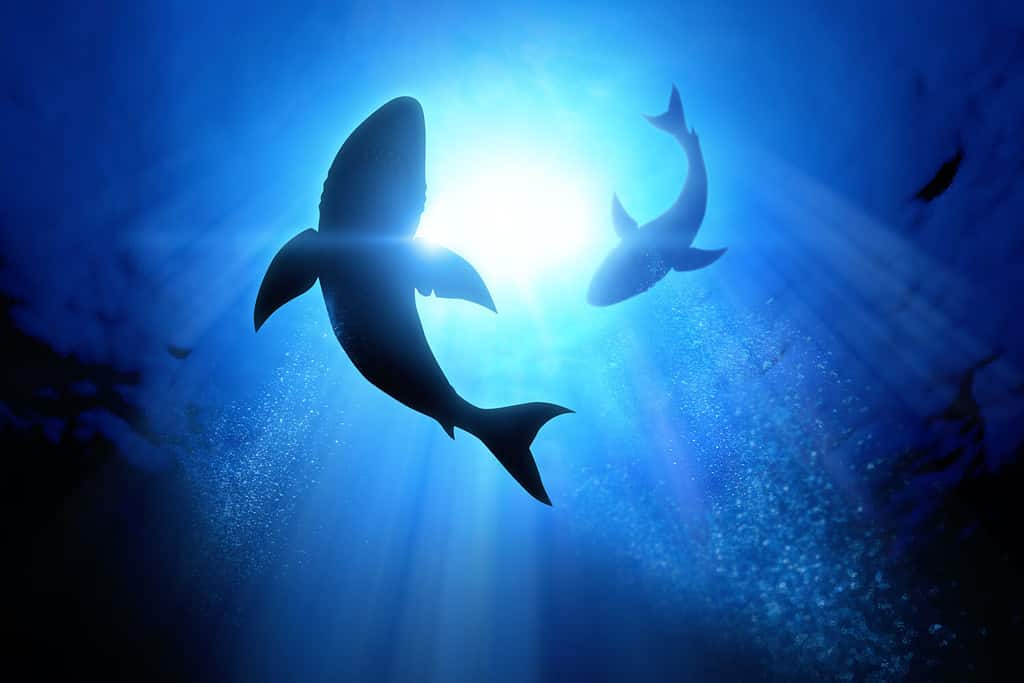
Sharks are mostly concentrated in Cape Cod during late summer and early fall before migrating for the winter.
©solarseven/Shutterstock.com
Do Sharks Eat Humans?
No, sharks do not typically hunt and eat humans. Despite popular belief and widespread anxiety about the notion, shark attacks are rare. However, this doesn’t mean they don’t happen.
Odds are, if a shark comes close to a human, it’s to investigate the situation. This could lead to an accidental attack, especially if the shark mistakes the human for a seal or other prey. In reality, sharks are more afraid of humans than humans are of them. Among shark species, however, great whites are the most likely to attack a human.