
Louisiana is home to many unique cultures, delicious foods, and exciting festivals. Not only can you find unique culture and food, but you can also encounter a wide variety of wildlife in the lakes, swamps, and dense forests. You may see American alligators, Louisiana black bears, and gray foxes. However, you will also likely see wild hogs. Although not native to Louisiana, wild hogs are in every parish in the state and can cause millions of dollars in damage each year. Feral hogs are so invasive that, with the right hunting license, you can hunt them year-round. Some wild hogs can grow extremely large. Are you ready to find out just how large they grow? Keep reading to discover the largest wild hog ever harvested in Louisiana.
Wild Hogs
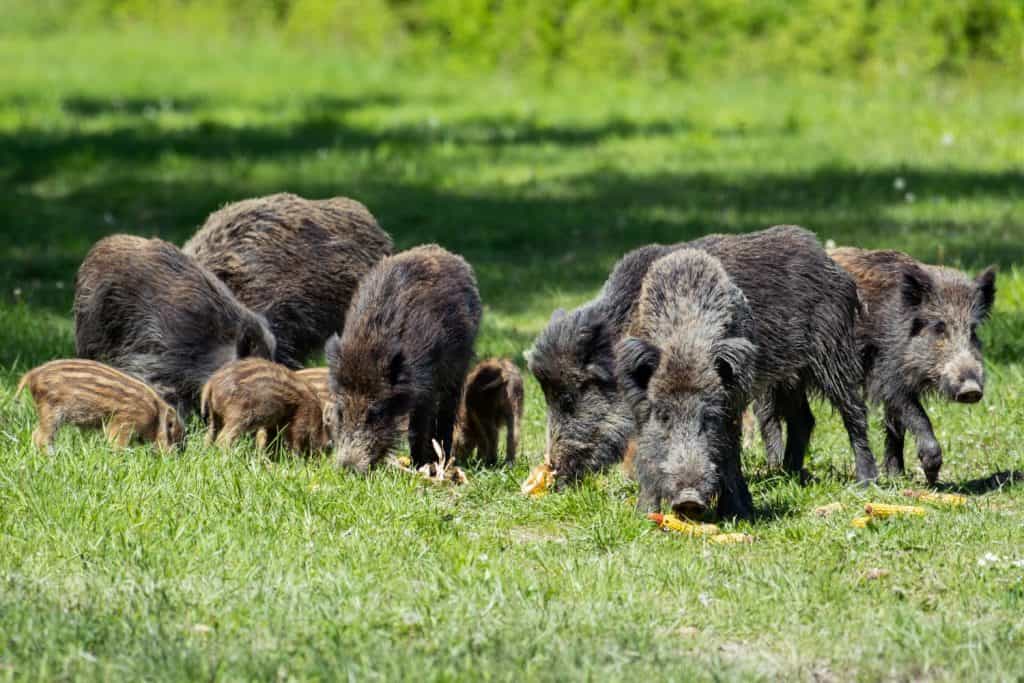
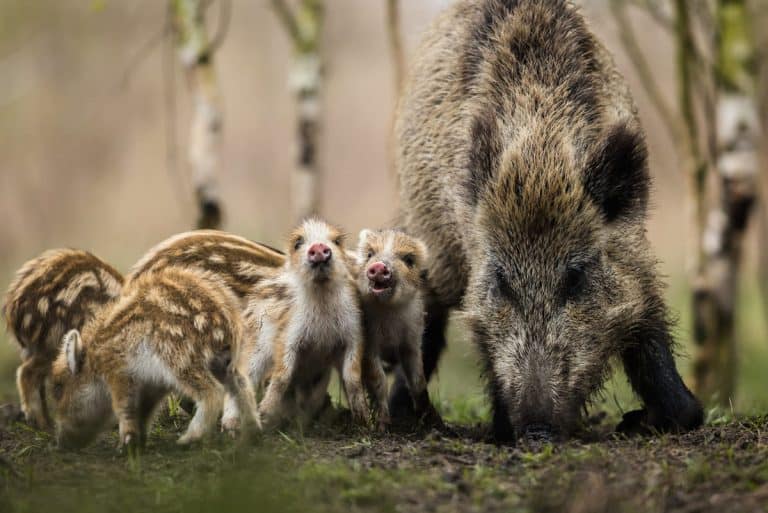
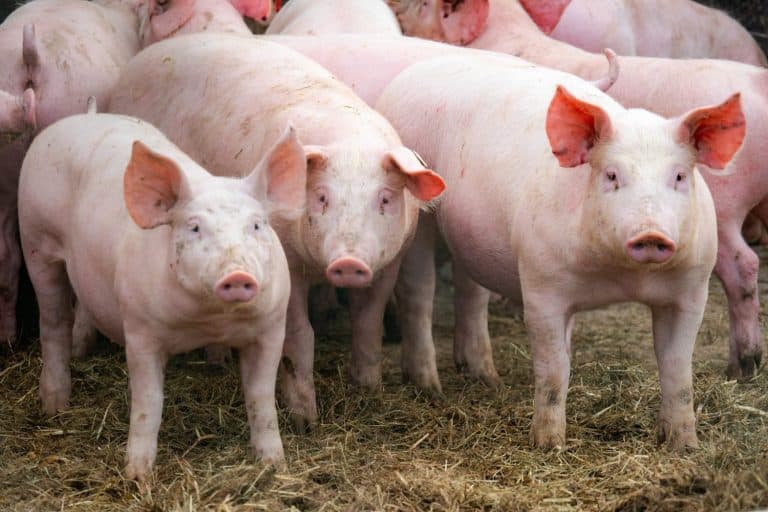
The size of a wild hog varies, but most adults in North America weigh between 75 and 250 pounds.
©ZoranOrcik/Shutterstock.com
Wild, or feral, hogs (Sus scrofa) have many names, including wild boars, wild swine, and wild pigs. Some people confuse the terms “pig” and “hog,” especially because young swine are called pigs. However, the term “pigs” typically refers to domestic pigs. Wild hogs are native to Eurasia and North Africa but are now common throughout the world. They were introduced to the Americas and Oceania, and are now an invasive species in most places. There are 16 subspecies, each with unique characteristics.
Appearance
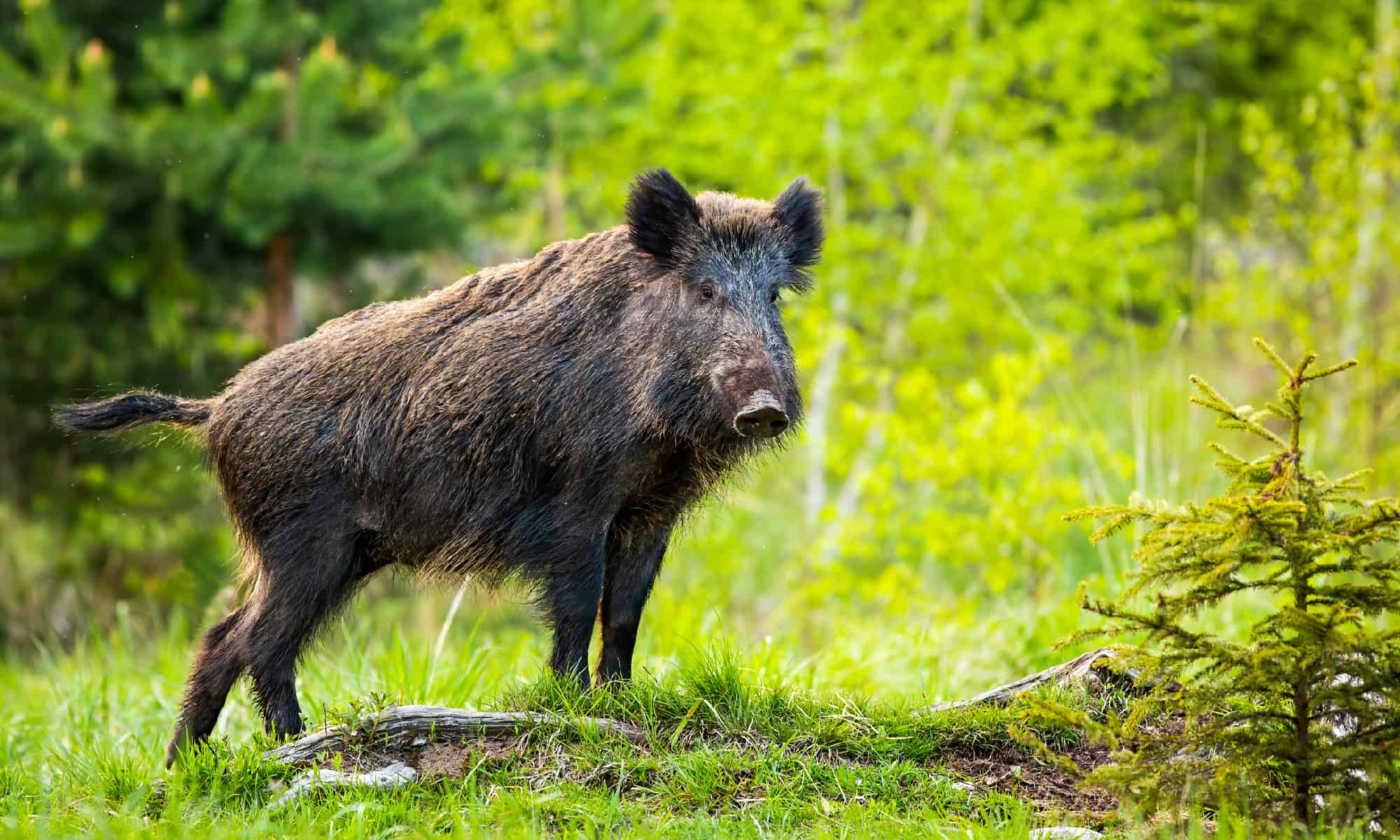
Wild hogs are typically thinner and taller than domestic pigs, but they are more muscular. They have powerful shoulders and necks, which can look like a thick hump. They also have longer bodies and heads than domestic pigs. Male and female feral hogs both have tusks, but males’ tusks are more pronounced. They have coarse hides, but male hogs also have a thick mane which becomes more prominent during fall and winter when temperatures drop.
Size
Male hogs are about 5%-10% longer and 20%-30% heavier than female boars. In North America, adult feral hogs generally weigh between 75 and 250 pounds, but some individuals may grow larger. They typically reach up to 3 feet in height and around 5 feet in length.
Diet
Wild boars are opportunistic omnivores with a diet that changes seasonally. They need a high-calorie diet to build up their fat reserves for times when food is scarce. Wild hogs primarily eat foods such as grasses, roots, nuts, berries, leaves, twigs, bird eggs, lizards, insects, and other invertebrates. They also consume agricultural crops. While not as common, large wild hogs may consume small mammals and carrion. Wild hogs living near lakes and rivers also eat fish. Unlike humans, wild hogs can digest some poisonous plants, such as wolf’s bane, anemone, and ferula.
Guidelines for Hunting Feral Hogs in Louisiana
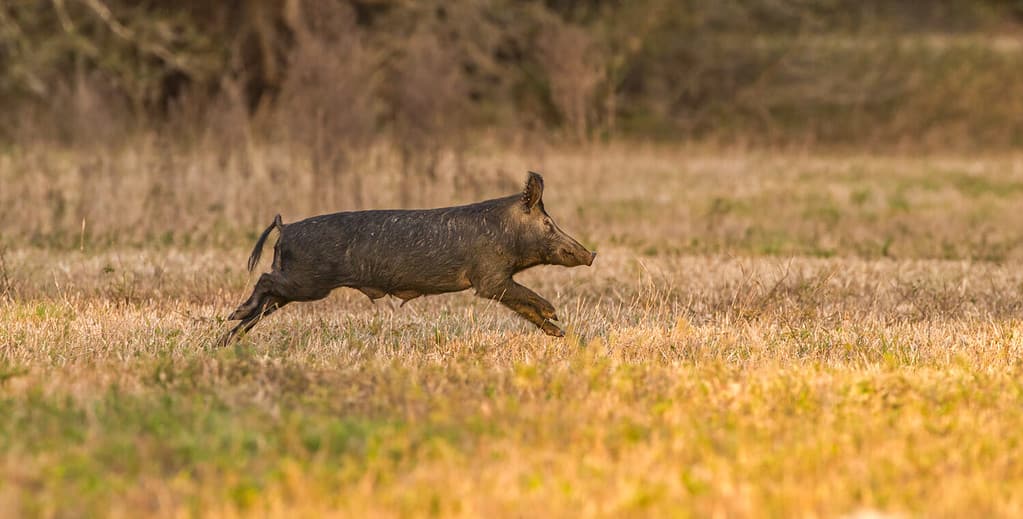
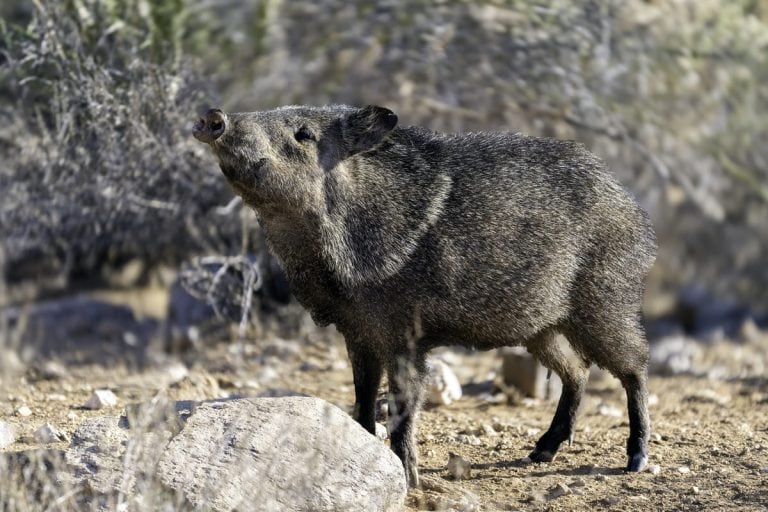
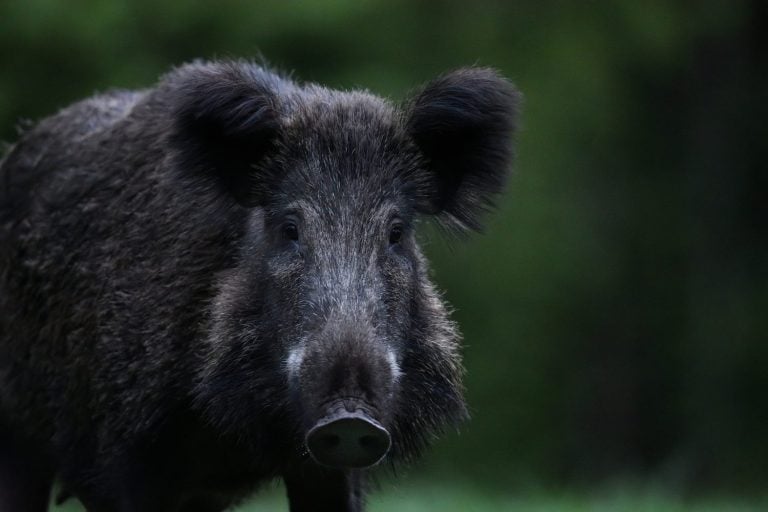
Wild hogs can be hunted year-round with the proper license.
©Chase D'animulls/Shutterstock.com
The wild hog population in Louisiana is currently estimated at over 900,000. The hunting season for wild or feral hogs is year-round. In fact, they can even be harvested at night — something that is not typically permitted in the United States when hunting most big game like deer, bear, and elk. The Department of Wildlife and Fisheries permits harvesting via recreational hunting, trapping, daylight and nighttime shooting by private landowners, and aerial gunning via helicopter.
Many states with wild hog populations require hunting programs to manage populations, as wild hogs can cause a great deal of damage. The Louisiana Department of Wildlife and Fisheries notes that such large numbers of wild hogs: impact other wildlife through competition for resources, negatively affect natural forest regeneration, increase erosion, shed coliform bacteria into waterways, and wreak havoc on crops. The Louisiana State University AgCenter estimates that feral hogs cause $91 million in agricultural damage annually.
The Largest Wild Hog Ever Harvested in Louisiana
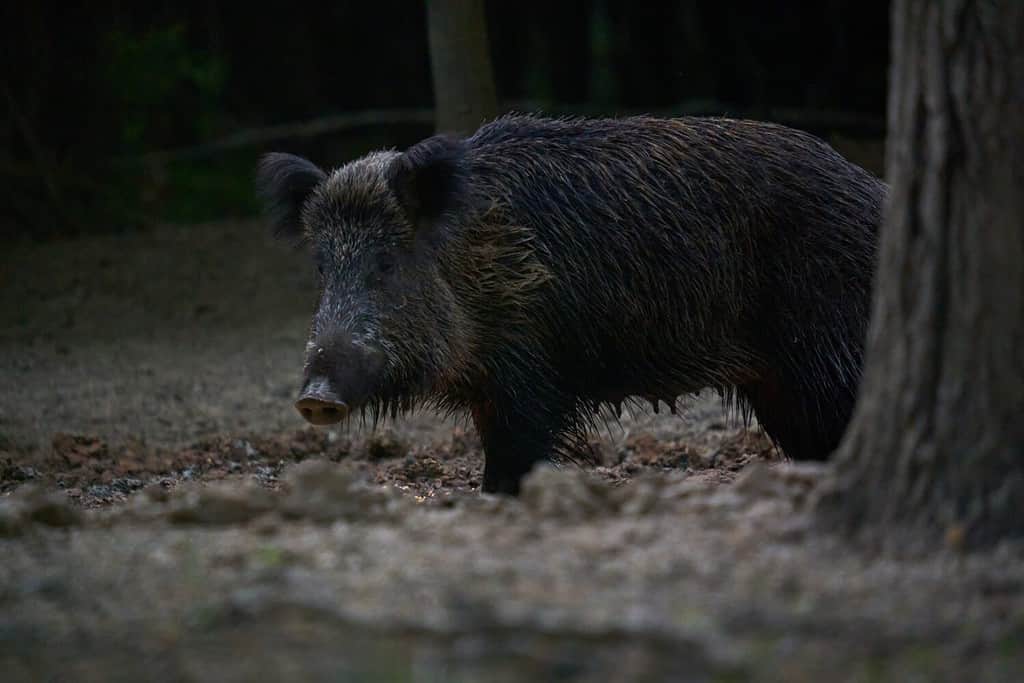
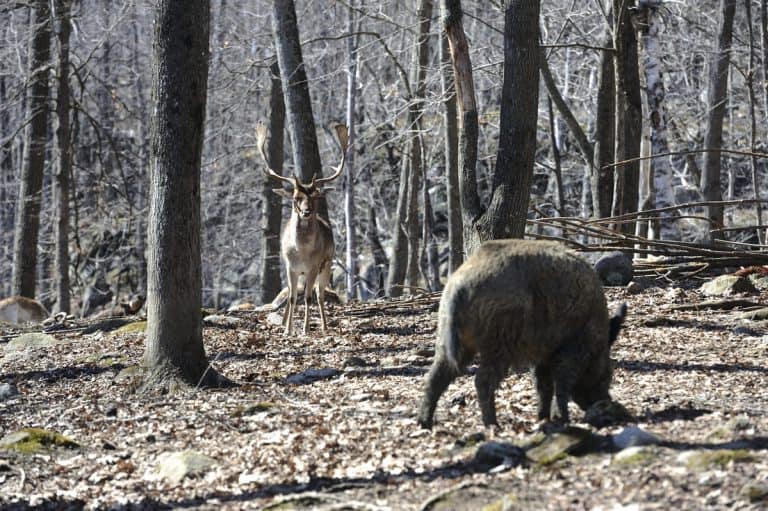
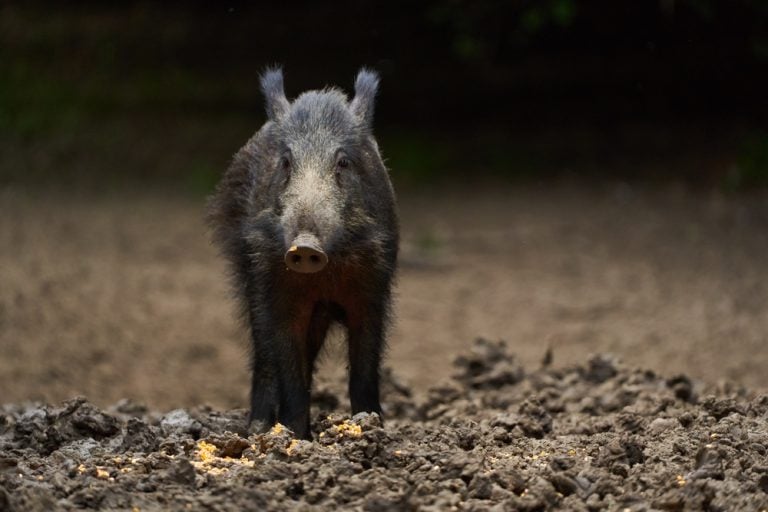
The largest feral hog ever harvested in Louisiana is believed to have weighed 549 pounds.
©Slatan/Shutterstock.com
Louisiana does not keep big game records for feral hogs. However, the largest feral hog ever harvested in Louisiana is believed to have met its end in Acadia Parish on September 30, 2015. Hunter Jason Mire shot the hog with a rifle as it was eating corn. For six weeks, the hog had been making regular appearances on a trail cam that Mire set up. On camera, it looked big, but in person, the hog was enormous.
After the hunt, he and his brother picked up the giant feral hog with a front-end loader and went looking for a scale large enough to weigh the nuisance behemoth. A nearby farmer had a crawfish scale used for weighing sacks of the freshwater crustacean. They used a forklift to place the feral hog on the scale and found it weighed an incredible 549 pounds — over twice as large as the average feral hog.