
Quick Take
- The population of feral pigs in New South Wales has reached 100 million.
- 70% to 80% of the current feral pig population would need to be culled to reduce the overall population to a more manageable size.
- Traditional culling methods have failed despite the urgent need for population containment.
- Farmers in New South Wales have escalated their calls for action after seeing their crops destroyed.
Feral pigs have spread across Australia. The latest numbers show that feral pig populations are present across 45% of the country’s landmass. Ecosystem destruction is rampant due to feral pigs in nearly half of Australia, and with no effective solutions to control them, there is no telling how much larger the populations will grow.
Some areas of the country are being harder hit than others. One area severely affected by feral pigs is New South Wales. Despite pleas to the government for help in reducing the feral pig population, traditional methods for eradicating them have proven unsuccessful. Consequently, Australian farmers have slammed inadequate culling techniques, watching hog numbers top 100 million. What can be done to stop the feral pigs? This is the question many Australians have that has yet to be answered.
New South Wales is Inundated with Feral Pigs
Over the last handful of years, New South Wales has watched the feral pig population in the state balloon. Where estimates once stood at several million feral pigs across New South Wales, the latest figures put the population at 100 million. This population size cannot be sustained and will continue to grow without intervention.
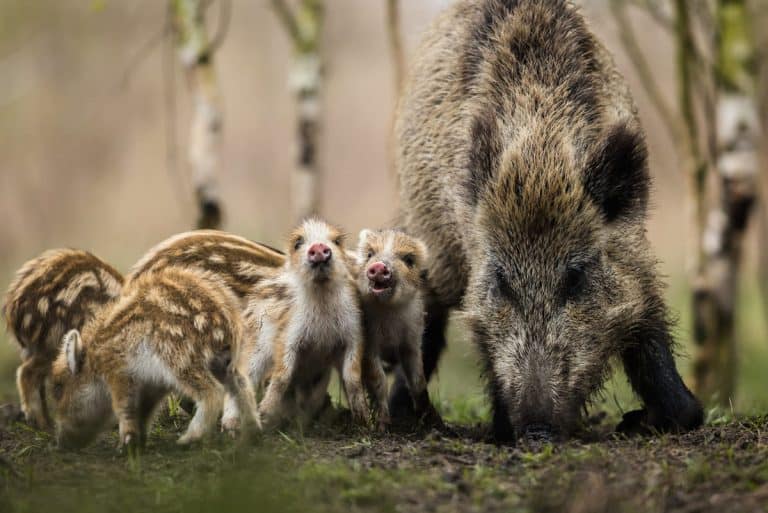
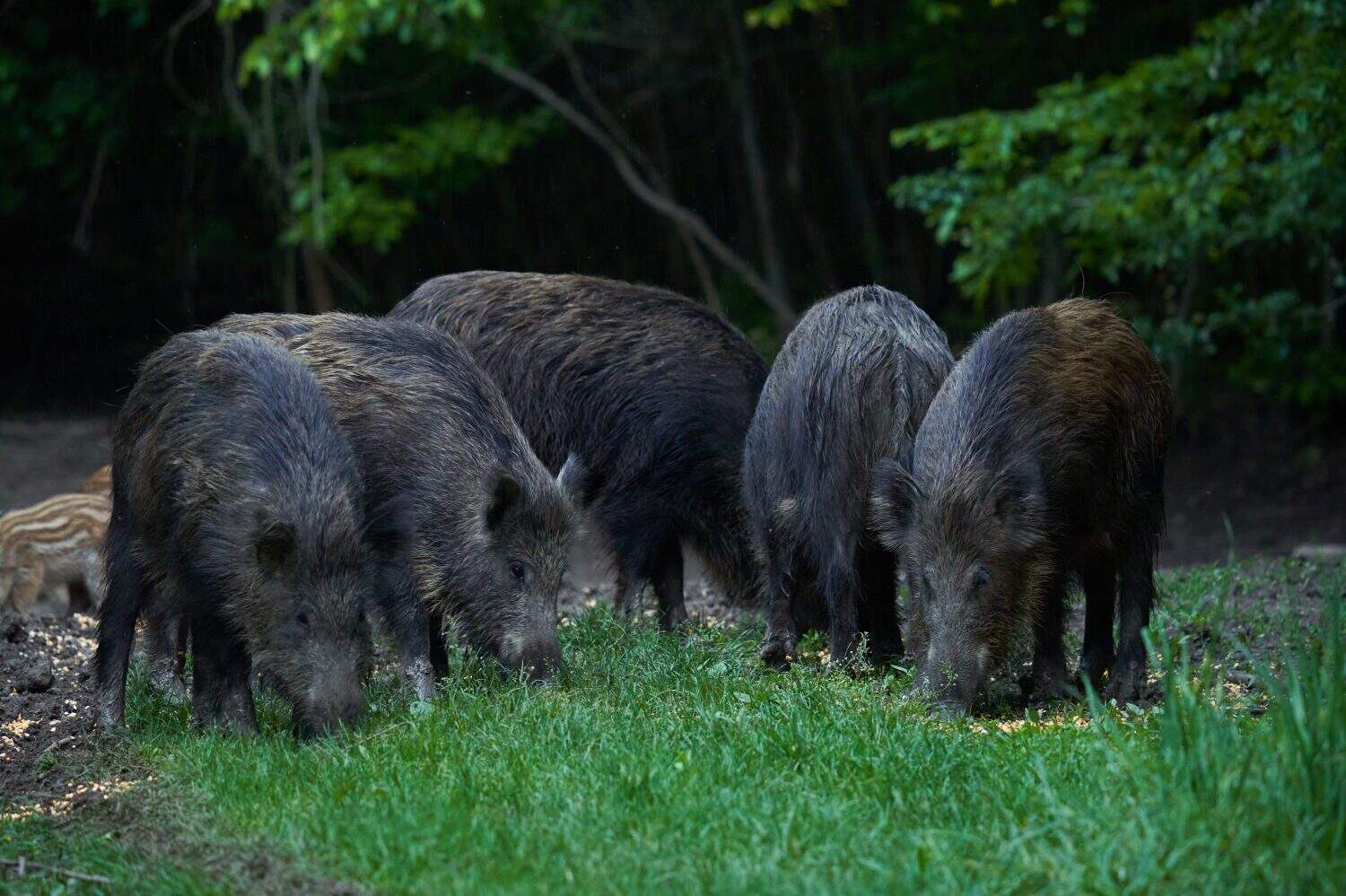
Feral pig populations have increased to 100 million in New South Wales.
©Slatan/Shutterstock.com
This is not to say that the government has not been trying to reduce the feral pig population. They have culled over 83,000 in the last year. Unfortunately, with the number of feral pigs in New South Wales, farmers and ranchers have not seen a change in the number of pigs that come onto their property and destroy crops or attack young livestock. Circumstances have only continued to worsen and landowners want change.
How Did the Feral Pig Population Grow So Large in New South Wales?
In the same timeframe that the feral pig population began to boom, New South Wales experienced more than normal rainfall. Because of this, there was ample food across the board for the pigs to not only survive but thrive. Left virtually unchecked, the population bloomed exponentially.
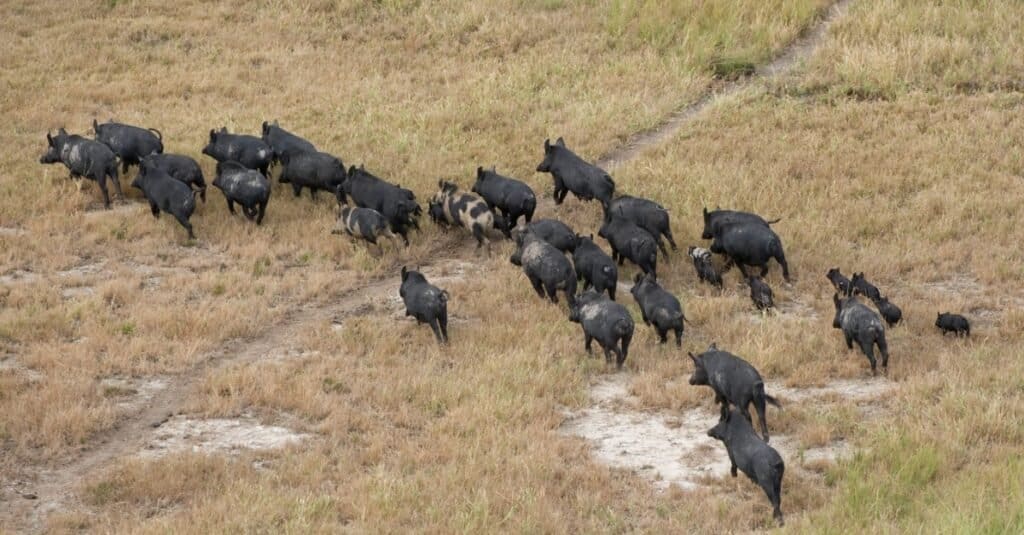
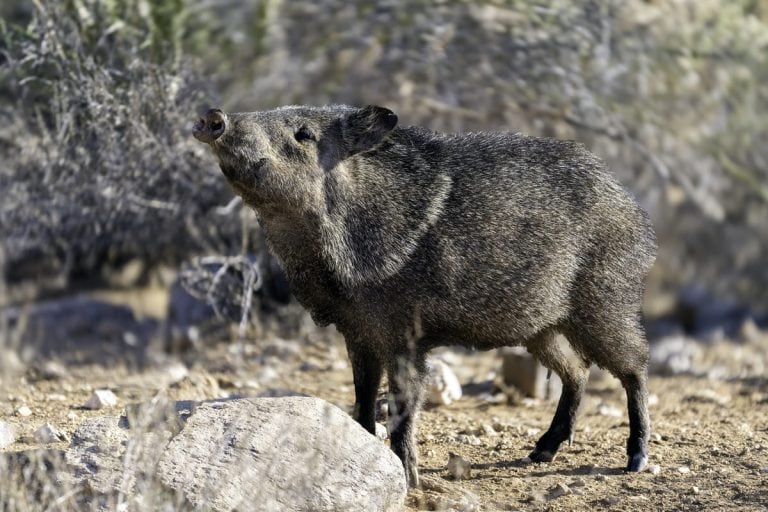
Due to favorable weather conditions, ample food, the absence of predators, and the inadequacy of culling, feral pig populations have grown substantially.
©iStock.com/JohnCarnemolla
The favorable conditions that provided food and water for the feral pigs are just part of the story. There are other reasons the feral pig population has increased significantly each year. Those reasons include:
- Adaptability to food, even when seasons are not bountiful, due to being opportunistic feeders
- Lack of predators to help keep the population in check
- Feral pigs ability to get around fencing and gates meant to keep them out, allowing them to consume food even where resources are scarce
- Not enough feral pigs being culled annually to stop the growth of the population
When all of these factors are combined, they create a perfect storm that enables feral pigs to become the dominant wild animals in habitats where they previously did not exist. Now, places such as beaches, rainforests, and protected habitats are at risk of destruction unless culling techniques improve to reduce the number of feral pigs born annually.
Why Traditional Culling Techniques Have Failed
There is no silver bullet answer to bring the feral pig population down. But with feral pig populations at their highest levels in nearly two decades, something needs to be done to eradicate them from multiple areas across New South Wales and other parts of Australia. Unfortunately, traditional culling techniques have failed.

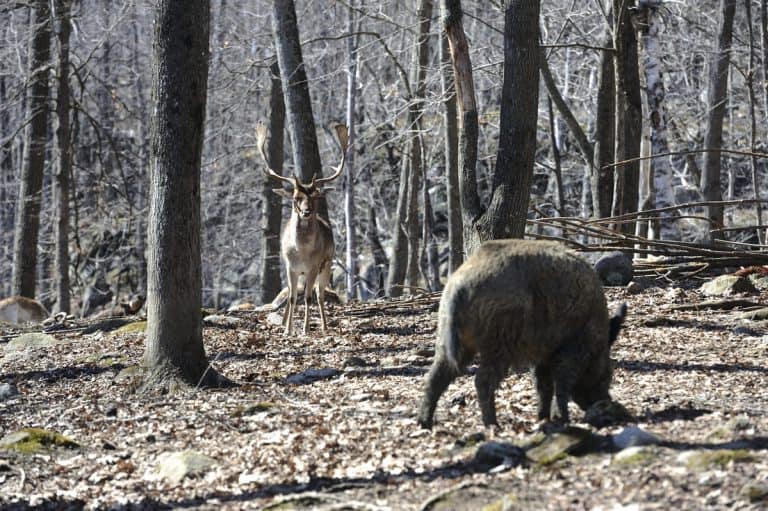
Traditional ways of culling feral pigs include trapping, hunting, aerial shooting, and more.
©Carolyn Croyle/Shutterstock.com
The traditional ways feral pigs have been culled include:
- Trapping
- Hunting
- Aerial shooting
- Baiting
- Snares
For small feral pig populations, one or more of these techniques can significantly reduce or eliminate the population. However, with an estimated 100 million feral pigs, these methods of capture and killing are ineffective.
New South Wales has implemented AI to identify hotspots where feral pigs roam. The goal is not only to locate feral pigs in real time but also to anticipate where they may be. This allows the government to target specific areas rather than searching for a needle in a haystack, which is often the case when seeking feral pigs that take cover under dense foliage.
It is not clear if this new technology used over the past few years will prove to be a turning point for the removal of feral pigs in New South Wales. But because past efforts have not made an impact, anything and everything is being tried to resolve the feral pig problem that has grown grossly out of control.
What Percentage of Feral Pigs Need to Be Culled Annually to Stabilize the Population in New South Wales?
The problem with traditional culling techniques is that they often do not remove enough feral pigs annually to make a dent in the population. Because female pigs can have multiple litters per year, with up to 10 piglets per litter, feral pigs are currently growing their populations at rates that cannot be reduced quickly enough to prevent the destruction of fragile ecosystems and crop fields, or the spread of disease.
To truly stop the expansion of the feral pig population in New South Wales, according to Dr. Heather Channon, Australia’s first National Feral Pig Management Coordinator, 70%-80% of the feral pig population would have to be culled annually.
“Effective feral pig management is all about people,” Dr. Channon explains to Yahoo! News. “It’s about how we work together, use all the available tools consistently, and stay engaged for the long haul, because the solutions will take time to deliver.”
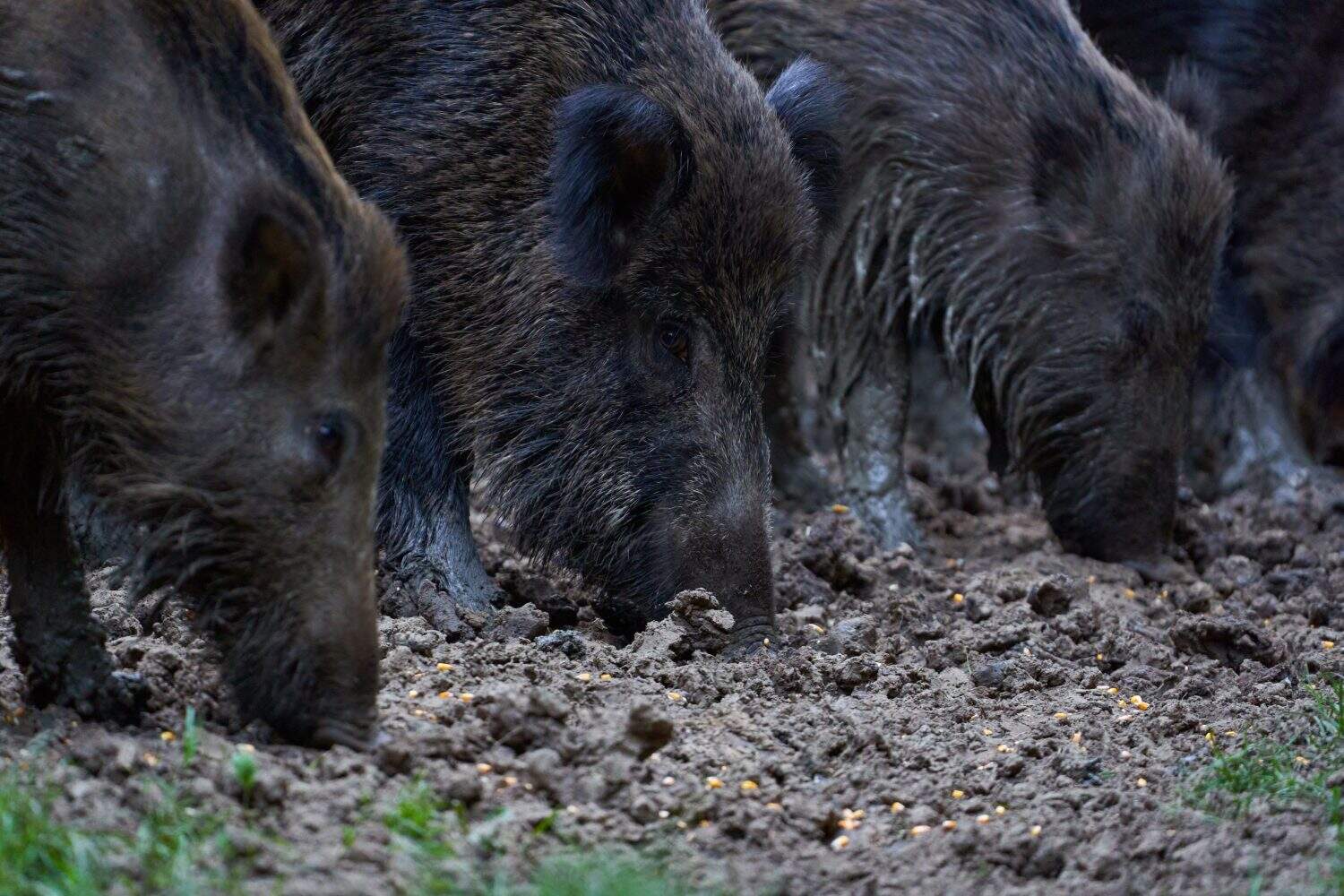
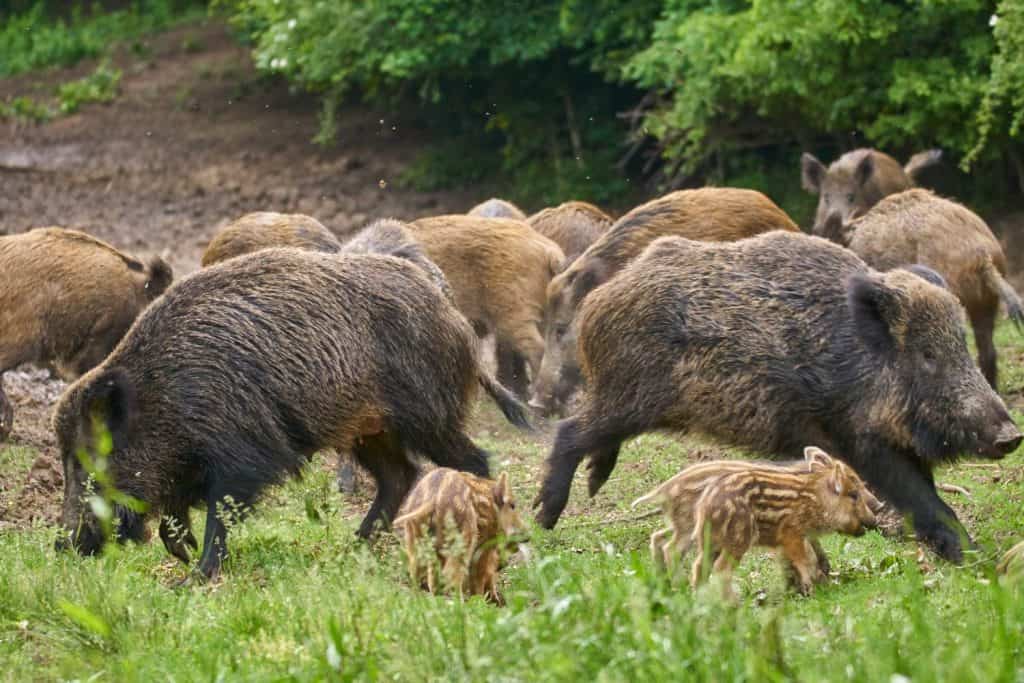
To keep the feral pig population down, between 70% and 80% of the current population needs to be culled.
©Slatan/Shutterstock.com
“And we really need to remove at least 70 per cent of the population annually,” Dr. Channon continues, “just to prevent the rapid recovery.”
The tens of thousands removed by the government between 2024 and 2025 did nothing but put a band-aid on a profusely bleeding wound. Millions of feral pigs need to be culled immediately if the problem across New South Wales is to come to an end.
Adding to the frustration is that many feel the government is not doing its part to address a problem that has persisted for decades. Instead, landowners are having to take matters into their own hands. But with more regulations placed on how feral pigs can be culled, many feel their hands are tied. This is why professional hunting organizations have been helping reduce feral pig populations in New South Wales.
Hunters Have Proven to Be More Successful Than the Government at Culling
In New South Wales, the government has touted the culling of 83,207 feral pigs. While this sounds like a significant number, it has done nothing to stop the population of feral pigs growing in the state. Instead, it is hunters who are making a greater difference by removing 1.7 million feral pigs from the state.
It is not only in New South Wales that hunters have significantly reduced feral pig numbers. Across Australia, hunters are more successful than any government programs have proven to be. However, hunters are not getting the recognition they deserve. To add insult to injury, they are also footing the bill.
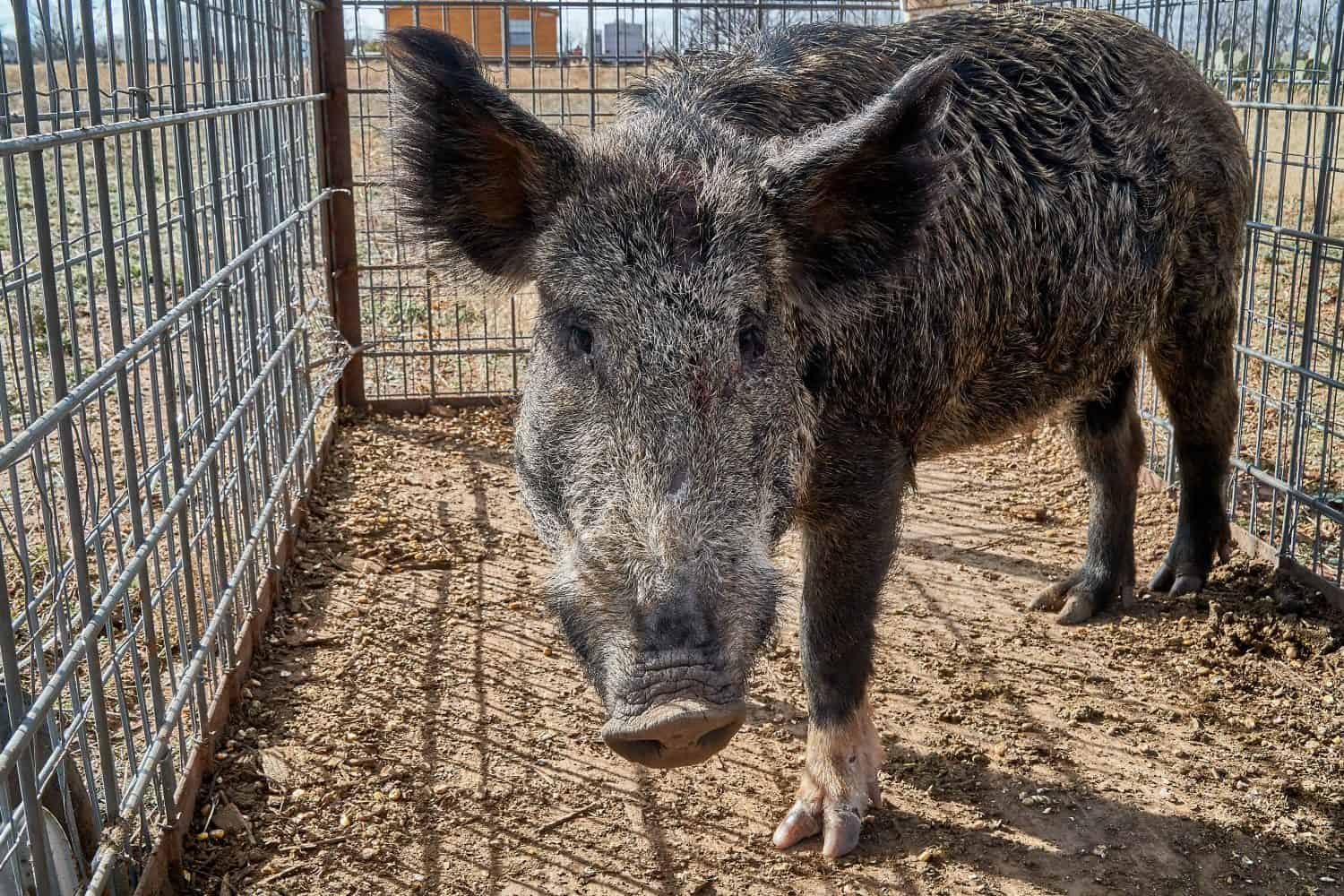
Hunters have proven more successful at culling over the course of a year than the New South Wales government.
©The Jungle Explorer/Shutterstock.com
According to Ned Makim, President of the Australian Pig Doggers and Hunters Association, hunters across Australia culled over four million feral pigs by November 2024. The cost for doing so was A$291,640,879.
“The estimation of how many pigs there are in Australia is grossly underdone,” Makim explains to Yahoo! News. “We think hunters need to be recognized for their contribution to managing numbers and empowered to do more by opening up more public land to managed hunting.”
Makim suggested that “paying hunters for the work they’re doing, through either a bounty or contracting arrangements,” might be a good solution.
With so many feral pigs overrunning Australia, especially in New South Wales, more needs to be done to bring the population under control. The A$13 million program is clearly not enough to remedy this massive issue. Lawmakers are asking for more than A$100 million in New South Wales to make a dent in the feral pig population. With hunters spending A$300 million, this appears to be an accurate figure to achieve the necessary reduction in feral pig populations, protecting both farmers and ranchers and fragile ecosystems. Waiting is not an option. Intervention is needed soon. Otherwise, the current population of 100 million feral pigs will seem small compared to what it will grow to in the coming years.