
Quick Take
- Wombats are marsupials, not rodents, but they share one bizarre dental trait with rats and mice that is directly tied to their diet. Explore their dental anatomy →
- A wombat's nightly feeding schedule isn't fixed. Something forces it to shift depending on the time of year. See their foraging habits →
- Wombats get most of what they need to survive from their food, though it is not just nutrients they are after. See what wombats consume →
- Wombat joeys are born smaller than a jellybean, and the journey from birth to eating solid food is stranger than it sounds. Follow the joey's development →
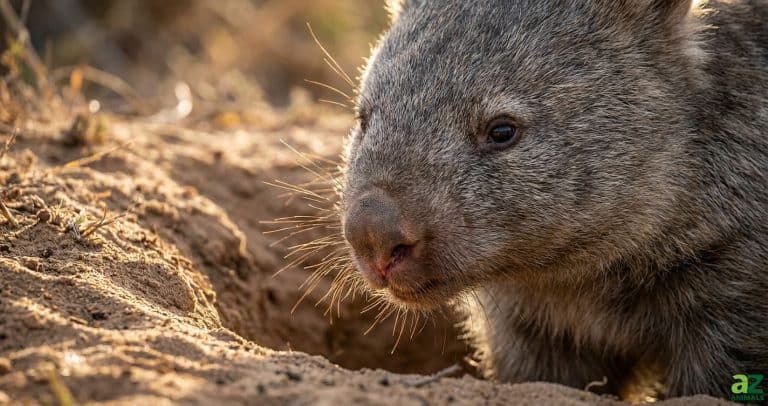
Wombats are burrowing mammals that many people have heard of but few people know much about. These furry, short-legged animals look a little like rodents, but they are marsupials, and their closest relative is the koala. However, wombats do have some characteristics that are similar to rodents, and one of these traits is directly tied to their diet. Read on to discover what wombats eat and why.
Wombat Habitat
Wombats exclusively live in Australia and Tasmania. There are three wombat species: the common, or bare-nosed, wombat (Vombatus ursinus), the southern hairy-nosed wombat (Lasiorhinus latifrons), and the northern hairy-nosed wombat (Lasiorhinus krefftii). The common wombat also has three subspecies.
The common wombat is the largest species, weighing between 55 and 88 pounds. They are widely distributed across southeastern Australia. Common wombats typically inhabit temperate forested areas and grasslands. Hairy-nosed wombats typically range from 42 to 71 pounds. Colonies of northern hairy-nosed wombats are found in Queensland, while fragmented populations of southern hairy-nosed wombats can be found in southern South Australia, southeastern Western Australia, and southwest New South Wales. Both hairy-nosed wombat species prefer dry and semi-dry climates.
What Do Wombats Eat?
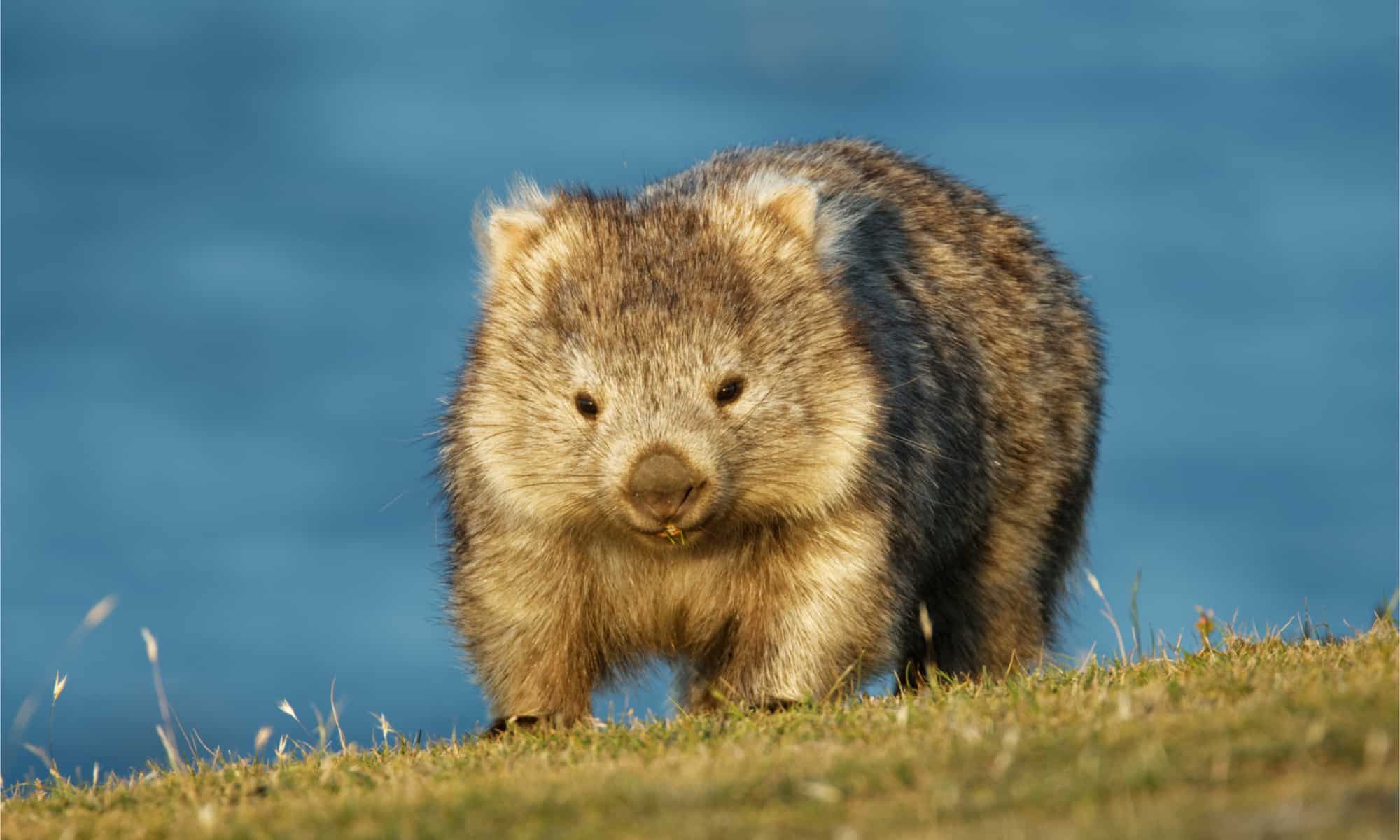
Wombats are herbivores and grazers. Their primary foods are grasses, sedges, forbs, shoots, tubers, bulbs, and the roots of shrubs and trees. This diet is high in fiber and low in nitrogen. The type and amount of food are also affected by the seasons. They obtain most of the water they need from their food.
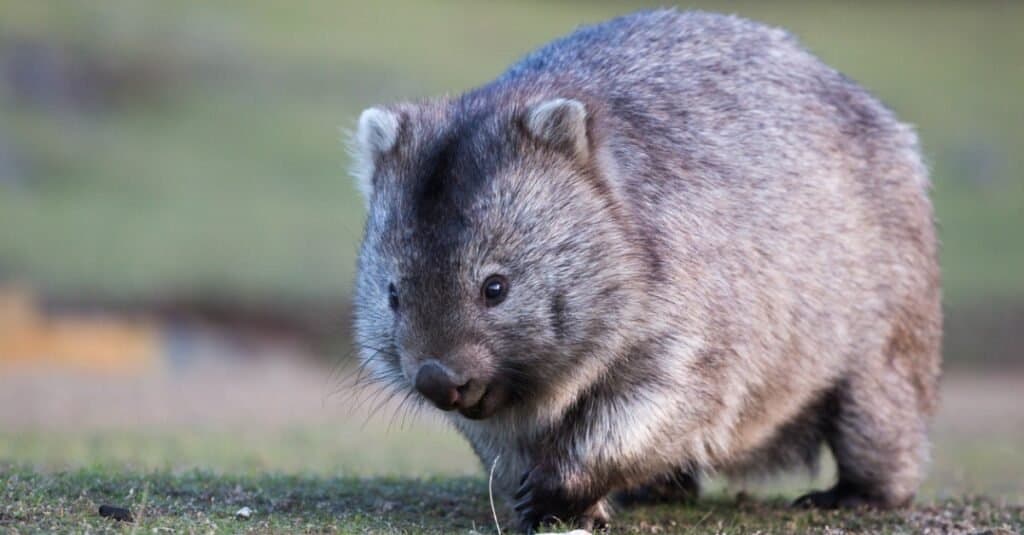
Wombats primarily graze on different types of grasses.
©Sander Groffen/Shutterstock.com
Although there are some seasonal and species-level differences, wombats commonly eat the following foods:
- Tussock grass (Poa species)
- Kangaroo grass (Themeda australis)
- Wallaby grass (Danthonia penicillata)
- Spear grass (Stipa species)
- Three-awned grass (Aristida species)
- Bottlewasher grass (Enneapogon lindleyanus species)
- Buffel grass (Cenchrus ciliaris)
- Sedges (Carex species and Fimbristylis dichotoma)
- Forbs
- Tree roots
- Shrub roots
- Tree bark
- Tubers
- Shoots
- Bulbs
- Agricultural crops such as oats
How Wombats Forage for Food
Wombats generally spend between 3 and 8 hours grazing each night. Wombats are generally nocturnal, foraging from dusk to dawn. However, this changes with the seasons. During the cooler months, they are more likely to be active from late afternoon to early evening, while they are more likely to forage from midnight to early morning during the hotter months. Wombats are typically solitary outside of the breeding season. Although they may share feeding areas, they typically stay at least 10 feet apart from one another.
Wombat incisors are sharp and chisel-like, perfect for slicing through woody stems and grasses. They also have specialized molars for shearing and grinding fibrous plant material. Like rodents, wombats have teeth that grow continuously throughout their lives to compensate for the wear and tear from the tough foods in their diet. Wombats also have a split upper lip so they can graze close to ground.
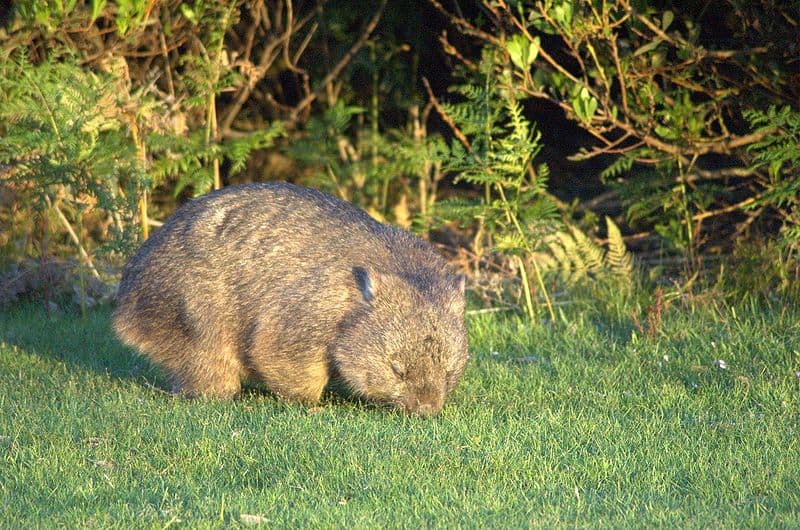
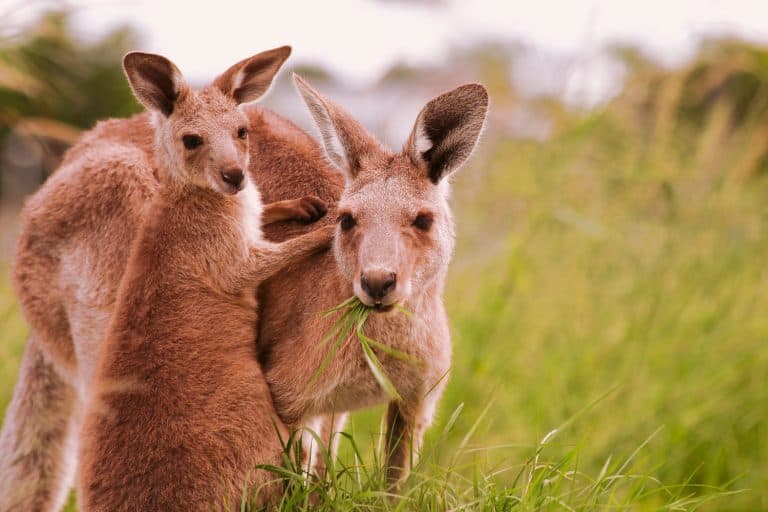
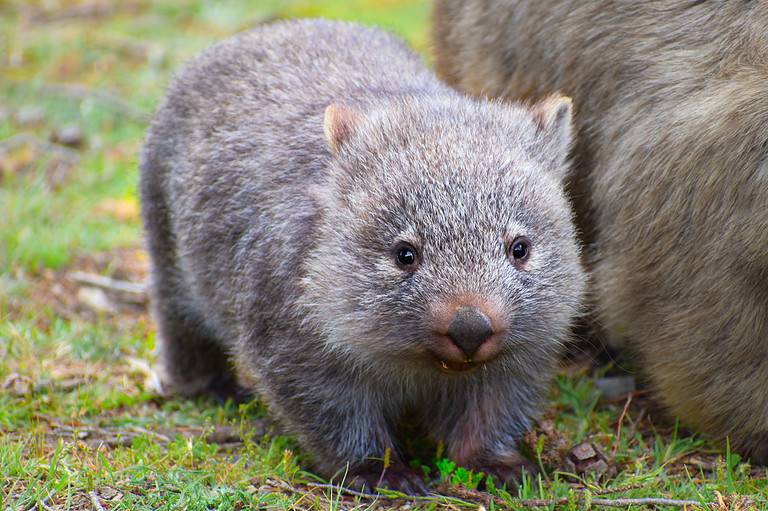
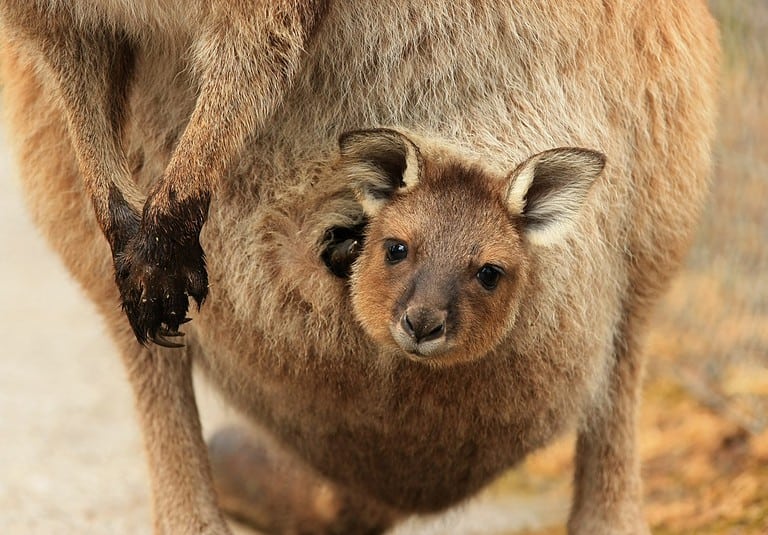
Baby wombats drink milk for about a year before weaning begins.
©PanBK / Creative Commons – Original
What Do Baby Wombats Eat?
Marsupials are mammals, so wombats give birth to live young. Baby wombats, or joeys, are about the size of a jellybean when they are born. The joey crawls from the birth canal into its mother’s pouch and attaches to one of her two teats. The baby remains in the pouch for protection while it nurses, a period that generally lasts 7 to 9 months, depending on the species.
The young will begin to leave the pouch for short periods before they are ready to become independent. Juveniles begin adding solid foods to their diet, eating the same foods as their mother. Baby wombats continue to drink their mother’s milk until they are weaned beginning at around 12 to 15 months.