
Quick Take
- A new study finds that conservation efforts should focus on all the stressors a species faces, not just individual threats.
- Species are going to continue to decline if changes are not made to how conservation is handled globally.
- Data from 1950 to 2020, with over 3,100 animals, were reviewed to determine how conservation efforts could be better used to save endangered wildlife.
- The loss of wildlife is a loss of biodiversity, which negatively impacts the health of the planet and those who live on it.
As more species disappear from the planet, it is a stark reminder that conservation efforts are not doing enough. A new study urges a shift in global wildlife conservation strategies. If changes are not made to how conservation is handled, researchers say the trend of declining wildlife populations will only continue, a detriment to biodiversity and the planet’s health as people know it.
The Need for a More Holistic Approach
Since the 1970s, animals have been listed as endangered to protect their populations from further decline. The process of categorizing them as endangered often focused on the most globally impactful threats, overlooking many other factors that contributed to population loss. Conservation efforts would then target this primary threat in an attempt to save the species. Sometimes, conservationists are successful, but often, the species does not recover.
According to a new study published in Science Advances, this is because conservation efforts focus on only one pressure. Instead, all the threats that a species faces need to be addressed. It is only then that effective conservation can be implemented to save wildlife from extinction.
Dr. Pol Capdevila, co-lead author of the study based at the University of Barcelona, found that it is never just one stressor that leads to population decline. More often than not, multiple threats work in conjunction to cause this.
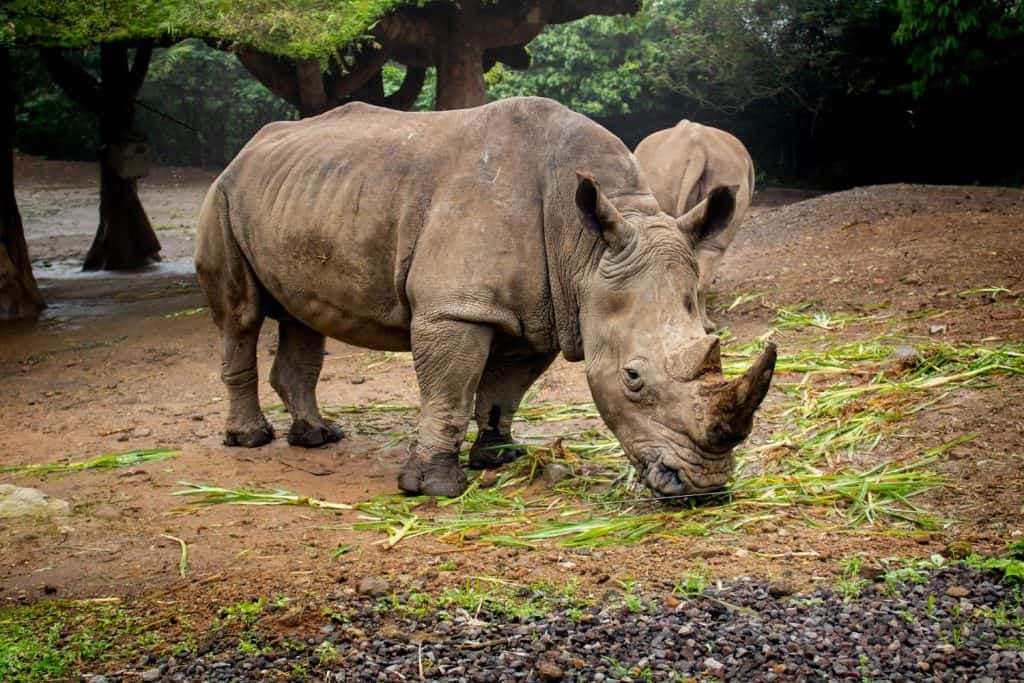
To better conserve animals like the endangered rhino, conservation efforts need to focus on all the pressures that threaten a species.
©Jose Krishnawan/Shutterstock.com
“Conservation efforts have traditionally focused on the most widespread threats, such as habitat destruction or overexploitation,” Dr. Capdevila explains to EurekAlert. “Our results show that other pressures, including disease, invasive species, pollution, and climate change, can lead to even faster population declines, especially when they occur together.”
To determine this result, researchers, including Dr. Capdevila, reviewed population trends from 1950 to 2020 of 3,129 vertebrate species. The data made it clear that no single stressor alone caused significant declines in wildlife populations. Instead, populations decreased most rapidly when exposed to combinations of threats.
To stop the global decline in species, all threats must be addressed simultaneously. If conservation efforts focus on only one threat, there will not be any significant change in population numbers. Therefore, both conservation groups and governments need to change their approach to conservation, according to researchers, if threatened wildlife is to be saved.
How Can Conservationists Better Help Save Species on the Brink?
To better help species on the brink, conservationists need to take a different approach than that used in the past. With wildlife populations decreasing at 100 to 1,000 times higher than at any other time in history, it is crucial for conservationists to act now. Otherwise, it may be too late to prevent many species from going extinct.
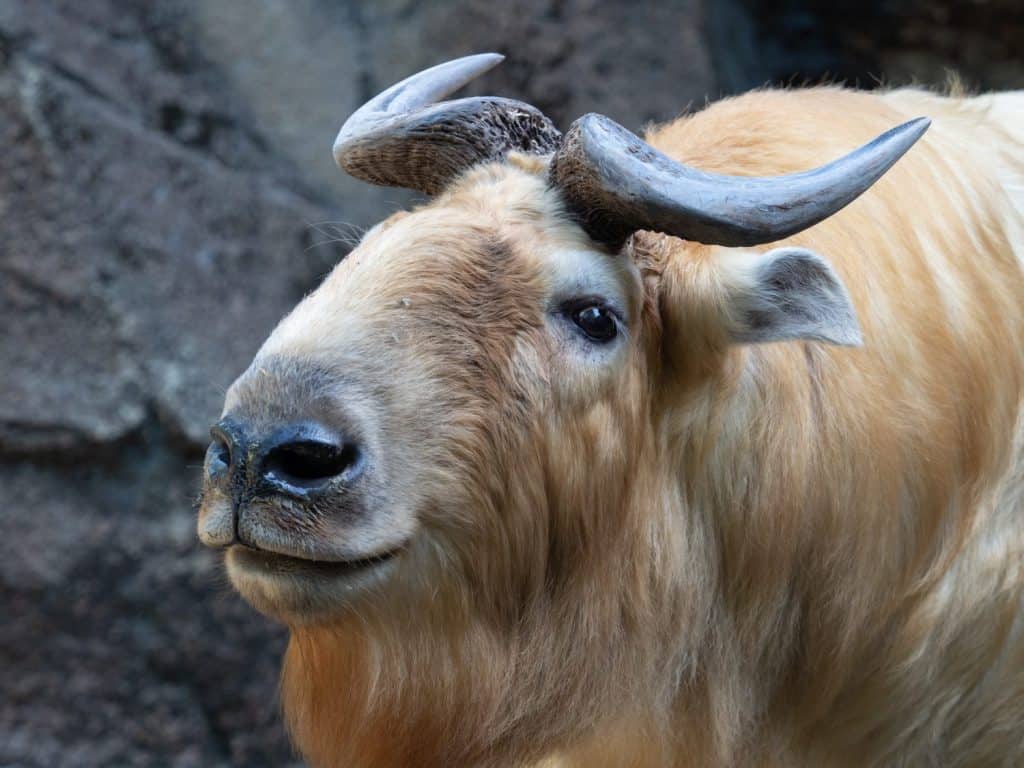
The golden takin would have a better chance of survival if conservation groups focused on all the threats the animal faces, rather than just the major ones.
©coffeehuman/Shutterstock.com
Some approaches suggested for conservationists to consider when putting plans into motion to save a species include:
- Looking at the cumulative effect of multiple stressors on an animal population
- Prioritizing stressors and how they impact one another to better manage wildlife populations
- Effective management of wildlife should look at statistical and observational data to better understand how stressors are interwoven and influence one another
- Consistent monitoring of conservation methods to determine if they are successful or if multiple stressors are undermining conservation efforts
The co-lead author of the study, Dr. Duncan O’Brien, who is also the Senior Research Associate in Bristol’s School of Biological Sciences, found that until the pressures wildlife faces are viewed as a whole rather than individually, true conservation is not possible. That is what makes these conservation approaches so necessary.
“Our findings make it clear that conservation action must be coordinated across multiple pressures,” Dr. O’Brien tells EurekAlert. “Tackling threats one at a time will not be enough to halt ongoing biodiversity loss.”
Why Governments Need to Focus on All Threats to Endangered Animals
Populations around the world have a history of “increasing human dominance, transformation, and manipulation of the natural world.” While some civilizations took the approach of co-existing with nature, the majority did not. Consequently, wildlife has suffered and declined all in the name of progress and domination.
Today, the effects of species being lost are felt globally. Though there are laws and regulations to protect threatened and endangered wildlife, the fact that so many species continue to disappear proves that conservation efforts are ineffective. This is why the authors of the study are calling on governments around the world to also examine how cumulative pressures affect species, rather than how an individual pressure leads to population decline.
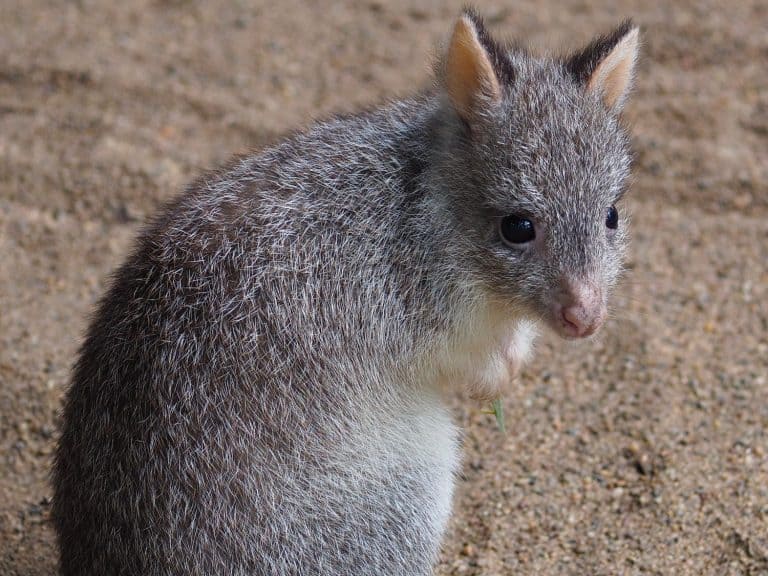
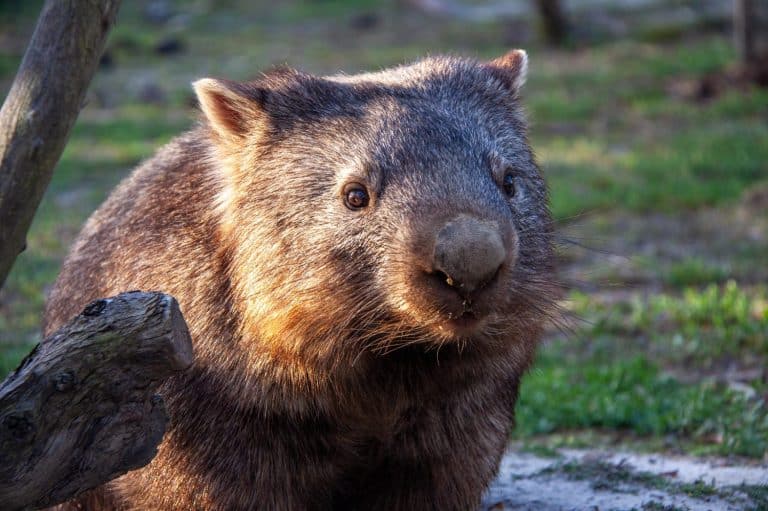
The endangered Northern hairy-nosed wombat would have a better chance of survival if governments drafted legislation that accounted for how all the threats it faces affect its population.
©Harsha_Madusanka/Shutterstock.com
Getting governments around the world to focus on species extinction and the multiple stressors driving it may not be a top priority for some. However, what may garner attention is the fact that wildlife decline is directly related to global security. Many of the same stressors affecting wildlife are affecting people worldwide. Everything from marine stress to land degradation, climate change, pollution, and more has major impacts on wildlife, individually and as a whole.
The pressures affecting people are not considered in isolation, so wildlife should not be treated differently. A comprehensive approach is needed to ensure conservation efforts benefit both the planet and all its inhabitants.
What Are the Main Pressures Causing Wildlife Populations to Decline?
If all the pressures need to be considered to determine the best course of action to save species on the brink, it helps to understand what they are. Not only does this highlight just how many threats wildlife faces on the planet, but it shows how the threats are interwoven with one another.

Climate change is only one of the factors to consider when conserving a species.
©Piyaset/Shutterstock.com
The biggest pressures facing wildlife today include:
- Climate change
- Poaching
- Deforestation
- Pollution
- Drilling for oil
- Bycatch
- Habitat fragmentation
- Overfishing
- Soil degradation
- Drought
While some of these topics, like climate change and pollution, may be familiar given the media exposure they receive, others may be eye-opening. Each of these pressures creates unique challenges for wildlife. This is why focusing on just one does not adequately conserve wildlife populations, and why all pressures must be considered to achieve meaningful change.
Consequences of Not Appropriately Mitigating Threats to Wildlife
The new study is not the first to examine how to address the pressures on wildlife. Instead, studies over the past decade have been sounding the alarm on how important it is to look at the big picture and mitigate the stressors wildlife face to stop population decline.
In a November 2022 study published in the journal Proceedings of the Royal Society B: Biological Sciences, scientists noted that “wrong actions or implementing insufficient stressor reductions will fail to protect the managed population.” In many instances, a government’s economy is valued over a region’s biodiversity. This has led governments to fail to adequately mitigate stressors, resulting in dire consequences for wildlife.
“Effective management requires the ability to identify when mitigation is required, which stressors to reduce and by how much,” the authors write in the study. They continue on, saying, “Getting the balance wrong can either risk extinction of threatened species and damage to ecosystems or can create excess costs for human activities.”
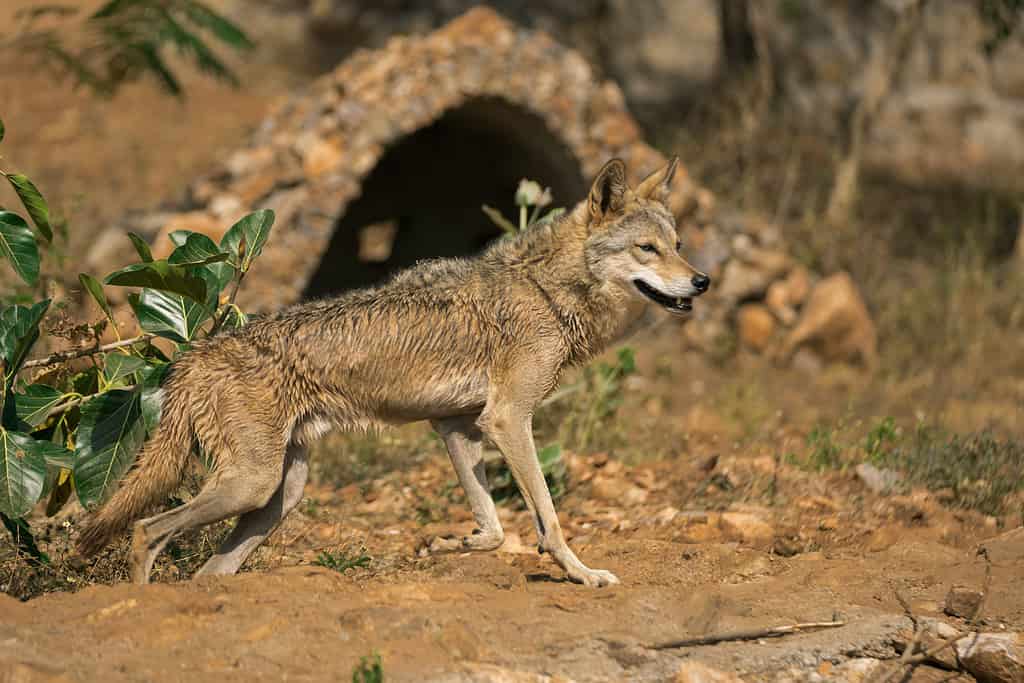
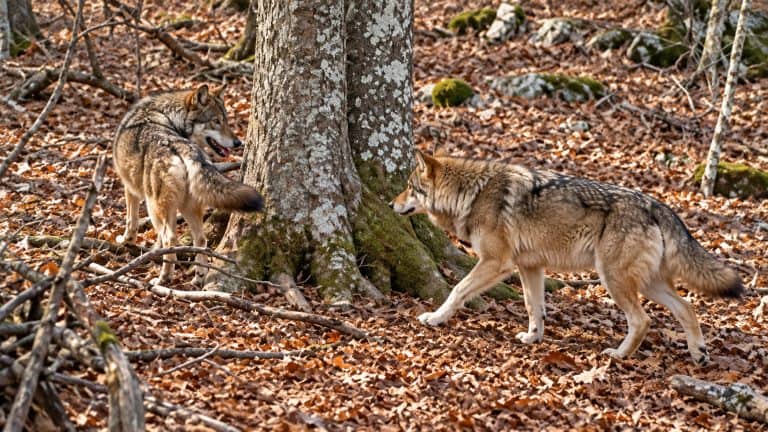
Animals, like the endangered red wolf, do not stand a chance of survival if governments and conservation groups do not consider how the stressors they face will negatively impact their populations.
©creator88/Shutterstock.com
By not focusing on both the economic impacts and the consequences of wildlife extinction, governments are doing themselves a disservice. However, due to insufficient data and funding to support the integration of economic and conservation goals, little has changed procedurally since threatened and endangered species first became protected under the law in the 1970s.
“Most wildlife managers are primarily concerned with the status and trends of populations,” the authors explain in their study. “However, few assessments of cumulative effects actually attempt to estimate how different stressors will interact to affect individuals or populations.”
Until all factors are considered, conservation efforts for threatened and endangered animals will never be successful. Yes, economies may lose money if areas become protected from drilling, encroachment for ranching and farming, and even urban sprawl. But the flip side is that the current rate of species extinction is already alarmingly high, with around 1 million species threatened with extinction in the coming decades. When species disappear, the planet becomes less biodiverse and, consequently, less healthy for everyone living on it.