
Quick Take
- The barred owl has been federally protected for over a century, which makes it worth understanding how the government is legally shooting 450,000 of them. See the federal strategy →
- Critics say the cull is doomed to fail, and their biological argument is surprisingly hard to dismiss. Read the legal challenge →
- Some of the country's most prominent environmental groups back the kill plan, a position that has split the conservation world. See who's leading the cull →
- The plan to hunt owls inside 14 national parks raises one specific concern that even supporters struggle to answer. Hear the parks concern →
In the Pacific Northwest, an owl hunt is underway. Members of the Yakama Nation have started shooting barred owls on their reservation territory in Washington State. However, this hunt is not related to Native American tradition. Instead, it is a federal initiative aimed at eradicating an invasive owl species to protect the endangered northern spotted owl.
The goal? Eradicate 450,000 barred owls. The Yakama Nation is the first group in the state to implement the federal directive to remove the birds, but the hunt is not without controversy.
What Policy Is Driving the Hunt?
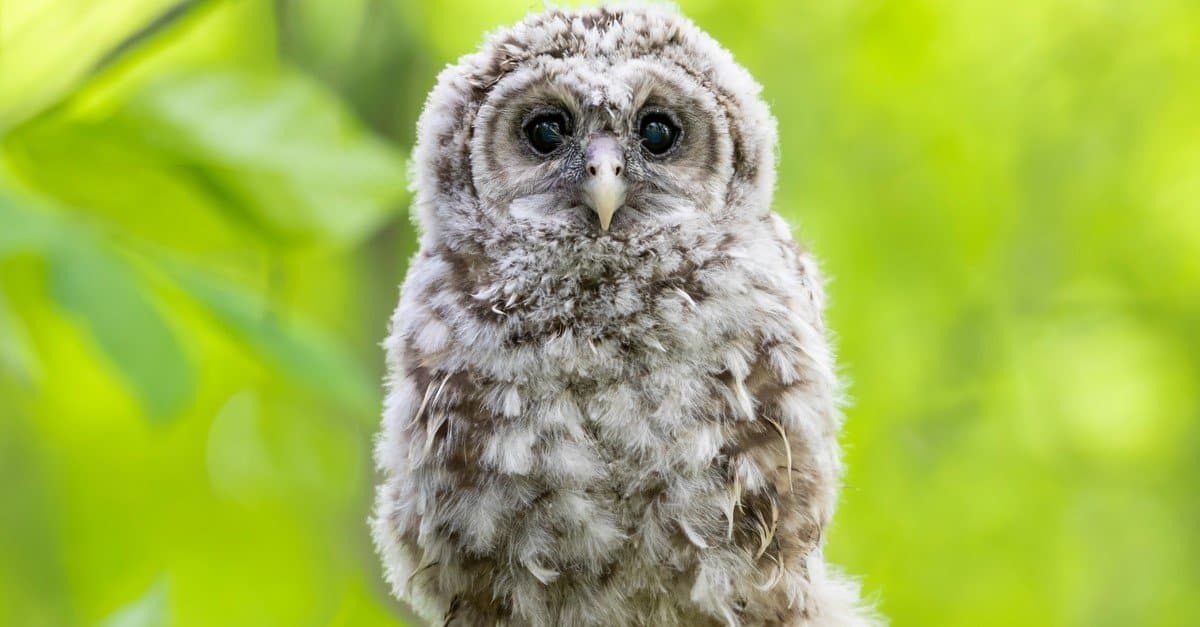
Federal wildlife officials and some conservation groups say the invasive barred owl, native to the eastern part of North America, has steadily been moving west over the past 100 years. Being larger and more aggressive than spotted owls, barred owls directly compete with them for food and living space.
Across North America, there are about 3.5 million barred owls, with roughly 100,000 of those in the states of Washington, Oregon, and California.
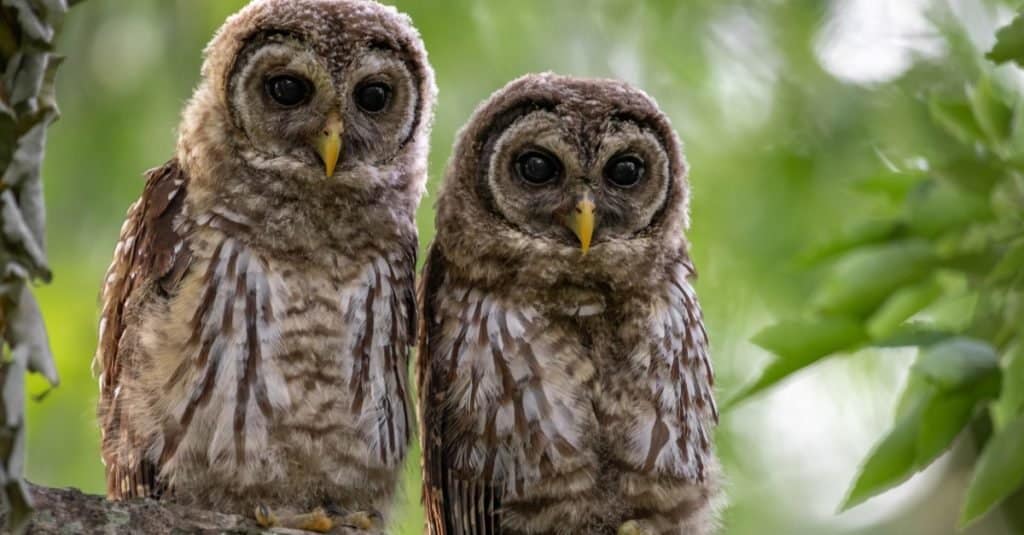
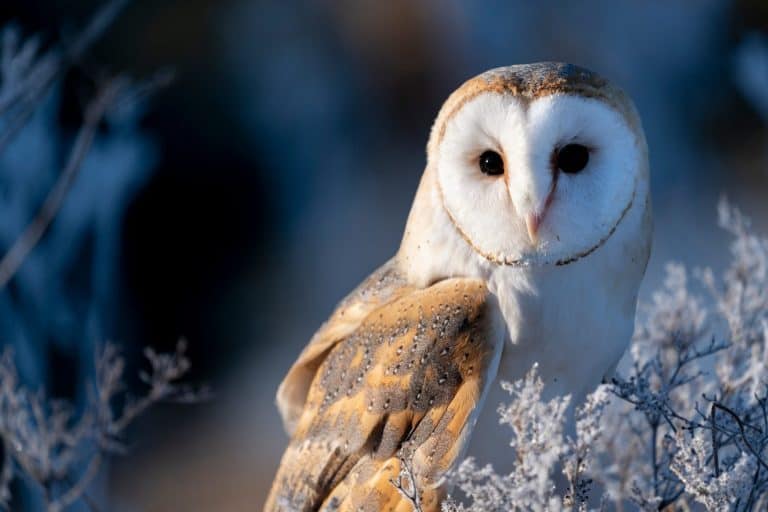
There are approximately 3.5 million barred owls in North America.
©iStock.com/Harry Collins
The arrival of barred owls is believed to contribute to the ongoing decline of the spotted owl population. However, opponents of the plan argue that decades of logging and habitat loss from human encroachment are also significant factors.
The federal plan, called “Barred Owl Management Strategy,” or BOMS, is part of a larger strategy released by the U.S. Fish and Wildlife Service in 2024. Under BOMS, up to 450,000 barred owls could be killed over the coming thirty years across parts of California, Oregon, and Washington. Federal officials point to the rapidly declining northern spotted owl populations in those regions.
These plummeting population numbers have resulted in the species being listed as threatened under the Endangered Species Act for decades. This represents a significant change, as barred owls have been protected for over a century under the Migratory Bird Treaty Act.
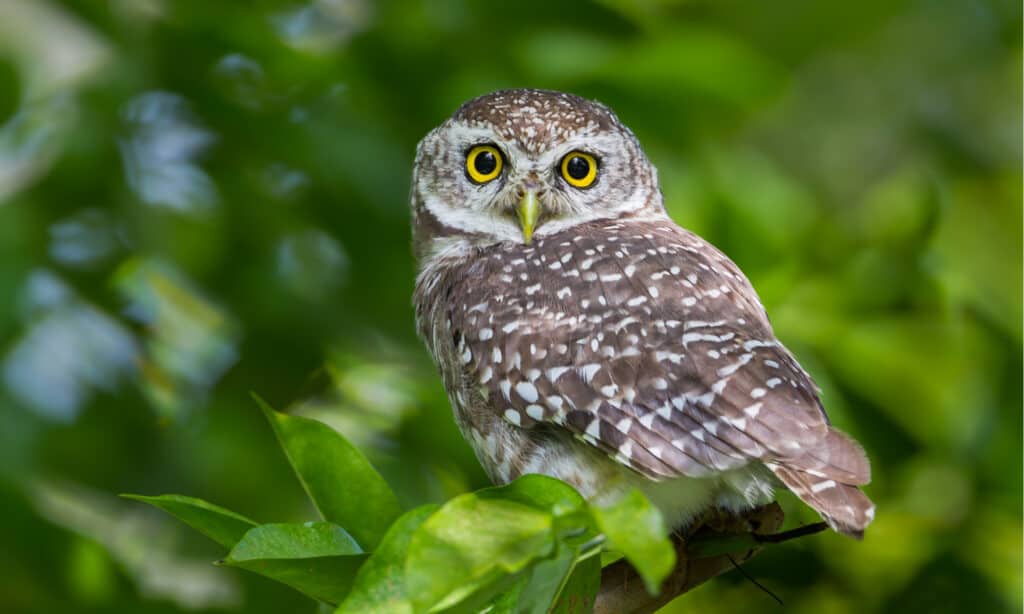
Spotted owls are smaller and less aggressive than barred owls, making them an easy target to lose food and habitat resources.
©kajornyot wildlife photography/Shutterstock.com
Supporters of the plan say it is the only way to ensure that spotted owls don’t disappear forever. Some of those groups include the Sierra Club, Earthjustice, and the Center for Biological Diversity.
Animal Rights Activists Disagree
In a June 1st statement from the animal rights group, Animal Wellness Action (AWA), Wayne Pacelle, president of the organization, calls the effort misguided and unworkable. In a recent news story, he pointed out that barred owls only live in North America and that range expansion is normal.
He also pointed out that birds have a greater range of expansion because they can fly, making movement from one state to another unsurprising. He also believes that even if adult barred owls are removed from a specific area, juveniles will move in and reclaim the territory, making the process never-ending.
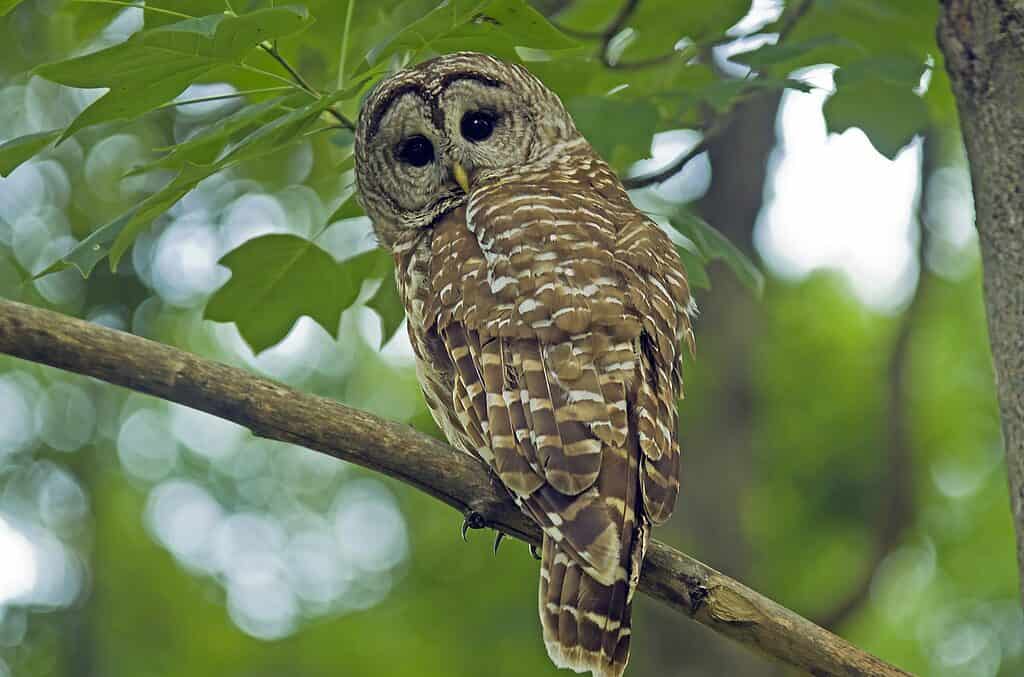
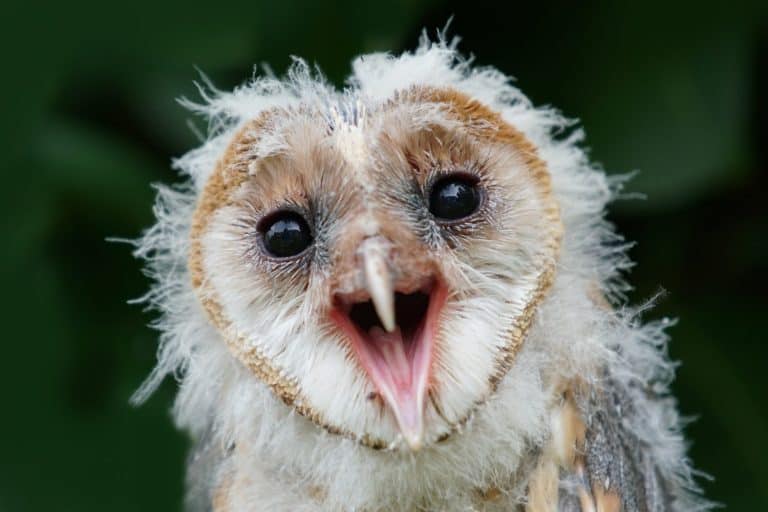
Barred owls are native to eastern North America, but have slowly migrated west over the past century.
©C.M.Corcoran/Shutterstock.com
He also points to what he sees as the most flawed part of the plan – opening national parks to barred owl hunting. The BOMS plan calls for potentially allowing barred owl hunting in 14 national parks in Washington, including Mount Rainier, Olympic, and North Cascades. Pacelle is concerned that the general public may not be able to reliably distinguish between different owl species, such as spotted, barred, and great gray owls. He said in the news story, “It’ll just be open season on all owls.”
The Group Actively Implementing the Plan in Washington State
The Yakama Nation Tribe in south-central Washington is currently the only group in the state actively culling barred owls. The tribe secured federal funding through 2027 for removal efforts. The Nation has applied for additional funding to continue the project beyond 2027.
Yakama Nation staff trained to obtain the necessary Fish and Wildlife permit, which they received in November 2025. Since then, they have rapidly increased their culling efforts. The culling is conducted using shotguns.
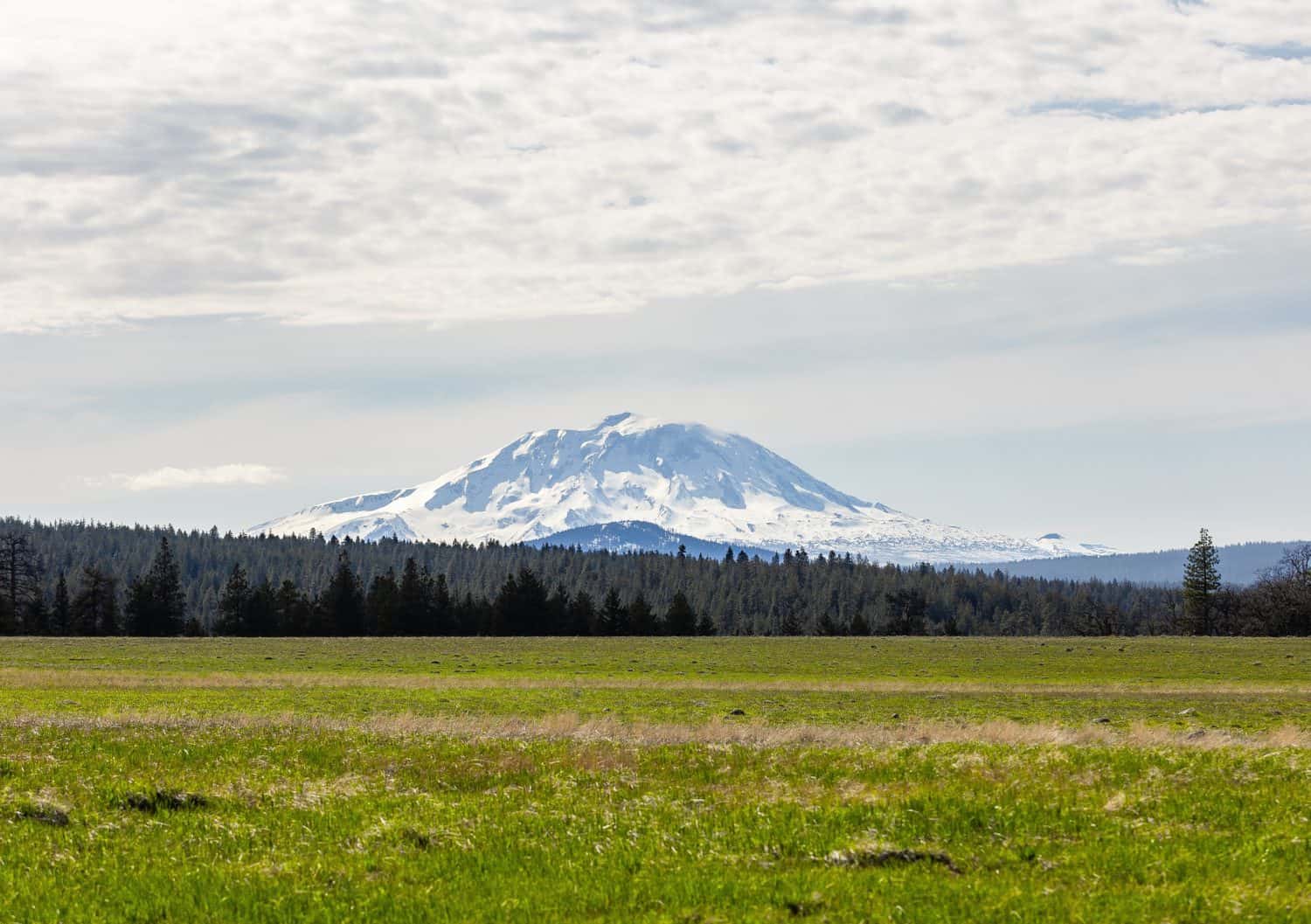
The Yakama Nation in South Central Washington State is the site of the first culling under the federal plan.
©Nestor Salgado/Shutterstock.com
A wildlife biologist with the Yakama Nation, Mark Nuetzmann, noted in a recent news story that the tribe plans to continue its efforts and monitor how the spotted owl populations across the reservation are doing to determine whether culling has been a success.
The Washington Department of Fish and Wildlife reports that it has not yet begun implementing the federal plan. Although WDFW has applied for federal funding, it has not yet received any. Bridget Mire, a WDFW spokesperson, said in the same news story that the process typically takes a long time.
The Issue is Now in Court
The animal rights group Friends of Animals filed a lawsuit against the FWS. The group claims the plan violates two key protections – the Migratory Bird Treaty Act and the National Environmental Policy Act. They argue that the FWS bypassed required standards by issuing a special purpose permit for the culling.
On June 3, 2026, a federal courthouse in Portland heard arguments in the matter. U.S. District Judge Adrienne Nelson has not issued a ruling. Unless and until the court rules in favor of Friends of Animals, the FWS has indicated it will continue with its plan.