
Quick Take
- This fish can leave the water and keep moving, and that is actually the least alarming thing about it. Survival traits explained →
- Wildlife officials want you to catch this invasive fish, and what they say to do next will surprise you. See what officials say →
- Mistaking this fish for a harmless native species is easier than you'd think, and the consequences matter. How to tell them apart →
- A single female produces an almost unbelievable number of eggs, and the parenting behavior that follows is even stranger. Reproduction and parenting details →
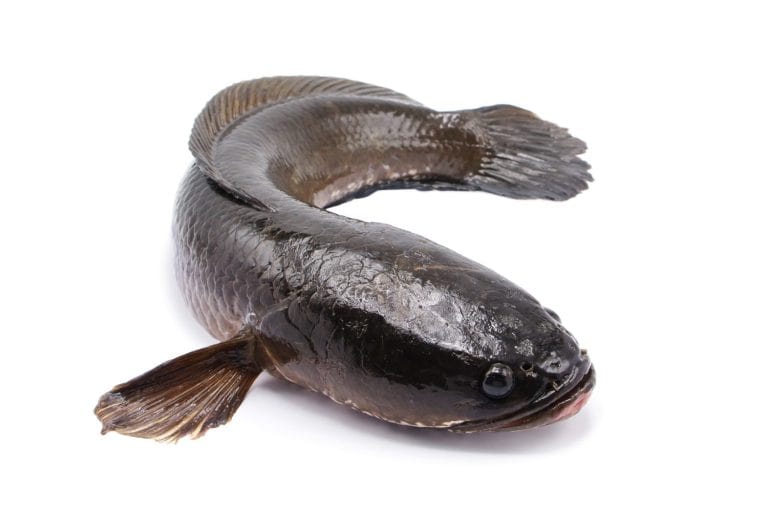
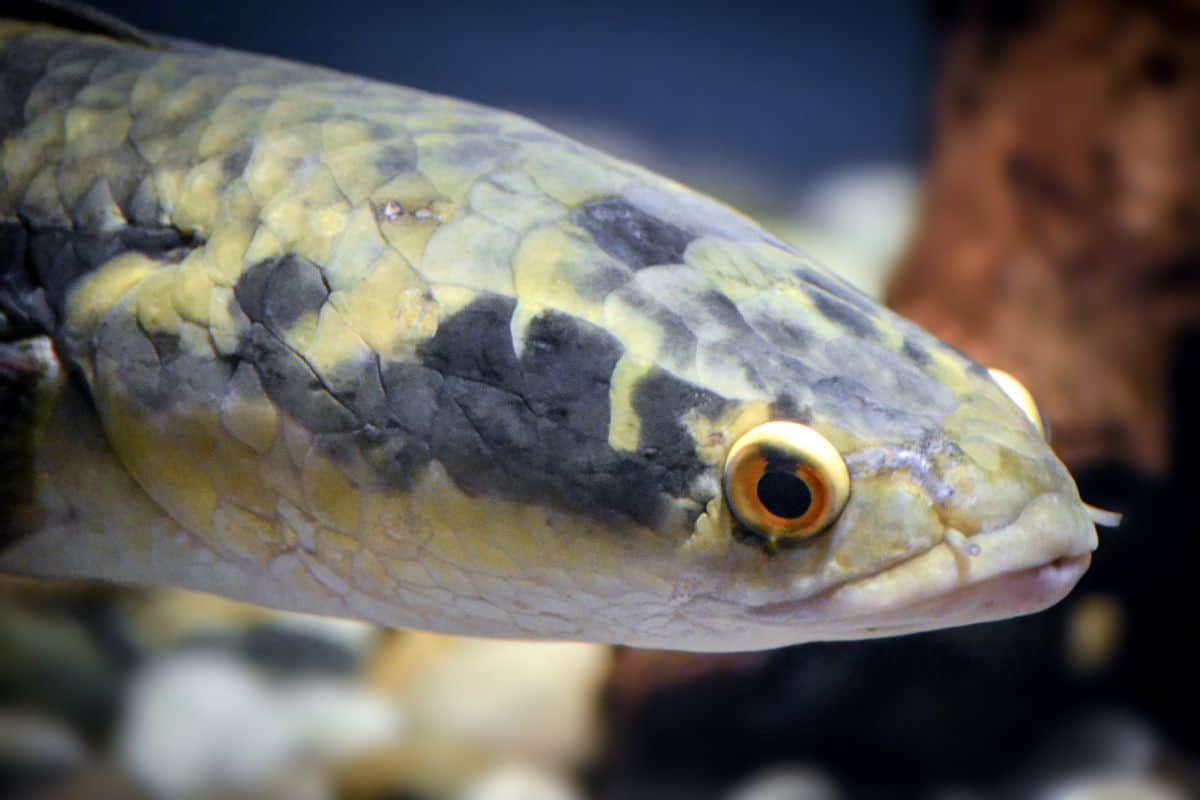
A bizarre arrival from overseas has American wildlife officials worried. The northern snakehead, a three-foot-long, snake-patterned fish with sharp teeth, has now established itself in rivers and wetlands across the United States. It’s not just its toothy mouth or python-like coloration that stands out. This fish can breathe air, walk overland on damp ground, and survive for days out of water, making it a uniquely formidable invader.
With fishing season underway, state departments across the country have issued stern warnings: any northern snakehead caught should be killed immediately. Methods range from decapitation and gutting to sealing the fish in a plastic bag. When asked which is most effective, Angela Sokolowski of the Missouri Department of Conservation told the New York Times, “I guess it’s personal preference.”
Tracing the Rise of a Surprising Predator
Decades ago, the northern snakehead (Channa argus) was unknown in American waters. Native to Asia, it likely entered the U.S. through the live fish or aquarium trade. The first confirmed sighting came in 2002, when a specimen was found in Crofton, Maryland. Since then, they have spread to New York, Pennsylvania, New Jersey, Arkansas, and beyond.
Missouri saw its first snakehead in 2019, in a southeastern ditch. Today, sightings in that region are climbing. Releases by aquarium enthusiasts and those seeking a local source of food have contributed to the problem, a trend noted by the U.S. Geological Survey.
An Invasion with Consequences
Northern snakeheads present serious risks for American ecosystems. The Missouri Department of Conservation calls them “aggressive predators.” They feast on smaller fish, crustaceans, and other aquatic creatures, threatening the delicate balance that supports commercial and recreational fishing alike.
They also flourish in difficult environments. Unlike most fish, snakeheads can breathe atmospheric oxygen, letting them survive in muddy, shallow waters with barely any available oxygen, places most native fish cannot endure. As they reproduce and grow rapidly, they outcompete native species for food and space.
Reproduction adds to the threat: a single female may carry as many as 50,000 eggs, most of which hatch just a day or two after fertilization. Snakeheads usually keep away from people, but they become fiercely protective after their eggs hatch. Both parents guard the young, known as fry, striking at any perceived intruder.
Laws, Identification, and the Call to Action
Responding to the risk, federal law lists the northern snakehead as an “injurious” species. Importing, exporting, selling, or transporting the fish across state borders is illegal. Yet if caught and killed while fishing, the snakehead can still end up on the dinner table. In fact, Maryland’s Department of Natural Resources recommends it, describing their filets as “mild, flaky and generous.” Wildlife agencies have urged the public to eat invasive species like the snakehead to help control their numbers.
Officials urge anglers to take clear photos and report any snakeheads they catch, including precise location details. Mistaken identity is a problem, too: the native bowfin is often confused with the snakehead. The key difference? The northern snakehead’s anal fin is much longer, and while the bowfin sports a tail splotch, it lacks the invader’s python-like pattern.
On the Front Lines of Eradication
Although the U.S. Fish and Wildlife Service doubts that snakeheads can be fully eradicated, they remain optimistic. “Control efforts have been successful,” the agency reports. With public involvement in tracking and removing snakeheads, officials believe it’s possible to hold the line against further ecological damage.
The snakehead story is a vivid reminder of the unpredictable consequences that follow when new species enter unfamiliar territory. The balance between nature’s adaptability and human responsibility continues to unfold along the nation’s waterways, with a menacing, air-breathing fish at its center.