
Quick Take
- A worm can grow longer than a ruler inside a cricket's body, and that is actually the least disturbing part of what it does to its host. See the worm's life cycle →
- The cricket's survival instincts don't disappear on their own. Something actively switches them off, one by one, in a specific sequence. See how instincts are switched off →
- Crickets hate open water, so it is puzzling that infected ones actively seek it out. The answer involves a sensory hijack you won't see coming. Explore the sensory hijack →
Zombies exist in nature, appearing all over the world under unique circumstances. A quick analysis of various parasites and fungi shows just how zombified some creatures can become when their systems are hijacked. Perhaps most famously, the Ophiocordyceps unilateralis fungus infects carpenter ants and takes control of their movements. This, however, isn’t the only organism that can take full control of another species. Meet the horsehair worm.
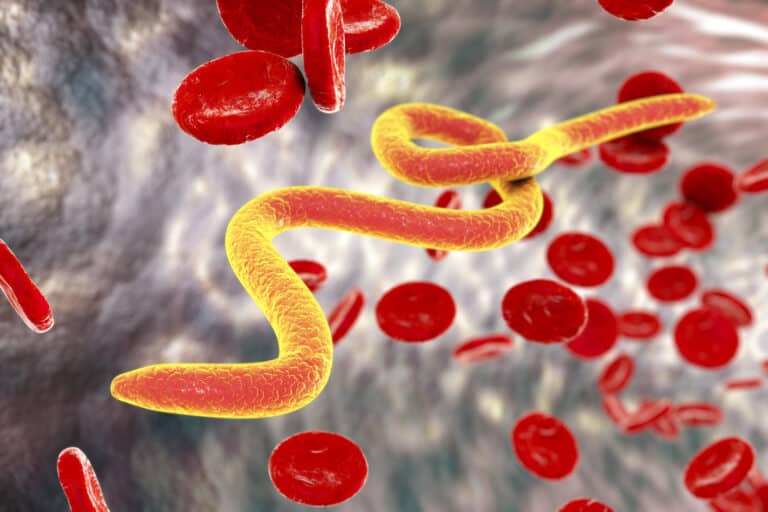
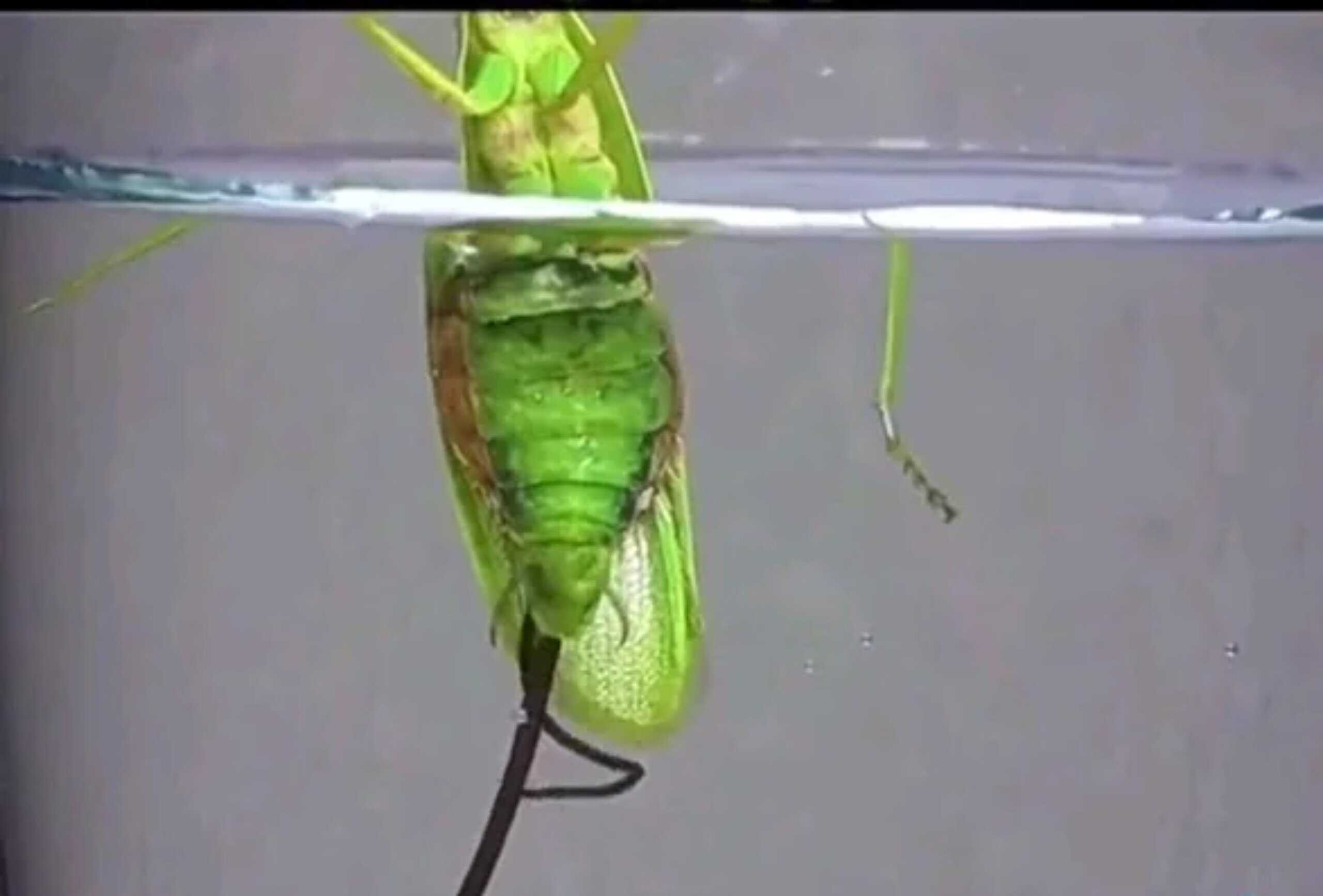
The term ‘horsehair worm’ refers to an entire phylum of parasitoid animals that are distinct from, yet similar to, nematode worms. Also known as hairsnakes or Gordian worms, horsehair worms engage in a particularly lengthy and gruesome form of parasitism. They prey on terrestrial crickets, growing inside the crickets’ body cavities and absorbing nutrients. During this time, the horsehair worms manipulate the crickets to move toward bodies of water, allowing the adult worms to emerge and complete their aquatic life cycles.
Continue reading
Horsehair Worms
Horsehair worms grow to between two and four feet in length and live in damp areas surrounding swimming pools, streams, puddles, and cisterns. There are at least 351 species of freshwater horsehair worms. Each species has a method of growth unique to its physiology and circumstances. While mature horsehair worms live free in and around bodies of water, horsehair worm larvae require a host body to mature into adults. This creates one of nature’s most fascinating and disturbing parasitic life cycles.
After horsehair worms mate in the springtime, they deposit long strings of eggs in bodies of water. After a few weeks, pre-parasitic larvae emerge and search for invertebrate hosts. While any arthropod species, such as mantids or beetles, can serve as hosts, this article focuses on crickets. If they cannot find a primary host, the larvae will seek out an intermediate host, such as mayfly or mosquito larvae, in which to encyst. There, they encyst themselves within the host’s body cavity. Once conditions are right—typically when the intermediate host is eaten by a primary host—the horsehair worm larvae begin their development in earnest.
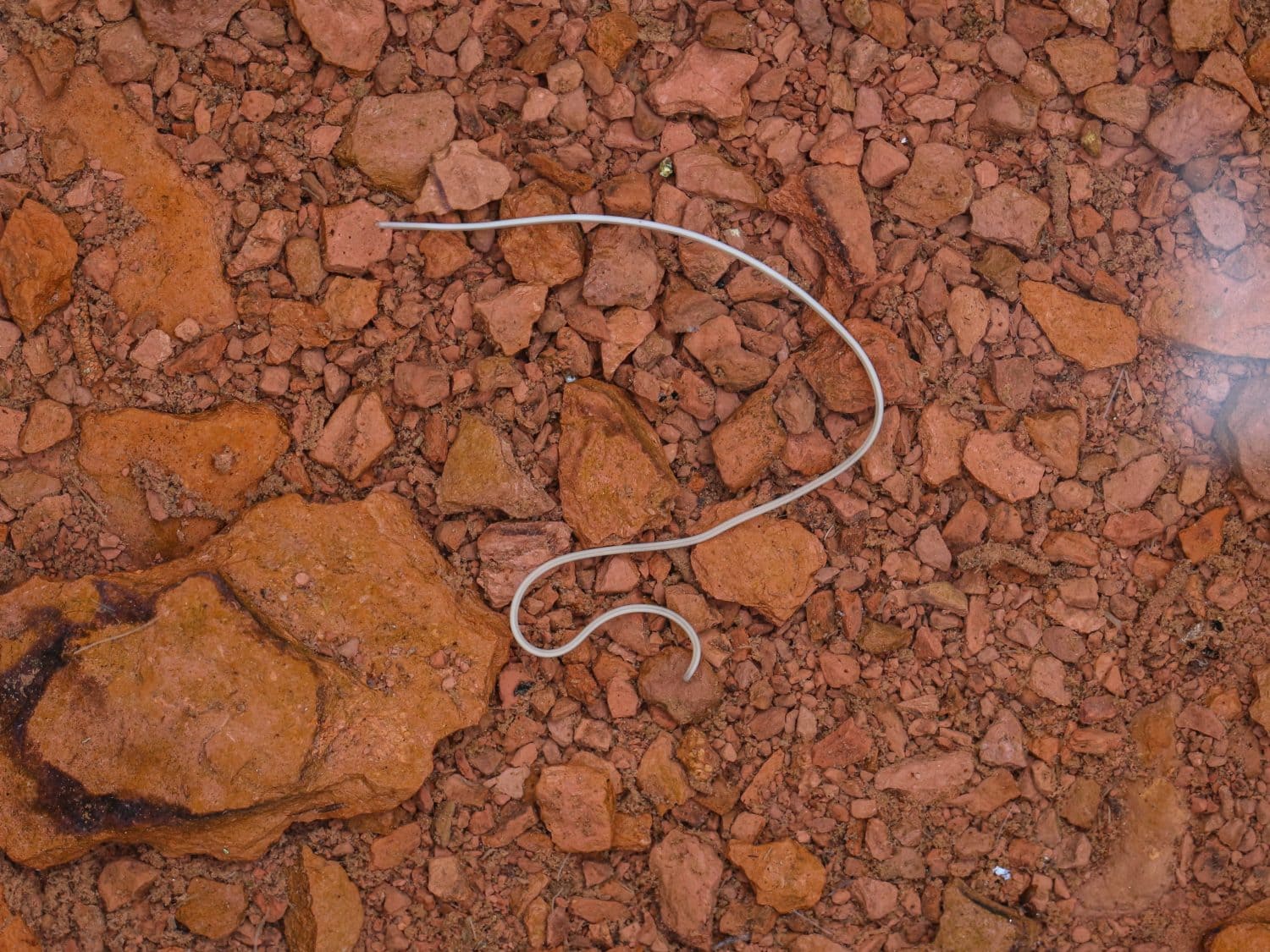
Adult horsehair worms are free-living in water, but their larvae must use vertebrate hosts to mature.
©IvanaStevanoski/Shutterstock.com
When a host organism, like a cricket, happens to ingest a horsehair worm larva, the larva sets up shop. Over the course of several months, the larva grows to around one foot or more in length, though some species can reach up to nearly two feet. It coils around the cricket’s internal organs and absorbs nutrients from the host’s blood directly through its skin. This weakens the cricket, but the larva ensures the host remains alive until it reaches full maturity.
A Life in Water
Upon reaching maturity, horsehair worm larvae must live in water. Therefore, they absorb just enough nutrients from their cricket host to grow, but not enough to kill it. Instead, the worm larvae use a step-by-step process to ensure the cricket reaches a body of water. This process is truly remarkable.
The larvae employ horizontal gene transfer, expressing thousands of genes to synthesize proteins identical to those found in the cricket’s brain. The larvae then secrete these proteins into the host’s nervous system. This has the remarkable effect of modulating dopamine and octopamine neurotransmitters, which manipulate the crickets into wandering unpredictably and spending more time out in the open. This gene transfer also kills cells in a targeted manner, suppressing survival instincts like the fear of open water.
With almost complete control of the cricket’s brain, the larvae also trigger a certain attraction towards polarized light. Crickets normally prefer dark spaces, but the larvae’s manipulation sends the crickets toward bright reflections on water. Once the cricket enters the water, the worm larvae exit through the cricket’s body and begin searching for mates. The cricket, however, typically drowns or gets eaten.
It’s a gruesome and parasitic process, but the life cycle of the horsehair worm is just one example of the extraordinary lengths creatures will go to survive.