Quick Take
- Releasing a pet goldfish into a pond feels harmless, though the consequences can outlast most people's lifetimes. See how pet releases spread →
- Some invasive fish have become so problematic that authorities suggest the most effective solution is eating them. Explore culinary solutions →
- Not every large, unfamiliar fish in U.S. waters is a threat, and mistaking a native species for an invader has real consequences. Learn to identify species →
- Invasive species don't just harm wildlife. The damage reaches something most people never think to connect them to. See the full damage →
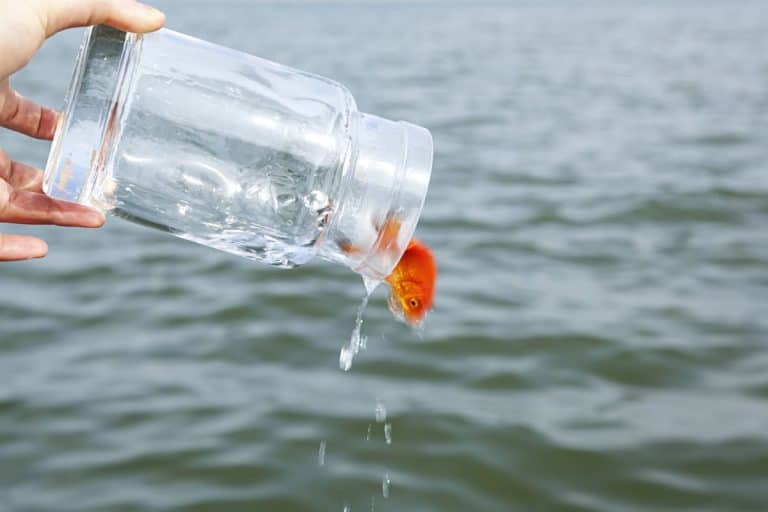
Last year, biologists in Thompson Falls, Montana, found a small pond full of goldfish that nobody had stocked. This January, state wildlife officials planned to treat the whole pond with a fish-killing chemical. A culvert under the highway could link it to a nearby wetland in wet seasons, and they did not want the goldfish to spread. Officials called it part of a wider trend of illegal fish releases.
That is how many aquatic invasions start. There is no cargo ship involved, just an unwanted pet and a pond that seemed like a kinder option.
What One Released Goldfish Can Do to a Lake
A study published this year in the Journal of Animal Ecology tested what goldfish do in open water. The team, led by William Hintz of the University of Toledo with Rick Relyea of the University of Missouri, used large outdoor tanks built to work like small lakes. Some tanks were low in nutrients and some were rich in them.
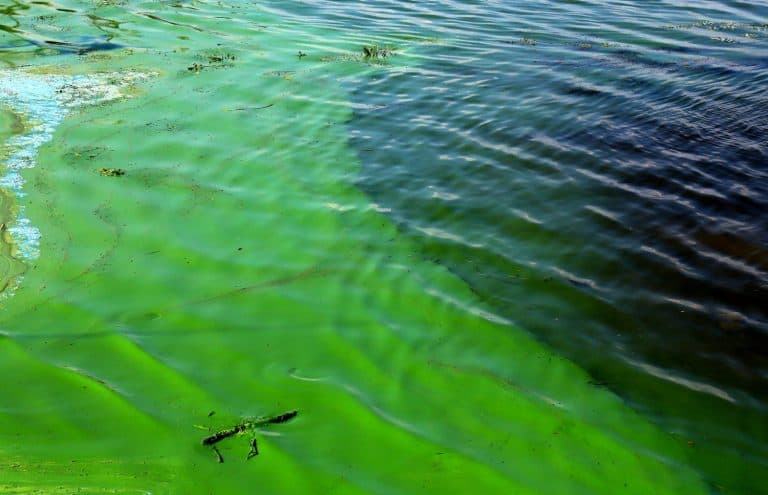
In both, water quality dropped fast. Goldfish dig through the bottom as they feed, which keeps mud suspended and turns the water cloudy. Snails, amphipods (small shrimp-like crustaceans) and zooplankton (the tiny drifting animals young fish eat) declined sharply. Native fish ended up thinner, because they were competing with the goldfish for the same food.
The researchers describe the result as a tipping point. The lake settles into a degraded state that is hard and expensive to reverse. Goldfish are also tough to remove: they can live up to 25 years and tolerate cold, low-oxygen water better than many native species. In Minnesota, crews have pulled so many from local lakes that the fish now go to zoos as animal feed.
Not Every Big, Unfamiliar Fish Is the Enemy
Goldfish are one entry on a long list. In the U.S. and Canada, “invasive carp” refers to four Asian species: bighead, black, grass and silver carp. As adults, none of them has a natural predator in North America, according to the U.S. Fish and Wildlife Service. Common carp, present for more than a century, are managed as a nuisance fish but are not part of that group. Elsewhere, northern snakehead, lionfish and blue catfish cause their own damage, and Maryland is fighting blue catfish partly by putting them on the menu.
The catch is that some fish mistaken for invasive carp are native. The Fish and Wildlife Service lists bigmouth and smallmouth buffalo among the most common look-alikes. Buffalo belong to the sucker family, not the carp family, and they are some of the most remarkable fish in North America.
A study published in November 2025 aged 173 bigmouth buffalo from Saskatchewan’s Qu’Appelle watershed. One female was estimated at 148 years old. More than 90% of the buffalo there were older than 75. Yet in much of the U.S., bigmouth buffalo harvest is still regulated together with common carp, and the authors call for an urgent conservation review as the species declines.
What to Do Instead of Letting It Loose
Researchers and wildlife agencies point to the same options for an unwanted fish:
- return it to a pet store;
- give it to another aquarium keeper;
- ask your state wildlife agency what is allowed.
Campaigns such as Habitattitude and Don’t Let It Loose exist to make that choice easier. Bait counts too: Missouri allows goldfish as bait, but a state fisheries specialist told KBIA this spring that leftovers must go home, not into the water.
If you spot a fish that looks out of place, take a photo, note the exact spot and file it through the USGS Nonindigenous Aquatic Species sighting report. It takes a few minutes and helps biologists catch new invasions early. Before killing a large fish you don’t recognize, check what it is. A buffalo mistaken for an invasive carp may have been in that lake since before your grandparents were born.
Once goldfish take hold, removing them can mean draining or poisoning a pond. Keeping them out only takes a call to the pet store.