
Assistance dogs are best known for their ability to help those who are visually impaired. However, did you know there are several additional tasks they’re trained for? Here are seven surprising jobs that assistance dogs are trained to perform.
1. Hearing Aid
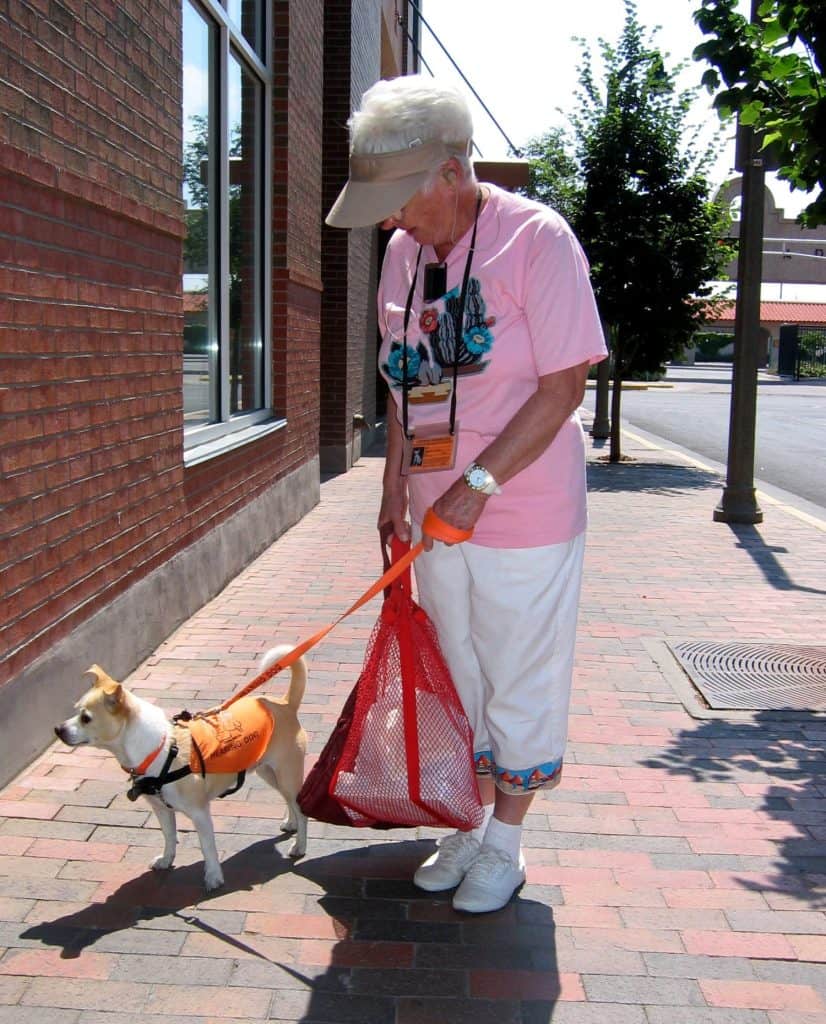
Assistance dogs are highly trained in helping those with impaired hearing.
©Steve Shoup/Shutterstock.com
Many assistance dogs can help owners who are hard of hearing by detecting important sounds. They can then relay the presence of a specific sound to their owner. For example, let’s say a fire alarm is going off in someone’s home. If the person is hearing impaired, they might not recognize the sound. The assistance dog can make it known that they must evacuate the building.
“These dogs help alert their handler to everyday sounds, such as sirens, ringing phones, doorbells, and other noises,” says a local trainer named Josh, a representative who works with Your Cool Pet. “While they can be helpful in public spaces, some individuals choose to work with their hearing dog only at home.”
According to Josh, many of these hearing dogs are rescues. They might be adopted from local shelters or rescue organizations, then trained to carry out such tasks.
“Since it’s unclear which specific genes affect sound sensitivity, dogs who end up excelling in this role are often discovered through training rather than breeding,” he explains.
2. Mobility
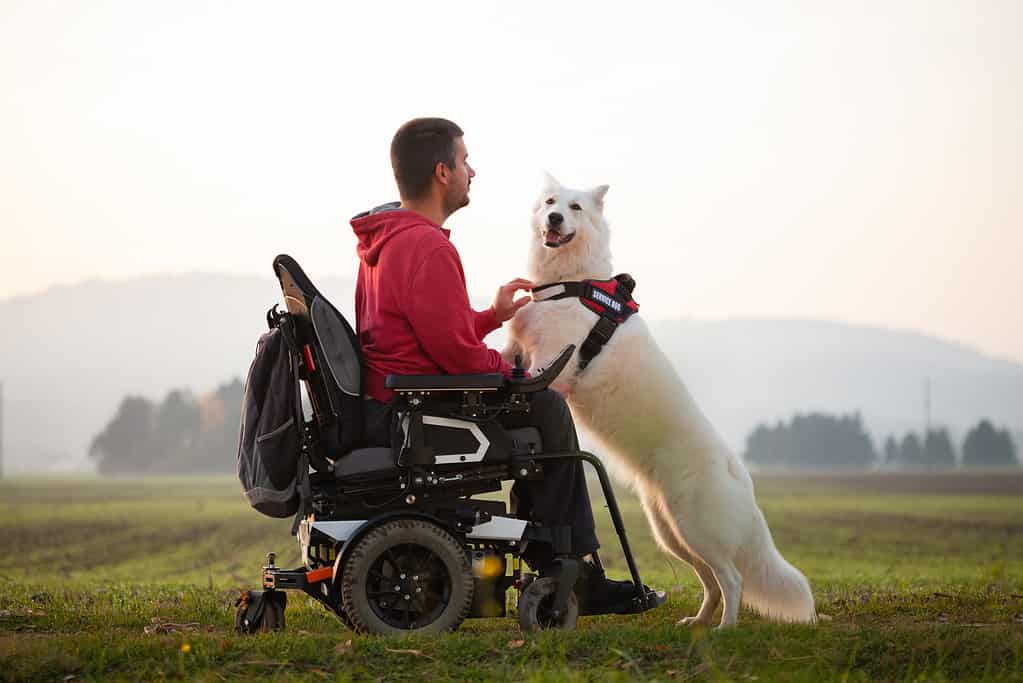
Those with disabilities can greatly benefit from mobility dogs.
©24K-Production/iStock via Getty Images
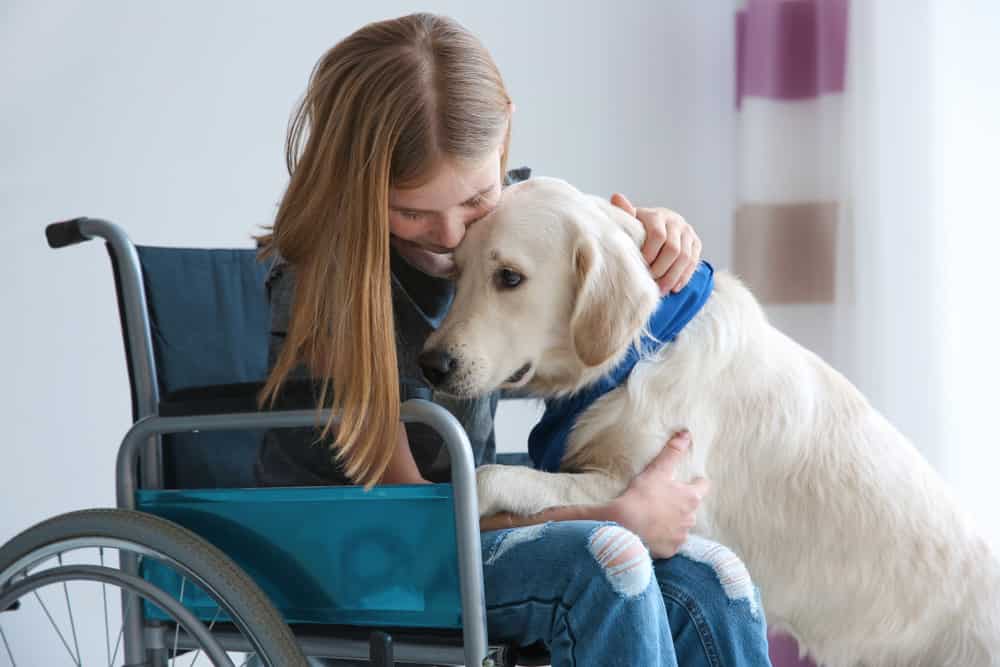
According to Josh, mobility dogs help “provide support for individuals using wheelchairs by retrieving dropped objects, opening and closing doors, flipping light switches, and handing over items that are otherwise out of reach.”
Additionally, they offer balance and physical support for those who need extra help when moving around. Sally Grottini, a JustAnswer Dog Behaviorist who’s been involved in professional dog training for 30 years, explains that some additional responsibilities for these pups include providing support if their owner falls or helping them stand back up if safe. Most impressively, they can even hand payment, such as cash or credit cards, to a cashier. All the while, they know how to stay out of the way and not disturb others in public places.
“Service dogs are required not to take up the space of other humans when possible, so they are trained to go ‘under’ a table at a restaurant; or when in a crowd, they are taught a command, “In,” so that when they are in a heel or side position, they are not too far into others’ walkway,” Grottini says.
Because of all the complex tasks these dogs perform, they undergo in-depth training only after they are physically mature, Josh states.
“To avoid injury, mobility work using a harness doesn’t begin until the dog’s growth plates are fully developed,” he says.
3. Cancer Detection
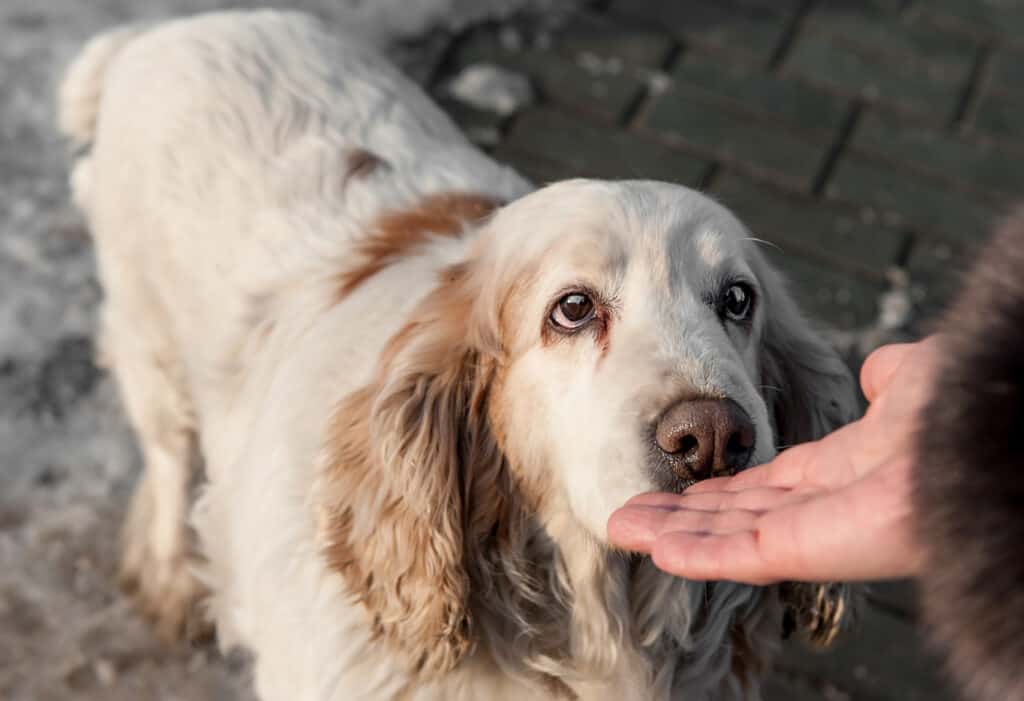
Dogs can often detect illnesses within humans via scent.
©Medvedeva Oxana/Shutterstock.com
Perhaps one of the most impressive abilities of assistance dogs is cancer detection. That’s right: channeling their sense of smell, dogs can help identify cancer in humans and alert them of its presence.
“When it comes to cancer, a dog is trained through scent training, and through that, they can detect scents of cancer in the body,” Grottini says. “They may paw at the area, nudge the owner, or bark.”
Some dogs can even differentiate between types of cancers via the signature scents of certain cancerous cells. These smells are often present in a person’s breath, urine, and sweat. However, they are not detectable by humans the way they are by dogs. Additionally, if the assistance dog is working with a cancer patient, it can provide both emotional and physical support.
“Of course, their job would be to care for the owner as they would someone who may be physically restrained, such as getting items for them, getting drinks from the refrigerator, getting help, etc.,” Grottini explains.
4. Allergy Detection
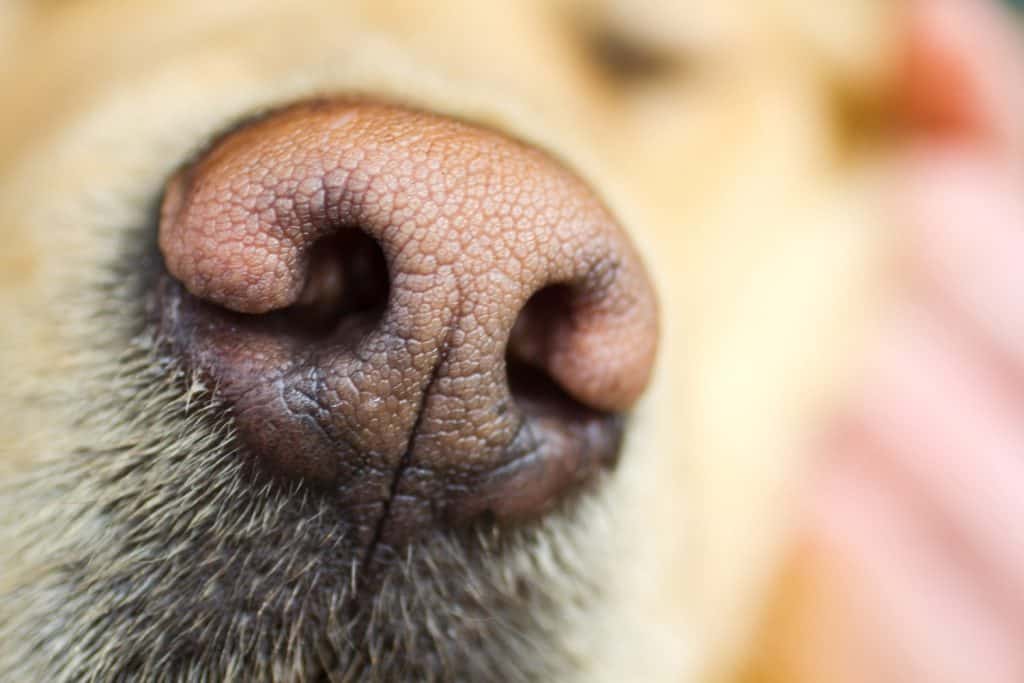
Dogs’ impeccable sense of smell can help them detect allergens in the air and food.
©Nicholas J Klein/Shutterstock.com
Some dogs are rigorously trained to sniff out potential allergens in an environment. If they detect something, they then alert the owner by pawing or nudging them. For example, if someone is allergic to peanuts, the dog might be able to detect the presence of peanuts in a certain food. This life-saving behavior provides a sense of comfort to those who struggle with severe allergies.
“They are especially helpful for children, giving families added reassurance and helping kids safely enjoy more independence,” Josh says.
Additionally, when someone accidentally consumes an allergen, the pup can retrieve the proper emergency medication.
5. Seizure Alert/Response
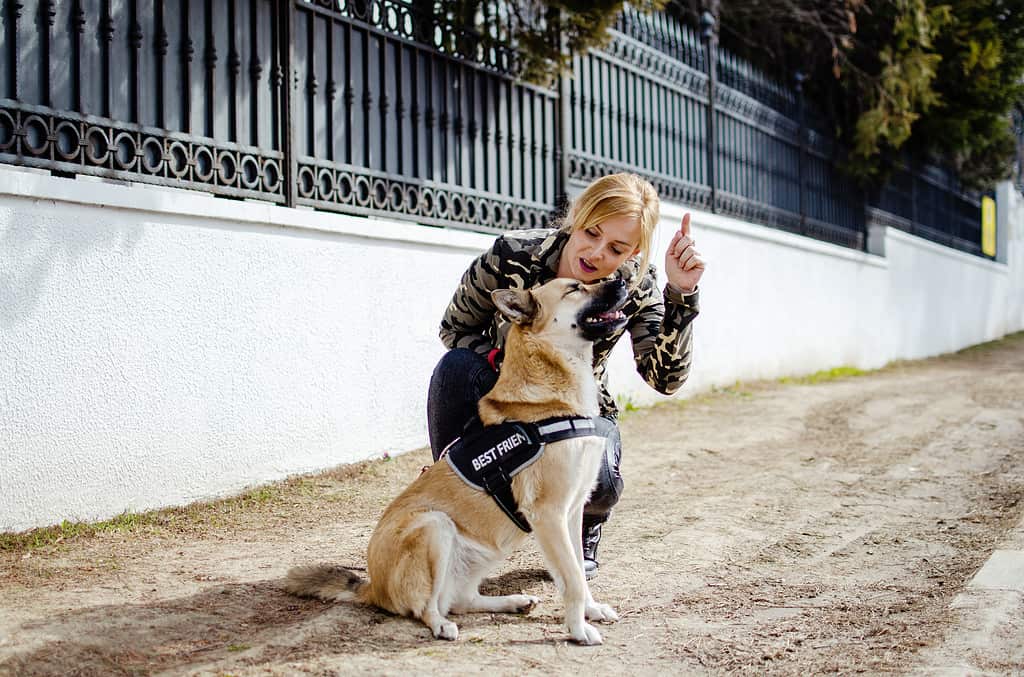
Many assistance dogs are trained to detect seizures in people with epilepsy.
©Biserka Stojanovic/iStock via Getty Images
While it might seem like seizures come out of nowhere, giving the patient no time to prepare, some dogs can naturally detect that a person will experience a seizure.
“Some dogs can sense an oncoming seizure 10–20 minutes in advance, allowing their handler time to find a safe place, take medication, or get assistance,” Josh points out. “During or after a seizure, these dogs may help by moving the person onto their side to keep airways open, clearing the mouth, alerting someone nearby, or preventing access to dangerous areas.”
While this is a natural ability in many pups, some assistance dogs are specifically trained to work with individuals who suffer from epilepsy.
“When it comes to diseases such as epilepsy, they are trained to alert the owner when there are changes in the body, such as scent, or movements that may bring on a seizure,” Grottini says. “They will paw at them, whine, or bark. Some will increase their pacing; they may lie across the lap or go underneath the body/head area to protect the owner from hitting the floor.”
After a seizure occurs, the dogs might also activate a device that calls for help. If needed, they will even bring the owner any appropriate medications.
6. Diabetic Alert

If you suffer from diabetes, you might qualify for an assistance dog.
©iStock.com/Jennifer Blount
Diabetes can be difficult for patients to manage. However, some assistance dogs are trained to make the disease easier on the person.
“These dogs detect shifts in their handler’s blood sugar and signal when action is needed—like taking insulin or eating something to raise glucose levels—to avoid serious complications,” Josh explains. “In emergencies, they can alert others in the household or activate a medical alarm.”
Some dogs can sense an oncoming seizure 10–20 minutes in advance, allowing their handler time to find a safe place, take medication, or get assistance
Josh, trainer at Your Cool Pet
7. Mental Health Support
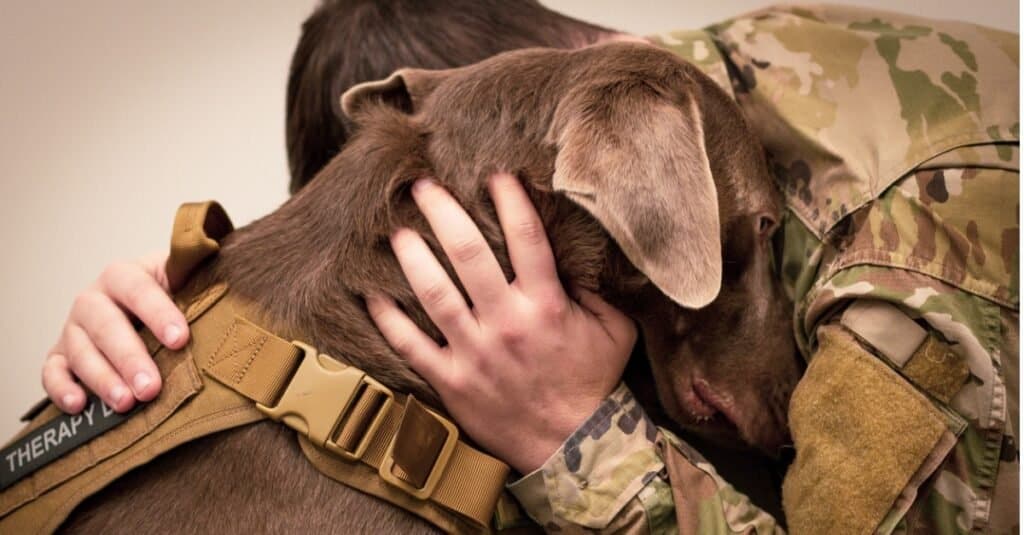
Some assistance dogs are trained to work with those who suffer from PTSD.
©iStock.com/Jason Hohnberger
Many assistance dogs help with psychiatric symptoms or disorders, such as post-traumatic stress disorder (PTSD).
“For owners that may have PTSD, such as soldiers, the dog is taught a ‘forward’ command,” explains Grottini. “This command tells the dog to go in front of the owner and sit there, creating a small barrier between the owner and the people who may be talking to them. This helps the owner feel a bit safer.”
Additionally, she adds, if the individual is experiencing night terrors—a common symptom of PTSD—the dog can gently nudge them awake, turn on the light, or retrieve a loved one for further support.
These dogs can also be helpful with neurodevelopmental disabilities like autism.
“For children or adults with autism, a service dog will lie on them or near them, making sure to put some pressure on them, which is calming for the autistic person,” says Grottini. “The dog can sense when a sensory overload in their owner is coming on, and they may lead the owner away from what may be overstimulating to their human. They may paw at them a bit or nudge them to get them out of the situation.”