
Quick Take
- Black coral is named for its color, though living black coral doesn't look black at all. See the naming explained →
- The New Zealand coral survived 400 years in the deep, yet it is still a youngster compared to another known specimen. Meet an even older coral →
- Black coral isn't technically a keystone species, yet its disappearance can signal an entire deep-sea ecosystem is in trouble. Explore their ecological role →
- Tall black corals are extraordinarily rare, largely because of their slow growth and the threats they face Discover why tall corals vanish →
Corals have been a part of the marine environment for 500 million years. While they have evolved over time, all corals serve as the backbone of ocean biodiversity.
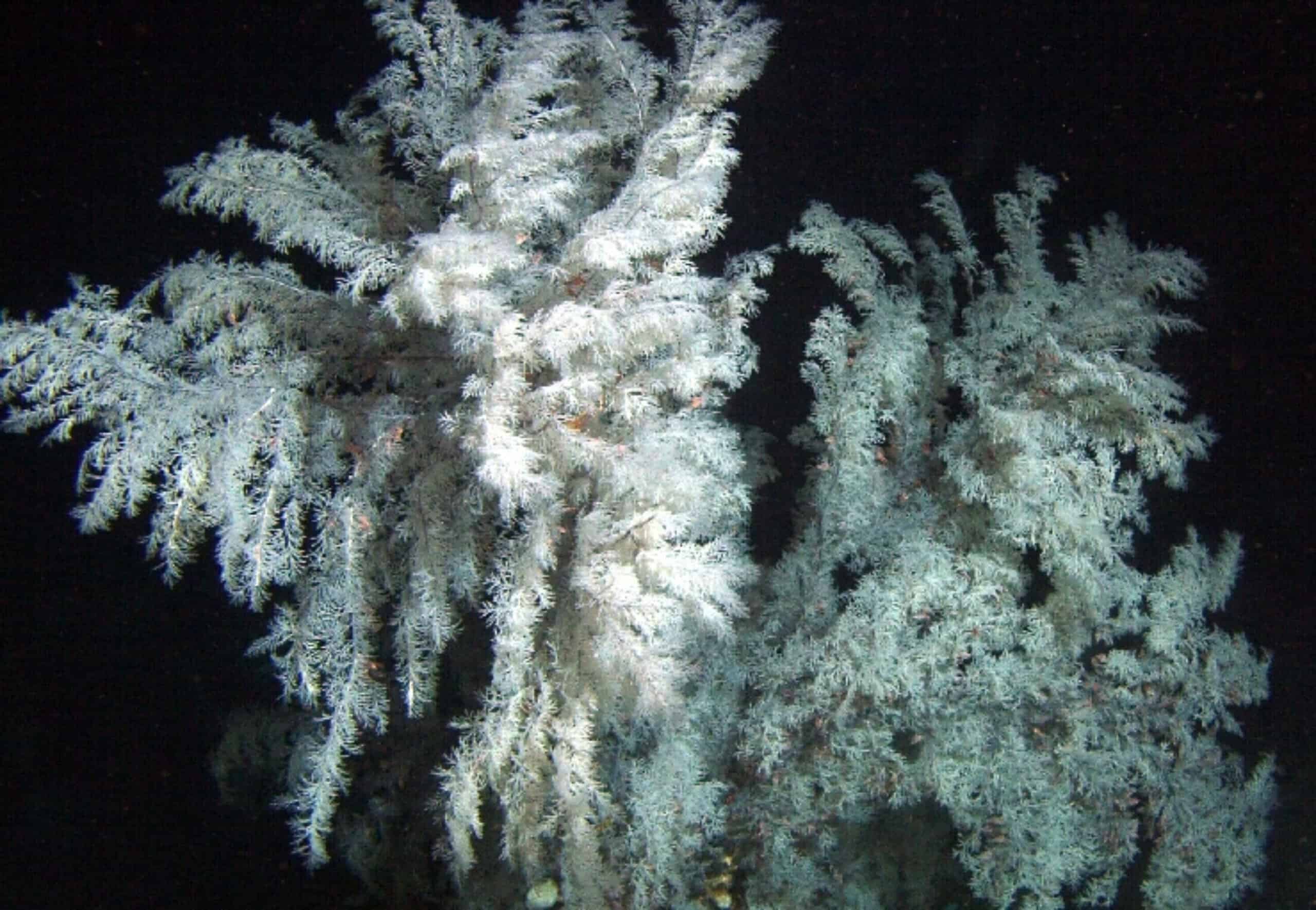
One such coral, recently found off the coast of New Zealand, has been performing its job for centuries. The discovery of the 400-year-old black coral has stunned New Zealand’s scientific community, which is now working to ensure the coral’s future safety.
Why the Black Coral Discovery Is Astonishing
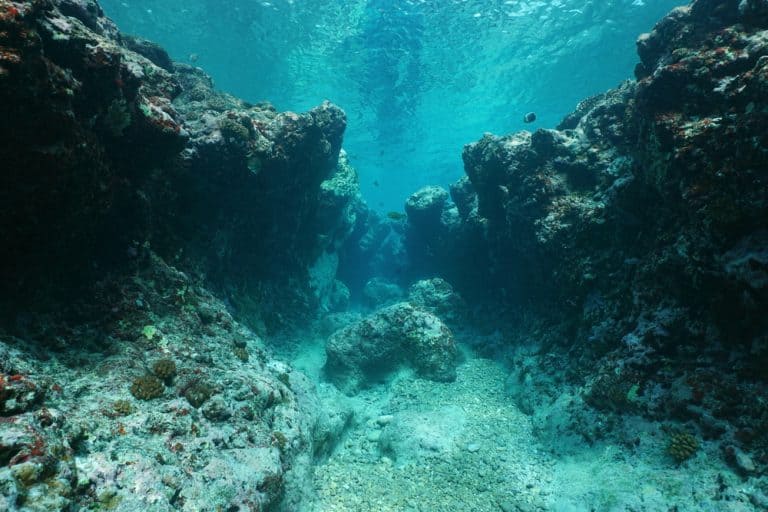
Black corals are found in oceans around the planet. However, a recently discovered specimen found during a dive is a rare example that has remained hidden in plain sight for hundreds of years.
According to a press release from Te Herenga Waka at Victoria University of Wellington, the coral in the deep waters of Fiordland is believed to be the largest ever found off the coast of New Zealand. Measuring between 13.1 feet and 14.7 feet tall, the black coral stood alone in the darkness of the sea.
James Bell, a professor of marine biology at the university, described the coral as “absolutely huge.”
“It’s by far the largest black coral I’ve seen in my 25 years as a marine biologist,” Bell said in the press release. “Most black corals we come across when we’re diving are small, with the bigger ones usually less than two to three meters tall, so finding this one was really cool.”
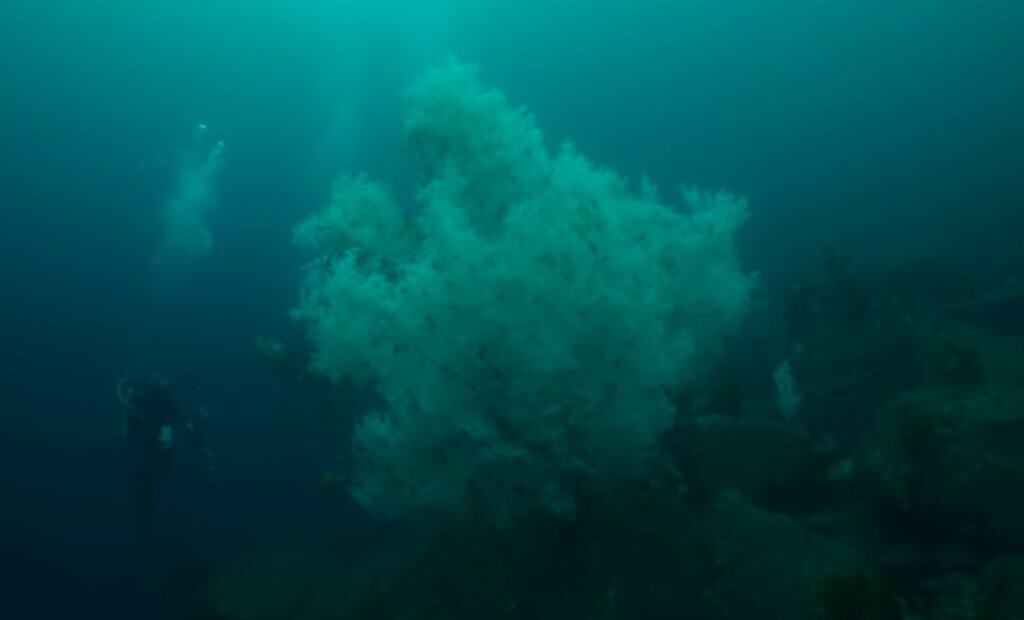
A black coral standing between 13.1 feet and 14.7 feet tall was discovered off the coast of New Zealand.
©Te Herenga Waka—Victoria University of Wellington / YouTube – Original
The coral is believed to be 300 to 400 years old, based on its slow growth rate and size. Even experienced divers like Richard Kinsey, a senior biodiversity ranger at the Department of Conservation who participated in the dive, were astonished by the discovery.
“To see such a large coral looming out of the darkness was pretty special,” Kinsey explained in the press release. “I’ve been a marine ranger in Fiordland for nearly 20 years, and it’s rare to see a coral so big. It’s easily the largest one I can remember seeing.”
How Did Black Coral Get Its Name?
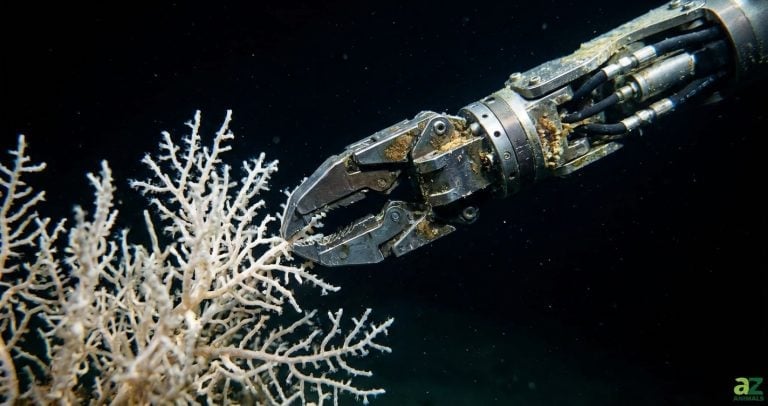
Living black coral has vibrant colors ranging from red, green, yellow, brown, or, in the case of the one in the Fiordland waters, white. Therefore, it seems odd for the coral to have such a dark name. The reason for the name becomes clear when the coral colony’s inner skeleton is revealed.
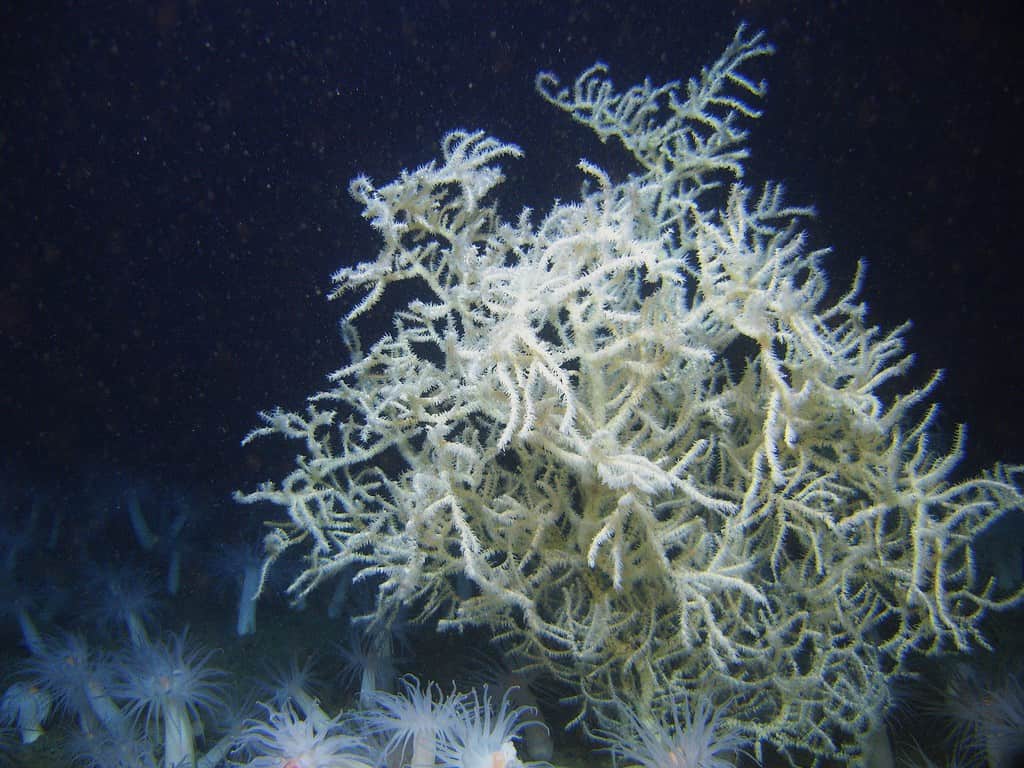
Black coral gets its name, not from the symbiotic algae that cover it, but from its dark skeleton.
©NOAA Photo Library Wildlife / Public Domain via Wikimedia Commons – Original / License
The inner skeleton of the black coral is dark brown to black. Unlike other corals, which are composed of calcium carbonate, black corals are made of layers of chitin and protein. This makes the coral flexible and strong, which is needed given the current-laden habitat in which the corals thrive.
Why Black Corals Are Important for Ocean Biodiversity
Unlike stony corals, which are considered keystone species, black corals are not essential for ecosystem survival. However, they are considered keystone-like species because their presence supports significant biodiversity.
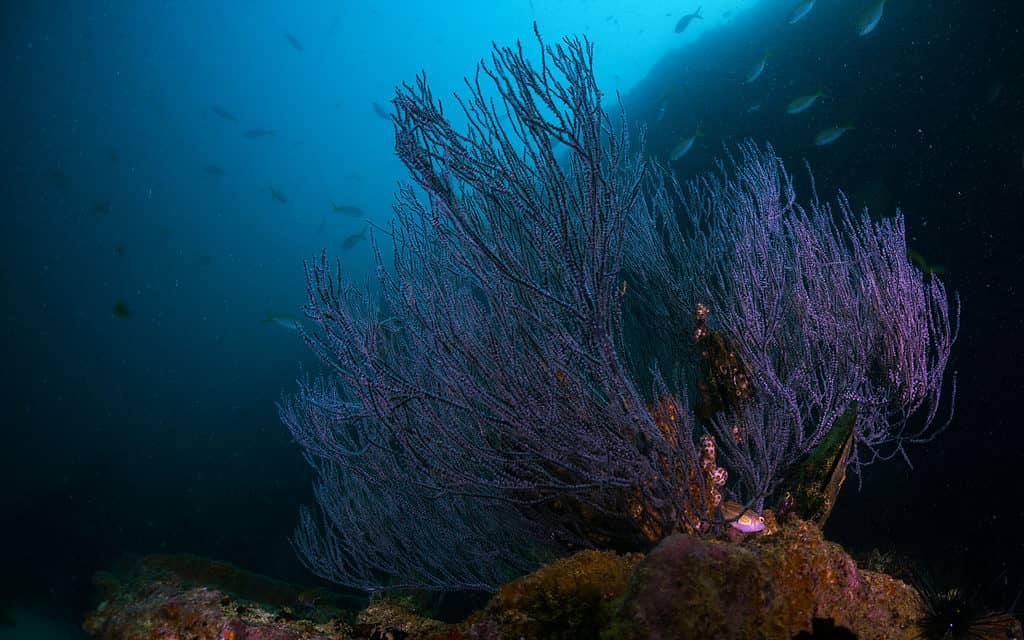
Black corals are important to their ecosystems because of the biodiversity they support.
©Bangtalay/Shutterstock.com
When black coral is part of the ecosystem, they become a fundamental deep-water species. This is because of the following benefits they provide:
- The fan-like structure of the corals creates breeding grounds and shelter for other species
- The oldest colonies provide stable, long-term habitats for marine animals
- Their filter feeding helps with nutrient cycling, cleans the water column, and helps regulate marine species’ populations
Black coral is also seen as a bioindicator. When black coral is abundant, it indicates that the habitat is healthy. When their numbers decline, stressors in the deep-sea ecosystem may be affecting more than just black coral.
Black Coral Can Live for Thousands of Years if Left Undisturbed
The black coral discovered off the coast of New Zealand is impressive in both stature and age. However, this is not the oldest living black coral discovered in recent years. In fact, this newly discovered coral is only about a tenth as old as some of the oldest known specimens.
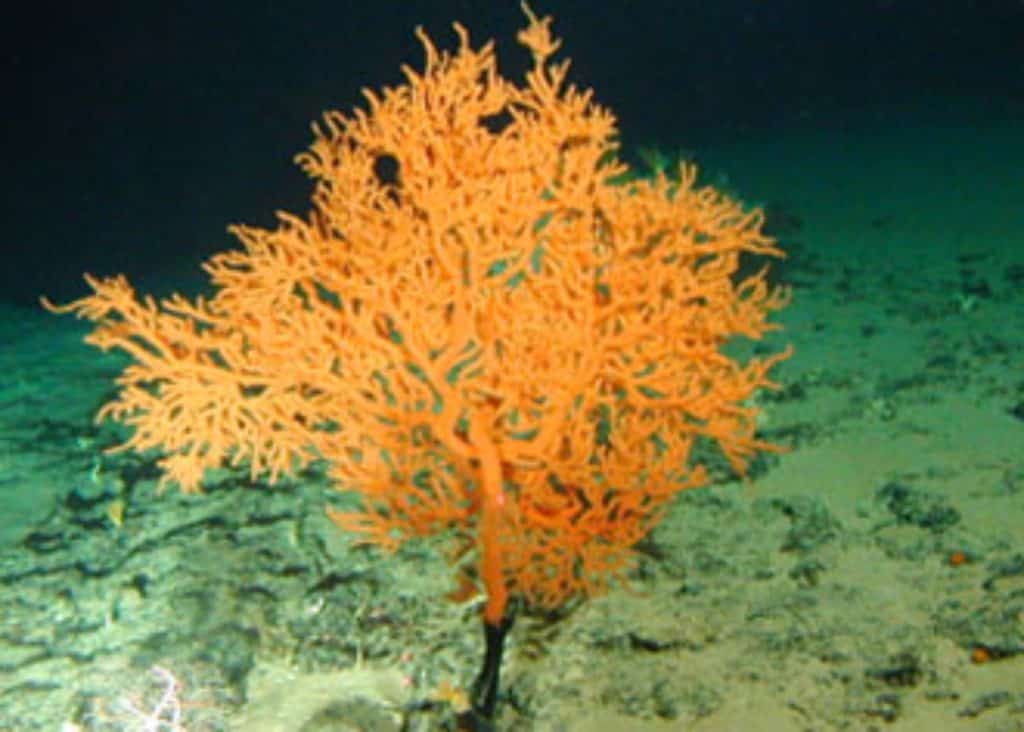
Black coral found in Hawaii, like this Leiopathes, makes up some of the oldest black coral colonies.
©NOAA, Public domain, via Wikimedia Commons – Original / License
In 2009, researchers found a colony of black coral off the Hawaiian coast. Although the coral’s polyps were only a few years old, the colony itself was significantly older. Researchers used radiocarbon dating to estimate the colony’s age at approximately 4,260 years.
Despite the colony’s longevity, the black corals growing there were not tall. This could be due to black coral being harvested for jewelry on the island. Therefore, while the Hawaiian black coral may be older, the New Zealand black coral is much taller.
Threats to Black Coral Today
Black corals are found in ocean locations with low light and current-driven waters. As a result, black corals are found in nearly every ocean in the world. However, very few reach great heights because their growth is so slow. Combined with the threats they face, this means that tall black corals are the exception rather than the rule.
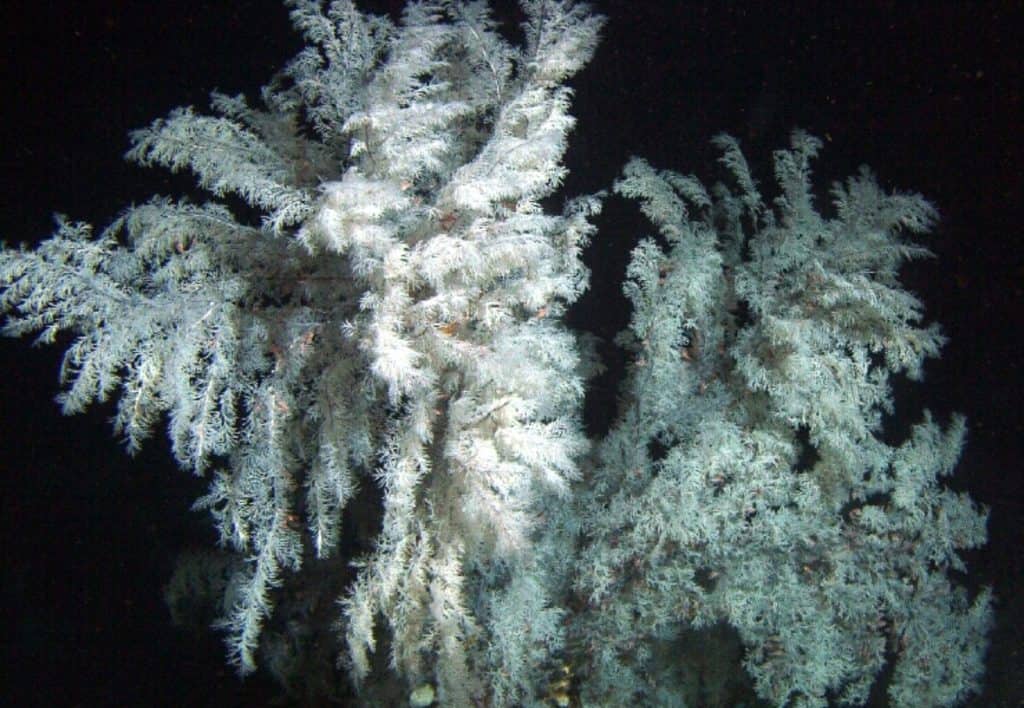
Black corals face a number of threats, from deep-sea fishing to climate change.
©Mark Amend, NOAA, Wikimedia Commons, Public Domain – Original / License
In New Zealand, the region where the black coral was found is within a protected marine environment. This is not the case for all areas where black coral grows. Consequently, there are threats to the global black coral population. Those threats include:
- Deep-sea fishing practices such as bottom trawling and the use of longline gear
- Climate change issues, including acidification, rising ocean temperatures, and ocean deoxygenation
- Pollution entering the oceans
- Coral diseases
- Deep-sea mining, which destroys habitats
- Limited larval growth, resulting in reduced genetic diversity
Currently, black coral is not listed as an endangered species. However, in some areas, black coral is threatened, especially for colonies of significant size. According to conservationists, now is the time to protect these corals before it is too late, and those that have lived for decades or even centuries disappear forever.