
Quick Take
- Bat pups are surprisingly large relative to their mothers, a fact that creates a flying challenge most people never consider. See the size comparison →
- Breastfeeding mid-flight sounds impossible, yet bat pups have a physical trick that makes it work. Discover how pups feed in flight →
- A single piece of video footage was what it took to convince people this behavior was even real. Watch the viral reel →
- Bat mothers aren't just impressive parents. They're quietly holding together entire ecosystems in ways you wouldn't expect. Explore their ecological role →
Mothers are constantly busy with one thing or another when taking care of their young. Bats are no exception, as bat pups cling to their mother’s fur during the first few weeks of life. Despite having little ones attached to them, the mothers still need to fly around to find food. This Instagram post by @movingartchannel shows a mother bat in flight feeding on the nectar of a flower, all while her babies are breastfeeding. Continue reading to learn more about bat mothers.
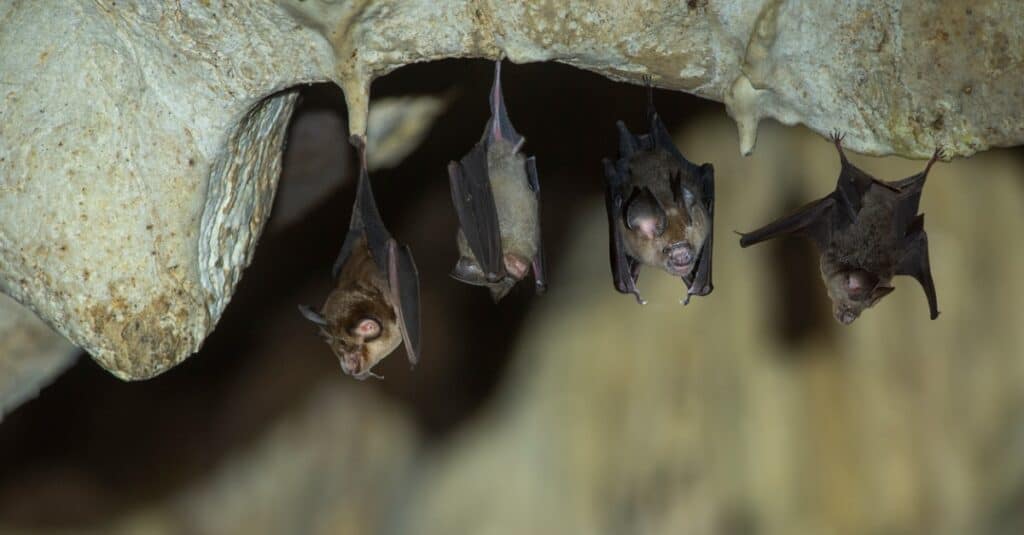
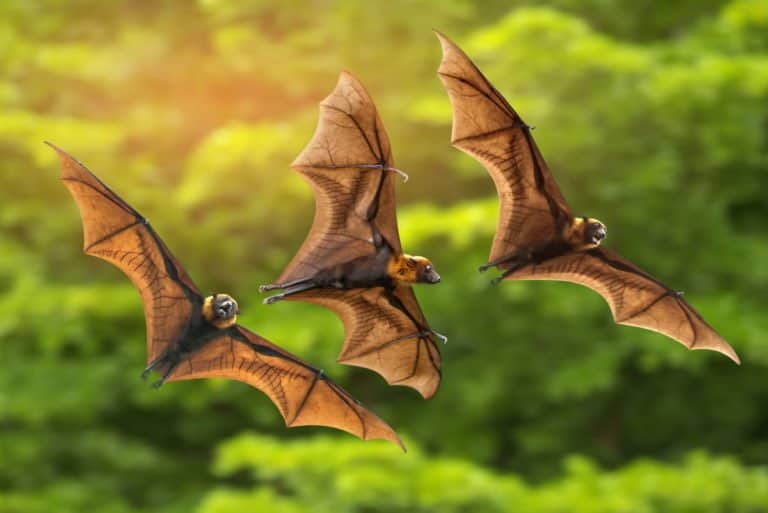
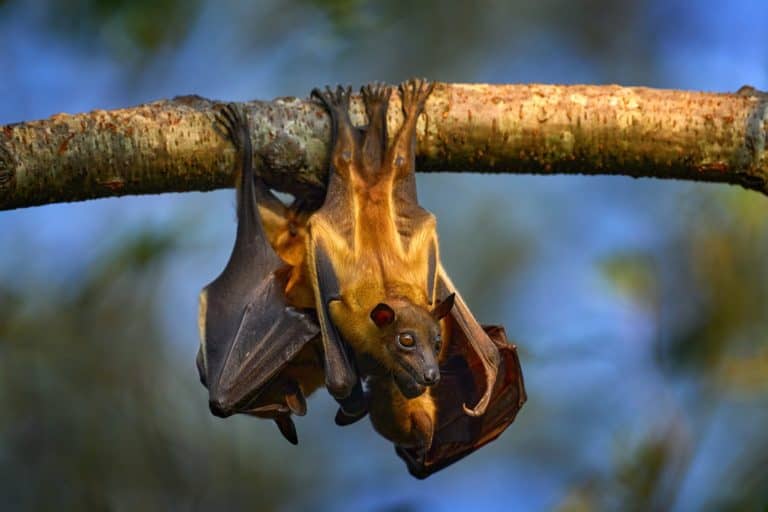
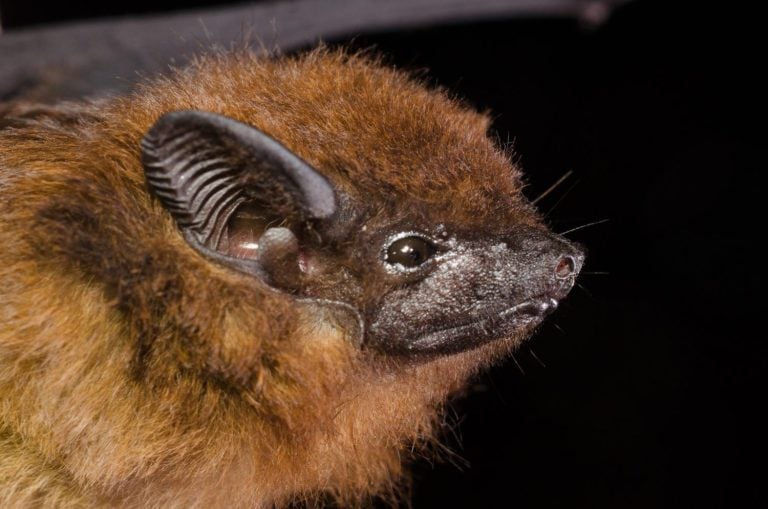
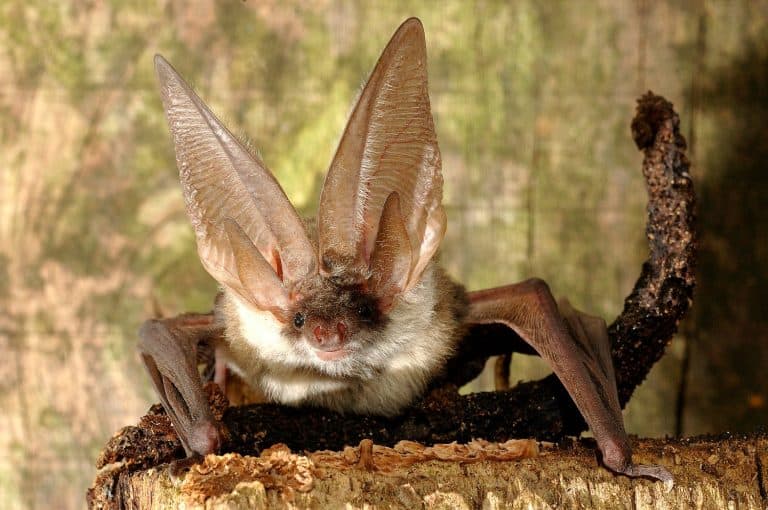
Bat babies stay with their mothers longer than those of most mammals, with some species staying together for several months.
©iStock.com/BirdHunter591
Multi-Tasking Bat Mothers
The video above is a great look at how amazing bats are at multitasking. While it’s not a skill they are typically known for, it is important for their survival. Breastfeeding while flying may seem extremely dangerous for the babies. However, they are surprisingly strong and have a firm grip on their mother’s fur. While in flight, the babies latch onto the mother’s nipple to breastfeed and cling to her chest and belly fur. Bat pups are relatively large compared to the young of other mammals, with some weighing up to 40% of their mother’s body weight. Carrying such heavy pups can be quite exhausting for the mother. However, staying with their mothers is essential for the pups’ growth and survival.
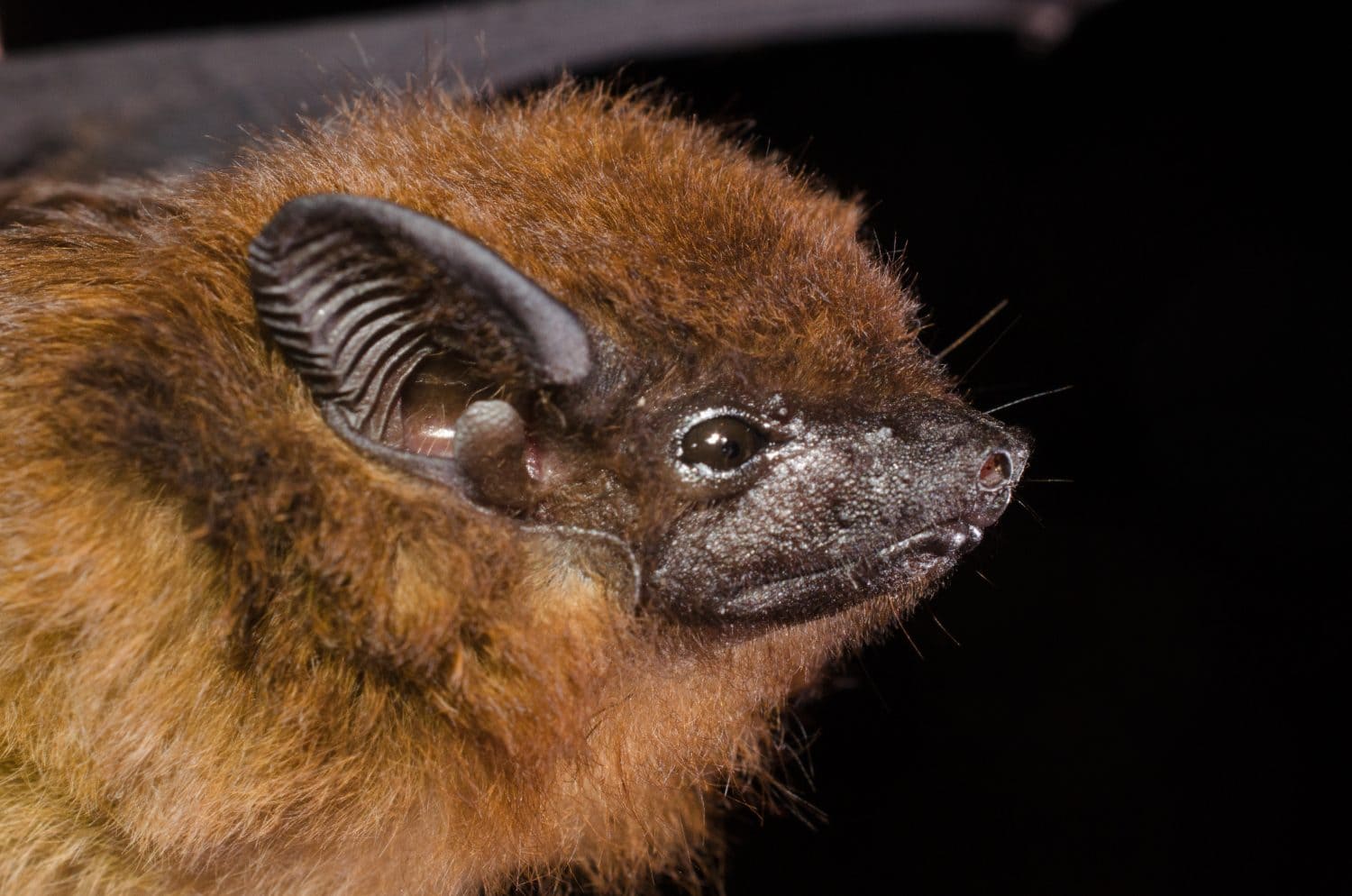
The species of bat in the video above isn’t specified, but it is a nectar-feeding bat, such as a long-nosed or long-tongued bat. These two species specialize in feeding on cactus and agave flowers using their long snouts. Bats are extremely important pollinators across diverse ecosystems, such as tropical and desert regions. Some plants that benefit from bat pollination include cacti, agaves, bananas, mangoes, guavas, and more. When bats feed on these plants, they help with pollination and seed dispersal, ensuring that new plants can grow. So, not only are bats amazing parents, but they also play a vital role in maintaining the health of their ecosystems.