
Quick Take
- A tiger shark started feeding on the whale before it even reached the beach, and that was just the beginning. See the sharks feeding →
- Removing a 42-foot whale carcass sounds straightforward. The two-day operation that unfolded was anything but. Follow the two-day removal →
- Even after the carcass was gone, experts warned the danger wasn't over, and the reason why is unsettling. Hear the lingering danger warning →
- Two separate shark attacks had already struck the same coastline that week, and that context made every official warning hit differently. See the recent attack context →
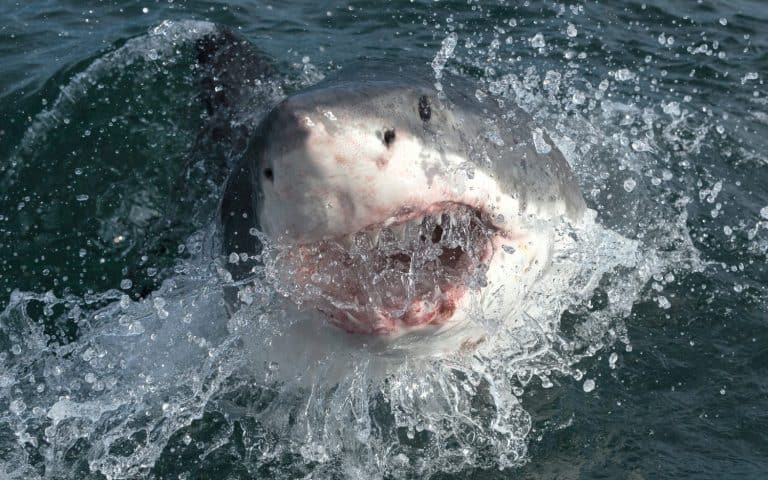
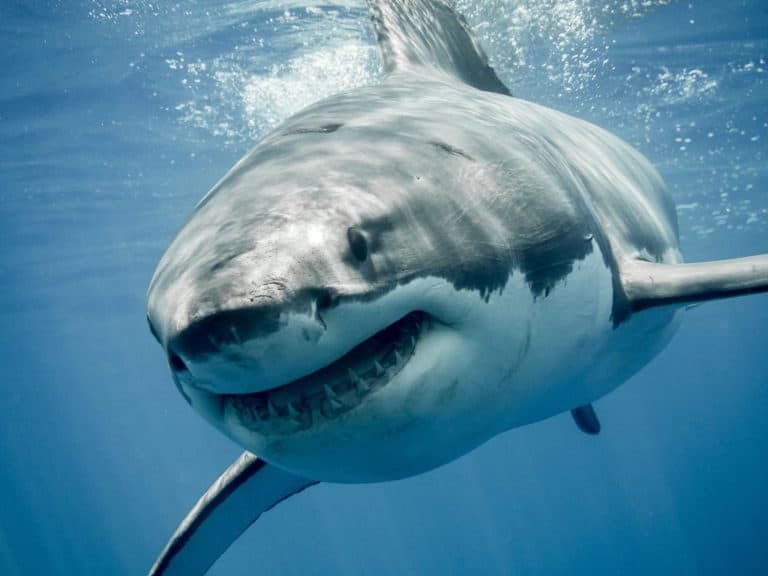
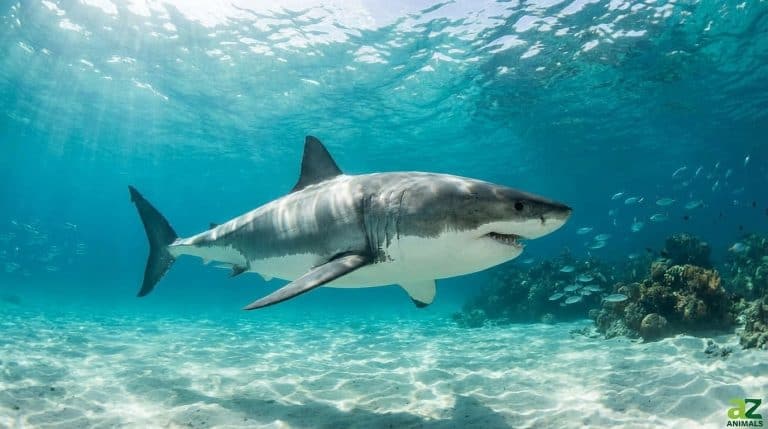
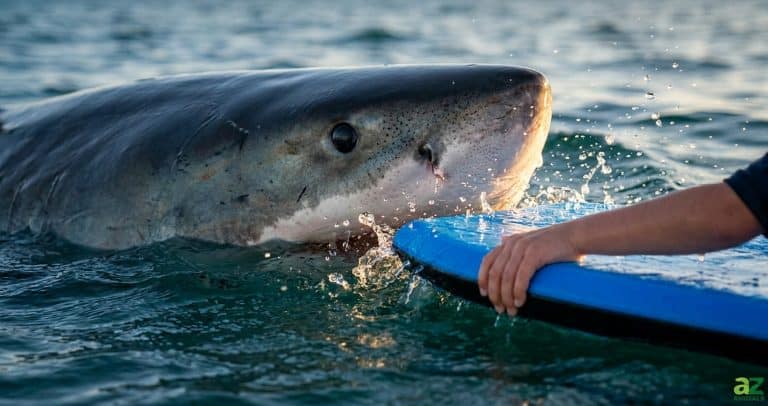
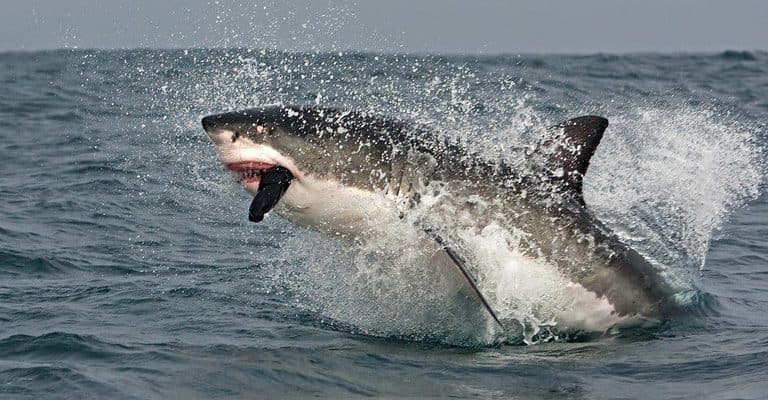
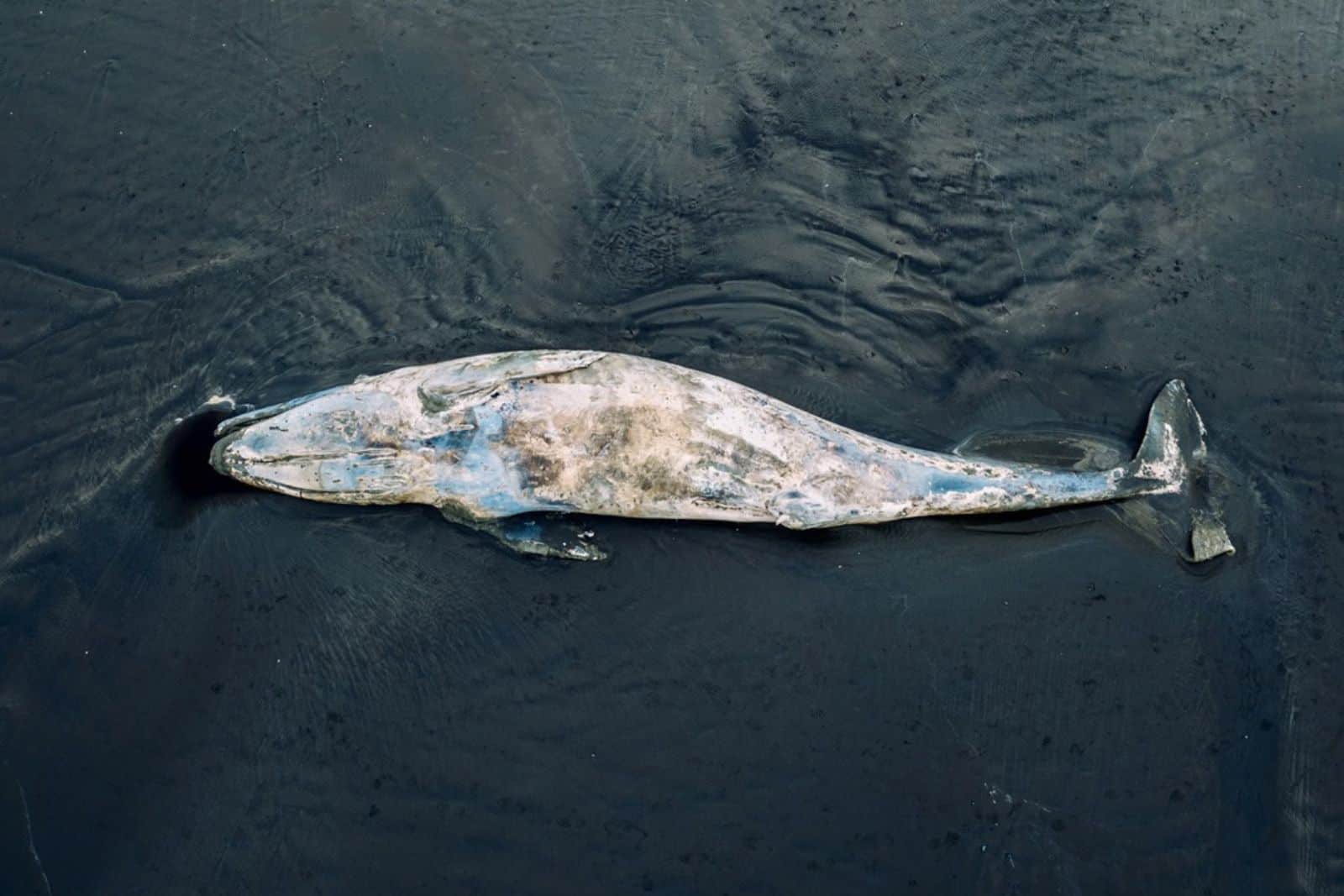
A 13-meter humpback whale carcass washed ashore at City Beach, a popular stretch of coast in Perth, Western Australia, on September 28. Within a day, great white sharks longer than 13 feet were spotted within about 15 meters of the shore, feeding on the dead whale alongside a bronze whaler and a tiger shark, according to reports from the scene. The beach was closed within hours, and officials warned the carcass could keep drawing sharks close to swimmers for some time.
What Washed Up, and What Followed
The whale was a female, and her exact age could not be determined beyond a wide range of 15 to 90 years old. It is not known why she died. A tiger shark had already begun feeding on the carcass while it was still out at sea, and once it reached the sand, two great white sharks were filmed circling in the shallows. Rescuers later counted three great whites, each nearly 13 feet long, patrolling roughly 15 meters from the beach. A bronze whaler was separately filmed near Scarborough Beach while swimmers and surfers were still in the water, a reminder that the risk was not limited to the stretch of sand where the whale lay.
Why a Dead Whale Pulls Sharks in Close
A decomposing whale releases oil, blood and blubber into the water for a long time after it first comes ashore, and that smell can travel and linger. Curt Jenner of the Centre for Whale Research in Western Australia explained that sharks can keep responding to those cues for weeks, even after the carcass itself is gone. Whale Watch Western Australia’s Gemma Sharp made a similar point, warning that the scent left behind in the sand could draw sharks to the area long after the whale is removed.
Removing the carcass took two full days. Crews first brought in an excavator, but it wasn’t strong enough to move 13 meters of dead whale, so a crane was called in to finish the job alongside a truck. The carcass was hauled roughly 1.25 kilometers from the shoreline to an access road, wrapped, and taken to landfill on the Thursday after it washed up. Aboriginal elders performed a smoking ceremony before the whale was moved.
What Beachgoers Were Told To Do
Cambridge Mayor Gary Mack closed City Beach between Swanbourne and Floreat and told residents and visitors not to go in the water or bring dogs to the area until the carcass was gone. The Department of Primary Industries and Regional Development echoed that warning, saying the carcass would likely act as an attractant that could bring sharks in close to shore along that part of the coast, according to a similar advisory issued for an earlier Western Australia stranding.
Officials pointed beachgoers to the SharkSmart website and app, and to Surf Life Saving WA’s social media, for real-time shark activity updates, and asked anyone who spots a shark to call the Water Police. The warnings carried extra weight given the timing. Just over a week earlier, a swimmer had died in a shark attack at Sorrento Beach, not far up the coast, and a separate attack had struck a remote beach north of Geraldton the same week the whale washed ashore. Even once the whale was gone, officials said the smell it left behind meant the danger wasn’t necessarily over.