
Quick Take
- A 55-year veteran lifeguard had one split-second move to escape a great white dragging him underwater, and it was not what you would expect. Read the escape story →
- The surge in Maine shark sightings isn't a warning sign. It's actually proof something is going right. See why sightings are good →
- Maine's coastline has quietly become a seasonal destination for great whites, and a decades-long temperature shift is the reason why. Explore the temperature shift →
- One common beach habit dramatically raises your odds of a shark encounter, yet most swimmers don't think twice about it. See the safety tips →
A Maine lifeguard’s recent encounter with a great white highlights what other coastal communities have noted this summer: shark activity is on the rise.
Continue reading
Maine Lifeguard Pulled Underwater by Shark
On August 8, a veteran lifeguard was conducting a routine patrol when he was suddenly pulled under.
Greg Wilfert, 71, an active lifeguard for 55 years, said a white shark grabbed his rescue device. Without time to react, Wilfert was pulled under the surface of the water.
Initially, Wilfert believed he was caught in a boat’s propeller. Recognizing that there were no boats around, he knew a shark was involved.
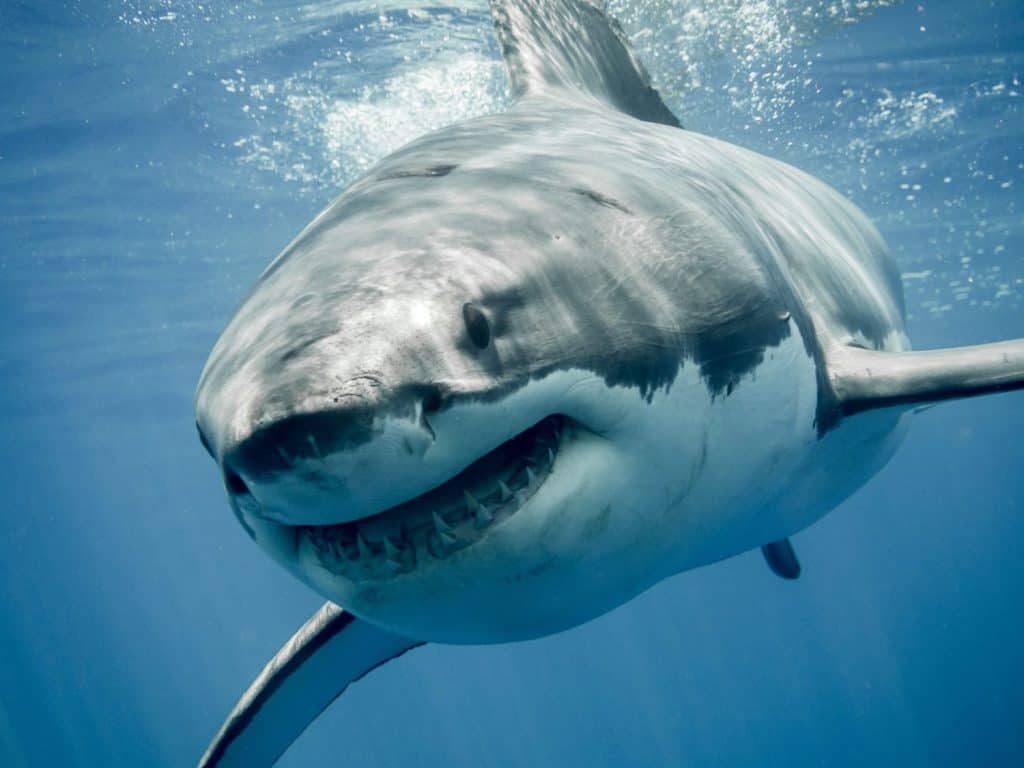
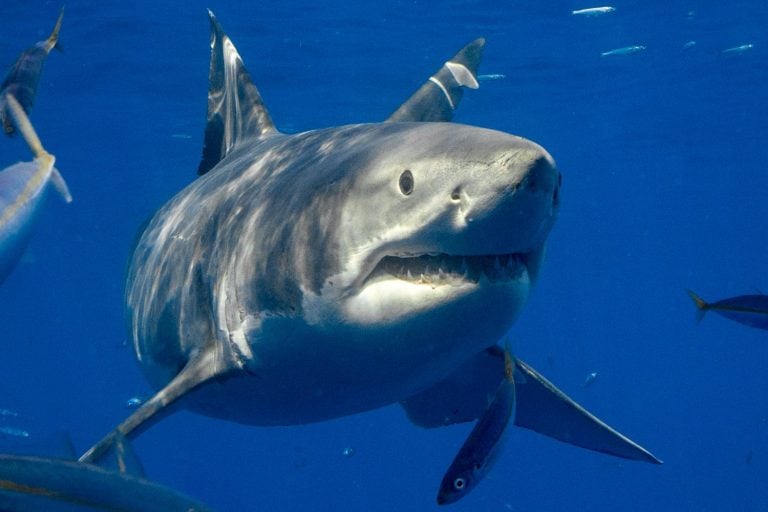
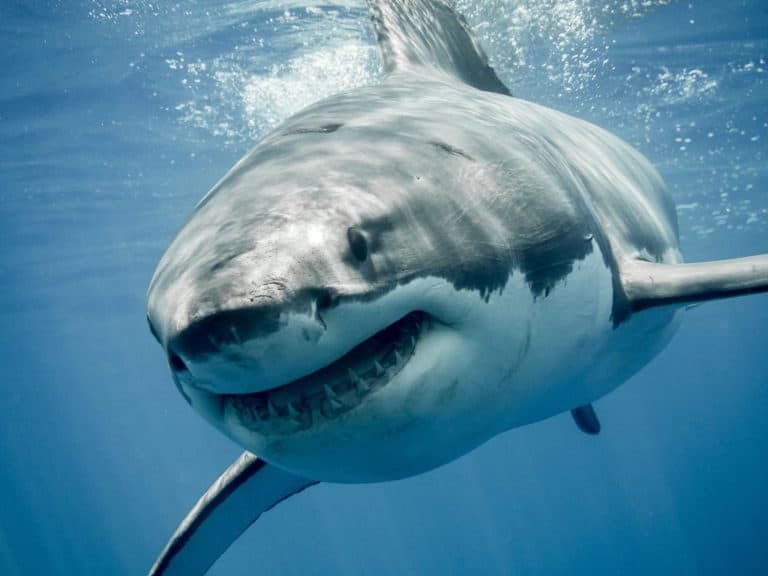
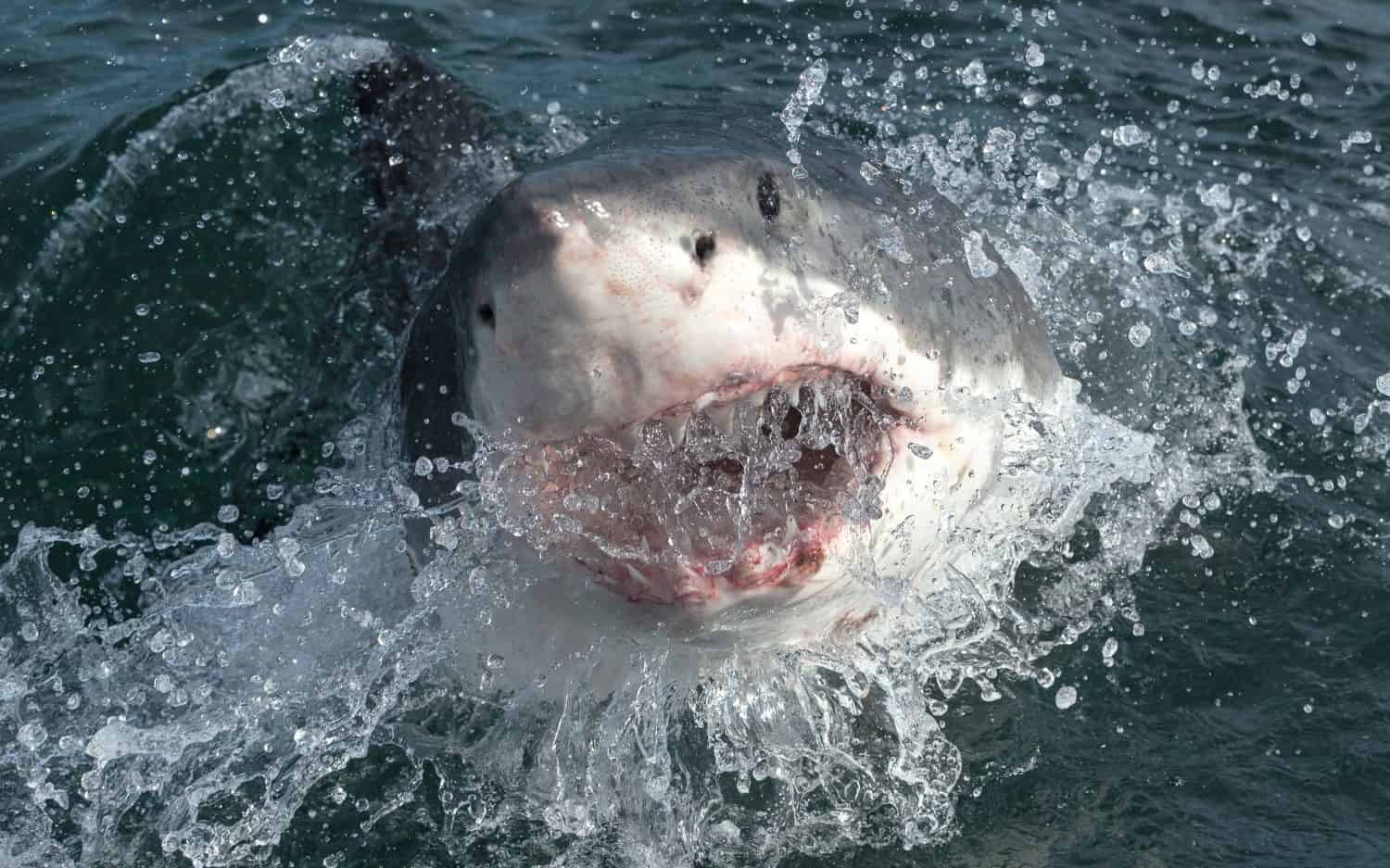
A great white pulled a Maine lifeguard under after latching onto his rescue device.
©Ramon Carretero/Shutterstock.com
“I knew it was a great white,” Wilfert explained to WBZ Eyewitness News. “The amount of force that pulled me under — I’ve never felt anything like that, never.”
After being dragged down approximately five feet, Wilfert was able to free himself and swim to the surface.
“I said I gotta get out of here,” Wilfert told the news outlet. “I got one chance and I slipped that thing off as fast as I could and I swam to the surface and I just b-lined it for the shoreline.”
Wilfert was unharmed. The beach was subsequently closed for approximately one hour, as officials attempted to locate the shark.
Shark Sightings Are on the Rise in Maine
There is no denying that shark sightings are on the rise in Maine. This is especially true in areas such as Saco Bay and Scarborough Beach. While this is alarming to some, it is actually years of conservation efforts paying off, bringing great white sharks back to the coastal waters they once called home.
Beginning in 1997, great white sharks received federal protection. After years of population decline, it became illegal to catch and kill the sharks. Consequently, the population in the waters around the United States slowly began to rebound.
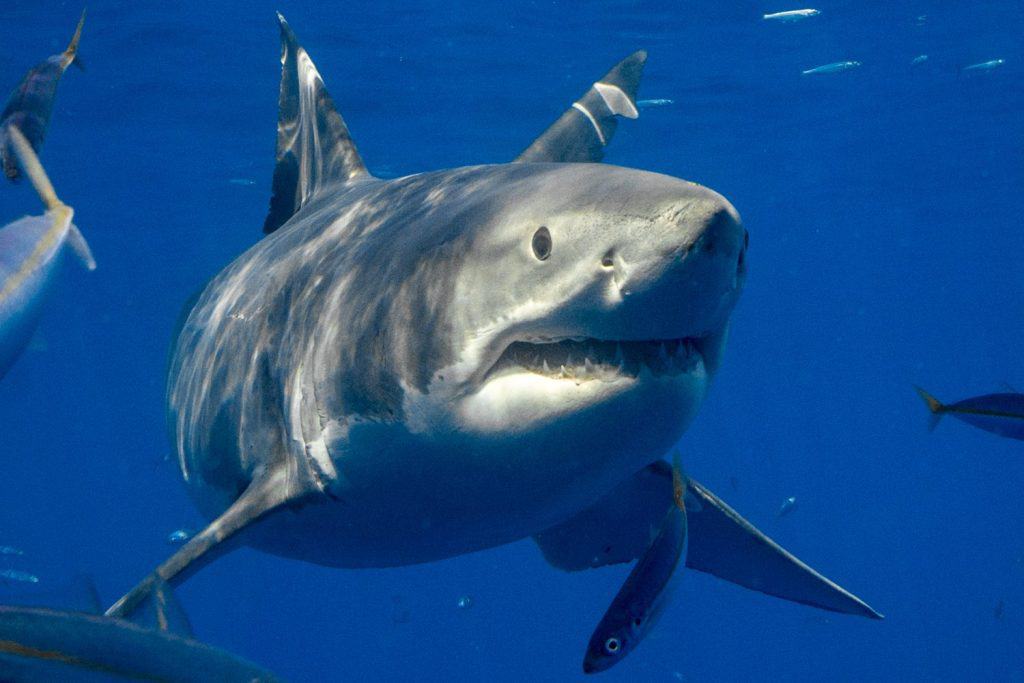
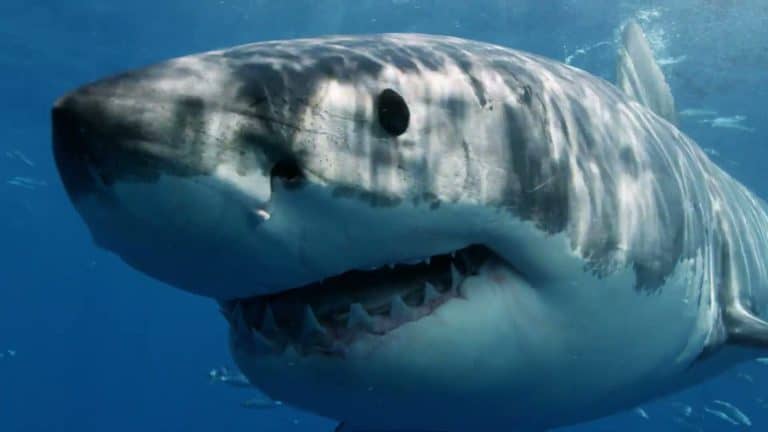
Great white populations have been increasing thanks to conservation efforts.
©Shane Myers Photography/Shutterstock.com
Additionally, the Marine Mammal Protection Act makes it illegal to harass, come into contact with, or kill marine mammals in the United States. This includes seals. As a result of this protection, seal populations in Maine have increased.
With bony fish being abundant, both seals and juvenile white sharks have plenty of prey to target. Adult great whites will target seals, helping to keep their population from growing out of control. In the end, marine habitats are returning to what they once were, something not seen for decades.
Warmer Waters Bringing Sharks to Maine
It is not only an increase in the populations of the apex predator and its prey that has brought more white sharks to Maine’s coastal waters. The water temperature itself keeps the great whites returning annually.
As ocean temperatures increase, all marine life is adapting. For some, such as white sharks, this means exploring the ocean off Maine’s coast. With ocean temperatures ranging from 55°F to 68°F, this represents a significant increase from the 1970s, when averages were between 54°F and 56°F.
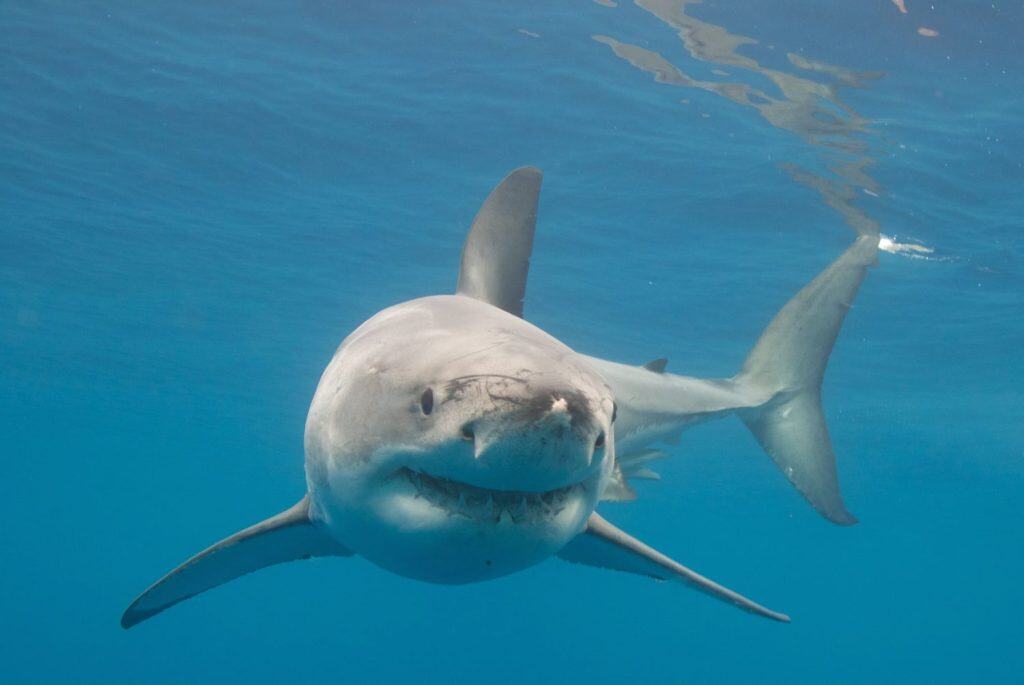
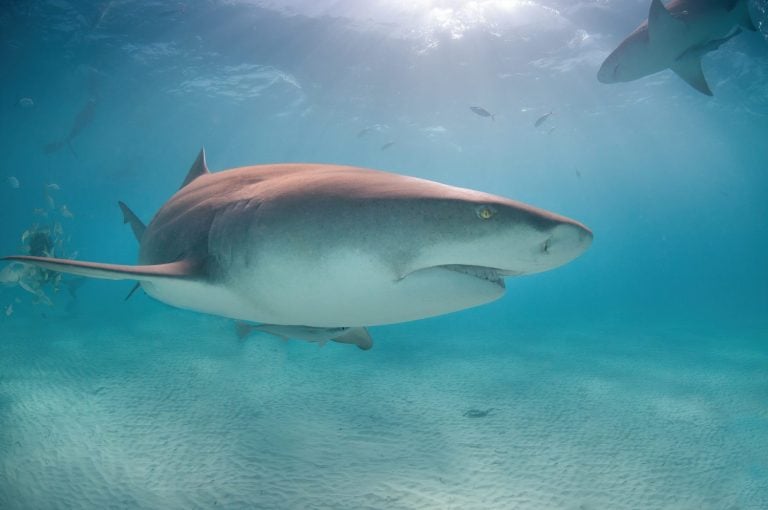
Increased coastal water temperatures have led to more shark activity in Maine.
©Wirestock Creators/Shutterstock.com
The increase in coastal water temperature has created an environment allowing juvenile white sharks to remain in Maine longer than ever before. This has been documented not only by the number of juvenile sharks observed near Pine Point Beach, Prouts Neck, Higgins Beach, Scarborough Beach, and Old Orchard Beach, but also by the return of tagged sharks to these locales each year. Maine is no longer a coastal state where white sharks swim by. Instead, they are making it a summer destination.
What Can Beachgoers Do to Remain Safe?
Shark encounters and attacks are extremely rare. In 2025, there were 105 interactions with sharks worldwide, of which 12 resulted in death. While these interactions have increased slightly over the last few years, the odds of being attacked by a shark in the United States are one in 11.5 million.

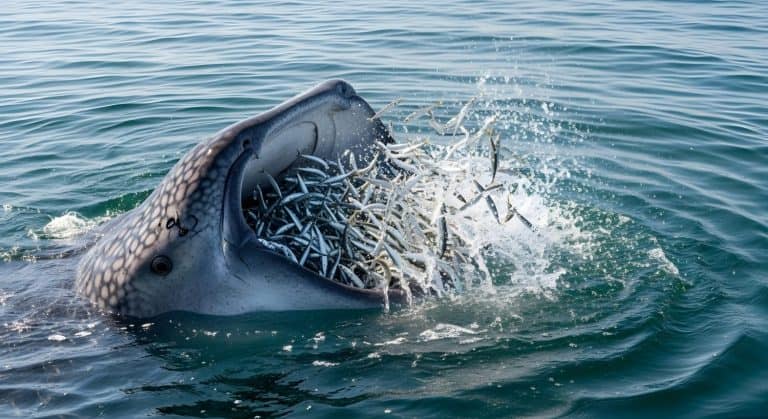
Shark attacks are rare, and there are steps that can be taken to further reduce the odds.
©Aquabluedreams/Shutterstock.com
Even though the chances of being bitten by a shark are low, people should still take precautions to remain safe at the beach. Some simple actions people can take to help ensure their day of fun in the sun does not turn tragic include:
- Stay close to shore to avoid coming in contact with deep-water sharks like great whites
- Surf and swim in groups to deter sharks from approaching
- Avoid areas where schools of fish or seals congregate
- Stay out of water with low-visibility
- Keep splashing to a minimim
- Do not wear shiny jewelry in the water
- Stay out of the water at dawn and dusk when sharks are most active
If a shark is spotted while in the water, exit immediately. Inform lifeguards so that they can take the necessary steps to clear the water and shut down water activities until they can ensure the shark has passed, keeping beachgoers in Maine and other states safe from sharks this summer.