
Quick Take
- The bobcat's post-kill dirt rolling looks like pure play, but it's actually a calculated survival move with two distinct purposes. See the two reasons →
- Bobcats hunt rattlesnakes without any venom immunity, yet somehow they manage to survive the process. So what is actually keeping them alive? How bobcats survive strikes →
- A dead rattlesnake can still cost a bobcat its meal, but the cat knows exactly what to do about it. How the bobcat protects its meal →
- The bobcat doesn't just kill the rattlesnake. Its next move reveals a tactical intelligence most people wouldn't expect from a wild cat. Watch the next move →
Bobcats are stealthy and skillful hunters. When they see an opportunity for an easy meal, they strike.
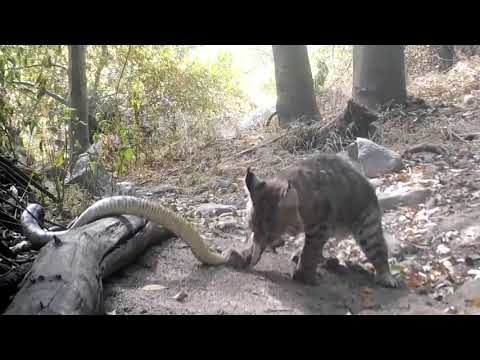
Rattlesnakes are prey that bobcats will target. Several YouTube videos, including one by RM Videos, show bobcats attacking rattlesnakes. What is unexpected is that after the bobcat makes the kill, it behaves like a kitten. This has left viewers wondering if this is normal behavior or if this particular bobcat was unusually playful.
Bobcat Seeks Out and Kills Rattlesnake
Many animals have a healthy fear of rattlesnakes. This fear has been instilled in them thanks to an evolutionary understanding that rattlesnakes pose a threat. Not all animals have the same level of fear around rattlesnakes, as demonstrated by a bobcat initiating an attack in a YouTube video.
RM Videos posted a clip of a bobcat sensing a rattlesnake nearby. The wild cat sniffs the air and listens to determine the rattlesnake’s location. Within minutes, the bobcat has initiated contact.
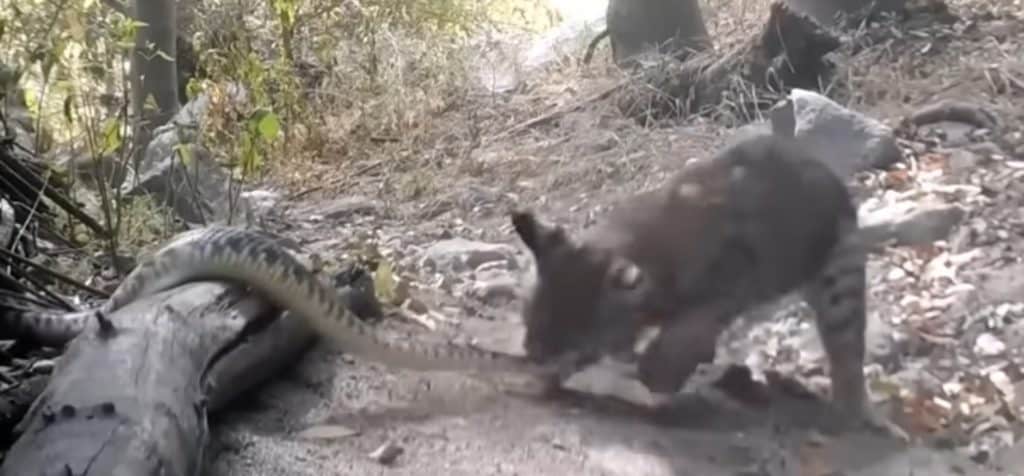
Bobcat targets and kills a rattlesnake.
© – Original
Neither the bobcat nor the rattlesnake is backing down from the fight. With its speed, the bobcat gets in multiple strikes to the rattlesnake’s head without getting bitten. Eventually, the rattlesnake becomes too tired to keep up the fight, and the bobcat gains the upper hand. In one last round of strikes, the bobcat subdues the rattlesnake. It then grabs the rattlesnake by the neck, killing the snake.
After the rattlesnake’s death, the bobcat rolls in the dirt. The bobcat then moves the rattlesnake to a location up the hill before returning and rolling in the dirt again. Finally, the bobcat takes a much-needed rest after its interaction with the rattlesnake, enjoying some quiet time.
Why Would a Bobcat Roll in the Dirt After Killing a Rattlesnake?
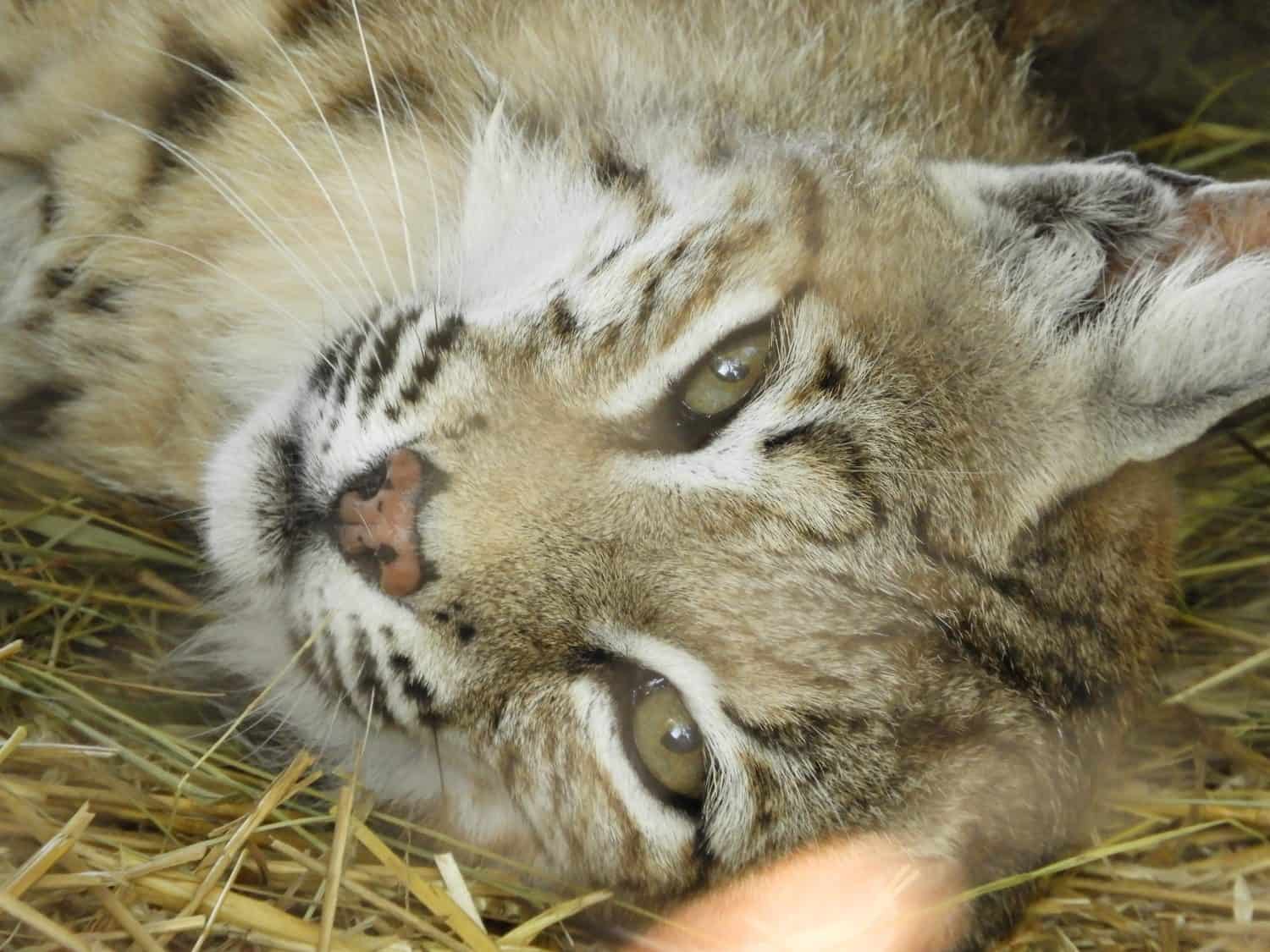
After the bobcat has successfully killed the rattlesnake, it can be seen rolling around in the dirt like a playful kitten in the YouTube video. However, there is a reason that the bobcat is rolling in the dirt, and it has nothing to do with fun.
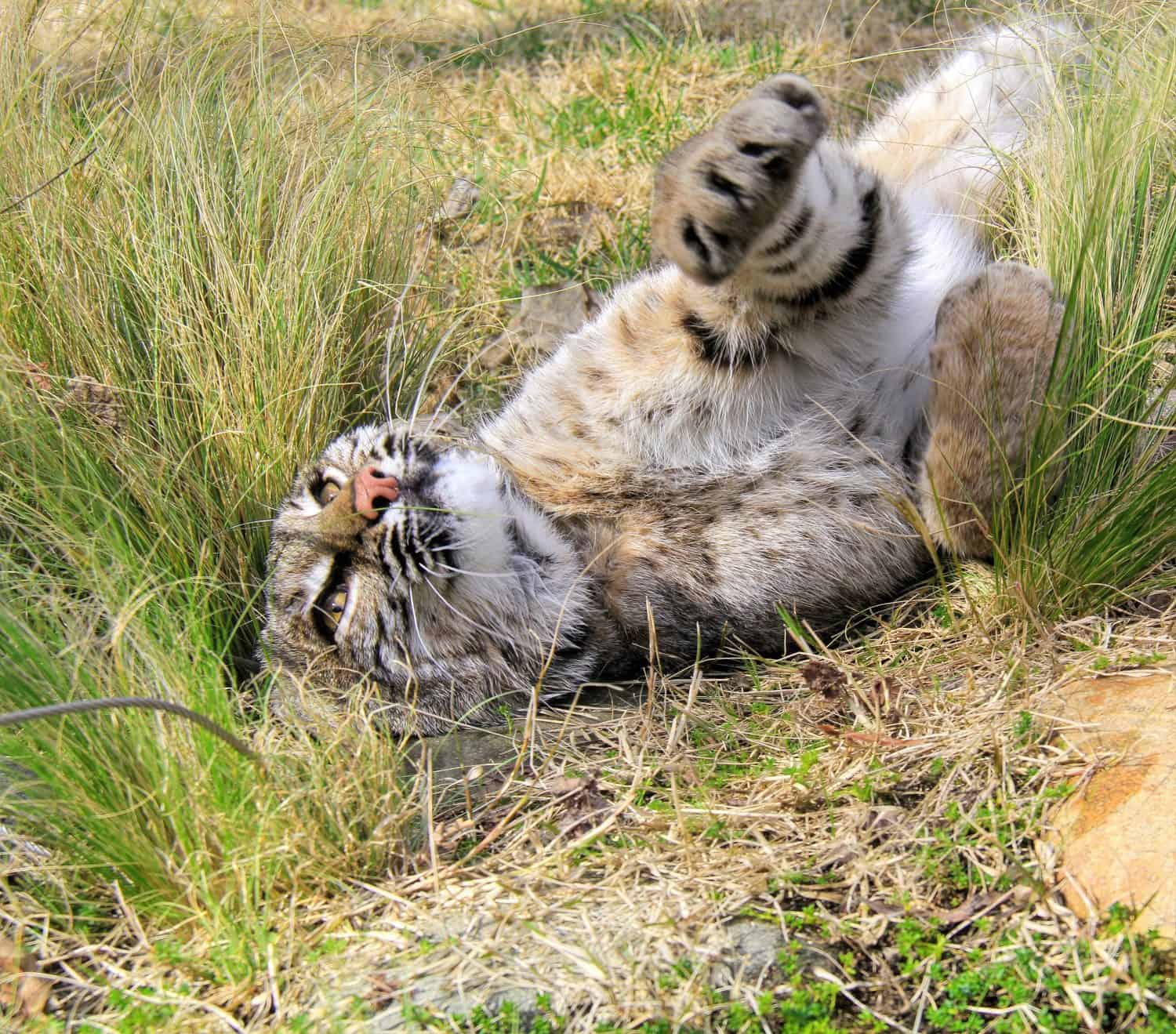
Bobcats roll after killing a rattlesnake or other prey to mark their territory and cover the scent of their kill.
©Martens Coyotes/Shutterstock.com
There are two main reasons why the bobcat was rolling in the dirt. First, the bobcat is trying to mark its territory. When bobcats mark their territory, they are asserting dominance. If another bobcat passes through the area, it will immediately know the territory is occupied. Marking territory can prevent altercations, which is important because it helps both animals avoid injury.
Second, rolling in the dirt helps mask the rattlesnake’s scent. When rattlesnakes are stressed or dead, they release a strong smell. This can attract scavengers. By rolling in the area where the rattlesnake was killed, the bobcat masks the scent. This allows the bobcat to move the snake elsewhere and eat it without attracting other animals.
Do Bobcats Eat Rattlesnakes?
Bobcats primarily eat animal protein, but the specific prey they hunt depends on their region and the time of year.
The typical diet that bobcats rely on for their protein intake includes:
- Rabbits
- Hares
- Mice
- Voles
- Gophers
- Squirrels
- Turkeys
- Quail
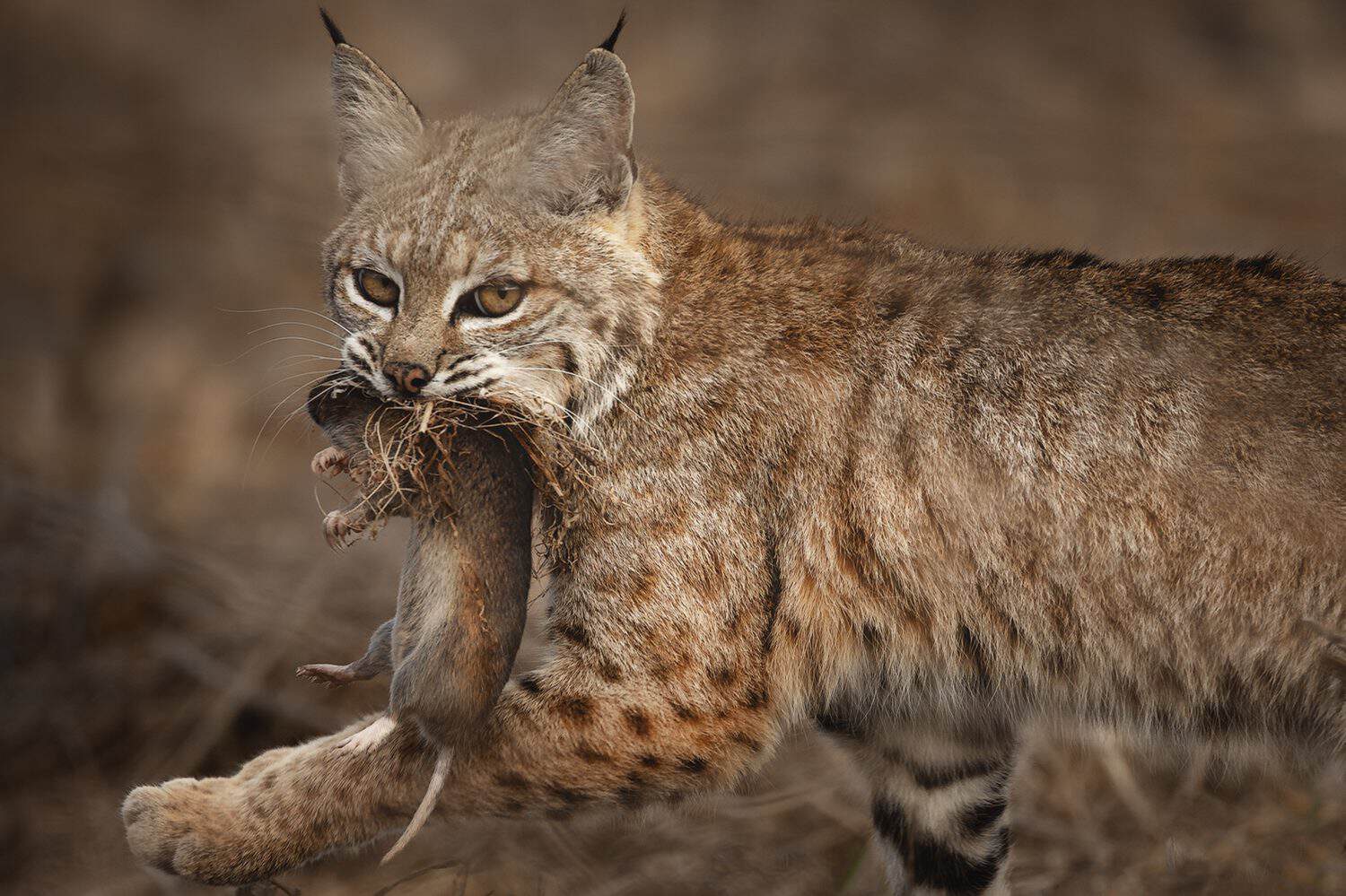
Bobcats are opportunistic hunters. Rattlesnakes are one of their prey.
©Erin Underwood/Shutterstock.com
From time to time, bobcats will even eat rattlesnakes. Bobcats will target any prey they believe they can successfully hunt. If a rattlesnake is not paying attention, a bobcat will sneak up from behind and make it prey. This involves hitting the snake on the head several times to disorient it.
Once the rattlesnake has lost its bearings, the bobcat bites the snake behind its head. The snake dies, and the bobcat gets a high-protein meal.
Bobcats Do Not Have Immunity To Rattlesnakes
Bobcats are skilled and opportunistic hunters. Their speed allows them to sneak up on their prey before the prey knows they are there. Bobcats, however, are not immune to rattlesnake venom. Consequently, if they make a wrong move, it spells bad news for the wild cats.
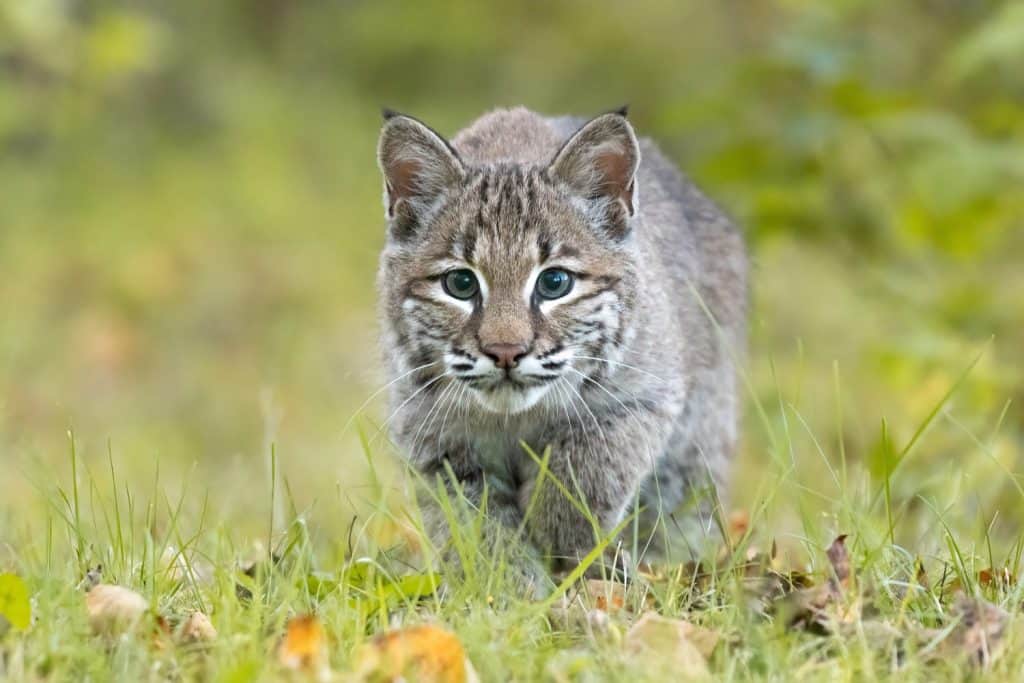
Bobcats are not immune to rattlesnake venom.
©Travis Potter/Shutterstock.com
Some animals that target rattlesnakes do so because their bodies do not react negatively to venom if bitten. Bobcats are not those animals. They rely on their speed to incapacitate rattlesnakes before being struck.
If a bobcat receives a full dose of rattlesnake venom from a bite, it could be seriously injured or killed. However, some sources suggest that if bitten, a bobcat might have enough time to kill the rattlesnake before the venom takes effect. While a rattlesnake may land a strike, its chances of surviving an encounter with a bobcat are slim.