
Quick Take
- Dog bites are common in the United States, with about 4.5 million bites annually.
- Infections are a major risk; about 1 in 6 bites requires care that, if left untreated, can lead to serious illness.
- You should seek medical care as soon as possible, especially if the wound is deep, shows signs of infection, or if you have high-risk medical conditions.
Dog bites are more common than people realize, even among people who love and understand dogs. In fact, in the United States, an estimated 4.5 million people are bitten by dogs every year, and nearly 1 in 6 of those bites requires medical care, according to the Centers for Disease Control and Prevention. Dog bites can range from tiny cuts to life-threatening injuries, and even a small puncture wound can introduce dangerous bacteria. What do you do if you’re ever bitten by a dog, no matter how severe?
Today, we’ll explain why dogs bite, how to judge the severity of a potential bite, and what to do after you’ve been bitten. Using veterinarian guidance, we’ll also advise you on when to head straight to urgent care or the emergency room, how medical professionals typically manage dog bites, and how to reduce the risk of a dog bite in the first place.
Besides referencing information from scientific journals and medical research, we’ve sat down with certified vet technician and dog trainer Teagan Coleman of NLR Explore Dog Training to gain additional insight on behavior, prevention, and what she tells clients to do after a bite. Let’s dive into the details.
Why Do Dog Bites Happen So Often?

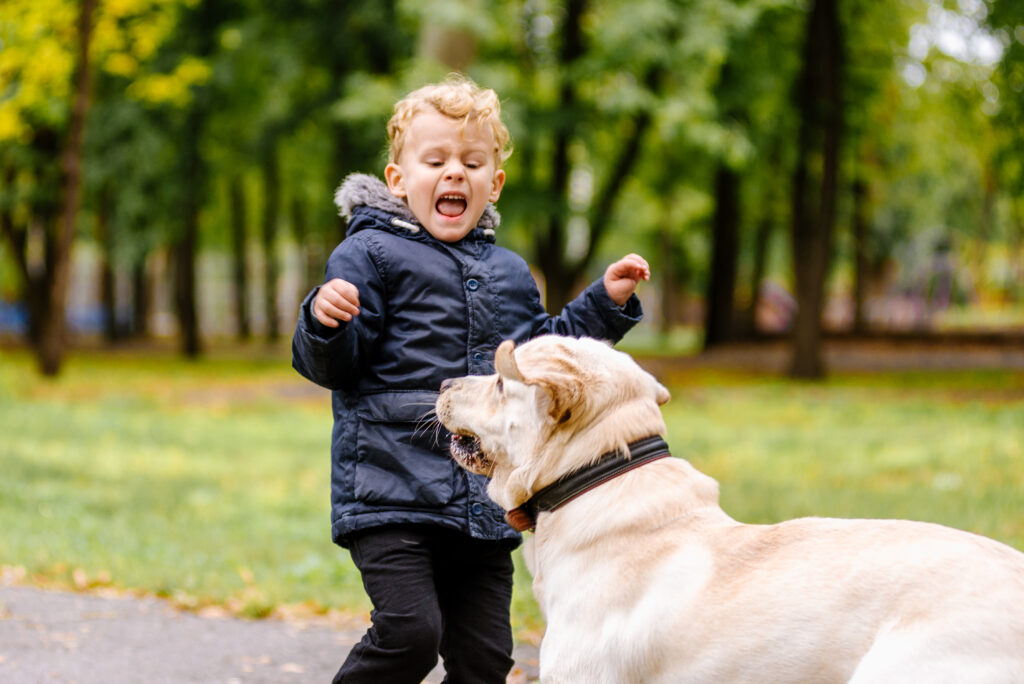
Dog bites happen to children more often than not.
©iStock.com/alexandrshevchenko
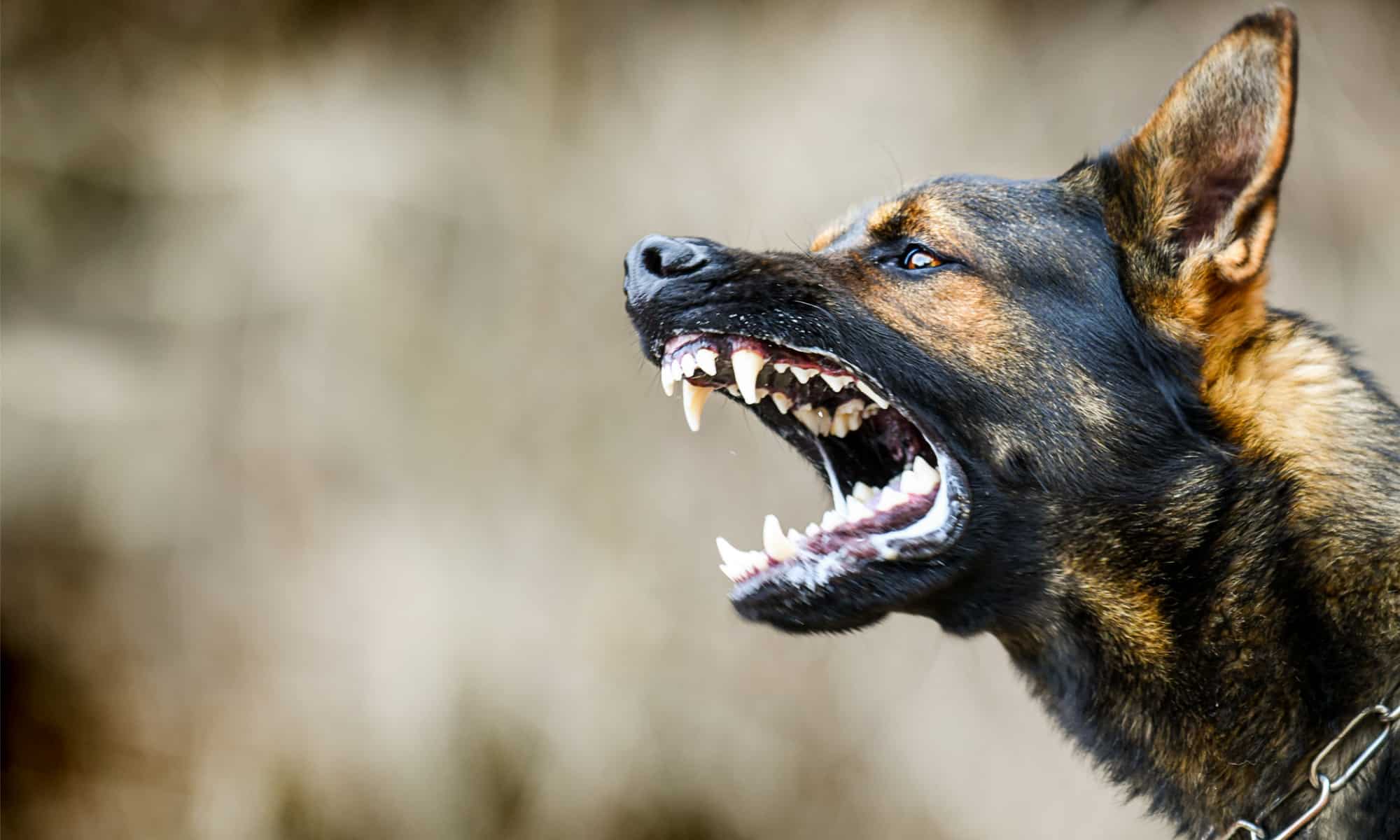
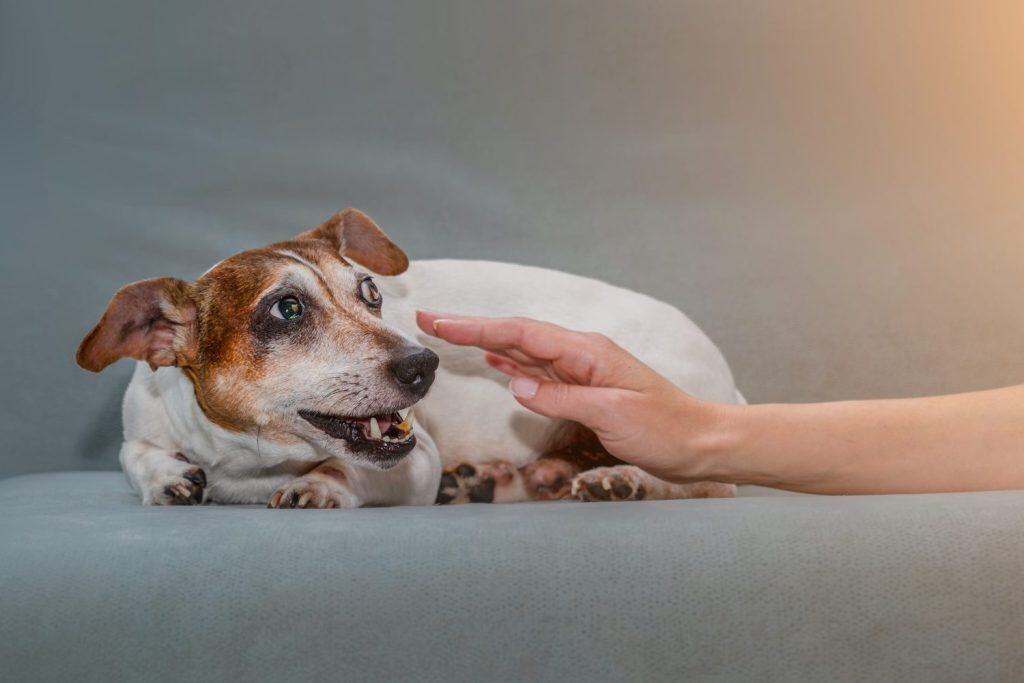
There is one primary reason why dog bites happen: they are usually rooted in fear, pain, or confusion, not meanness. Any dog can bite if they feel threatened. Additionally, dogs may bite when they are scared, nervous, guarding food or toys, protecting puppies, or when they’re in pain and want to be left alone.
Coleman explains it this way: “A bite is almost always the last resort for a dog, because their humans aren’t paying close enough attention. That’s why dog bites often happen to kids more than adults, as they don’t typically pick up on the warning signs. The dog was saying ‘I’m uncomfortable’ with their body language first, and nobody noticed or gave them space.”
Common scenarios for bites include hugging or grabbing a dog, leaning over their head, disturbing them while they’re sleeping or eating, rough play that gets out of hand, and stepping into the middle of dog-on-dog conflicts. The American Veterinary Medical Association recommends supervision and teaching children how to approach dogs safely to prevent many of these situations.
What Does a Dog Bite Do to the Body?
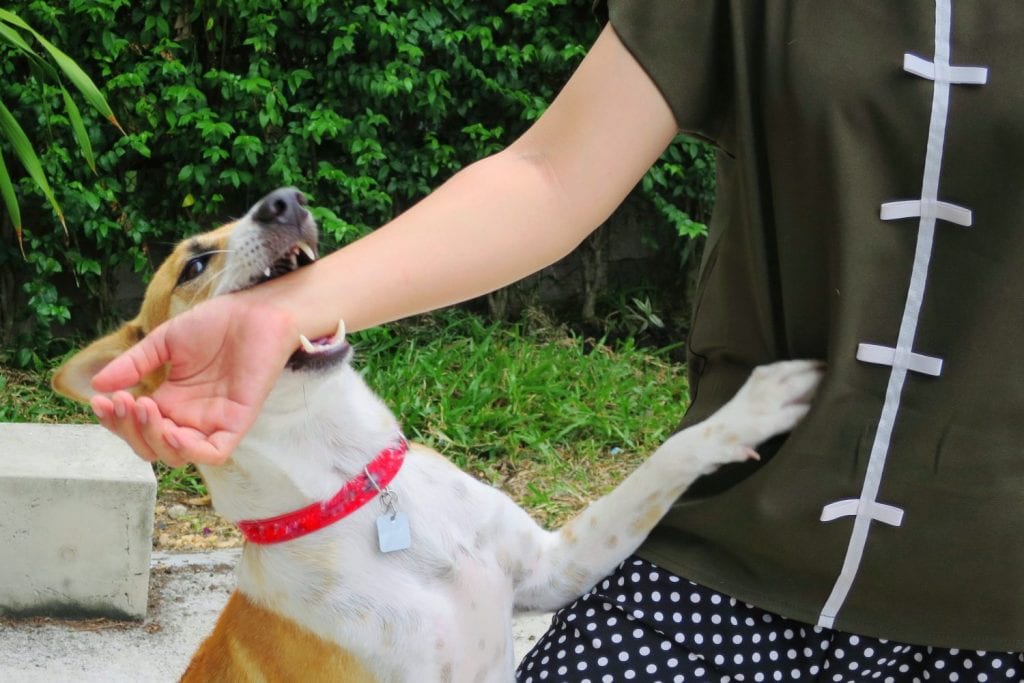
Puncture wounds can lead to infections, making them one of the most dangerous types of dog bites.
©nupook538/Shutterstock.com
A single dog bite can vary in its severity and can involve crushing, tearing, and puncturing. Emergency physicians at the Cleveland Clinic describe how a dog’s front teeth can grab and compress tissue while their smaller teeth puncture and tear the skin. Even a small puncture can drive harmful bacteria into tissue, raising the risk of a serious infection.
Dog mouths aren’t particularly clean and commonly harbor bacteria, like Staphylococcus and Streptococcus species, most of which can cause severe infections in people with weakened immune systems or certain underlying conditions, according to the Johns Hopkins ABX Guide on bite wounds. Deeper bites can also damage tendons, joints, nerves, and even bone, leading to lasting consequences.
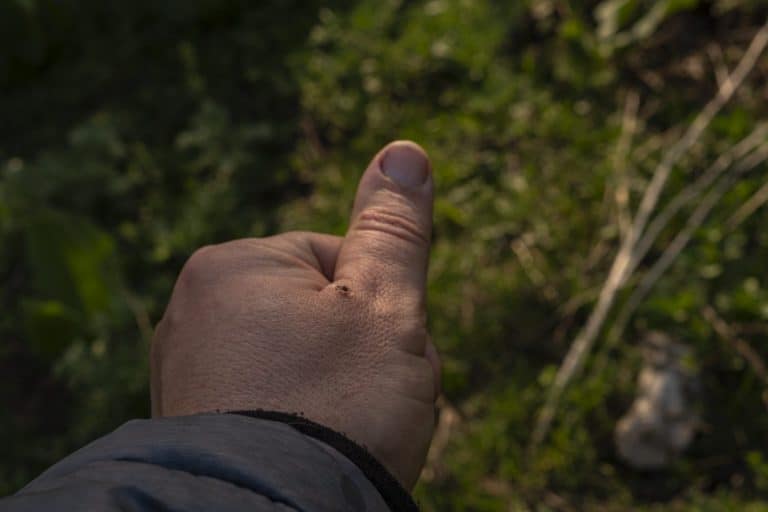
“Clients will tell me, ‘It’s just a small hole,’ but punctures are exactly the ones that worry me,” Coleman reports. “They close over and trap bacteria inside. If that’s on your hand or near a joint, you’ll need to visit a doctor, even if it doesn’t look very severe.”
How to Judge Bite Severity at Home
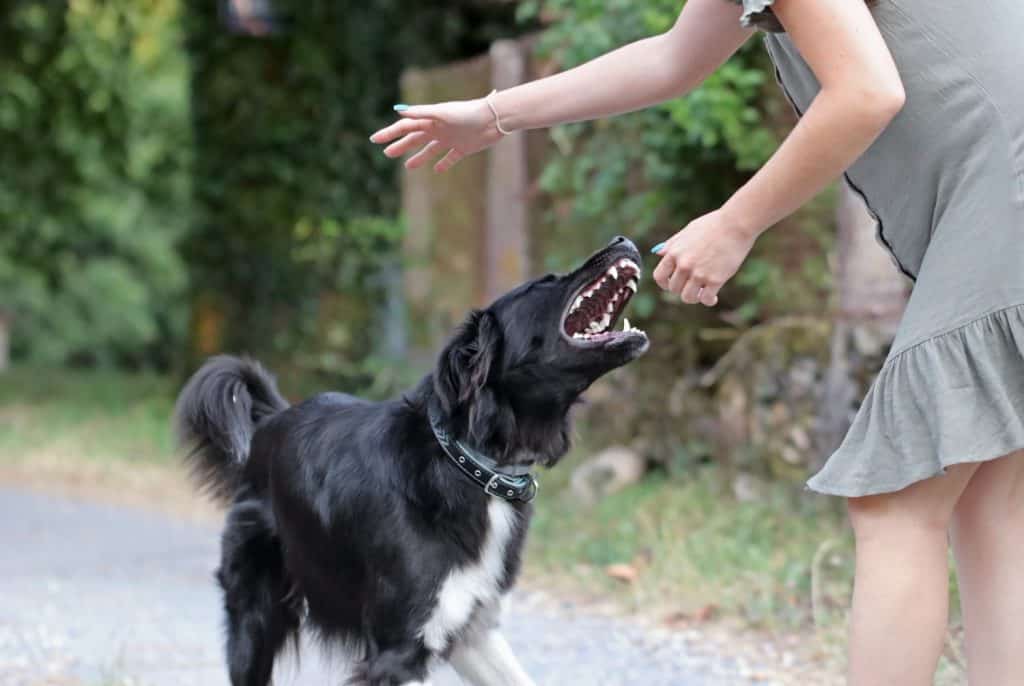
If you’ve been bitten by a dog, seeking medical attention is always a good idea.
©Fercast/Shutterstock.com
We’ll be the first to tell you: no home examination should replace a medical exam if you’ve been bitten by a dog. However, understanding basic bite severity helps you make good decisions in the moment. Experts in emergency and infectious disease care, including the Mayo Clinic, suggest paying attention to these three factors:
- Depth and type of wound. Scratches or shallow abrasions are less risky than deep punctures or gaping wounds. Additionally, crushing injuries with bruising and swelling may hide serious damage below the skin.
- Location. Bites to the hands, feet, joints, face, or genitals are higher risk because of delicate structures, reduced blood flow, or cosmetic concerns. Hand bites in particular are more likely to become infected and are one of the most commonly bitten locations.
- Your overall health. People with diabetes, immune suppression, liver disease, certain blood disorders, or prosthetic joints have higher infection and complication risks and should be seen promptly.
Coleman offers us a simple rule of thumb: “If you can see fat, muscle, or anything that isn’t just a thin layer of skin, you need to see a doctor. If it’s near a joint, if you have numbness, or if you can’t move the area normally, it’s a medical emergency. Take it from me: I’ve had part of my ulnar nerve torn out by a dog before!”
What to Do Immediately After a Dog Bite

It’s important to perform first aid quickly after a dog bite.
©Piotr Wawrzyniuk/Shutterstock.com
If you’ve been bitten and can access a safe place, first aid can lower the chance of infection and help you stay calm. Coleman and other sources recommend the following basic steps for minor to moderate dog bites:
- Get to safety. Move away from the dog and separate people and animals from the aggressive dog so no one else gets bitten.
- Control serious bleeding. If the wound is spurting or soaking through clothes, apply firm pressure with a clean cloth or bandage and seek emergency care right away.
- Wash the wound thoroughly. For bites that are not heavily bleeding, gently wash with soap and running water for 5–10 minutes.
- Remove jewelry near the bite. Rings, bracelets, or watches can trap swelling and cut off circulation if the area puffs up.
- Cover with a clean bandage. Place a sterile bandage over the wound. Avoid wrapping so tightly that it cuts off blood flow.
Coleman adds to this: “If you’re washing a bite and it starts bleeding more, that’s actually okay as long as it’s controlled. A little bleeding can actually help flush those harmful germs out.”
When You Should See a Doctor or Go to the ER For a Dog Bite
Always consider going to your doctor or urgent care after a dog bite.
©Helen Sushitskaya/Shutterstock.com
Because infection is the top concern after a dog bite, proper medical evaluation should not be delayed. Anyone who has been bitten by a dog should seek medical care as soon as possible, especially if the wound is deep, shows signs of infection, or if you have high-risk medical conditions.
Seek urgent care or emergency care right away if:
- The bite is deep, heavily bleeding, or involves torn tissue
- The wound is on your face, hands, feet, genitals, or near a joint
- You cannot move the affected area well, or you have numbness or tingling
- You cannot clean the wound thoroughly, or there is dirt or debris embedded
- You have signs of infection (increasing redness, warmth, swelling, pus, red streaks, fever)
- You have diabetes, a weakened immune system, liver disease, removal of the spleen, or prosthetic joints
- The dog’s vaccination status is unknown, the dog is acting strangely, or the dog may have been exposed to rabies through contact with wild animals, as most rabies cases in the U.S. now originate from wildlife
Coleman adds from her own experience: “If you’re asking yourself, ‘Is this bad enough to see a doctor?’ just go. Dog bites are not a time to be tough or embarrassed. Ten minutes in urgent care now can save you from surgery or IV antibiotics later; don’t mess around with it.”
How Medical Professionals Treat Dog Bites

You may need to get a vaccine to prevent rabies if the status of the dog’s vaccines is unknown.
©Monkey Business Images/Shutterstock.com
If you go to a doctor for a dog bite, medical professionals will start with an exam and interview about the bite: what happened, what the dog did, whether the dog is known and vaccinated, and what your health history looks like. The IDSA skin and soft tissue infection guidelines describe several other key steps that happen after being bitten:
- Irrigation and cleaning. The wound is often irrigated under pressure with large volumes of saline or water to flush out bacteria and debris.
- Debridement. Dead or badly damaged tissue may be trimmed away to reduce infection risk.
- Imaging, if needed. X-rays may be ordered if there’s concern for foreign bodies, fractures, or joint involvement.
- Deciding whether to close the wound. High-risk bite wounds, especially on the hands, are sometimes left open or loosely closed to allow drainage, with closure scheduled at a safer date.
- Antibiotics. Many moderate or high-risk wounds receive prophylactic antibiotics that cover multiple types of bacteria.
- Tetanus and rabies shots. Providers check when your last tetanus booster was and update it if needed. If rabies exposure is possible—such as if the dog is unvaccinated, acting abnormally, or cannot be observed for 10 days—post-exposure prophylaxis may be recommended.
A bite is almost always the last resort for a dog, because their humans aren’t paying close enough attention. That’s why dog bites often happen to kids more than adults, as they don’t typically pick up on the warning signs.
Teagan Coleman of NLR Explore Dog Training
Infection Risk and Warning Signs to Watch For
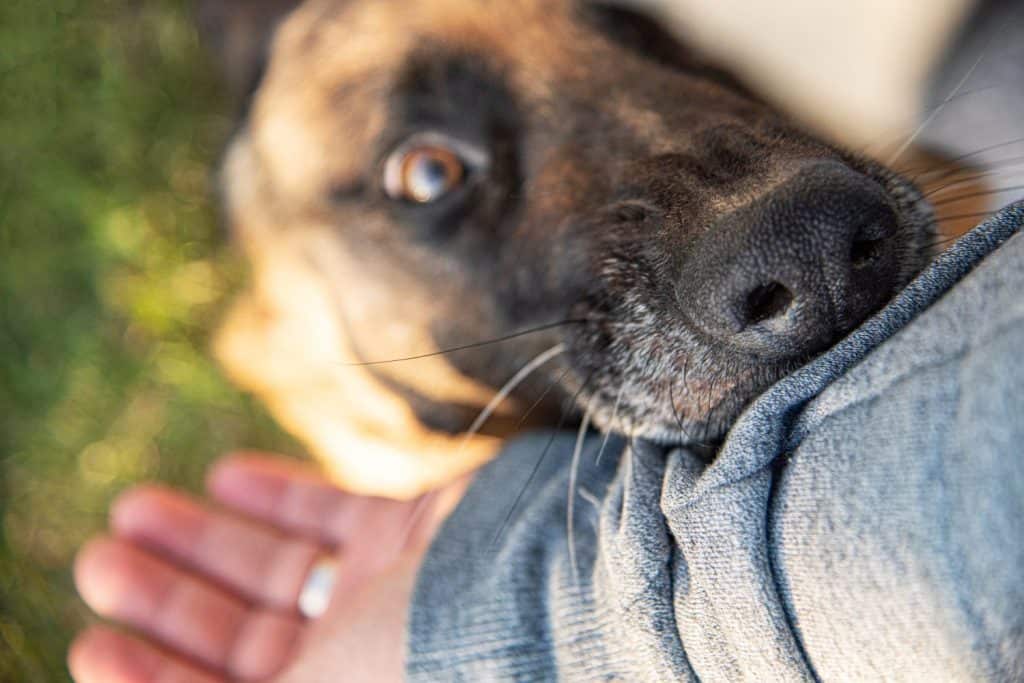
If you’re bitten by a dog and it breaks skin, don’t wait for medical assistance.
©Den Rozhnovsky/Shutterstock.com
Dog bites can become infected, especially in severe cases, so it is important to be very aware of this risk. Infection can develop quickly, sometimes within 24 to 48 hours, especially in puncture wounds or in people with weaker immune systems.
Even more serious complications can include abscesses, septic arthritis, tendon sheath infections, and bloodstream infections. That’s why Coleman is adamant about not ignoring subtle changes: “If that bite looks redder tonight than it did this morning, or the pain suddenly ramps up, or you feel off, don’t wait. Call your doctor or head to urgent care.”
What Happens to a Dog After a Bite?
Some dogs may need to be rehomed following a dog bite.
©Bonsales/Shutterstock.com
Most U.S. jurisdictions require that any person with knowledge of a dog bite that breaks the skin report it to local authorities so the dog can be monitored for rabies and public safety, as seen in policies like the Cuyahoga County Animal Shelter’s dog bite investigation process. Dogs that bite are often quarantined for a period of time to confirm that they remain healthy and are not at risk of spreading rabies.
If the dog that caused the injury is yours, you are required to report it and coordinate with your veterinarian, local animal control, and your medical provider.
“We need accurate information on the dog to keep everyone safe, including your pup. My goal after a bite is to figure out what went wrong, manage the dog so it can’t happen again, and put a training and safety plan in place,” Coleman says. “Sometimes, that plan includes muzzle training, environmental changes, or, in rare cases, recognizing that a home may not be the right fit.”
Preventing Future Bites
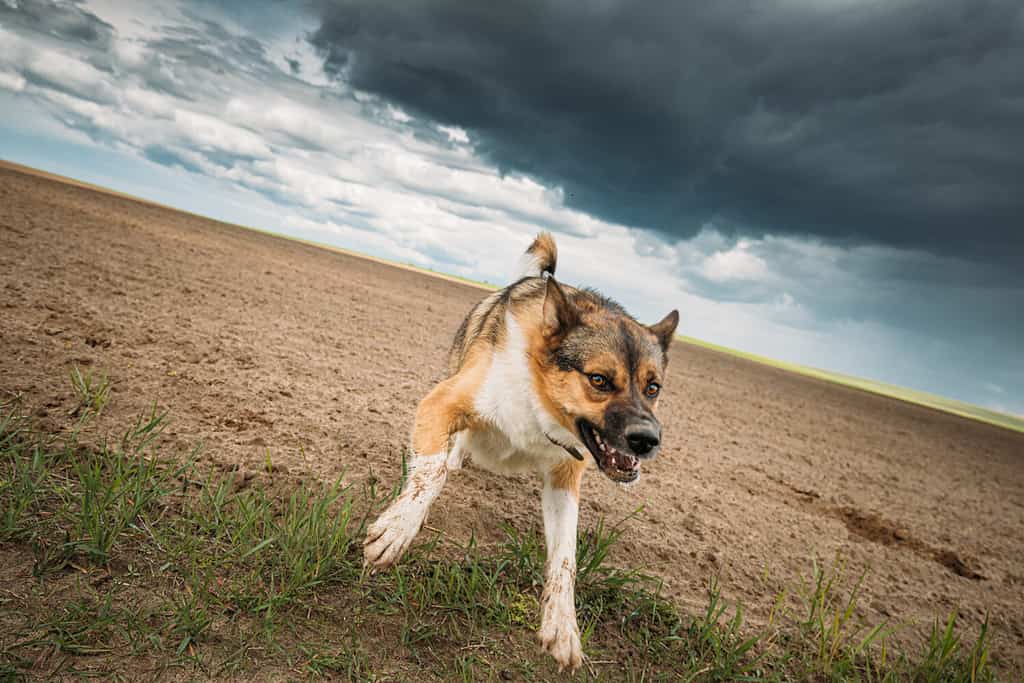
Remember: dog bites happen for a reason, so always pay attention to how your dog is behaving.
©Grisha Bruev/Shutterstock.com
Because millions of bites happen each year, bite prevention matters just as much as, if not more than, good first aid. Guidance from Coleman and the AVMA stresses several preventative strategies:
- Supervise children around dogs and teach them to always ask before petting
- Avoid bothering dogs that are sleeping, eating, or caring for puppies
- Learn to recognize early stress signals in dogs and give them ample space
- Use leashes, secure fencing, and management tools to keep dogs contained
- Seek professional help early for fear, aggression, or guarding issues in your dog
Coleman sums it up perfectly: “If we respect dogs as a different species with their own language and boundaries, bites drop dramatically. All it takes is understanding a creature that’s different from us, but still capable of communicating their needs if we’re paying attention. Dogs deserve our attention and respect; they don’t bite just because they can. There’s always a reason, always.”